












-
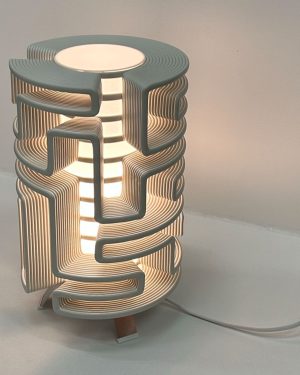
Maze Table Lamp in Recycled Plastic
By Stijn van Aardenne
€227 -
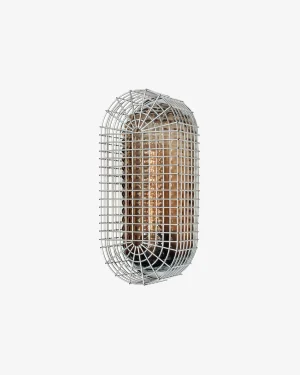
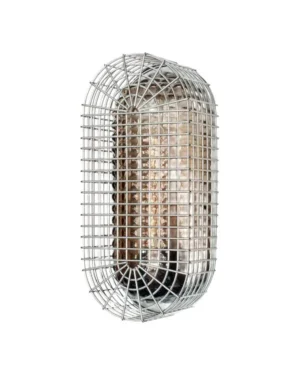
Chastity Wall Sconce In Stainless Steel And Handblown Glass
By Studio S II
€1.980 -
 In stock
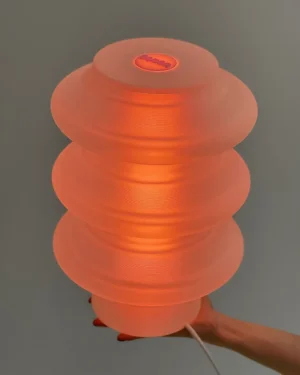
Blampa30 Table Lamp in Bio Plastic
By BLUBA Studio
€203 -
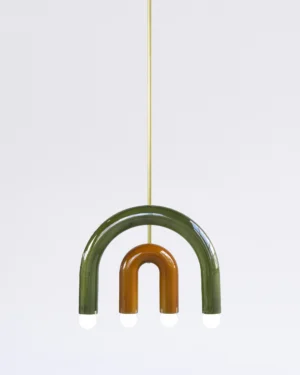
Trn / Model C1 Pendant Lamp in Ceramic
By Pani Jurek STUDIO
€880 -
 In stock
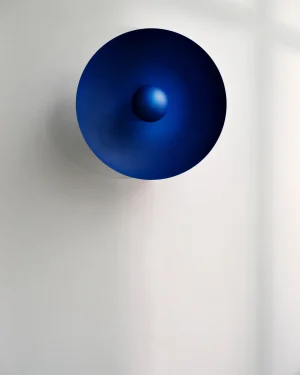
Blue Moon Wall Lamp in Aluminum
By Anne Nowak
€1.675 -
 In stock
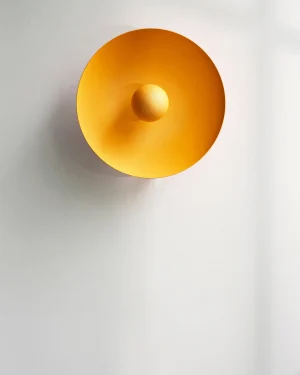
Sun Wall Lamp in Aluminum
By Anne Nowak
€1.340 -
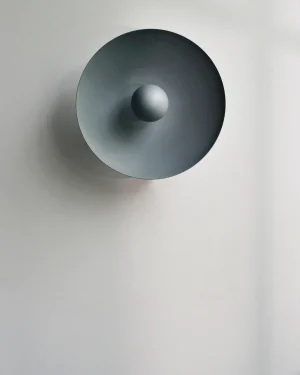 In stock
Grey Moon Wall Lamp in Aluminum
By Anne Nowak
€1.675 -
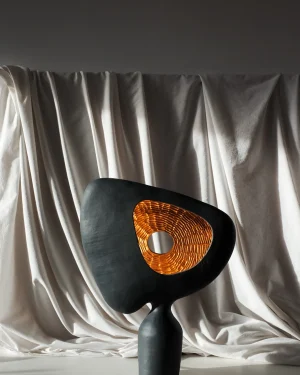
Olethros Table Lamp in Stoneware
By Andrei Clontea STUDIO
€1.000 -
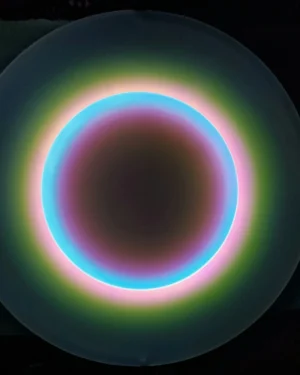
Event Horizon L Wall Sconce in Acrylic Glass
By Catrinel Sabaciag
€1.963 -
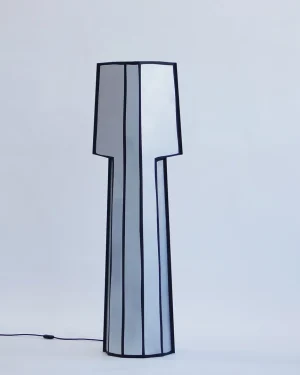
Hex Floor Lamp in Aluminum
By STUDIO GUILTY
€1.256 -
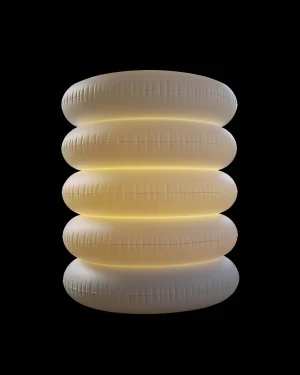 In stock
Big Puff Floor Lamp in Polyurethane
By PUFF-BUFF
€690 -
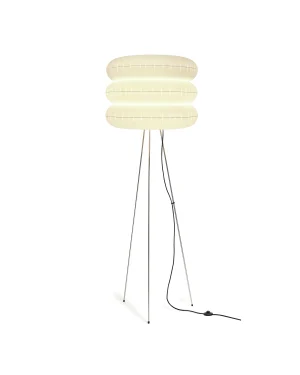 In stock
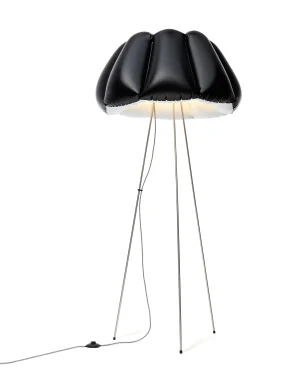
Big Puff Tripod Floor Lamp in Polyurethane and Steel
By PUFF-BUFF
€800 -
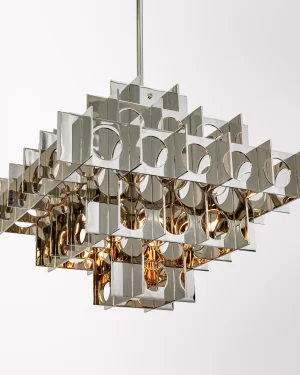
Tenfold 5 T Pendant Lamp in Stainless Steel and Aluminum
By Luft Tanaka Studio
€4.440 - €11.000 -
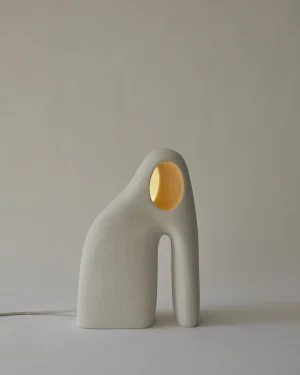
Nomad Ⅱ:02 Table Lamp in Stoneware
By SK - Sofia Karnukaeva
€2.480 -
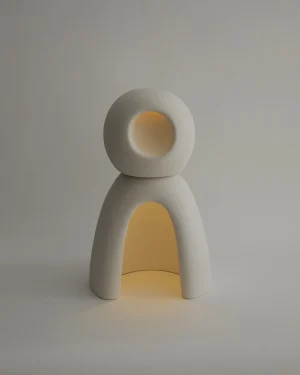
Nomad Ⅱ:09 Table Lamp in Ceramics and Stoneware
By SK - Sofia Karnukaeva
€2.780 -

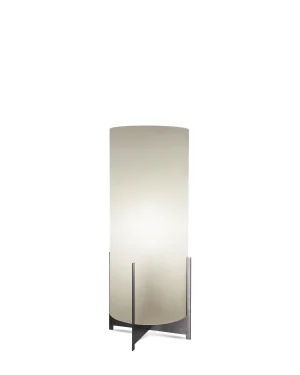
Mingling Table Lamp in Blown Glass
By Sticky Glass
€6.867 - €7.331 -
 In stock
Lumix Floor Lamp in Stainless Steel and Polycarbonate
By Pablo Sinan Design
€510 -
 In stock
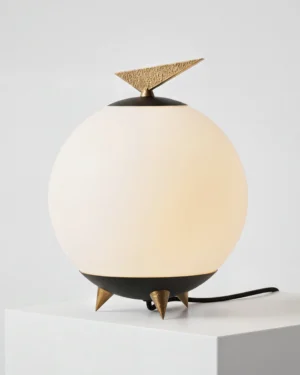
Eoni Table Lamp In Steel, Brass And White Glass
By Balance Lamp
€410 -

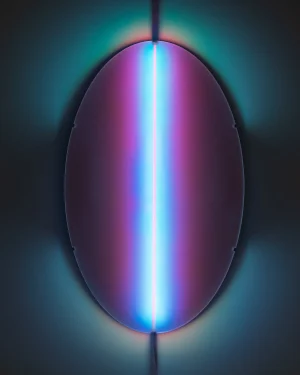
Rakis Floor Lamp In Ceramic
By Catalin Filip
€1.900 -
 In stock
Aurora Frosted Wall Sconce in Acrylic and Aluminum
By Catrinel Sabaciag
€1.352 -
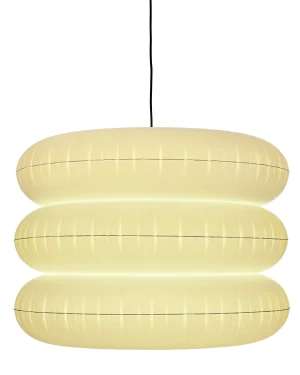 In stock
Big Puff Pendant Lamp in Polyurethane
By PUFF-BUFF
€550 -

Fractical Neon Table Lamp In Glass
By Dace Sūna
€1.000 -
 In stock
Cave Table Lamp In Glass
By Dace Sūna
€1.500 -
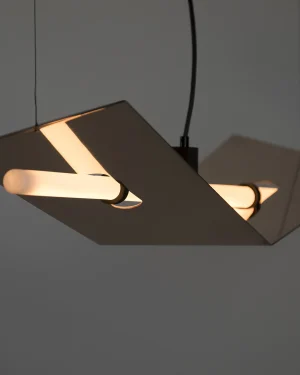
Bird of Prey Ceiling Lamp in Bronze
By Atelier Haute Cuisine
€3.700 -

Sky-set Floor Light
By Dace Sūna
€5.800 -
 In stock
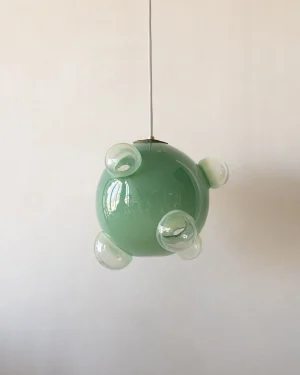
Bubble Pendant Lamp (Small) in Glass
By Sticky Glass
€2.480 -
 In stock
Orca Floor Lamp in PVC and Stainless Steel
By PUFF-BUFF
€650 -
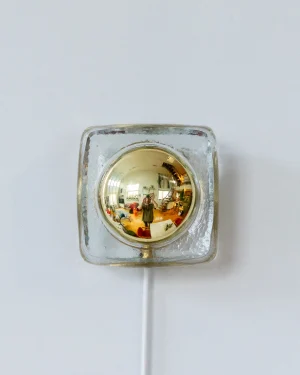 In stock
Starburst Wall Sconce in Brass and Blown Glass
By Voidfill Studio
€1.635 -
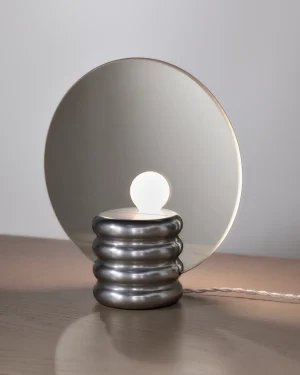 In stock
Spegla Mirror Lamp – Mirror / Lamp In Aluminium And Mirror Glass
By Jochen Lavéno Mangelsdorff Studio & Objects
€556 -
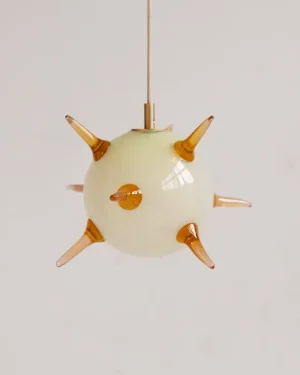 In stock
Pokie Pendant Lamp (Small) in Glass
By Sticky Glass
€2.664 -
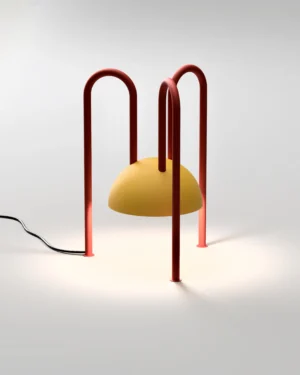 In stock
Allugi Table Lamp In Steel
By Balance Lamp
€450 -
 In stock
Shadow 24 Table Lamp in Orange Acrylic and Aluminum
By Andreas Berlin
€1.218 -
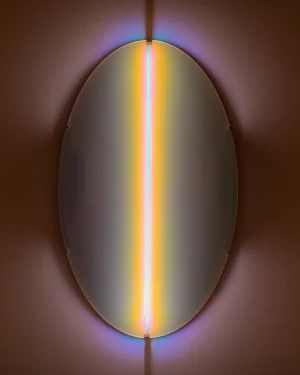
Aurora Gloss Wall Sconce in Acrylic and Aluminum
By Catrinel Sabaciag
€1.341 -
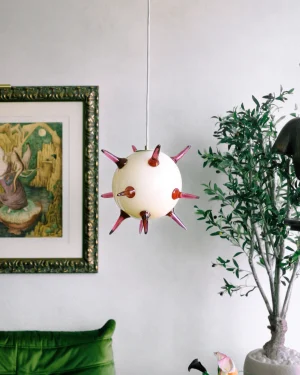
Pokie Pendant Lamp (Large) in Blown Glass
By Sticky Glass
€4.500 -

Aria Red Dot Ceiling Lamp in Metal and Acrylic
By Saadia Design
€1.570 -

Moon Sixteen – Alabaster Table Lamp
By A.D.U. Studios
€1.240 -
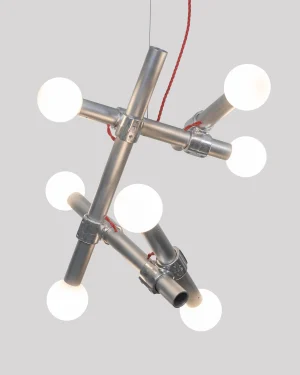
Pipe Dream Chandelier in Aluminum and Glass
By Luft Tanaka Studio
€3.655 -

Totem Wall Sconce in Aluminum and Acrylic Glass
By Catrinel Sabaciag
€1.326 -
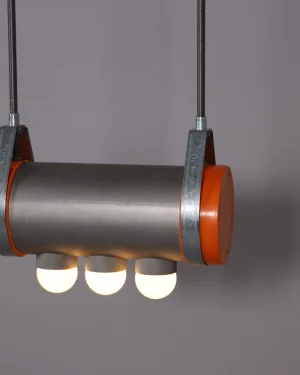 In stock
Three Bulb Upcycled Pendant Lamp In Raw Steel
By Nolan Talbot-Kelly
€2.100 -
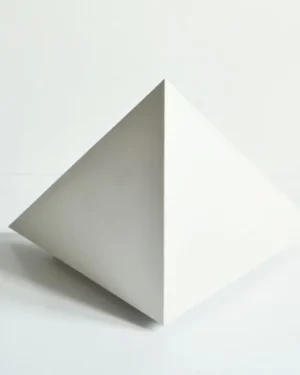
“YYY” Floor Lamp
By Duccio Maria Gambi
€1.640 -
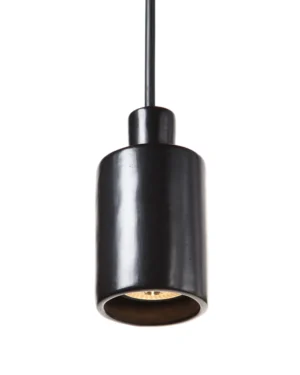
Can Pendant Lamp in Barro Negro
By Studio davidpompa
€225 -
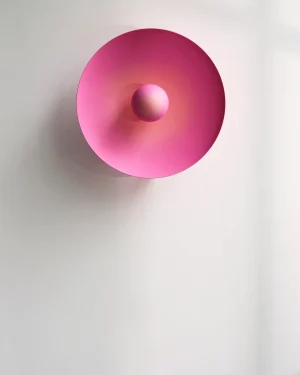 In stock
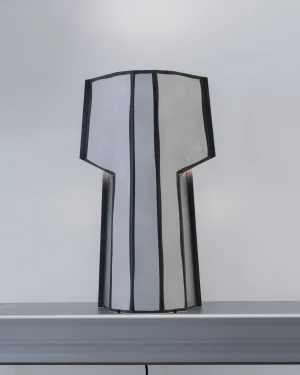
Pink Moon Wall Lamp in Aluminum
By Anne Nowak
€1.675 -
 In stock
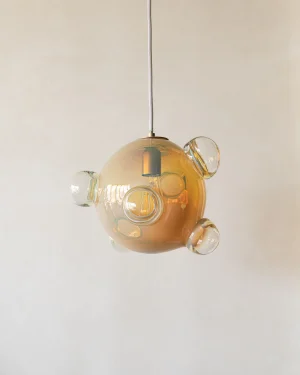
Hex Table Lamp in Aluminum
By STUDIO GUILTY
€492 -
 In stock
Bubble Pendant Lamp (Large) in Blown Glass
By Sticky Glass
€4.318 -
 In stock
Sputnik V Floor Lamp in Steel
By StorqueStudios
€689 -
 In stock
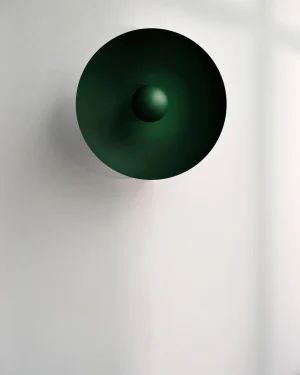
Green Moon Wall Lamp in Aluminum
By Anne Nowak
€1.675 -
 In stock
Helium Sconce
By Dace Sūna
€1.500 -

Caida Libre Floor Lamp in Metal and Glass
By Saadia Design
€660 -
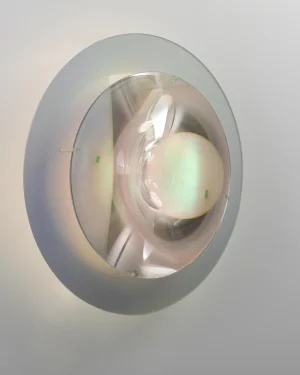
Noosphere Wall Sconce in Aluminum and Acrylic Glass
By Catrinel Sabaciag
€1.072 - €1.112 -
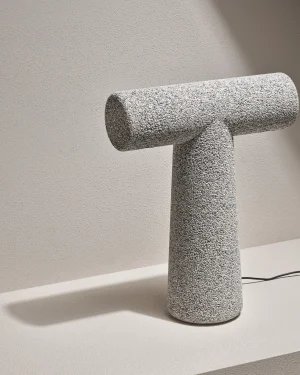 In stock
Gravel Table Lamp in Quartz Stone
By STUDIO GUILTY
€612 - €620 -
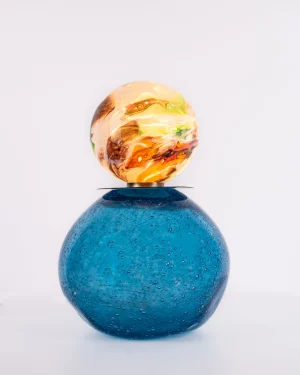 In stock
Soul Table Lamp in Handblown Glass
By Ceren Gürkan
€700 -
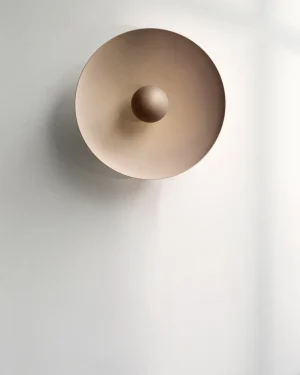 In stock
White Moon Wall Lamp in Aluminum
By Anne Nowak
€1.675 -
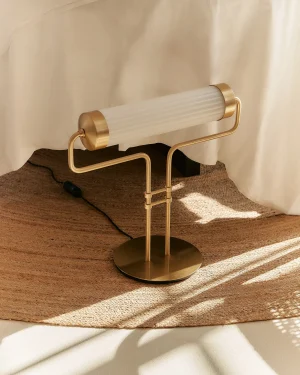 In stock
Tatì Table Lamp in Brass and Blown Glass
By Clara Viladecans
€1.488 -

Apertur Wall Light Sculpture
By Studio Lampent
€3.500
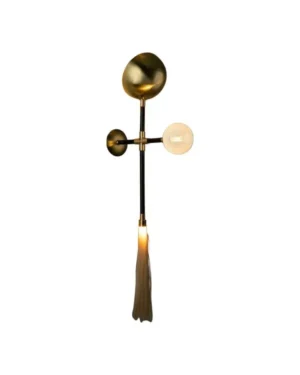
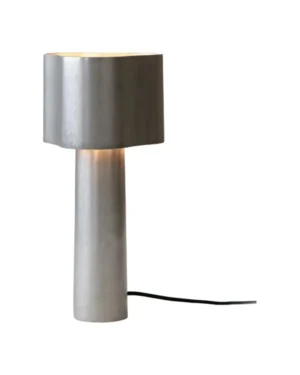
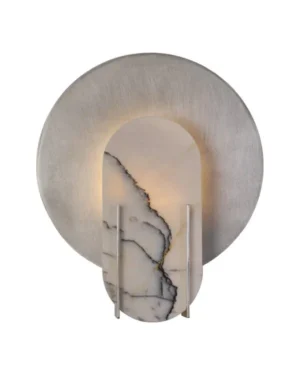
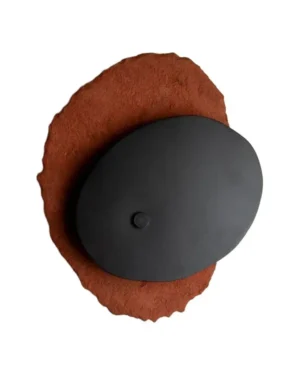
Space age lamps take their form from the optimism of 1960s aerospace design: rounded domes, swiveling arms, and globe or saucer shades worked in polished aluminum and steel. Independent studios shape these bodies by hand through metalwork, then buff the surface until it holds a hard, mirror-like shine. The result reads as sculpture in daylight and throws a warm, directional glow once switched on.
What sets the Space Age style apart
Where mid-century wood lamps lean on grain and joinery, space age lamps lean on geometry and surface. Spheres, discs, and torpedo-shaped shades sit on slim stems or pivoting joints, built to tilt and turn rather than stay fixed. The metal itself does the talking, so ornament stays minimal and the silhouette carries the piece.
Materials, finishes, and editions
Aluminum and stainless steel dominate, chosen for the way they take a polish and hold it without flaking. Some studios finish the metal matte or bronze instead of mirror-bright, and pair it with ceramic, stoneware, or brass bases for weight and contrast. Many of these forms are hand-built or shaped with metalwork and digital fabrication, then hand-painted or glazed where color is added, and sold as open editions, limited editions, or unique pieces depending on the studio's process.
Choosing a lamp for scale and placement
Scale decides whether a space age lamp reads as a feature or a footnote. A table lamp with a wide dome shade needs clearance on either side, so measure the surface before committing to a piece with a broad silhouette. A floor-standing model with a pivoting shade works best where it can tilt freely, away from shelving or a low ceiling line.
- For a side table or nightstand, a compact globe or disc shade keeps the proportions settled next to books or a small clock.
- For a console or sideboard, a taller stem with a wider shade anchors the surface without crowding smaller objects around it.
- For task lighting near a desk or reading chair, an articulated arm lets the shade angle exactly where the light is needed.
Finish matters as much as size. A chrome or polished aluminum body throws reflections and suits a room with other hard, reflective surfaces, while a matte or bronze finish sits quieter against upholstery and wood.
Rooms that suit the look
Living rooms take the style naturally, where a sculptural lamp can sit on a sideboard or side table among other living room lamps without competing for attention. Bedrooms suit the smaller table versions, soft enough at low wattage for reading light. Studies and home offices benefit from the articulated floor and desk models, where the metal body holds up to daily adjustment. Anywhere the room already runs toward clean lines and hard surfaces, a space age lamp fits without needing much else around it.
Caring for polished metal
Aluminum and steel resist rust but show fingerprints and dust quickly, so a soft, dry cloth kept nearby is enough for daily upkeep. Avoid abrasive cleaners on a polished finish, since they dull the reflective surface over time; a damp cloth and mild soap handle most marks. Keep the lamp away from direct moisture, and check swivel joints occasionally so the arm or shade continues to move freely.
For the full range of metal and mixed-material lighting, see all lamps on ADORNO, or narrow by material with metal lamps and by form with space age table lamps. The style extends beyond lighting too, visible across space age lighting more broadly, and the full range of space age lamps and objects sits together under every space age piece on ADORNO.
How do I choose a space age lamp?
Look at the shade shape first, sphere, disc, or torpedo forms each throw light differently, then check the finish: mirror-polished metal reads bolder than matte or bronze.
What are space age lamps made of?
Most are aluminum or stainless steel, chosen for how evenly they take a polish, sometimes paired with ceramic, stoneware, or brass bases for weight and contrast.
How do I clean and care for a space age lamp?
Wipe polished metal with a soft, dry cloth to keep the shine, avoid abrasive cleaners that scratch the finish, and dust ceramic or stoneware bases gently.
What size lamp suits a table or floor space?
A wide dome or saucer shade needs clear space on either side to read as a feature, while a slim torpedo shade suits tighter surfaces like a nightstand or shelf.
Which rooms suit space age lamps?
Living rooms and bedrooms suit them well, anywhere the sculptural form can be seen by day and the directional glow is useful after dark.
How does shipping, returns, and authenticity work on ADORNO?
Shipping is insured and worldwide, with a 14-day return policy excluding made-to-order pieces, a certificate of authenticity included, and a lowest-price guarantee.