













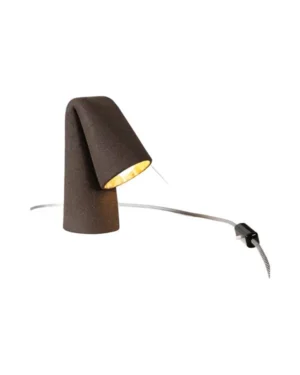
-
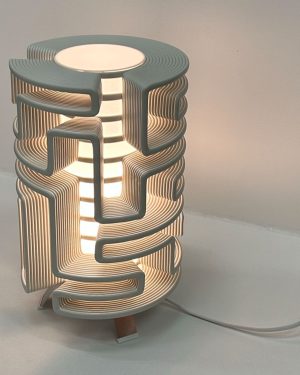
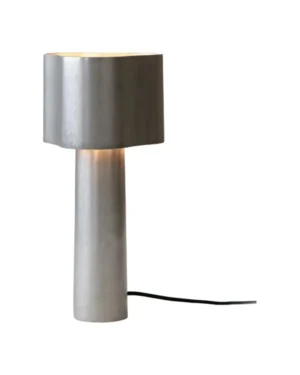
Maze Table Lamp in Recycled Plastic
By Stijn van Aardenne
€227 -
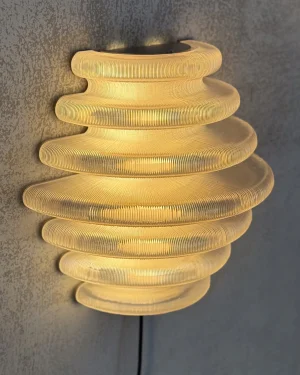
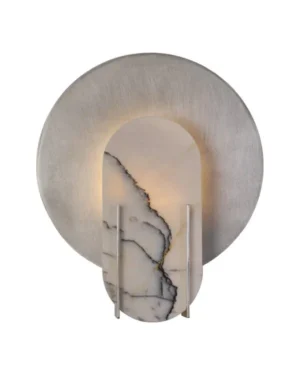
Hive Wall Lamp In Recycled Plastic And Stainless Steel
By Stijn van Aardenne
€805 -
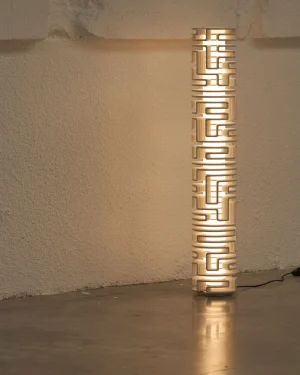
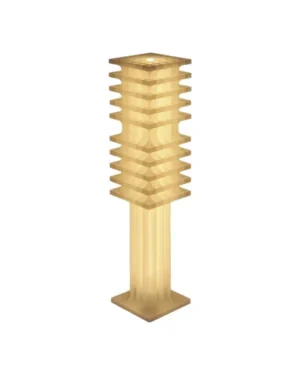
Maze Floorstander Floor Lamp in Recycled Plastic
By Stijn van Aardenne
€1.447 -
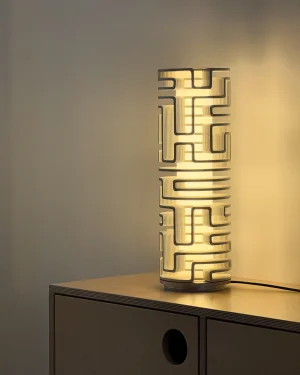
Maze Medium Table Lamp in Recycled Plastic
By Stijn van Aardenne
€579 -
 In stock
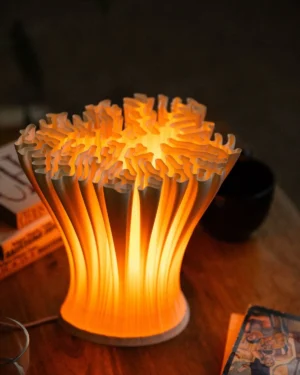
S 5 Table Lamp In Ivory White Bio Polymer
By diploria studio
€295 -
 In stock
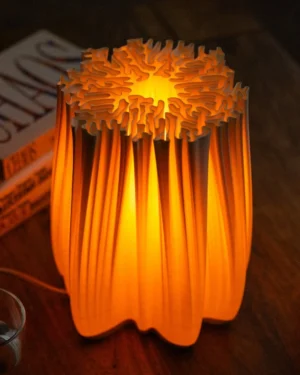
S X 1 Table Lamp In Ivory White Bio Polymer
By diploria studio
€275 -
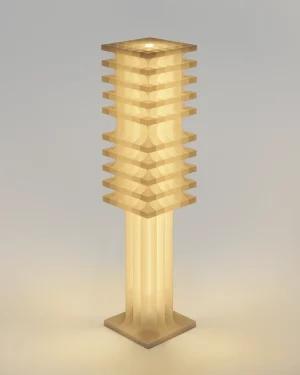
Citadel Floor Lamp in 3D Printed PLA
By Ultramar Studio
€1.400 -

Rotonda Table Lamp in Resin
By Adrian Cruz
€2.420 -
 In stock
Object 09 Sconce in Nylon and Sand
By Hot Wire Extensions
€1.145 - €1.163 -
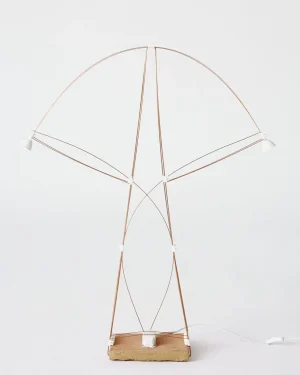 In stock
B.a.r.e Series Table Lamp in Brick, Copper and Plastics
By Lucas Muñoz Muñoz
€300 -
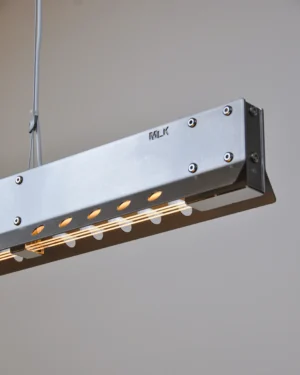
Ne1250/145 Pendant Lamp In Steel And Acrylic
By MLK Furniture
€1.390 -
 In stock
Blampa30 Table Lamp in Bio Plastic
By BLUBA Studio
€203 -
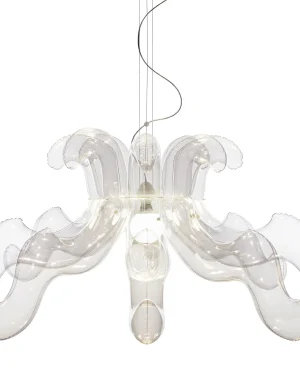
Lullaby No.2 Chandelier in PVC and Acrylic
By PUFF-BUFF
€640 -
 In stock
S 1 Table Lamp In Bio Polymer
By diploria studio
€245 -
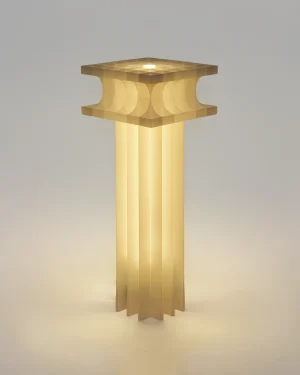
Citadel Table Lamp in 3D printed PLA
By Ultramar Studio
€1.100 -
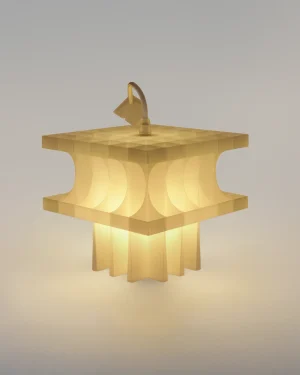 In stock
Citadel Small Table Lamp In 3d Printed Pla
By Ultramar Studio
€850 -
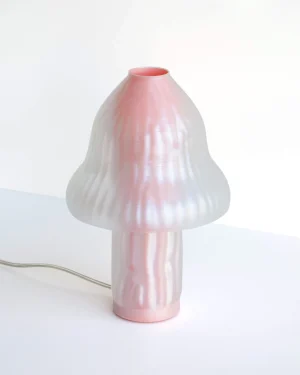 In stock
Lampamodelé Pink Table Lamp In 3d Printed Pla
By BehaghelFoiny Studio
€99 -
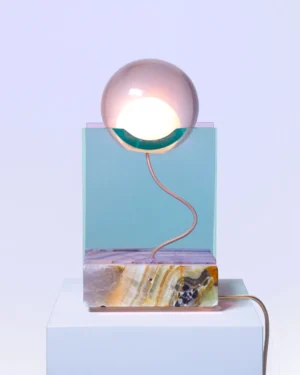
Rotonda Table Lamp in Resin
By Adrian Cruz
€2.380 -
 In stock
Object 05 Table Lamp in Nylon and Sand
By Hot Wire Extensions
€935 -
 In stock
Object 09 Sconce in Nylon and Sand
By Hot Wire Extensions
€935 - €1.145 -
 In stock
Object 12 Sconce in Nylon and Sand
By Hot Wire Extensions
€1.145 - €1.355 -
 In stock
Object 02 Sconce in Nylon and Sand
By Hot Wire Extensions
€1.460 -
 In stock
Object 04 Sconce in Nylon and Sand
By Hot Wire Extensions
€1.208 -
 In stock
Object 07 Sconce in Nylon and Sand
By Hot Wire Extensions
€1.145 -
 In stock
Object 08 Sconce in Nylon and Sand
By Hot Wire Extensions
€1.670 -

Drizzle Table Lamp in Acrylic
By Kajsa Melchior
€780 -
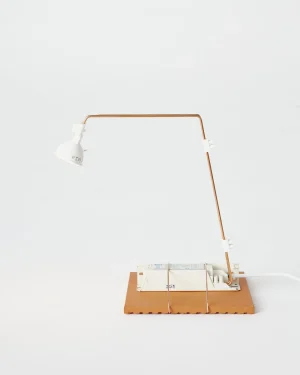 In stock
B.A.R.E Series ‘Small Simple’ Table Lamp in Brick and Copper
By Lucas Muñoz Muñoz
€150 -

Weaver Nest Pendant Lamp in Bio Plastic
By Sabrina Merayo Nuñez
€3.500 -

Curva Floor Lamp in Guarango Wood and Bronze
By Laluz Handcraft
€3.600 -

Lightpulse Wall Lamp in Oak Wood and Acrylic
By Studio Lampent
€1.400 -
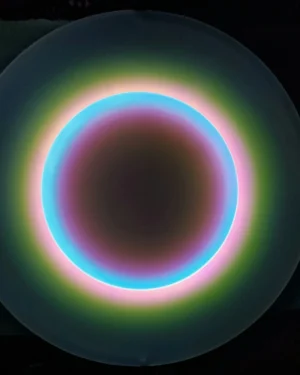
Event Horizon L Wall Sconce in Acrylic Glass
By Catrinel Sabaciag
€1.963 -
 In stock
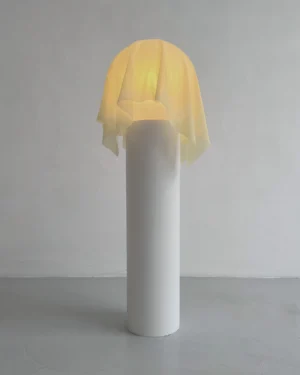
Carnmarina Floor Lamp In Plastics
By Pierre Klein
€1.500 -
 In stock
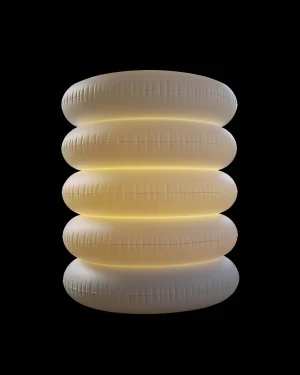
Big Puff Floor Lamp in Polyurethane
By PUFF-BUFF
€690 -
 In stock
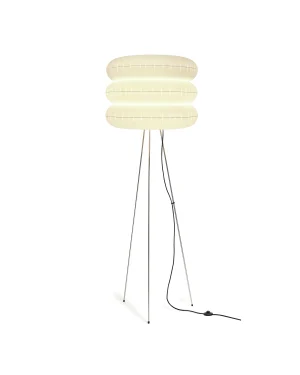
Big Puff Tripod Floor Lamp in Polyurethane and Steel
By PUFF-BUFF
€800 -
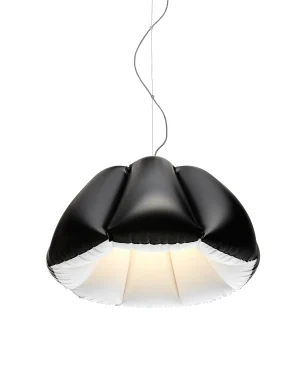 In stock
Orca Pendant Lamp in Galvanised Steel and PVC
By PUFF-BUFF
€430 -
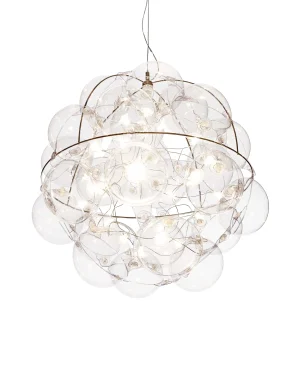 In stock
Starlette Chandelier in PVC and Stainless Steel
By PUFF-BUFF
€830 -
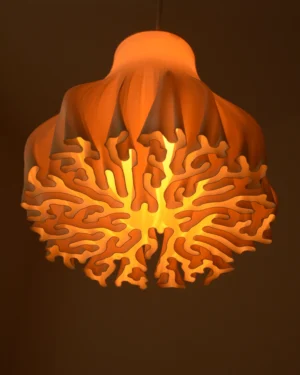 In stock
H 1 Pendant Lamp In Bio Polymer
By diploria studio
€295 - €495 -
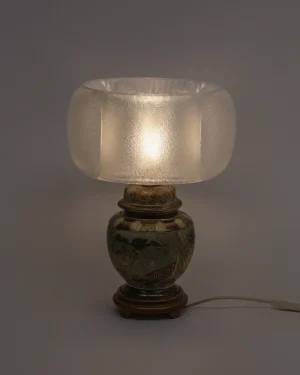 In stock
Pascal Table Lamp in Plastics
By 91-92
€193 -
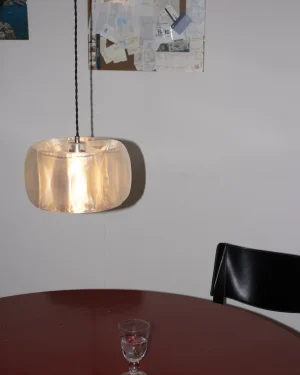 In stock
Pascal Pendant Lamp in Plastic
By 91-92
€306 - €459 -
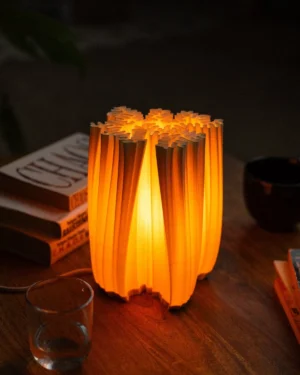 In stock
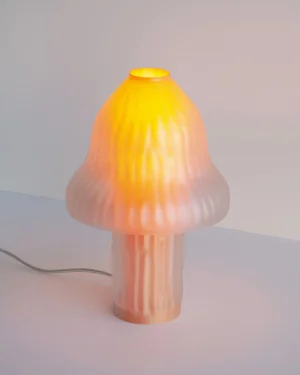
S 2 Table Lamp In Bio Polymer
By diploria studio
€245 -
 In stock
Lampamodelé Table Lamp In 3d Printed Pla
By BehaghelFoiny Studio
€99 -
 In stock
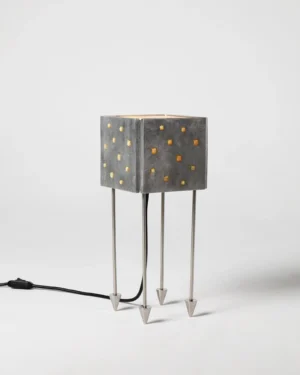
Axile Table Lamp in Bio Plastic
By Errance.
€335 -
 In stock
Prisma Massiva Table Lamp in Cast Aluminum, Resin & Steel
By DONÓ Design
€1.898 -
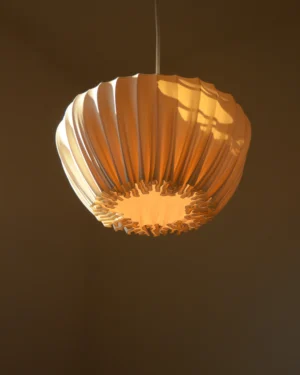
M 2 H Pendant Lamp In Bio Polymer
By diploria studio
€295 -
 In stock
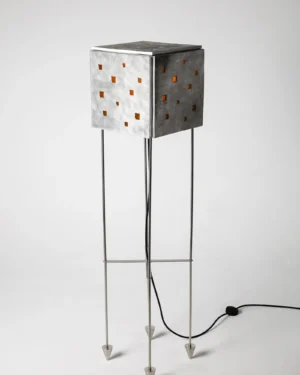
Hero Lamp Floor Lamp In Stainless Steel
By Panorammma Atelier
€4.850 -
 In stock
Prisma Massiva Floor Lamp in Cast Aluminum, Resin And Steel
By DONÓ Design
€3.780 -
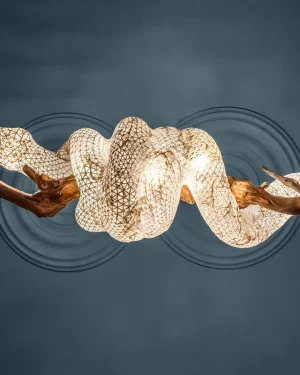
The Staff Of Asclepius Chandelier In Pla And Wool
By Danik Uderbekov
€2.500 -
 In stock
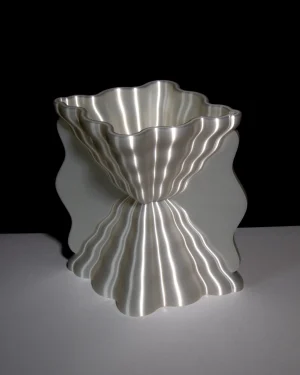
Galéa Table Lamp in Bio Plastic
By Errance.
€250 -
 In stock
Crush On You Floor Lamp in 3D Printed PLA
By M’ama edizioni
€380 -

Pendulum Triptych Ceiling Lamp In Bio Plastic
By Julie Mallet Studio
€792 -
 In stock
Lumière Feuillue Alba Table Lamp In Bio-plastic
By Vlad Oganov Objects
€499 -
 In stock
Empilé Grande Table Lamp In Black
By Vlad Oganov Objects
€499 -
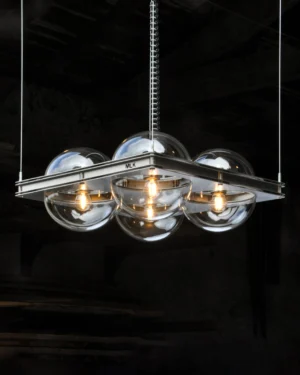
Bbl200x04 Pendant Lamp In Stainless Steel And Acrylic
By MLK Furniture
€2.400 -
 In stock
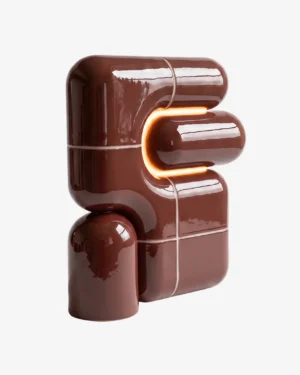
U-021 Table Lamp In Garnet Pla
By Rollo Studio
€795
Plastic lamps on ADORNO are made from recycled plastic, bioplastic and resin, shaped by studios that treat polymer as a design material in its own right rather than a substitute for glass or metal. Some pieces are grown from biofabricated material, others printed layer by layer from a digital file, and a few are still hand finished after molding. The result is a body of lighting that looks forward rather than back, built around new processes instead of inherited craft.
What defines plastic and polymer lighting
Plastic behaves differently from ceramic or glass. It can be cast in one continuous form with no seams, colored all the way through so a scratch does not show white, or left transparent so the bulb and the shade read as one object. Recycled plastic carries slight variation from batch to batch, a cloudiness or fleck that marks it as reclaimed rather than virgin material. Bioplastic and resin take pigment well, which is why this category runs from clear and ivory through sand, dusty pink, aqua and charcoal to deep off-white and white.
Because polymer is light and workable at low temperatures, it allows shapes that would be hard to achieve in cast metal or blown glass: thin shells, perforated surfaces, interlocking parts printed in one pass. Studios working this way lean toward contemporary, futuristic and space-age forms, though some produce quieter, minimalist shades that could sit beside any of the metal lamps in a mixed room.
How these lamps are made
Three ways of making dominate here. 3D printing and digital fabrication build a shade or base from successive layers, often from recycled or bio-based filament, which keeps waste low and allows geometric or generative forms that would be difficult to mold. Vacuum forming heats a sheet of plastic over a mold to produce a shell shade, a technique suited to soft, rounded silhouettes. Biofabrication grows material from organic sources and is finished by hand, which is why some pieces in bioplastic carry slight asymmetries that printing or molding would not produce.
Editions vary by technique. Printed and vacuum-formed shades are often produced as open editions, made again as stock allows. Hand-assembled or biofabricated pieces tend to run in limited editions or as unique pieces, since each one depends on a manual step that caps how many can be finished the same way. The full range of material, color and technique sits within the broader plastic and polymer collection, which also covers tables and objects beyond lighting.
Choosing a plastic lamp
Scale and height matter more with plastic than with heavier materials, since a plastic base has less visual weight and can look adrift if it is too small for its setting. A table lamp should sit close to seated eye level so the light source is shielded rather than glared; a floor piece needs a base wide enough to read as stable next to a sofa. Consider finish too: a transparent or pale shade throws softer, more diffuse light than an opaque one, which matters where a lamp has to read after dark.
- Pick a sand, ivory or off-white body for a room with warm wood and textiles.
- Pick a transparent, aqua or charcoal body where the lamp should read as an object by day.
- Match the base width to the surface it sits on, not the other way around.
Where these lamps work
Light, colorfast bodies and simple maintenance make these pieces practical for both living room lighting and bedroom lamps, where a lamp is handled often and should not add weight to a side table. The same qualities suit a child's room or a study, anywhere a lamp might be moved, knocked or carried between rooms. For a first look across lighting in general, the full range of designer lamps on ADORNO sets plastic forms beside ceramic, glass and metal.
Care
How do I choose a plastic lamp?
Decide whether you want the shade to read as transparent, colored through, or opaque, since plastic can do all three without seams. Match the form, from space-age curves to quiet minimalist shades, to the room's existing lines.
Are plastic lamps durable, and how do I clean them?
Plastic resists chipping and cracking better than glass or ceramic, and colored-through pieces do not show scratches as white marks. Wipe with a soft, dry or slightly damp cloth; avoid harsh solvents that can dull or cloud the surface.
Will a plastic lamp look dated in a few years?
Forms made through 3D printing, digital fabrication and generative design follow current processes rather than a passing trend, and simple, colored-through shades age the way any well-made object does. Check with the maker for the exact finish if that matters to you.
What size plastic lamp do I need for my room?
Size and proportion vary piece to piece, so use the listed dimensions on each lamp's page as a guide against your table or floor space. Chat with the maker on the piece's page if you need an exact measurement confirmed.
Which rooms suit plastic lamps best?
Their light weight and resistance to humidity suit bedrooms, living rooms and bathrooms alike, and transparent or pastel shades sit well in brighter, contemporary spaces. Charcoal and off-white versions read quieter, for rooms with more traditional furniture.
How does shipping, returns and authenticity work on ADORNO?
Shipping is insured and sent worldwide, and every piece comes with a certificate of authenticity. Returns are accepted within 14 days, excluding made-to-order pieces, and ADORNO offers a lowest-price guarantee.