












-
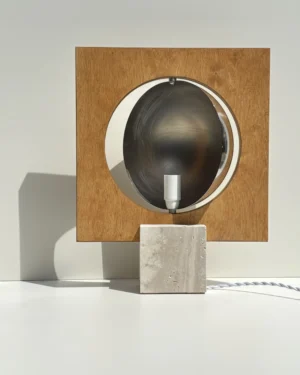 In stock
Galileo Lamp 2.0 Table Lamp In Concrete And Plywood
By Edoardo Lietti Studio
€600 -
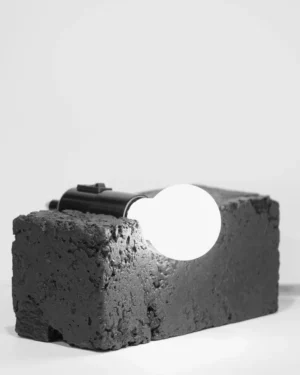 In stock
Cofit-20 Table Lamp In Coal Concrete
By Atelier Haute Cuisine
€380 -

Lampadulure Purple Floor Lamp in Metal and Plaster Composite
By BehaghelFoiny Studio
€3.000 -
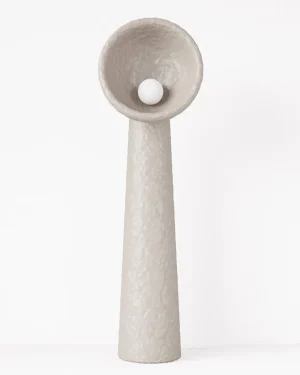 In stock
Soniah Floor Lamp in ZTISTA
By FAINA
€7.000 -
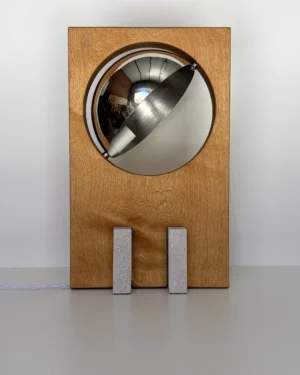
Galileo 2.2 Table Lamp In Marble And Plywood
By Edoardo Lietti Studio
€750 -
 In stock
Less Pendant Lamp In Steel, Wood And Plaster
By Jordi Canudas Faura
€388 -
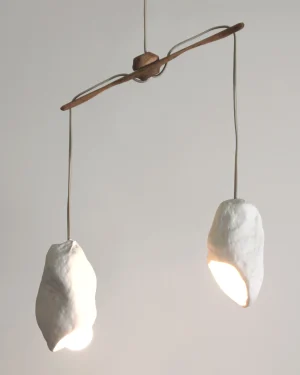
Maat Ceiling Lamp
By Dace Sūna
€1.200 -
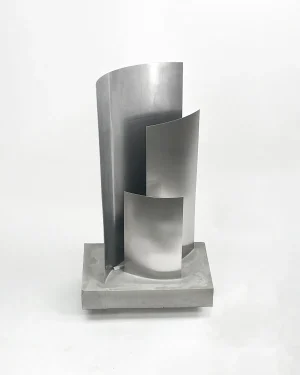 In stock
Essenz Floor Lamp in Concrete and Stainless Steel
By case studios
€1.610 -
 In stock
Citiez 0.3
By Niels Stoeltie
€6.200 -
 In stock
Peony Floor Lamp In Fiber-cement
By Donatas Žukauskas
€2.450 -
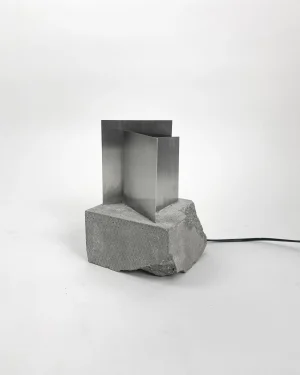
Sculptural Table Lamp in Stainless Steel and Concrete
By case studios
€820 -
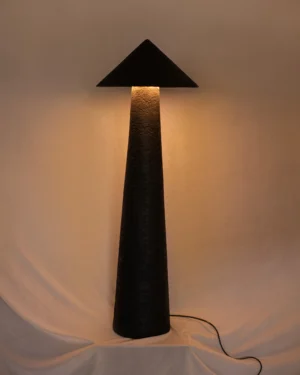
Kasa (m) Lamp In Clay Paste And Mild Steel
By Harshita Jhamtani Designs
€1.460 -
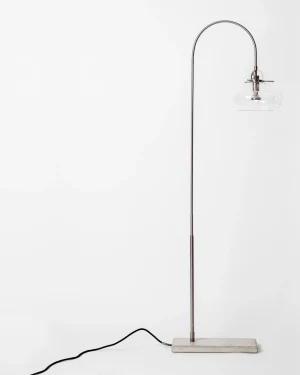
Art Deco Floor Lamp in Glass, Stainless Steel and Concrete
By Szostak Atelier
€2.100€1.995 -
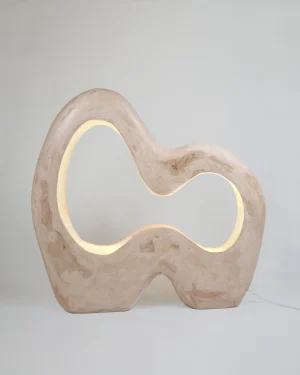
Infinite Floor Lamp in Pigmented Gypsum
By Studio AOAO
€6.000 -

[float] Sculptural Ceiling Lamp in Concrete
By case studios
€2.700 -
 In stock
Parabanda Table Lamp in Aqua Green Terrazzo
By Pierre Klein
€750 -
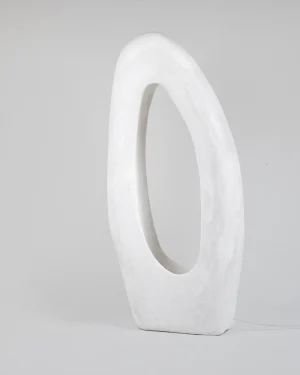
Lacuna Floor Lamp in Natural Stone
By Studio AOAO
€4.500 - €8.500 -
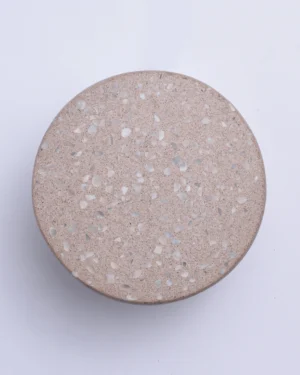
Wilo Nude Wall Sconce In Terrazzo, Aluminum And Silicone
By Harshita Jhamtani Designs
€220 -
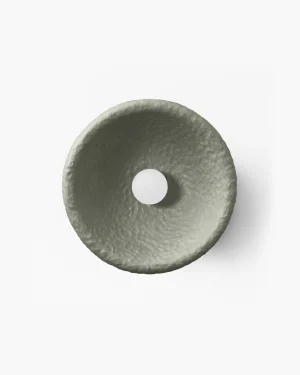 In stock
Soniah Wall Sconce in ZTISTA
By FAINA
€1.050 - €1.250 -

Soniah Medium Floor Lamp in ZTISTA
By FAINA
€6.300 -

Longing Floor Lamp in Pigmented Gypsum
By Studio AOAO
€8.000 -
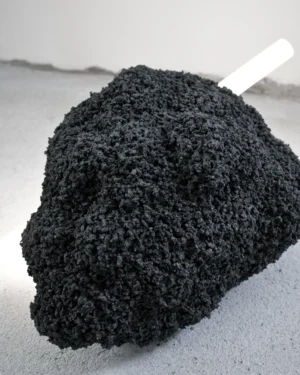
Solid Formations No. 6 Floor Lamp in Composite
By Stine Mikkelsen
€2.545 -
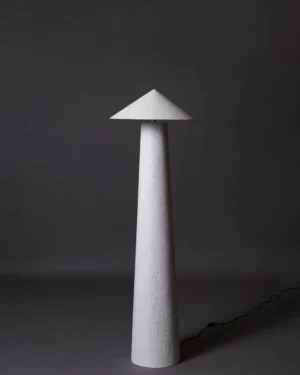
Kasa Floor Lamp In Clay Paste And Mild Steel
By Harshita Jhamtani Designs
€2.130 -
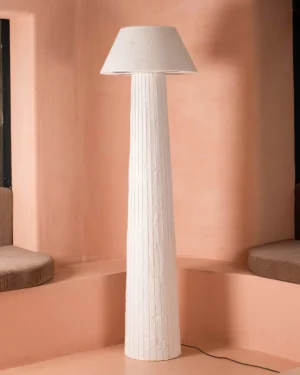
Rio Floor Lamp In Clay Paste And Mild Steel
By Harshita Jhamtani Designs
€2.270 -
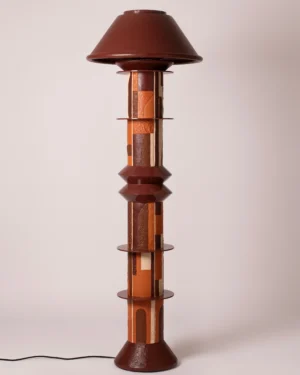
The Rouge Floor Lamp In Clay Paste And Metal
By Harshita Jhamtani Designs
€4.430 -
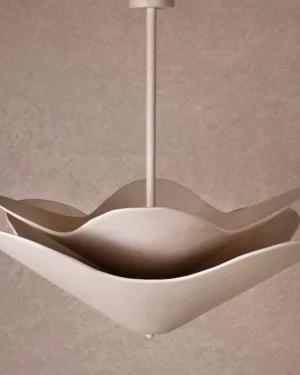
Iris Pendant In Clay Paste
By Harshita Jhamtani Designs
€1.180 -
 In stock
Luminous Shapes No 01 Table Lamp in Composite
By Stine Mikkelsen
€2.870 -

Baker’s Lamp Large Table Lamp in Jesmonite
By FARG & BLANCHE
€560 -

Soniah Small Floor Lamp in ZTISTA
By FAINA
€5.600 -
 In stock
Faro Table Lamp in Concrete and Glass
By AaltoAalto Studio
€1.600 -
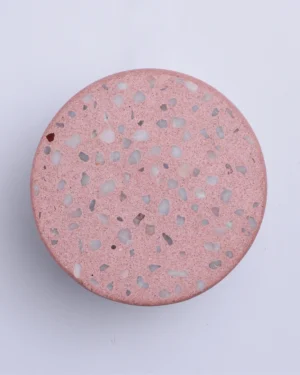
Wilo Blush Wall Sconce In Terrazzo, Aluminum And Silicone
By Harshita Jhamtani Designs
€220 -
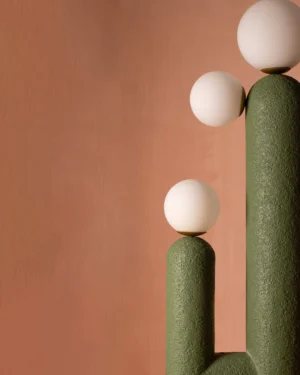
Cactus Floor Lamp In Clay Paste, Mild Steel And Glass
By Harshita Jhamtani Designs
€2.570 -

Clay Cone Pendant In Textured Black Clay Paste And Mild Steel
By Harshita Jhamtani Designs
€1.820 -
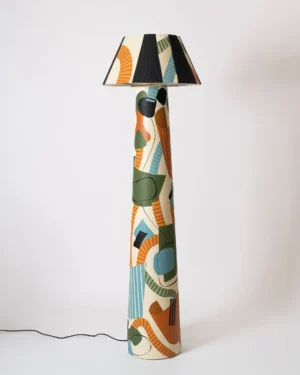
Hand Painted Rio Floor Lamp In Clay Paste And Mild Steel
By Harshita Jhamtani Designs
€3.940 -
 Sold
Mini Oasis Standing Lamp
By Virginia Jakim
€1.450 -

Citiez 0.1
By Niels Stoeltie
€2.521 - €2.893 -
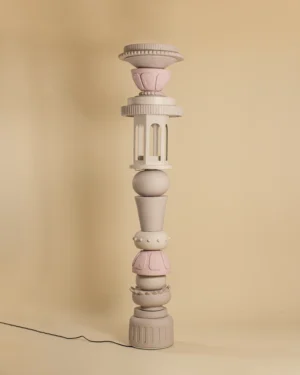
Pillar Of Ties Totem Floor Lamp In Stoneware, Clay Paste And Wood
By Harshita Jhamtani Designs
€3.780 -
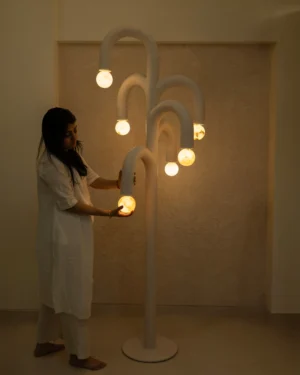
Big Cactus Floor Lamp In Clay Paste, Mild Steel And Alabaster
By Harshita Jhamtani Designs
€3.310 -

Patio I (l) Wall Lamp
By Virginia Jakim
€1.250 -
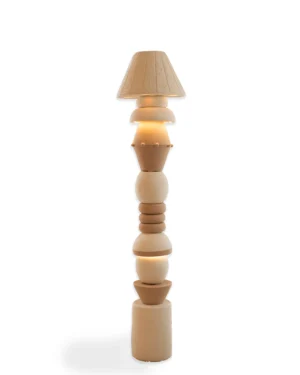
Totem Floor Lamp In Stoneware And Clay Paste
By Harshita Jhamtani Designs
€2.570 -
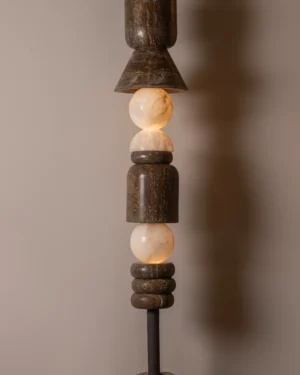
Titan Travertine Totem Floor Lamp In Travertine And Alabaster
By Harshita Jhamtani Designs
€3.070 -
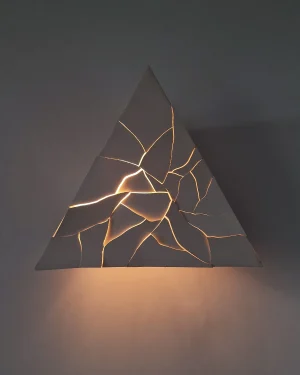 Sold
Mira Luminaire Wall Sconce in Jesmonite and Wood
By Catrinel Sabaciag
€2.500 -
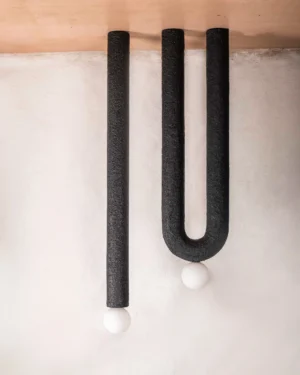
U And I Ceiling Light Set In Clay Paste And Glass
By Harshita Jhamtani Designs
€1.680 -
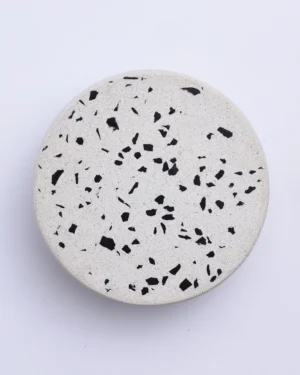
Wilo Mono Wall Sconce In Terrazzo, Aluminum And Silicone
By Harshita Jhamtani Designs
€220 -
 In stock
Ģipsis Table Lamp №5 In Plaster And Oak
By Dace Sūna
€850 -
 In stock
La Cauna Tesa Table Lamp in Concrete
By Pierre Klein
€800 -
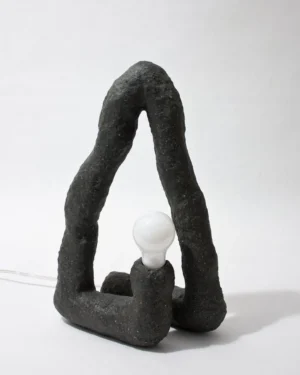 In stock
Luminous Shapes No. 02 Table Lamp
By Stine Mikkelsen
€2.790 -
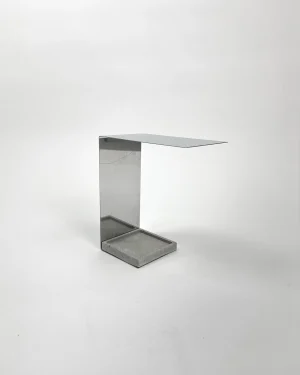 Sold
Linee Table Lamp in Stainless Steel and Concrete
By case studios
€199 -

Ģipsis Table Lamp No. 2
By Dace Sūna
Price Upon Request -

Baker’s Lamp Table Lamp in Jesmonite
By FARG & BLANCHE
€240
Concrete lamps are built rather than carved or blown: a wet mix is poured into a mold, or packed and troweled by hand, then left to cure into a solid, weighted body before it ever takes a bulb. Studios working in this material turn to concrete casting, plastering and sometimes biofabrication, often pairing the base material with steel, plywood or stone to temper its mass. The outcome is a lamp that reads as architecture first and light source second, grounded wherever it stands.
What concrete carries into a room
Unlike glass or ceramic, concrete does not let light pass through it; it blocks and frames, so the glow comes from an opening, a shade or a gap left in the cast rather than through the body itself. Color comes from pigment and aggregate rather than paint, which is why finishes run from off-white, cream and cement gray through to charcoal, black and terracotta tones. Composite blends, plaster composite among them, lighten the weight while keeping the same chalky, matte surface.
Because each piece is poured or hand-built rather than machined, no two casts share identical grain or pore pattern, even from the same mold. Surfaces stay matte and slightly porous, which is part of the appeal: a concrete lamp settles into a room rather than sitting apart from it, and small surface variation is expected rather than a flaw.
Materials, finishes and editions in the range
Alongside straight concrete, studios working in this material bring in mild steel and stainless steel bases, plywood supports, alabaster shades and stoneware details, often combined inside a single lamp. Techniques stretch across metalwork, hand-building, wheel throwing and stone carving, each suited to a different part of a lamp: body, base or shade. Styles range from wabi-sabi and Japandi restraint to brutalist and neo-industrial weight, with boho chic and radical pieces also putting concrete's raw, unfinished look to use. For a fuller view of what the material does across furniture and lighting, the concrete and composite pieces on ADORNO span lamps, tables and objects in the same cast, chalky language. Editions include open runs, limited editions and unique pieces, so it is possible to choose between a repeatable form and a one-off cast.
How to choose a concrete lamp
- Scale first: a tall floor-standing cast needs clearance, while a table lamp needs a surface stable enough to carry its weight.
- Height relative to seating: a reading lamp should put its light source roughly at shoulder height when seated nearby.
- Finish: a smooth, troweled surface sits quieter in a room than a rough, aggregate-heavy cast.
- Placement: concrete's mass reads best against a hard or neutral surface, stone, tile or bare wood, rather than deep-pile carpet.
Where concrete lamps sit in a room
The weight and matte surface suit living rooms and entryways, where a cast base can anchor a console or side table without competing with softer textiles nearby; among living room lamps, concrete and composite forms tend toward the larger, floor-standing end. Bedrooms take the smaller tabletop forms well, paired with equally pared-back surfaces for a quieter, minimalist mood. Where a single room is being built around raw material rather than one lamp alone, concrete lighting and concrete side and end tables extend the same surface and color logic into shades, sconces and low tables nearby.
Caring for concrete and composite lighting
Concrete stays porous even once cured, so standing liquids or damp cloths left on a base can leave marks or draw in dust over time. A dry or barely damp cloth is usually enough for routine cleaning, and household cleaners with acid or bleach should be kept away from unsealed surfaces. Composite blends behave slightly differently depending on resin content, so a lighter touch is the safer default until a specific finish is known. Kept dry and out of direct weather, these lamps hold their surface and color for years, among the wider range of lamps on ADORNO made in ceramic, blown glass, wood and worked metal.
How do I choose a concrete lamp?
Look at where the light escapes, through a shade, a gap or an opening in the cast, since concrete itself blocks light rather than passing it. Match the finish, off-white, charcoal, terracotta or cement gray, to the room's existing tones.
Do concrete lamps need special care?
Wipe the surface with a dry or barely damp cloth; the material is porous, so avoid soaking it or using harsh cleaners that can seep in and stain. Keep it away from direct, prolonged moisture.
How heavy and tall are concrete lamps?
Weight varies with the cast and any steel, plywood or composite base paired with it, so a piece sits solidly once placed and is not meant to be moved often. Check exact dimensions with the maker directly.
Which rooms suit a concrete lamp?
The weight and matte surface read as architecture first, so these lamps anchor living rooms, entryways and studies where a grounded, still object makes sense beside softer materials.
Will every concrete lamp look slightly different?
Yes, each piece is poured or hand-built rather than machined, so grain, pore pattern and small surface variation differ even from the same mold. This is expected, not a flaw.
What about shipping, returns and authenticity on ADORNO?
Shipping is insured and worldwide, with a 14-day return policy excluding made-to-order pieces. Every piece comes with a certificate of authenticity, backed by a lowest-price guarantee.