













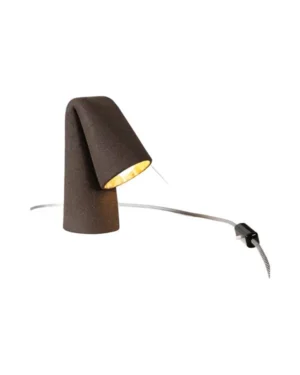
-

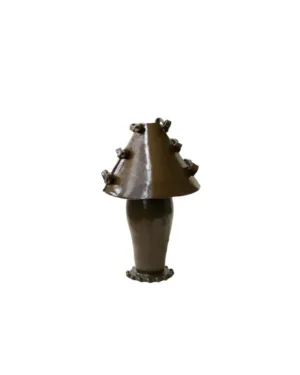
Coral Lamp – Clay Table Lamp
By Dzovag Kotchian
€900 -
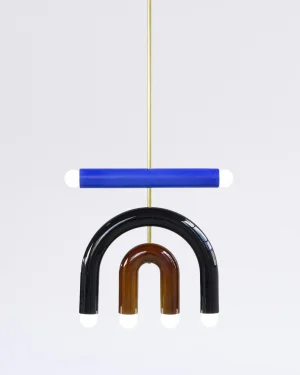
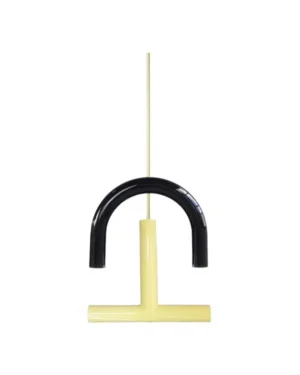
Trn / Model D1 Pendant Lamp in Ceramic
By Pani Jurek STUDIO
€1.080 -
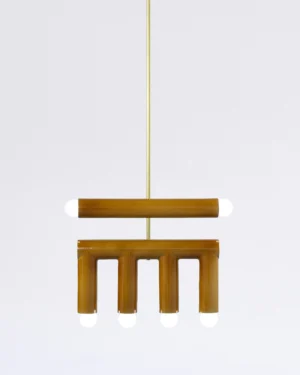
Trn / Model D2 Pendant Lamp in Ceramic
By Pani Jurek STUDIO
€1.080 -

Trn / Model E1 Pendant Lamp in Ceramic
By Pani Jurek STUDIO
€1.430 -

Strikha Table Lamp in Clay
By FAINA
€1.820 -

Mātra Table Lamp in Ceramic
By Andrei Clontea STUDIO
€800 -
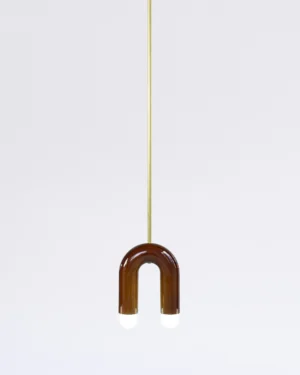
Trn / Model A1 Pendant Lamp in Ceramic
By Pani Jurek STUDIO
€470 -

Trn / Model C2 Pendant Lamp in Ceramic
By Pani Jurek STUDIO
€880 -

Trn / Model B2 Pendant Lamp in Ceramic
By Pani Jurek STUDIO
€625 -
 In stock
Astēri Table Lamp in Clay
By Andrei Clontea STUDIO
€1.200 -
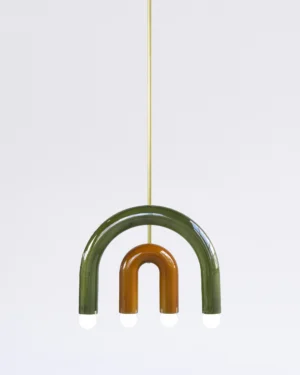
Trn / Model C1 Pendant Lamp in Ceramic
By Pani Jurek STUDIO
€880 -

Trn / Model B3 Pendant Lamp in Ceramic
By Pani Jurek STUDIO
€625 -
 In stock
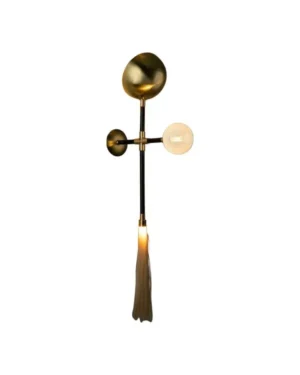
Coral Wall Lamp – Clay Sconce
By Dzovag Kotchian
€900 -

Rakis Lite Table Lamp – Black Stoneware Ceramic
By Catalin Filip
€455 -

Pendulū Table Lamp In Ceramics And Gold-leaf
By Catalin Filip
€950 -
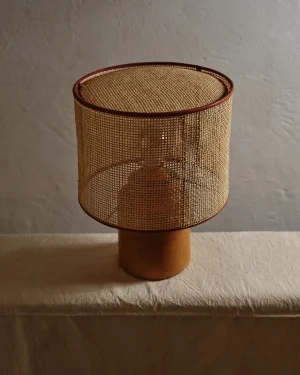
Sonora Rattan Small Table Lamp In Clay And Textiles
By NASSI LAMPS
€689 -
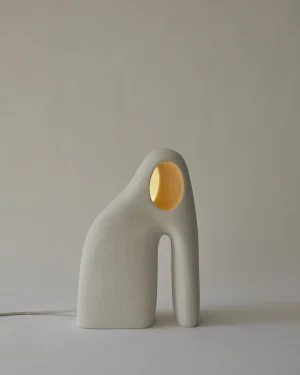
Nomad Ⅱ:02 Table Lamp in Stoneware
By SK - Sofia Karnukaeva
€2.480 -
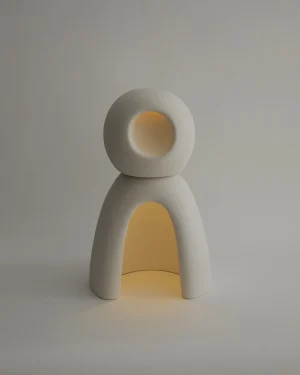
Nomad Ⅱ:09 Table Lamp in Ceramics and Stoneware
By SK - Sofia Karnukaeva
€2.780 -
 In stock
La Bergère Table Lamp In Glazed Ceramic
By Mina Wright
€686 -

El Joyero De Odette Table Lamp In Stoneware
By Mina Wright
€810 -

Trn / Model A2 Pendant Lamp in Ceramic
By Pani Jurek STUDIO
€470 -
 In stock
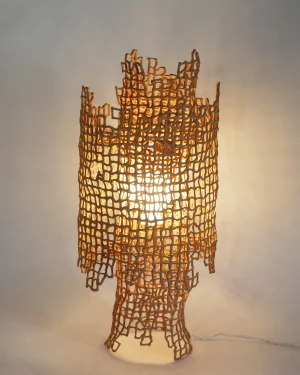
Coral Lamp – Clay Table Lamp (big)
By Dzovag Kotchian
€2.600 -

Black Wool Table Lamp in Biocomposite
By PletoStudio
€700 -

Motion — Sculptural Wall Light
By Katia Langeard
€700 -

Laco Floor Lamp in Biocomposite and Linen
By PletoStudio
€3.600 -

Rakis Floor Lamp In Ceramic
By Catalin Filip
€1.900 -
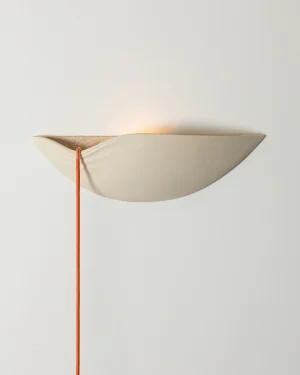
Loma Wall Sconce In Stoneware
By Catalin Filip
€450 -

L’Été Ceramic Wall Light
By Katia Langeard
€380 -
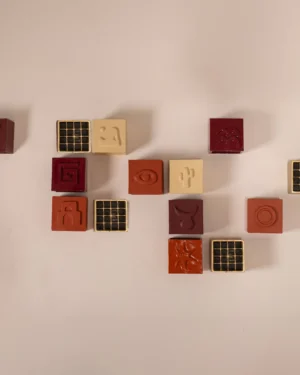
Oasis Wall Light In Hand-sculpted Stoneware
By Harshita Jhamtani Designs
€410 -
 In stock
Pearl Wall Lamp – Clay Sconce
By Dzovag Kotchian
€1.200 -

Shadow Wool Floor Lamp in Biocomposite and Carpathian Wool
By PletoStudio
€2.200 -

Āstra Table Lamp in Clay
By Andrei Clontea STUDIO
€1.300 -

Soniah Pendant Lamp in Clay
By FAINA
€2.990 -
 In stock
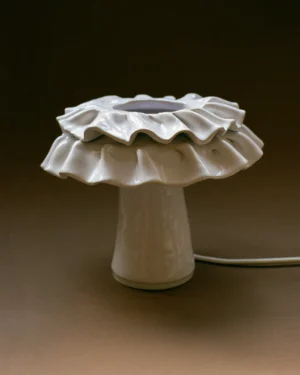
Lulu Table Lamp In Stoneware
By Mina Wright
€670 -
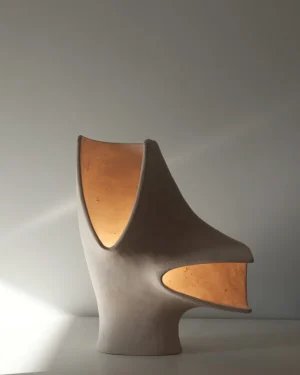
Taruh Table Lamp in Clay
By Andrei Clontea STUDIO
€900 -

Orbita Floor Lamp in Biocomposite and Bouclé Wool
By PletoStudio
€5.000 -

Trn / Model F1 Pendant Lamp in Ceramic
By Pani Jurek STUDIO
€1.600 -
 In stock
SONIAH Table Lamp in ZTISTA Biocomposite
By FAINA
€3.000 -
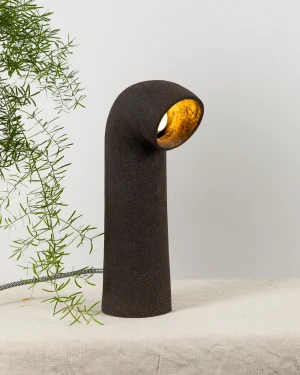
Melo C Table Lamp In Black Ceramic
By Catalin Filip
€270 -

Wool Smola Table Lamp in Biocomposite
By PletoStudio
€800 -
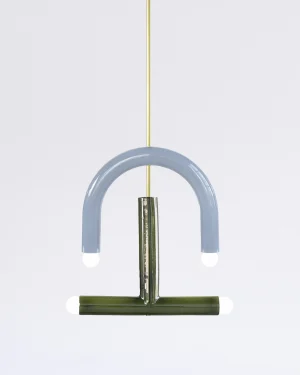
Trn / Model C3 Pendant Lamp in Ceramic
By Pani Jurek STUDIO
€880 -

Trn / Model F1 Silver Finish Pendant Lamp in Ceramic
By Pani Jurek STUDIO
€1.650 -
 In stock
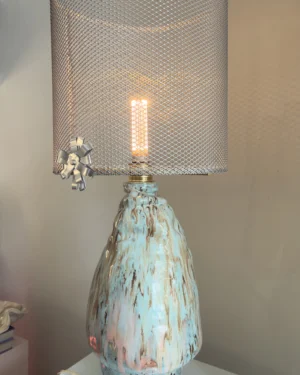
Veil Iii Tide Table Lamp In Aluminum And Ceramics
By Hania Jneid Design Studio
€2.900 -
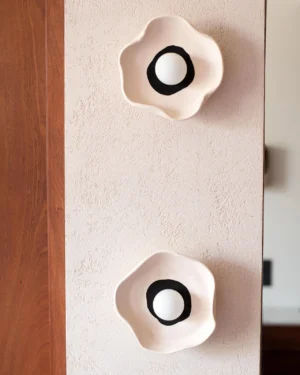
Flower Wall Sconce In Stoneware
By Harshita Jhamtani Designs
€360 -

Melo M Table Lamp In Ceramic
By Catalin Filip
€455 -
 In stock
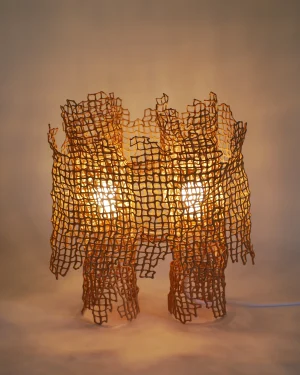
Coral Lamp Duo – Clay Table Lamp
By Dzovag Kotchian
€1.400 -

Pyramid Lamp – Clay Table Lamp
By Dzovag Kotchian
€1.500 -

Silva Sculptural Floor Lamp in Biocomposite and Raffia
By PletoStudio
€1.600 -
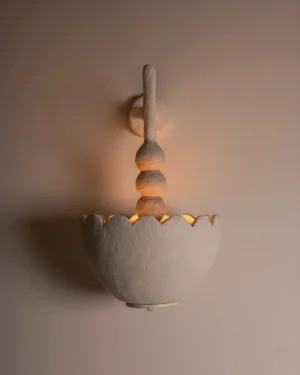
Scallop Wall Sconce In Stoneware And Clay
By Harshita Jhamtani Designs
€1.080 -
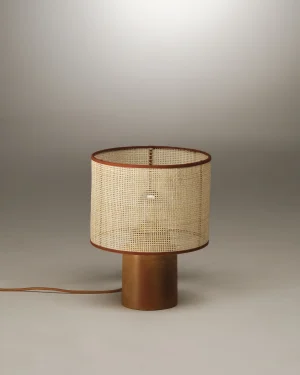
Sonora Small Table Lamp In Terracotta And Rattan
By NASSI LAMPS
€576 -
 In stock
Abyss No. 4 Table Lamp in Stoneware
By Ceren Gürkan
€1.600 -
 In stock
Abyss No. 27 Table Lamp in Stoneware
By Ceren Gürkan
€1.900 -
 In stock
Soul Table Lamp in Handblown Glass
By Ceren Gürkan
€700 -

Vereteno Floor Lamp in Biocomposite and Linen
By PletoStudio
€5.800
Clay lamps bring together two old techniques, wheel throwing and hand-building, with the slower work of glazing, so that each base or shade carries the slight asymmetry of a body shaped by hand rather than cast in a mold. Studios working in clay, stoneware and terracotta turn these materials into table lamps, wall lights and pendants, finishing them in glazes that range from matte ochre and cobalt blue to deep black and warm brown. Editions stay small, from limited runs to unique pieces, since each one is thrown, fired and glazed on its own timeline.
What defines a clay lamp
Clay is earthen by nature. Even under a glossy glaze, it keeps a weight and a warmth that glass and metal do not have, and it holds the faint ridges and irregularities left by the hands that shaped it. A base built on the wheel will show the ghost of a spiral; one built by hand may lean slightly or thicken toward the foot, and that is read as evidence of making, not fault.
Firing and glazing fix the surface but not the character of the clay underneath. Stoneware fires hard and dense, so it takes a sharper edge; other clay bodies stay porous and a little rougher, which keeps color close to a matte, chalky finish. Glazes pool and thin across these surfaces unevenly, which is why two lamps from the same batch rarely read as identical twins.
The range of finishes and colors
- Earth tones: ochre, beige, brown and terracotta, close to the clay's own color before glaze
- Deeper grounds: black and cobalt blue, often glossy, for a base that reads as a solid object in daylight
- Lighter notes: denim and light yellow, used more sparingly, for a softer presence on a shelf
Styles range from contemporary and minimalist forms, pared back to a cylinder or a dome, to more eclectic or organic silhouettes that keep the lump and pinch of hand-building visible. Some studios lean toward a mid-century modern profile, others toward a more conceptual, sculptural base that reads as an object first and a light source second.
How to choose a clay lamp
Scale matters more with clay than with lighter materials, since a stoneware or terracotta base carries real weight and will anchor a side table rather than hover on it. Measure the surface it will sit on, not just the lamp itself, so the base does not crowd a reading lamp, a stack of books or a glass.
Where these lamps work in a room
A clay table lamp holds its own on a console or sideboard in a living room, where its glaze and form can be read at both close range and across the room. In a bedroom, a smaller terracotta or stoneware base on a nightstand gives a softer, lower light than a metal or glass equivalent, and its weight keeps it steady on a crowded surface.
Pendants and wall lights in clay suit kitchens, dining areas and entryways, where the fired body holds up well against daily handling. Wherever a clay lamp sits, give it room to be seen unlit as well as lit, since the glaze and the hand-shaped form are as much the point as the light itself.
Caring for a clay lamp
Glazed clay is close to glass in its basic care, so dust with a dry or barely damp cloth and avoid abrasive cleaners that can dull a glossy surface. Keep unglazed or matte terracotta away from standing water, since the body stays somewhat porous and can mark. Lift rather than drag a clay base across a table, since the foot can be less finished than the glazed body and may scratch a soft wood surface.
For more lighting in this material, see the full range of clay lighting or every clay piece on ADORNO. Within lamps specifically, clay appears as clay table lamps, clay pendant lamps and clay ceiling lamps. For other materials and forms, the full set of lamps spans metalwork, glass and wood alongside clay and stoneware.
How do I choose a clay lamp?
Decide whether it should read as sculpture in daylight or purely as light at night, then match glaze and form to that role. Matte terracotta suits a quiet corner, while a glossy cobalt or black glaze holds its own as a focal point.
How do you care for a clay lamp?
Dust the surface with a dry or slightly damp cloth and avoid sudden temperature changes, which can stress the glaze. Keep unglazed or porous areas away from standing water, since terracotta and some stoneware stay slightly porous.
What size or height should a clay lamp be?
Table lamps typically sit between 12 and 24 inches, low enough to light a surface without blocking sightlines, while pendants hang lower over tables and higher over open floor. For an exact height, chat with the maker on the piece's page.
Which rooms suit clay lamps?
Their weight and warmth read well in living rooms and bedrooms, where they sit on a side table or nightstand at eye level. Wall lights and pendants in clay also work in hallways and dining areas, where their texture catches passing light.
Are clay lamps fragile or hard to maintain?
Fired clay is durable under normal handling, though it can chip or crack if dropped or knocked against a hard edge. Treat it as you would any ceramic object, with steady placement and care when moving it.
What should I know about buying a clay lamp through ADORNO?
Shipping is insured and worldwide, with a 14-day return policy, though made-to-order pieces are excluded. Every piece comes with a certificate of authenticity, backed by a lowest-price guarantee.