








-
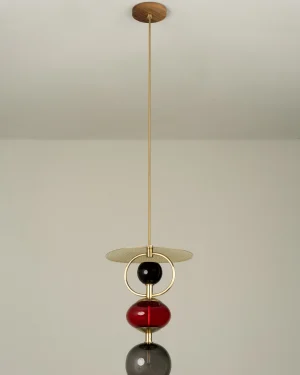
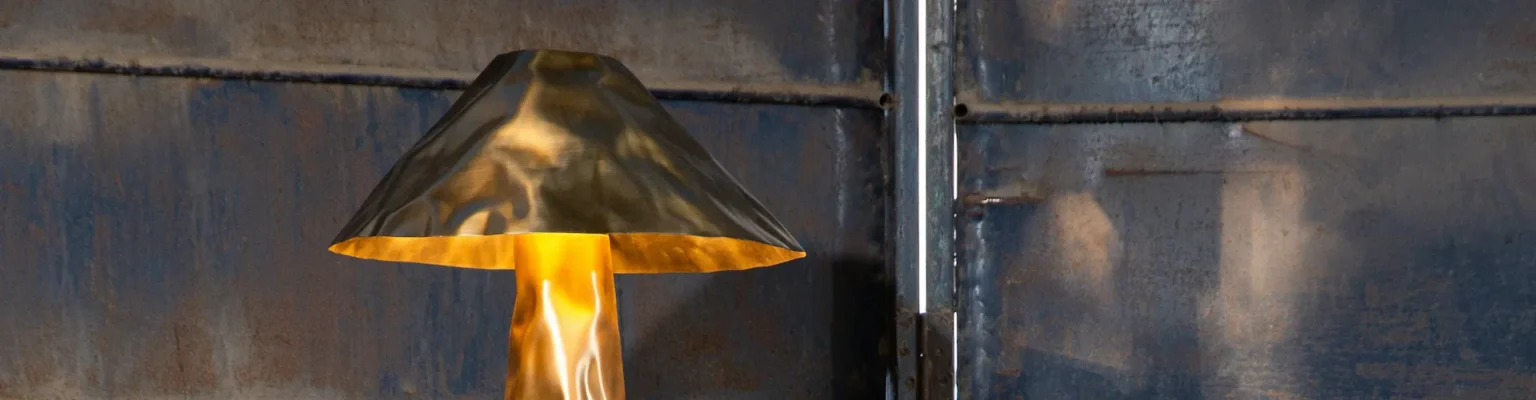
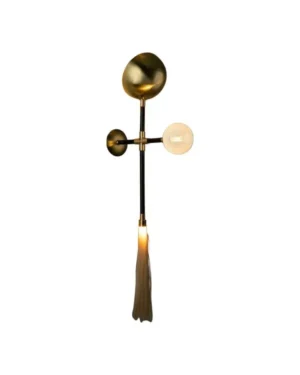
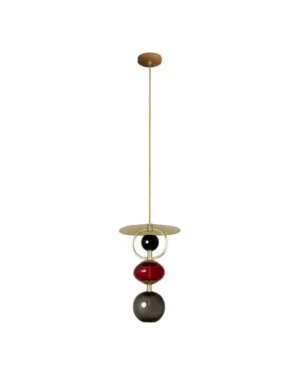
Vitrea Pendant Lamp in Glass and Brass
By Isabel Moncada
€3.802 -
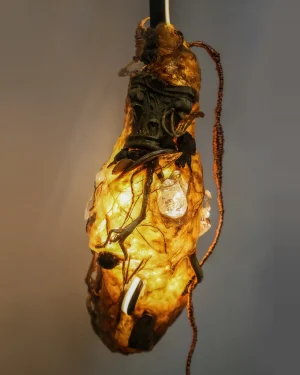
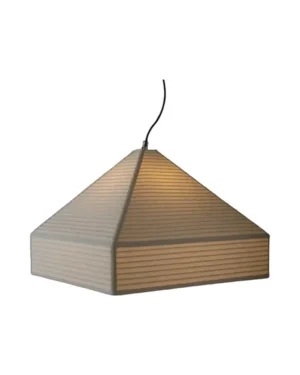
Weaver Nest Pendant Lamp in Bio Plastic
By Sabrina Merayo Nuñez
€3.500 -

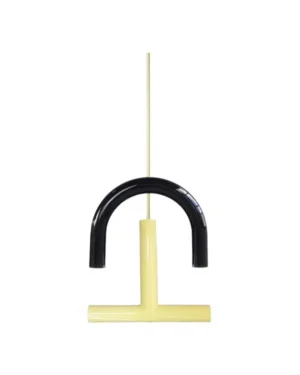
Marsha 02 Pendant Lamp in Blown Glass and Steel
By MESEME by Riya Panchal
€810 -
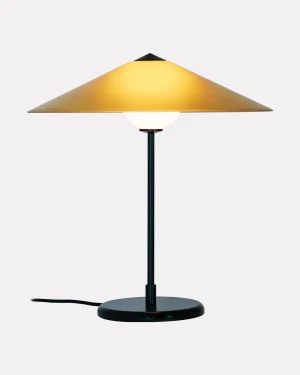
Marsha Table Lamp in Glass and Metal
By MESEME by Riya Panchal
€1.015 -
 In stock
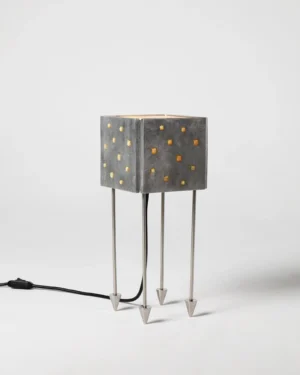
Prisma Massiva Table Lamp in Cast Aluminum, Resin & Steel
By DONÓ Design
€1.898 -

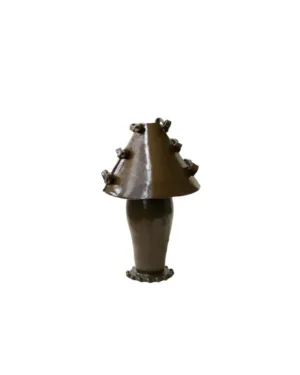
El Joyero De Odette Table Lamp In Stoneware
By Mina Wright
€810€689 -

Marsha 01 Pendant Lamp in Glass and Steel
By MESEME by Riya Panchal
€839 -
 In stock
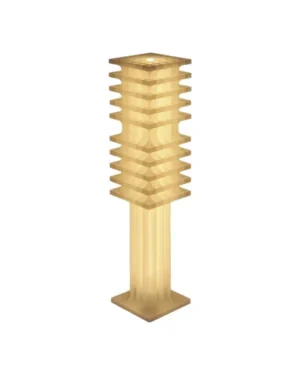
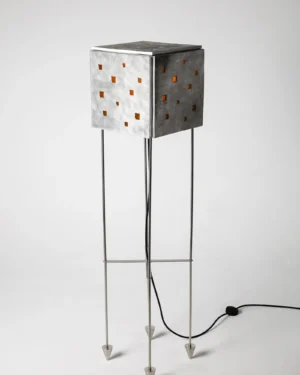
Prisma Massiva Floor Lamp in Cast Aluminum, Resin And Steel
By DONÓ Design
€3.780 -

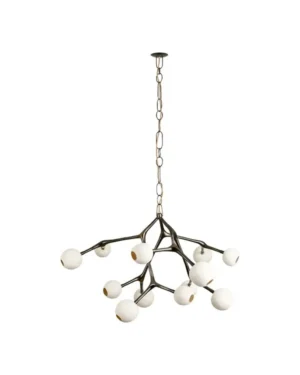
GP033 Chandelier in Brass and Blown Glass
By Naama Hofman
€4.200 -

Kalia Table Lamp in Glass and Resin
By Justyna Poplawska
€536 -
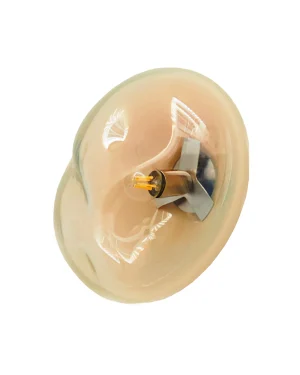
Haumea Amorph Wall Sconce In Amber Blown Glass
By ELOA - Unique Lights
€2.330 - €4.085 -
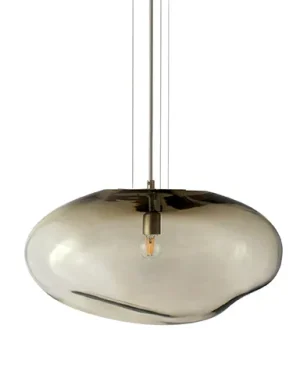
Haumea Amorph Pendant Lamp (silver Smoke) In Blown Glass
By ELOA - Unique Lights
€2.330 - €4.085 -
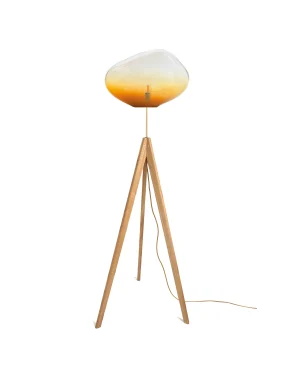
Statix Amber Iridescent Floor Lamp In Blown Glass
By ELOA - Unique Lights
€6.360 - €6.910 -

GP032 Chandelier in Brass and Blown Glass
By Naama Hofman
€6.500 -
 In stock
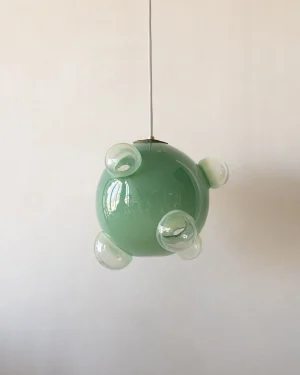
Bubble Pendant Lamp (Small) in Glass
By Sticky Glass
€2.480 -

Small Wall Sconce in Blown Glass and Brass
By Naama Hofman
€700 -
 In stock
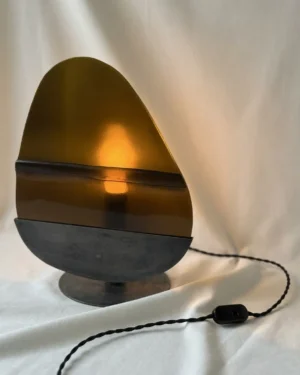
Veilleur Lp1 Table Lamp In Steel And Glass
By Louise Hurth
€1.600 -

Small Wall Sconce in Brass and Blown Glass
By Naama Hofman
€700 -

Sedna Table Lamp In Petrol Blown Glass
By ELOA - Unique Lights
€2.330 - €4.085 -
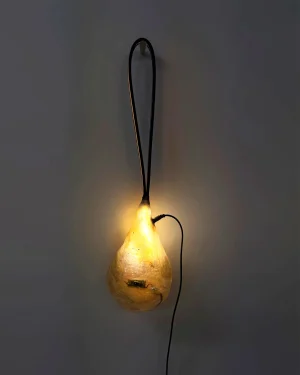 In stock
The Hive Wall Lamp in Bioplastic
By Sabrina Merayo Nuñez
€750 -
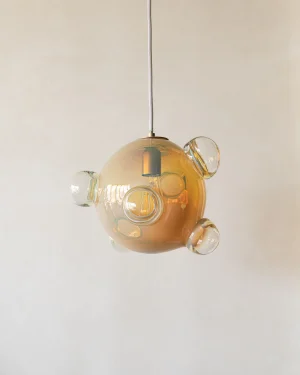 In stock
Bubble Pendant Lamp (Large) in Blown Glass
By Sticky Glass
€4.318 -
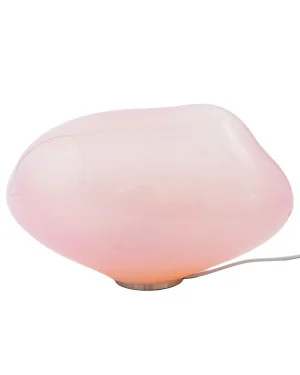
Haumea Convex Table Lamp In Flamingo Opaque Glass
By ELOA - Unique Lights
€2.330 - €4.085 -

Haumea Amorph Table Lamp In Amber Iridescent Glass
By ELOA - Unique Lights
€2.330 - €4.085 -
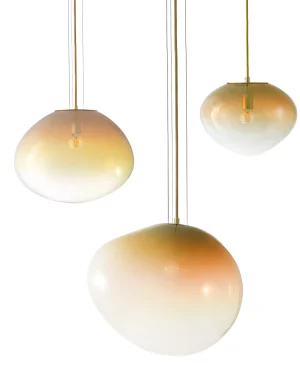
Sirius Pendant Lamp In Blown Glass
By ELOA - Unique Lights
€2.330 - €4.750 -
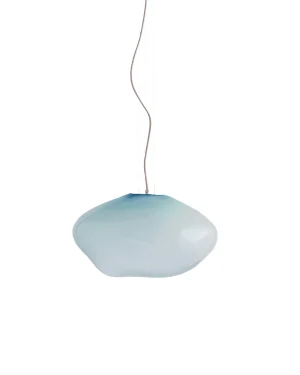
Haumea Convex Pendant Lamp (blue Opaque) In Blown Glass
By ELOA - Unique Lights
€2.330 - €4.085 -
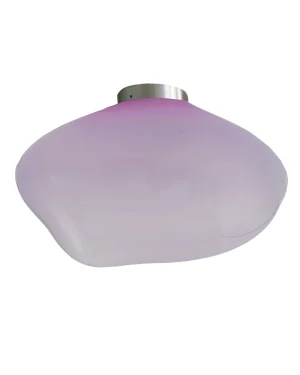
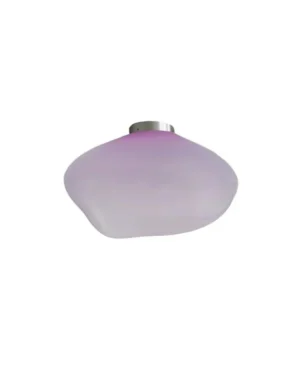
Haumea Convex Ceiling Lamp (flieder Opaque) In Blown Glass
By ELOA - Unique Lights
€2.330 - €4.085 -
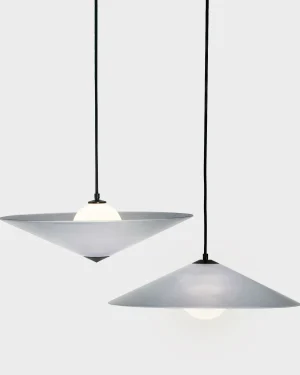
Marsha 01/02 Pendant Light Duo in Glass and Steel
By MESEME by Riya Panchal
€1.649 -
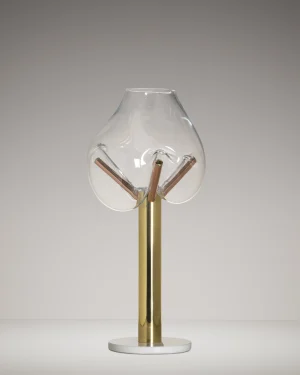
Carambola Table Lamp
By Carol Gay
€1.730 - €1.745 -

Constellation Set Of 3 Pendant Lamp In Blown Glass
By ELOA - Unique Lights
€9.060 -
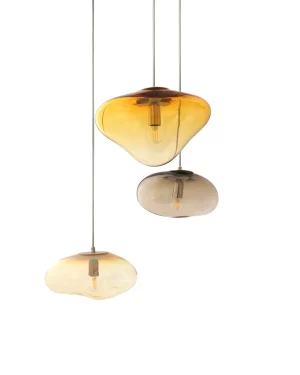
Planetoide Seresi Pendant Lamp In Blown Glass
By ELOA - Unique Lights
€7.480 - €7.770 -

Haumea Convex Table Lamp In Amber Iridescent Glass
By ELOA - Unique Lights
€2.330 - €4.085 -

Haumea Convex Table Lamp In Blue Opaque Glass
By ELOA - Unique Lights
€2.330 - €4.085 -
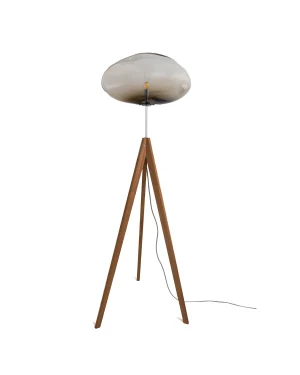
Statix Silver Smoke Floor Lamp In Blown Glass
By ELOA - Unique Lights
€6.360 - €6.910 -

Haumea Amorph Pendant Lamp (amber Iridescent) In Blown Glass
By ELOA - Unique Lights
€2.330 - €4.085 -

Double Wall Sconce in Brass and Blown Glass
By Naama Hofman
€1.150 -
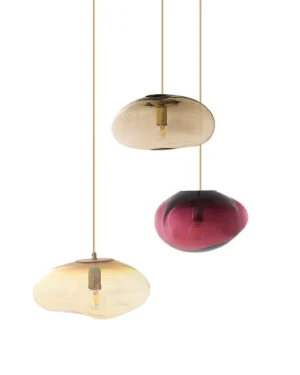
Planetoide Amor Pendant Lamp In Blown Glass
By ELOA - Unique Lights
€7.480 - €7.770 -
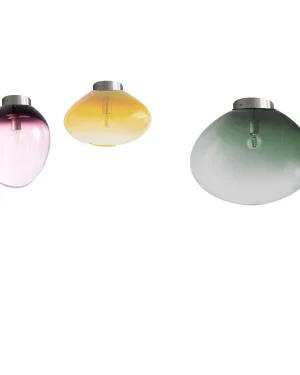
Airisi-astrea-sirius Ceiling Lamp In Blown Glass
By ELOA - Unique Lights
€2.330 - €3.180 -
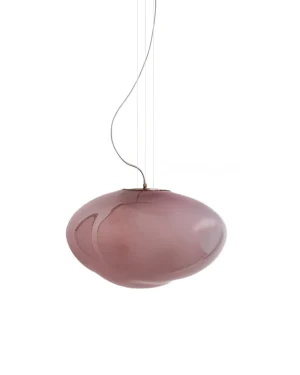
Haumea Convex Pendant Lamp (flieder Opaque) In Blown Glass
By ELOA - Unique Lights
€2.330 - €4.085 -

Sedna Table Lamp In Amber Iridescent Glass
By ELOA - Unique Lights
€2.330 - €4.085 -
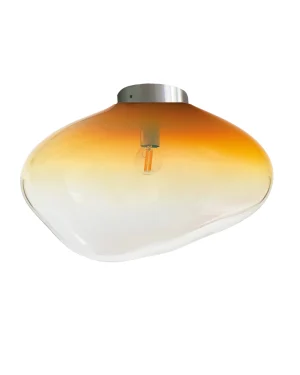
Haumea Convex Ceiling Lamp (amber Iridescent) In Blown Glass
By ELOA - Unique Lights
€2.330 - €4.085 -
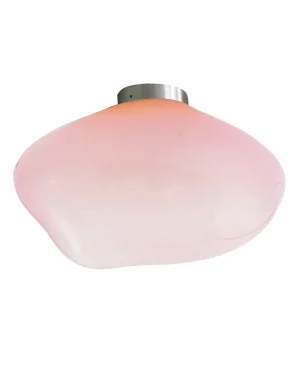
Haumea Convex Ceiling Lamp (flamingo Opaque) In Blown Glass
By ELOA - Unique Lights
€2.330 - €4.085 -
 In stock
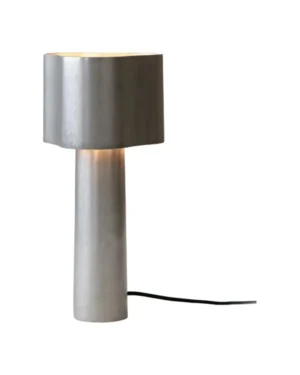
Irony Of Material Table Lamp in Nickel
By Studio Speculo
€716 -
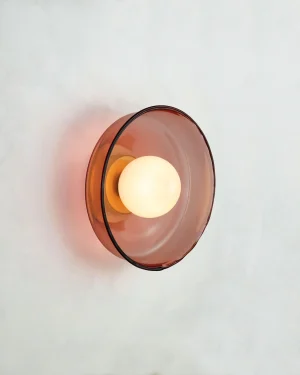
Large Wall Sconce in Brass and Blown Glass
By Naama Hofman
€850 -
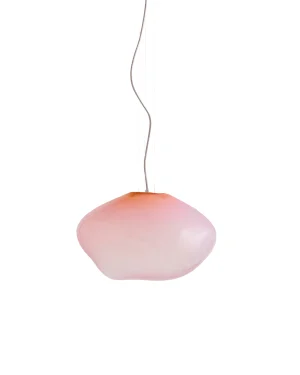
Haumea Convex Pendant Lamp (flamingo Opaque) In Blown Glass
By ELOA - Unique Lights
€2.330 - €4.085 -

Haumea Convex Pendant Lamp (salbei Opaque) In Blown Glass
By ELOA - Unique Lights
€2.330 - €4.085 -
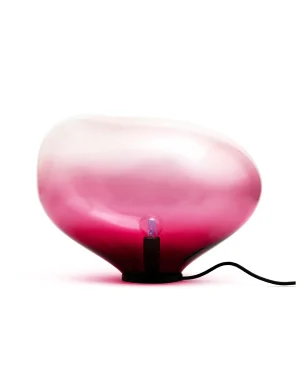
Sedna Table Lamp In Brilliant Ruby Glass
By ELOA - Unique Lights
€2.330 - €4.085 -
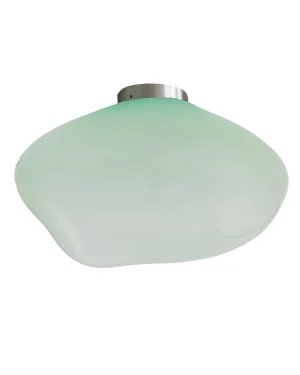
Haumea Convex Ceiling Lamp (salbei Opaque) In Blown Glass
By ELOA - Unique Lights
€2.330 - €4.085 -
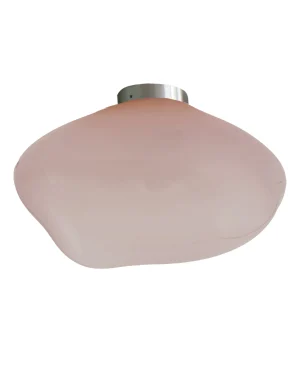
Haumea Convex Ceiling Lamp (taupe Opaque) In Blown Glass
By ELOA - Unique Lights
€2.330 - €4.085 -

Haumea Amorph Wall Sconce In Silver Blown Glass
By ELOA - Unique Lights
€2.330 - €4.085 -
 In stock
Veil Ii Ember Table Lamp In Aluminum And Ceramics
By Hania Jneid Design Studio
€3.500 -
 Sold
Microbiome I Floor Lamp in Bio Plastic
By Sabrina Merayo Nuñez
€3.800 -
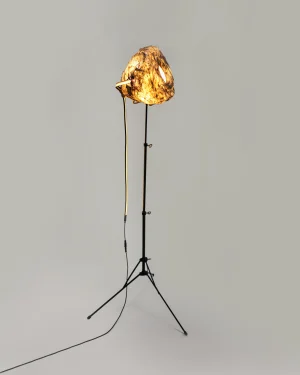 Sold
Microbiome II Floor Lamp in Bio Plastic
By Sabrina Merayo Nuñez
€3.000 -
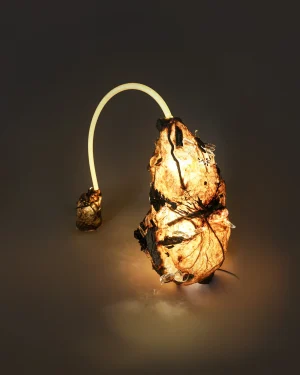 Sold
Siamese Twins I Floor Lamp in Bioplastic
By Sabrina Merayo Nuñez
€6.000 -
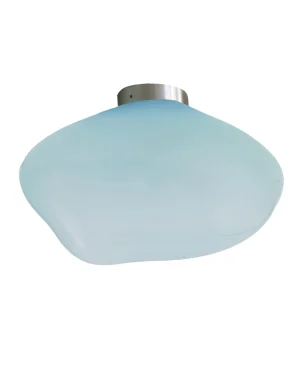
Haumea Convex Ceiling Lamp (blue Opaque) In Blown Glass
By ELOA - Unique Lights
€2.330 - €4.085
Amber lamps take their color from the oldest trick in lighting: pass a flame-toned hue through glass or resin and the whole room warms with it. Independent studios reach this tone through hand-blown glass, cast resin and brushed or patinated metal, sometimes combining two of these in a single base and shade. What unites the pieces is less the material than the effect, a glow closer to candlelight or late-afternoon sun than the cool white cast of plain glass.
What gives amber lamps their color
In blown glass, amber comes from metal oxides worked into the molten batch, and the shade's thickness changes the depth of tone: thin walls read gold, thicker ones turn toward brown or near-black until lit. Resin casting achieves a similar range by mixing pigment through a clear or translucent base, which lets makers hold the color consistent across an edition in a way glassblowing cannot always promise. Brass and copper contribute amber too, not through pigment but through metal that warms under lacquer or ages into it unlacquered.
Materials, finishes and editions on ADORNO
Lamps in this tone come from several ways of making, and the technique shapes how each piece reads. Glassblowing produces one-off variation, since no two gathers of molten glass cool quite the same. Resin casting and sand casting give a maker more control over repetition, which is why amber pieces appear as open editions, limited runs and unique pieces side by side. Metalwork and blacksmithing bring amber through brass, steel or aluminum, often brushed rather than polished so the light softens instead of glaring.
- Hand-blown glass shades, often with visible bubbles or gradients from the forming process
- Resin-cast bodies and diffusers, in matte or glossy finish
- Brushed or lacquered brass, copper and steel bases, sometimes paired with an amber glass shade
For a wider view of how this color behaves across lighting generally, the amber lighting pages cover pendants, sconces and floor lamps together, while a browse through every amber piece on ADORNO shows the same tone carried into vases, bowls and mirrors.
How to choose an amber lamp
Scale and height matter more with lamps than with most lit objects, since the piece has to hold its own both switched off and glowing. A table lamp should sit roughly at eye level when seated nearby, so the bulb or filament stays out of direct sightline. Floor lamps need enough base weight or footprint to stand steady, particularly in cast resin or thin-blown glass, which can be lighter than their visual bulk suggests.
Finish affects how the amber tone reads once lit. Frosted or heavily textured glass diffuses light evenly and softens the color into a general warmth, while clear or lightly tinted glass throws a more direct, honeyed beam and casts shadow patterns from any bubbles or ripples in the glass. Matte resin behaves like frosted glass, muting the glow, while a glossy cast surface picks up more reflected light from the room.
Where amber lamps work
The warmth of amber suits rooms used after dark more than rooms lit mostly by daylight. A living room lamp in this tone pairs well with wood furniture, leather and other warm materials, since the color sits close to their own range rather than contrasting against it. On a nightstand, the same warmth reads as calmer than cool white light, which is part of why amber shows up often among bedroom lamps.
Caring for glass, resin and metal lamps
Blown glass should be dusted with a soft cloth and kept from sudden temperature change, which can stress the material at seams or thin points. Resin resists moisture well but can scratch, so wipe rather than scrub. Brass and copper fittings left unlacquered will darken over years of handling and light exposure, a natural change rather than a fault, while lacquered metal only needs an occasional dry wipe to keep dust from dulling the finish. For the full range of lamps beyond this one color, the lamps category and the broader lighting pages cover every material and style working alongside amber.
How do I choose an amber lamp?
Consider the material first: blown glass gives variation and a softer glow, resin holds a consistent tone, and brass or copper warm further with age. Pick based on the room's light and how much variation you want piece to piece.
Does amber glass or resin need special care?
Wipe glass and resin shades with a dry or barely damp cloth, away from direct sun that can fade resin pigment over time. Unlacquered brass or copper will darken naturally; lacquered metal stays closer to its original tone.
What size or height works best for an amber lamp?
Table lamps generally sit between 12 and 24 inches, floor lamps closer to 55 to 65 inches, scaled to the surface or seating nearby. For a specific piece, use Chat with the maker on its page to confirm dimensions.
Which rooms suit amber lamps best?
Living rooms and bedrooms take to amber's warm cast especially well, since it reads closer to candlelight than daylight. It also works in reading corners or beside seating, where a softer glow is welcome after dark.
Are amber lamps handmade or produced in editions?
It depends on the technique: glassblowing produces one-off variation, while resin casting and sand casting allow open editions and limited runs. Metalwork can go either way depending on the maker.
How does shipping, returns and authenticity work when I buy through ADORNO?
Shipping is insured and worldwide, with a 14-day return policy excluding made-to-order pieces. Every piece comes with a certificate of authenticity, and ADORNO offers a lowest-price guarantee.