










-
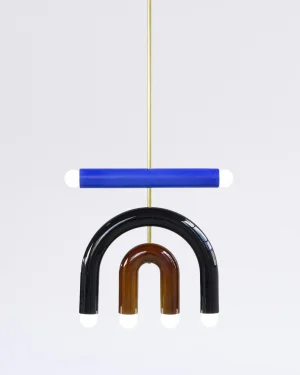
Trn / Model D1 Pendant Lamp In Ceramic
By Pani Jurek STUDIO
€1.080 -
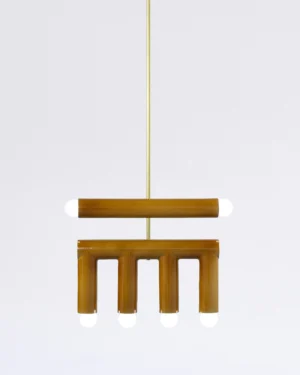
Trn / Model D2 Pendant Lamp In Ceramic
By Pani Jurek STUDIO
€1.080 - €1.130 -

Trn / Model E1 Pendant Lamp In Ceramic
By Pani Jurek STUDIO
€1.430 - €1.490 -
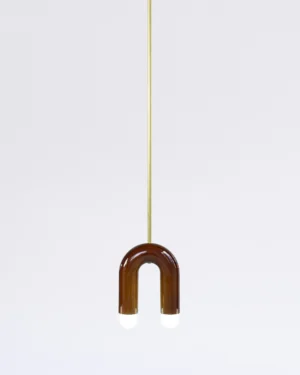
Trn / Model A1 Pendant Lamp In Ceramic
By Pani Jurek STUDIO
€470 -

Trn / Model C2 Pendant Lamp In Ceramic
By Pani Jurek STUDIO
€880 - €940 -

Trn / Model B2 Pendant Lamp In Ceramic
By Pani Jurek STUDIO
€625 -
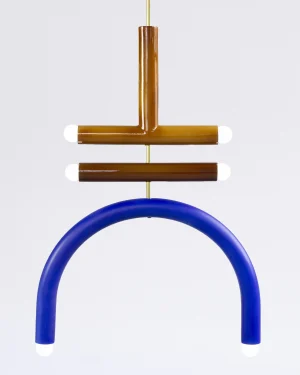
Trn / Model F2 Pendant Lamp In Ceramic
By Pani Jurek STUDIO
€1.600 -
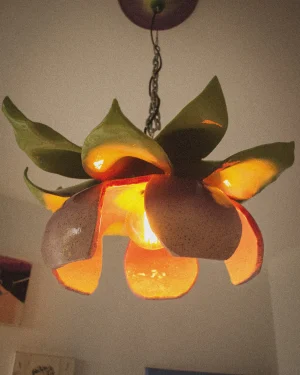
Amaryllis Ceiling Lamp in Glazed Ceramic
By UAU Studio
€1.300 -
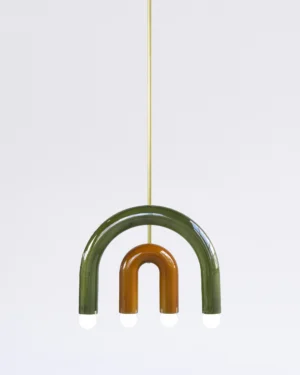
Trn / Model C1 Pendant Lamp In Ceramic
By Pani Jurek STUDIO
€880 -

Trn / Model B3 Pendant Lamp In Ceramic
By Pani Jurek STUDIO
€625 -

Trn / Model F3 Pendant Lamp In Ceramic
By Pani Jurek STUDIO
€1.600 - €1.650 -
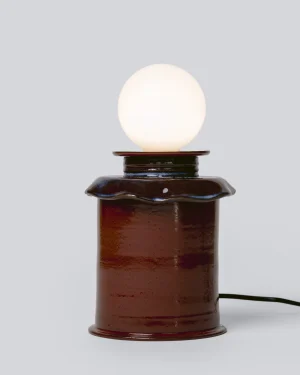
Baby Tutu Table Lamp in Glazed Stoneware
By Slō
€750 -
 In stock
Navazi Table Lamp in Ceramic
By SVITANOK
€440 - €670 -

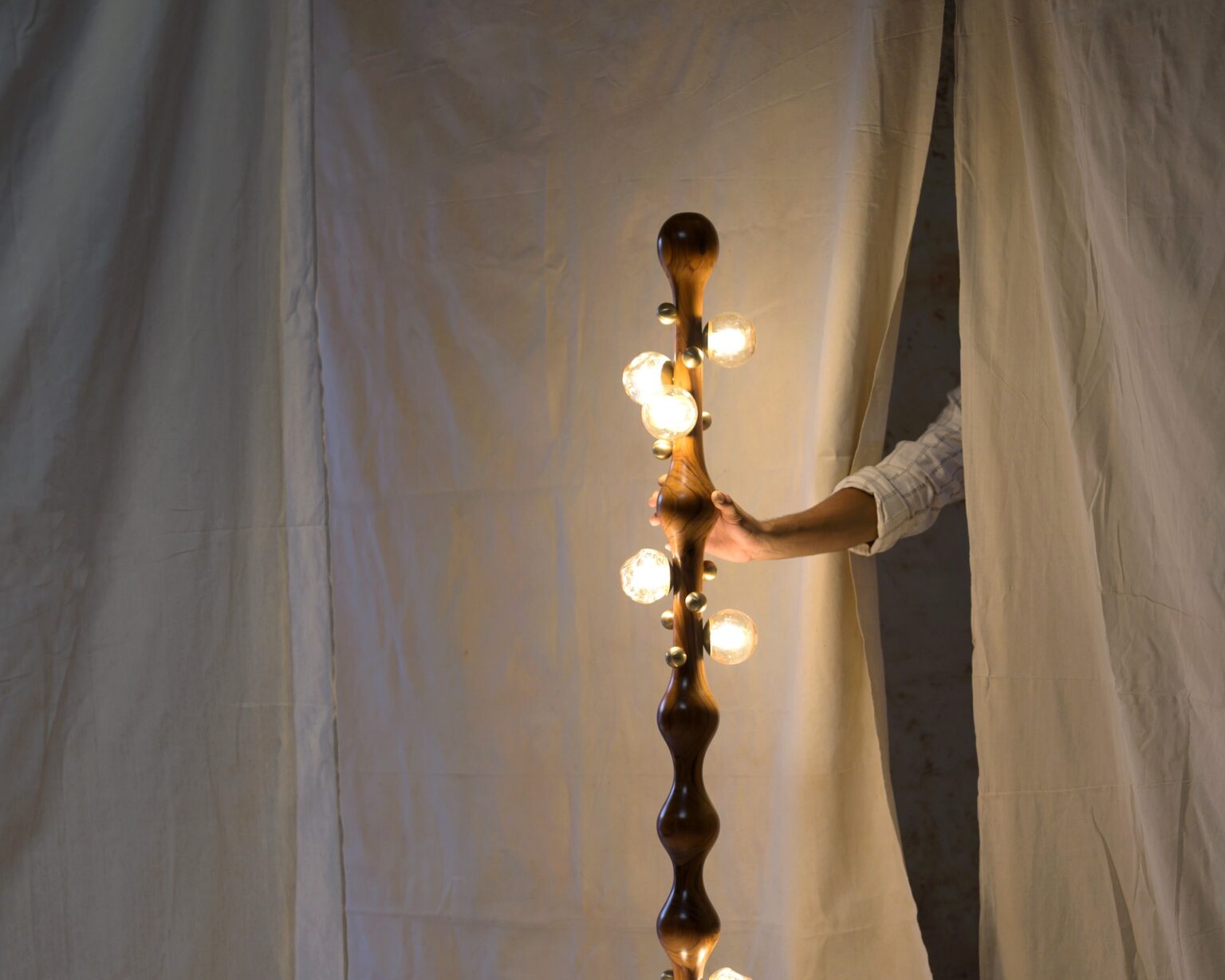
Fat Op No. 001 Floor Lamp In Ceramic
By Pani Jurek STUDIO
€1.539 -
 In stock
La Bergère Table Lamp In Glazed Ceramic
By Mina Wright
€686 -

El Joyero De Odette Table Lamp In Stoneware
By Mina Wright
€810€689 -

Trn / Model A2 Pendant Lamp In Ceramic
By Pani Jurek STUDIO
€470 -

Motion — Sculptural Wall Light In Ceramics
By Katia Langeard
€700 -
 In stock
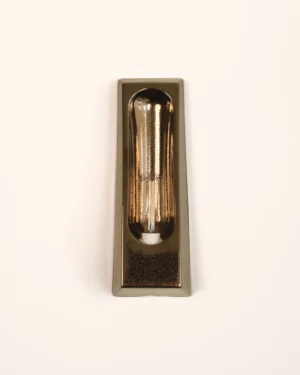
Alcove European Wall Sconce In Glazed Ceramic
By Violaine d'Harcourt Lighting Design
€252 -
 In stock
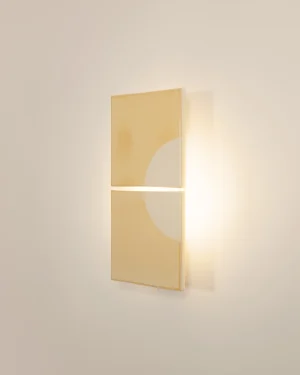
Tiles Moon European Wall Sconce in Ceramic and Metal
By Violaine d'Harcourt Lighting Design
€260 -

Rakis Floor Lamp In Ceramic
By Catalin Filip
€1.900 -
 In stock
Onda Cosmic Wall Sconce In Glazed Ceramic
By arrived aliens
€2.200 -
 In stock
Tiles Line European Wall Sconce in Ceramic and Metal
By Violaine d'Harcourt Lighting Design
€260 -
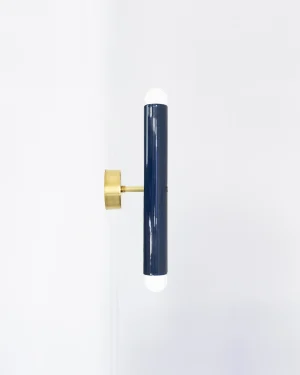 In stock
Trn Wall Sconce In Glazed Ceramic
By Pani Jurek STUDIO
€470 -

Fat Op No. 002 Four Piece Floor Lamp In Ceramic
By Pani Jurek STUDIO
€2.313 -

Fat Op No. 001 Three Piece Floor Lamp In Ceramic
By Pani Jurek STUDIO
€1.926 -
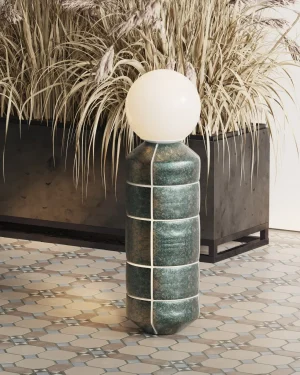
Navazi Floor Lamp in Ceramic and Glass
By SVITANOK
€1.100 - €1.540 -

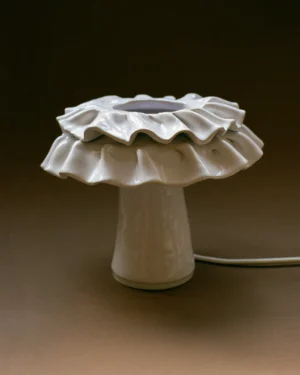
Fat Op No. 003 Two Piece Table Lamp In Ceramic
By Pani Jurek STUDIO
€1.539 -
 In stock
Lulu Table Lamp In Stoneware
By Mina Wright
€670 -
 In stock
Tiles Door European Wall Sconce in Ceramic and Metal
By Violaine d'Harcourt Lighting Design
€260 -
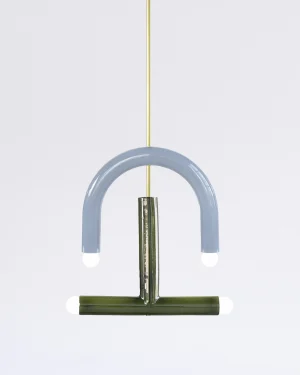
Trn / Model C3 Pendant Lamp In Ceramic
By Pani Jurek STUDIO
€880 - €940 -
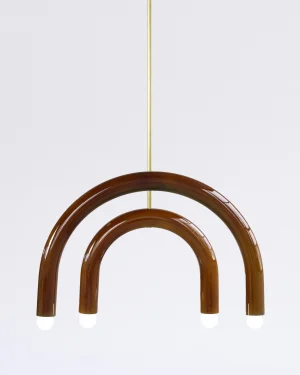
Trn / Model E3 Pendant Lamp In Ceramic
By Pani Jurek STUDIO
€1.430 - €1.490 -

Fat Op No. 001 Four Piece Floor Lamp In Ceramic
By Pani Jurek STUDIO
€2.313 -

Trn / Model F1 Pendant Lamp In Ceramic
By Pani Jurek STUDIO
€1.600 -

Fat Op No. 004 Three Piece Floor Lamp In Ceramic
By Pani Jurek STUDIO
€1.926 -

Slim Op Table Lamp In Ceramics
By Pani Jurek STUDIO
€765 -
 In stock
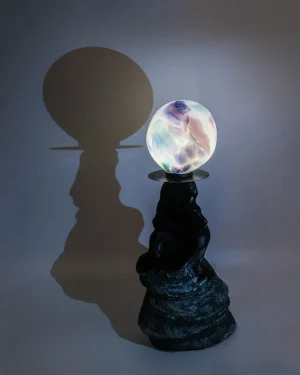
Abyss No. 3 Sculptural Table Lamp In Stoneware
By Ceren Gürkan
€1.300 -
 In stock
Tutu Table Lamp in Red Ceramic
By Slō
€1.150 -

Navazi Table Lamp in Glazed Ceramic
By SVITANOK
€590 - €890 -
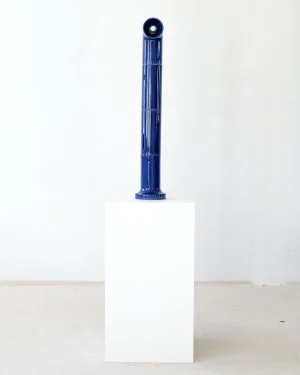
Slim Op Four Piece Floor Lamp In Ceramics
By Pani Jurek STUDIO
€1.045 -

Trn / Model F1 Silver Finish Pendant Lamp In Ceramic
By Pani Jurek STUDIO
€1.650 -
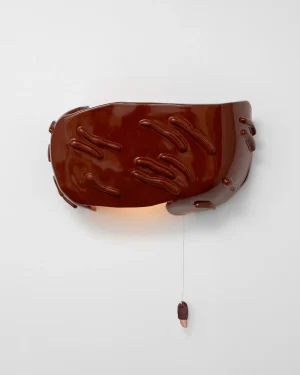
Killing the Mood Wall Sconce in Ceramic
By Studio AOAO
€2.200 -

Navazi Pendant Lamp in Ceramic and Glass
By SVITANOK
€500 - €760 -
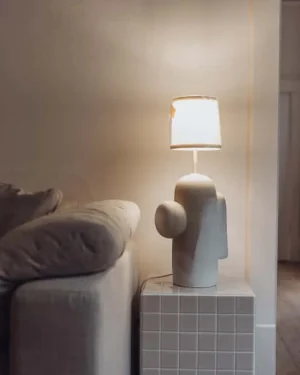 In stock
Nodo Table Lamp in Speckled Stoneware
By LYT Studio
€550 -

Trn / Model F2 Silver Finish Pendant Lamp In Ceramic
By Pani Jurek STUDIO
€1.650 -

Trn / Model C4 Pendant Lamp In Ceramic
By Pani Jurek STUDIO
€880 -
 In stock
Trn / Model E2 Pendant Lamp In Ceramic
By Pani Jurek STUDIO
€1.430 - €1.490 -
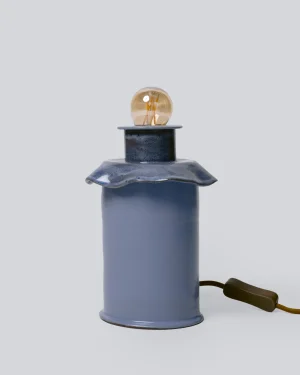 In stock
Tutu Mini Table Lamp in Baby Blue Stoneware
By Slō
€750 -

Trn / Model C4 Silver Finish Pendant Lamp In Ceramic
By Pani Jurek STUDIO
€930 -

Trn / Model D1 Silver Finish Pendant Lamp In Ceramic
By Pani Jurek STUDIO
€1.130 -

Trn / Model B1 Pendant Lamp In Ceramic
By Pani Jurek STUDIO
€625 -
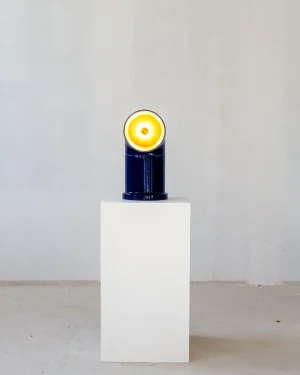
Fat Op No. 002 Two Piece Table Lamp In Ceramic
By Pani Jurek STUDIO
€1.539 -
 In stock
Tile Vj American Wall Sconce in Ceramic and Metal
By Violaine d'Harcourt Lighting Design
€450 -

Trn / Model C1 Silver Finish Pendant Lamp In Ceramic
By Pani Jurek STUDIO
€930
Glaze lighting brings together lamps and pendants where a kiln-fired surface carries the color, the shine and often the texture of the piece. These are made by independent studios working in stoneware, porcelain or ceramic, each shade or base dipped or brushed with glaze before a final firing sets the finish. Some surfaces come glossy and even, others pool and crackle where the glaze runs thick near a seam or a rim.
How glaze behaves on a lit surface
Glaze is a glass-forming coating fused to clay at high temperature, so no two firings produce exactly the same depth of color. Cobalt blue, ochre, denim and green glazes tend to shift in tone across a single shade, darker where the coating pools, lighter where it thins over an edge or a throwing line. Held up to a bulb, glazed porcelain and thin stoneware let some light pass through the body itself, while heavier glazed stoneware and clay stay more opaque and throw light mainly from an open aperture.
Because the color sits in the surface rather than the clay body, chips or scratches expose the raw material underneath, usually a warm buff or gray. Hairline crazing in the glaze is normal on many finishes and does not weaken the piece.
The materials, finishes and editions found here
Studios working in glaze lighting often pair ceramic or stoneware bodies with steel, brass or silver fittings, hardware and stems, and the clay itself is shaped by hand-building, wheel throwing or sculpting before glazing and firing. Colors run from black, brown and beige through cobalt blue, denim and green to ochre and light yellow, in forms that read contemporary, mid-century modern, Art Deco or Bauhaus depending on the silhouette beneath the surface. Editions vary by studio: some lamps are open editions thrown to a repeatable form, others are limited editions or unique pieces where each glaze result is treated as one-off.
Choosing a glazed lamp or pendant
Scale and height matter more with glazed pieces than with lighting in flat matte finishes, since a glossy or pooled surface catches and bounces light differently depending on where it sits. A pendant hung low over a table reads differently than the same shade set high in a room, so check the drop and the shade diameter against the space before deciding. Consider what the piece sits near, since glaze reflects ambient light and color from nearby walls, wood and textiles.
- Match the glaze tone to warm or cool surrounding materials rather than to a wall color alone
- Choose a thicker-walled glazed stoneware base for a steadier, more grounded footprint on a console or side table
- Favor paler, thinner-walled glazed porcelain where some light should pass through the shade itself
Where it sits and how to care for it
The range of glaze lighting spans glazed pendant lamps for overhead placement, through to smaller forms suited to living room lighting and bedroom lighting, where a single glazed base can sit close to eye level and show its finish at rest as much as lit.
Dust glazed surfaces with a dry or barely damp cloth, since abrasive cleaners can dull a glossy finish over time. Keep ceramic and porcelain bases away from sudden temperature swings near radiators or cold windows, which can stress the glaze and the body beneath it. For glazed pieces beyond glaze lighting, see every glaze piece on ADORNO, and for other finishes within the category, the full range of lighting spans metal, glass and textile as well as fired clay.
How do I choose a glaze lighting piece?
Decide whether you want a glossy, even finish or a surface that pools and crackles near the rim. Check whether the shade is porcelain or thicker stoneware, since this changes how much light passes through.
How do you care for glazed ceramic lighting?
Dust with a dry or slightly damp cloth and avoid abrasive cleaners, which can dull the glaze. Hairline crazing is normal and does not weaken the piece, but chips expose the raw clay underneath.
What size or height should a glaze lamp be?
This depends on the fitting and shade, so check the listed dimensions on each piece or chat with the maker directly on the piece's page for guidance on scale and hanging height.
Which rooms suit glaze lighting best?
Glazed lamps and pendants work well anywhere a warm, uneven glow is welcome, from living rooms and bedrooms to dining tables, since the glaze softens and colors the light rather than casting it flat.
Does glaze lighting come in limited editions or one-offs?
Some studios fire open editions, others work in small batches or one-offs, since no two firings produce the same depth of color. Edition details are listed on each piece's page.
What are ADORNO's shipping and return policies?
Shipping is insured and worldwide. Returns are accepted within 14 days, except for made-to-order pieces, and every piece arrives with a certificate of authenticity.