
-
 In stock
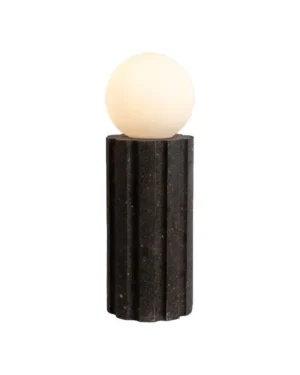
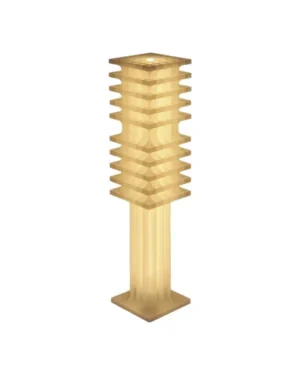
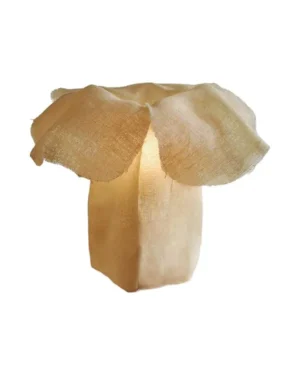
B.a.r.e Series Table Lamp in Brick, Copper and Plastics
By Lucas Muñoz Muñoz
€300 -
 In stock
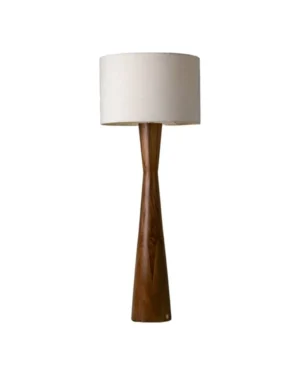
B.A.R.E Series ‘Tall’ Floor Lamp in Brick and Copper
By Lucas Muñoz Muñoz
€780 -
 In stock
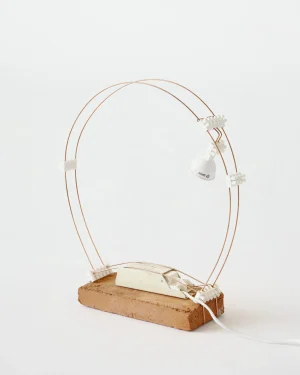
B.A.R.E Series ‘Small Circular’ Table Lamp in Brick and Copper
By Lucas Muñoz Muñoz
€225 -
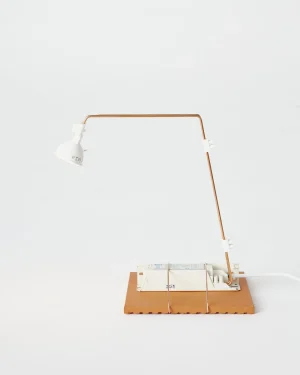 In stock
B.A.R.E Series ‘Small Simple’ Table Lamp in Brick and Copper
By Lucas Muñoz Muñoz
€150 -

B.A.R.E Series Table Lamp in Brick and Copper
By Lucas Muñoz Muñoz
€250€225 -
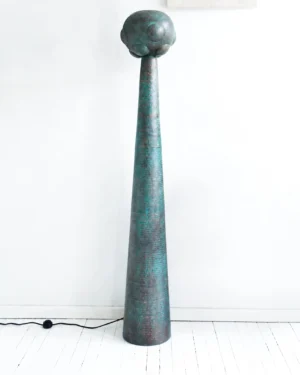 In stock
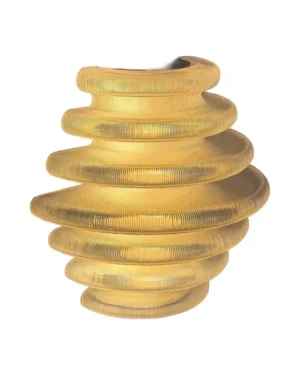
Artefacto Copper Venus Floor Lamp in Hammered Copper
By LØRDAG & SØNDAG
€4.768 -
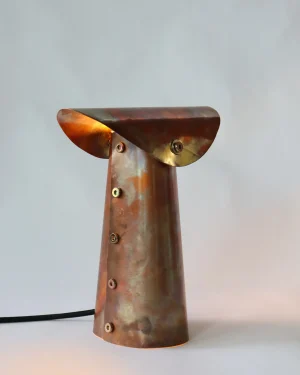
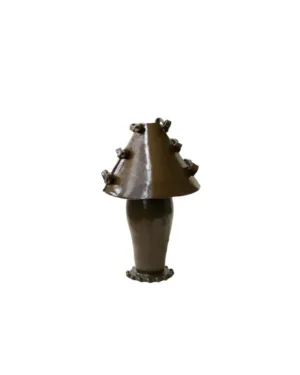
Luma Table Lamp in Oxidized Copper
By Emilia Tombolesi
€1.150 -

Rivarno Floor Lamp in Copper and Basalt Stone
By Aura Carpio®
€5.950 -

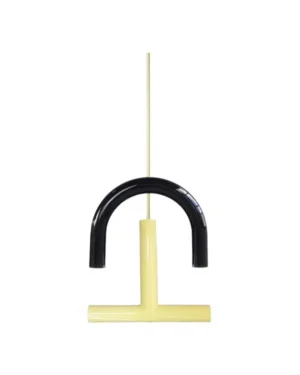
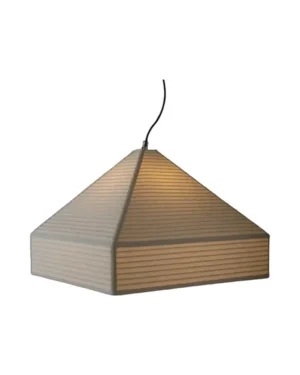
Wind Pendant Lamp in Aluminum, Copper & Recycled Plastic
By SIGNATURE OBJECTS
€1.200 -
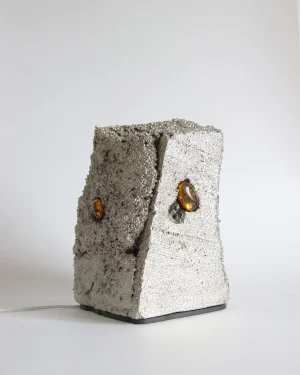 In stock
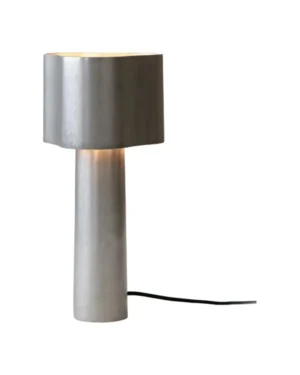
Irony Of Material Table Lamp in Nickel
By Studio Speculo
€716 -
 In stock
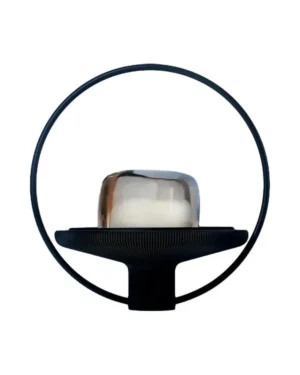
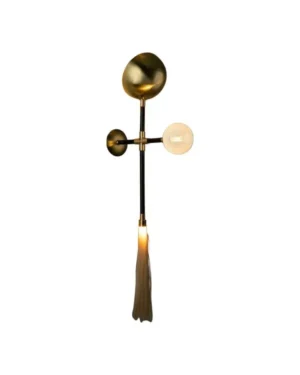
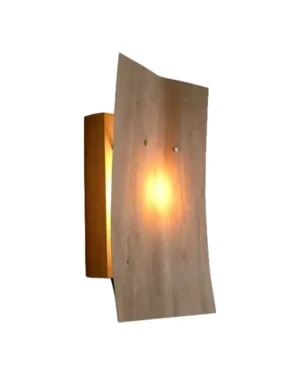
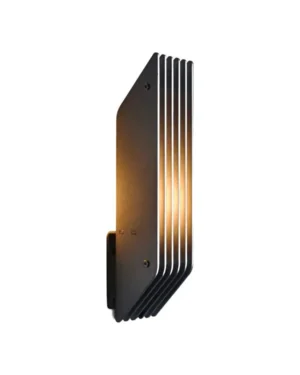
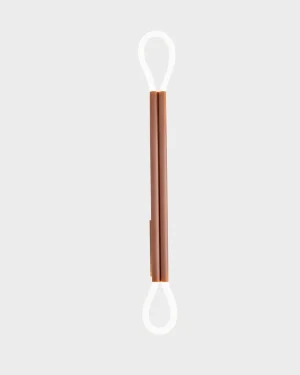
Temporal Collection Sconce in Copper
By Lucas Muñoz Muñoz
€800 - €1.200 -
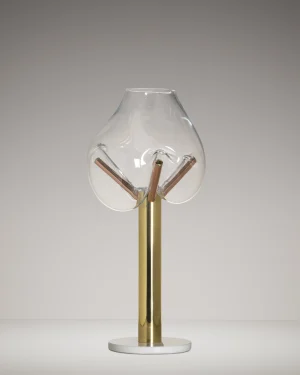
Carambola Table Lamp
By Carol Gay
€1.730 - €1.745 -

Moono Sliding Pendant Light
By SHRE Studio
€2.500 - €2.700 -
 Sold
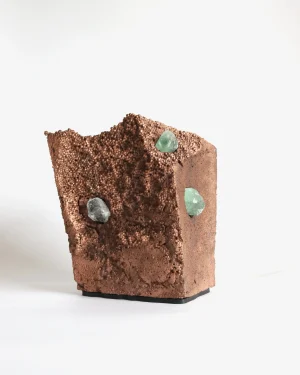
Irony Of Material 01 Table Lamp in Copper
By Studio Speculo
€716
Copper lighting is built around one material story: pink-gold metal that warms under direct current and slowly shifts in tone as it meets air and handling. The pieces found here come from studios working in sheet metal and tube, using hammering, welding and hand assembly to turn flat copper into pendants, sconces and table lamps. Some fixtures stay bright and lacquered, others are left raw to darken on their own.
What gives copper its particular glow
Copper reflects light with a warmer cast than brass or steel, which is why a single pendant can change the mood of a room without raising the wattage. Left unsealed, the surface moves from a bright, almost orange sheen toward a deeper brown, and eventually toward soft green or near-black patches where it is touched most often. This aging is chemical, not a flaw, and it is part of why many studios choose to leave the metal untreated.
Hammering is common across this material because it work-hardens copper while leaving a faceted, light-catching surface. Electroplating appears too, usually as a thin copper layer over another metal base, giving the same warm tone with a different weight and price point. Both approaches sit under the wider metal lighting range, alongside steel and brass fixtures made with similar techniques.
The range of finishes, styles and editions
Across the copper lighting found at ADORNO, hammered and smooth surfaces sit next to brushed and lacquered ones, so the same base material can read as rough-cast or precisely finished depending on the maker's process. Stylistically, the spread runs from pared-back, Minimalist forms through Contemporary and Modern silhouettes to Neo-Industrial fixtures with visible welds, plus occasional Art Deco, Futuristic, Eclectic or Brutalist pieces built from the same sheet and tube.
- Open editions, produced on an ongoing basis by a studio
- Limited editions, made in a fixed, smaller run
- Unique pieces, each one assembled or hammered individually
For a wider view of the material beyond lighting, the full set of copper pieces on ADORNO also includes vessels, wall sculptures and small furniture made with the same hand techniques.
How to choose a copper fixture
Scale matters more with copper than with lighter-colored metals, since a warm, reflective surface draws the eye and can dominate a small room if it is oversized. Measure the ceiling height before choosing a pendant, and leave enough clearance so the fixture reads as a fixture rather than an obstacle. A hammered or matte finish softens glare and hides fingerprints better than a highly polished one, which suits fixtures placed at eye level or handled often, such as table lamps.
Placement should also account for how copper changes the color of light it casts. Near seating or reading areas, a warmer, slightly dimmed source is usually more comfortable than a bright, unshaded bulb reflecting off bare metal.
Rooms that suit copper lighting
Copper lighting tends to anchor rooms where people gather or linger: dining tables, reading corners and hallways where a warm glow greets rather than floods. In a living room setting, a single pendant or a pair of sconces can carry the weight of the lighting plan without competing with other finishes already in the space, such as wood furniture or stone surfaces. Smaller copper lamps also work well on bedside tables, where their reflective surface softens low, direct light rather than scattering it harshly.
Caring for copper fixtures
Untreated copper will tarnish with handling and exposure to humidity, which most owners allow to happen, since the resulting patina is part of the material's appeal. A dry, soft cloth is usually enough for dust; stronger cleaning or polish should only be used if a bright, uniform finish is wanted, since it also removes the existing patina. Lacquered pieces need less attention but should be kept away from abrasive cleaners that can cut through the coating. For related pieces that pair well with these fixtures, the dedicated copper lamps range focuses on table and floor forms made with the same finishing choices.
How do I choose a copper light?
Decide whether you want the bright, lacquered look of fresh copper or the darker, uneven tone of a raw surface that will keep changing. Hammered finishes catch more light, while smooth surfaces read calmer.
Does copper lighting need special care?
Lacquered copper only needs a soft cloth. Raw copper will darken and spot with handling and air exposure; wipe with a dry cloth if you want to slow, not stop, that change.
Will copper lighting tarnish or change color over time?
Yes, unsealed copper shifts from bright orange toward brown and eventually soft green or near-black in places. This is a natural chemical process, not a defect.
What size pendant or lamp do I need?
Sizing depends on ceiling height, table scale and how much glow you want in the room; the maker can confirm exact dimensions and drop lengths through Chat with the maker on the piece's page.
Which rooms suit copper lighting best?
Copper's warm cast suits living rooms, dining tables and bedrooms where you want a softer glow, and it holds up well in kitchens if the surface is lacquered rather than left raw.
How does shipping, returns and authenticity work at ADORNO?
Shipping is insured and worldwide, returns are accepted within 14 days except on made-to-order pieces, and every piece ships with a certificate of authenticity alongside a lowest-price guarantee.