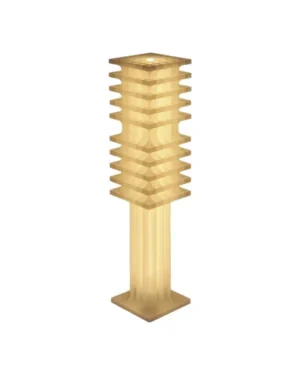
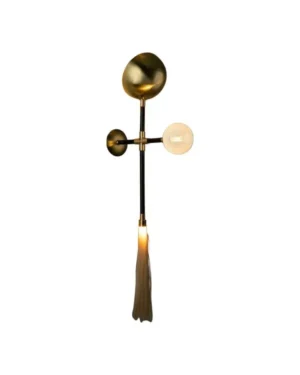
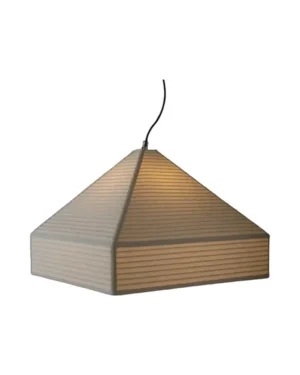
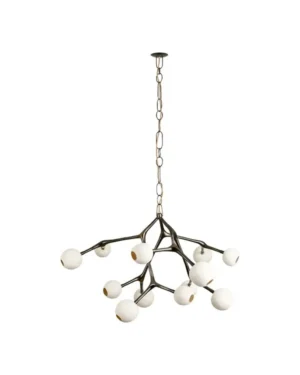

-

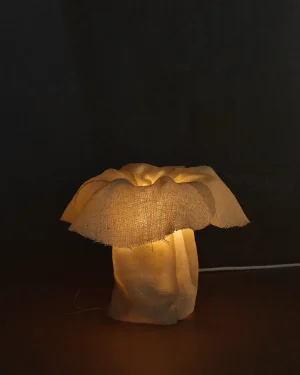
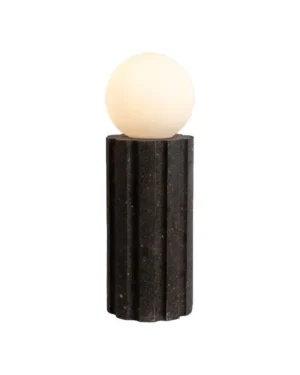
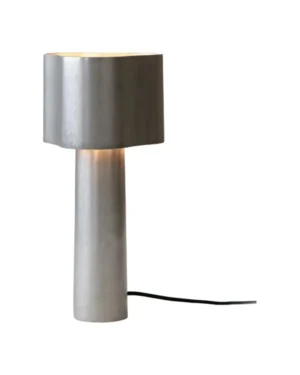
Black Wool Table Lamp in Biocomposite
By PletoStudio
€700 -

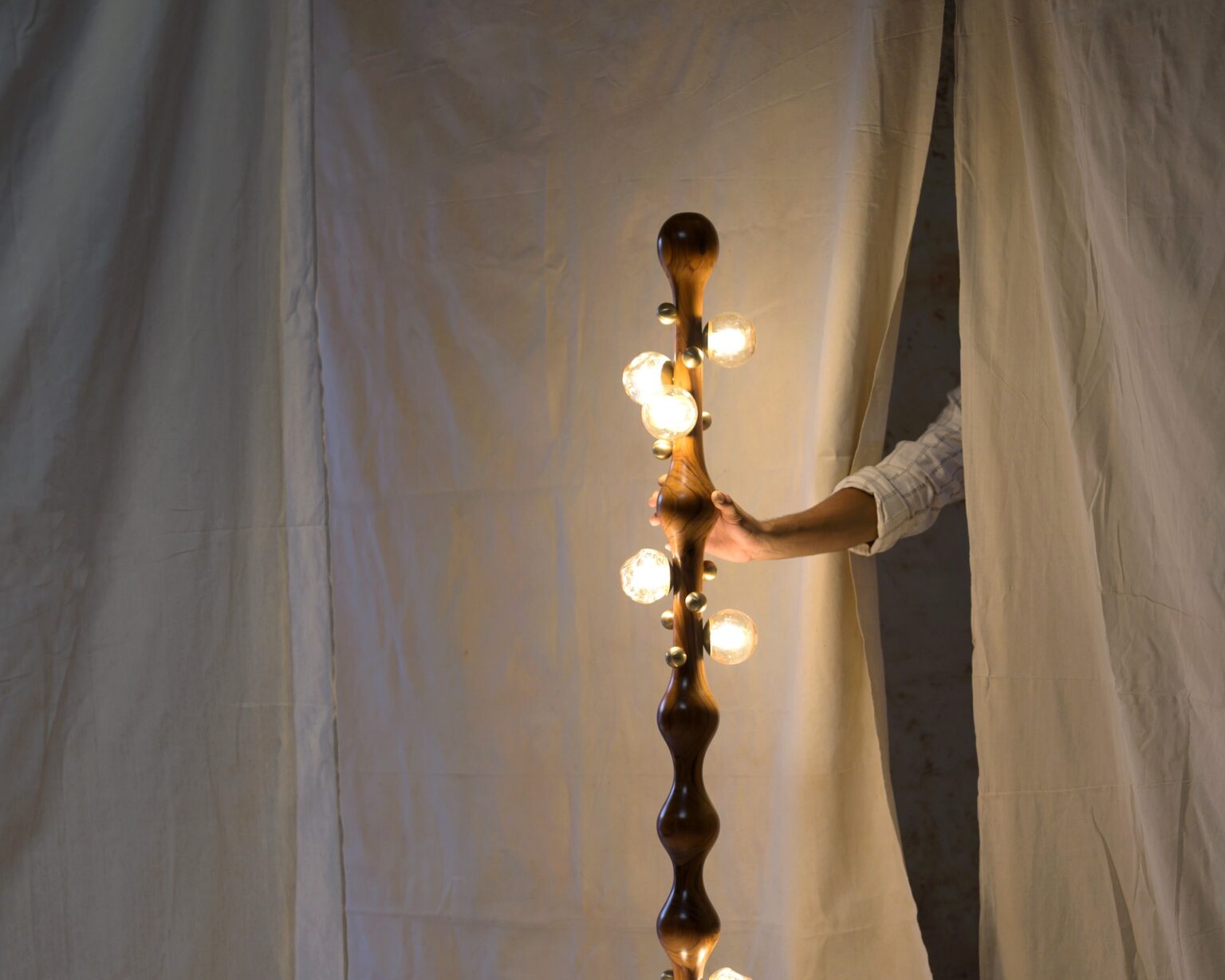
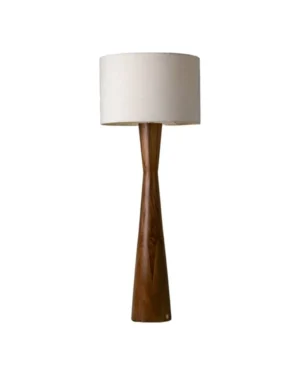
Laco Floor Lamp in Biocomposite and Linen
By PletoStudio
€3.600 -

Shadow Wool Floor Lamp in Biocomposite and Carpathian Wool
By PletoStudio
€2.200 -

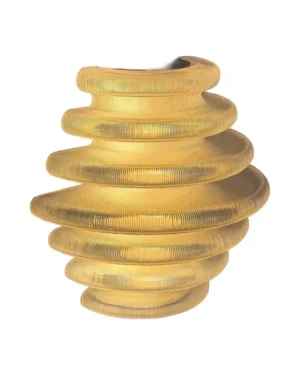
Orbita Floor Lamp in Biocomposite and Bouclé Wool
By PletoStudio
€5.000 -

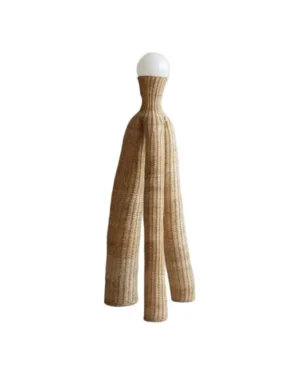
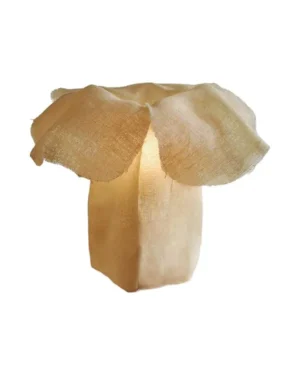
Silva Sculptural Floor Lamp in Biocomposite and Raffia
By PletoStudio
€1.600 -
 In stock
SONIAH Table Lamp in ZTISTA Biocomposite
By FAINA
€3.000 -

Vereteno Floor Lamp in Biocomposite and Linen
By PletoStudio
€5.800 -

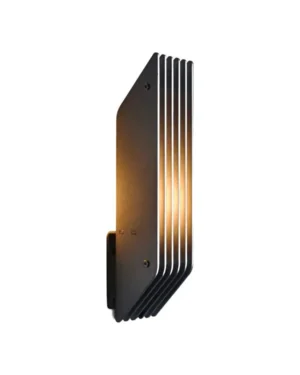
Ember Floor Lamp in Biocomposite and Raffia
By PletoStudio
€3.200 -

Wool Smola Table Lamp in Biocomposite
By PletoStudio
€800 -

Silva Soft Floor Lamp in Biocomposite and Cotton
By PletoStudio
€1.100
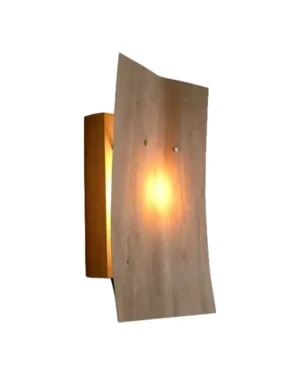
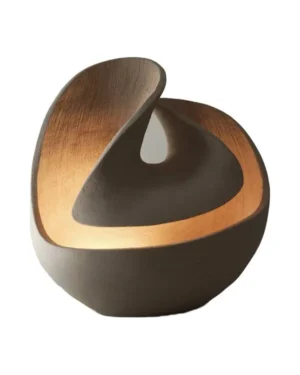
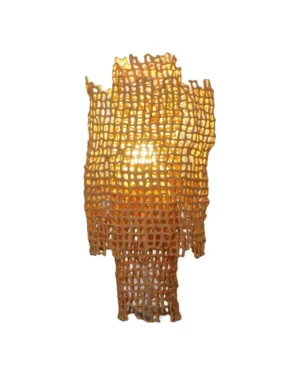
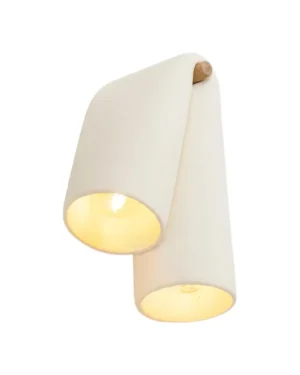
Cellulose lighting turns a plant-based biocomposite into soft, felt-like forms for table and floor lamps. Studios working with cellulose pulp, bark fiber or recycled paper hand-build and sculpt each shade or body, pressing and layering the material before it sets into a matte, almost textile surface. The result sits closer to stone or felt than to glass or metal, and it carries a quiet, diffused glow once lit.
What Defines Cellulose Lighting
Cellulose biocomposite is light in weight but dense enough to hold its shape without an internal frame. Its surface is porous rather than glossy, so it softens a bulb's output instead of throwing a hard beam, and it tends to muffle sound slightly in a room the way raw plaster or wool does. Over years indoors, the material can shift a shade paler or pick up a faint patina from dust and handling, which is normal and part of how a biocomposite surface ages.
Because it is grown and pressed rather than fired or cast, cellulose does not behave like ceramic or glass under stress. It resists chipping better than it resists prolonged damp, so placement and handling matter more than with metal or stoneware lighting.
Materials, Finishes and Techniques Found in This Range
Across the category, cellulose is often paired with or set beside other biomaterials and natural fibers, worked using related hand techniques. Within lighting from independent studios, you will find this kind of work grouped by what the piece is made from and how it was built:
- Companion materials: clay, hemp, mineral powder, wood shavings, linen, cotton, wool
- Color range: silver, ivory, navy blue, gray, off-white, white, yellow
- Techniques: biofabrication, hand-building, textilework, felting, weaving, sculpting, knitting
- Editions: open editions and one-off pieces, depending on how each studio works
Styles lean toward wabi-sabi, boho chic, coastal and sustainable-minded design, where an irregular edge or a visible seam reads as evidence of hand-building rather than a flaw. For the full range of forms and finishes worked in this plant-based material, see cellulose pieces across the ADORNO catalog.
Choosing a Cellulose Lamp for Your Space
Start with scale before finish. A table lamp built from cellulose reads heavier than its actual weight suggests, so measure the surface it will sit on and leave enough clearance that the shade does not crowd books, plants or a stack of trays. Floor versions carry more presence in a room and work best where they can stand a little apart from furniture, rather than wedged into a corner.
Height matters for how the light falls: a lamp set low throws a pool of light across a rug or floor, while a taller floor piece lights a wall or ceiling plane and softens the whole room instead. Within cellulose lamps built for tables and floors, finishes range from raw, undyed pulp to pieces tinted in ivory, gray or navy blue, so matching the shade's tone to existing textiles is often more useful than matching it to other lighting in the room.
Where Cellulose Lighting Fits
The muted, matte quality of cellulose suits rooms built around texture rather than shine. It reads naturally in a living room beside linen upholstery or a wool rug, and just as easily on a nightstand in a bedroom, where its soft glow suits reading light without glare. Because the material absorbs rather than reflects light, it also works well in reading corners or small studies where a hard, bright fixture would feel out of place.
Caring for Cellulose Lighting
Keep cellulose lighting away from steady moisture, so bathrooms and uncovered outdoor spots are not suited to it. Dust the surface with a dry, soft cloth rather than a damp one, and avoid placing a piece in direct, prolonged sun, which can dry and pale the material faster than indirect daylight. Treated this way, a cellulose lamp holds its form and color for years, aging gradually rather than failing outright.
How do I choose a cellulose lamp?
Think about the light you want: a dense, tightly pressed shade gives a softer, more muted glow, while a thinner one lets more light through. Match its scale and tone to the room before the shape.
How do you care for cellulose lighting?
Dust with a dry, soft cloth and keep the piece away from prolonged damp or direct sun. Slight paling or patina over time is normal for a biocomposite surface, not a flaw.
What sizes do cellulose lamps come in?
They range from compact table lamps to floor lamps that anchor a seating area. Exact dimensions vary by piece, so check the maker can confirm sizing through Chat with the maker on the piece's page.
Which rooms suit cellulose lighting?
The muted glow and sound-softening surface work well in living rooms and bedrooms, anywhere a quieter, diffused light is welcome over a hard, direct beam.
Is cellulose lighting durable?
It resists chipping better than metal or ceramic lighting but is more sensitive to prolonged moisture, so placement and handling matter more than with glass or stoneware.
What happens when I buy cellulose lighting from ADORNO?
Shipping is insured and sent worldwide, with a 14-day return policy excluding made-to-order pieces. Each lamp arrives with a certificate of authenticity, backed by a lowest-price guarantee.