



















-
 In stock
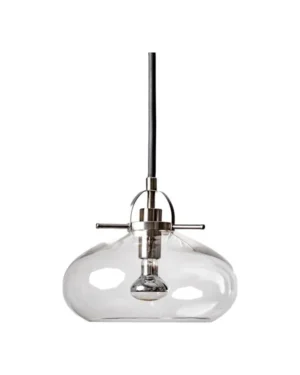
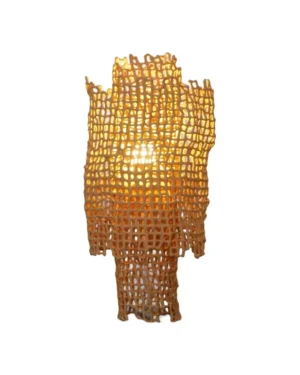
SONIAH Table Lamp in ZTISTA Biocomposite
By FAINA
€3.000 This product has multiple variants. The options may be chosen on the product page -

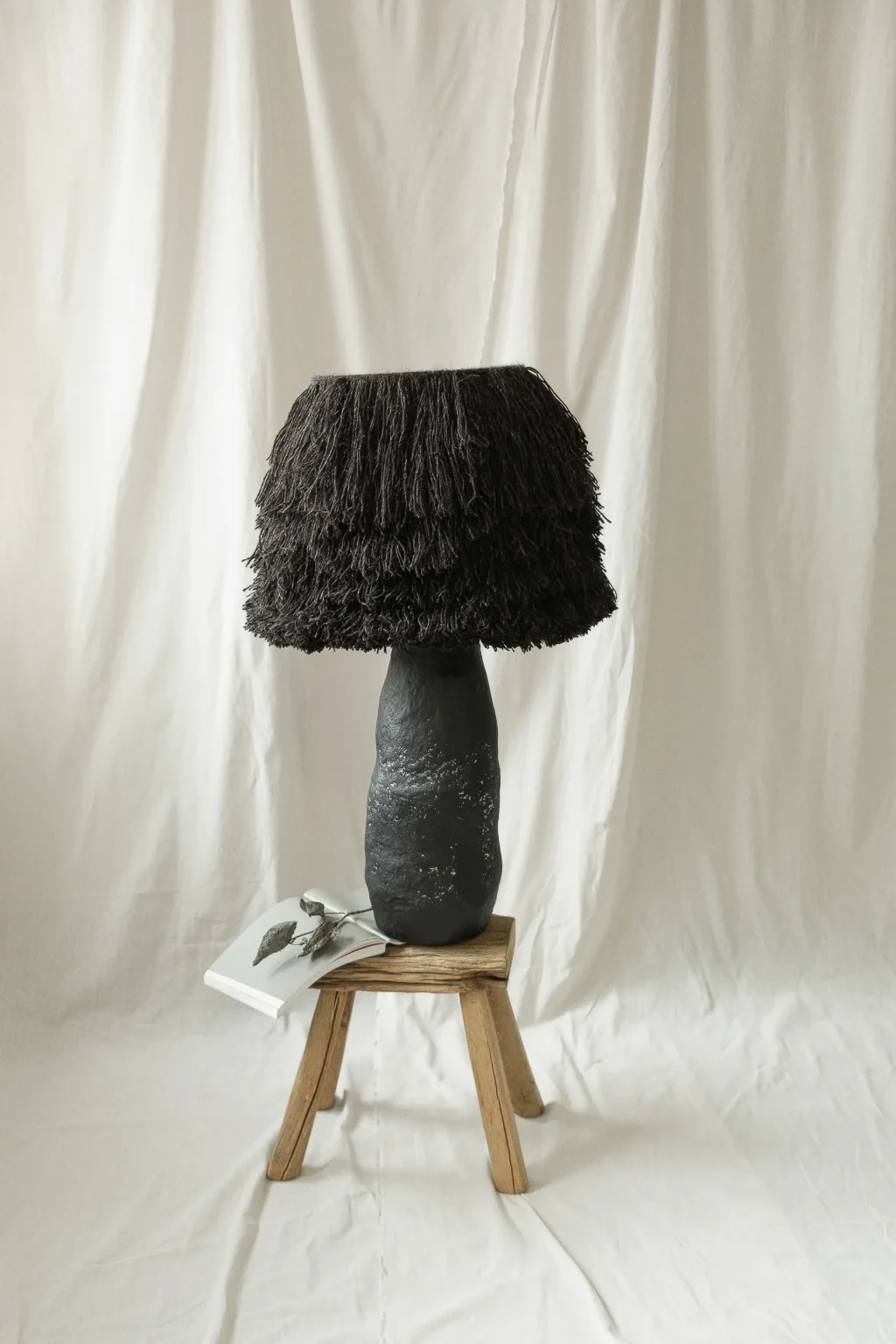
Black Wool Table Lamp in Biocomposite
By PletoStudio
€700 -

Orbita Floor Lamp in Biocomposite and Bouclé Wool
By PletoStudio
€5.000 -

Laco Floor Lamp in Biocomposite and Linen
By PletoStudio
€3.600 -

Shadow Wool Floor Lamp in Biocomposite and Carpathian Wool
By PletoStudio
€2.200 -

Silva Soft Floor Lamp in Biocomposite and Cotton
By PletoStudio
€1.100 -

Ember Floor Lamp in Biocomposite and Raffia
By PletoStudio
€3.200 -

Wool Smola Table Lamp in Biocomposite
By PletoStudio
€800 -

Silva Sculptural Floor Lamp in Biocomposite and Raffia
By PletoStudio
€1.600 -

Vereteno Floor Lamp in Biocomposite and Linen
By PletoStudio
€5.800
Cellulose lamps are built from one of the oldest fiber sources available to designers: plant cellulose, pulped, pressed or layered into shades and bases that diffuse light rather than block it. Studios working in biomaterials treat the fiber the way papermakers always have, drawing it from wood pulp, cotton linter or agricultural waste and shaping it wet around a mold, a frame or a hand-built form. Once dry, the material holds its shape on its own, so a cellulose lamp carries weight without carrying density.
What cellulose brings to a lamp
Cellulose is fibrous rather than solid, so light passes through it unevenly, catching thin spots and the grain left by the pulp. Switched off, a shade in this material reads as matte, often in ivory, off-white or a pale gray close to raw paper. Switched on, the same surface turns warm and slightly uneven, closer to parchment lit from inside than to glass or lacquer.
The fiber is light to lift and forgiving to work, which is why it turns up in sculptural, rounded forms as often as in straight-sided shades. Some studios leave it raw and visibly textured; others burnish or seal the surface for a smoother, more even glow.
Techniques and editions found among cellulose lamps
Within cellulose lighting more broadly, the making methods repeat with variation. Hand-building and sculpting are common, since wet pulp can be pressed and layered by hand before it sets. Some studios pair the fiber with felting or weaving at the base or armature, combining cellulose with wool, cotton or hemp for structure.
- Open editions, produced in small ongoing batches rather than a single run
- Unique pieces, where the hand-forming of wet pulp means no two shades dry quite the same
- Finishes ranging from raw and fibrous to lightly sanded or sealed
Every piece drawing on cellulose as a material starts from this same fiber base, whatever form the studio gives it.
How to choose a cellulose lamp
Scale matters more with cellulose than with denser materials, since a large shade still reads as light rather than heavy. Measure the surface it will sit on or the ceiling height it will hang from before settling on size, and favor a wider shade over a tall one if the fiber's glow is the main draw. Table lamps in cellulose generally sit at standard reading height, low enough to cast light down onto a surface rather than across a whole room.
Finish is the other decision. A raw, unsealed surface shows more texture and ages slightly in direct light, while a sealed or burnished one stays closer to its original tone over time. Choose based on how much handling and daylight exposure the spot will see.
Where cellulose lamps work
The material's soft glow and light weight suit rooms where a lamp needs to sit on an open shelf or a side table without visually crowding it, which is part of why it turns up so often among living room lamps. It also reads well in bedrooms and reading corners, where a diffuse, non-glare light is more useful than a direct one. Because the forms tend toward rounded, pared-back shapes, cellulose lamps sit comfortably among the pieces grouped under contemporary lamps as well as more pared-down, texture-led interiors.
Caring for a cellulose lamp
Keep cellulose dry. The fiber absorbs moisture readily, so it should stay away from steam, damp cloths and direct contact with water. Dust with a soft, dry brush or a low vacuum attachment rather than wiping, since friction with a wet cloth can mark or soften the surface. Keep it out of direct sun for long stretches, as the fiber can yellow or fade unevenly over years the way uncoated paper does.
Treated well, a cellulose lamp holds its form and its particular quality of light for a long time, and any small changes in tone only add to the handmade character the material started with. For the wider range of lamp forms and materials, the full set of lamps on ADORNO sits alongside this one.
How do I choose a cellulose lamp?
Consider how the shade filters light, since fiber density and thickness decide whether it glows soft and even or lets light through unevenly. Match that quality to the room's existing light.
What is a cellulose lamp made of and how do I care for it?
The shades are formed from plant fiber pulp, often biofabricated into solid shapes. Keep them dry, dust with a soft brush, and avoid direct sun, which can yellow or weaken the fiber over time.
What size lamp should I choose?
Table lamps typically sit between 12 and 24 inches tall, while floor lamps run higher for ambient light. For exact dimensions, chat with the maker on the piece's page.
Which rooms suit a cellulose lamp?
Their soft, diffused glow suits living rooms and bedrooms where warm, ambient light matters more than task lighting. The natural texture also reads well in spaces with wood, linen or stone.
Are cellulose lamps fragile?
They are sturdier than their light appearance suggests, since compressed fiber holds its shape well, though it is not as impact-resistant as ceramic or glass. Keep them away from moisture and heavy knocks.
How does shipping, returns and authenticity work at ADORNO?
Shipping is insured and worldwide. Returns are accepted within 14 days, excluding made-to-order pieces, and every lamp comes with a certificate of authenticity plus a lowest-price guarantee.