










-

1908 – Solid Wood & Leather Lounge Chair
By espina corona
€1.450 -

Poltrona 1907
By espina corona
€1.050 -

Crispy Chicken Light Orange Papier-mâché Chair
By David Čáp
€1.000 -
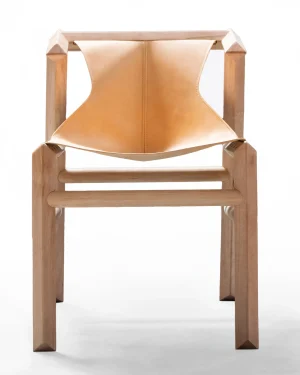
1901 – Cognac Leather And Wood Dining Chair
By espina corona
€890 -
 In stock
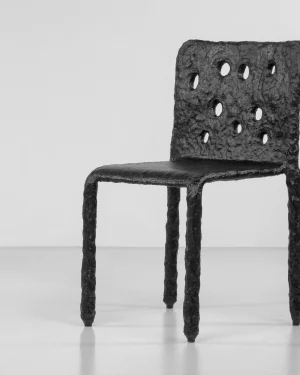
ZTISTA Chair
By FAINA
€1.900 This product has multiple variants. The options may be chosen on the product page -

Charcoal-drawn Papier-mâché Chair
By David Čáp
€1.000 -
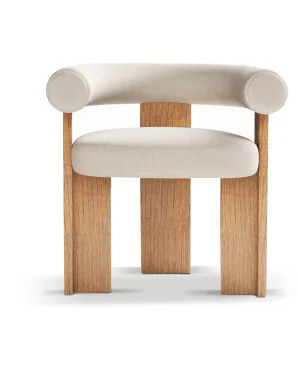
Cassette – Upholstered Armchair
By Alter Ego Studio
€2.215 -
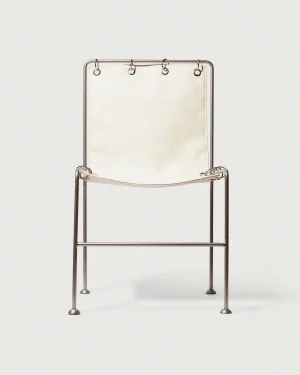
Institution Sculptural Chair, White Lamb Leather
By Panorammma Atelier
€1.990 -
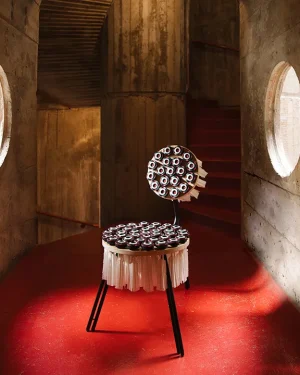
56 Petecas Chair
By Cultivado em Casa
€3.590 -

Black Lounge Chair – 1907
By espina corona
€1.120 -
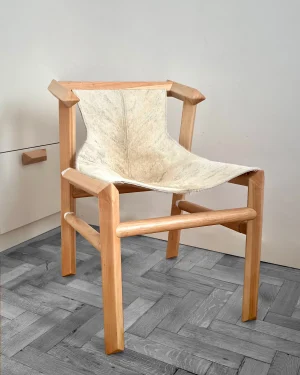
Hairy Leather Dining Chair
By espina corona
€990 -

Kanguro – Solid Wood And Leather Lounge Chair
By espina corona
€3.500 -
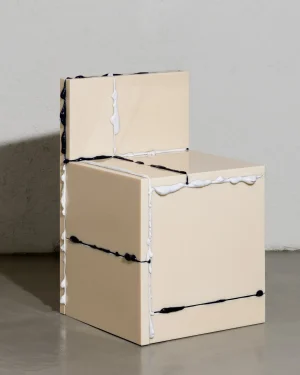
B. S. P Series – Recycled Plastic Chair
By Atelier SOHN
Price Upon Request
White accent chairs on ADORNO hold their color through the material itself, not a coat sprayed on top: bleached and limed oak, powder-coated steel, leather tanned and finished pale, cast or molded plastics that come out of the mold already white. Studios working in cabinetmaking, metalwork, upholstery and digital fabrication all turn to this color because it reads as quiet rather than blank, a surface that picks up the room's light instead of competing with it. The result sits apart from the gray-beige neutrals that dominate most living rooms, offering a sharper, cleaner note without tipping into stark.
What makes a chair read as white
In wood, white usually means oak that has been limed, bleached or painted over a visible grain, so the texture still shows through a pale ground. In leather, it means a hide tanned and finished light, which marks more easily than black or cognac leather and asks for a bit more attention. Steel frames reach white through powder coating, a finish that resists chipping better than paint and holds its tone under daily handling. Molded pieces in PLA, recycled plastic or paper pulp arrive white from the material itself, a by-product of the process rather than a surface treatment, which is part of why many sustainable and 3D-printed chairs land in this color family.
The range of materials and making, in brief
Across the accent chairs on ADORNO, white shows up on frames built through wood and cabinetmaking, on steel shaped by metalwork, on seats upholstered in leather, and on shells formed by hand-building, papier-mâché or digital fabrication from recycled plastic and paper pulp. Styles span mid-century modern, brutalist, coastal, boho chic and a leaner contemporary line, so the color sits across several visual languages rather than one look. Editions vary too: open editions sit alongside limited runs and unique, hand-finished pieces, depending on the studio and the process behind each chair.
Choosing scale, height and finish
Seat height for an accent chair usually sits close to standard dining height, a little lower if it is meant purely for lounging, so measure the gap under existing tables or desks before committing. Scale matters more than it first appears: a chair with a tall, structural back anchors an empty corner, while a lower, rounder silhouette suits a spot meant for conversation rather than display. Matte powder-coated steel and limed oak wear a soft, slightly textured white that hides small marks better than a high-gloss lacquer or a very pale, smooth leather, worth weighing if the chair will see daily use.
- For a reading corner or bedroom, wooden accent chairs bring warmth without adding visual weight.
- For a dining table that needs an extra seat with presence, dining room accent chairs in white steel or leather hold their own against darker wood tables.
- For a living room centered on soft furnishings, living room accent chairs in white break up a run of upholstered sofas without clashing.
Placement and the rooms this color suits
White works best where it has something to contrast against: a dark floor, a colored wall, a cluster of plants or books. In a small room it opens up the corner it occupies; in a larger one, several white chairs can anchor a seating group without crowding it visually. Bedrooms, reading nooks and entryways all take well to a single white chair as a quiet focal point, while dining rooms benefit from the way it lets a wood or stone table carry the color instead.
Caring for light-colored materials
Leather upholstered in white needs a conditioner suited to light hides and prompt attention to spills before they set. Limed or bleached oak should be wiped rather than soaked, and kept out of direct sun if the finish is water-based, since prolonged exposure can yellow a pale surface unevenly. Powder-coated steel asks for little beyond a damp cloth, while molded plastic and paper pulp seats wipe clean easily but scratch more visibly than darker finishes, so rest them on felt pads if floors are hard.
Beyond seating, the same pale palette continues through white furniture, white lighting and every white piece on ADORNO, for anyone building a room around this one tone rather than a single chair.
How do I choose a white accent chair?
Start with the frame material, since oak, steel and molded plastic each hold white differently and wear differently over time. Then weigh the silhouette against the room, a curved shell reads soft while an angular frame reads sharp.
How do I keep a white accent chair clean?
Wipe lacquered wood or steel with a damp cloth and dry it fully to avoid water marks. White leather and upholstery need a mild soap made for the material, and spills should be blotted, not rubbed.
What height and size should an accent chair be?
Most accent chairs sit between seventeen and nineteen inches at the seat, close to standard dining height, with arm height and depth varying by frame. Measure the corner or nook first, since proportion matters more than a fixed rule.
Which rooms suit a white accent chair?
White reflects light, so these chairs read well in living rooms, bedrooms and reading corners where brightness matters. Paired with darker floors or walls, a white chair holds its own without competing with other furniture.
Does shipping and returns work through ADORNO?
Shipping is insured and sent worldwide. Returns are accepted within 14 days, except for made-to-order pieces, and every chair arrives with a certificate of authenticity.
Can I order a white accent chair in a custom size or finish?
Some studios take custom requests on finish, size or upholstery, others work only in open or limited editions as listed. Chat with the maker on the piece's page to confirm what is possible.