









-

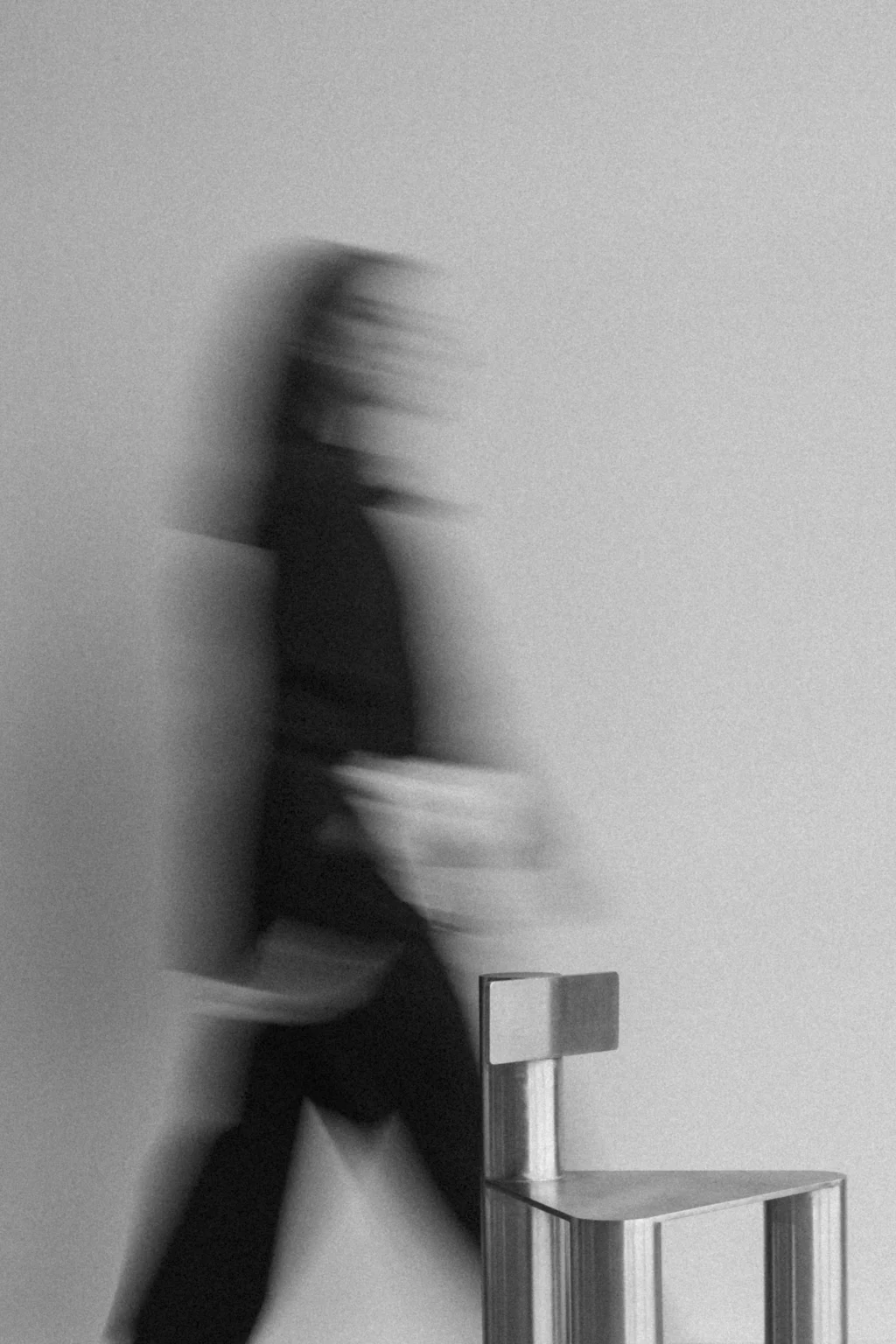
Camber – Stainless Steel Chair
By Paul Coenen
€1.121 -

Chainmail Sculptural Chair, Nickel Plated Steel Finish, Hand Linked Mesh
By Panorammma Atelier
€4.200 -
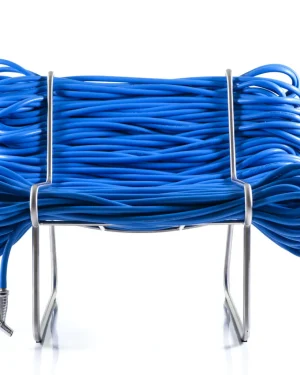
Super Jardim Armchair
By Cultivado em Casa
€4.549 This product has multiple variants. The options may be chosen on the product page -
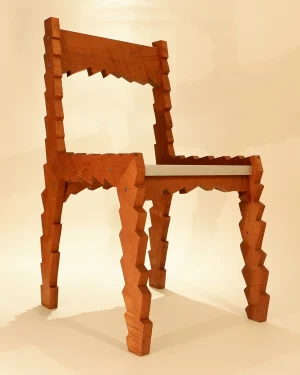
Shocking Chair – Stained Oak Wood Dining Chair
By Josh Page Studio
€940 -
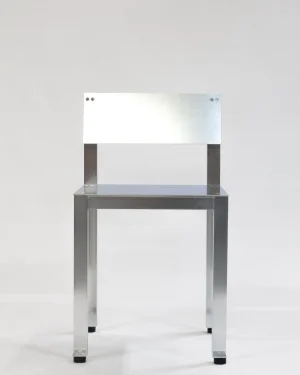
Canto – Aluminum Dining Chair
By Luiz Solano
€840 -
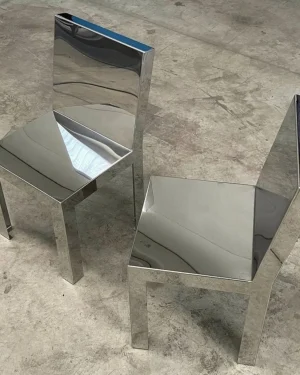
Sedia 1 – Mirror Polished Stainless Steel Chair
By Julia Chiaramonti
€5.500 -
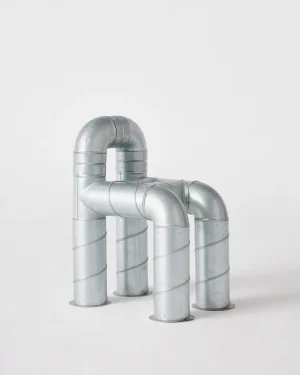
O.F.I.S Series, Steel Chair
By Lucas Muñoz Muñoz
€1.200 -

Kut – Accent Chair
By SABAN FURKAN
€3.400 -

Binario II – Accent Chair
By SABAN FURKAN
€3.600 -
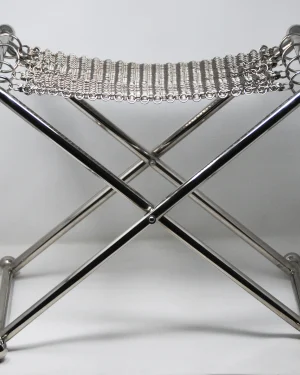
Chainmail Camping Stool
By Panorammma Atelier
€1.990 -
 In stock
Pneumatic Chair 2
By Szostak Atelier
€5.990 This product has multiple variants. The options may be chosen on the product page -

Sitting Bull – Stainless Steel Accent Chair
By ORFEO STUDIO
€5.800 - €6.200 This product has multiple variants. The options may be chosen on the product page -
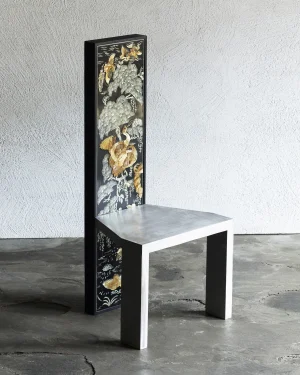
Narrative 001 – Stainless Steel / Wood Chair
By STUDIO KIMBYUNGSUB
€8.000 -
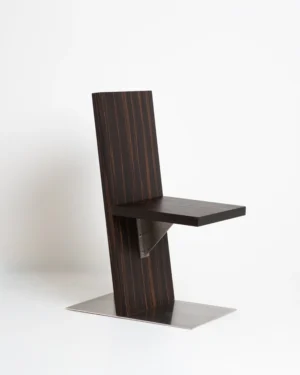
F – Accent Chair
By SABAN FURKAN
€3.600 -
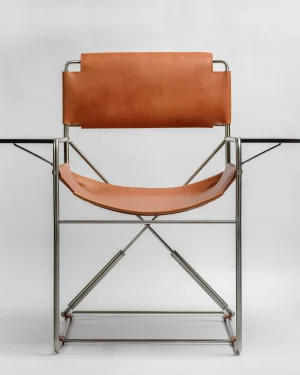
Pneumatic Chair – Unique Piece
By Szostak Atelier
€9.000 -

Slide Stool / Chair
By Ziroru Studio
€1.360 -
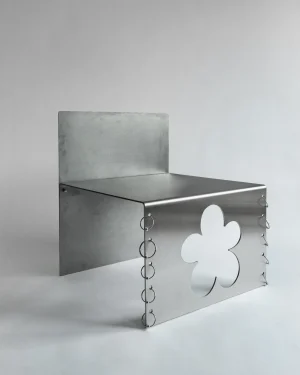
Pierced Cosmic Flower Chair
By LAÔMA ATELIER
€983 -
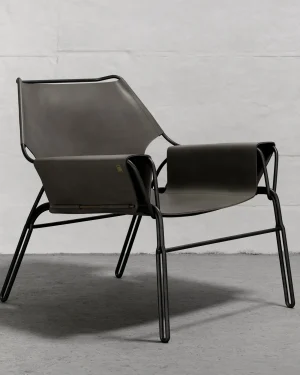 In stock
Perfidia_02 – Thick Leather Sling Lounge Chair In Black Steel
By ANDEAN
€4.542 This product has multiple variants. The options may be chosen on the product page -
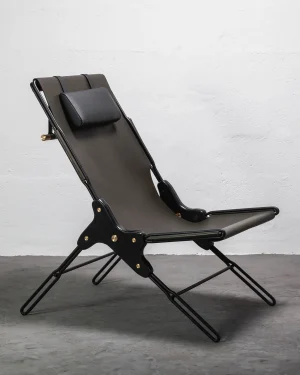 In stock
Perfidia_01 – Thick Leather Sling Lounge Chair In Black Steel
By ANDEAN
€4.133 This product has multiple variants. The options may be chosen on the product page -
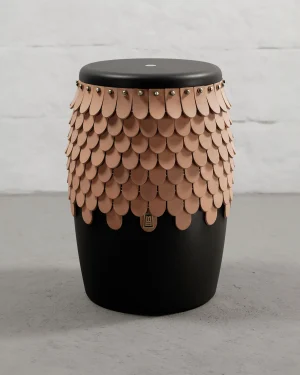 In stock
Sitiera_01 Solid Wood Stool, With Thick Leather Accents, Aged Bronze
By ANDEAN
€2.495 - €3.743 This product has multiple variants. The options may be chosen on the product page -
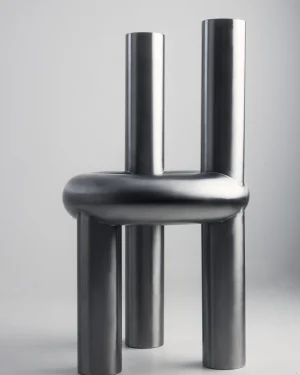
Chunk Chair – Stainless Steel
By Obscure Objects
€6.303 -
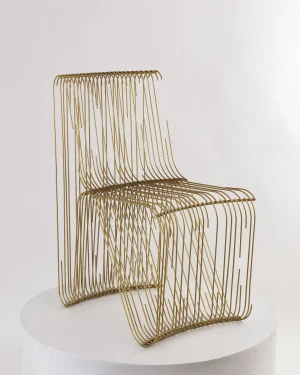
Glitch – Stainless Steel Chair
By Nama Home
€3.630 -
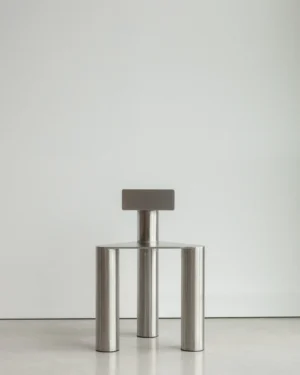
La Chaise — Trépieds Collection
By Olive®
€1.200 -
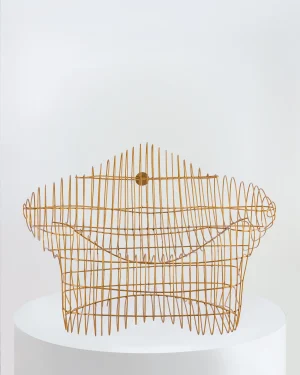
Starfish – Stainless Steel Lounge Chair
By Nama Home
€3.185 -
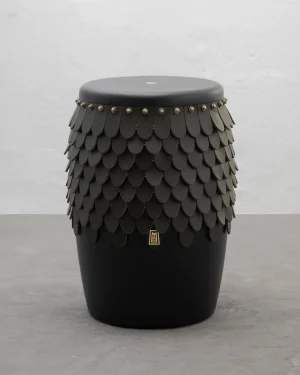
Sitiera_01 Solid Wood Stool, With Olivo Thick Leather Accents, And Aged Bronze
By ANDEAN
€2.495 -

Tronco Chair
By Nitush and Aroosh
€4.750 -
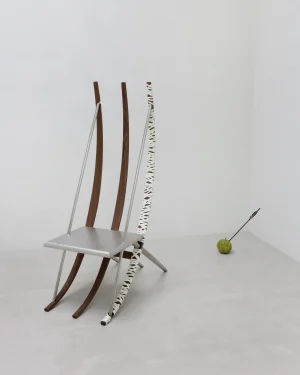
Bow Chair
By Undress House
Price Upon Request -

Rest Chair
By Obscure Objects
€5.800 -
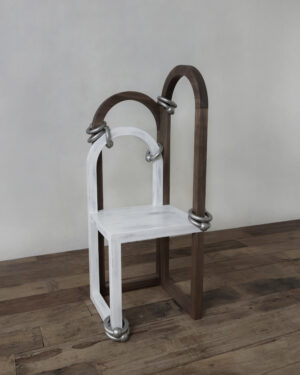
Linked Chair
By Undress House
Price Upon Request -
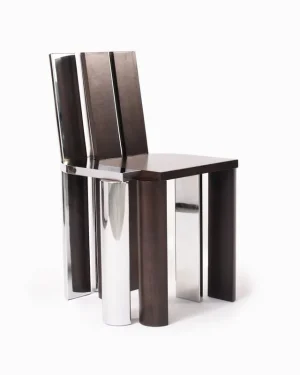
DV Chair – Chrome Edition
By Studio S II
Price Upon Request -
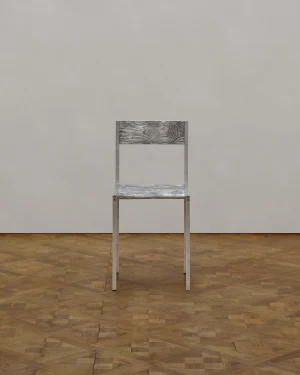
Aluminum Veneer Chair
By Bureau.parso
Price Upon Request -
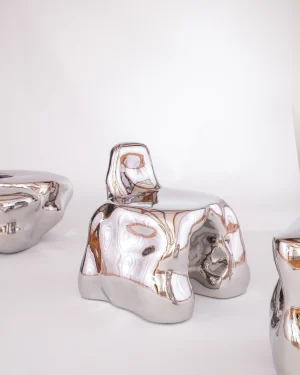
Surface Chair – Mirror Polished Stainless Steel
By studio NAWA
Price Upon Request
Stainless steel accent chairs bring a hard, cool surface into a room, shaped by studios who weld tube and sheet into frames or laser cut flat stock into seats and backs. The metal holds its line without warping, so a cantilevered seat or a slim angled leg keeps its geometry for years. Builders favor it for its resistance to rust, making these chairs as suited to a sunlit window as to a corner that never gets direct light.
What defines stainless steel accent chairs
Stainless steel differs from plain steel or chrome-plated metal in one key way: the corrosion resistance is built into the alloy itself, not added as a surface layer. A scratch does not expose bare metal underneath, so the finish stays consistent even with daily contact. This makes the material a practical choice for a chair that gets pulled out, sat in, and pushed back several times a day.
Weight matters too. A steel frame carries load differently from wood or aluminum, often allowing thinner profiles that still hold a person's full weight. Studios use this to build chairs with visibly slim legs or backs that look lighter than they are.
Finishes, techniques and editions found here
Alongside pieces worked entirely in stainless steel, the range includes frames paired with leather seats, wood veneer backs, or glass accents, and chairs finished in black, bronze, or left in raw silver. Some studios favor a brushed surface that softens reflections, others polish the metal to a near-mirror finish. Styles span neo-industrial frames with exposed welds, minimalist forms pared down to a single bent line, and more eclectic or futuristic silhouettes built from cut and folded sheet.
- Techniques: welding, metalwork, laser cutting, and occasional veneering or leatherwork where other materials join the frame
- Editions: open editions alongside limited runs and unique pieces, depending on the studio and process
- Related materials nearby: chrome, aluminum, and mixed-metal frames with wood or glass elements
Anyone drawn to a cooler, more conductive metal than steel might look at the aluminum accent chairs, which share the same resistance to rust but weigh less and often take a matte finish.
How to choose a stainless steel accent chair
Scale decides whether a chair reads as a quiet addition or a focal point. A low, wide seat suits a lounge corner; a narrow, upright frame fits better beside a console or writing desk. Check seat height against the pieces already in the room so the new chair does not sit noticeably higher or lower than a sofa arm or table edge.
Finish affects how the chair reads in daylight. A mirror polish throws light and makes a small room feel more open, but it also shows fingerprints and dust more readily. A brushed or matte surface hides marks better and suits a room with heavier daily use.
Where these chairs work best
The material's resistance to humidity and temperature swings makes it practical near kitchens, entryways, or covered outdoor seating, as well as inside living room accent chairs arrangements and dining room accent chairs settings where chairs get moved often. Its reflective surface also works well paired with glass tables or stone floors, where the hard materials echo each other rather than compete.
Caring for stainless steel
Wipe the surface with a soft cloth and mild soap; avoid abrasive pads, which can leave fine scratches that dull a polished finish over time. For brushed surfaces, clean in the direction of the grain to keep the texture even. Stainless steel does not need sealing or oiling, which makes it lower-maintenance than wood over the long run, though anyone drawn to timber grain might prefer the wooden accent chairs instead.
For the wider range of seating in this material and finish, see the full set of accent chairs on ADORNO, or view every stainless steel piece across furniture, lighting, and accessories.
How do I choose a stainless steel accent chair?
Consider the finish, from mirror-polished to brushed, and how the frame meets the seat, welded joints read as neo-industrial while laser-cut forms often feel more sculptural and light.
Is stainless steel hard to maintain?
Stainless steel resists rust, staining and daily wear, needing only a wipe with a soft cloth to keep its surface clear of fingerprints and dust.
What height and size should an accent chair be?
Most accent chairs sit at standard seat height, around 17 to 19 inches, scaled for a corner or alongside a sofa rather than a full dining set.
Which rooms suit stainless steel accent chairs?
The cool, reflective surface suits living rooms, entryways and reading corners, pairing well with wood, glass or leather pieces already in the room.
Can I order a custom stainless steel accent chair?
Some makers take custom requests on finish or scale, chat with the maker on the piece's page to confirm what is possible.
What is ADORNO's shipping and return policy?
Shipping is insured and worldwide, with a 14-day return policy, excluding made-to-order pieces, and every chair arrives with a certificate of authenticity.