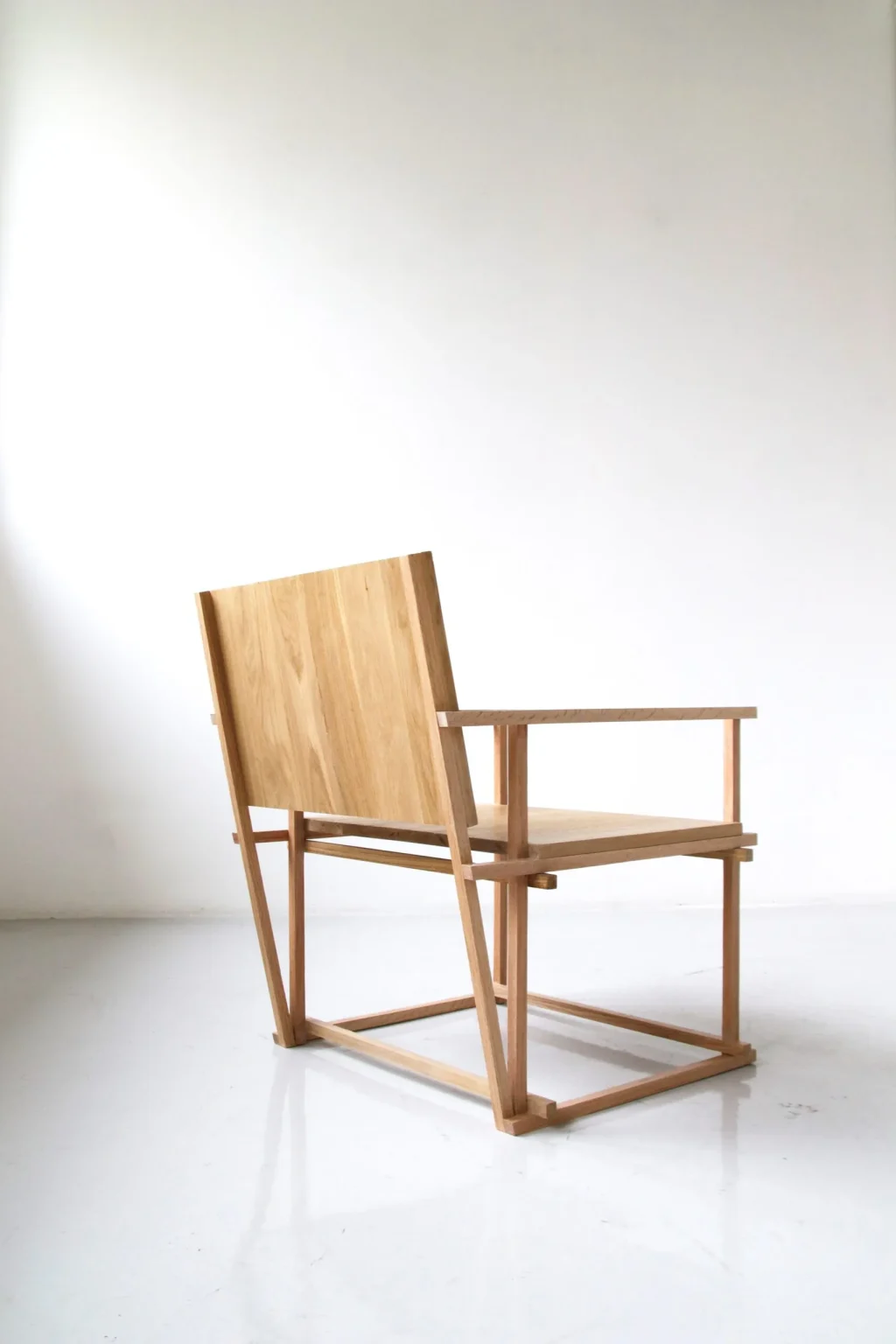
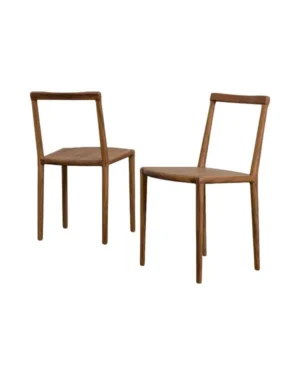
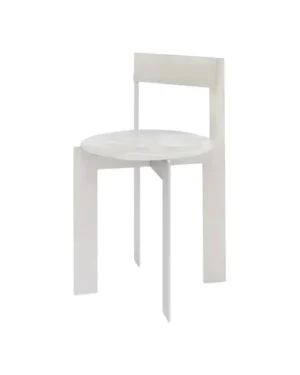
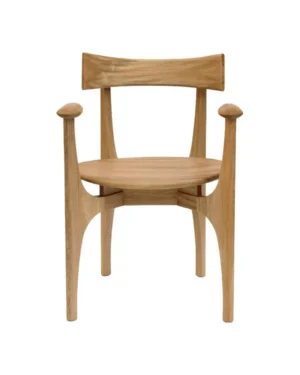
-
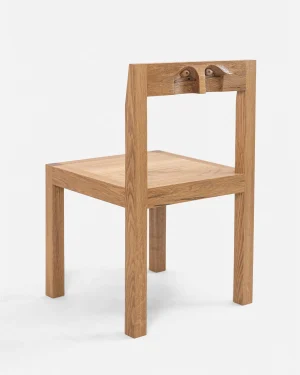
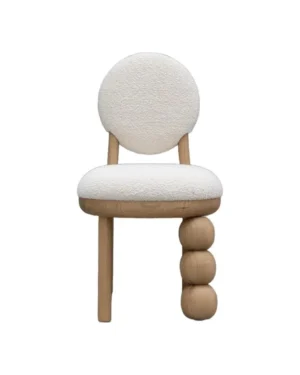
Stele – Oak Wood Chair
By Molor Tumen-Ulzii
€3.000 -
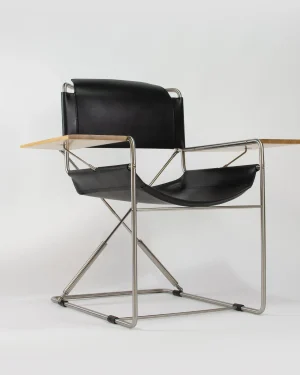 In stock
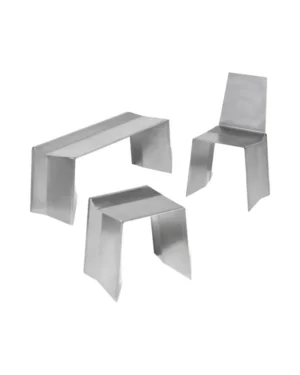
Pneumatic Chair 2
By Szostak Atelier
€5.990 This product has multiple variants. The options may be chosen on the product page -
 In stock
Toptun Chair
By FAINA
€1.980 This product has multiple variants. The options may be chosen on the product page -
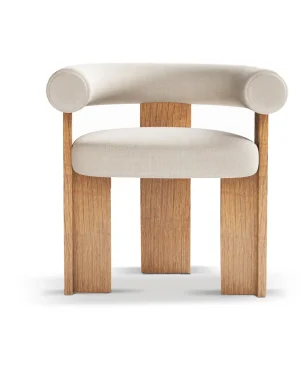
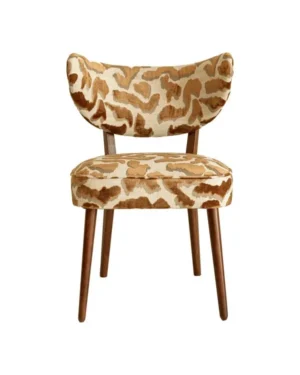
Cassette – Upholstered Armchair
By Alter Ego Studio
€2.215 -
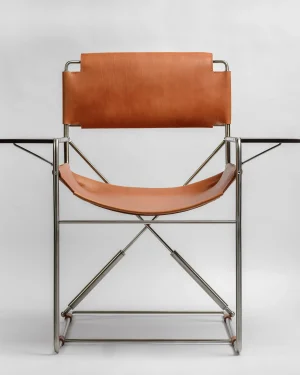 In stock
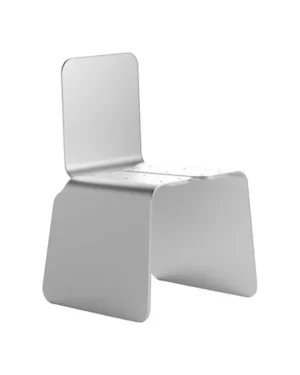
Pneumatic Chair – Unique Piece
By Szostak Atelier
€9.000 -
 In stock
Non – Rocking Chair
By Vital Lainé
€800 -

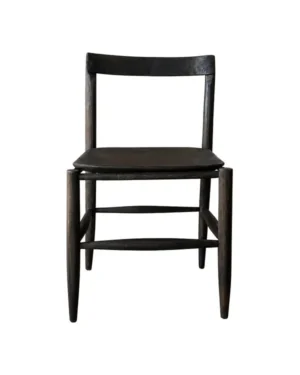
Birch Chair
By Petra Madalena
€1.120 -

Florist Chair
By Calen Knauf Studio
€1.196 This product has multiple variants. The options may be chosen on the product page -
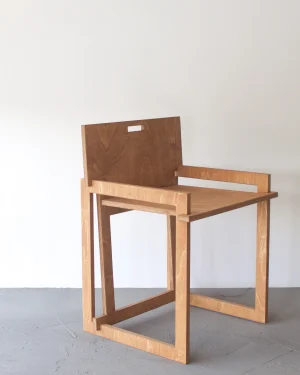 In stock
Sedia Quadra Natural
By Edoardo Lietti Studio
€790 -

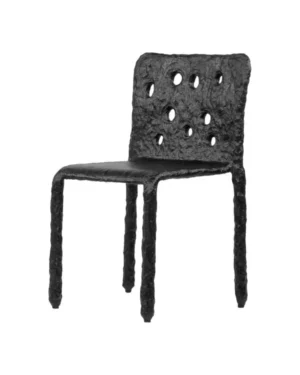
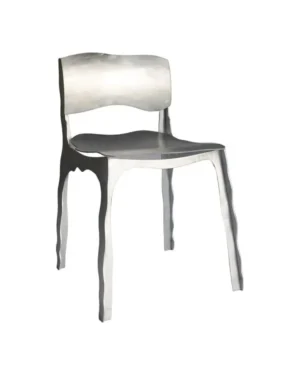
UNTITLED CHAIR X – Sculpted Sand Chair
By Kajsa Melchior
Price Upon Request -
 Sold
“standard” Chair
By Tributo
€1.263
Scandinavian accent chairs bring the pared-back language of Nordic design into a single seat: light wood frames, honest joinery, and upholstery chosen to soften rather than decorate. Studios working this way favor oak, birch veneer, and wool or textile covers over ornament, and they build with joinery and wood carving that let the grain and the line of the frame carry the piece. The result sits somewhere between a dining chair and a sculpture, at home alone in a corner or repeated around a table.
What defines the Scandinavian style in a chair
The style favors restraint over flourish. Legs taper rather than turn, backs curve to the spine instead of adding carving, and color stays close to the material: beige, cognac, white, black, or the pale blond of raw oak and birch. Where steel appears, it is usually a thin frame or sled base left in its own finish, not an accent sprayed another color.
Oak and white oak dominate because both age well and take a light hand of finishing oil or soap without losing structure. Birch veneer and wood veneer appear on curved backs and seats, bent rather than carved, which keeps the chair light to lift and easy to place. Leather and textile upholstery, often in beige, brown, or dusty pink, add warmth without competing with the wood.
Materials, finishes, and ways of making found here
The range on ADORNO moves between a few recurring approaches, not a fixed catalogue:
- Solid oak or white oak frames shaped through wood and cabinetmaking, left raw, soaped, or lightly oiled
- Bent birch or wood veneer seats and backs formed through veneering, often paired with a steel or oak base
- Steel or stainless steel frames welded and finished plain, holding upholstered or leather seats
- Leatherwork and upholstery in solid colors, from cognac to black, stretched over foam or webbing
Editions vary by maker: some chairs come from open editions in ongoing production, others as limited editions in small runs, and occasionally as unique pieces where the maker treats each chair as a single result of hand work. None of this is fixed across the range, so it pays to read how each piece is described before deciding on wood species, upholstery, or run size.
How to choose a scandinavian accent chair
Start with scale. A chair with a wide, open frame needs more floor room to read as a shape rather than clutter, while a slim bent-back design works in tighter corners or alongside a narrow console. Seat height should sit close to standard dining or lounge proportions depending on where the chair will live, since anything far off that range will feel wrong even if the design itself is right.
Finish matters as much as material. A raw or soaped oak frame will darken slightly with light and handling, while an oiled or lacquered one holds its tone longer but shows scratches differently. Leather upholstery in cognac or brown develops a patina with use; textile in beige or dusty pink stays flatter but marks more easily and benefits from a washable or removable cover.
Where these chairs work
A pair flanks a sofa or reading lamp in a living room, bringing texture without the bulk of a second sofa; browse the fuller range of living room accent chairs for scale comparisons. Around a table, the same wood language carries into Scandinavian furniture more broadly, including tables and storage built to the same restraint. For an oak or birch frame on its own, the wooden accent chairs group narrows by material alone.
To see the style across other kinds of seating, Scandinavian seating covers stools and lounge pieces built the same way. The full style runs further still: every Scandinavian piece on ADORNO spans furniture, lighting, and objects, while the accent chairs category holds every style side by side for comparison.
Care
Wipe oiled or soaped oak with a dry or barely damp cloth, and re-oil once or twice a year if the finish is matte and exposed to daily use. Keep leather away from direct heat and radiators, which dry and crack the surface over time. Textile covers should be vacuumed regularly and spot-cleaned rather than soaked, since water can mark both the fabric and the wood joinery beneath it.
How do I choose a Scandinavian accent chair?
Look at the frame first: oak or birch for warmth, steel for a lighter visual weight. Then check the seat, leather or textile upholstery, against the palette and traffic of the room it will sit in.
What materials are Scandinavian accent chairs usually made from?
Most pair a wood frame, oak, white oak or birch veneer, with a textile or leather seat. Some use steel for legs or a slim structural base, keeping the overall look pared back.
How do I care for an oak or leather accent chair?
Wipe oak with a dry or barely damp cloth and keep it from direct heat, which dries and cracks the grain over time. Leather needs occasional conditioning; textile seats benefit from regular vacuuming and prompt attention to spills.
What size is a typical accent chair and will it fit my space?
Accent chairs are built for a single seat, smaller than an armchair or lounge chair, so they suit corners, bedside spots or extra seating without crowding a room. Exact dimensions vary by piece, so check the specific listing before ordering.
Which rooms suit a Scandinavian accent chair?
Their pared-back frames and light materials work in living rooms, bedrooms and entryways alike, anywhere a single seat needs to read as calm rather than central. They also hold their own as extra dining or reading seating.
How does shipping, returns and authenticity work when I buy from ADORNO?
Shipping is insured and worldwide. Returns are accepted within 14 days, except on made-to-order pieces, and every chair arrives with a certificate of authenticity backed by a lowest-price guarantee.