









-
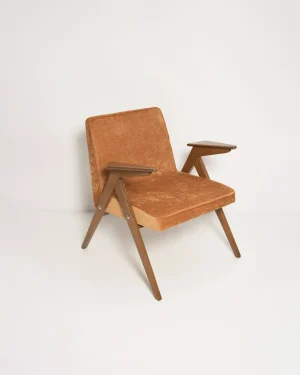
1960s Upholstered Armchair
By Vintola Studio
€1.300 -

Mid-century Heart Chair In Plushy Bordeaux, Dedar,europe, 1960s
By Vintola Studio
€1.050 -

Vintola Studio Dining Chair, Casamance Nimbus Leopard Fabric
By Vintola Studio
€1.400 -
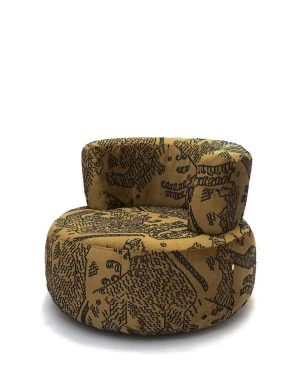
Object051 – Dedar Fabric Armchair
By NG DESIGN
€2.095 -
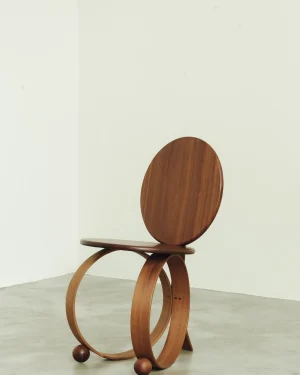
Yara – Bent Wood Chair
By PROSA
€3.200 -
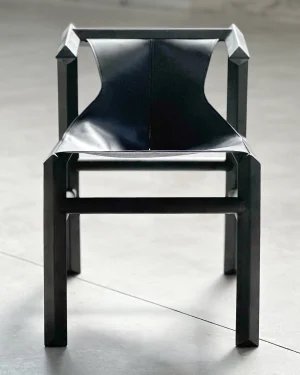
1901 – Black Leather And Wood Dining Chair
By espina corona
€890 -

1908 – Solid Wood & Leather Lounge Chair
By espina corona
€1.450 -
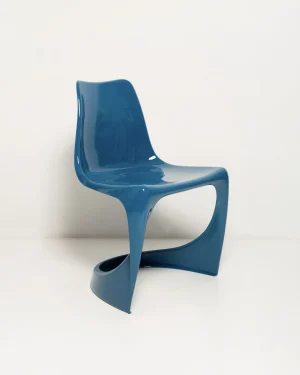
Sea Blue Cado Chair
By Vintola Studio
€900 -
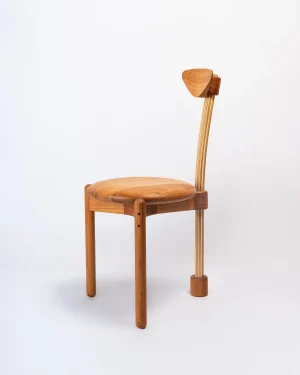
Pipa – Peroba Do Campo Wood Chair
By Estúdio Simbiose
€1.450 -
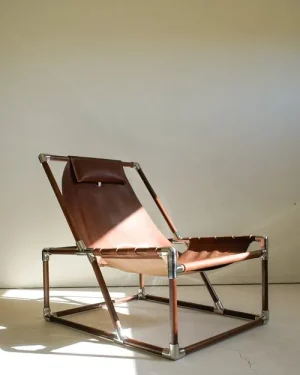
Marina Sling – Lounge Chair
By CHANDLER MCLELLAN
€2.588 -
 In stock
Pneumatic Chair 2
By Szostak Atelier
€5.990 This product has multiple variants. The options may be chosen on the product page -
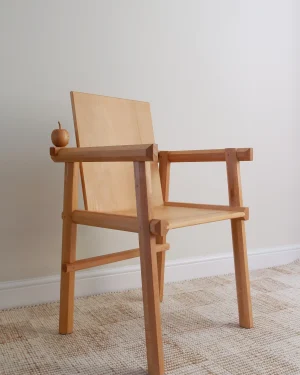
Apple Chair – Beech Wood Arm Chair
By Josh Page Studio
€1.710 -
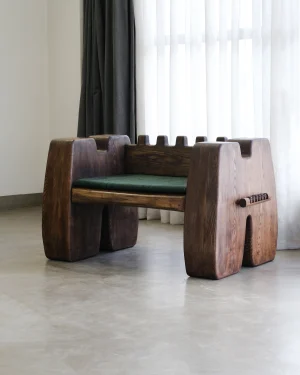
Takhat Armchair
By Shivangi Vasudeva
€5.000 -
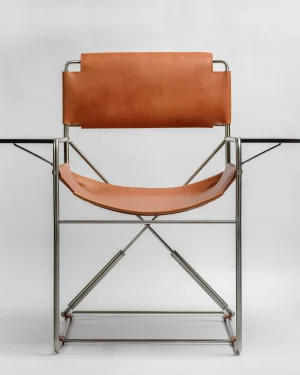
Pneumatic Chair – Unique Piece
By Szostak Atelier
€9.000 -
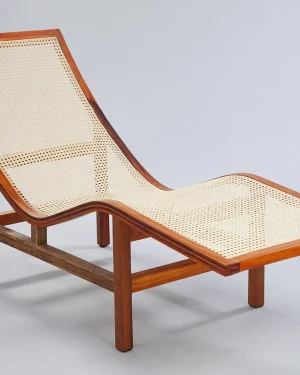
Chaise Sossego
By am.o atelier
€2.956 -

Mid Century Mushroom Chair, Amoir Fou, Dedar, By J. Kedziorek, 1960s
By Vintola Studio
€1.050 -
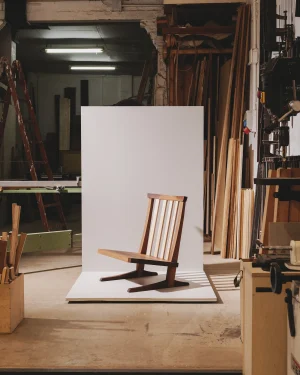
Carme Low Chair
By Mike Hausmann
€4.200 -
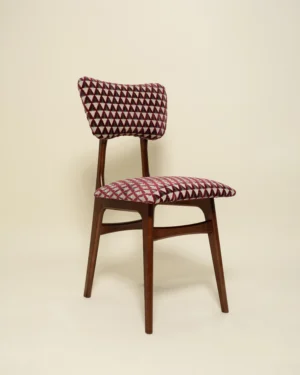
Mid Century Butterfly Chair, Amuleto Rubino, Dedar, 1960
By Vintola Studio
€1.050 -
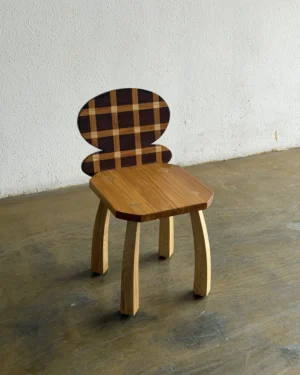
Bend Chair
By STUDIO KALLANG
€2.900 -
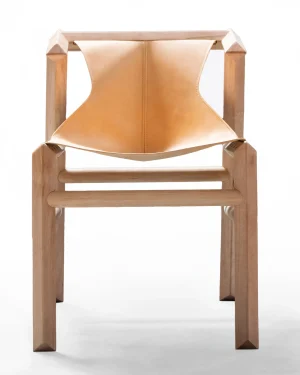
1901 – Cognac Leather And Wood Dining Chair
By espina corona
€890 -

Rian Bullhorn Chair
By Semigood Design
€3.229 This product has multiple variants. The options may be chosen on the product page -
 In stock
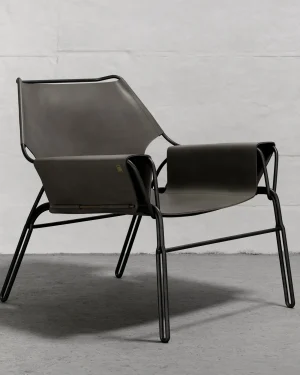
Perfidia_02 – Thick Leather Sling Lounge Chair In Black Steel
By ANDEAN
€4.542 This product has multiple variants. The options may be chosen on the product page -
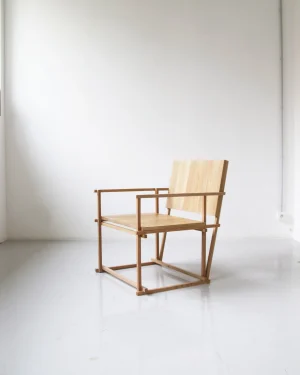
Arles Armchair
By Lahana Alice
€1.390 -

The Andes Huntsman Chair
By CHANDLER MCLELLAN
€3.695 -
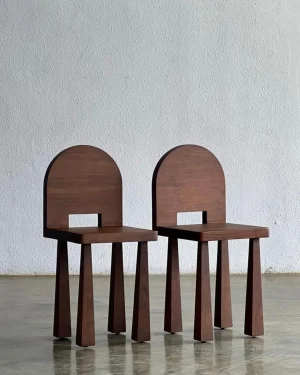
Luna – Teak Dining Chair
By STUDIO KALLANG
€1.025 -

“your Skin” Chair
By Tributo
€2.180 -
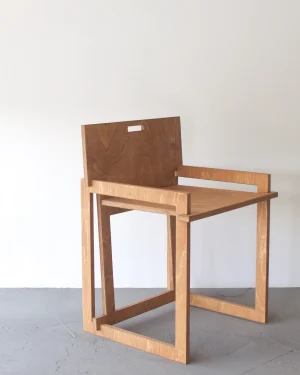
Sedia Quadra Natural
By Edoardo Lietti Studio
€790 -

Mid Century Mushroom Chair, Nouvelles Vagues Rubins Velvet, Dedar, By J. Kedziorek, 1960s
By Vintola Studio
€1.050 -

Mid Century Butterfly Chair, Bacara Bordeaux, Dedar, 1960
By Vintola Studio
€1.050 -
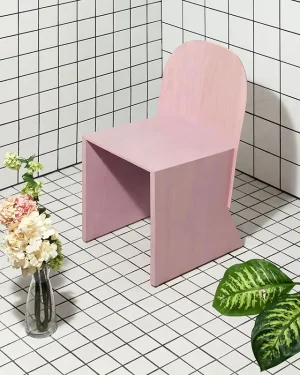
Florist Chair
By Calen Knauf Studio
€1.196 This product has multiple variants. The options may be chosen on the product page -

Black Lounge Chair – 1907
By espina corona
€1.120 -
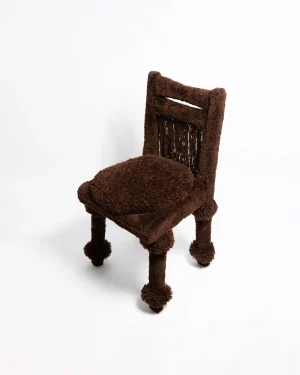
Poodle Tufting Chair
By Vintola Studio
€1.600 -
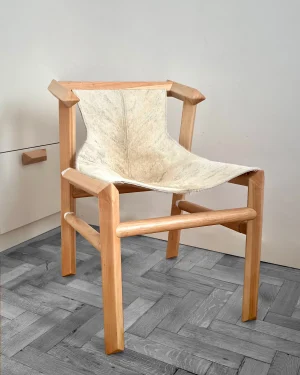
Hairy Leather Dining Chair
By espina corona
€990 -
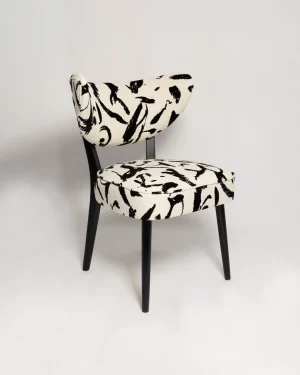
Retro Dining Chair
By Vintola Studio
€1.200 -

Kanguro – Solid Wood And Leather Lounge Chair
By espina corona
€3.500 -
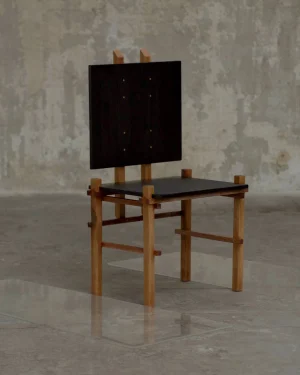
Lava – Symmetrical Wooden Chair
By Jaclyn Pappalardo
€1.285 -
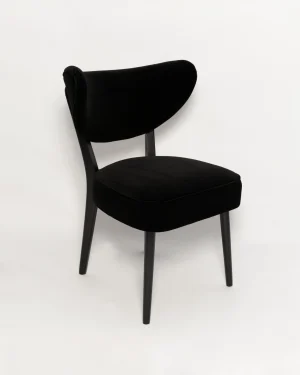 In stock
Retro Dining Chair
By Vintola Studio
€1.160 - €1.200 This product has multiple variants. The options may be chosen on the product page -
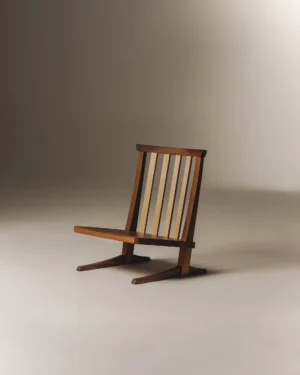
Naka Chair
By Mike Hausmann
€6.280 -
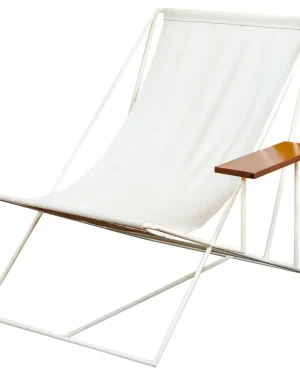
Transat – Lounge Chair
By Fi
€3.500 -
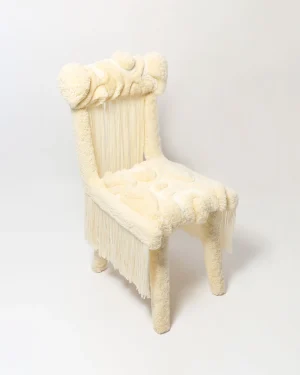
Afghan Hound Tufting Chair
By Vintola Studio
€4.000 -
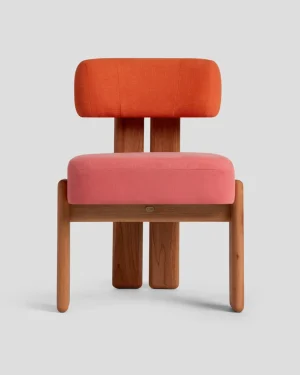
Anni Toronja De La Paz Dining Chair
By Comité de Proyectos
Price Upon Request -

Rian Low Back Chair
By Semigood Design
€3.229 This product has multiple variants. The options may be chosen on the product page -

Rian High Back Chair
By Semigood Design
€3.229 This product has multiple variants. The options may be chosen on the product page -

“standard” Chair
By Tributo
€1.263 -

“Envisioned Comfort” Chair
By Marija Puipaitė & Vytautas Gečas
€3.900
Mid-century modern accent chairs take their cues from the decades after 1945, when designers pared frames down to tapered legs, gentle curves and honest joints. Studios working in this idiom favor solid wood, walnut especially, paired with wool, cotton or leather upholstery applied through upholstery, tufting or weaving. The result reads as restrained rather than bare, a chair built to be looked at from every angle.
What defines the mid-century modern look
The style favors organic curves over hard edges, and legs that angle outward rather than drop straight down. Wood frames, often walnut, are shaped through joinery and wood carving so the grain stays visible and the joints stay dry to the touch. Upholstery sits close to the frame instead of ballooning over it, letting the structure read through the fabric.
Color follows the same discipline. Amber, dark brown and light brown wood tones recur alongside upholstery in bordeaux, burgundy, violet or beige and brown, chosen to sit near wood rather than fight it. Textilework in wool or sheep wool adds weight and warmth, while viscose and cotton blends bring a lighter hand for warmer rooms.
The range found among mid-century modern accent chairs
Within the style, construction varies more than silhouette does. Some chairs are built piece by piece in wood and cabinetmaking, their joints cut and fitted by hand. Others pair a wood frame with leatherwork upholstery, where hide is cut, stretched and stitched to follow the curve of the seat.
- Frames in walnut or other wood, finished to show grain rather than hide it
- Upholstery in wool, cotton, viscose or leather, applied by hand through tufting or weaving
- Open editions alongside unique pieces, where no two chairs leave the workshop quite the same
Because studios work in small runs, finishes and fabric lots shift over time even within a single design. That variation is part of the material rather than a flaw in it.
How to choose one for your room
Start with scale. A chair that reads as generous in a showroom photograph can crowd a narrow room, so measure the corner or nook it will occupy before the seat arrives. Seat height matters nearly as much as footprint, since mid-century frames often sit lower than contemporary upholstered seating, built for lounging rather than quick perching.
Finish should answer to light. Walnut darkens with age and ultraviolet exposure, so a chair placed near a window will shift tone faster than one tucked against an interior wall. Upholstery color is easier to test: hold a swatch, or the chair itself, against the room at the time of day it will actually be used.
Where these chairs sit well
Living rooms are the obvious home, where a single chair can anchor a seating group or stand alone as a reading spot. Bedrooms take them just as well, especially lower-slung frames that double as a place to sit while dressing. For dining or other seating needs, it is worth looking across living room accent chairs and dining room accent chairs to see how the same joinery and upholstery choices adapt to a different room's demands.
Caring for wood and upholstery
Wood frames want steady humidity and a wipe with a dry or barely damp cloth; standing water and direct heat both encourage cracking at the joints. Wool and cotton upholstery benefit from regular vacuuming at low suction and prompt blotting, never rubbing, of spills. Leather should be kept from direct sun and conditioned occasionally so it does not dry and crack at the stitched seams.
For a broader view of the period, every mid-century modern piece on ADORNO spans lighting, tables and storage built with the same restraint. Within seating alone, mid-century modern seating and wooden accent chairs offer related ground, and the full range of accent chairs shows how the mid-century approach compares with other styles working in wood and textile.
How do I choose a mid-century modern accent chair?
Look at the frame first: tapered wood legs and gentle curves signal the style, while the upholstery, wool, cotton or leather, sets the tone of a room. Chat with the maker on a piece's page for specifics.
What materials are mid-century modern accent chairs made from?
Most pair a walnut or wood frame, shaped through joinery or wood carving, with upholstery in wool, cotton, viscose or leather, often tufted or woven for texture.
How do I care for a wood and upholstered accent chair?
Dust wood frames with a dry cloth and keep them from direct heat or sun, which dries and cracks the grain. Vacuum fabric upholstery regularly and blot spills; leather needs an occasional conditioner.
What size is a standard accent chair?
Most sit around 30 to 32 inches high with a seat height near 17 to 19 inches, close to dining chair proportions, though exact dimensions vary by piece and are listed on each product page.
Which rooms suit mid-century modern accent chairs?
Their compact frames and raised legs work well in living rooms, reading corners and bedrooms, anywhere a single seat needs to hold its own without crowding the space.
How does shipping, returns and authenticity work on ADORNO?
Shipping is insured and worldwide, with 14-day returns on all but made-to-order pieces. Every purchase includes a certificate of authenticity and ADORNO's lowest-price guarantee.