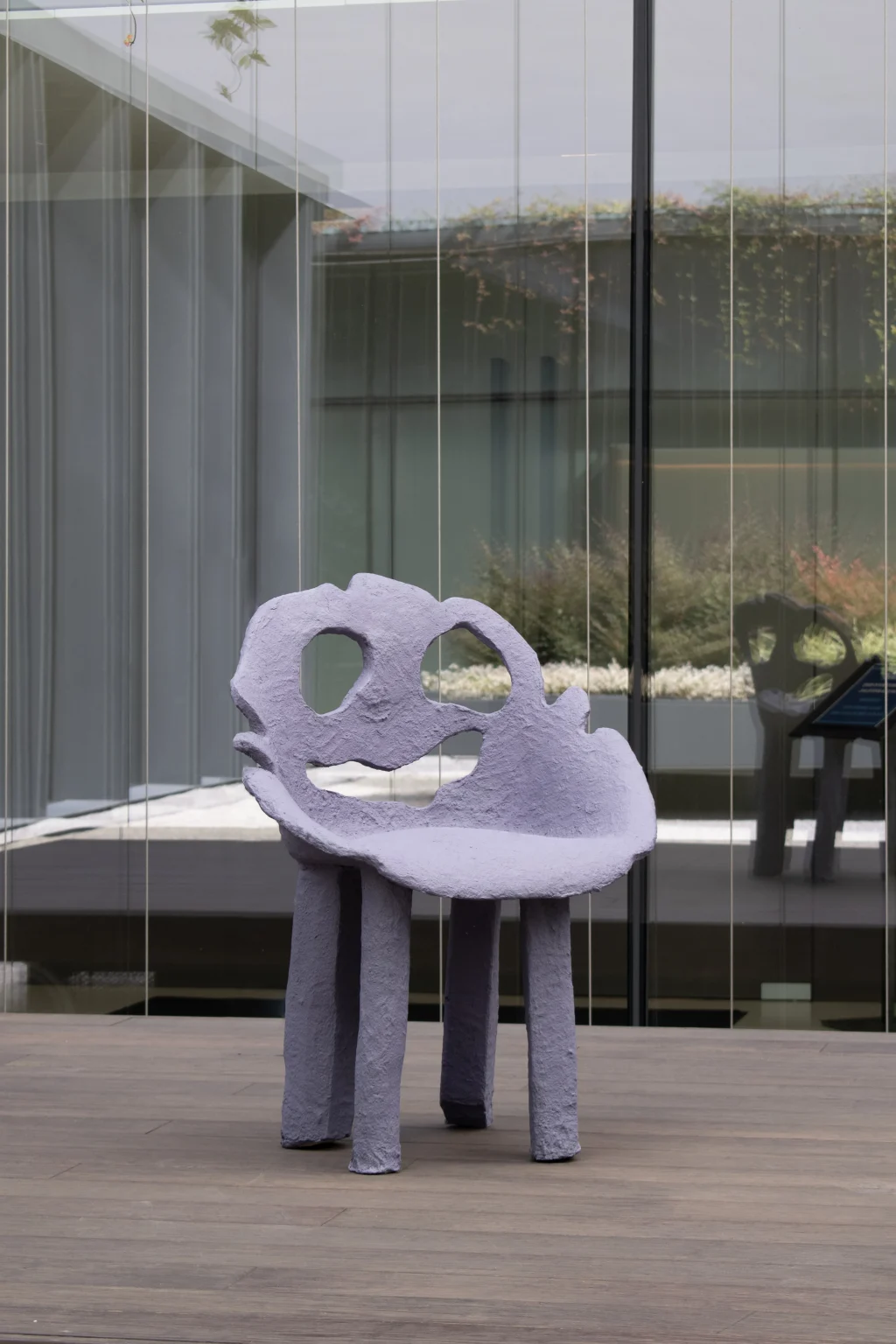










-
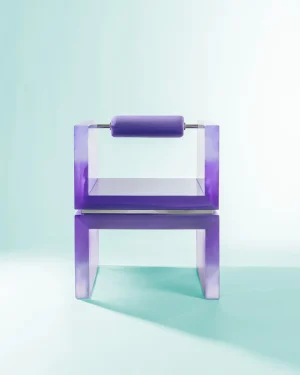
“quantum” Chair
By Adrian Cruz
€9.200 -

Super Jardim Armchair
By Cultivado em Casa
€4.549 This product has multiple variants. The options may be chosen on the product page -
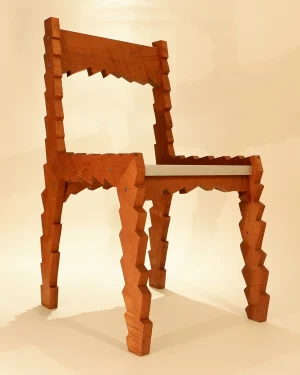
Shocking Chair – Stained Oak Wood Dining Chair
By Josh Page Studio
€940 -
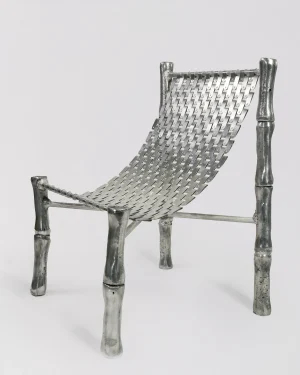
Bone Chair – Aluminum Lounge Chair
By BY JAMPS
€4.000 -
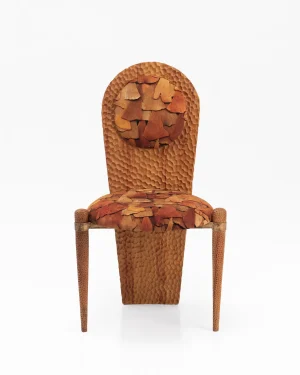
Naughty By Nature – Sculptural Chair
By Odditi
€1.180 -
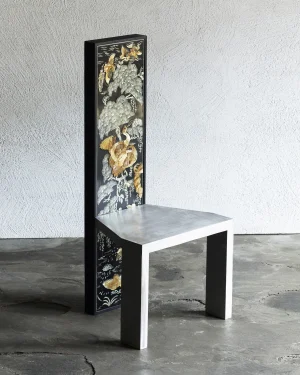
Narrative 001 – Stainless Steel / Wood Chair
By STUDIO KIMBYUNGSUB
€8.000 -
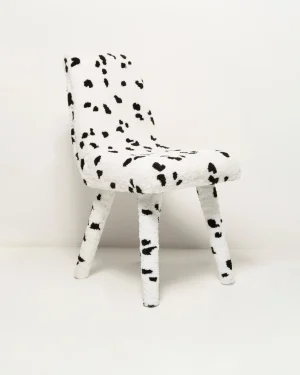
Cruella Dalmatian Chair
By Vintola Studio
€1.600 -
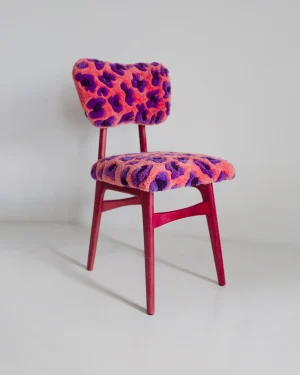
Butterfly Chair Pink Leopard Tufting Wool
By Vintola Studio
€1.600 -

Poppy – Sculptural Oak Chair
By Deya
€1.640 -
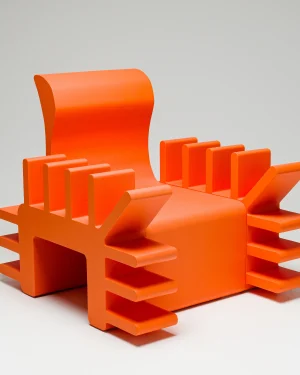
Book Monster
By JLF Design Studio
€10.000 -

Charcoal-drawn Papier-mâché Chair
By David Čáp
€1.000 -
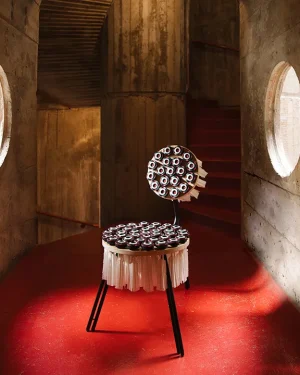
56 Petecas Chair
By Cultivado em Casa
€3.590 -
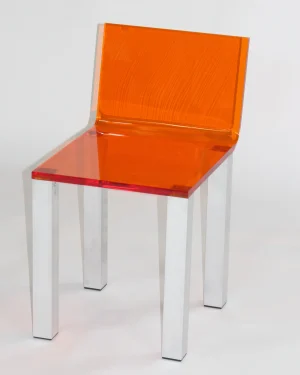 In stock
Acrilar – Acrylic Chair I
By Luiz Solano
€840 This product has multiple variants. The options may be chosen on the product page -
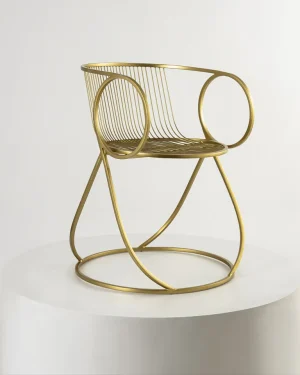 In stock
Ohio – Iron Sculptural Chair
By Nama Home
€1.360 - €1.450 This product has multiple variants. The options may be chosen on the product page -
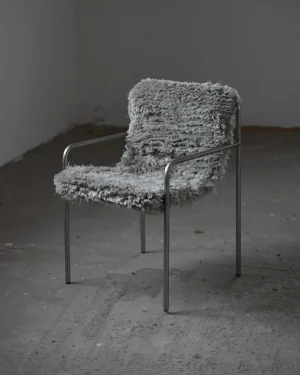
Dessert Shaggy – Steel Chair With Handmade Fabric
By SALAK Studio
€1.500 -
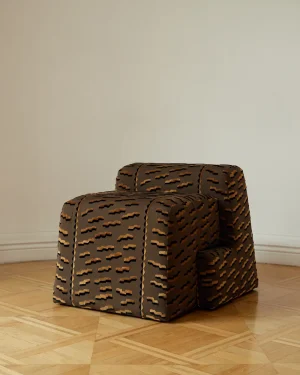
Valun Lounge Chair
By FURN OBJECT
€3.300 -
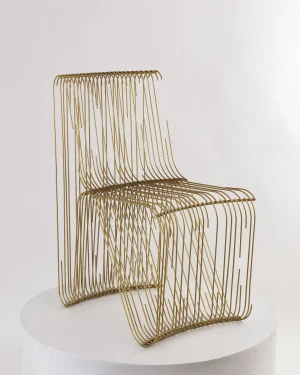
Glitch – Stainless Steel Chair
By Nama Home
€3.630 -
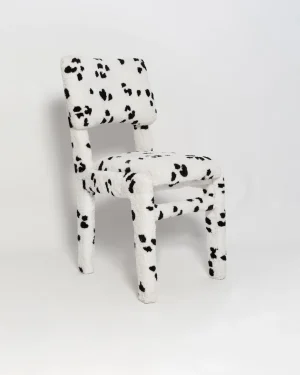
Cruella Dalmatian Chair Tufting Wool
By Vintola Studio
€1.600 -
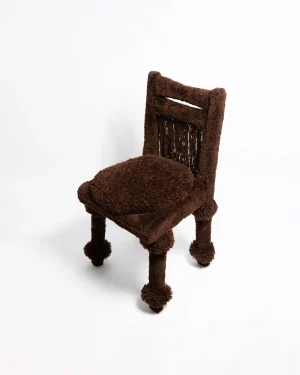
Poodle Tufting Chair
By Vintola Studio
€1.600 -
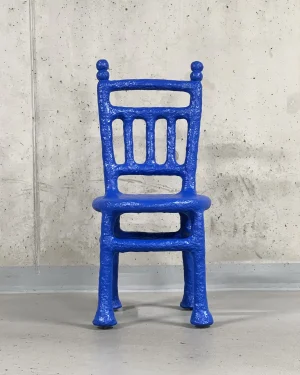
Chess Chair 2 Blue
By David Čáp
€1.000 -
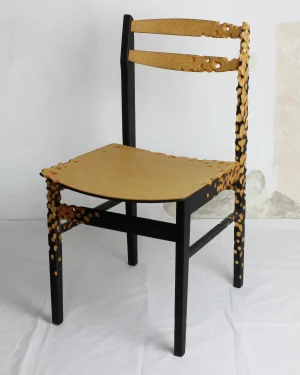
N1 Chair
By Gábor Góbi
€1.990 -
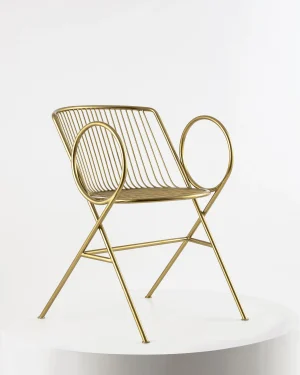 In stock
O2 – Iron Chair
By Nama Home
€1.360 This product has multiple variants. The options may be chosen on the product page -
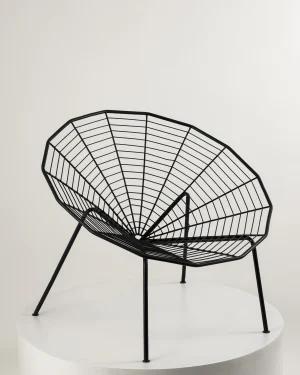
Spidey – Iron Lounge Chair
By Nama Home
€2.725 -
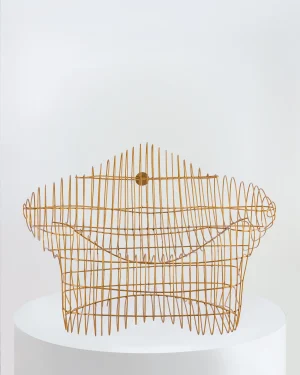
Starfish – Stainless Steel Lounge Chair
By Nama Home
€3.185 -
 Sold
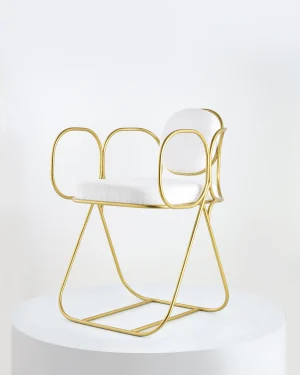
SoldLisa – Upholstered Iron Chair
By Nama Home
€1.450 This product has multiple variants. The options may be chosen on the product page -
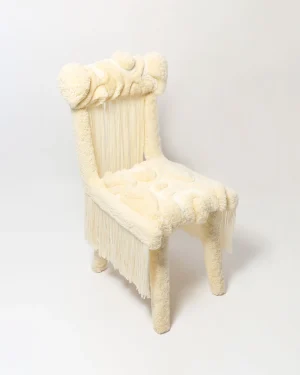
Afghan Hound Tufting Chair
By Vintola Studio
€4.000 -
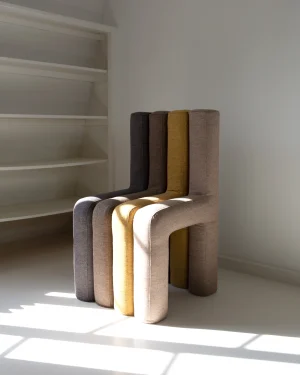
Meta Chair – Upholstered Modular Chair
By Jaclyn Pappalardo
€2.340 -

“Envisioned Comfort” Armchair
By Marija Puipaitė & Vytautas Gečas
€4.900 -

Fos Chair Flor
By Daniel Orozco Estudio
€2.238 -
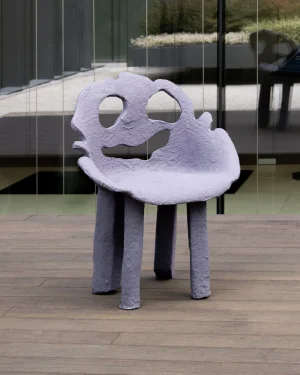
Violetta Accent Chair
By Jonathan Bocca
Price Upon Request -
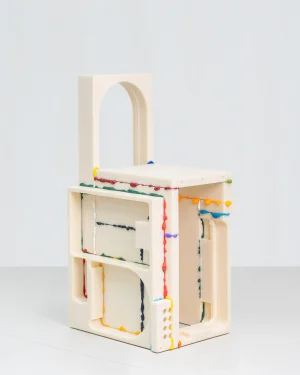
B. S. P Series “the Original”
By Atelier SOHN
Price Upon Request
Maximalism accent chairs gather pattern, color and texture into a single seat, built by studios who treat upholstery, tufting and metalwork as expressive tools rather than neutral finishes. Wool and sheep wool show up in nubby boucles and saturated velvets, steel and iron frames carry gilded or lacquered finishes, and papier-mâché and carved wood turn up in sculptural backs and arms. These are chairs meant to be looked at first and sat in second, though the better ones manage both.
What defines a maximalism accent chair
Where minimalist seating hides its construction, maximalism accent chairs put it on display. Deep buttoned tufting, exaggerated curves, fringed trims and mixed materials on a single frame are the norm. Color leans bold and layered: cobalt blue against caramel leather, violet velvet piped in black and white, charcoal wool set off by a gold-finished steel base.
Pattern and proportion do the work that plain fabric does elsewhere. A chair might pair a teak wood frame with a printed or woven seat, or set a stainless steel shell against a soft, heavily textured cushion. The contrast is the point, not an accident of manufacturing.
Materials, techniques and editions in the range
Across maximalism accent chairs, construction tends to fall into a few families. Upholstered pieces built through tufting and textile work give rounded, padded silhouettes in wool or sheep wool. Welded or forged frames in steel, stainless steel or iron supply the linear contrast, often finished in black, gold or brown. Carved or joined wood, including teak, appears in structural legs and arms, sometimes combined with woven or papier-mâché elements for a more sculptural result.
- Open editions, suited to a chair used daily and replaced without ceremony
- Limited editions, produced in a fixed run and harder to source once sold through
- Unique pieces, each one the only example of its kind
Any of these can carry the bold palette and heavy texture that define the style; the edition tells you about scarcity, not look.
How to choose one
Scale matters more with maximalism than with quieter seating, since a patterned or richly colored chair reads as a focal point no matter where it stands. Measure the corner or nook it will occupy and leave enough clearance for arms and any fringe or trim to clear a doorway or table edge. Seat height should still follow standard proportions, roughly seventeen to eighteen inches, so the chair remains comfortable rather than purely decorative.
Finish and material should answer to the room's existing palette, even if the chair itself is the loudest object in it. A cobalt or violet upholstery can anchor a room of otherwise neutral wood and stone, while a gold-finished metal frame picks up warmer tones nearby. Where a room already carries pattern, a plainer wool or leather seat on a sculptural frame can calm the composition without losing presence.
Where these chairs work
Living rooms are the natural setting, where a maximalism accent chair can replace a second sofa or sit alongside one as a deliberate counterpoint. In a bedroom, a single upholstered chair in a saturated color gives a reading corner weight without requiring a full seating group. Entryways and studies also suit a bolder chair, since the piece is passed through rather than lived in for hours, which forgives a more theatrical finish.
For dining spaces, pair the same sensibility with dining room accent chairs, and for a fuller room, look to maximalism furniture and maximalism tables built in the same spirit.
Caring for upholstery and metal finishes
Wool and velvet upholstery benefits from regular vacuuming with a soft brush attachment and prompt blotting of spills, since both fibers hold color and stain if left wet. Keep tufted and textured pieces out of direct sun, which fades saturated dyes unevenly over time. Steel, iron and stainless steel frames need only a dry or lightly damp cloth; avoid abrasive cleaners on gold or lacquered finishes, which can dull or scratch. Wood legs and arms, particularly teak, respond well to an occasional wipe with a dry cloth and benefit from staying clear of radiators or direct heat, which dries and cracks the grain.
For the wider style across other rooms, every maximalism piece on ADORNO follows the same logic of bold color and layered material, and accent chairs in other styles sit alongside it for comparison.
How do I choose a maximalism accent chair?
Look for strong pattern, saturated color or an unexpected silhouette, since these chairs are meant to draw the eye rather than blend in. Let one bold piece anchor a room instead of competing with other loud elements.
What materials are maximalism accent chairs made from?
Expect wool or sheep wool upholstery, carved wood, welded steel or iron frames, and sometimes molded paper pulp. Care depends on the surface: vacuum textiles regularly, dust wood and metal, and keep any paper pulp pieces away from damp.
What size is a typical accent chair?
Most accent chairs sit lower and wider than a standard dining chair, built for lounging rather than table height. A maker can confirm exact dimensions with Chat with the maker on the piece's page.
Which rooms suit a maximalism accent chair?
They work well in living rooms, reading corners and bedrooms, anywhere a single seat can carry visual weight without needing a matching set.
Are maximalism accent chairs handmade or limited edition?
Many come from studios working in tufting, upholstery, metalwork or papier-mâché, and are offered as open editions, limited editions or unique pieces depending on the maker. Check the specific piece's page for its edition status.
How does shipping and returns work when buying from ADORNO?
Shipping is insured and worldwide. ADORNO offers a 14-day return policy, excluding made-to-order pieces, and every piece ships with a certificate of authenticity alongside a lowest-price guarantee.