









-
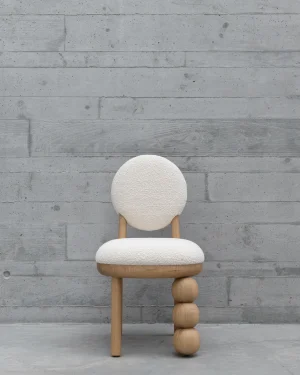
The Three Ball Leg Chair
By Joana Teixeira
€2.200 -
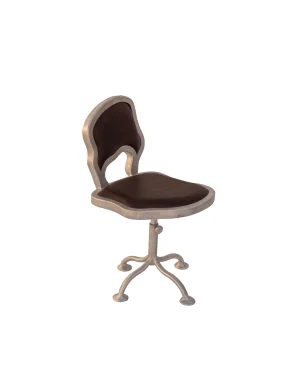
Office Chair
By Six Dots Design
€2.450 -
 In stock
Pneumatic Chair 2
By Szostak Atelier
€5.990 This product has multiple variants. The options may be chosen on the product page -
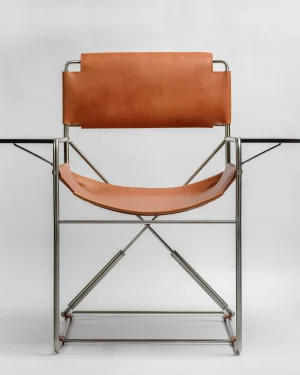
Pneumatic Chair – Unique Piece
By Szostak Atelier
€9.000 -
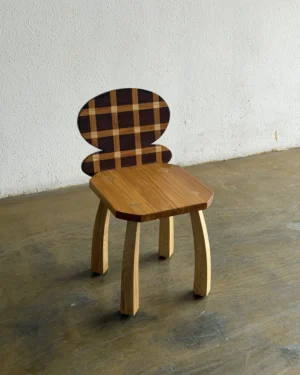
Bend Chair
By STUDIO KALLANG
€2.900 -
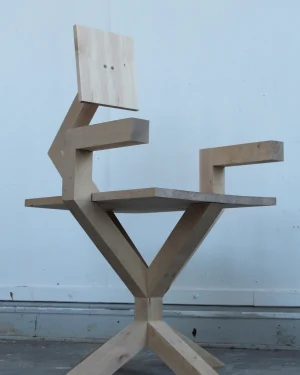
Björn Office Chair
By Olle Sahlqvist
€6.000 -

Fly Chair
By Tiago Curioni
€1.920 -
 In stock
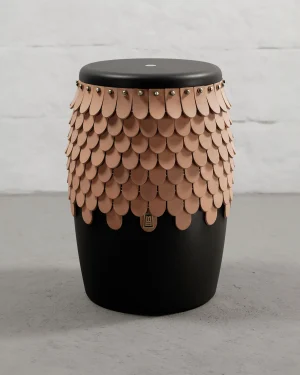
Sitiera_01 Solid Wood Stool, With Thick Leather Accents, Aged Bronze
By ANDEAN
€2.495 - €3.743 This product has multiple variants. The options may be chosen on the product page -
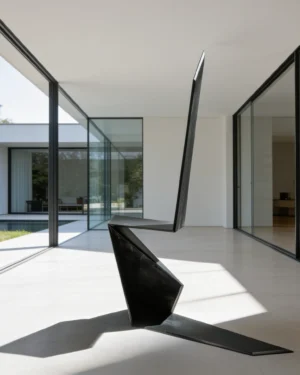
Dark Side – Aluminum Chair
By ORFEO STUDIO
€5.082 -

Black Lounge Chair – 1907
By espina corona
€1.120 -
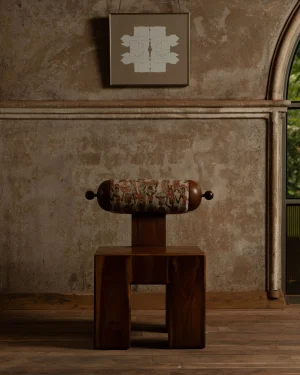
Akeru Chair / Numbered Edition Of 10
By WANNAS
Price Upon Request -
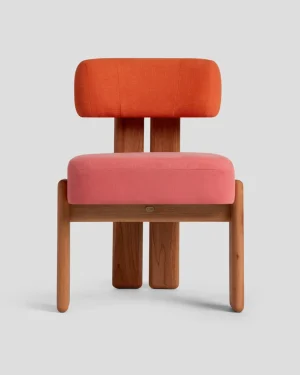
Anni Toronja De La Paz Dining Chair
By Comité de Proyectos
Price Upon Request -
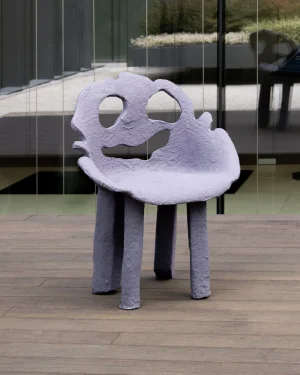
Violetta Accent Chair
By Jonathan Bocca
Price Upon Request
Home office accent chairs bring the same discipline found in cabinetry and metal fabrication into a single seat for a desk or a reading corner. Studios build them from oak, teak, or mahogany joined by hand, from steel and aluminum welded into frames, and from leather or upholstery stretched over both. The result is a chair meant to hold a shape of posture through long stretches of work, not just fill a gap in a room.
What defines a home office accent chair
A chair built for a work corner carries less visual noise than one built for a living room. Seat height, back angle, and arm placement follow the geometry of a desk, so the frame tends toward clean lines rather than deep upholstery. Wood species, steel gauge, and leather tanning all affect how the chair feels after months of daily use, not just how it looks on day one.
Materials, finishes, and techniques found here
Oak and teak appear often, worked through wood and cabinetmaking into joined frames that take on a deeper tone with handling and light over years. Mahogany, denser and more closed-grained, holds a sharper edge on turned legs and carved details. Steel and aluminum are welded into skeletal supports, sometimes left raw, sometimes patinated to a matte brown or black that resists fingerprints better than a polished finish. Leather seats and backs, built through leatherwork and upholstery, soften with sitting and darken slightly at the points of contact, while stainless steel hardware stays inert against daily wear.
Color runs from cognac and dark brown leather, which hide scuffing, through black and brown steel, to lighter oak tones and occasional notes of orange or pink upholstery for a room that wants more contrast. Styles span Bauhaus and Mid-Century Modern frames built on visible joinery, Minimalist and Modern chairs reduced to a single material and line, and Neo-Industrial or Brutalist pieces that leave welds and fasteners exposed. Editions move from open runs, made to a repeatable pattern, to limited editions and unique pieces finished by hand, where small variations in grain or patina mark each one.
How to choose one for a work corner
Match seat height to the desk first: a chair that sits a few centimeters lower than expected can strain the shoulders over a full working day. Check the back height against the type of work, a lower back for brief tasks, a taller one for longer sessions at a screen. Arms should clear the desk edge without forcing the shoulders up, and a swivel or slight recline is worth testing before a fixed, upright frame.
- Wood frames suit rooms that already lean toward oak or walnut furniture, and they age toward a warmer tone over years of light.
- Steel and aluminum frames read as sparer and cooler, useful where the rest of the room is already pared back.
- Leather seats take on character fastest, so they suit a chair meant to be used daily rather than kept as an occasional seat.
Placement matters as much as the chair itself. A home office accent chair set against a window will fade unevenly if the upholstery is not treated for light exposure, and a chair pushed tight against a wall loses the swivel room a desk chair needs. Leave enough clearance behind the seat for it to turn and roll, if it is built to do so.
Where these chairs sit beyond the desk
Many of these frames move easily beyond a dedicated office, doing service in a reading corner, a bedroom nook, or a hallway desk. The same proportions that suit a home office suit a small writing table or a narrow console, which is worth considering before committing one chair to a single room. For other seating proportioned the same way, the wider range of accent chairs covers softer, lounge-oriented frames as well.
Care by material
Wood frames need an occasional wipe with a dry or barely damp cloth and an oil or wax suited to the species; standing water or direct heat will dull or crack the finish over time. Steel and aluminum tolerate more handling but should be kept away from damp corners, which can work through a patinated surface. Leather benefits from a conditioner every few months and from staying clear of direct sun, which dries and cracks the surface faster than ordinary use.
For a broader look at how these chairs sit alongside the rest of a work setup, the full range of home office pieces on ADORNO includes desks, lighting, and storage built in the same materials. Wooden frames specifically are gathered under wooden accent chairs, while welded and cast frames sit within metal accent chairs. Those drawn to a specific room pairing can also look at dining room accent chairs, built to the same attention to joinery and finish but set to a different table height.
How do I choose an accent chair for a home office?
Match the seat height to your desk and pick a frame that holds its shape through daily use, wood or steel for structure, leather or upholstery for comfort during longer stretches at the desk.
What materials are best for home office accent chairs?
Wood frames in oak, teak or mahogany resist flexing under regular sitting, while steel and aluminum bases stay rigid over time. Leather and upholstered seats soften the hours spent working.
How do I care for a wood or leather office chair?
Dust wood frames and wipe with a dry cloth, keeping them from direct heat or damp. Condition leather occasionally to stop it drying out, and vacuum upholstery to keep fibers from matting.
What size accent chair fits a home office?
Look for seat heights around 17 to 19 inches, matching standard desk clearance, with a compact footprint that still leaves room to push back and stand without crowding the space.
Can a home office accent chair work in other rooms too?
Yes, the same proportions suit a reading corner, a bedroom nook or an entryway, since these chairs are built for short, focused sitting rather than one fixed room.
What is ADORNO's shipping and return policy for these chairs?
Shipping is insured and worldwide. Returns are accepted within 14 days, except for made-to-order pieces. Each chair arrives with a certificate of authenticity, backed by a lowest-price guarantee.