









-
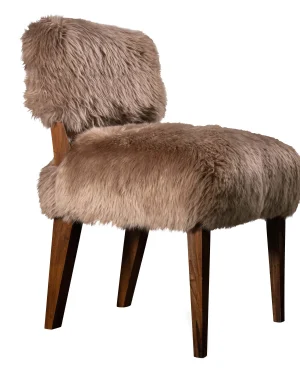
Bruno Ovino – Modern Dining Chair In Exotic Wood And Sheepskin
By Costantini Design
€1.748 -

1908 – Solid Wood & Leather Lounge Chair
By espina corona
€1.450 -
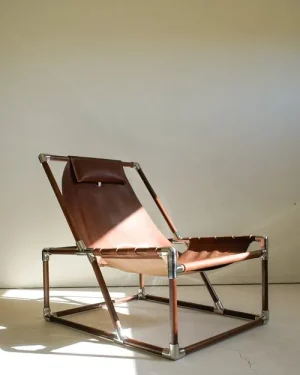
Marina Sling – Lounge Chair
By CHANDLER MCLELLAN
€2.588 -
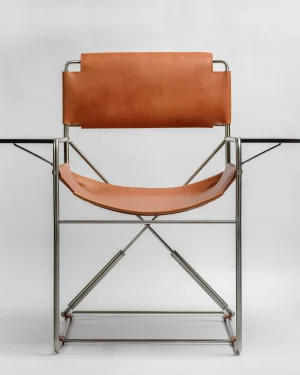
Pneumatic Chair – Unique Piece
By Szostak Atelier
€9.000 -

Honey – Squiggle Oak Wood Chair
By Deya
€1.492 -
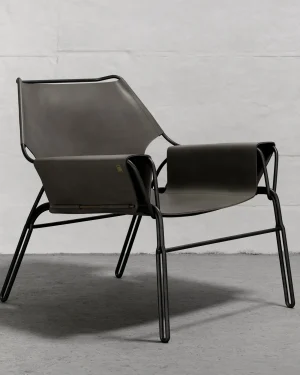 In stock
Perfidia_02 – Thick Leather Sling Lounge Chair In Black Steel
By ANDEAN
€4.542 This product has multiple variants. The options may be chosen on the product page -
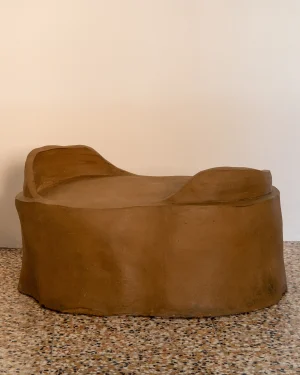
Confidente
By Studio Terre
€3.200 -
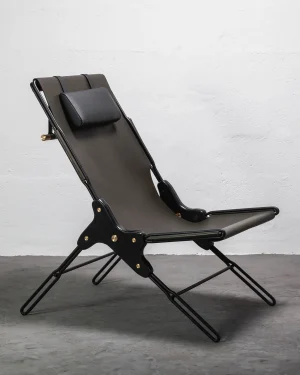 In stock
Perfidia_01 – Thick Leather Sling Lounge Chair In Black Steel
By ANDEAN
€4.133 This product has multiple variants. The options may be chosen on the product page -
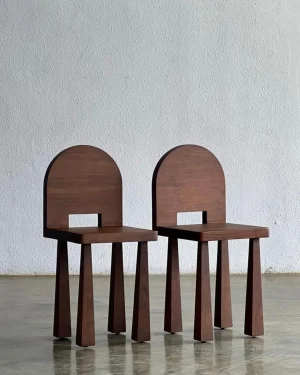
Luna – Teak Dining Chair
By STUDIO KALLANG
€1.025 -
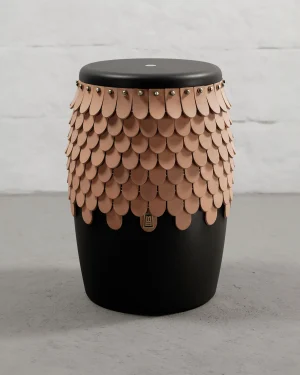 In stock
Sitiera_01 Solid Wood Stool, With Thick Leather Accents, Aged Bronze
By ANDEAN
€2.495 - €3.743 This product has multiple variants. The options may be chosen on the product page -
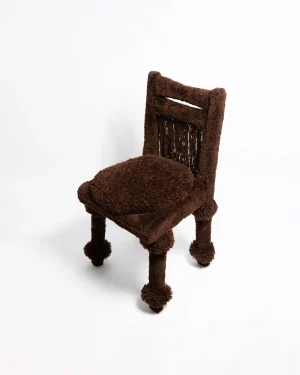
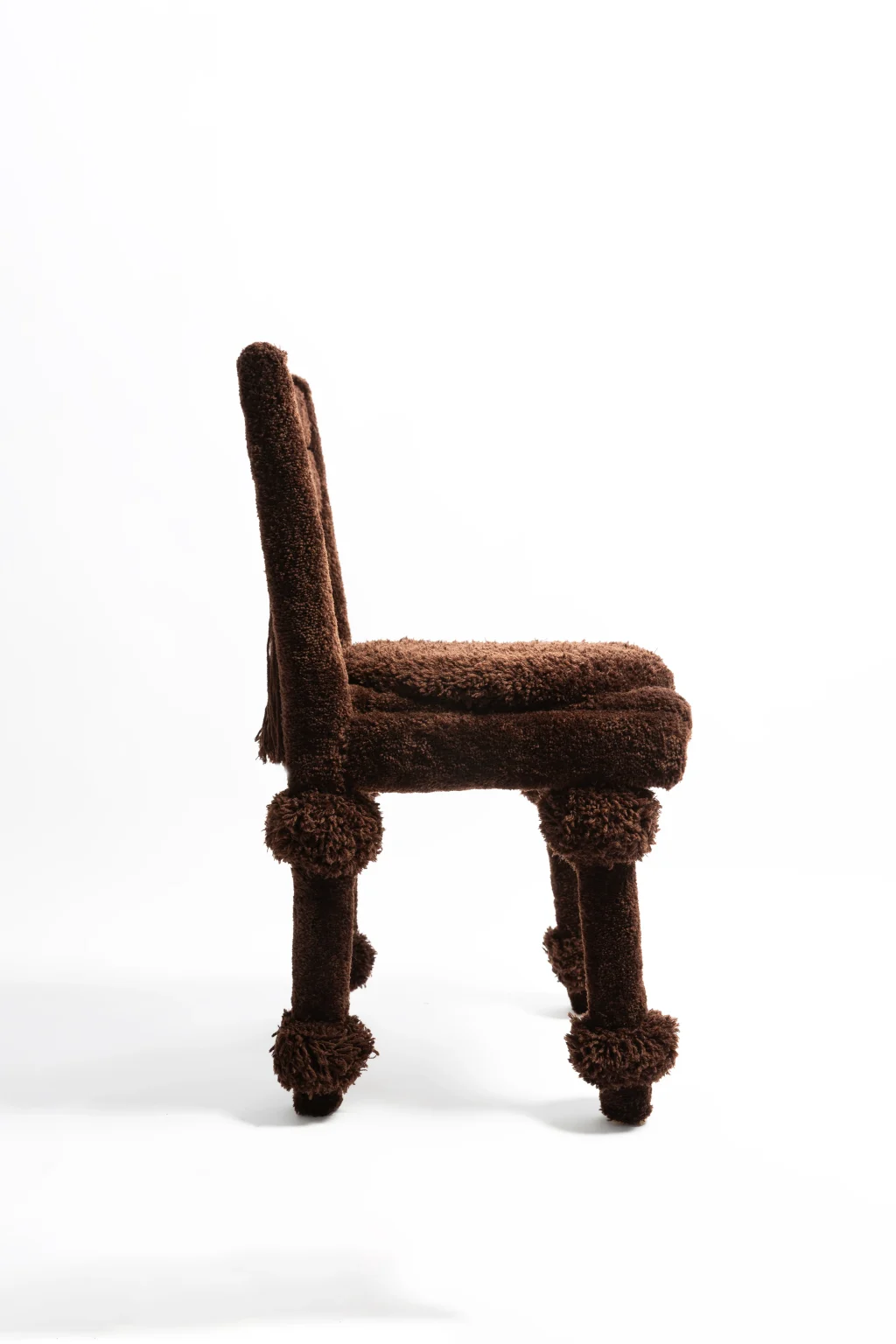
Poodle Tufting Chair
By Vintola Studio
€1.600 -
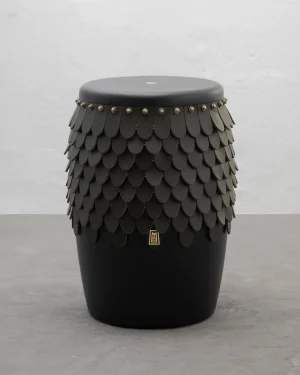
Sitiera_01 Solid Wood Stool, With Olivo Thick Leather Accents, And Aged Bronze
By ANDEAN
€2.495 -
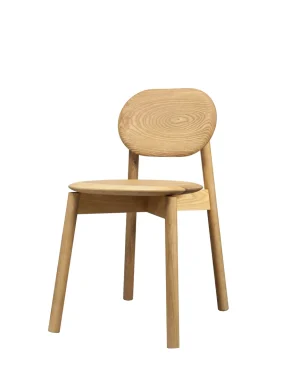 Sold
SoldRua Cha – Minimalist Ash Wood Chair
By Clementine Caurier
€360 This product has multiple variants. The options may be chosen on the product page -
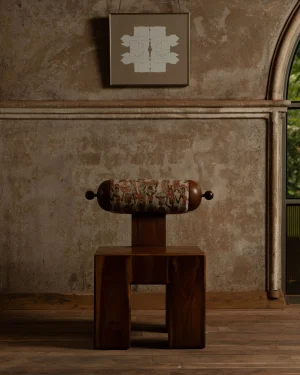
Akeru Chair / Numbered Edition Of 10
By WANNAS
Price Upon Request
Brown accent chairs gather the pieces on ADORNO where the color sits in the wood grain, the leather hide or the patinated metal itself, rather than on the surface. Studios working across cabinetmaking, leatherwork and metalwork turn out these chairs in tones that run from pale caramel to near-black walnut, each shade coming from the material rather than a coat of paint. The result is seating that reads as grounded and warm, built to anchor a room rather than compete with it.
What gives brown accent chairs their color and character
Oak, walnut, teak and ash carry brown naturally, their heartwood darkening or lightening depending on species and how the timber was cut. Leather upholstery adds another register of brown, from cognac and caramel hides that lighten at the seams with use to deeper saddle tones that barely shift. Bronze hardware and frames bring a cooler, metallic brown that oxidizes slowly, while sheep wool upholstery in beige or olive sits at the paler edge of the same family. Across every brown piece on ADORNO, the common thread is a material allowed to show its own color rather than one applied to it.
The techniques behind the range
Wood and cabinetmaking shapes the frames, joining solid timber or steam-bending it into curved backs and tapered legs. Leatherwork and upholstery cover seats and backs by hand-cut panels stretched and stitched over padding, sometimes finished with tufting that adds texture without changing the color. Metalwork produces steel and stainless steel bases and brackets, often paired with wood or leather for contrast in weight and finish. Weaving and textilework show up in cane backs or woven seat panels, and wood carving appears on chairs where the frame itself becomes a visual detail rather than a support.
Styles and editions to expect
Mid-century silhouettes, with their tapered legs and low profiles, make up a large part of the range, alongside Art Deco chairs with fuller curves and Brutalist pieces built from thick, visible material. Contemporary and eclectic approaches sit nearby, often mixing a brown leather seat with a steel or bronze frame. Editions vary too: some chairs come as open editions, made to a standing design whenever ordered, while others are limited runs or one-off pieces where no two will be identical.
Choosing a brown accent chair by scale and finish
Start with scale before finish. A chair with a low back and slim arms reads lighter in a small room, while a deep seat and high back can carry a larger space without looking lost. Seat height should match nearby seating, typically close to standard sofa height, so the chair sits as part of the room rather than apart from it.
- Pale caramel or cognac leather and ash wood suit rooms that already lean light, adding warmth without darkening them further.
- Walnut, teak or bronze-toned metal read best against lighter walls or floors, where the contrast lets the material stand out.
- A single chair in a strong brown tone can work as a counterpoint in a room built around cooler grays, whites or dark green.
Placement follows the same logic as other seating. Living room accent chairs often sit at an angle to a sofa or by a window, while dining room accent chairs in brown leather or wood can stand in for one or two seats at the head of a table, adding variety without breaking the set.
Caring for wood, leather and metal finishes
Wood frames benefit from a stable room, away from direct heat or damp, with an occasional wipe and, for oiled finishes, a light reapplication over time. Leather upholstery should be kept out of direct sun, which dries and fades hide, and wiped with a damp cloth rather than harsh cleaners. Bronze and steel elements may darken or develop a thin patina with handling, a normal change rather than a fault, and can be left alone or buffed lightly depending on the look wanted. For a broader view of tone and material across seating and tables alike, brown furniture on ADORNO follows the same principles, and the full range of wooden accent chairs or the wider accent chairs category are useful starting points for comparing frame materials side by side.
How do I choose a brown accent chair?
Start with the wood or leather tone already in the room, then match warmth rather than exact shade. Brown reads differently under leather, teak or ash, so consider how the frame and upholstery will sit against existing furniture.
What brown materials are used for accent chairs?
Common choices include leather, teak, ash and other woods, sometimes paired with bronze or steel frames. Leather develops a patina with use, while wood darkens slightly and shows grain more clearly over time.
How do I care for a brown leather or wood accent chair?
Keep leather conditioned and out of direct sun to prevent drying and fading. Wipe wood frames with a dry or barely damp cloth, and avoid placing either material near direct heat sources.
What size is a standard accent chair?
Most accent chairs sit between 28 and 34 inches high, with seat heights close to standard dining chairs. A maker can confirm exact dimensions through Chat with the maker on the piece's page.
Which rooms suit a brown accent chair?
Brown works in living rooms, bedrooms and reading corners, anchoring a space without competing with other colors. It pairs easily with wood floors, neutral walls and most upholstery tones.
What are ADORNO's shipping and return policies?
Shipping is insured and worldwide. Returns are accepted within 14 days, except for made-to-order pieces, and every piece arrives with a certificate of authenticity alongside ADORNO's lowest-price guarantee.