



-
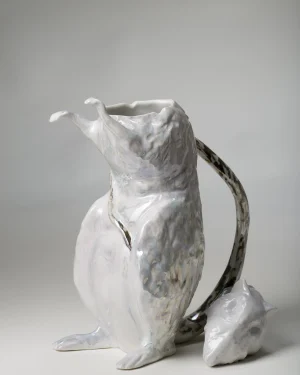 In stock
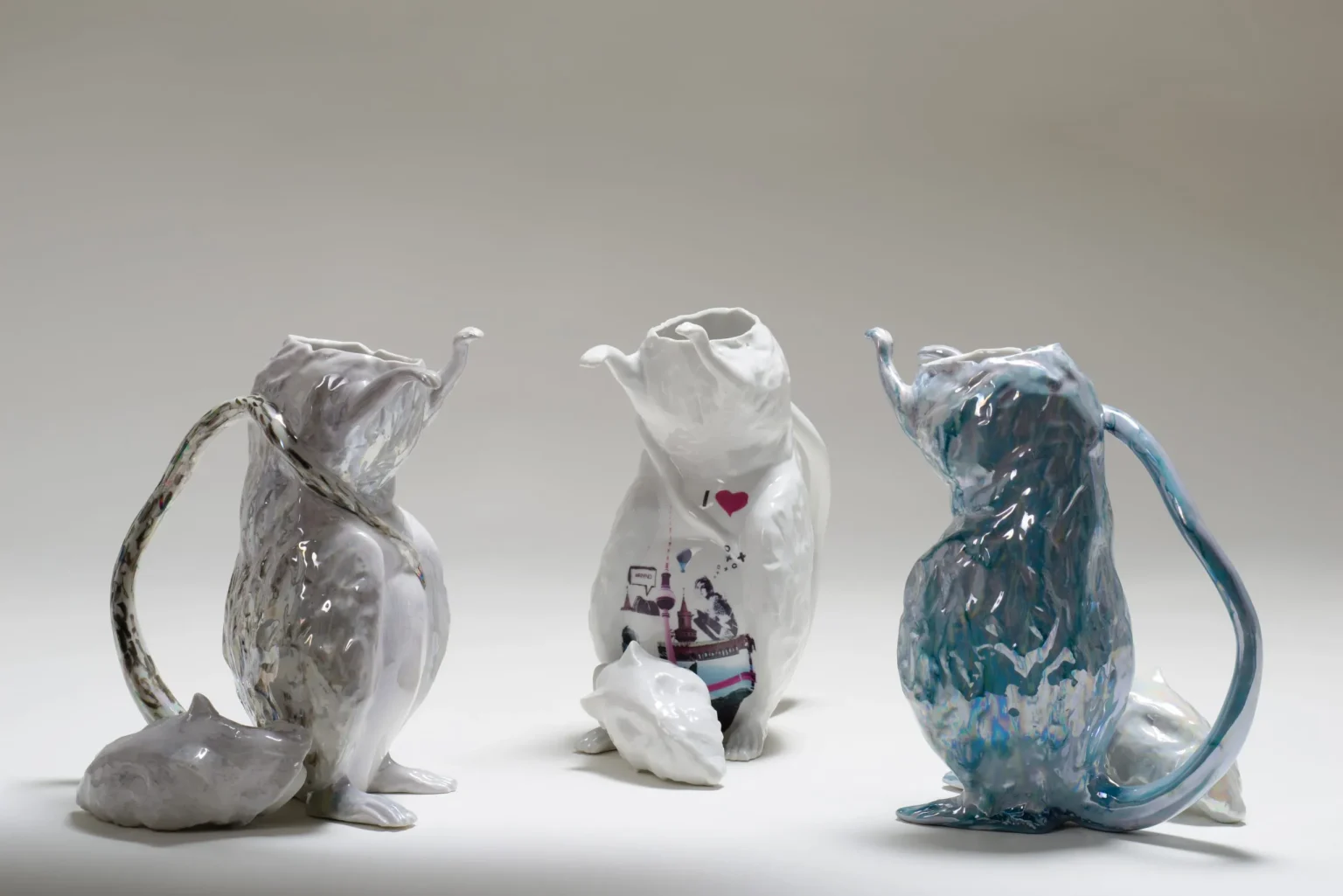
The Rat Porcelain Vase
By Volokhova Porcelain
€460 -
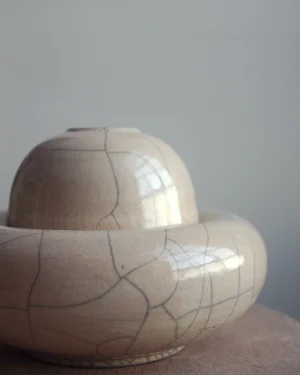
Raku – Ceramic Acorn Vase
By Isabella Artale
€350 -
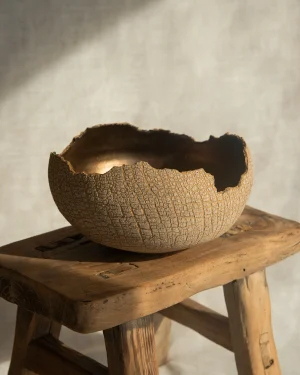
Distressed Sandstone Ikebana Vessel No.1
By Alex Roby Design
€288 -
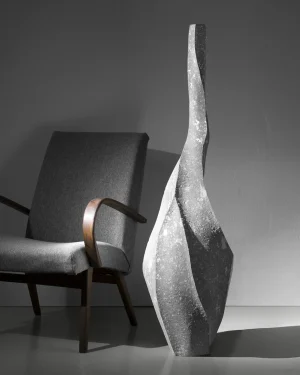 In stock
Solid Gray Stone Tall Floor Vase – Skew Series In Cast Stone By Donatas Zukauskas
By Donatas Žukauskas
€2.450 -

Lava Frame – Melting Collection | Contemporary Sculptural Frame
By Gábor Góbi
€1.290 -
 In stock
Resonant Earth: Seamless Voronoi Wall Relief
By SOLATERRE
€1.717 -
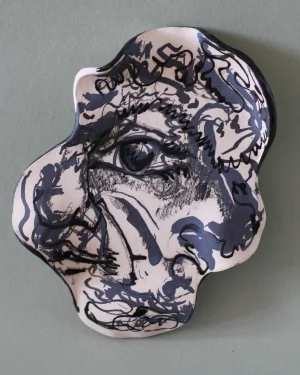 In stock
Marbled Dream #2 – Handcrafted Ceramic Illustrated Plate
By Vale Ro
€220 -
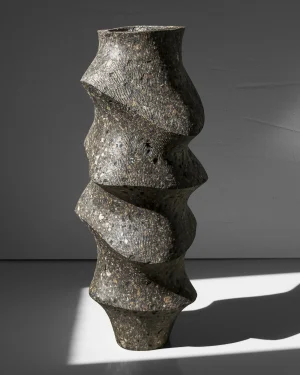
Large Floor Vase, Brutalist Concrete-look Sculpture
By Donatas Žukauskas
€1.450 -
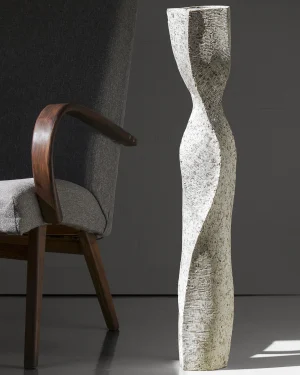
Column Tall Twisted Sculptural Vase, Brutalist Textured Floor Vase
By Donatas Žukauskas
€860 -
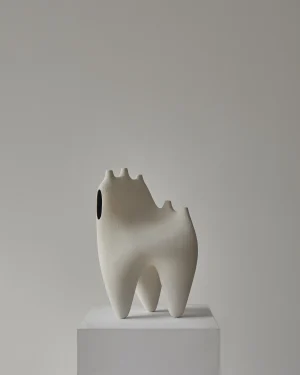
Nomad Ⅰ:03 – Ceramic Vase
By SK - Sofia Karnukaeva
€2.100 -
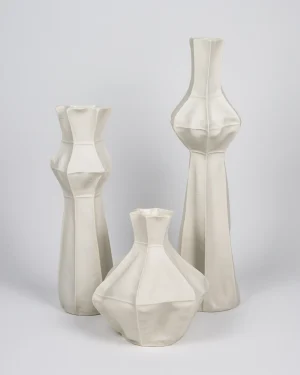
Set No. 1 Of 3 Kawa Vases – Organic Leather-cast Ceramics
By Luft Tanaka Studio
€2.550 -
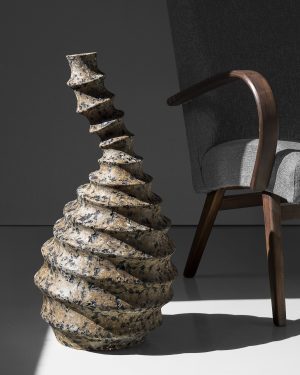
Solid Beige Stone Floor Vase – Erosion Series In Cast Stone By Donatas Zukauskas
By Donatas Žukauskas
€1.450 -
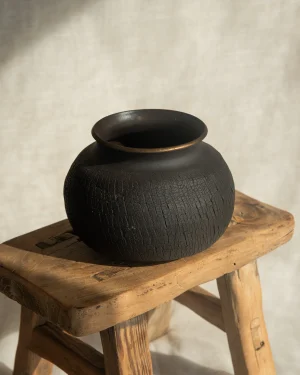 In stock
Distressed Onyx Vessel No.3
By Alex Roby Design
€188 -

Archa Sculptural Vase — Handmade Archetypal Design Object
By Donatas Žukauskas
€1.450 -

Burning Mirror – Melting Collection | Sculptural Mirror In Burned Wood And White Marble
By Gábor Góbi
€24.390 -
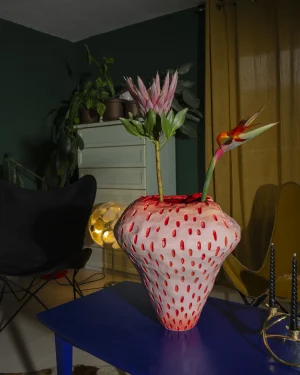 In stock
Fraise – Ceramic Strawberry Vase
By UAU Studio
€900 -
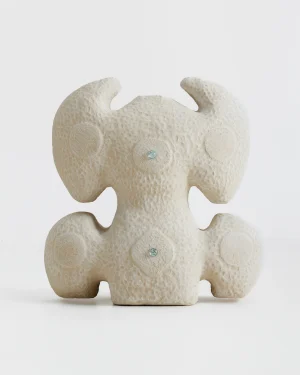
Tiara – Clay / Topaz Big Vase
By FAINA
€7.500 -
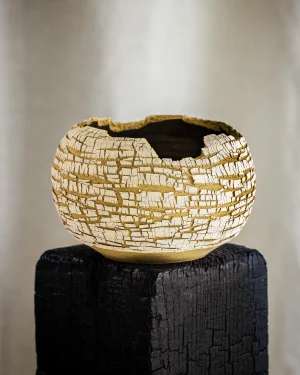 In stock
Distressed Sandstone Form No.1
By Alex Roby Design
€480 -
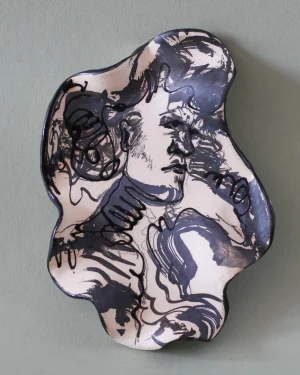 In stock
Marbled Dream #1 – Handcrafted Ceramic Plate
By Vale Ro
€220 -
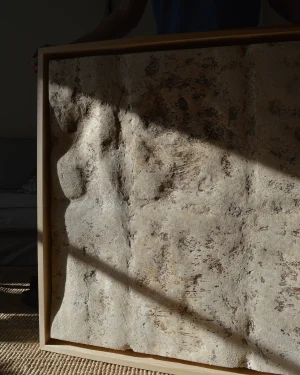 In stock
Bound
By Olle Sahlqvist
€3.800 -
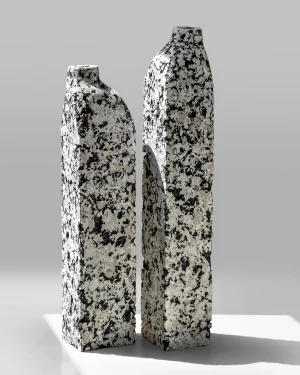
Solid White Stone Set Vase – Block Series In Cast Stone By Donatas Zukauskas
By Donatas Žukauskas
€1.350 -
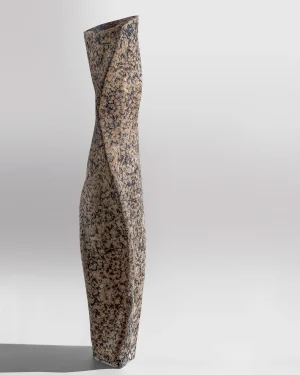
Rawline Tall Twisted Sculptural Vase, Brutalist Concrete-look Floor Vase
By Donatas Žukauskas
€1.450 -
 In stock
Abyss No. 21 – Sculptural Vessel In Stoneware
By Ceren Gürkan
€1.170 -
 In stock
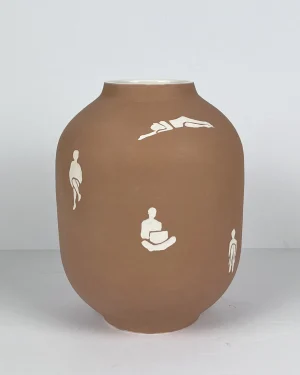
Ceramic Vase With Figures
By Federica Paglia
€500 -
 In stock
Interweavings – Raku Vase No. 2
By Elena Yakimushkina
€300 -
 In stock
Distressed Sandstone Vessel No.5
By Alex Roby Design
€248 -
 In stock
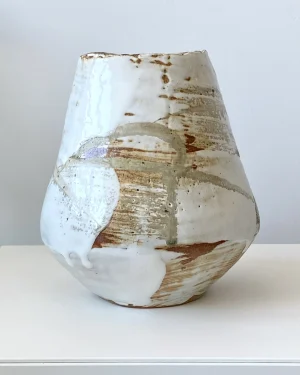
Shino – Wood-fired Vase
By Elena Yakimushkina
€600 -
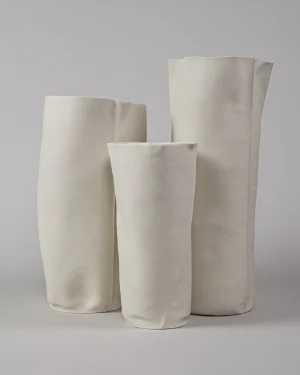
Set No. 2 Of 3 Kawa Vessels – Organic Leather-Cast Ceramics
By Luft Tanaka Studio
€1.940 -
 In stock
Black Earth – Vase O.6
By Ugly Things et al.
€560 -
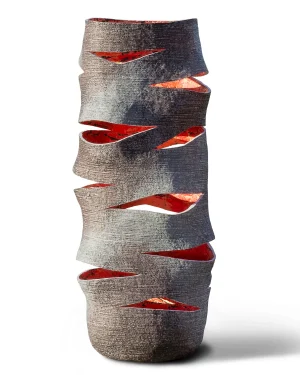
Solid Black Stone High Candle Lantern – Ember Series In Cast Stone By Donatas Zukauskas
By Donatas Žukauskas
€710 - €730 This product has multiple variants. The options may be chosen on the product page -
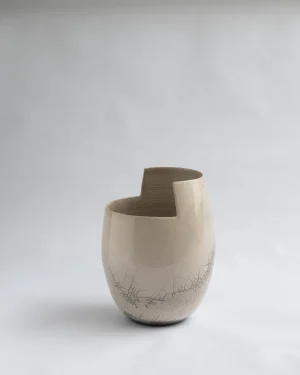 In stock
Cut Medium – Raku Clear
By Studionudo
€810 -
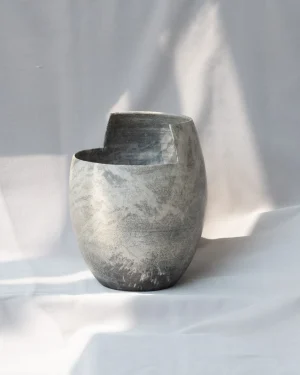 In stock
Cut Medium – Naked Stone
By Studionudo
€810 -
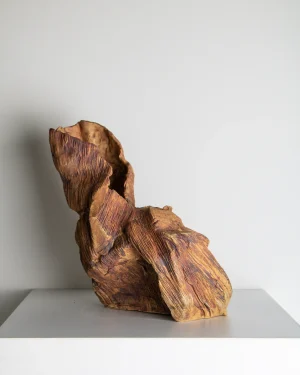 In stock
Abyss No. 22 – Sculptural Vessel In Stoneware
By Ceren Gürkan
€900 -
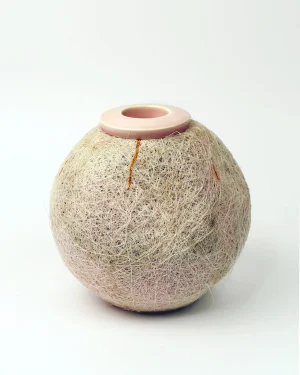 In stock
Sports at Home / Ball Vases
By Severija Inčirauskaitė-Kriaunevičienė
€2.600 -
 In stock
Wood-fired Vase
By Elena Yakimushkina
€420 -
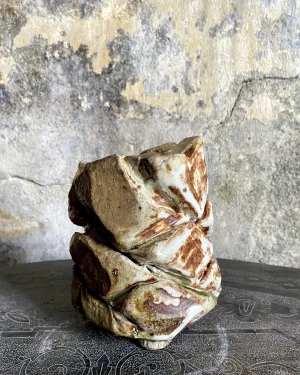 In stock
Sculptural Vessel ‘on The Rocks’ #1
By Elena Yakimushkina
€525 -

Dovhovukh – Clay Sculpture
By FAINA
€620 -
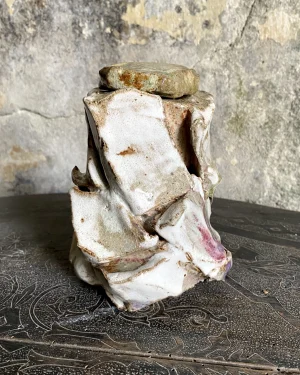 In stock
Sculptural Lidded Vessel ‘on The Rocks’ #3
By Elena Yakimushkina
€675 -
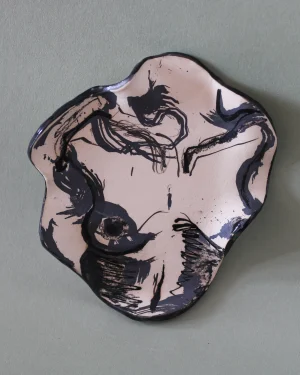 In stock
Marbled Dream #3 – Handcrafted Ceramic Plate
By Vale Ro
€220 -

Ege – No 3 Kilim Rug
By Studio Kali
€1.020 - €2.040 This product has multiple variants. The options may be chosen on the product page -
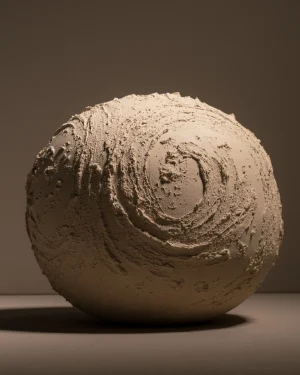 In stock
Sól No.1 Sculpture
By Od Studio
€567 -
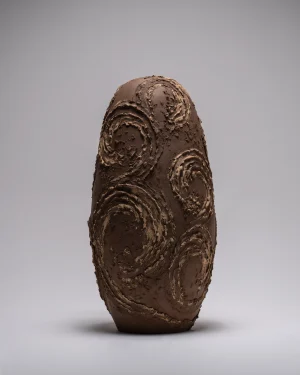 In stock
Sól No.5 Sculpture
By Od Studio
€1.080 -
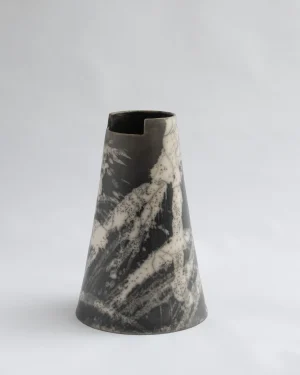 In stock
Cut High – Naked Dark
By Studionudo
€810 -
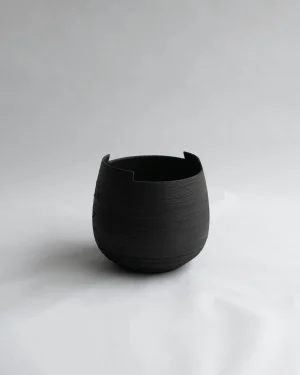
Cut Small – Smoked Black
By Studionudo
€540 -
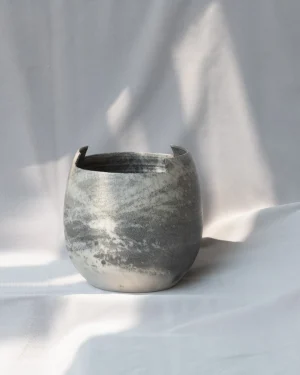 In stock
Cut Small – Naked Stone
By Studionudo
€780 -
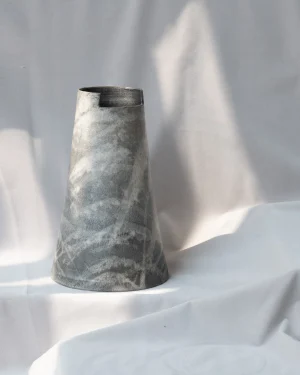 In stock
Cut High – Naked Stone
By Studionudo
€810 -
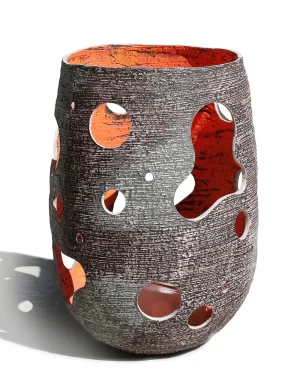
Ember Wide Sculptural Art Object, Sculptural Lantern, Decorative Vessel, Ambient Lighting
By Donatas Žukauskas
€650 -
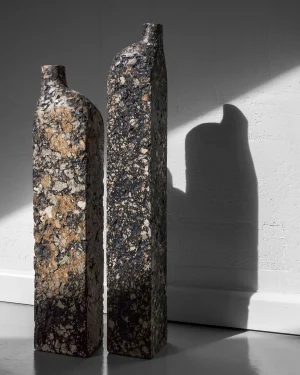
Solid Black Stone Set Vase – Block Series In Cast Stone By Donatas Zukauskas
By Donatas Žukauskas
€1.350 -
 In stock
Nomad Ⅰ:04 – Ceramic Vase
By SK - Sofia Karnukaeva
€1.900 -
 In stock
Abyss No. 24 – Sculptural Vessel In Stoneware
By Ceren Gürkan
€1.080 -
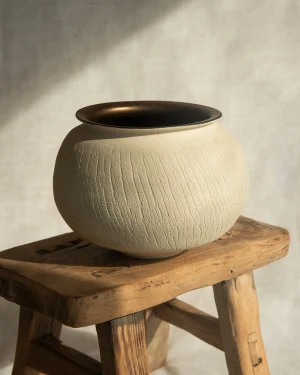 In stock
Distressed Ivory Vessel No.3
By Alex Roby Design
€248 -
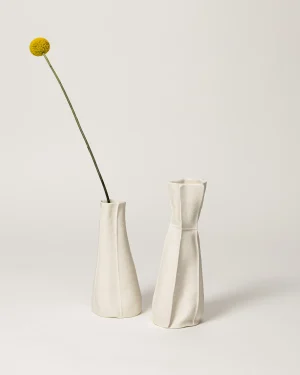
Pair of White Ceramic Kawa Vases
By Luft Tanaka Studio
€490 -
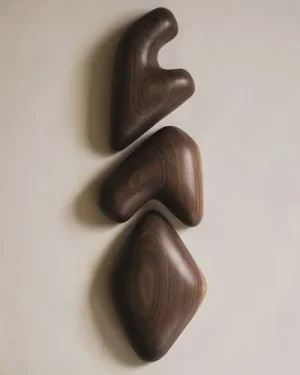
Urbmon 802 – Wall Hanging Sculpture
By CHANDLER MCLELLAN
€6.793 -
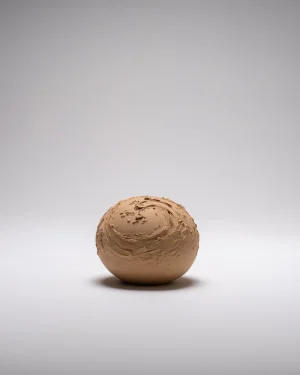
Sól No.4 Sculpture
By Od Studio
€180
Wabi-sabi decor takes its cues from the Japanese sense that nothing finished is ever truly finished: stoneware left with an uneven glaze, granite that keeps the marks of the quarry, raku-fired surfaces that crack and darken in the kiln. Studios working this way favor hand-building and wheel throwing over casting, and let the material's own behavior, a pooling glaze, a scorched grain, a chalky stone surface, decide the final form. The result sits closer to a found object than a designed one, even though every step is deliberate.
What defines wabi-sabi decor
The style rests on asymmetry and visible process rather than polish. A bowl thrown slightly off-center, a vase with a seam left showing, a surface charred by shou sugi ban: these are read as information about how the piece was made, not flaws to disguise. Color stays close to the material itself, beige stoneware, matte black, clear or transparent glaze over porcelain, white against raw clay, so the eye settles on texture before tone.
Because no two firings or charrings behave the same way, pieces made this way are rarely identical even within a single run. That variation is part of what the style communicates: time, weather, and the maker's hand are left in the object rather than sanded out.
Materials and techniques across wabi-sabi decor
Stoneware and porcelain carry most of the weight here, often finished with glazing or left raw enough to show the clay body underneath. Granite, natural stone and plain stone appear in heavier forms, bowls, trays, low vessels, where weight itself is part of the appeal. Several techniques recur across both groups:
- Hand-building and wheel throwing, which keep each surface slightly uneven
- Raku firing, which darkens and crackles a glaze unevenly by design
- Charring, or shou sugi ban, which blackens wood grain and makes it more resistant to moisture
- Wood carving and concrete casting, used for heavier, more sculptural forms
- Leatherwork, where it appears, for softer accents against harder materials
Editions range from open runs to limited editions and genuinely one-off pieces, depending on how the studio works; where a piece is thrown or carved by hand, no two turn out quite the same regardless of how it is listed.
How to choose a wabi-sabi decor piece
Start with scale before finish. A single low stoneware bowl can anchor a console or a dining table on its own, while a cluster of smaller raku or porcelain pieces reads better grouped on a shelf or sideboard than spread out. Matte and unglazed surfaces absorb light and sit quietly in a room; glossy or clear glazes catch it and draw the eye, so use them where a focal point is wanted rather than a background note.
Height matters less than weight and footprint here: most of these pieces are decorative rather than functional furniture, so place them where their texture can be seen at close range, a low table, a window ledge, a mantel, rather than high up where the surface detail disappears.
Where this style sits well
Wabi-sabi decor reads naturally in rooms already built around natural materials, oak floors, linen, unlacquered wood, where its rough edges and quiet color do not compete with anything glossier. It works equally well as a counterpoint in a sharper, more geometric room, a stoneware vessel or charred wood object softening a space otherwise built from straight lines and hard finishes. For related pieces built on the same ideas, look at the full range of wabi-sabi accessories, or narrower groups such as wabi-sabi vases and wabi-sabi lighting, which carry the same material language into other kinds of object.
Caring for stoneware, raku and natural stone
Unglazed and matte stoneware is porous, so keep it away from standing liquid and wipe spills before they soak in. Raku-fired surfaces are decorative rather than food-safe or watertight, given the firing process, and should be dusted rather than washed. Natural stone and granite resist daily wear well but can stain from oil or acid, so a dry cloth and occasional light sealing, where the stone calls for it, keeps the surface close to how it was made.
For the wider range of material and finish within the category, see all decor on ADORNO, or view every wabi-sabi piece on ADORNO across furniture, lighting and objects alike.
How do I choose a wabi-sabi decor piece?
Look for uneven glazes, visible seams or pitted surfaces rather than symmetry. A piece should feel settled into imperfection, with texture and tone that change depending on the light.
What materials are wabi-sabi decor pieces made from, and how do I care for them?
Most are stoneware, porcelain or natural stone, finished with glaze or left raw. Wipe with a dry or slightly damp cloth, avoid harsh detergents, and keep unglazed surfaces away from standing liquid.
What size or height works best for wabi-sabi decor?
Sizes vary piece to piece, so check the maker directly for exact dimensions. Use Chat with the maker on the piece's page to confirm height and scale before buying.
Which rooms suit wabi-sabi decor?
These pieces sit well in living rooms, entryways and bedrooms, anywhere a quiet, textured object can anchor a shelf or table. They work alongside plain backgrounds that let surface and shadow carry the room.
Does ADORNO offer custom orders for wabi-sabi decor?
Some makers take custom requests. Use Chat with the maker on the piece's page to ask about options, timing and any changes to glaze, scale or finish.
What are ADORNO's shipping, returns and authenticity policies?
Shipping is insured and worldwide. Returns are accepted within 14 days, excluding made-to-order pieces, and each piece comes with a certificate of authenticity alongside a lowest-price guarantee.