-
 In stock
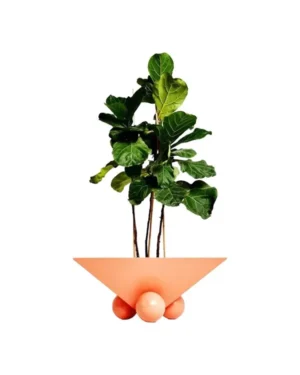
Pantli: Ceramic Planters
By piedrafuego
€60 - €97 This product has multiple variants. The options may be chosen on the product page -
 In stock
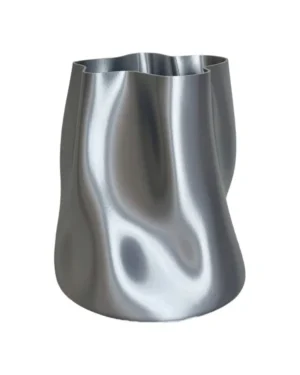
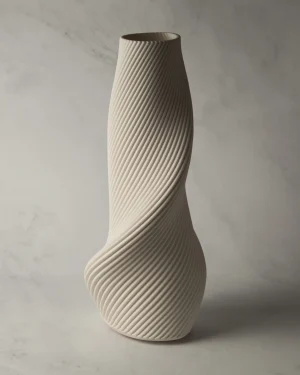
Tornado – 0 0 0 1 – Ceramic Vase 3d Printed
By Yiannis Vogdanis
€420 -
 In stock
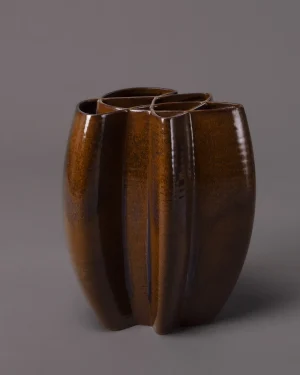
Intersect – 0 1 0 0 – 3d Printed Ceramic Vase
By Yiannis Vogdanis
€600 -
 In stock
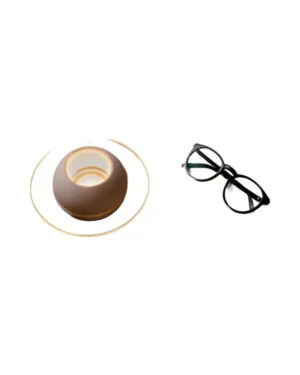
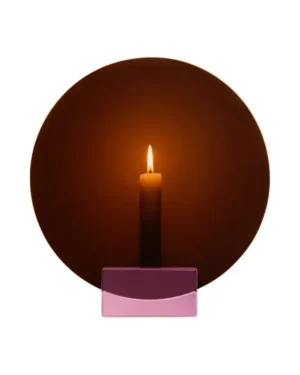
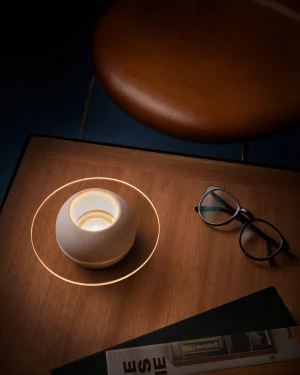
Sfär – Glass & Porcelain Tealight Candle Holder
By Jochen Lavéno Mangelsdorff Studio & Objects
€160 This product has multiple variants. The options may be chosen on the product page -

Intersect – 0 0 1 0 – Ceramic Vase 3d Printed
By Yiannis Vogdanis
€460 -
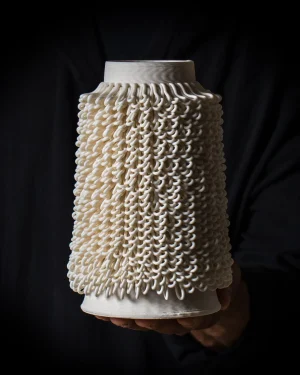
Dash – 0 1 1 1 – Ceramic Vase 3d Printed
By Yiannis Vogdanis
€280 -

Provvisori / Temporary Large Black Vase
By Federica Paglia
€500 -
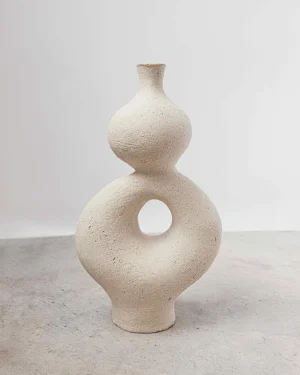
Ava Flora – Stoneware Vessel
By Lucia Mondadori
€543 -
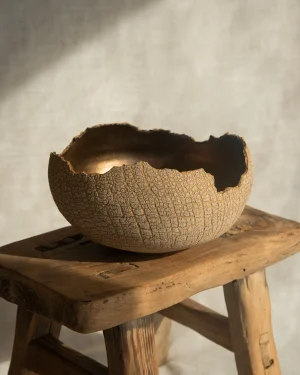
Distressed Sandstone Ikebana Vessel No.1
By Alex Roby Design
€288 -
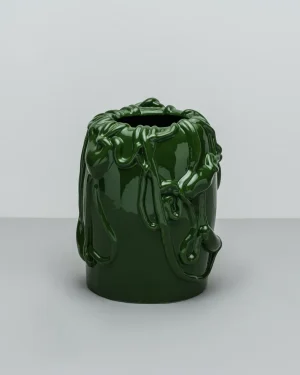 In stock
Jam – Earthenware Vase
By raawii
€220 This product has multiple variants. The options may be chosen on the product page -
 In stock
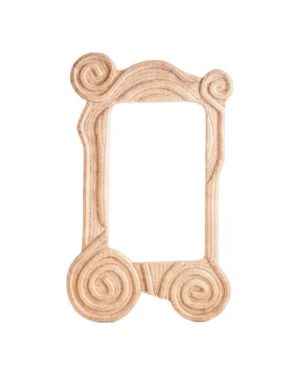
Elo Mirror 60×90 Cm – Hand Glazed Ceramic
By Pani Jurek STUDIO
€1.070 This product has multiple variants. The options may be chosen on the product page -
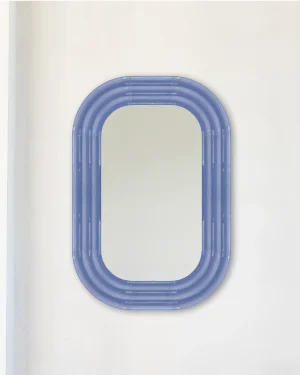 In stock
Elo Mirror 120×80 Cm – Hand Glazed Ceramic
By Pani Jurek STUDIO
€1.730 This product has multiple variants. The options may be chosen on the product page -
 In stock
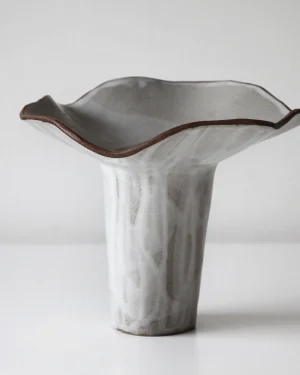
Floral Study I: White Bloom
By Elena Yakimushkina
€350 -

Tornado – 0 1 0 1 – Vase
By Yiannis Vogdanis
€260 -
 In stock
Twiggy Vase
By Volokhova Porcelain
€140 -

Stoneware Vessel “p-165”
By Moïo Studio
€145 -
 In stock
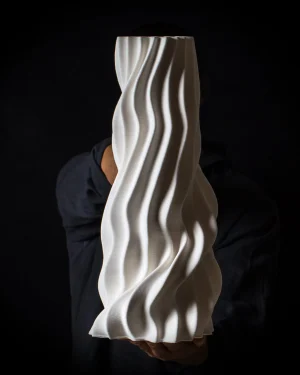
Tornado – 0 0 1 1 – Ceramic Vase 3d Printed
By Yiannis Vogdanis
€600 -

Intersect – 0 0 1 1 – Ceramic Vase 3d Printed
By Yiannis Vogdanis
€600 -
 In stock
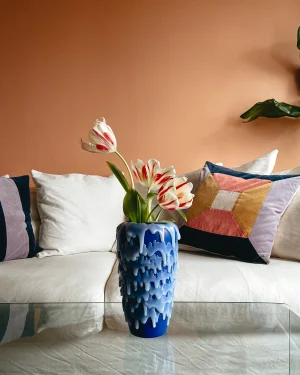
Melted Porcelain Vase V.7
By John Nordenstein
€440 -
 In stock
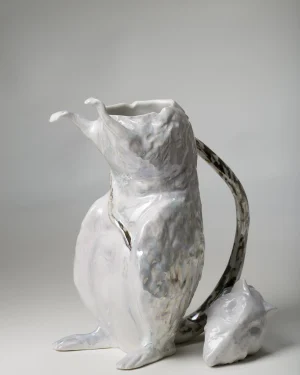
The Rat Porcelain Vase
By Volokhova Porcelain
€460 -
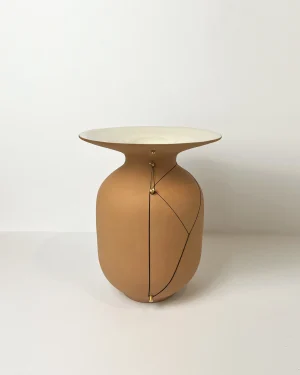
Provvisori / Temporary Large Ceramic Vase
By Federica Paglia
€500 -
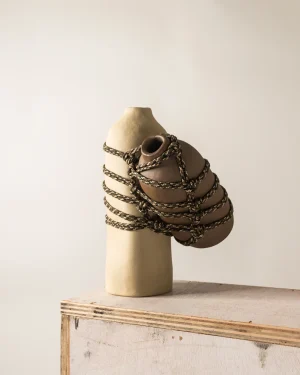 In stock
Bond Ceramic Vase
By Huillet Lucas
€625 - €849 This product has multiple variants. The options may be chosen on the product page -

The Drago Bianco Italian Vase
By COSEINCORSO
€538 -

The Fiasca Black Ceramic Vase
By COSEINCORSO
€414 -

The Drago Nero Vase
By COSEINCORSO
€650 -
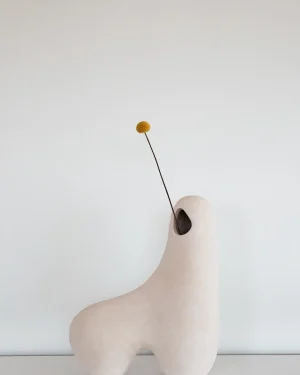
HĒrd 02 Ceramic Vase
By Andrei Clontea STUDIO
€250 -
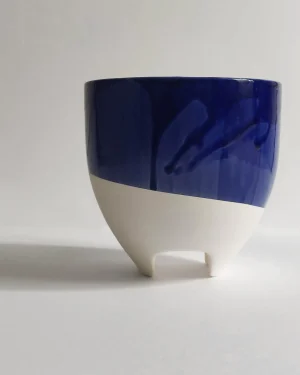 In stock
Geta – Porcelain Pot
By Clemence Birot
€110 -
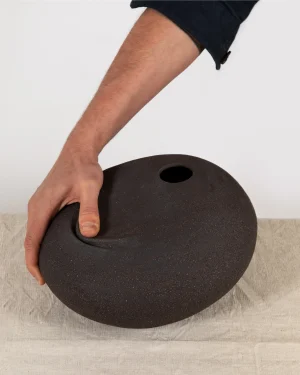
Movement Phase 3 – Black Sculptural Ceramic Vessel
By Catalin Filip
€600 -
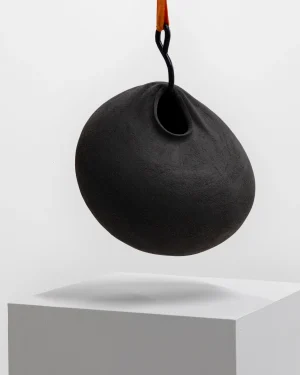
Movement Phase 2 – Black Sculptural Ceramic Vessel
By Catalin Filip
€1.030 -
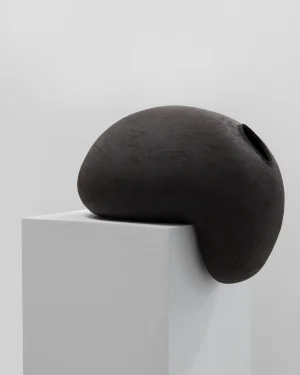
Movement Phase 1 – Black Sculptural Ceramic Vessel
By Catalin Filip
€1.350 -
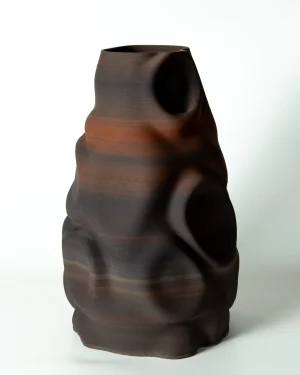
Caldera : Santorini-inspired Ceramic Vessel – S – 0110
By Yiannis Vogdanis
€2.300 -
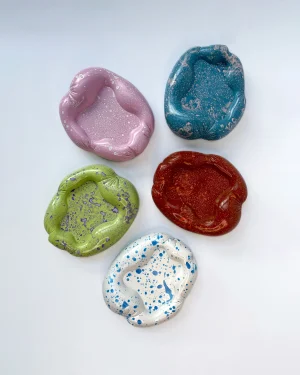
Desktop Swimming Pool – Speckled Jesmonite Tray/catchall
By Craig Barrow
€127 This product has multiple variants. The options may be chosen on the product page -
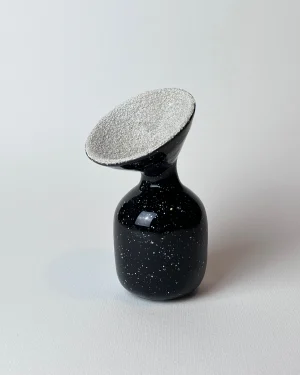 In stock
Extravases – Small Glazed Ceramic Vase
By Federica Paglia
€50 This product has multiple variants. The options may be chosen on the product page -
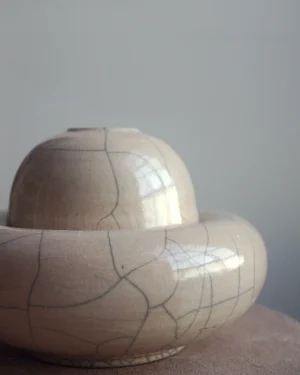
Raku – Ceramic Acorn Vase
By Isabella Artale
€350 -
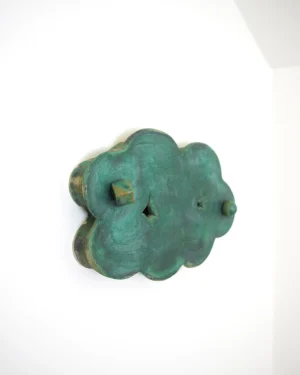
Green Cloud – Ceramic Wall Sculpture
By Isabella Artale
€250 -
 In stock
Diya – Incense Burner
By Twelve Degrees
€230 This product has multiple variants. The options may be chosen on the product page -

Ailes Noir – Sculptural Vessel
By Lucia Mondadori
€688 -

Aisha Totem – Stoneware Sculpture
By Lucia Mondadori
€1.395 -

Floating In Space – Orange And Green Porcelain Vase
By Liquid Void Studio
€75 -

Round We Go – Porcelain Vase Small
By Liquid Void Studio
€45 -
 In stock
Eros Mirror
By Dzovag Kotchian
€860 -

Distressed Sandstone Vessel No.4
By Alex Roby Design
€480 -

Distressed Ivory Ikebana Vessel No.5
By Alex Roby Design
€480 -
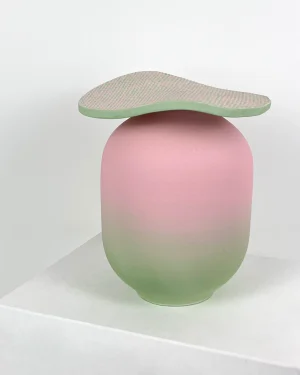 In stock
Sui Cappelli/ About Hats – Ceramic Sculpture
By Federica Paglia
€550 This product has multiple variants. The options may be chosen on the product page -
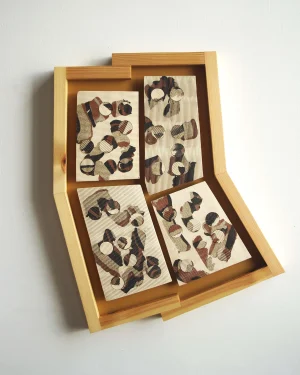 In stock
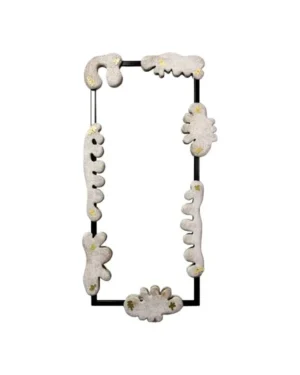
Frame – Stoneware & Oak Wall Art
By Isabella Artale
€650 -
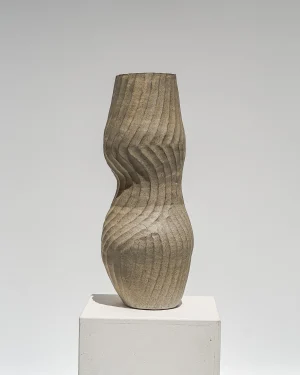 Sold
Round And Round | Beige On Grey With Lines | Vase #1-5-24
By Atelier von Ehren
€470 -
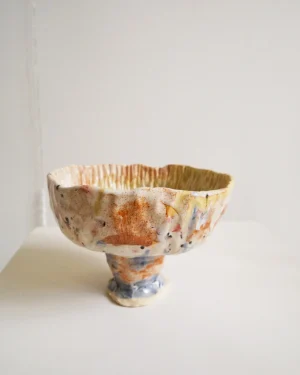 In stock
Naive Series- Multi-coloured Tones Vessel
By Hania Jneid Design Studio
€650 This product has multiple variants. The options may be chosen on the product page -
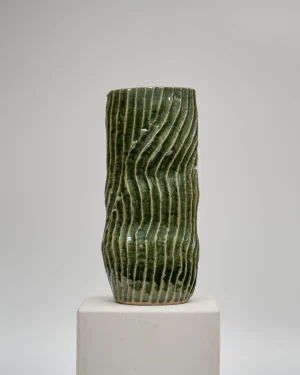 Sold
Round And Round | Green On Grey With Lines | Vase #7-7-24
By Atelier von Ehren
€248 -
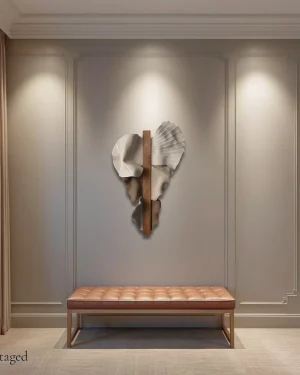
Abundance Wall Sculpture | Toffee · Studio Series ·
By Studio Ēeme
€3.565 -
 In stock
Pair Of Reef Vases
By Dzovag Kotchian
€1.100 -
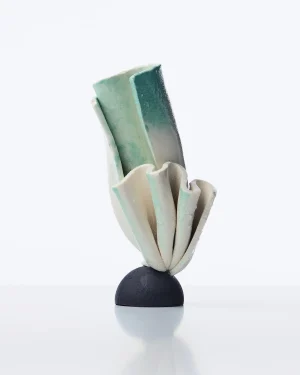
From Fragility To Stability – Sculpture_06
By C E R A M I C 4 7
€350 -

Sontsehryv – Clay Sculpture
By FAINA
€620 -

Single Medium-sized Viie Vases 2.0
By STUDIO BERG
€50 - €61 This product has multiple variants. The options may be chosen on the product page -
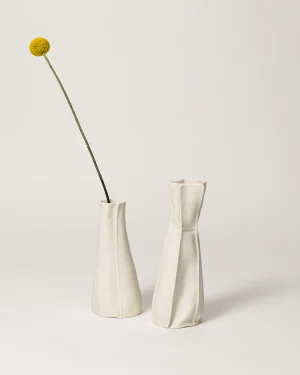
Pair of White Ceramic Kawa Vases
By Luft Tanaka Studio
€490
Ceramic decor on ADORNO gathers bowls, vessels, wall reliefs and sculptural objects shaped from fired clay, made by studios who hand-build, throw on the wheel or cast in molds before glazing. Each piece carries the particular weight and surface of clay: a density that holds a shelf or table down, a glaze that catches light differently depending on the angle. The material ranges from raw stoneware left matte to porcelain fired to a near-translucent white.
What defines ceramic decor
Clay is fired at high heat until it hardens permanently, which is what separates stoneware and porcelain from air-dried or low-fire earthenware. Stoneware tends toward a warm, slightly grainy body, often left partly unglazed so the clay itself shows through. Porcelain fires paler and thinner, sometimes let through light at the edges, while terracotta keeps its orange-red color even under a clear glaze.
Glaze is where a maker makes a decision: gloss that reflects a room back at you, matte that absorbs it, or a crackled or speckled surface left to the kiln's variation. No two firings behave identically, so even open-edition ceramic pieces carry small differences in tone and texture from one to the next.
The range of materials, finishes and techniques
Within ceramic decor, color runs from bare white and black through terracotta, rose, dark blue and bronze-toned glazes, with multicolor surfaces where several glazes meet in one firing. Styles span boho chic and rustic pieces that lean into visible texture, through contemporary and minimalist forms kept plain and geometric, to brutalist objects left deliberately rough.
- Hand-building and wheel throwing, where the maker's hand stays visible in slight asymmetries
- Glazing, from single-tone finishes to layered or dripped surfaces
- 3D printing, used by some studios for repeatable geometric forms
Editions vary by studio: some ceramic decor is produced as open editions, some in limited runs, and some as unique pieces where no two are alike. For the full range of materials this spans beyond ceramic, the decor category covers metal, wood and glass objects alongside clay.
How to choose a piece
Scale matters before color does. A low, wide bowl reads differently on a console than a tall vessel meant to stand alone on the floor, so measure the surface or floor space before deciding on height. Glaze finish should answer the light in the room: gloss surfaces throw reflections near windows, while matte stoneware reads quieter in low light.
Placement follows function as much as form. A vessel meant to hold stems needs a stable, narrow enough neck; an object meant purely as sculpture can take a more irregular, open shape. If you already keep metal pieces in the room, the metal decor pieces on ADORNO can show how the two materials sit side by side, clay softening what metal keeps hard-edged.
Where ceramic decor sits in a room
Living rooms and entryways take sculptural or glazed pieces well, set on consoles, shelving or low tables where they catch passing light. Dining tables and kitchen counters suit sturdier stoneware and terracotta forms built to handle daily use rather than stay purely decorative. For anyone furnishing a single room end to end, the accessories section covers the smaller objects that sit alongside ceramic pieces, from trays to lighting.
Caring for ceramic surfaces
Glazed ceramic wipes clean with a damp cloth; unglazed stoneware and terracotta are more porous and can stain if liquid sits on the surface, so wipe spills promptly. Avoid sudden temperature changes, which can crack a fired body, and lift rather than drag heavier pieces across stone or wood surfaces. For the full range of clay and glaze work across materials, the ceramic material pages on ADORNO include lighting and vessels beyond decor, while ceramic vases and unique decor pieces narrow the search further for anyone after a specific form or a one-off.
How do I choose ceramic decor for my home?
Start with the room's palette and light, since glazes shift from matte to glossy under different conditions. Pick a form, bowl, vessel or sculptural object, that works alone or grouped on a shelf or table.
How do you care for ceramic decor?
Dust glazed ceramic with a soft, dry cloth and avoid abrasive cleaners that dull the surface. Keep unglazed or raw clay pieces away from standing water, which can seep in and stain.
What size ceramic decor should I buy?
Small pieces suit shelves, consoles or nightstands, while larger vessels anchor a table or floor space. The maker can confirm exact dimensions through Chat with the maker on the piece's page.
Which rooms suit ceramic decor best?
Ceramic decor works in living rooms, entryways and dining spaces where surfaces benefit from texture and weight. Glazed pieces also hold up well in kitchens and bathrooms, where humidity is higher.
Is ceramic decor durable and does it chip easily?
Fired ceramic is dense and stable, though edges and rims can chip if knocked against hard surfaces. Handle with care during moving or cleaning to keep glaze and form intact.
How does shipping, returns and authenticity work on ADORNO?
Shipping is insured and worldwide, with a 14-day return policy, excluding made-to-order pieces. Every piece arrives with a certificate of authenticity, backed by ADORNO's lowest-price guarantee.