
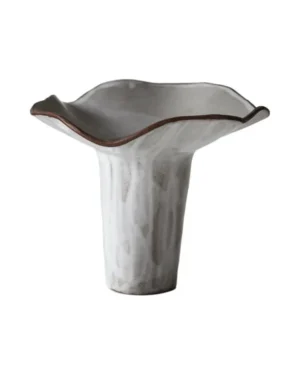
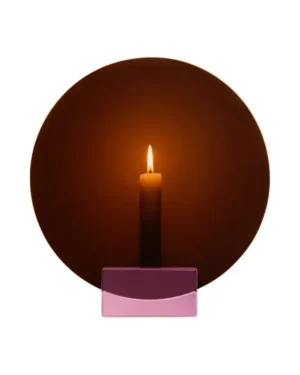
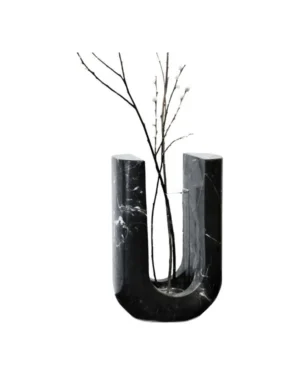
-

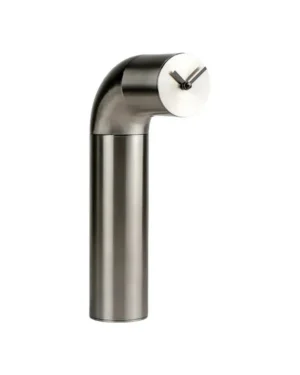
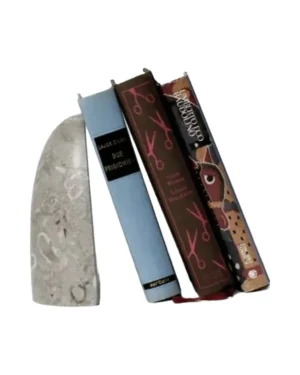
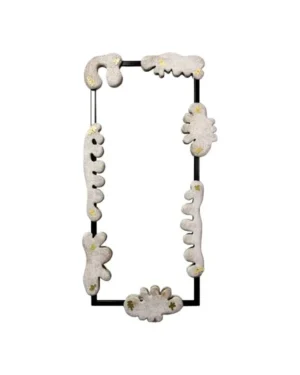
LMC mobile
By Jordi Canudas Faura
€215 -
 In stock
Pantli: Ceramic Planters
By piedrafuego
€60 - €97 This product has multiple variants. The options may be chosen on the product page -
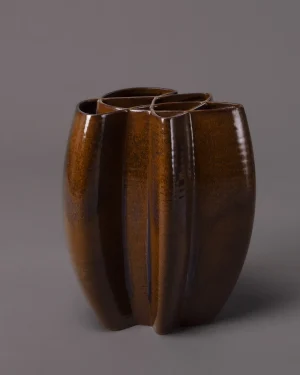 In stock
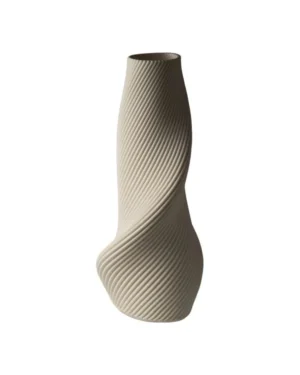
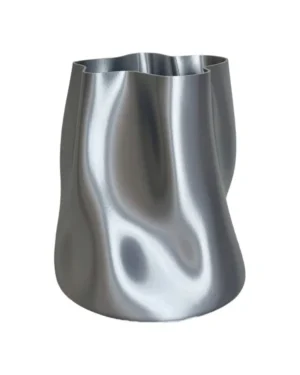
Intersect – 0 1 0 0 – 3d Printed Ceramic Vase
By Yiannis Vogdanis
€600 -
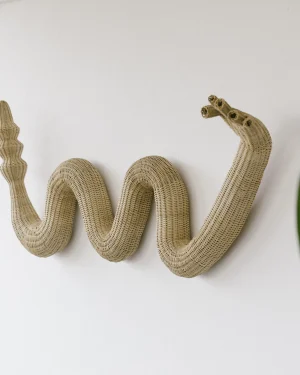
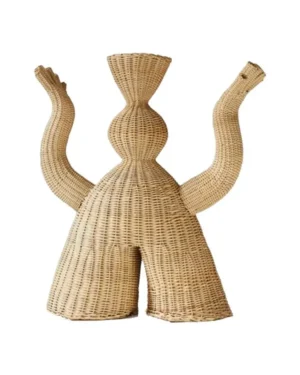
Artefacto Serpiente Ii – Woven Wicker Fiber Wall Sculpture
By LØRDAG & SØNDAG
€750 -
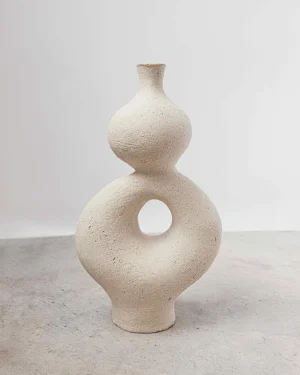
Ava Flora – Stoneware Vessel
By Lucia Mondadori
€543 -
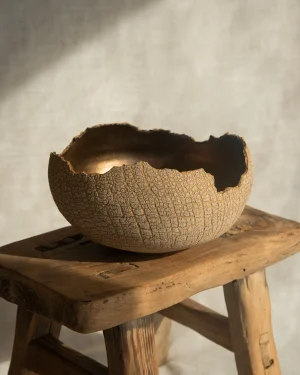
Distressed Sandstone Ikebana Vessel No.1
By Alex Roby Design
€288 -
 In stock
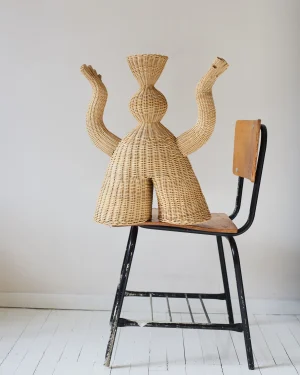
Artefacto Chan Maák Sculpture – Pol & Cab
By LØRDAG & SØNDAG
€655 This product has multiple variants. The options may be chosen on the product page -
 In stock
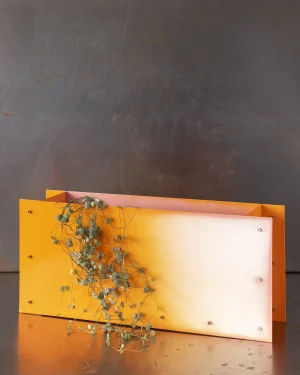
“levedad” Usb
By Tributo
€78 - €99 This product has multiple variants. The options may be chosen on the product page -
 In stock
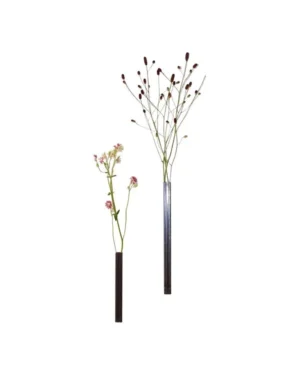
Iron And Steel Life Cabin Vase C
By TUNK I Busra Tunc
€180 -
 In stock
Mirage Mirror 80cmØ
By Anne Nowak
€1.008 -
 In stock
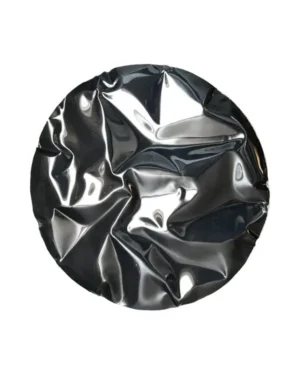
Mirage Silver Wall Art Piece
By Anne Nowak
€600 -
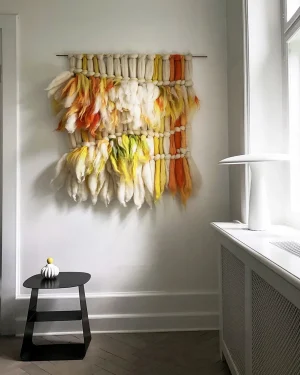
‘Woolwalls’ in Sustainable Wool – Neon Yellow, Orange and Green
By jeanett knipschildt
€1.224 -

Intersect – 0 0 1 1 – Ceramic Vase 3d Printed
By Yiannis Vogdanis
€600 -
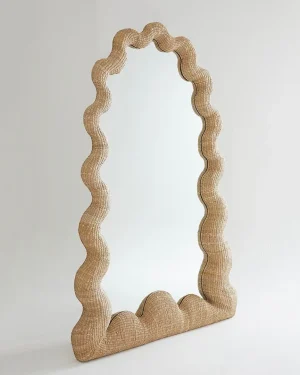
La Celebración – Handwoven Fiber Mirror
By Joyful Objects, Yes!
€6.000 -
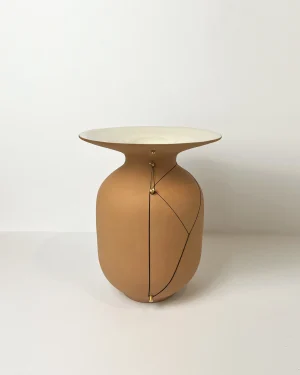
Provvisori / Temporary Large Ceramic Vase
By Federica Paglia
€500 -
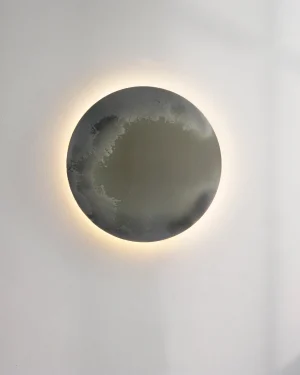 In stock
Moon Mirror Light
By Anne Nowak
€1.140 -
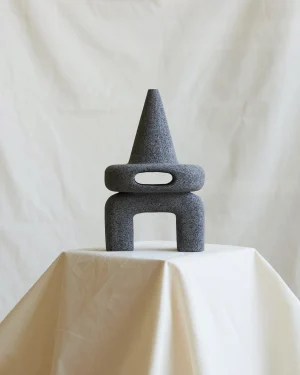 In stock
Artefacto Volcán Ls 06
By LØRDAG & SØNDAG
€490 -
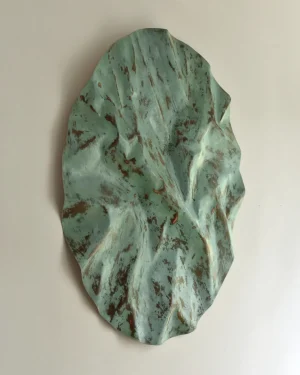
Mar De Cobre – Copper Wall Sculpture
By Aura Carpio®
€2.800 -
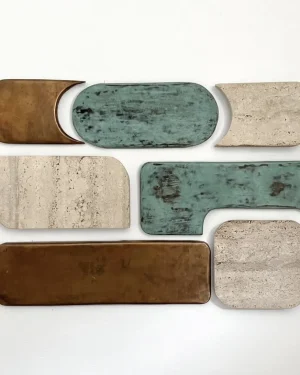
Vides Wall Decoration in Copper And Marble
By Aura Carpio®
€3.325 -
 In stock
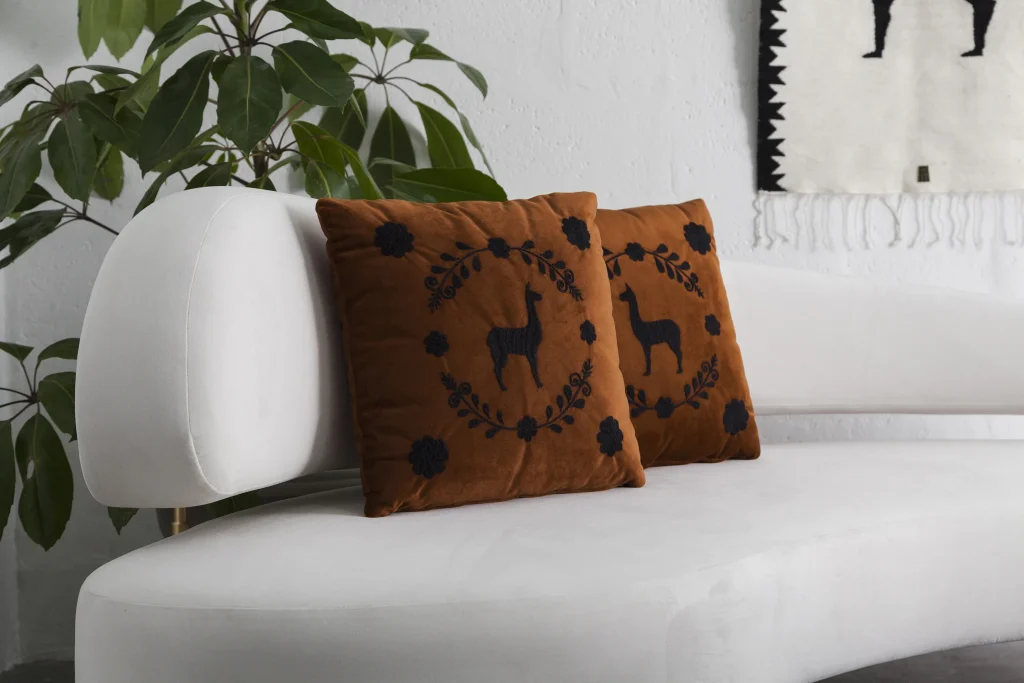
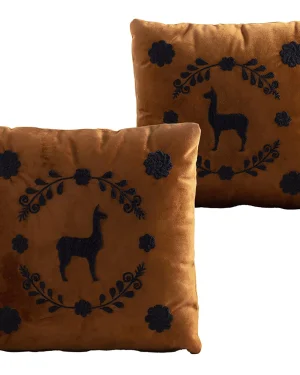
Llama Hand Embroidered Decorative Pillows, Set Of 2
By ANDEAN
€309 This product has multiple variants. The options may be chosen on the product page -
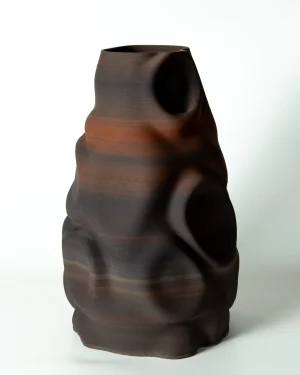
Caldera : Santorini-inspired Ceramic Vessel – S – 0110
By Yiannis Vogdanis
€2.300 -
 In stock
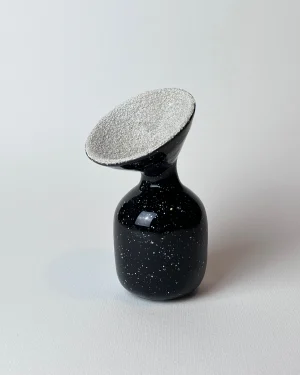
Extravases – Small Glazed Ceramic Vase
By Federica Paglia
€50 This product has multiple variants. The options may be chosen on the product page -
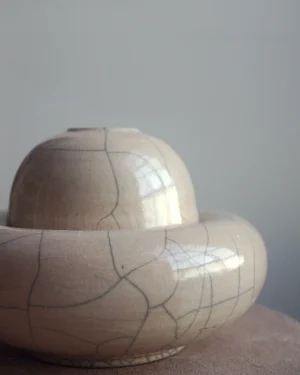
Raku – Ceramic Acorn Vase
By Isabella Artale
€350 -
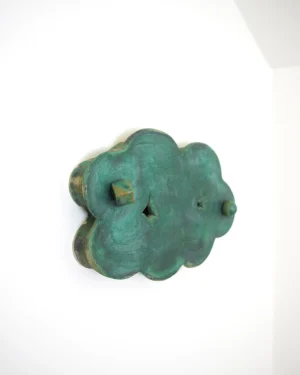
Green Cloud – Ceramic Wall Sculpture
By Isabella Artale
€250 -
 In stock
Diya – Incense Burner
By Twelve Degrees
€230 This product has multiple variants. The options may be chosen on the product page -

Aisha Totem – Stoneware Sculpture
By Lucia Mondadori
€1.395 -
 In stock
Eros Mirror
By Dzovag Kotchian
€860 -

Distressed Sandstone Vessel No.4
By Alex Roby Design
€480 -

Distressed Ivory Ikebana Vessel No.5
By Alex Roby Design
€480 -

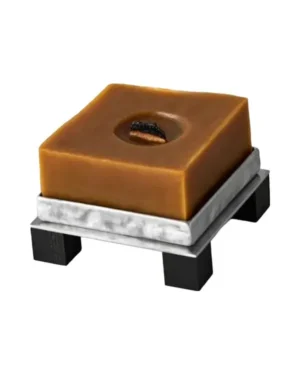
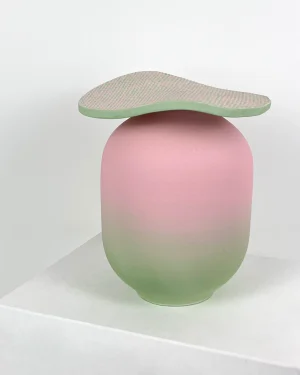
Fetish – Wax Vase
By Pierre Klein
€80 - €145 This product has multiple variants. The options may be chosen on the product page -
 In stock
Sui Cappelli/ About Hats – Ceramic Sculpture
By Federica Paglia
€550 This product has multiple variants. The options may be chosen on the product page -
 In stock
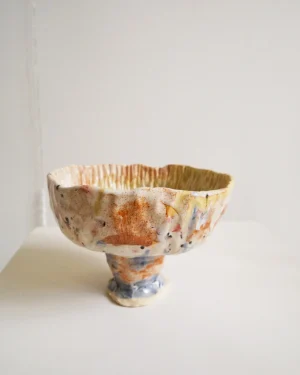
Naive Series- Multi-coloured Tones Vessel
By Hania Jneid Design Studio
€650 This product has multiple variants. The options may be chosen on the product page -
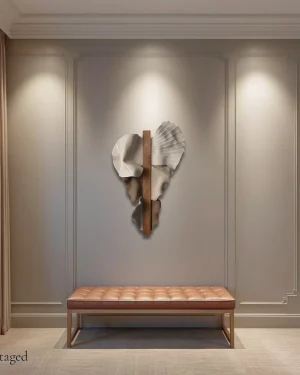
Abundance Wall Sculpture | Toffee · Studio Series ·
By Studio Ēeme
€3.565 -

Mirror Perfumer – Handmade Bronze Wall Mirror
By Vogel Studio
€9.075 -
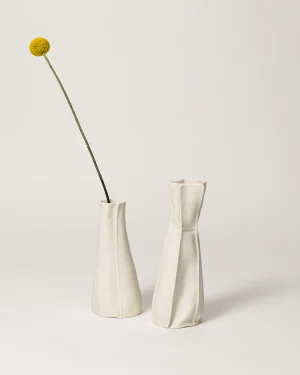
Pair of White Ceramic Kawa Vases
By Luft Tanaka Studio
€490 -
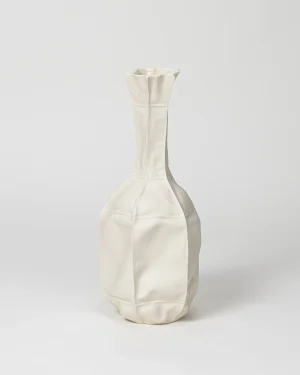
Organic White Ceramic Kawa Vase #12
By Luft Tanaka Studio
€1.075 -
 In stock
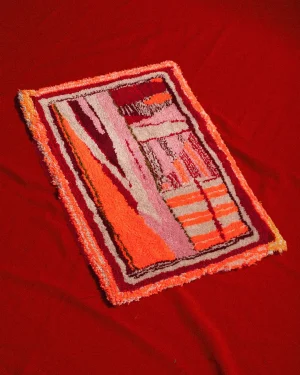
The Neon Rug
By Draken Studio
€100 - €550 This product has multiple variants. The options may be chosen on the product page -
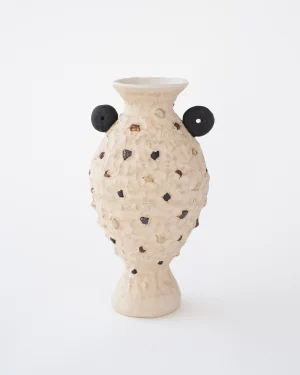
Little Rock Vase_o.5
By Ugly Things et al.
€326 -
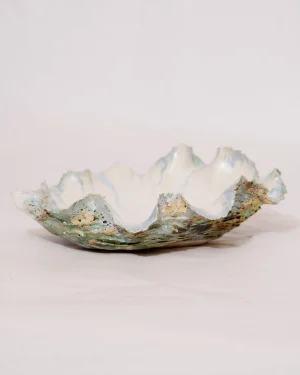
Oyster Shell – Medium
By Sugoi Studio
€217 -
 In stock
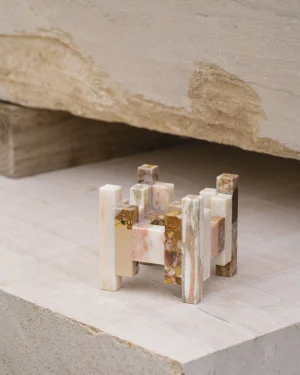
Strata – Flower Vase – Staggered Pink
By Iyo Hasegawa
€930 -

Joyful Horses Rug
By Pupcha
€2.400 -
 In stock
Round And Round | Blue On Yellow On White | Vase No. 003/23
By Atelier von Ehren
€276 -
 In stock
1/2 Ltr Forms – Olive Green Handmade Glass Object
By Vogel Studio
€100 -
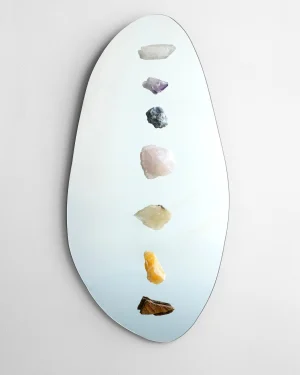
Chakra Mirror No.1
By Anne Nowak
€1.120 -
 In stock
Duck Butt Room Divider
By Pupcha
€3.950 -

” Love At The Right Angle ” Rug
By Pupcha
€2.400 -
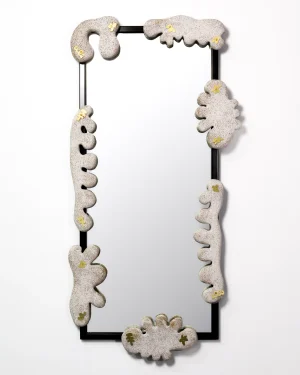
Tanguay – Ceramic And Metal Full Length Wall Mirror
By Luft Tanaka Studio
€6.400 -
 In stock
Bed With Changeable Headboard Inserts
By Pupcha
€4.500 -
 In stock
Big Candle Holder ” Fairy Tale Horse On Pillows “
By Pupcha
€580 -
 In stock
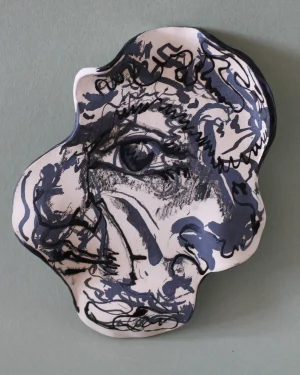
Marbled Dream #2 – Handcrafted Ceramic Illustrated Plate
By Vale Ro
€220 -
 In stock
The Duo Rug
By Draken Studio
€100 - €500 This product has multiple variants. The options may be chosen on the product page -
 In stock
Strata – Flower Vase Cube Pink
By Iyo Hasegawa
€700 -

Coro® – Wall Decoration
By Aura Carpio®
€5.100 -
 In stock
La Celebración Mirror
By Joyful Objects, Yes!
€6.000 This product has multiple variants. The options may be chosen on the product page
Boho chic decor brings together clay, fiber and brass worked by hand, each piece carrying the trace of the maker rather than a machine. Studios working in stoneware, basketry and metalwork lean toward warm, irregular surfaces: a glaze that pools unevenly, a woven rim that is never quite symmetrical, a brass edge that darkens with handling. The look is layered and textured rather than polished, built from pieces that look gathered over time instead of bought as a set.
What defines boho chic decor
The palette runs toward earth and spice: terracotta, beige, dark red, emerald, with black and blue appearing as accents rather than a base. Surfaces favor natural fiber, stoneware, clay and stone over glass or lacquer, so light sits softly on them instead of bouncing off. Brass, left unlacquered, is common too, picking up a patina that deepens rather than dulls its warmth.
Where contemporary decor keeps to clean lines and a narrow palette, boho chic decor works with asymmetry and pattern. A hand-built vase can carry a slightly tilted lip, a woven basket a visible shift in tension from row to row. These are not flaws; they are what distinguishes a hand-formed object from a mold-cast one, and why no two pieces, even from the same maker, sit identically.
Materials, techniques and editions found here
Across decor pieces in this style, the working methods repeat with variation: hand-building and glazing in ceramic decor, basketry and textilework in natural fiber, metalwork in brass, and stone carving in rougher, quarried stone. Clay-based pieces move from raw bisque to richly glazed stoneware, so finish ranges from matte and chalky to glossy and pooled. Some pieces are produced in open editions, others as limited runs or one-offs, a distinction worth checking if a particular surface or shape catches your eye, since hand methods make exact repeats unlikely in any case.
How to choose a piece
Scale and height decide whether an object sits comfortably or competes for attention. A tall woven vessel asks for floor space and a clear sightline; a small glazed bowl works better gathered with others on a low table or shelf. Match finish to light: matte stoneware and raw clay absorb light and suit rooms that already have warmth, while brass and glaze reflect it and can brighten a dimmer corner.
- For a console or sideboard, choose pieces with some height variation so the grouping reads as collected, not matched.
- For a coffee table, keep a shared color thread, terracotta with dark red or beige, so the group holds together.
- For a shelf, mix a woven texture with a glazed one so the eye has somewhere to rest between the two.
If you are building out a room rather than a single surface, pieces from boho chic vases and from boho chic lighting and furniture ranges tend to share the same earth palette, which makes it easier to carry the look from a side table to a shelf without the materials fighting each other.
Where it suits the home
Living rooms and reading corners take to this style easily, since the warm clay and fiber tones read well against both wood floors and pale walls. Bedrooms benefit from the same softness, particularly in woven and stoneware pieces placed on a nightstand or low dresser. Entryways and dining tables, by contrast, do better with a single strong piece rather than a cluster, since traffic and place settings compete for the same surface.
Caring for the material
Unglazed stoneware and clay stain easily, so keep them away from standing water and wipe spills promptly rather than letting them soak in. Glazed surfaces can be cleaned with a damp cloth and should avoid abrasive scrubbing, which can dull the shine over years of handling. Natural fiber pieces want a dry environment and occasional dusting; damp conditions encourage mildew and can loosen woven joins over time. Brass left unlacquered will darken on its own; this is patina, not damage, and polishing it back to bright gold is optional rather than necessary. For the full range of styles this material and palette appear in, the boho chic style pages gather pieces across lighting, furniture and accessories, should a single room need more than decor alone to carry the look.
How do I choose boho chic decor?
Look for texture and warmth: hand-built ceramics, woven natural fiber, stone or brick finishes in terracotta, beige or dark red. Mix a few materials rather than matching one, since the style relies on layered, tactile contrast.
What materials are boho chic decor pieces made from, and how do I care for them?
Most are ceramic, stoneware, clay, brass, natural fiber or stone. Dust ceramics and brass with a soft cloth, keep natural fiber dry and out of direct sun, and wipe stone with a damp cloth, avoiding harsh cleaners.
What size boho chic decor piece do I need?
Sizes vary by piece, from small bowls to floor-standing baskets or vessels. Check the maker's measurements on each piece's page, or chat with the maker directly to confirm dimensions for your space.
Which rooms suit boho chic decor?
Living rooms, bedrooms and entryways all take well to boho chic pieces, where woven textures and warm glazes soften hard surfaces. Natural fiber and ceramic objects also work on open shelving or dining tables.
Does ADORNO offer custom boho chic decor orders?
Some studios take custom requests on materials, glaze color or scale. Chat with the maker on the piece's page to ask about custom options.
What are ADORNO's shipping, returns and authenticity policies?
Shipping is insured and worldwide. Returns are accepted within 14 days, except for made-to-order pieces. Each piece ships with a certificate of authenticity, and ADORNO offers a lowest-price guarantee.