-

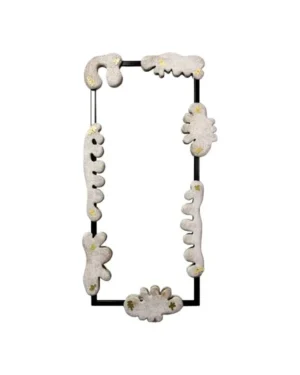
LMC mobile
By Jordi Canudas Faura
€215 -

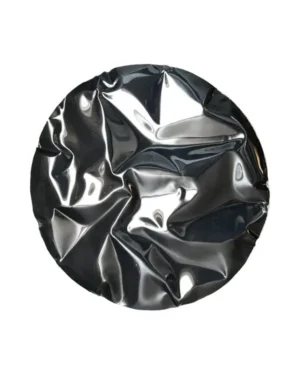
Float Mirror Black #b_31 in Liquid Silver and Glass
By Studio Speculo
€465 -
 In stock
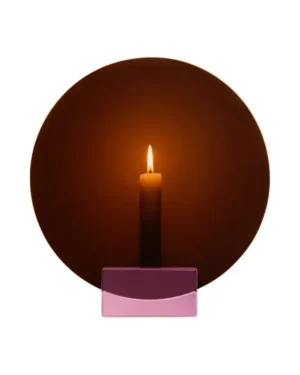
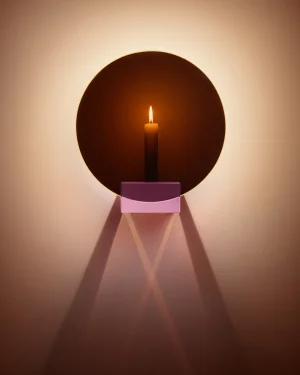
Spegla Wall Edition – Mirror & Candle Holder In Crystal Glass And Half-transparent Mirror
By Jochen Lavéno Mangelsdorff Studio & Objects
€345 - €395 This product has multiple variants. The options may be chosen on the product page -
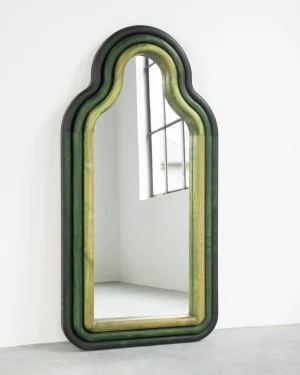
Trn Mirror / Triple / Solid Wood
By Pani Jurek STUDIO
€2.255 This product has multiple variants. The options may be chosen on the product page -

A Beautiful Mind – Sculptural Organic Stone Mirror
By Odditi
€3.600 -
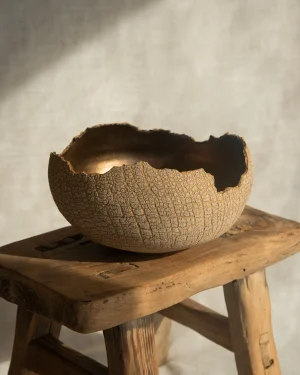
Distressed Sandstone Ikebana Vessel No.1
By Alex Roby Design
€288 -
 In stock
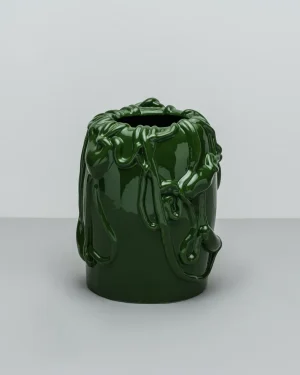
Jam – Earthenware Vase
By raawii
€220 This product has multiple variants. The options may be chosen on the product page -
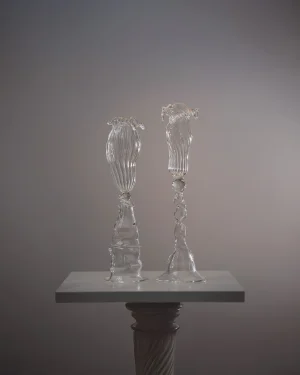
Cariño – Glass Sculptures
By PIA GLASSWORKS
€400 -

Tornado – 0 1 0 1 – Vase
By Yiannis Vogdanis
€260 -
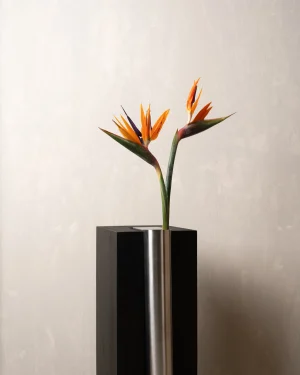
Bookcase Vase
By MANUHITA
€250 -
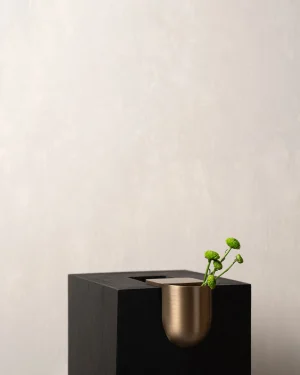
Bookcase Vase – Small
By MANUHITA
€215 -
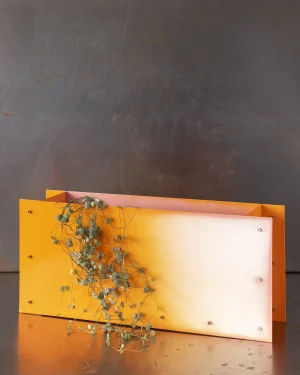 In stock
Iron And Steel Life Cabin Vase C
By TUNK I Busra Tunc
€180 -
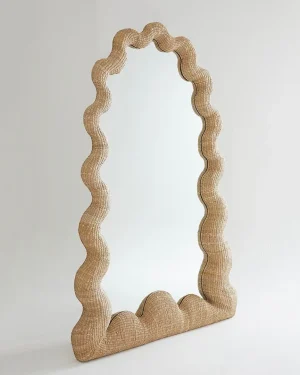
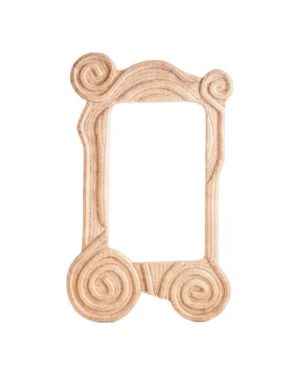
La Celebración – Handwoven Fiber Mirror
By Joyful Objects, Yes!
€6.000 -
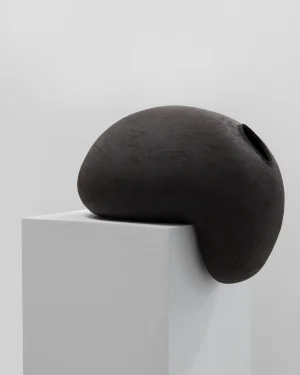
Movement Phase 1 – Black Sculptural Ceramic Vessel
By Catalin Filip
€1.350 -
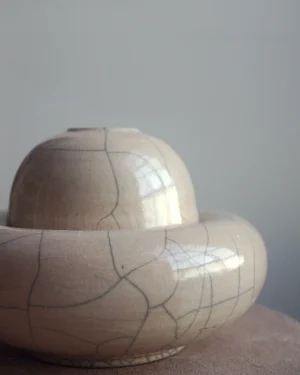
Raku – Ceramic Acorn Vase
By Isabella Artale
€350 -
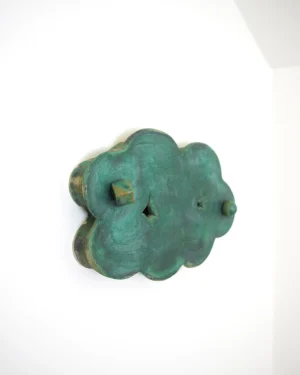
Green Cloud – Ceramic Wall Sculpture
By Isabella Artale
€250 -

Floating In Space – Orange And Green Porcelain Vase
By Liquid Void Studio
€75 -

Round We Go – Porcelain Vase Small
By Liquid Void Studio
€45 -

Fetish – Wax Vase
By Pierre Klein
€80 - €145 This product has multiple variants. The options may be chosen on the product page -
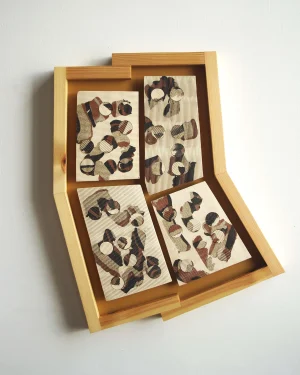 In stock
Frame – Stoneware & Oak Wall Art
By Isabella Artale
€650 -
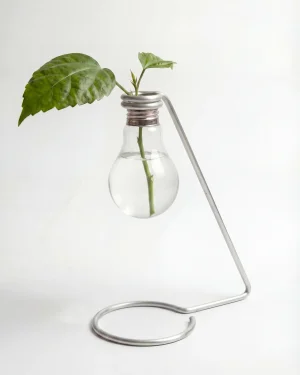 In stock
Testikel – Glass Cuttings Vase
By Olle Sahlqvist
€70 - €80 This product has multiple variants. The options may be chosen on the product page -
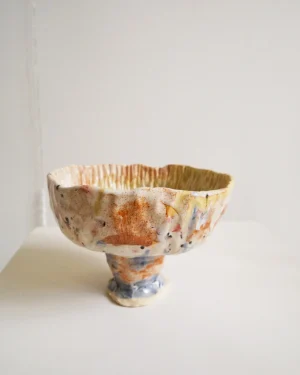 In stock
Naive Series- Multi-coloured Tones Vessel
By Hania Jneid Design Studio
€650 This product has multiple variants. The options may be chosen on the product page -
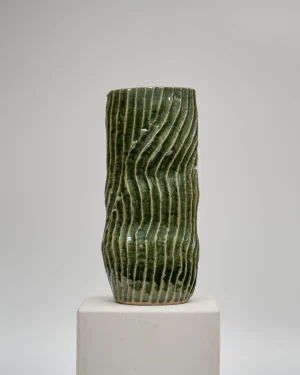 Sold
Round And Round | Green On Grey With Lines | Vase #7-7-24
By Atelier von Ehren
€248 -
 In stock
Arch – Brass & Marble Calendar
By Boo Design Studio
€180 -
 In stock
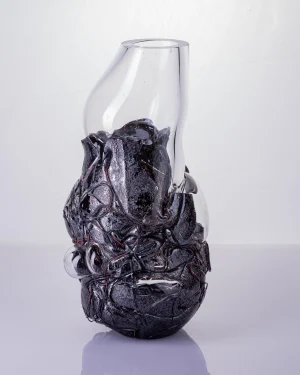
Lava – Transparent Blown Glass / Copper Wire Vase
By Anna Jožová
€1.600 -
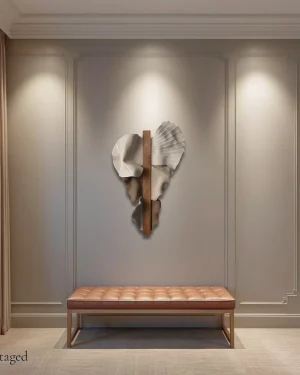
Abundance Wall Sculpture | Toffee · Studio Series ·
By Studio Ēeme
€3.565 -
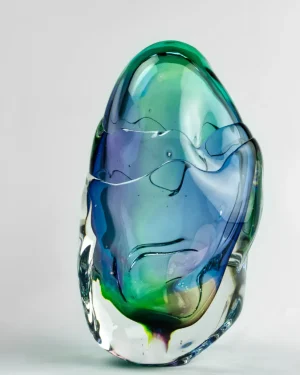
Persona – Glass Sculpture
By MILA ZILA
€2.400 -
 In stock
Underneath Me – 3d Printed Red Vase
By M’ama edizioni
€330 -

Single Medium-sized Viie Vases 2.0
By STUDIO BERG
€50 - €61 This product has multiple variants. The options may be chosen on the product page -

Mirror Perfumer – Handmade Bronze Wall Mirror
By Vogel Studio
€9.075 -
 In stock
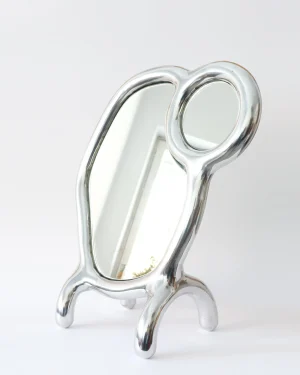
Mi-rr 13
By Studio Speculo
€1.100 -
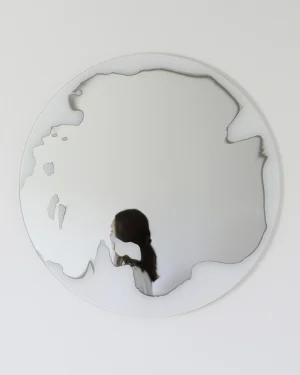
Float Mirror White – Liquid Silver / Glass
By Studio Speculo
€370 -
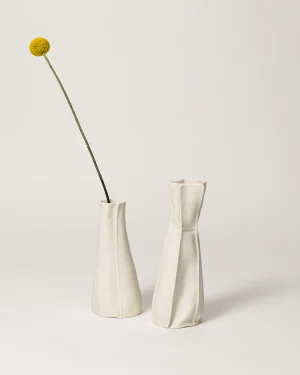
Pair of White Ceramic Kawa Vases
By Luft Tanaka Studio
€490 -
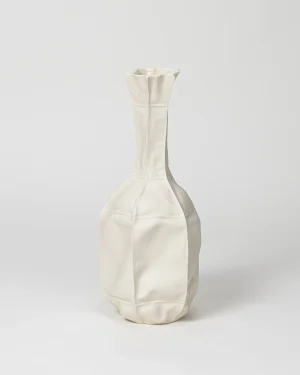
Organic White Ceramic Kawa Vase #12
By Luft Tanaka Studio
€1.075 -
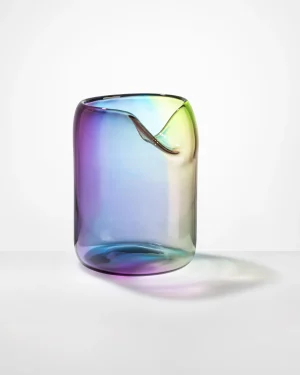 In stock
Mind Vases – Handblown Glass
By MILA ZILA
€220 - €245 This product has multiple variants. The options may be chosen on the product page -
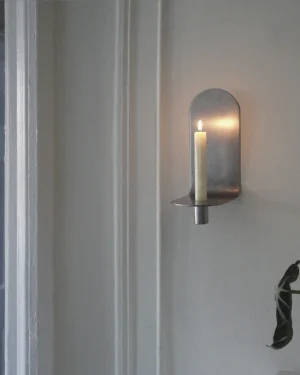
Wch001-11 Stainless Steel Candleholder
By NAVE
€160 -
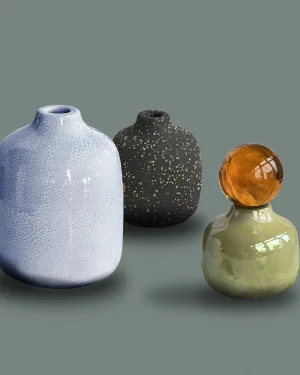
Set 1 With 3 Medium-sized Viie Vases 2.0
By STUDIO BERG
€157 -
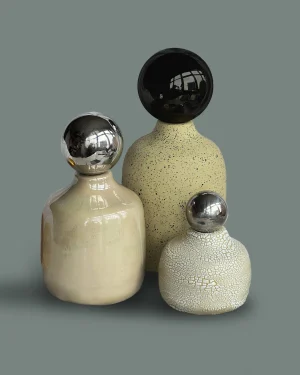
Set no. 2 With 3 Medium-sized VIIE Vases 2.0
By STUDIO BERG
€150 -
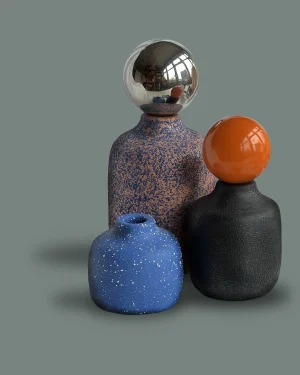
Set 3 Of 3 Medium-sized Viie Vases 2.0
By STUDIO BERG
€157 -

Puffer Vase Ii – Abs Plastic
By Gast Studio
€286 - €345 This product has multiple variants. The options may be chosen on the product page -

Puffer Vase I – Abs Plastic
By Gast Studio
€190 - €490 This product has multiple variants. The options may be chosen on the product page -
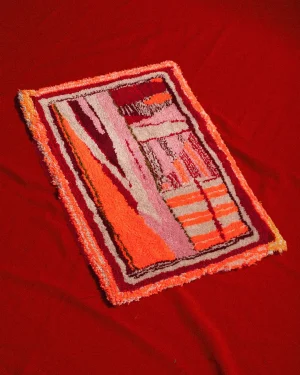 In stock
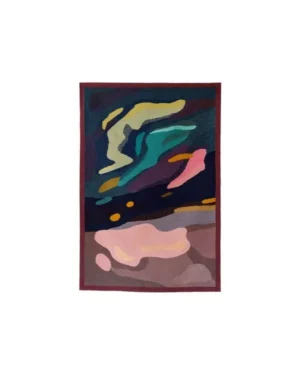
The Neon Rug
By Draken Studio
€100 - €550 This product has multiple variants. The options may be chosen on the product page -
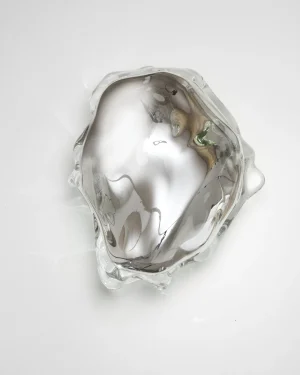
Persona Mirror Sculpture
By MILA ZILA
€2.100 -
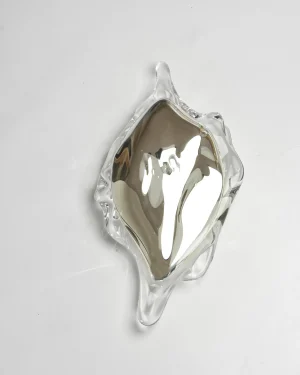
Persona Mirror Sculpture – Small
By MILA ZILA
€1.100 -
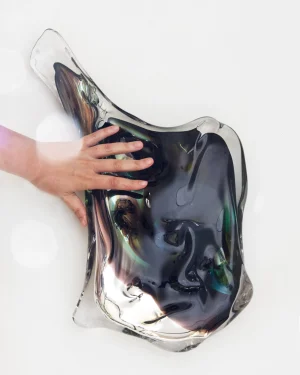
Persona Mirror Sculpture – Multicolour Small
By MILA ZILA
€1.800 -
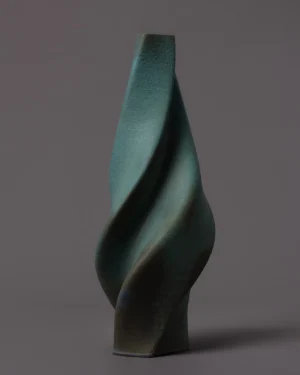
T – 0 1 1 0 – G
By Yiannis Vogdanis
€420 -
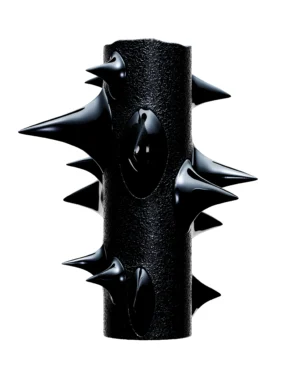
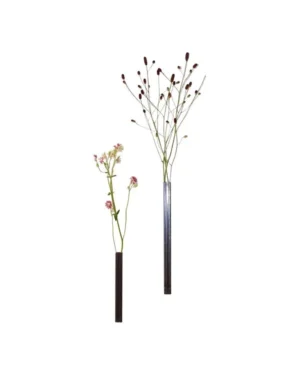
Stem Vase
By Gast Studio
€275 This product has multiple variants. The options may be chosen on the product page -
 In stock
Velvet Praying Carpet
By Boo Design Studio
€155 This product has multiple variants. The options may be chosen on the product page -

Inwards – Black Sculptural Ceramic Vessel
By Catalin Filip
€900 -
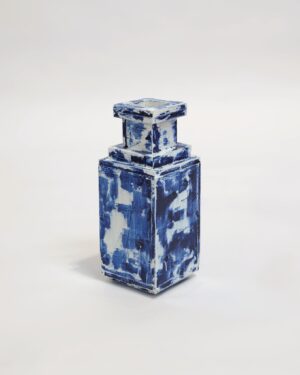 In stock
Common Practice Vase in Upcycled Wood
By Studio Fabius Clovis
€393 -
 In stock
1/2 Ltr Forms – Olive Green Handmade Glass Object
By Vogel Studio
€100 -
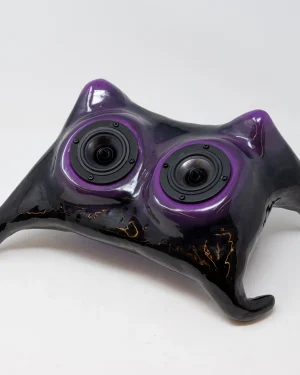 In stock
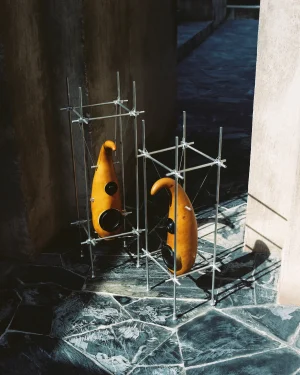
Gummy Bluetooth Speaker
By Voidfill Studio
€1.450 -
 In stock
Wua-g I Speakers
By POL AGUSTI
€7.400 -
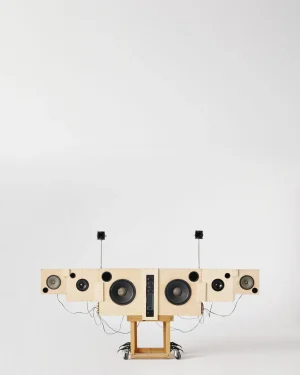
S.S Series, Sound System 01
By Lucas Muñoz Muñoz
€24.000
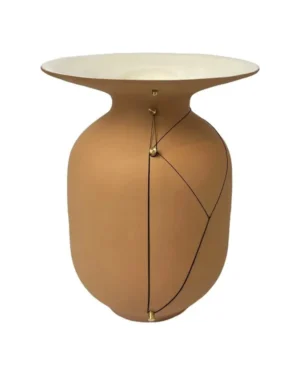
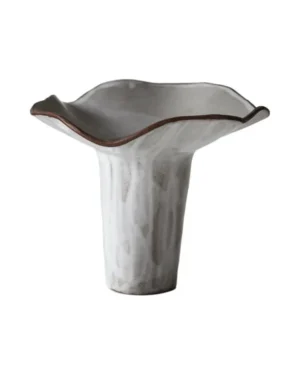
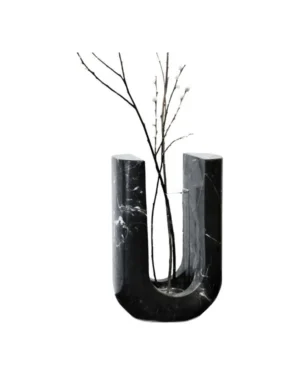
Eclectic decor brings together pieces that refuse a single pedigree: glass next to glazed ceramic, brass next to chrome, a wheel-thrown bowl beside a cast or hand-built object. Studios working this way mix material, color and reference on purpose, and the result reads as personality rather than a matching set. What holds it together is not uniformity but intention, each piece chosen for its own weight, sheen or color, then set against pieces unlike it.
What makes decor read as eclectic
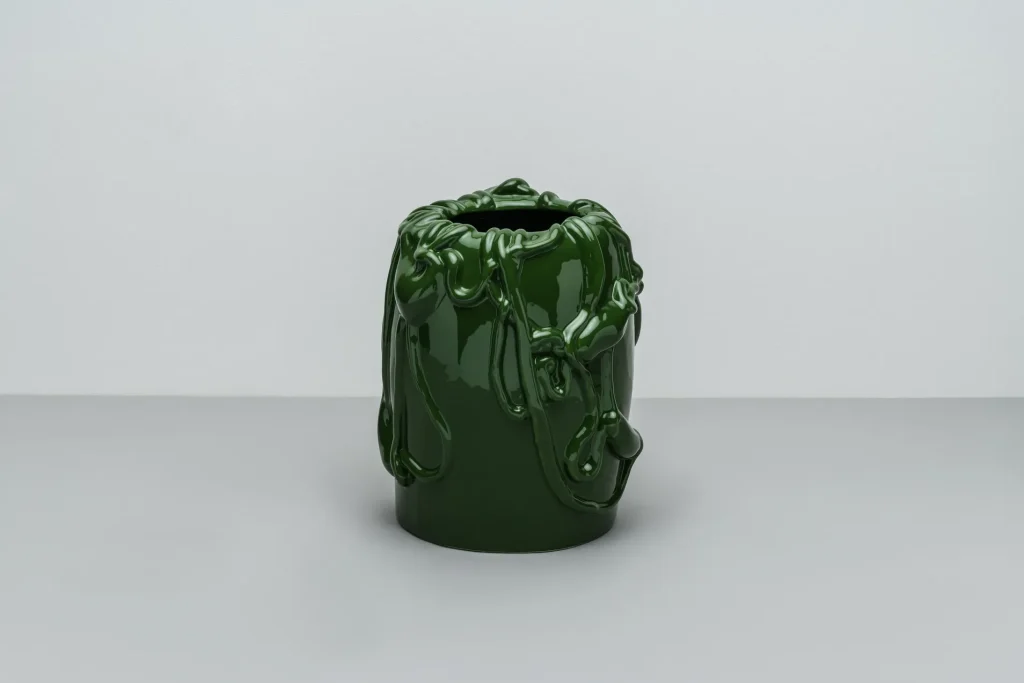
Eclectic pieces tend to pair unlike materials and finishes within the same room, sometimes within the same vignette: a clear glass vessel, a bronze object with a dull patina, a glazed clay form in off-white or pink. Styles borrow freely from Art Deco's geometry, Boho Chic's texture, Neo-Industrial's rawness, even Maximalism's refusal to edit. The thread is contrast handled with care, not accumulation for its own sake.
Materials, finishes and techniques found here
The range changes as studios and pieces turn over, but certain materials and ways of making recur. Glass appears blown, cast or cold worked, sometimes clear, sometimes colored blue or green. Clay and ceramic pieces are wheel thrown or hand-built, then glazed in black, silver, off-white or pink. Brass, chrome and other metals are shaped through metalwork, left polished or allowed to carry a bronze cast. Textilework shows up in softer accent objects that balance the harder materials around them.
- Glassblowing and glass casting for vessels, bowls and sculptural forms
- Wheel throwing and hand-building for ceramic and clay objects, finished in glaze
- Metalwork across brass, chrome and other metals, polished or patinated
- Open editions, limited editions and unique pieces, depending on the maker and technique
Some pieces come from open editions, made as needed in consistent form. Others are limited editions or unique, the kind of outcome that follows from hand-building, casting or glassblowing where no two results are identical. Where a piece is one of a kind, that comes from the making process itself, not from a marketing claim.
How to choose a piece that holds its own
Scale first: an eclectic room absorbs more visual information than a restrained one, so a small object can disappear next to louder neighbors, while an oversized piece can tip a shelf into clutter. Weigh finish against the materials already in the room, a matte glaze against a polished chrome base, a cast bronze against clear glass, so each piece reads as a deliberate contrast rather than noise. Height and placement matter on a shelf or console, where staggered heights let glass, ceramic and metal catch light differently rather than competing for the same sightline.
Where these pieces sit in a room
Eclectic objects suit rooms built for display as much as use: a living room console, a dining sideboard, an entryway table where a visitor's eye lands first. They also work as the one unexpected note in an otherwise quiet room, a single glazed vessel or brass object doing the work that a whole shelf of matching pieces cannot. Pair them with furniture and lighting in the same spirit, available as eclectic furniture, eclectic lighting and eclectic seating.
Caring for mixed materials
Glass wants a soft cloth and nothing abrasive, since cold-worked edges and blown walls scratch more easily than they look. Glazed ceramic resists stains better than raw clay but still chips on hard contact, so handle it the way you would any fired piece. Brass and chrome develop their own history: brass dulls and can be polished back, chrome stays brighter with regular wiping, and either one can be left to age if a bronze-like patina suits the room.
For the full range of material and color options within this style, see every eclectic piece on ADORNO, or step back to all decor and all accessories to compare against contemporary, minimalist or black decor elsewhere on the site.
How do I choose eclectic decor pieces that work together?
Pick one material or color to repeat across pieces, then let shapes and styles vary freely. Mixing glass, ceramic, and metal works if a common tone or finish ties them back to the room.
What materials are eclectic decor pieces usually made from?
Glass, clay, brass, and ceramic appear most often, sometimes finished with glaze or chrome. Techniques range from glassblowing and wheel throwing to metalwork and hand-building.
How do I care for mixed-material decor pieces?
Dust glass and ceramic with a soft cloth, keep metal and chrome dry to avoid tarnish, and wipe glaze with a damp cloth only. Avoid harsh chemicals on painted or patinated surfaces.
What size decor pieces suit an eclectic display?
Vary scale rather than matching it, grouping a taller piece with smaller objects to build height and rhythm on a shelf, console, or sideboard.
Which rooms suit eclectic decor best?
Living rooms, entryways, and dining spaces take well to eclectic decor, where layered objects on open surfaces catch the eye without crowding daily use.
What happens if I need to return or ship a piece?
Shipping is insured and worldwide. Returns are accepted within 14 days, except on made-to-order pieces, and every piece arrives with a certificate of authenticity.