



-
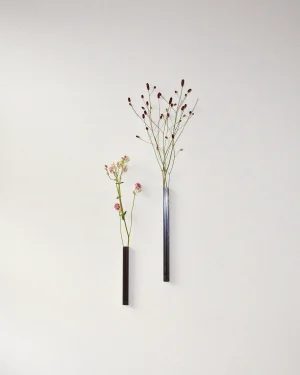
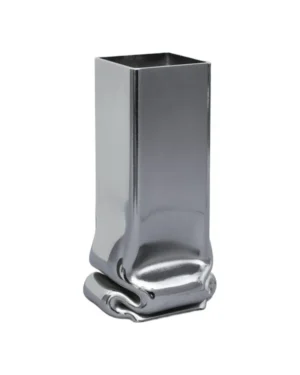
Dahlia – Steel Wall Vase
By Atelier Alz
€40 - €48 This product has multiple variants. The options may be chosen on the product page -
 In stock
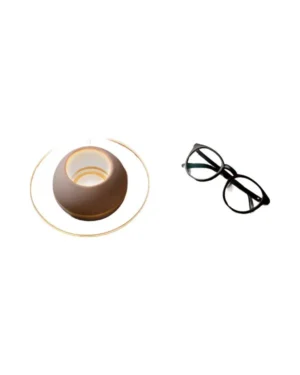
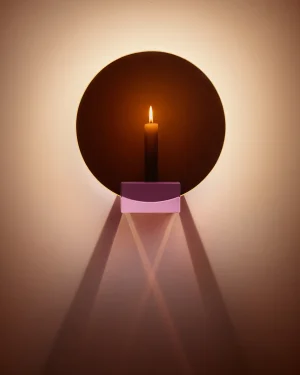
Spegla Wall Edition – Mirror & Candle Holder In Crystal Glass And Half-transparent Mirror
By Jochen Lavéno Mangelsdorff Studio & Objects
€345 - €395 This product has multiple variants. The options may be chosen on the product page -
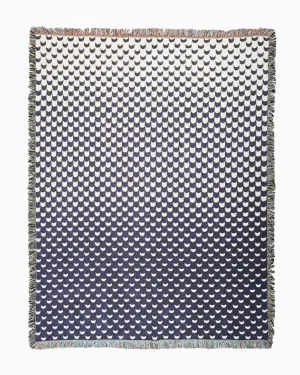
Escheresque Blue
By Ishraq Zraikat
€225 -
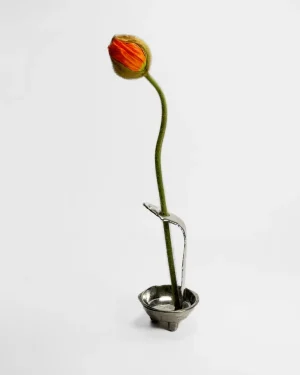
Favorite Vase
By Studio Formbart
€224 -

Float Mirror Black #b_31 in Liquid Silver and Glass
By Studio Speculo
€465 -
 In stock
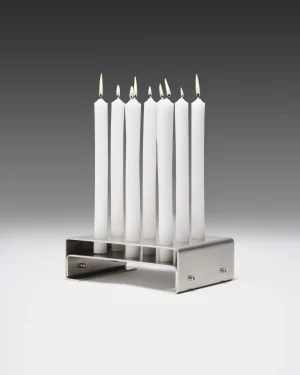
Burning Wing Candleholder
By Obscure Objects
€122 -
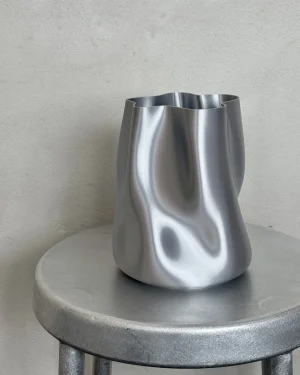
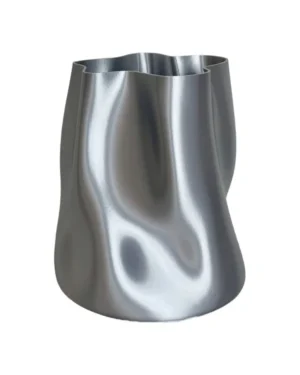
Wavy Vase
By julius.works
€70 -
 In stock
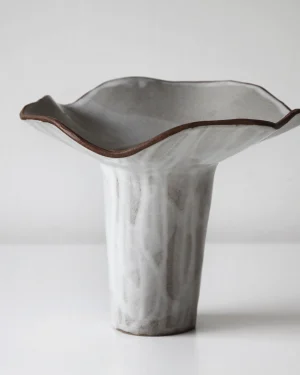
Floral Study I: White Bloom
By Elena Yakimushkina
€350 -

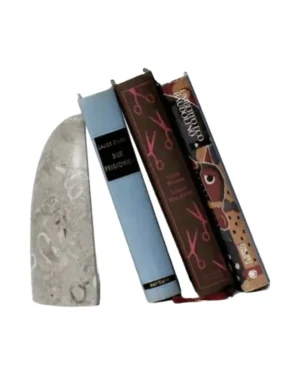
Slant Book Stand – Marble, Brass and Oak Wood
By VAUST Studio
€6.600 -
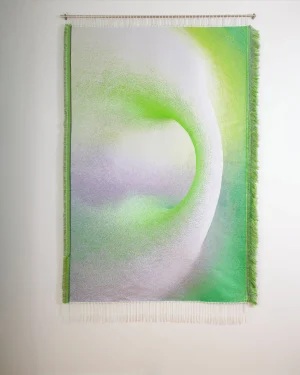
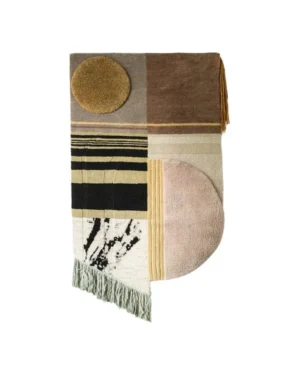
Light Mode 280 — Modern Foliage | Jacquard Woven Tapestry
By Lucas Gutierrez Studio
€5.850 -
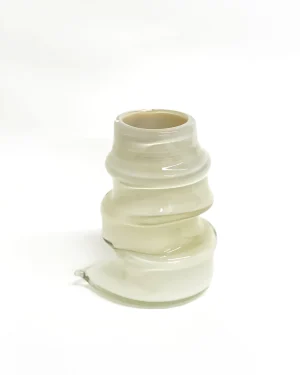
Deflated Glass Vase
By Sticky Glass
€326 This product has multiple variants. The options may be chosen on the product page -
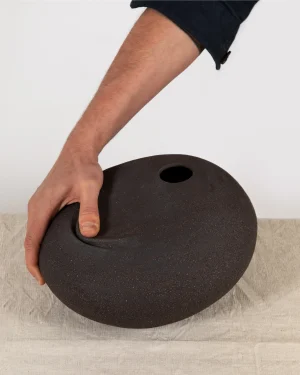
Movement Phase 3 – Black Sculptural Ceramic Vessel
By Catalin Filip
€600 -
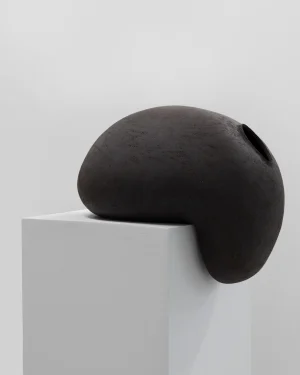
Movement Phase 1 – Black Sculptural Ceramic Vessel
By Catalin Filip
€1.350 -
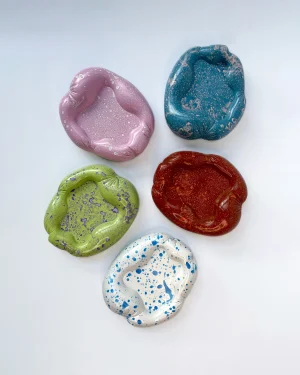
Desktop Swimming Pool – Speckled Jesmonite Tray/catchall
By Craig Barrow
€127 This product has multiple variants. The options may be chosen on the product page -
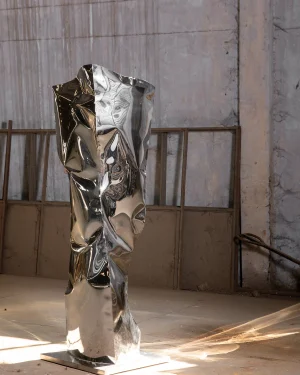
Monolith – Stainless Steel Floor Sculpture
By Nitush and Aroosh
€7.150 -

Ailes Noir – Sculptural Vessel
By Lucia Mondadori
€688 -

Round We Go – Porcelain Vase Small
By Liquid Void Studio
€45 -
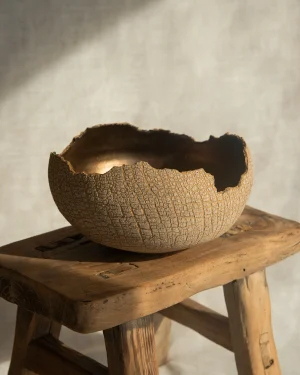
Distressed Sandstone Ikebana Vessel No.1
By Alex Roby Design
€288 -
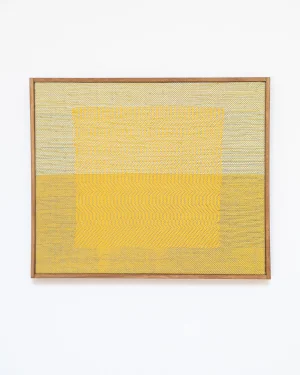
Bandiera N° 20 – Hand-woven Wall Art
By Susanna Costantini
€950 -
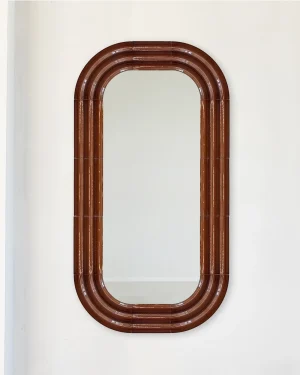 In stock
Elo Mirror 150×80 Cm – Hand Glazed Ceramic
By Pani Jurek STUDIO
€2.135 This product has multiple variants. The options may be chosen on the product page -
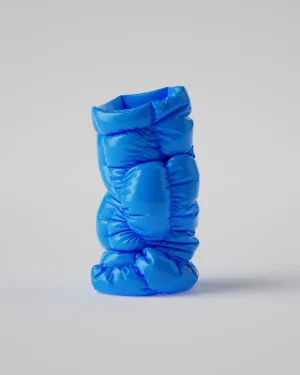
Puffer Vase Ii – Abs Plastic
By Gast Studio
€286 - €345 This product has multiple variants. The options may be chosen on the product page -
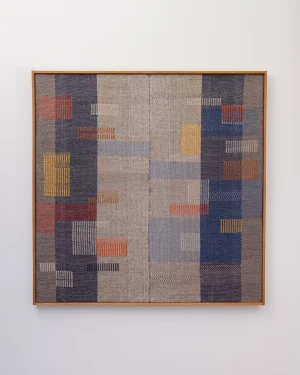
Spigolatura N°61 – Handwoven Wall Art
By Susanna Costantini
€1.800 -
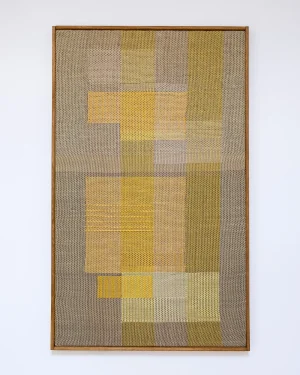
Spigolatura N°68 – Handwoven Wall Art
By Susanna Costantini
€1.200 -
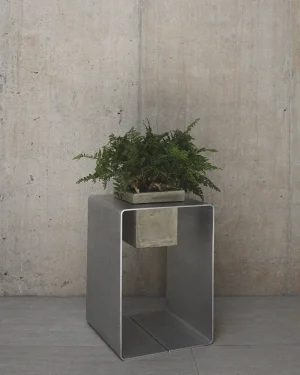
ST001-02 Side Table in Stainless Steel and Concrete
By NAVE
€990 -
 In stock
Elo Mirror 60×90 Cm – Hand Glazed Ceramic
By Pani Jurek STUDIO
€1.070 This product has multiple variants. The options may be chosen on the product page -
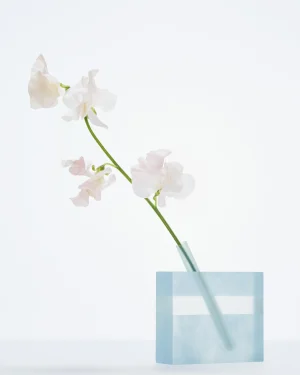 In stock
Opaque Weight – Vase 1p
By Sangwoo Son
€200 This product has multiple variants. The options may be chosen on the product page -
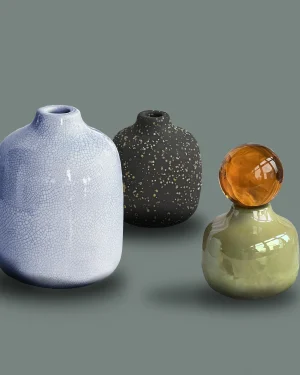
Set 1 With 3 Medium-sized Viie Vases 2.0
By STUDIO BERG
€157 -
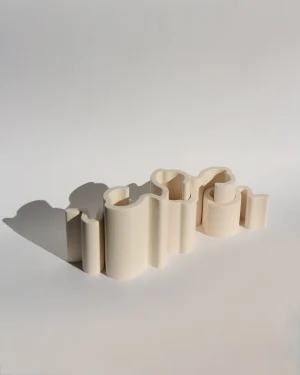 In stock
Ana-gram Kit 4 – Modular Candleholder
By Errance.
€114 -

Axis – Vase
By Anoe Melliou
€31 - €36 This product has multiple variants. The options may be chosen on the product page -

Estudi 01 – Vase
By Pierre Klein
€190 -
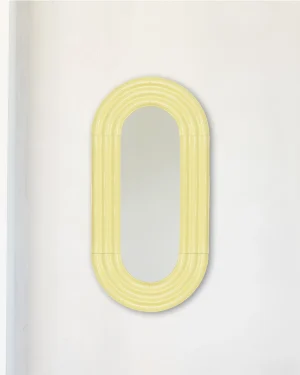 In stock
Elo Mirror 120×60 Cm – Hand Glazed Ceramic
By Pani Jurek STUDIO
€1.360 This product has multiple variants. The options may be chosen on the product page -

Inwards – Black Sculptural Ceramic Vessel
By Catalin Filip
€900 -
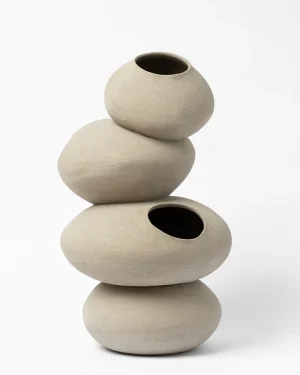 In stock
Kho Sculpture No. 4
By Od Studio
€1.280 -
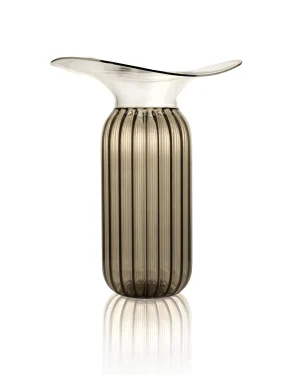 In stock
Tosca L – Vase
By KANZ
€299 -
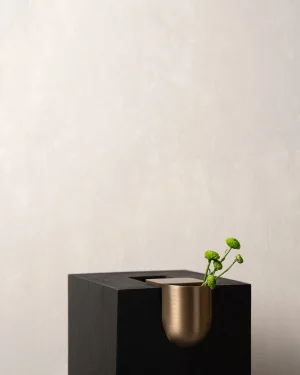
Bookcase Vase – Small
By MANUHITA
€215 -
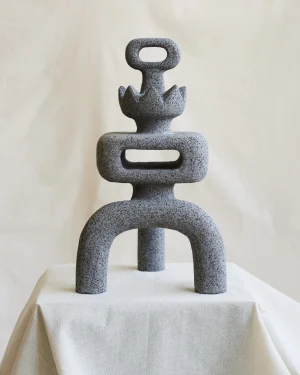
Artefacto Volcán Ls 16
By LØRDAG & SØNDAG
€825 -
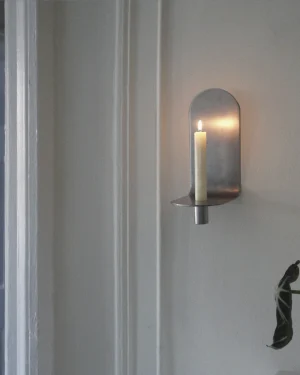
Wch001-11 Stainless Steel Candleholder
By NAVE
€160 -
 In stock
Elo Mirror 60×60 Cm – Hand Glazed Ceramic
By Pani Jurek STUDIO
€815 This product has multiple variants. The options may be chosen on the product page -
 In stock
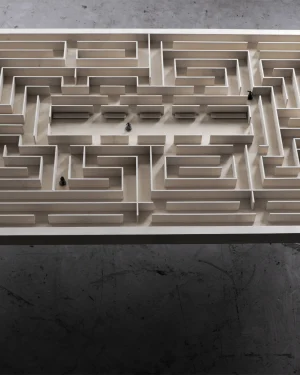
Labyrinth Table
By Benjamin Nordsmark
€9.000 -
 In stock
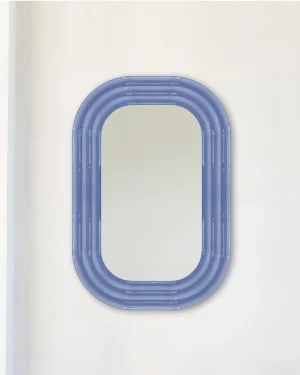
Elo Mirror 120×80 Cm – Hand Glazed Ceramic
By Pani Jurek STUDIO
€1.730 This product has multiple variants. The options may be chosen on the product page -

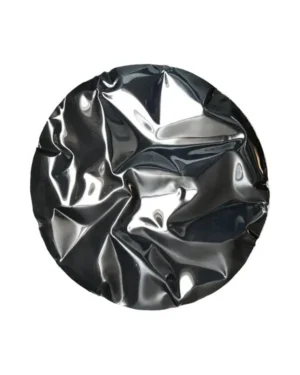
“lago” Wall Mirror | Liquid Metal
By Giselle Vanessa Johnson
€3.900 -

Mush Brown, Glass Vase
By Juliana Maurer
€832 -
 In stock
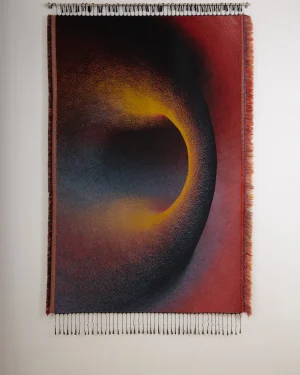
Original — Hue Foundation | Jacquard Woven Tapestry
By Lucas Gutierrez Studio
€5.850 -
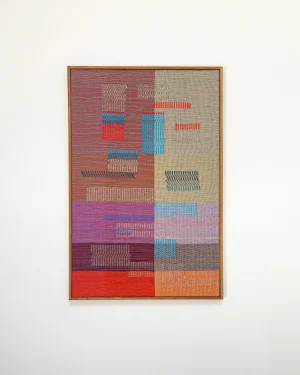
Spigolatura N°54 – Handwoven Wall Art
By Susanna Costantini
€1.550 -
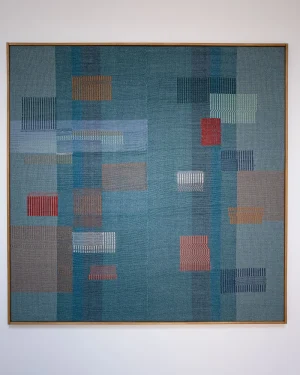
Spigolatura N°62 – Handwoven Wall Art
By Susanna Costantini
€1.800 -
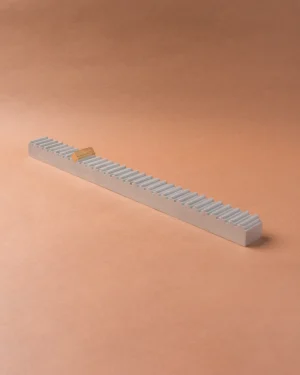 In stock
Arch Aluminum Calendar
By Boo Design Studio
€172 -
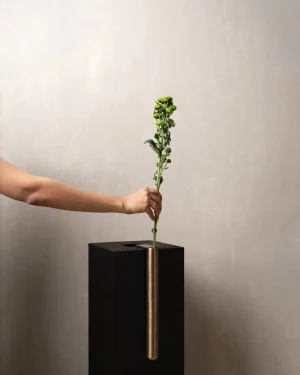
Bookcase Vase – Medium
By MANUHITA
€235 -

Bobulate Vase V2
By Rollo Studio
€450 -
 In stock
Glass Flower Organic Bouquet
By PIA GLASSWORKS
€1.000 -
 In stock
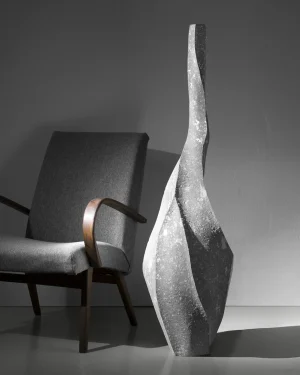
Solid Gray Stone Tall Floor Vase – Skew Series In Cast Stone By Donatas Zukauskas
By Donatas Žukauskas
€2.450 -
 In stock
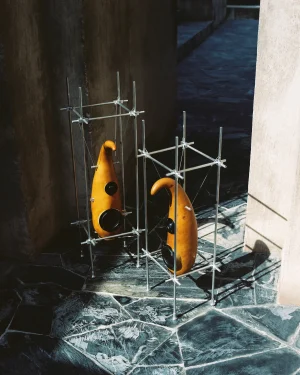
Wua-g I Speakers
By POL AGUSTI
€7.400 -
 In stock
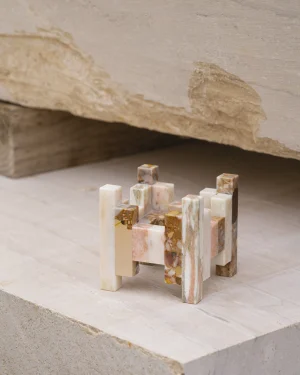
Strata – Flower Vase – Staggered Pink
By Iyo Hasegawa
€930 -
 In stock
Trace/s – Leather Vessel
By LUVATON studio
€2.550 -

Rebloom – Leather Vessel
By LUVATON studio
€2.150
Contemporary decor on ADORNO gathers glazed stoneware, cast metal, and blown or cold-worked glass into objects built for daily rooms rather than display cases alone. Studios working in these materials favor clean lines, restrained palettes, and forms that state their function plainly, whether that's a bowl, a vase, or a small sculptural object. What unites the range is less a single look than a shared discipline: material handled honestly, finish left to speak for itself.
What defines contemporary decor
Contemporary, as a style, pulls from minimalist and mid-century habits of thought without quoting either directly. Surfaces tend toward neutral or saturated solids, black, off-white, bronze, amber, green, rather than pattern. Silhouettes stay legible: a vessel reads as a vessel, a tray as a tray, with ornament kept to the edge of the form or left out entirely.
This restraint puts weight on material behavior. Glaze pools and thins in ways that mark each firing. Cast metal holds crisp edges where glass softens them. Blown glass carries faint asymmetries that cold working can true up or leave visible, depending on the maker's intent.
Materials, finishes, and techniques found here
Stoneware and other clays arrive hand-built or thrown, then glazed in mattes or glosses that range from chalky off-white to deep bronze and green. Metal pieces lean on casting and patination, steel and stainless steel for sharp, cool surfaces, chrome and bronze for ones that catch light and shift color as oxidation sets in over years. Glass work spans blowing and cold working, sometimes glass casting, giving amber, silver, or multicolor pieces that range from dense and opaque to clear.
- Clay and ceramic: hand-built or thrown, finished in glaze
- Metal: steel, stainless steel, chrome, and bronze, cast and patinated
- Glass: blown or cast, then cold worked for edges and surface
Most pieces come as open editions, repeatable within a studio's practice, while some surface as unique pieces, each one bearing the small variations that hand glazing, casting, or glassblowing leave behind. Framing one-off decorative objects as singular from the outset keeps that distinction clear when choosing between a repeatable form and a one-of-a-kind.
How to choose a piece
Scale against the surface it will sit on first: a console or sideboard can carry a taller vessel or a grouped pair, while a side table asks for something low enough not to block sightlines. Weight matters too, cast metal and dense stoneware anchor a shelf against vibration from foot traffic, where blown glass wants a quieter spot.
Finish should answer the room's light. Matte glaze and brushed steel absorb light and suit rooms already bright with natural sun, while chrome, bronze, and polished glass throw it back and can brighten a dimmer corner. Color then follows: black and off-white hold steady against most palettes, while amber or green glass asks to be placed where it gets backlight.
Where these pieces work
Living rooms and entryways take well to larger ceramic or metal forms on consoles, where the piece reads from across the room. Bedrooms and studies suit smaller glass or ceramic objects on a nightstand or shelf, close enough to study their surface. Dining spaces benefit from metal trays or bowls that double as function alongside display.
For rooms built around a broader contemporary scheme, pairing decor with contemporary lighting or contemporary seating keeps material language consistent from floor to shelf.
Care by material
Glazed stoneware wants a damp cloth and mild soap; avoid abrasives that can dull the glaze or expose the clay body underneath. Metal pieces, especially those left to patinate, should stay dry and away from harsh cleaners that strip the oxidized layer intentionally built into the finish. Glass takes a soft cloth and standard glass cleaner, with cold-worked edges wiped rather than scrubbed to protect their matte texture.
Across all three materials, direct heat and sudden temperature swings cause more damage than daily handling, so keep pieces clear of radiators and sun-baked windowsills. For a wider view of what else sits within this style, the full range of contemporary design on ADORNO spans lighting, furniture, and accessories beyond decor, while decor overall covers the other styles and materials alongside it.
How do I choose a contemporary decor piece?
Look for clean lines, neutral or restrained color, and a shape that reads calm rather than busy. Pair glazed ceramic or glass with metal accents for contrast without clutter.
What materials are used and how do I care for them?
Stoneware and ceramic need a dry cloth and no harsh cleaners; glass benefits from a soft cloth and no abrasive sponges. Steel, chrome and stainless steel wipe clean and resist tarnishing with regular dusting.
What size decor piece should I choose for my space?
Scale depends on the surface: a console or sideboard carries larger objects well, while a shelf or side table suits smaller, lighter pieces. Leave breathing room rather than crowding a surface.
Which rooms suit contemporary decor?
Living rooms, entryways and dining spaces all take well to contemporary decor, since clean forms sit easily alongside existing furniture. Bedrooms and studies work too, where a single object can anchor a room.
Does ADORNO offer worldwide shipping and returns?
Shipping is insured and worldwide. Returns are accepted within 14 days, though made-to-order pieces are excluded.
How do I know a piece is authentic, and can I ask about customization?
Every piece comes with a certificate of authenticity, and ADORNO offers a lowest-price guarantee. For customization or specifics, use Chat with the maker on the piece's page.