


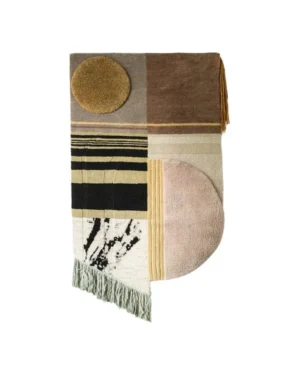
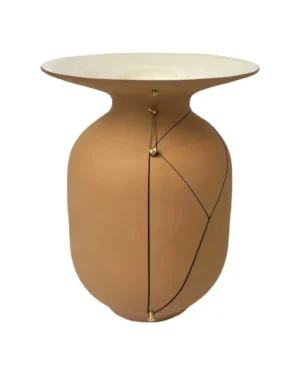
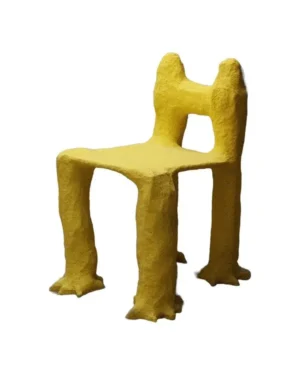
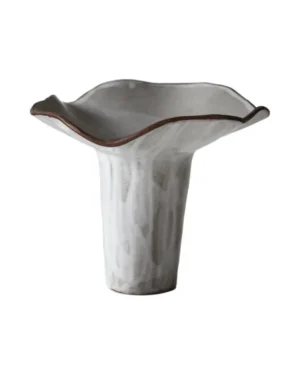

-
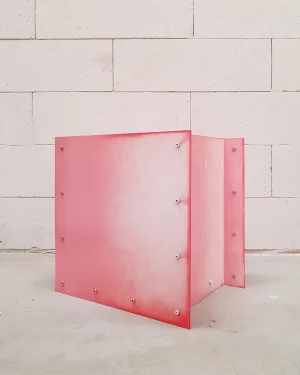 In stock
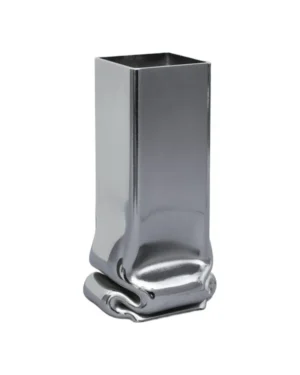
Iron And Steel Life Cabin Vase D
By TUNK I Busra Tunc
€220 -
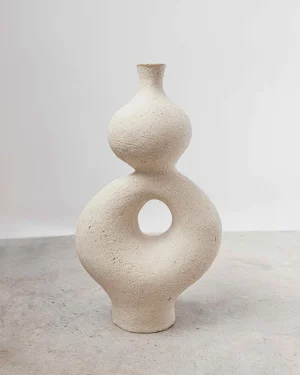
Ava Flora – Stoneware Vessel
By Lucia Mondadori
€543 -
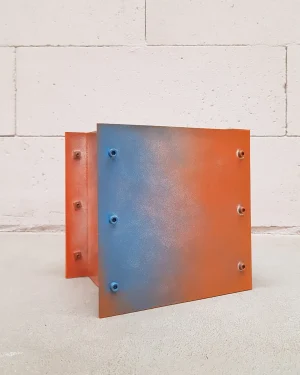 In stock
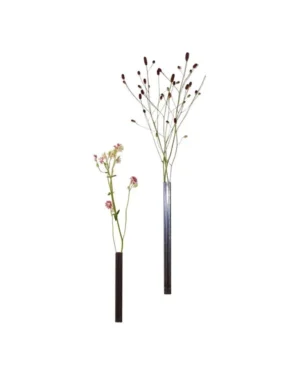
Iron And Steel Life Cabin Vase A
By TUNK I Busra Tunc
€140 -
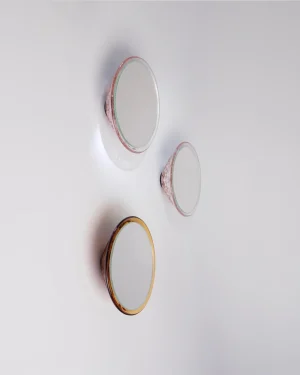 In stock
“set Saturn 155a Ppa” Vintage Wall Mirrors
By Andreas Berlin
€690 -
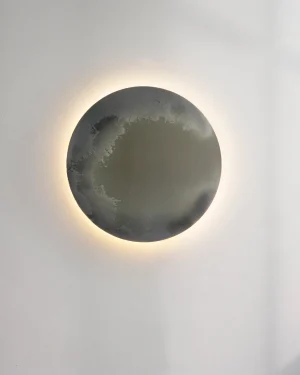 In stock
Moon Mirror Light
By Anne Nowak
€1.140 -
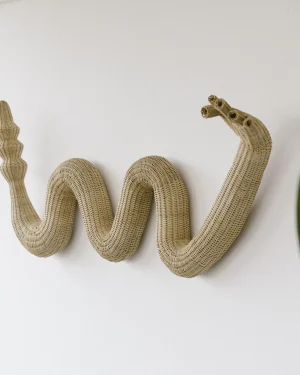
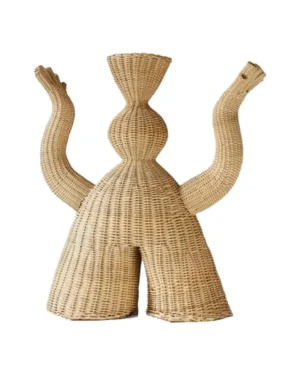
Artefacto Serpiente Ii – Woven Wicker Fiber Wall Sculpture
By LØRDAG & SØNDAG
€750 -
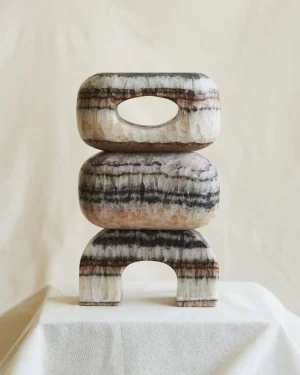
Artefacto Mármol Ls 01
By LØRDAG & SØNDAG
€900 This product has multiple variants. The options may be chosen on the product page -
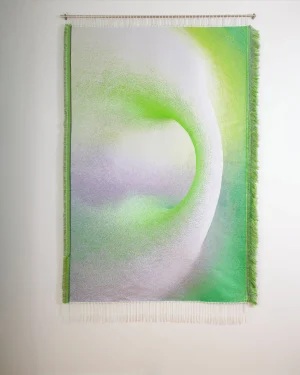
Light Mode 280 — Modern Foliage | Jacquard Woven Tapestry
By Lucas Gutierrez Studio
€5.850 -
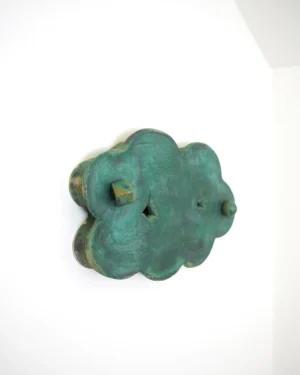
Green Cloud – Ceramic Wall Sculpture
By Isabella Artale
€250 -

Spigolatura N°48 – Handwoven Wall Art
By Susanna Costantini
€1.180 -
 In stock
Eros Mirror
By Dzovag Kotchian
€860 -
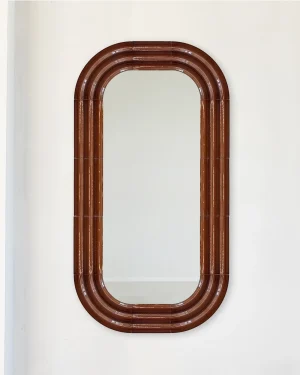 In stock
Elo Mirror 150×80 Cm – Hand Glazed Ceramic
By Pani Jurek STUDIO
€2.135 This product has multiple variants. The options may be chosen on the product page -
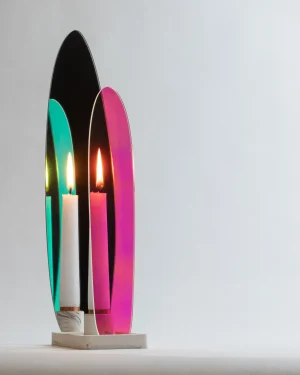 In stock
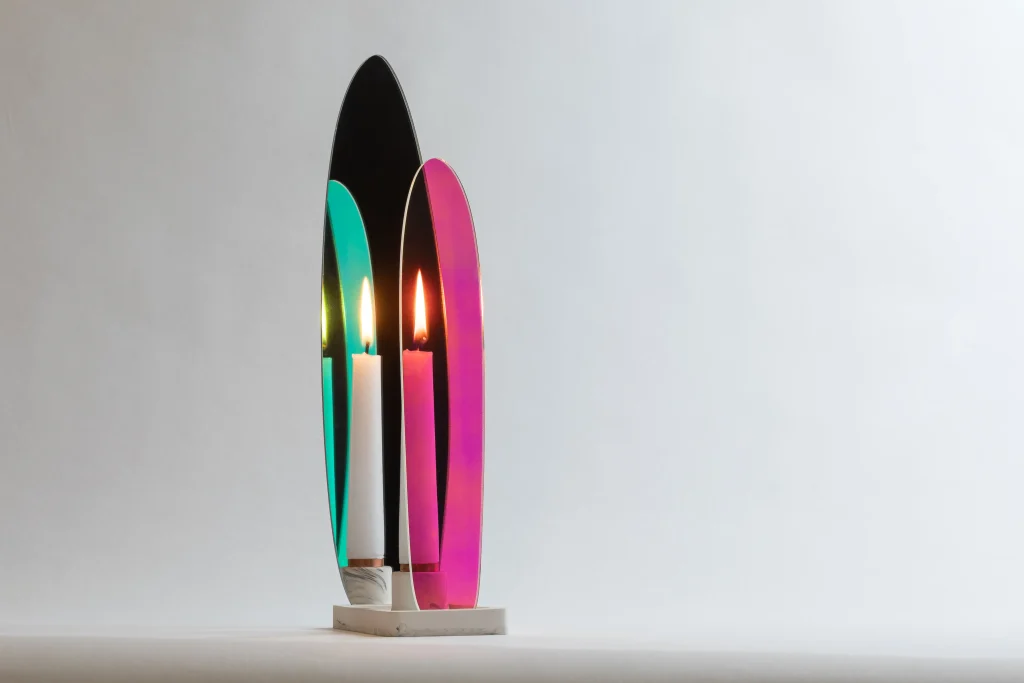
Dichroic Iridescent Candleholder Stick Onnda Flame: Filiform-Pink & Green
By Catrinel Sabaciag
€215 This product has multiple variants. The options may be chosen on the product page -
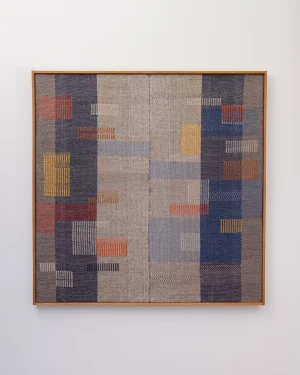
Spigolatura N°61 – Handwoven Wall Art
By Susanna Costantini
€1.800 -
 In stock
Elo Mirror 60×90 Cm – Hand Glazed Ceramic
By Pani Jurek STUDIO
€1.070 This product has multiple variants. The options may be chosen on the product page -

Mirror Perfumer – Handmade Bronze Wall Mirror
By Vogel Studio
€9.075 -
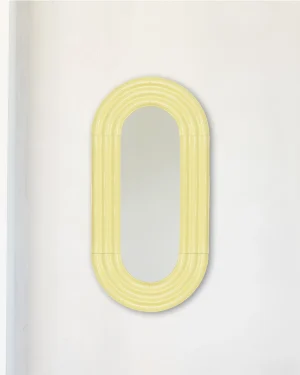 In stock
Elo Mirror 120×60 Cm – Hand Glazed Ceramic
By Pani Jurek STUDIO
€1.360 This product has multiple variants. The options may be chosen on the product page -
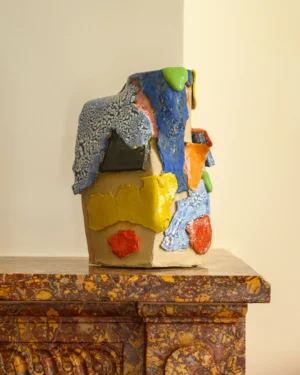 In stock
Estudi 02 – Vase
By Pierre Klein
€400 -
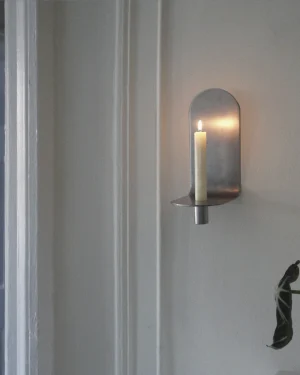
Wch001-11 Stainless Steel Candleholder
By NAVE
€160 -
 In stock
Elo Mirror 60×60 Cm – Hand Glazed Ceramic
By Pani Jurek STUDIO
€815 This product has multiple variants. The options may be chosen on the product page -
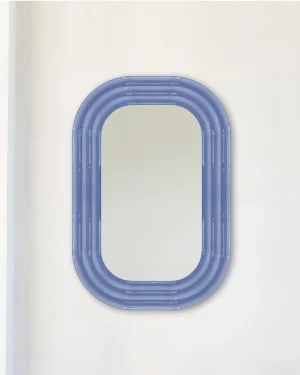 In stock
Elo Mirror 120×80 Cm – Hand Glazed Ceramic
By Pani Jurek STUDIO
€1.730 This product has multiple variants. The options may be chosen on the product page -
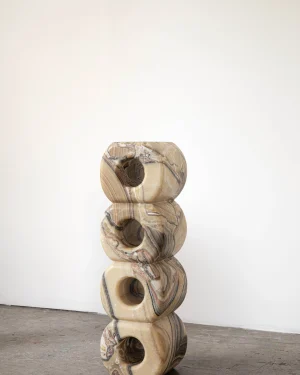 In stock
Roma Stone Totem
By Studio Ayres
€2.348 -
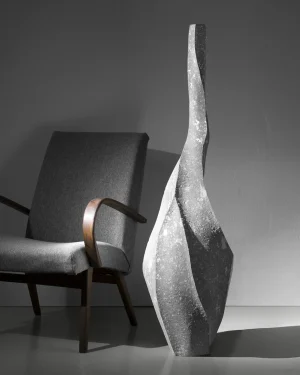 In stock
Solid Gray Stone Tall Floor Vase – Skew Series In Cast Stone By Donatas Zukauskas
By Donatas Žukauskas
€2.450 -
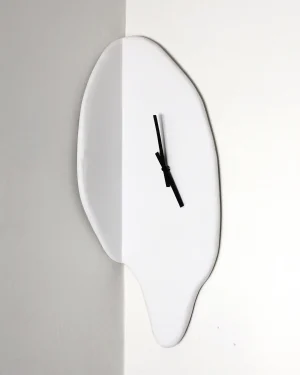
Corner Wooden Clock
By Dace Sūna
€1.500 -
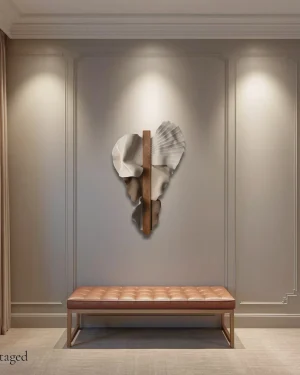
Abundance Wall Sculpture | Toffee · Studio Series ·
By Studio Ēeme
€3.565 -
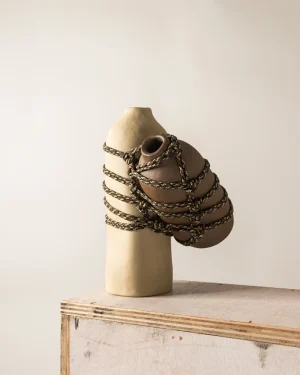 In stock
Bond Ceramic Vase
By Huillet Lucas
€625 - €849 This product has multiple variants. The options may be chosen on the product page -
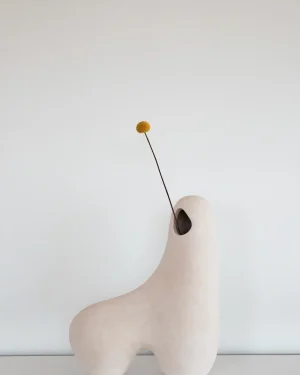
HĒrd 02 Ceramic Vase
By Andrei Clontea STUDIO
€250 -
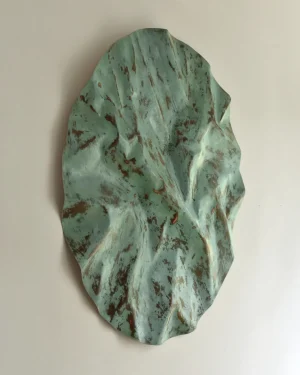
Mar De Cobre – Copper Wall Sculpture
By Aura Carpio®
€2.800 -
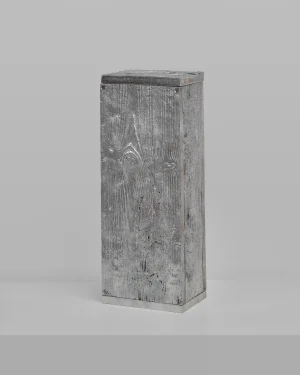 In stock
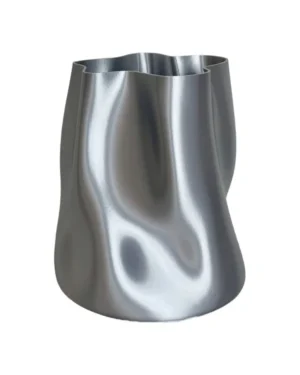
Aluminum Veneer Vase
By Bureau.parso
€540 -
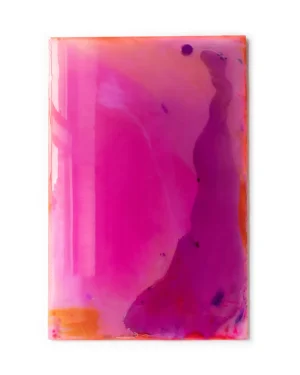 In stock
Beyond Oblivion – Tinted Resin Mirror
By Courtney Kinnare
€4.600 -
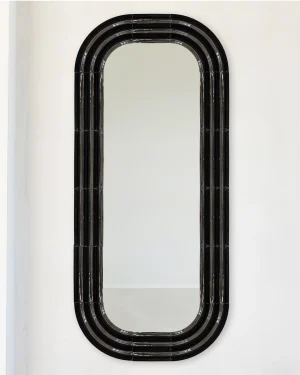 In stock
Elo Mirror 180×80 Cm – Hand Glazed Ceramic
By Pani Jurek STUDIO
€2.540 This product has multiple variants. The options may be chosen on the product page -
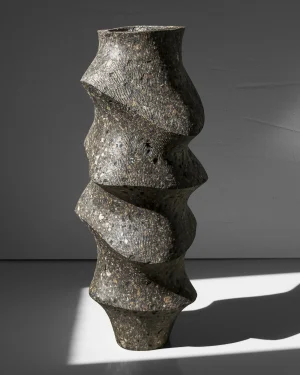
Large Floor Vase, Brutalist Concrete-look Sculpture
By Donatas Žukauskas
€1.450 -
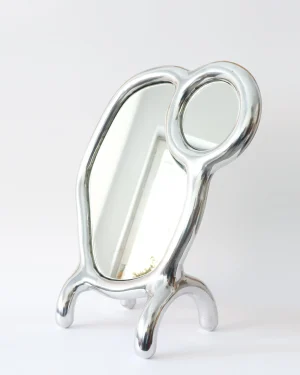 In stock
Mi-rr 13
By Studio Speculo
€1.100 -
 In stock
Toothpaste Mirror
By Ryan Mercer
€1.459 -
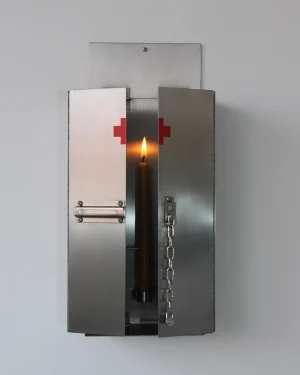
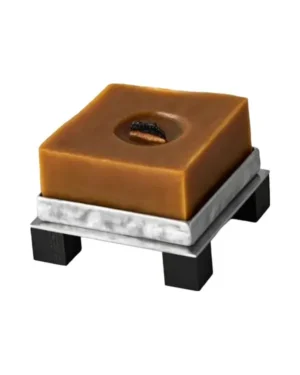
Wax Clock Sculptural Wall Candle Holder
By Panorammma Atelier
€3.600 -
 Sold
SoldArtefacto Bronce Ls 01 – Lost-wax Casted Bronze Sculpture
By LØRDAG & SØNDAG
€1.355 -
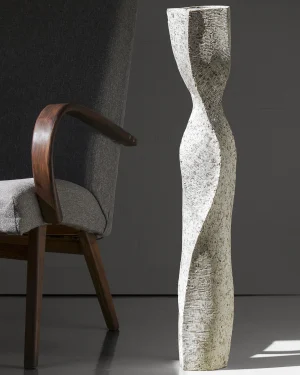
Column Tall Twisted Sculptural Vase, Brutalist Textured Floor Vase
By Donatas Žukauskas
€860 -
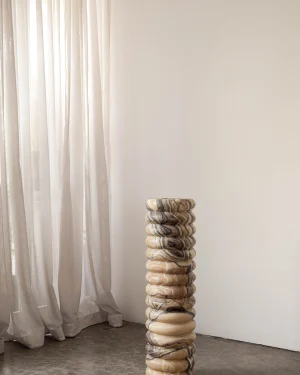 In stock
Antigua Stone Totem
By Studio Ayres
€2.348 -
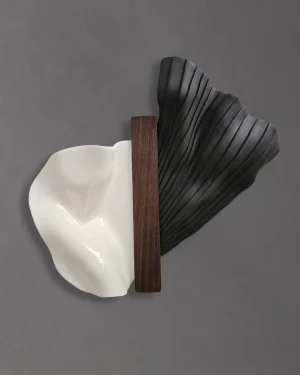
Abundance – Ceramic Wall Sculpture
By Studio Ēeme
€1.135 -
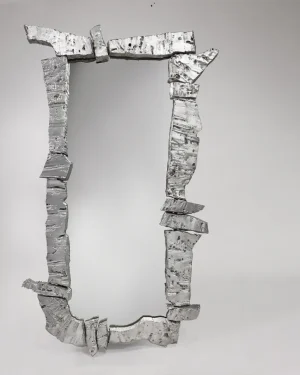 In stock
Insect – Recycled Cast Aluminum Mirror
By BY JAMPS
€2.200 -
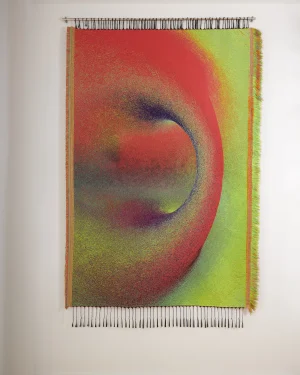
Heat 1 — Tinted Tango | Jacquard Woven Tapestry
By Lucas Gutierrez Studio
€5.850 -
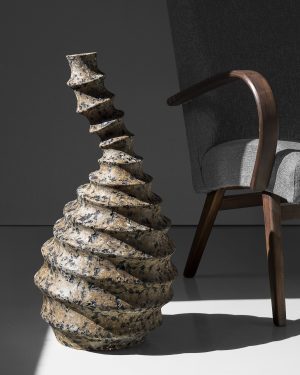
Solid Beige Stone Floor Vase – Erosion Series In Cast Stone By Donatas Zukauskas
By Donatas Žukauskas
€1.450 -
 In stock
La Cauna – Vas 02
By Pierre Klein
€560 -
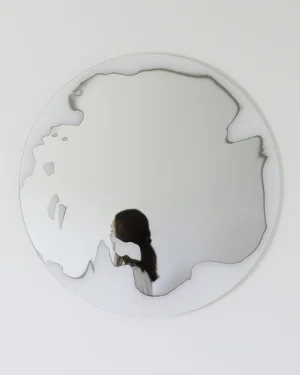
Float Mirror White – Liquid Silver / Glass
By Studio Speculo
€370 -
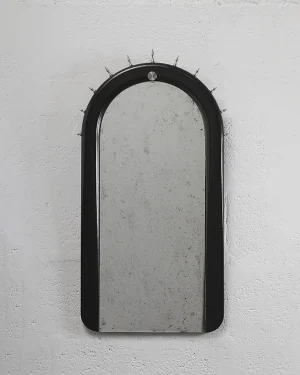 In stock
Sitiera_01 – Solid Wood Wall Mirror With Bronze Or Stainless Steel
By ANDEAN
€1.590 This product has multiple variants. The options may be chosen on the product page -

Spigolatura N°53 – Handwoven Wall Art
By Susanna Costantini
€1.200 -
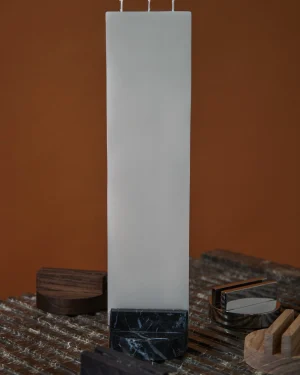 In stock
D E V | Sculptural Candle
By N I S H
€25 -
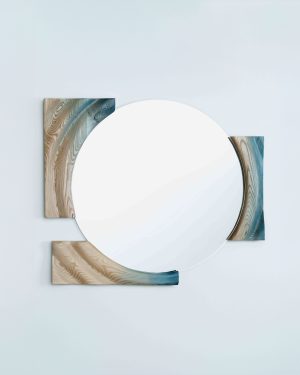 In stock
Blueprint Mirror
By Studio Kloak
€1.800 - €2.600 This product has multiple variants. The options may be chosen on the product page -
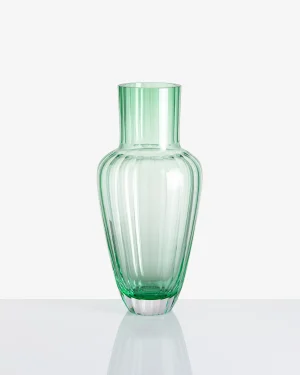 In stock
Garden – Hand Cut Unique – Emerald – Edition Brutalism
By Frantisek Jungvirt
€5.600 -
10% off
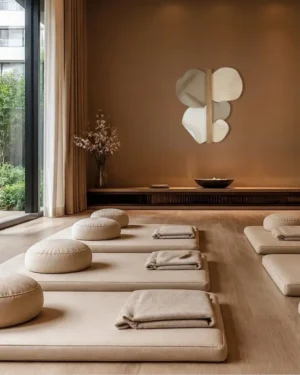
Abundance Wall Sculpture | Toffee · Unique Piece ·
By Studio Ēeme
€3.565€3.209 -

Archa Sculptural Vase — Handmade Archetypal Design Object
By Donatas Žukauskas
€1.450 -
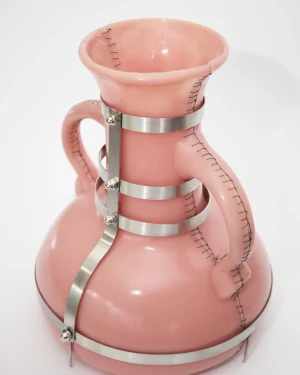
Soft Vase Sculptural Vessel
By Panorammma Atelier
€5.800 -

Fos Deco 08
By Daniel Orozco Estudio
€479 -
 In stock
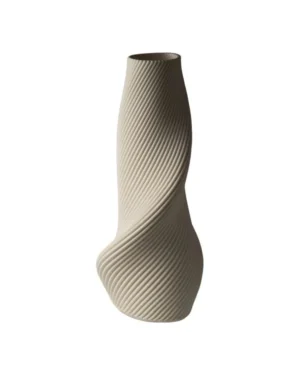
Saturn – Porcelain Vase
By Liquid Void Studio
€125
Hallway decor covers the small-scale pieces, bowls, trays, mirrors, vessels and wall objects, that mark the start of a room without asking for much space. The studios working here turn to stoneware, glass, marble, stone, stainless steel and silver, shaping each material with glazing, hand-building, metalwork, stone carving, weaving, metal casting, resin casting or glass cold working. What they share is scale: objects sized for a console, a shelf, or a narrow wall, where a dining table centerpiece would overwhelm the space.
What defines the material in hallway decor
Stoneware and glazed ceramic carry weight in the hand and take color unevenly, so no two glazed pieces catch light the same way. Marble and other stone bring cool mass and faint veining, and they mark if liquid sits on the surface too long. Glass, mirrorglass and cast resin work the other way, catching light rather than holding it, which is why they read well in corridors that get little daylight. Stainless steel and silver add a harder edge, resisting dents and tarnishing slowly if left ungreased.
The range of finishes, colors and styles
Color in hallway decor runs from black, brown and off-white through cobalt blue, green, beige, silver and multicolor glazes, so a piece can sit quietly against a wall or act as the one bright note in a pale corridor. Style ranges just as widely: Contemporary and Minimalist forms favor plain volumes and a single material, while Art Deco and Space Age pieces lean on polished metal and strong silhouettes, and Boho Chic or Eclectic work mixes texture through weaving or hand-building. Editions vary too, from open runs produced in number to limited editions and unique pieces, where hand-building or stone carving means no two objects finish identically. For glazed or thrown forms specifically, the ceramic decor pieces show the range in more depth, and those working in cast or welded metal sit within metal decor.
Choosing a piece for an entry or corridor
Scale matters more in a hallway than almost anywhere else in the house. A console only a foot or two deep calls for a low bowl or a flat tray rather than a tall vessel that will catch sleeves and bags. Height matters for mirrors and wall-mounted objects too: hang them so the lowest edge sits near eye level, since hallways are rarely viewed sitting down.
- Match the finish to the light: polished metal or mirrorglass for dim corridors, matte stoneware for spaces with a window nearby.
- Keep scale modest where traffic is heavy, and reserve heavier stone or marble pieces for a stable surface, not a narrow shelf.
- Pair cooler materials like steel and marble with warmer wood furniture already in the space, rather than repeating one material throughout.
Care and placement
Stone and marble should be wiped dry and kept away from damp umbrellas or wet keys, since both stain under standing liquid. Glass and mirrorglass need only a soft cloth, while glazed stoneware tolerates regular dusting without special treatment. Stainless steel and silver benefit from an occasional polish to keep their surface even. Beyond the entry, many of the same pieces suit a narrow landing, a reading nook or a guest bathroom shelf, anywhere a small object needs to hold its own without crowding the room. For the fuller range of entryway pieces, including furniture scaled the same way, see hallway furniture, the wider decor category, or everything placed for this room at hallway pieces on ADORNO.
How do I choose hallway decor?
Pick pieces scaled to a narrow space, a mirror or small bowl near the entry, a sculptural object on a console. Stoneware and glass hold up well to daily handling and quick glances.
What material works best for hallway decor?
Stoneware, glass and stone are common, each durable enough for a transitional space with changing light and temperature. Mirrorglass and silver add reflection, useful in hallways with little natural light.
How do I care for hallway decor pieces?
Dust stoneware and glass with a dry or lightly damp cloth, avoiding abrasive cleaners. Marble and stone should be sealed periodically and kept away from standing moisture to prevent staining.
What size should hallway decor be?
Hallways favor slim, low-profile pieces that do not block passage, mirrors sized to the wall above a console, bowls and trays scaled to catch keys or mail without crowding the surface.
Can hallway decor work in other rooms too?
Yes, mirrors, bowls and small sculptural objects move easily between an entryway, a bedroom dresser or a living room shelf, since the scale and material suit more than one setting.
What is ADORNO's shipping and return policy?
Shipping is insured and sent worldwide. Returns are accepted within 14 days, except for made-to-order pieces, and every piece arrives with a certificate of authenticity.