



-
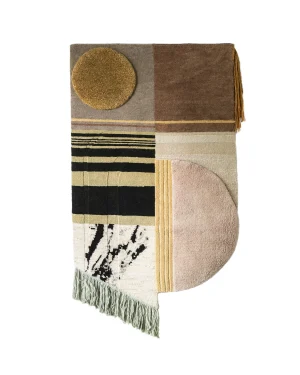
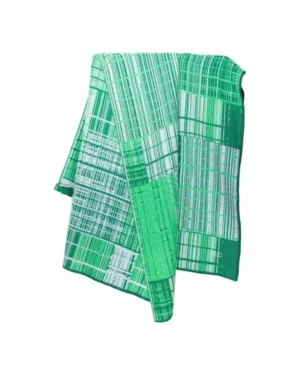
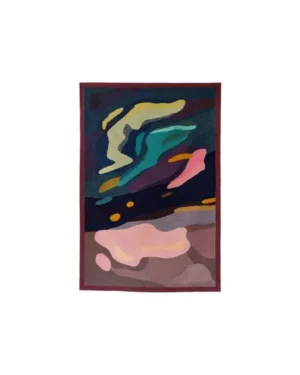
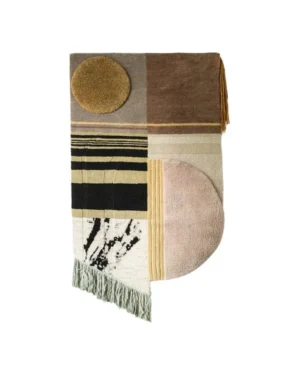
Textile Poster No. 11 – Geometric Tapestry
By Lyk Carpet
€2.674 -
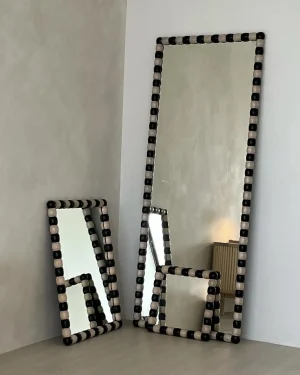
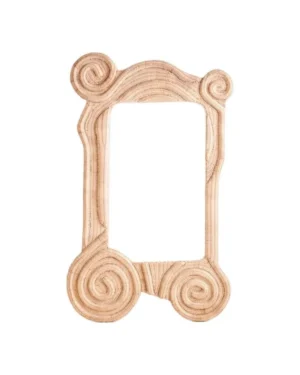
Onde – Two-toned Mirror
By STUDIO KALLANG
€940 - €2.050 This product has multiple variants. The options may be chosen on the product page -
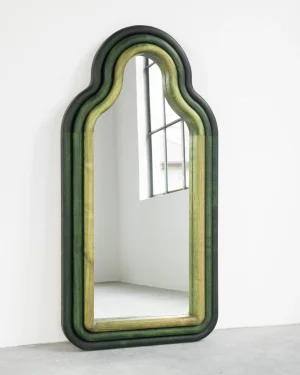
Trn Mirror / Triple / Solid Wood
By Pani Jurek STUDIO
€2.255 This product has multiple variants. The options may be chosen on the product page -
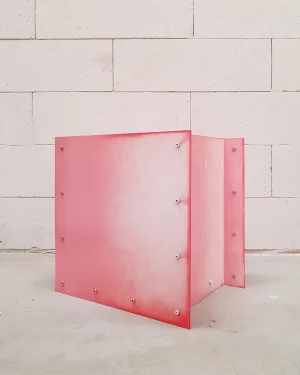 In stock
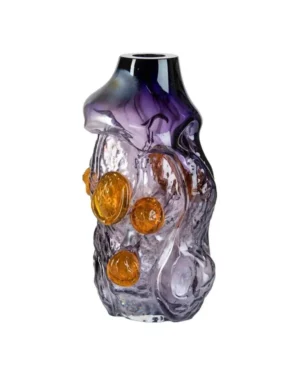
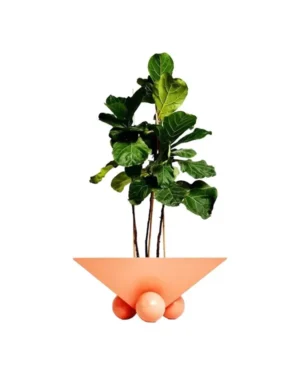
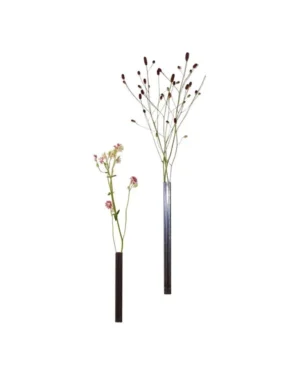
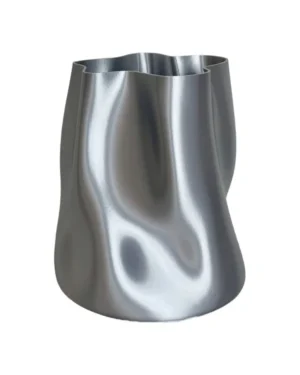
Iron And Steel Life Cabin Vase D
By TUNK I Busra Tunc
€220 -

Trn Mirror / M
By Pani Jurek STUDIO
€1.065 This product has multiple variants. The options may be chosen on the product page -
 In stock
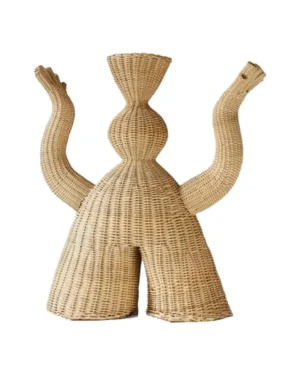
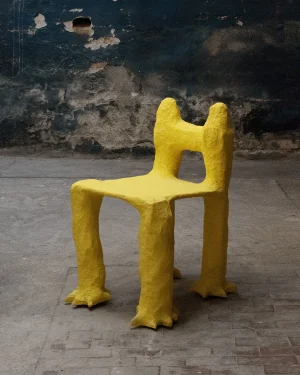
Zampa
By Jonathan Bocca
€2.700 -
 In stock
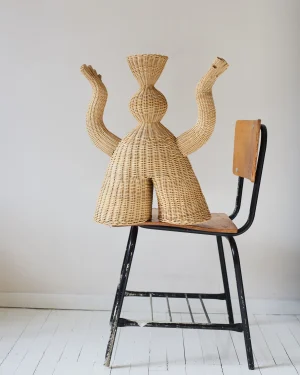
Artefacto Chan Maák Sculpture – Pol & Cab
By LØRDAG & SØNDAG
€655 This product has multiple variants. The options may be chosen on the product page -
 In stock
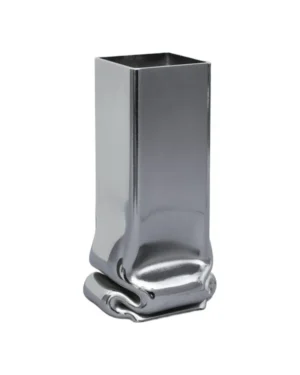
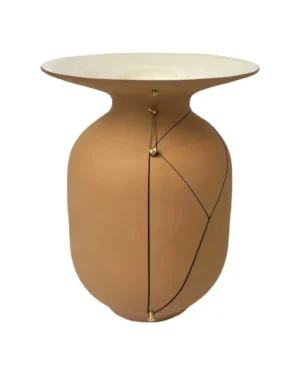
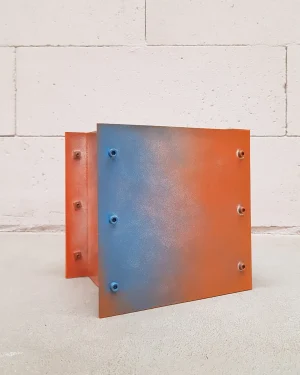
Iron And Steel Life Cabin Vase A
By TUNK I Busra Tunc
€140 -
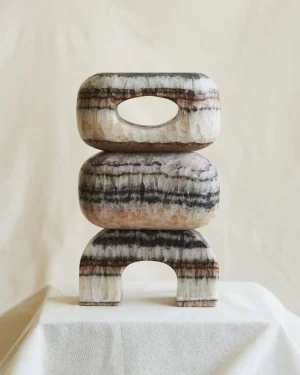
Artefacto Mármol Ls 01
By LØRDAG & SØNDAG
€900 This product has multiple variants. The options may be chosen on the product page -

Spigolatura N°48 – Handwoven Wall Art
By Susanna Costantini
€1.180 -

Terrae N°1 – Handwoven Wall Decoration
By Susanna Costantini
€910 -
 In stock
Eros Mirror
By Dzovag Kotchian
€860 -
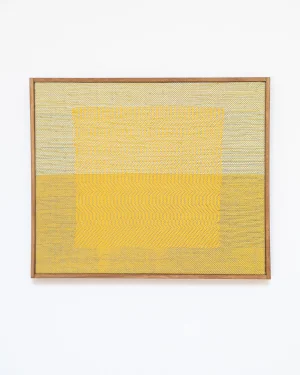
Bandiera N° 20 – Hand-woven Wall Art
By Susanna Costantini
€950 -
 In stock
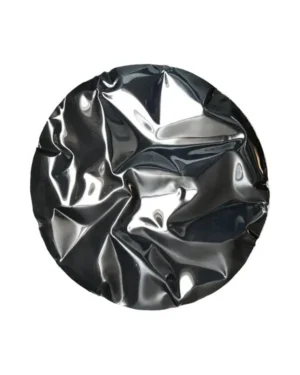
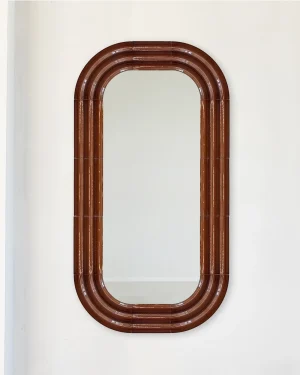
Ramé – Stainless Steel Wall Sculpture
By Nitush and Aroosh
€2.500 This product has multiple variants. The options may be chosen on the product page -
 In stock
Elo Mirror 150×80 Cm – Hand Glazed Ceramic
By Pani Jurek STUDIO
€2.135 This product has multiple variants. The options may be chosen on the product page -
 In stock
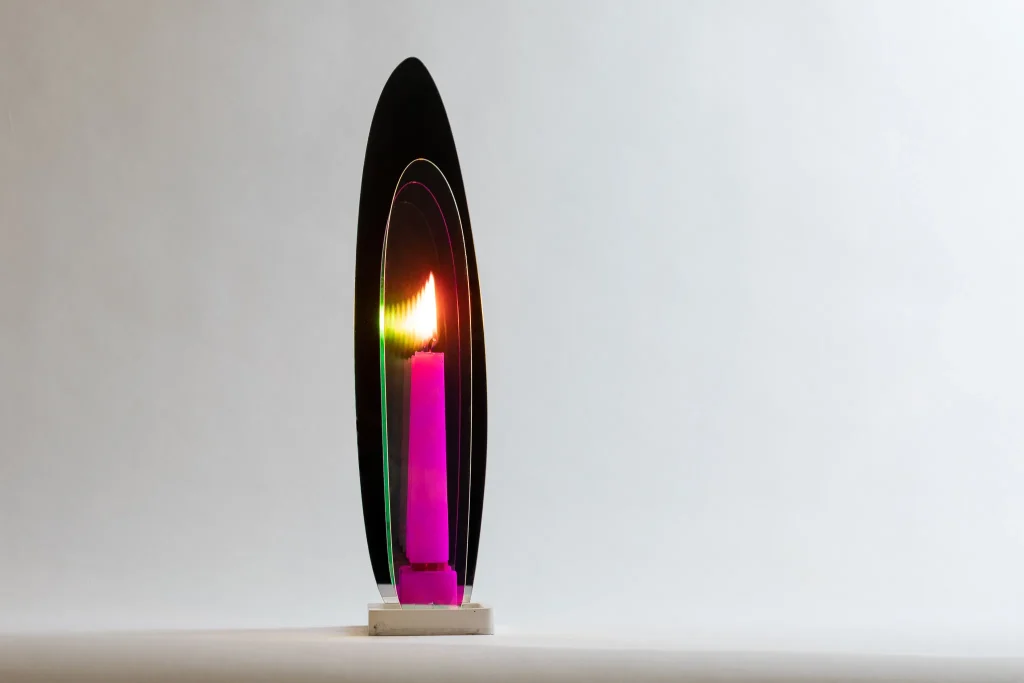
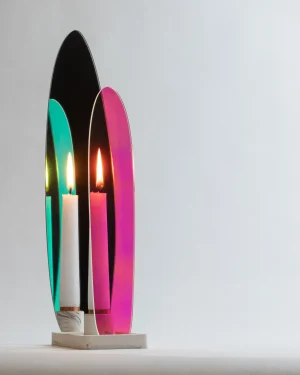
Dichroic Iridescent Candleholder Stick Onnda Flame: Filiform-Pink & Green
By Catrinel Sabaciag
€215 This product has multiple variants. The options may be chosen on the product page -
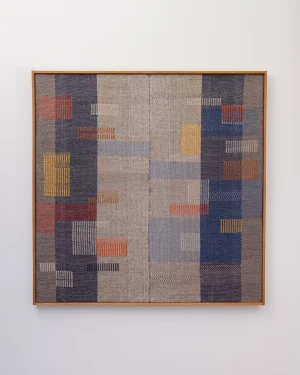
Spigolatura N°61 – Handwoven Wall Art
By Susanna Costantini
€1.800 -
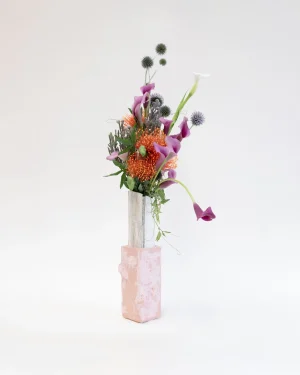 In stock
Pintrapòts – Stoneware Vase
By Pierre Klein
€380 -
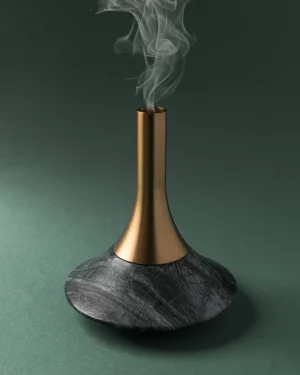 In stock
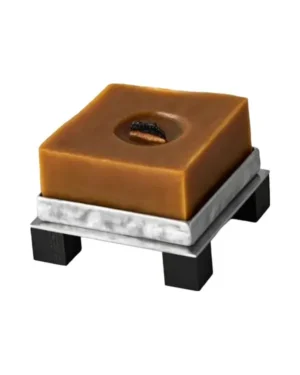
Dervish Incense Burner
By Boo Design Studio
€265 -
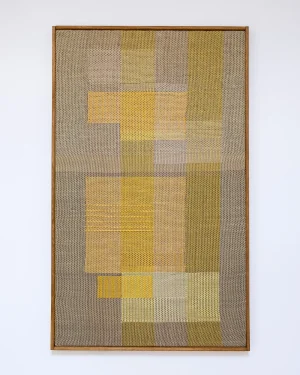
Spigolatura N°68 – Handwoven Wall Art
By Susanna Costantini
€1.200 -
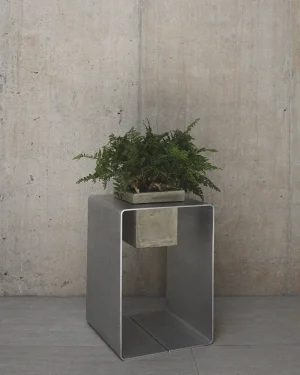
ST001-02 Side Table in Stainless Steel and Concrete
By NAVE
€990 -
 In stock
Elo Mirror 60×90 Cm – Hand Glazed Ceramic
By Pani Jurek STUDIO
€1.070 This product has multiple variants. The options may be chosen on the product page -
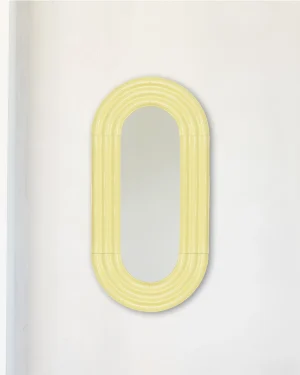 In stock
Elo Mirror 120×60 Cm – Hand Glazed Ceramic
By Pani Jurek STUDIO
€1.360 This product has multiple variants. The options may be chosen on the product page -
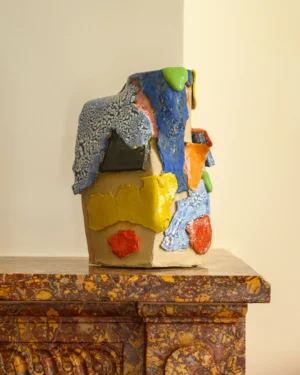 In stock
Estudi 02 – Vase
By Pierre Klein
€400 -
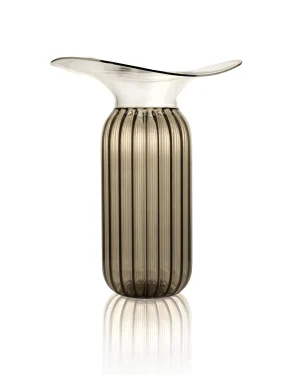 In stock
Tosca L – Vase
By KANZ
€299 -

Hvyli 14 – Wavy Full Length Mirror
By oitoproducts
€1.300 -
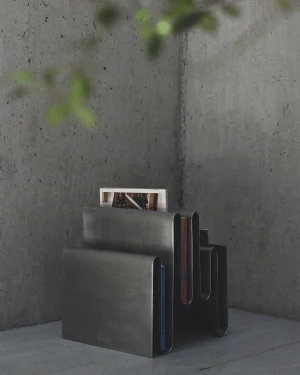
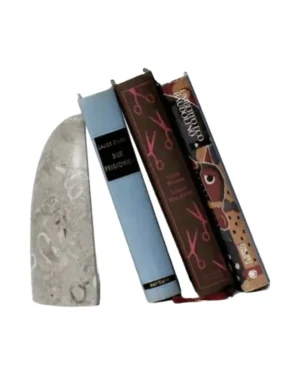
R001-01 – Stainless Steel Magazine Holder
By NAVE
€535 -
 In stock
Elo Mirror 60×60 Cm – Hand Glazed Ceramic
By Pani Jurek STUDIO
€815 This product has multiple variants. The options may be chosen on the product page -
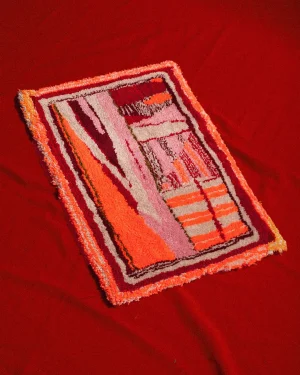 In stock
The Neon Rug
By Draken Studio
€100 - €550 This product has multiple variants. The options may be chosen on the product page -
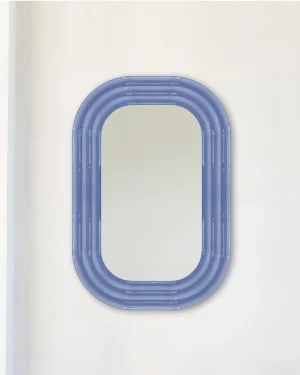 In stock
Elo Mirror 120×80 Cm – Hand Glazed Ceramic
By Pani Jurek STUDIO
€1.730 This product has multiple variants. The options may be chosen on the product page -
 In stock
Aqua Vase
By KANZ
€156 -

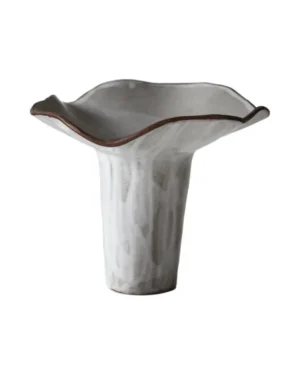
Mush Brown, Glass Vase
By Juliana Maurer
€832 -

Terrae N°27 – Handwoven Wall Art
By Susanna Costantini
€980 -
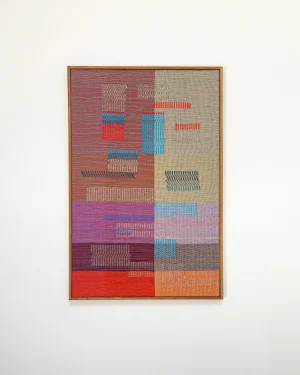
Spigolatura N°54 – Handwoven Wall Art
By Susanna Costantini
€1.550 -
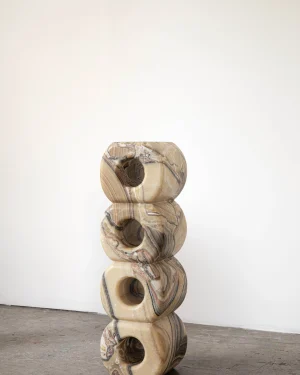 In stock
Roma Stone Totem
By Studio Ayres
€2.348 -
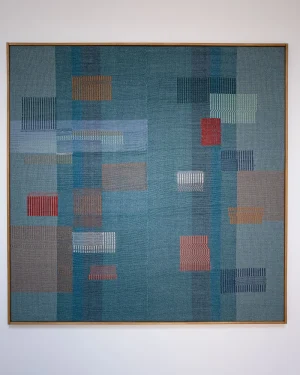
Spigolatura N°62 – Handwoven Wall Art
By Susanna Costantini
€1.800 -
 In stock
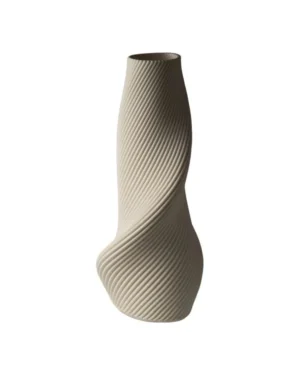
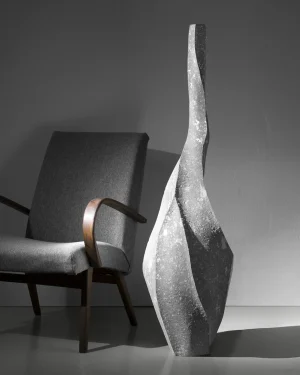
Solid Gray Stone Tall Floor Vase – Skew Series In Cast Stone By Donatas Zukauskas
By Donatas Žukauskas
€2.450 -
 In stock
Trace/s – Leather Vessel
By LUVATON studio
€2.550 -

Rebloom – Leather Vessel
By LUVATON studio
€2.150 -
 In stock
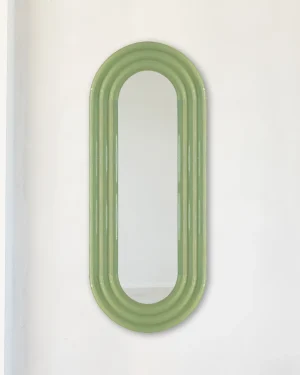
Elo Mirror 150×60 Cm – Hand Glazed Ceramic
By Pani Jurek STUDIO
€1.730 This product has multiple variants. The options may be chosen on the product page -
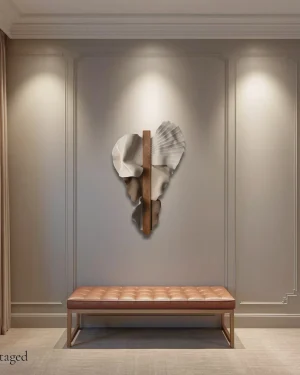
Abundance Wall Sculpture | Toffee · Studio Series ·
By Studio Ēeme
€3.565 -
 In stock
Burnt Moon Vase
By Daniel Elkayam
€540 -

Phondo Mirror
By TheUrbanative
€1.400 -

Hydrant – Made From Brazilian Wood
By Estúdio Ramiros
€1.335 This product has multiple variants. The options may be chosen on the product page -

Lava Frame – Melting Collection | Contemporary Sculptural Frame
By Gábor Góbi
€1.290 -
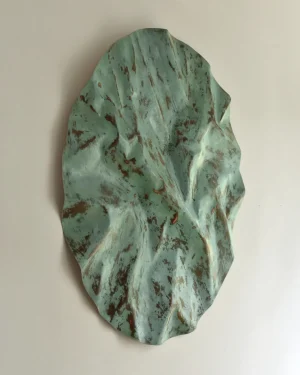
Mar De Cobre – Copper Wall Sculpture
By Aura Carpio®
€2.800 -
 In stock
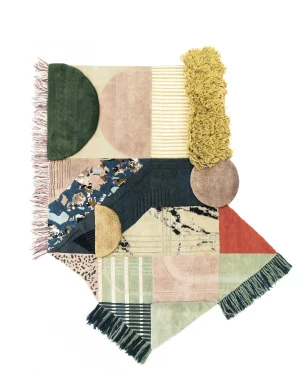
Medley – Eclectic Textured Rug Or Wallhanging
By Lyk Carpet
€9.378 -
 In stock
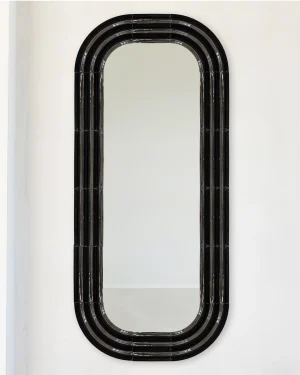
Elo Mirror 180×80 Cm – Hand Glazed Ceramic
By Pani Jurek STUDIO
€2.540 This product has multiple variants. The options may be chosen on the product page -
 In stock
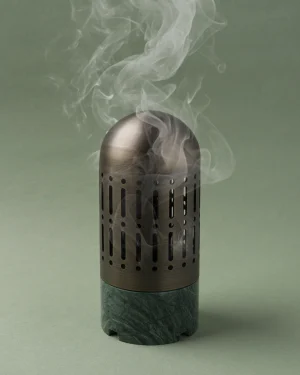
Green Medaillon Incense Burner
By Boo Design Studio
€193 -
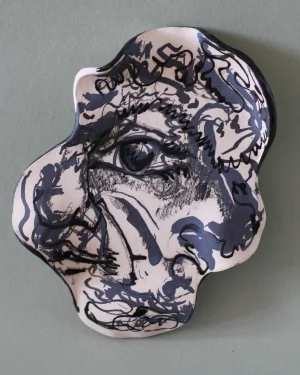 In stock
Marbled Dream #2 – Handcrafted Ceramic Illustrated Plate
By Vale Ro
€220 -
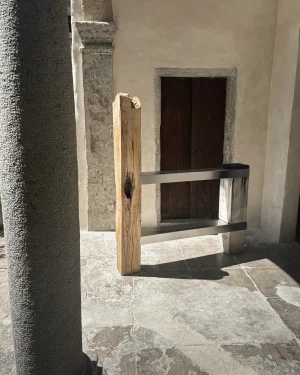 In stock
Ice Beech Wood Sideboard
By case studios
€1.810 -
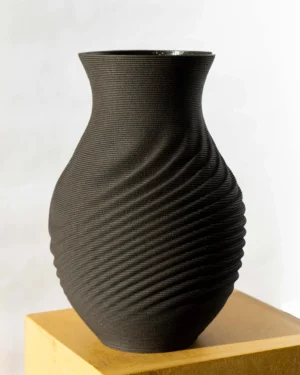 In stock
Pelike M – Vase
By Layered Ceramics Studio
€190 This product has multiple variants. The options may be chosen on the product page -
 In stock
Ovo N6 Large Vase – Stoneware Rustic Vessel
By Studio Cupla
€500 -
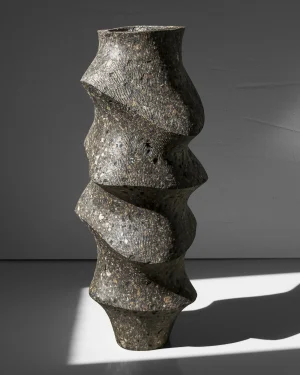
Large Floor Vase, Brutalist Concrete-look Sculpture
By Donatas Žukauskas
€1.450
Living room decor on ADORNO gathers objects made to hold a shelf, a console or a low table: glazed and hand-built ceramics, woven textiles, turned ash wood, blown glass, cast metal and tufted or screen-printed textile work, each piece shaped by an independent studio working in a single material or a small combination of them. What ties the group together is not one look but a shared attention to surface and weight, so a bowl, a vase or a sculptural object earns its place by how it catches light and how it sits against a hand.
What defines these pieces
Material comes before style here. A glazed stoneware vessel behaves differently from a woven wall hanging or a cast bronze object, and the studios represented tend to specialize rather than diversify, so one maker might work only in hand-built clay, another only in natural fiber or screen-printed cloth. Color and finish follow from process: a glaze pools and breaks where it is thick, a dyed textile holds its hue unevenly on purpose, raw ash wood darkens slightly with handling and light.
The range of materials and techniques
Across the wider decor category, the living room pieces draw on a consistent set of materials and ways of making:
- Ceramic work built or thrown and finished in glaze, often in black, beige, brown or cobalt blue
- Natural fiber and textile pieces that are woven, tufted or screen-printed, including boho chic and eclectic patterning
- Ash wood and other woods shaped through cabinetmaking, left natural or given a simple oiled finish
- Marble and copper objects, heavier by nature, chosen for small-scale sculptural use rather than structural work
- Foam-formed and glassblown pieces, which bring softer edges or transparency into an otherwise solid group
Styles run from mid-century modern and art deco references through to minimalist and midimalism, a quieter, pared-back take on mid-century proportion. Editions vary by maker: some pieces are open editions produced in an ongoing run, others are limited editions tied to a fixed number, and a smaller group are unique, one-off pieces where no two are exactly alike. For readers drawn to a specific material, ceramic decor and metal decor narrow the same logic down to one surface.
Choosing a piece for scale and placement
Scale matters more than style when choosing living room decor for a shelf or table. A tall vase or sculptural object needs enough clearance above it to read as a shape, not a silhouette crowded by a shelf edge. Low, wide pieces such as bowls or woven trays suit a coffee table or console where they will be seen from above and from a seated position, so weight and footprint count as much as height.
Finish should answer the room's other surfaces rather than fight them: a matte glaze or raw wood grain sits easily near upholstered seating, while a glossy glaze, polished copper or marble reflects light back toward a window or a lamp. Placing one or two pieces with distinct texture, rather than several similar ones, tends to hold attention longer in a living room, where decor reads at a distance and under changing light through the day.
Where these pieces sit and how to keep them
Most living room decor needs little beyond a dry cloth and a stable surface out of direct, constant sun, which can fade dyed textiles and some glazes over time. Marble stains from oil and acidic liquids, so it suits a shelf or console rather than a table used for food. Woven and tufted textile pieces benefit from an occasional light shake to keep dust from settling into the weave.
These same materials and makers carry across the rest of the room: living room furniture and living room seating draw on comparable wood, textile and metal work, while the full range of pieces grouped for the living room on ADORNO shows how decor, furniture and lighting sit together once chosen with the same attention to material and scale.
How do I choose living room decor?
Start with scale and the room's existing palette, then let material carry the rest. A glazed vessel or a woven textile piece can anchor a shelf or coffee table without competing with furniture.
What materials are used in living room decor?
Common materials include glazed ceramic, wood, textile, marble, copper and natural fiber. Each ages differently: wood deepens in tone, copper develops patina, marble can stain and benefits from a sealed finish.
How do I care for these pieces?
Wipe glazed and wood surfaces with a dry or slightly damp cloth, keep marble away from acidic liquids, and air out woven or textile pieces occasionally to keep fibers from flattening.
What size decor works for a living room?
Scale decor to the surface it sits on: smaller objects suit shelves and side tables, while taller vessels or sculptural forms hold their own on consoles or the floor beside seating.
Can living room decor work in other rooms too?
Yes, most pieces move easily between spaces. A bowl, vase or sculptural object suited to a living room often reads just as well in an entryway, bedroom or dining area.
How does shipping, returns and authenticity work on ADORNO?
Shipping is insured and worldwide. Returns are accepted within 14 days, excluding made-to-order pieces, and each piece comes with a certificate of authenticity plus a lowest-price guarantee.