
-
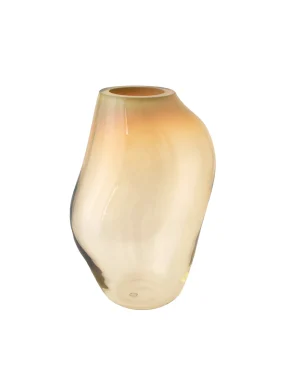
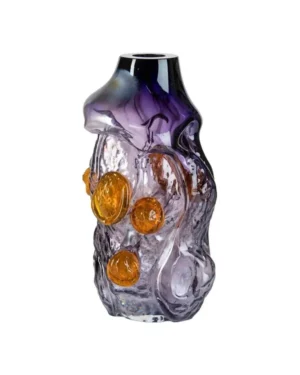
Supernova 4 Vase – Amber Iridescent
By ELOA - Unique Lights
€760 - €1.365 This product has multiple variants. The options may be chosen on the product page -
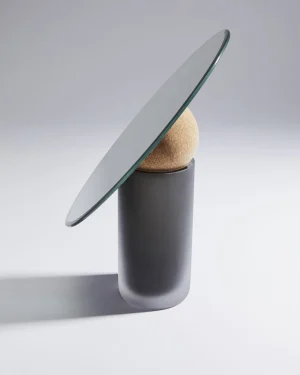 In stock
Mirror – Astra 30
By Clemence Birot
€409 -
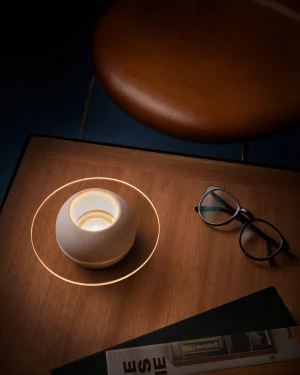 In stock
Sfär – Glass & Porcelain Tealight Candle Holder
By Jochen Lavéno Mangelsdorff Studio & Objects
€160 This product has multiple variants. The options may be chosen on the product page -
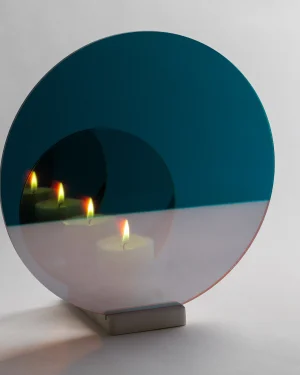 In stock
Onnda Flame Concentric Deep Sea – Dichroic Glass Marble
By Catrinel Sabaciag
€210 -

Float Mirror Black #b_31 in Liquid Silver and Glass
By Studio Speculo
€465 -
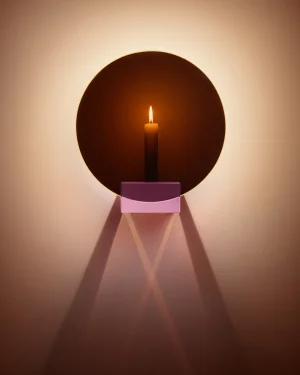 In stock
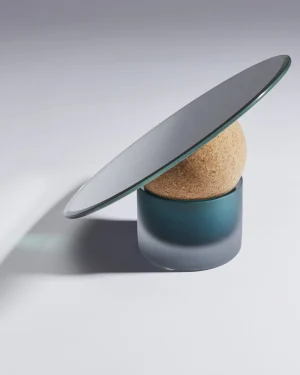
Spegla Wall Edition – Mirror & Candle Holder In Crystal Glass And Half-transparent Mirror
By Jochen Lavéno Mangelsdorff Studio & Objects
€345 - €395 This product has multiple variants. The options may be chosen on the product page -
 In stock
Mirror – Astra 24
By Clemence Birot
€345 -

Organically Shaped Hand-blown Vase No. 2
By Szkło Studio
€1.400 -

Supernova 4 Vase – Silver Smoke Red
By ELOA - Unique Lights
€760 - €1.365 This product has multiple variants. The options may be chosen on the product page -
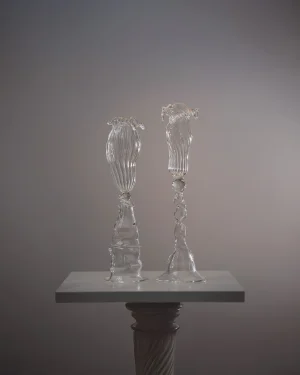
Cariño – Glass Sculptures
By PIA GLASSWORKS
€400 -

“citrino” Vase From The Crystals Collection Large Size
By Carol Gay
€2.614 -

“black Tourmaline + Quartz” Vase From The Crystals Collection Large Size
By Carol Gay
€2.376 -

BAUHAUS Glassblowing Vase
By Carol Gay
€900 This product has multiple variants. The options may be chosen on the product page -
 In stock
Mirage Mirror 80cmØ
By Anne Nowak
€1.008 -
 In stock
Mirage Golden Rose Wall Art Piece
By Anne Nowak
€600 -
 In stock
Mirage Silver Wall Art Piece
By Anne Nowak
€600 -
 In stock
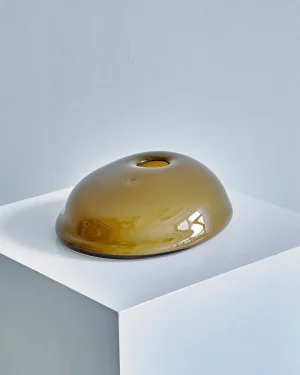
Candy Chocolate Brown Blown Glass Vase
By Jumbo
€500 -
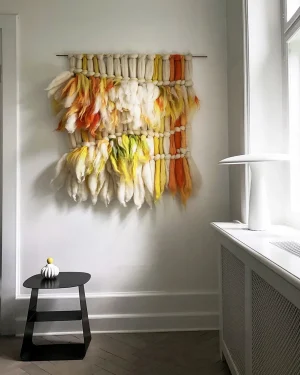
‘Woolwalls’ in Sustainable Wool – Neon Yellow, Orange and Green
By jeanett knipschildt
€1.224 -
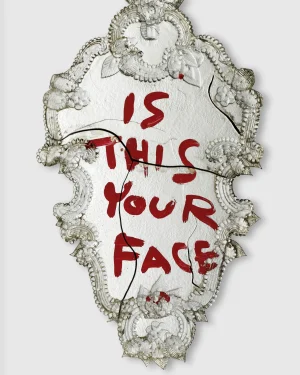
“YOUR FACE” Mirror
By Leo De Carlo
€5.000 -
 In stock
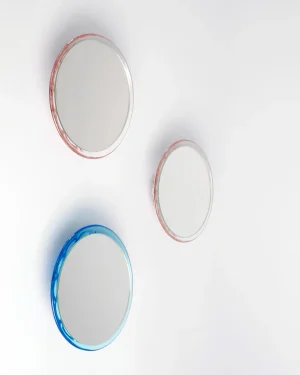
Set Saturn 155a Ppb – Vintage Wall Mirrors
By Andreas Berlin
€690 -
 In stock
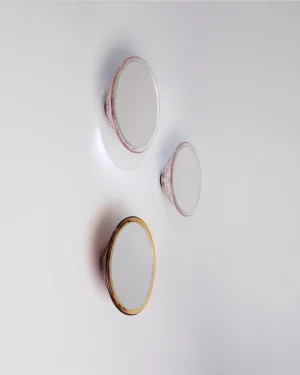
“set Saturn 155a Ppa” Vintage Wall Mirrors
By Andreas Berlin
€690 -
 In stock
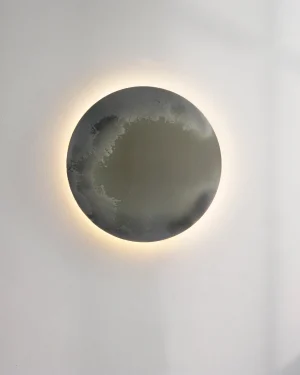
Moon Mirror Light
By Anne Nowak
€1.140 -
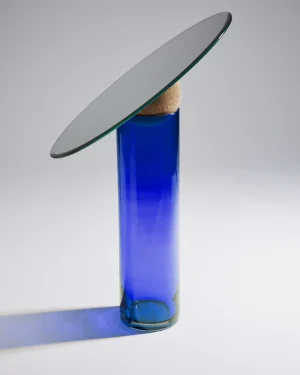 In stock
Mirror – Astra 34 Cobalt
By Clemence Birot
€540 -
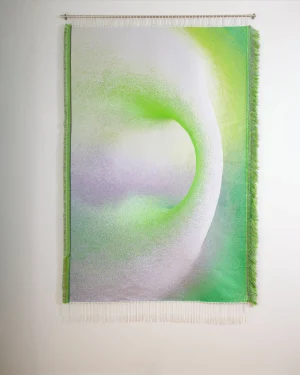
Light Mode 280 — Modern Foliage | Jacquard Woven Tapestry
By Lucas Gutierrez Studio
€5.850 -
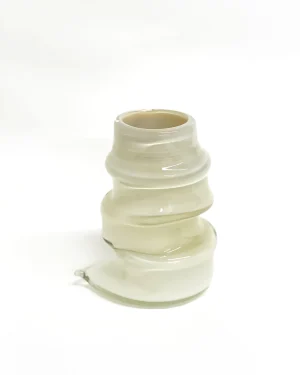
Deflated Glass Vase
By Sticky Glass
€326 This product has multiple variants. The options may be chosen on the product page -
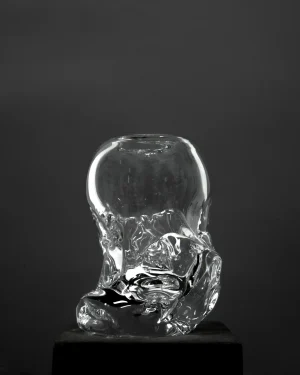
Egg Shaped Hand-blown Glass Vase
By Szkło Studio
€1.400 -
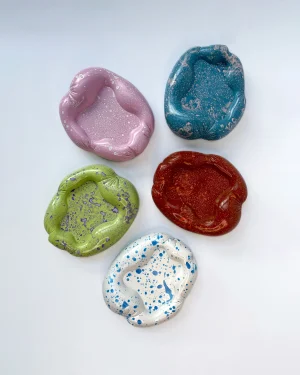
Desktop Swimming Pool – Speckled Jesmonite Tray/catchall
By Craig Barrow
€127 This product has multiple variants. The options may be chosen on the product page -
 Sold
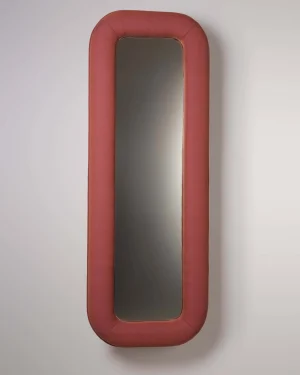
Combo Mirror – Upcycled Wall Mirror
By Jaclyn Pappalardo
-
 In stock
Eros Mirror
By Dzovag Kotchian
€860 -
 In stock
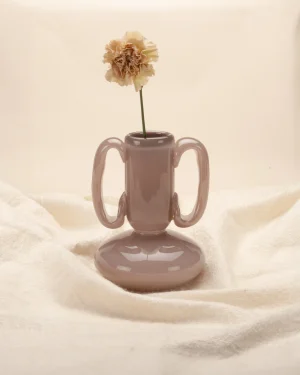
Hand-blown Glass Vase 02
By OOG Objects
€340 -
 In stock
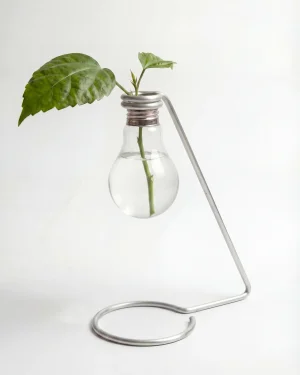
Testikel – Glass Cuttings Vase
By Olle Sahlqvist
€70 - €80 This product has multiple variants. The options may be chosen on the product page -
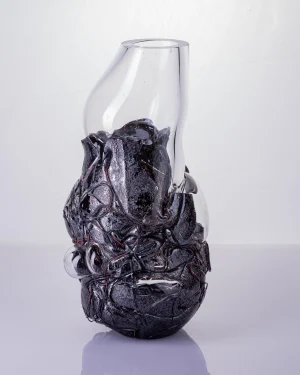 In stock
Lava – Transparent Blown Glass / Copper Wire Vase
By Anna Jožová
€1.600 -
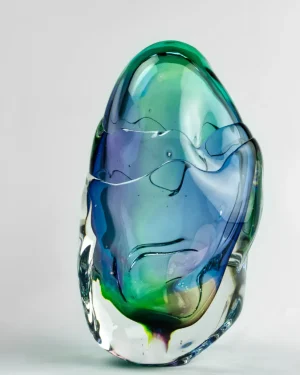
Persona – Glass Sculpture
By MILA ZILA
€2.400 -

Mirror Perfumer – Handmade Bronze Wall Mirror
By Vogel Studio
€9.075 -
 In stock
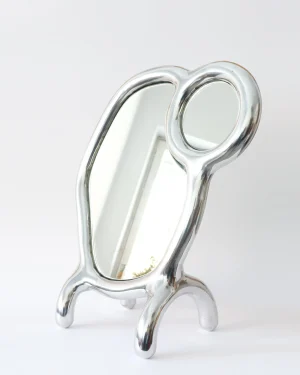
Mi-rr 13
By Studio Speculo
€1.100 -
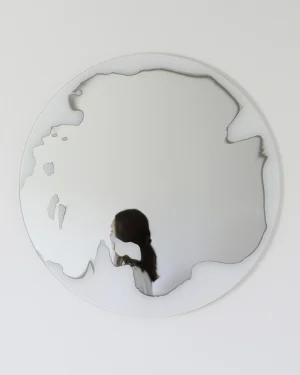
Float Mirror White – Liquid Silver / Glass
By Studio Speculo
€370 -
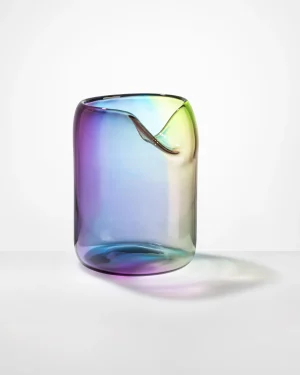 In stock
Mind Vases – Handblown Glass
By MILA ZILA
€220 - €245 This product has multiple variants. The options may be chosen on the product page -
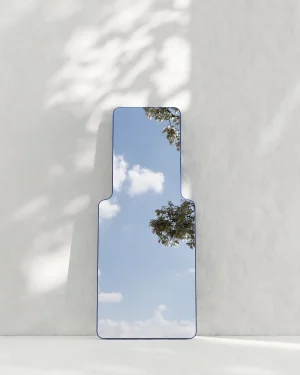
Loveself 03 – Shifted Full Length Mirror
By oitoproducts
€1.455 -
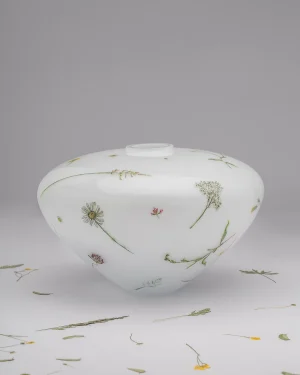
Hand-painted Fleur Vases
By Frantisek Jungvirt
€6.900 This product has multiple variants. The options may be chosen on the product page -
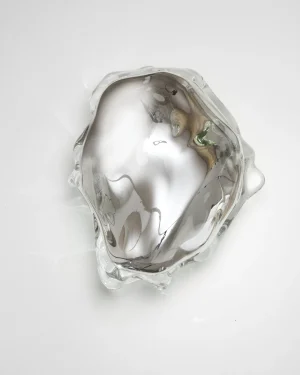
Persona Mirror Sculpture
By MILA ZILA
€2.100 -
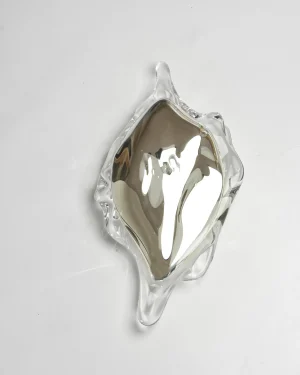
Persona Mirror Sculpture – Small
By MILA ZILA
€1.100 -
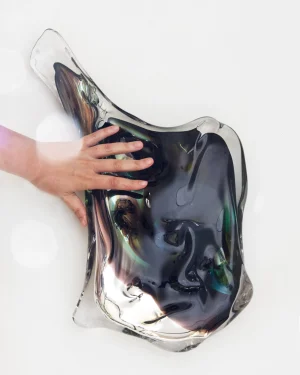
Persona Mirror Sculpture – Multicolour Small
By MILA ZILA
€1.800 -
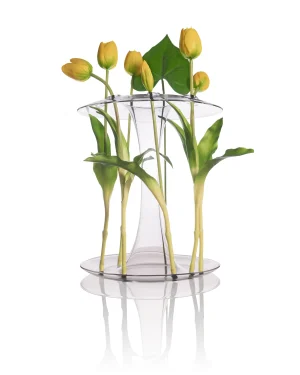 In stock
Aqua Vase
By KANZ
€156 -
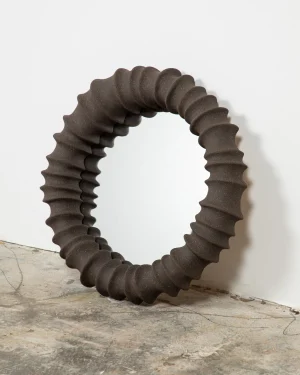
Rakis – Sculptural Neo-industrial Ceramic Wall Mirror
By Catalin Filip
€1.150 -

Mush Brown, Glass Vase
By Juliana Maurer
€832 -
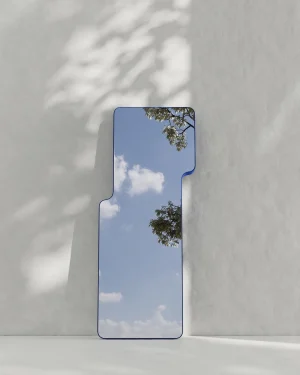
Loveself 04 – Shifted Full Length Mirror
By oitoproducts
€1.455 -
 In stock
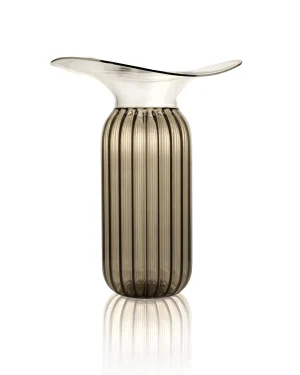
Tosca L – Vase
By KANZ
€299 -
 In stock
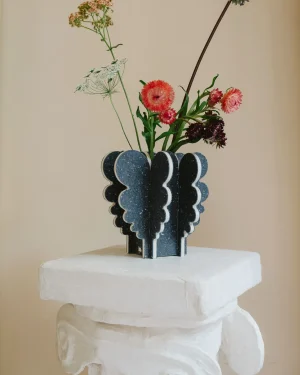
Blooming Cuts Vase
By Studio Ebba Lindgren
€80 -
 In stock
Glass Flower Organic Bouquet
By PIA GLASSWORKS
€1.000 -
 In stock
Float Mirror Black #b_33 – Liquid Silver / Glass
By Studio Speculo
€465 -
 In stock
Float Mirror Transparent #t_48 – Liquid Silver / Glass
By Studio Speculo
€400 -

Phondo Mirror
By TheUrbanative
€1.400 -
 In stock
1/2 Ltr Forms – Olive Green Handmade Glass Object
By Vogel Studio
€100 -
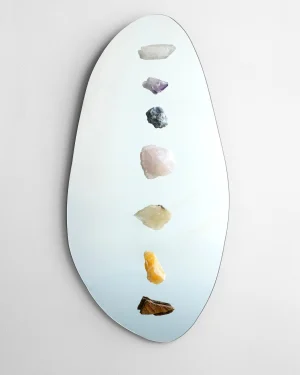
Chakra Mirror No.1
By Anne Nowak
€1.120
Glass decor on ADORNO brings together objects shaped by heat, pressure and a steady hand: bowls, sculptural forms, vessels and tabletop pieces blown, cast or cold worked by independent studios across many countries. Some start as molten glass gathered on a blowpipe and shaped while still soft; others are poured into molds, then ground, polished or carved once cool. What they share is a material that answers light rather than absorbing it, and a group of makers who treat that quality as the starting point for form, not an afterthought.
What defines glass decor
Glass is solid and transparent at once, a contradiction that gives it weight in a room without ever making that room feel closed in. Clear and crystal-clear pieces let daylight pass straight through, scattering it across a shelf or table. Amber, green, orange and black glass hold back some of that light instead, so a single object can read as glowing or near-opaque depending on where it stands and how the sun moves across it during the day.
Surface matters as much as color. Blown glass keeps the faint irregularities of the process, a slight thickening at the base, a bubble caught mid-form, that mark it as made rather than molded flat. Cold-worked and carved pieces trade that softness for crisp edges and a matte or frosted finish where the surface has been ground back.
The range of glass decor on ADORNO
Within glass decor, the material itself varies as much as the objects made from it:
- Blown glass and borosilicate glass, shaped through glassblowing and lampworking over an open flame
- Mirrorglass and crystal, often finished through glass cold working or casting
- Pieces that combine glass with steel, silver or cork for a base, stopper or frame
Styles range from Art Deco geometry and Brutalist mass to Minimalist and Contemporary restraint, with some studios working in a more Romanticism-leaning or Futuristic register. Editions move between open runs, limited editions and true one-off pieces, so the same technique can produce either a repeatable object or a single cast that will not be made again. The full spread of material, from glass pieces across every category on ADORNO to vessels made specifically for the table, such as glass tableware or glass vases, gives a sense of how wide the category runs.
How to choose a piece
Scale decides how glass decor reads in a room. A small object, a bud vase or a cast paperweight-sized form, asks to be seen up close, on a side table or a shelf at eye level. Larger bowls and floor-standing vessels carry weight from across a room and can anchor a console or a dining table on their own, without company.
Finish is the second decision. A clear or lightly tinted piece will pick up whatever light and color surround it, so it works almost anywhere. A deeply colored or opaque piece, black or amber glass especially, behaves more like a small sculpture and benefits from a plain background so its silhouette stays legible.
Placement follows from both. Glass does not compete well with clutter; it needs a clear patch of surface and, ideally, a light source nearby, whether that is a window, a lamp or an overhead fixture, to show the qualities that make it worth having in the first place.
Rooms it suits
Living rooms and dining rooms make the most of glass decor's relationship to light, especially where pieces sit on a console or table that gets sun for part of the day. Bedrooms and hallways suit smaller, more contained pieces, a single vase or dish rather than a grouping. Studies and shelves benefit from the way clear or lightly colored glass keeps a dense collection of other objects from feeling heavy.
Caring for glass decor
Glass is inert and will not fade, absorb odors or stain the way porous materials can, which makes it straightforward to live with. It does scratch and chip, so pieces are best lifted with both hands rather than slid across a hard surface. Clean with a soft cloth and mild soap; avoid abrasive pads, which will dull a polished or cold-worked finish over time. For the wider range of forms and materials this category holds, the full set of decor pieces on ADORNO sits alongside glass as one material among several, with one-off decor pieces offering a starting point for anyone after a single, unrepeated object rather than an open edition.
How do I choose a piece of glass decor?
Consider whether it should catch light or stay subtle against a wall or shelf. Blown and cast glass carry more weight and color than thin, clear pieces, so match the piece to the room's existing tones.
How do you clean and care for glass decor?
Wipe with a soft, lint-free cloth and mild soap, avoiding abrasive cleaners that dull the surface. Keep cast or blown pieces away from sudden temperature changes, which can cause cracking.
What size glass decor should I buy for a shelf or table?
Glass reads lighter than its actual footprint because it lets light through, so pieces can sit larger on a surface without crowding it. For an exact size, chat with the maker on the piece's page.
Which rooms suit glass decor best?
Glass decor suits living rooms, dining tables and windowsills, where light passes through and shifts color across the day. Darker or opaque glass works well on shelves with less natural light.
Is glass decor fragile and hard to move?
Glass is more durable than it looks once set in place, though it can chip or crack under impact. Handle with both hands at the base, and avoid placing it where it can be knocked easily.
How does shipping, returns and authenticity work when I buy from ADORNO?
Shipping is insured and worldwide, with a 14-day return policy excluding made-to-order pieces. Every piece comes with a certificate of authenticity, backed by a lowest-price guarantee.