



-
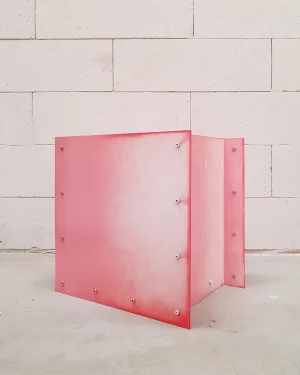 In stock
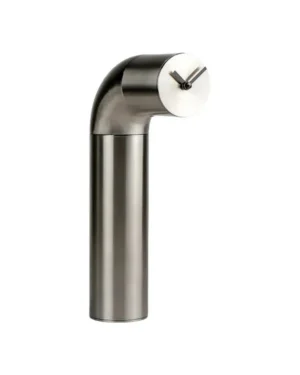
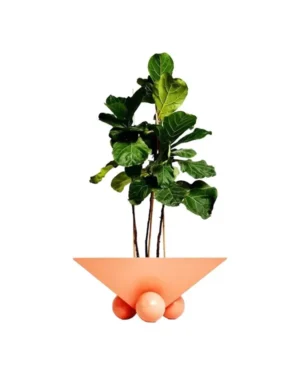
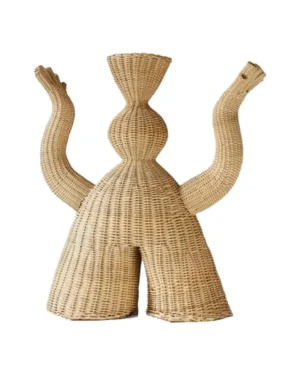
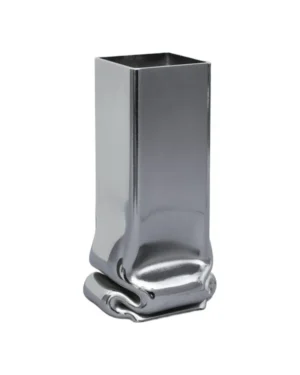
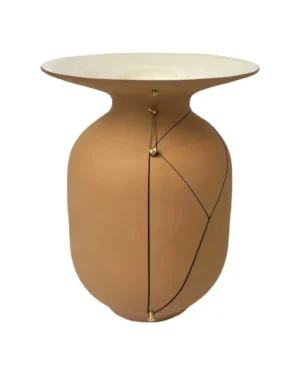
Iron And Steel Life Cabin Vase D
By TUNK I Busra Tunc
€220 -

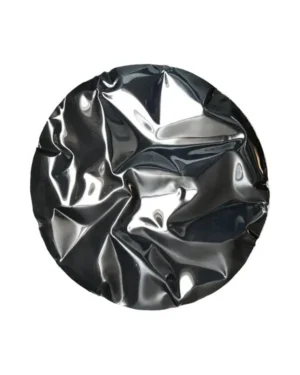
Float Mirror Black #b_31 in Liquid Silver and Glass
By Studio Speculo
€465 -
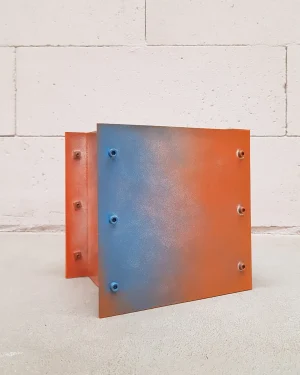 In stock
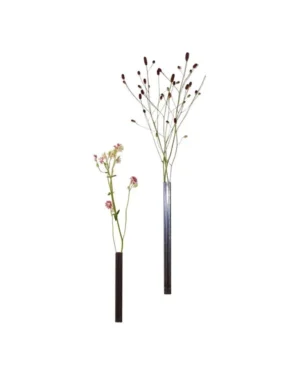
Iron And Steel Life Cabin Vase A
By TUNK I Busra Tunc
€140 -
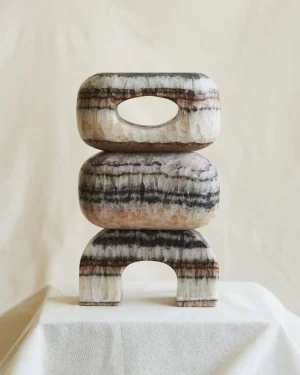
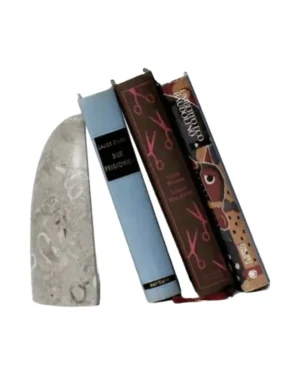
Artefacto Mármol Ls 01
By LØRDAG & SØNDAG
€900 This product has multiple variants. The options may be chosen on the product page -
 In stock
Ramé – Stainless Steel Wall Sculpture
By Nitush and Aroosh
€2.500 This product has multiple variants. The options may be chosen on the product page -
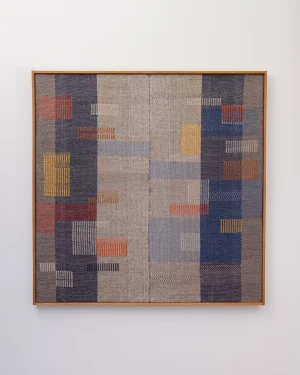
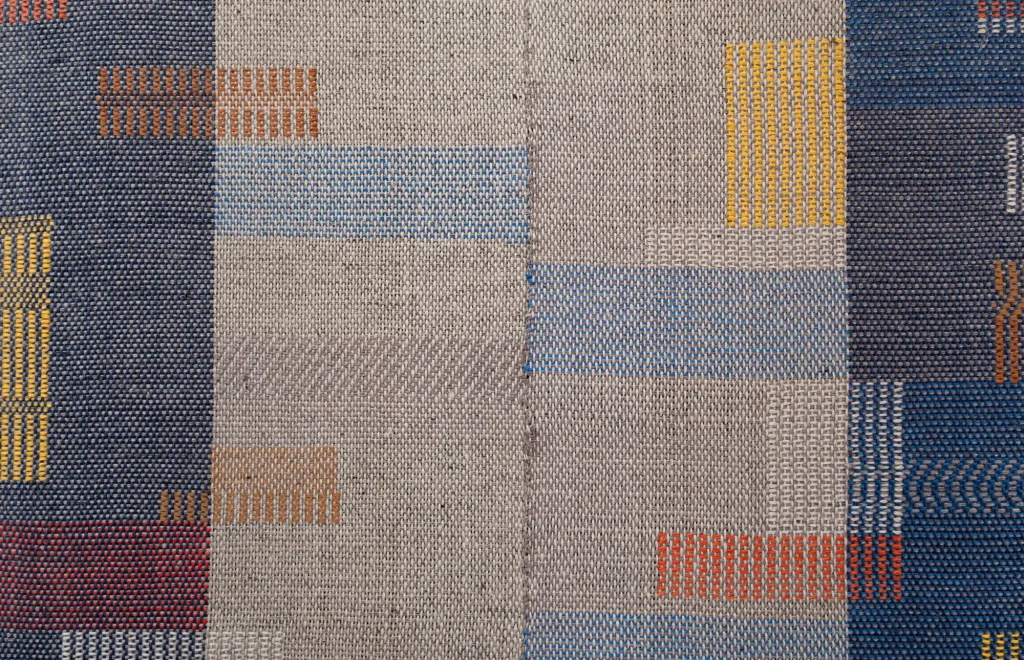
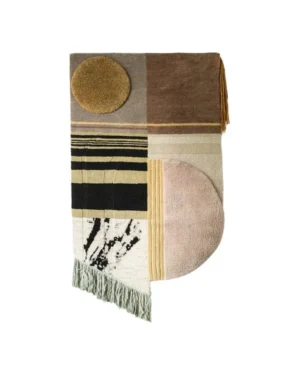
Spigolatura N°61 – Handwoven Wall Art
By Susanna Costantini
€1.800 -
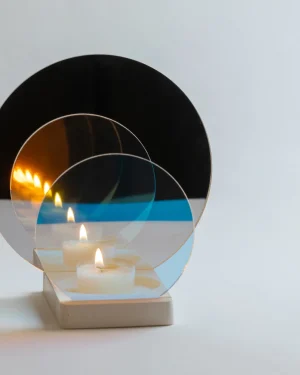 In stock
Onnda Flame Concentric S Blaze – Dichroic Glass Marble
By Catrinel Sabaciag
€169 -
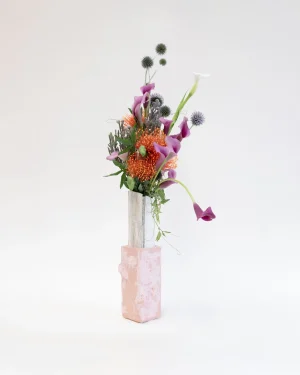 In stock
Pintrapòts – Stoneware Vase
By Pierre Klein
€380 -
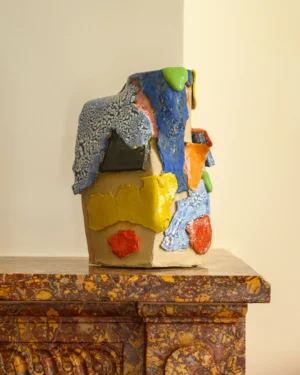 In stock
Estudi 02 – Vase
By Pierre Klein
€400 -
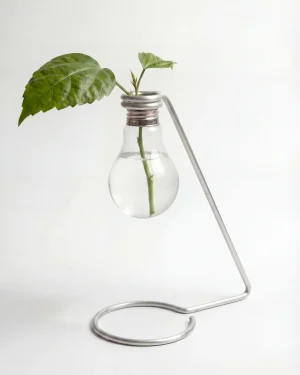 In stock
Testikel – Glass Cuttings Vase
By Olle Sahlqvist
€70 - €80 This product has multiple variants. The options may be chosen on the product page -

Hvyli 14 – Wavy Full Length Mirror
By oitoproducts
€1.300 -
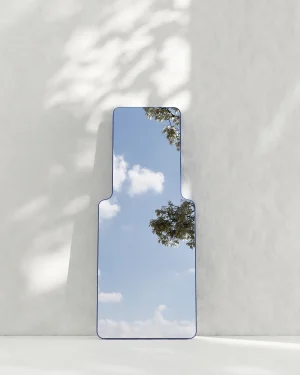
Loveself 03 – Shifted Full Length Mirror
By oitoproducts
€1.455 -
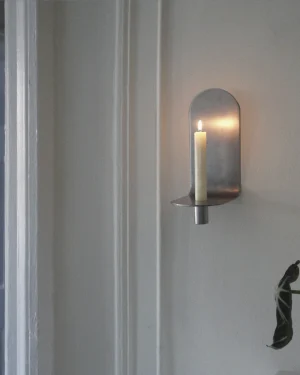
Wch001-11 Stainless Steel Candleholder
By NAVE
€160 -
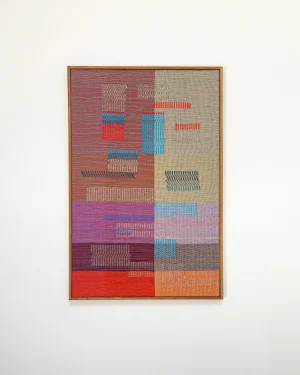
Spigolatura N°54 – Handwoven Wall Art
By Susanna Costantini
€1.550 -
 In stock
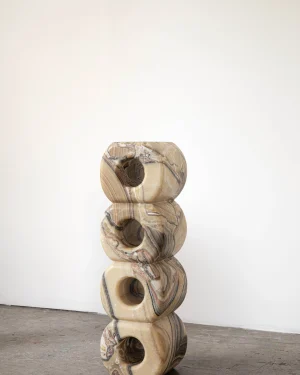
Roma Stone Totem
By Studio Ayres
€2.348 -
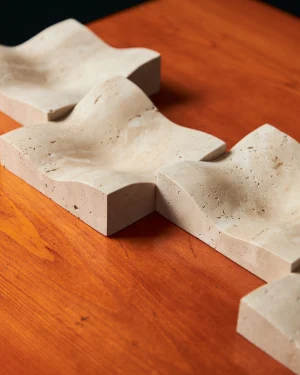 In stock
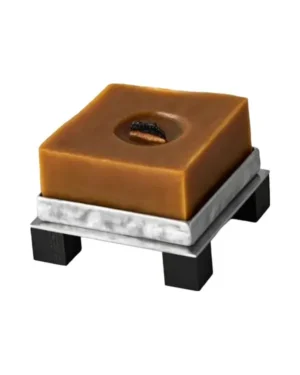
Ashen – Marble Ashtray / Catch All Tray
By Boo Design Studio
€162 -
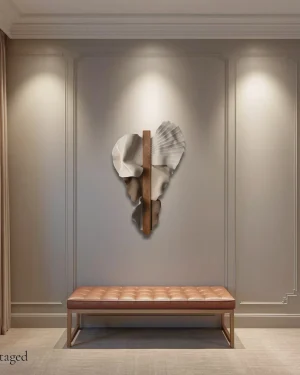
Abundance Wall Sculpture | Toffee · Studio Series ·
By Studio Ēeme
€3.565 -
 In stock
Mirror 01.01 ´route´
By SK - Sofia Karnukaeva
€2.000 -
 In stock
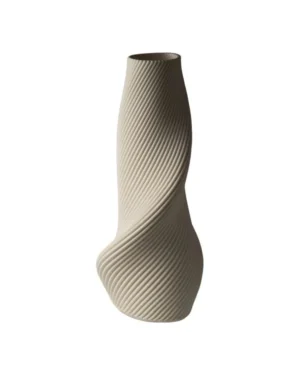
Zefir – Glass / Aluminum Vase
By Hasik Design Studio
€650 This product has multiple variants. The options may be chosen on the product page -
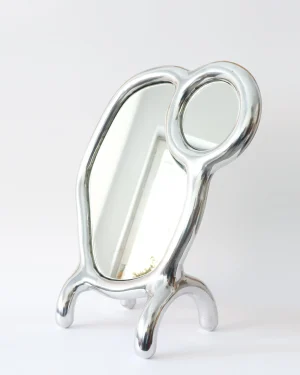 In stock
Mi-rr 13
By Studio Speculo
€1.100 -
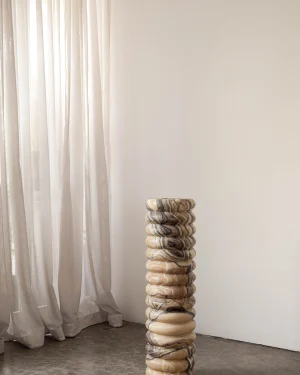 In stock
Antigua Stone Totem
By Studio Ayres
€2.348 -
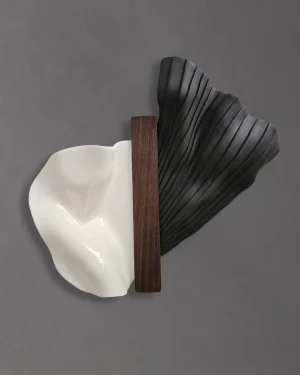
Abundance – Ceramic Wall Sculpture
By Studio Ēeme
€1.135 -
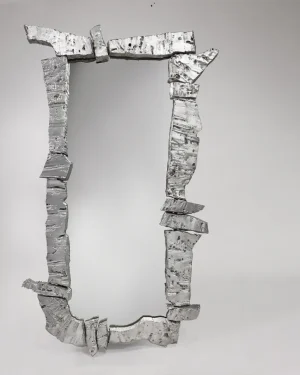 In stock
Insect – Recycled Cast Aluminum Mirror
By BY JAMPS
€2.200 -
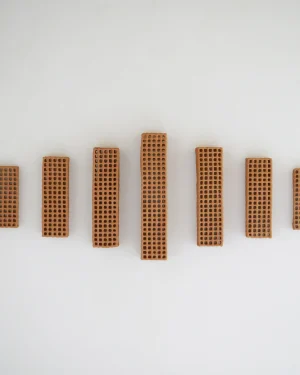 In stock
Wall Sculpture N°2
By Dzovag Kotchian
€1.760 -
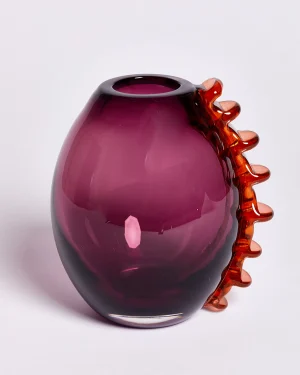 In stock
Prickly – Glass-blown Vase
By Deya
€390 This product has multiple variants. The options may be chosen on the product page -
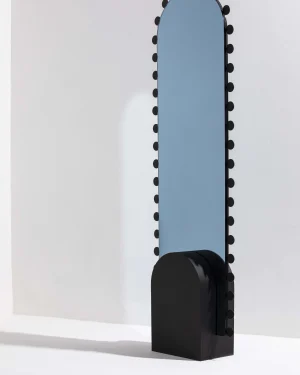 In stock
Medaillon – Sculptural Floor Mirror
By Boo Design Studio
€2.780 -
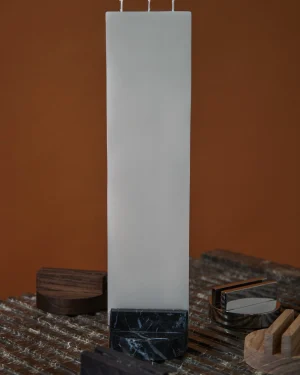 In stock
D E V | Sculptural Candle
By N I S H
€25 -
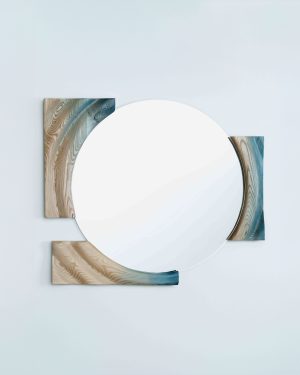 In stock
Blueprint Mirror
By Studio Kloak
€1.800 - €2.600 This product has multiple variants. The options may be chosen on the product page -
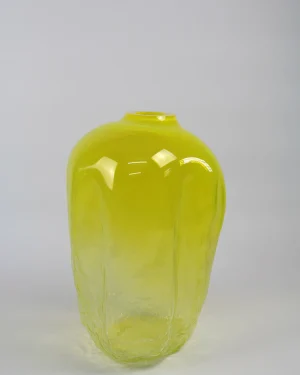 In stock
Sand Series – Narcissus Handmade Glass Object
By Vogel Studio
€1.150 -

The Front – Stainless Steel Shelf
By COSEINCORSO
€1.410 -
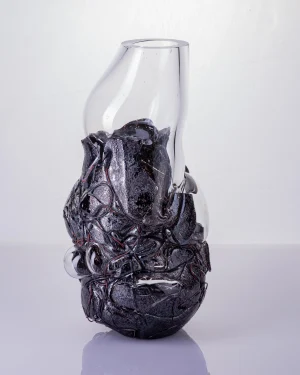 In stock
Lava – Transparent Blown Glass / Copper Wire Vase
By Anna Jožová
€1.600 -
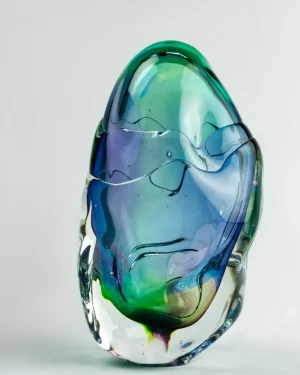
Persona – Glass Sculpture
By MILA ZILA
€2.400 -
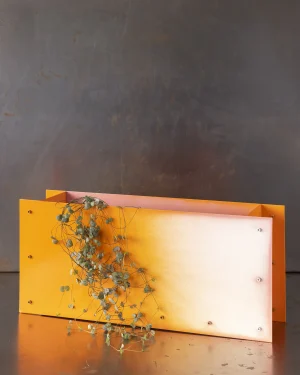 In stock
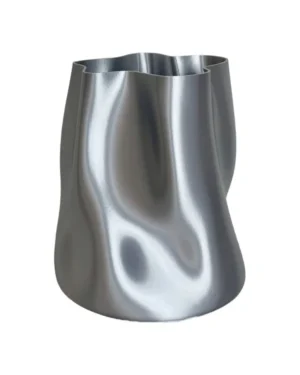
Iron And Steel Life Cabin Vase C
By TUNK I Busra Tunc
€180 -
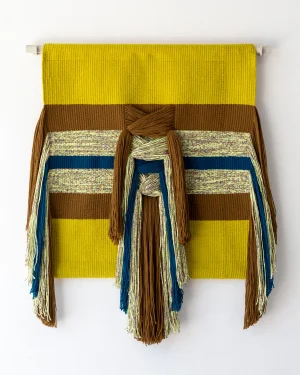 In stock
Toscana – Merino Wool Tapestry
By Luiza Caldari
€1.255 -
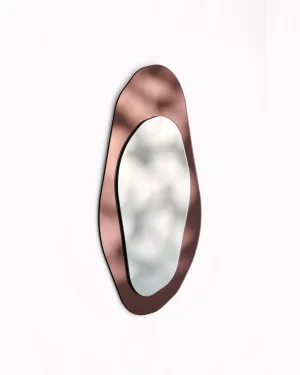
Siena – Rose Gold Asymmetric Mirror
By Yugen Lab
€350 -
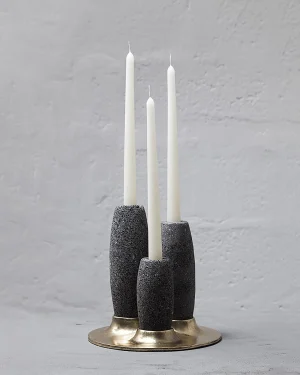 In stock
Salar Candle Holder In Casted Bronze And Volcanic Stone
By ANDEAN
€857 -
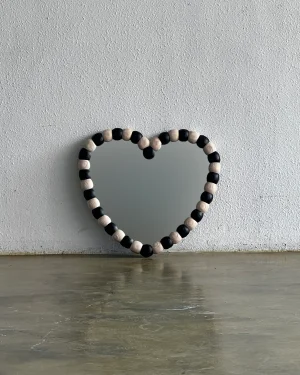
Onde Heart Mirror
By STUDIO KALLANG
€1.190 -
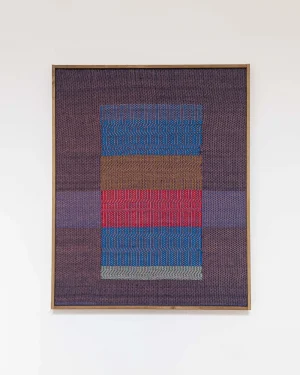
Bandiera N° 18 – Hand-woven Wall Art
By Susanna Costantini
€900 -
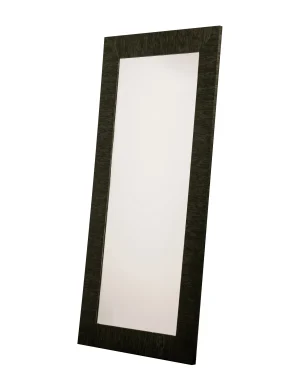
Desdemona – Black Maple Wood Large Standing Mirror
By Costantini Design
€2.960 -

Dichroic Iridescent Candleholder Stick Onnda Flame: Filiform- Blue & Orange
By Catrinel Sabaciag
€215 This product has multiple variants. The options may be chosen on the product page -
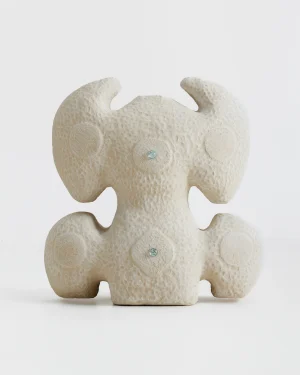
Tiara – Clay / Topaz Big Vase
By FAINA
€7.500 -
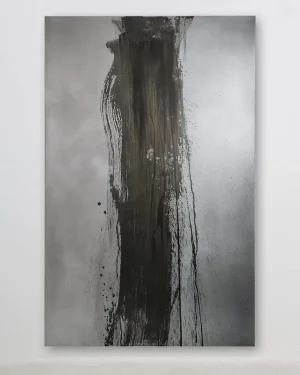 In stock
Ub04 Time Of Steel – Wall Decor
By STUDIO KIMBYUNGSUB
€6.000 -
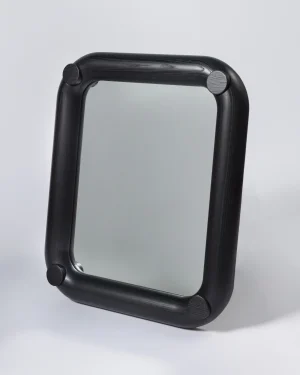
Mt Curve Wall Mirror In Ash Hardwood
By bnf studio
€2.500 This product has multiple variants. The options may be chosen on the product page -
 In stock
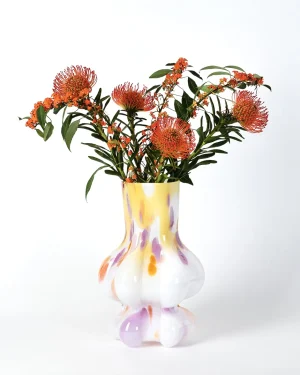
Bombastico Violet Dream
By markus emilsson
€503 -
 In stock
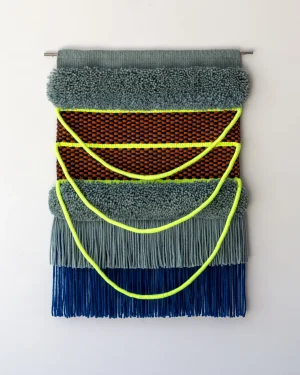
Boomboom – Easter Sun
By markus emilsson
€314 -
 In stock
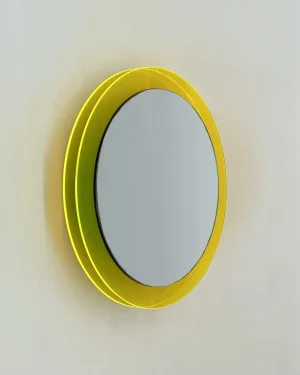
Azul Tapestry
By Luiza Caldari
€900 -
 In stock
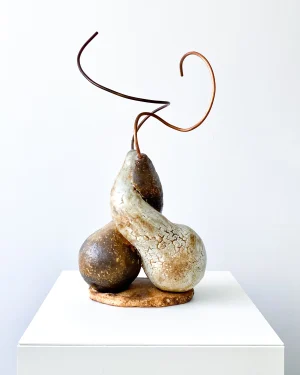
Sunset 342b – Acrylic Wall Mirror
By Andreas Berlin
€638 -
 In stock
Embrace – Stoneware Sculpture
By Elena Yakimushkina
€900 -
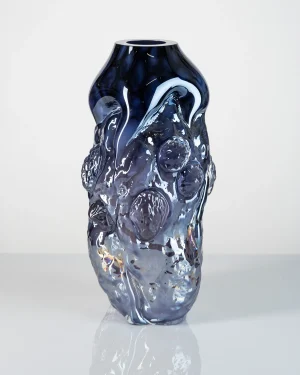 In stock
Dysplasio – Dark Purple Blown Glass Vase
By Anna Jožová
€1.900 -
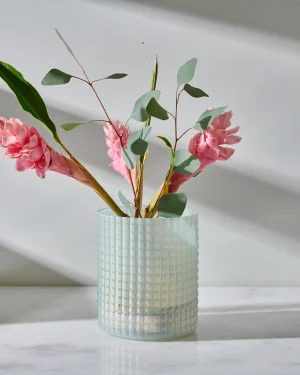
Splay The Louvre – No. 3 – Opaque Free Blown Glass Vase
By tapd - tamara abrar product design
€280 - €330 This product has multiple variants. The options may be chosen on the product page -
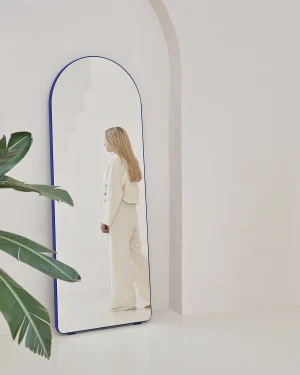 In stock
Loveself 01 – Classic Arched Mirror (wall, Floor, Full Length)
By oitoproducts
€1.400 -
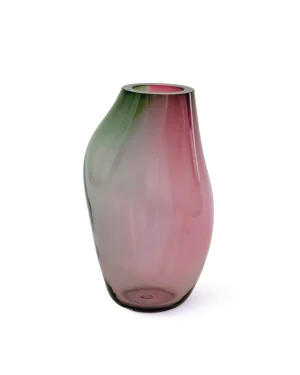
Supernova 4 – Multicolor Vase – Turmalin / Purple Iridescent
By ELOA - Unique Lights
€760 - €1.365 This product has multiple variants. The options may be chosen on the product page -
 In stock
Perfidia_01 Floor Mirror In Solid Wood And Aged Bronze Details
By ANDEAN
€3.476 -
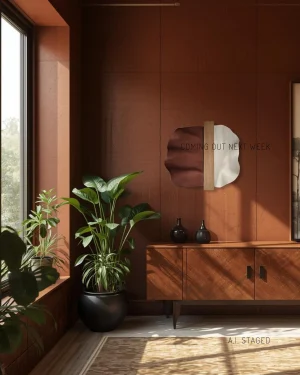
Abundance Wall Sculpture | Crimson Red · Studio Series ·
By Studio Ēeme
€1.850
Entryway decor gathers the first objects a visitor sees: trays, bowls, small mirrors, hooks and vessels sized for a console or a narrow hall table. Studios working in stainless steel, glass, stoneware, marble and cast aluminum shape them by hand-building, glazing, metal casting, welding and glassblowing, often as one-off pieces or in limited runs. The result sits closer to sculpture than storage, holding keys and mail without disappearing into the background.
What defines entryway decor
A hallway sees a piece for seconds at a time, so weight and finish do the work that pattern might do elsewhere. Stainless steel and polished aluminum read as neo-industrial or brutalist when left raw at the weld line, while cast silver and glazed stoneware lean toward art deco or romanticism, with rounded forms and warmer color. Black, caramel, amber and brown dominate the palette, with flashes of orange, yellow or multicolor where a maker works in recycled glass or reclaimed metal.
Materials, finishes and ways of making
Glassblowing produces bowls and vessels with uneven walls and trapped air, each one slightly different even within the same batch. Stone carving and metal casting give weight to bookends, trays and small sculptural objects, while welding and metalwork turn flat steel or aluminum sheet into hooks, trays and wall-mounted catchalls. Hand-building and glazing shape stoneware pieces with a visible maker's hand, and wood carving adds a softer material note among the metal and stone. Editions run from open runs, repeated to a standard, through limited editions numbered within a small group, to one-of-a-kind pieces that will not be repeated once sold.
How to choose a piece for your hallway
Start with the surface it will sit on. A console or entryway table under thirty inches calls for a lower, wider bowl or tray; a narrow shelf asks for something tall and slim so it does not crowd the edge. Weight matters more than it first appears: cast metal and marble pieces anchor a table against the knock of keys and bags, where glass or thin aluminum needs a steadier, less trafficked spot.
- Match finish to light: polished steel and glass catch what daylight reaches a hallway, matte stoneware and black metal read well under a single sconce.
- Leave clearance for a door swing or a mirror hung above, so a tray or vessel does not sit directly beneath either.
- Pair one sculptural piece with a shallow catchall for daily use, rather than filling the surface evenly.
Where entryway decor works beyond the hall
These pieces move easily between the entry, a mudroom shelf, a landing at the top of stairs, or a narrow table inside a front door shared with coats and umbrellas. The same stoneware bowl or cast tray that holds keys by the door can sit on a bedroom dresser or a kitchen counter, since the scale stays modest across rooms. For a fuller setting, pair small decor with metal decor or ceramic decor from elsewhere in the house, keeping one material or finish as the thread between rooms.
Caring for metal, stone and glass pieces
Stainless steel and aluminum wipe clean with a dry or slightly damp cloth; avoid abrasive pads, which will dull a brushed finish. Marble stains from oil, ink and standing water, so a tray under a bowl of keys or a scented object is worth the extra step. Glass tolerates mild soap and water but not sudden temperature change, and cast or welded metal left unsealed will develop a patina over years, which most studios treat as part of the piece rather than a fault. Stoneware glazes hold up to regular dusting and occasional washing, provided the piece was fired for that use.
For the wider range of objects sized and finished for a front hall, see every piece listed under entryway, or step back to decor as a whole for trays, bowls and small objects across every room.
How do I choose entryway decor that fits my space?
Start with scale and sightline: a piece should read clearly from the front door without crowding passage. Match its material and tone to nearby furniture, then let a tray, bowl, or mirror anchor the surface or wall above it.
What materials work best for entryway decor and how do I care for them?
Stainless steel, aluminum, and metal resist daily wear and wipe clean easily. Marble and stoneware need a dry cloth and protection from standing water, since marble stains and unglazed stoneware absorbs moisture.
What size or height should entryway decor be?
Trays and bowls usually sit within reach on a console, while wall pieces like mirrors hang so their center meets eye level, generally 57 to 60 inches from the floor. Scale down in narrow hallways.
Which rooms suit entryway decor besides the entryway?
Pieces made for entryways, such as catchalls, mirrors, and small sculptural objects, also work well in hallways, mudrooms, or beside a bedroom or office door where quick drop-off space is useful.
Are entryway decor pieces handmade or produced in limited numbers?
It depends on the piece. Some are shaped through hand-building, glassblowing, or metalwork in small or limited runs, while others are open editions; the maker can confirm details with Chat with the maker on the piece's page.
How does buying entryway decor through ADORNO work, including shipping and returns?
Shipping is insured and worldwide. Returns are accepted within 14 days, except for made-to-order pieces. Every piece ships with a certificate of authenticity, and ADORNO offers a lowest-price guarantee.