
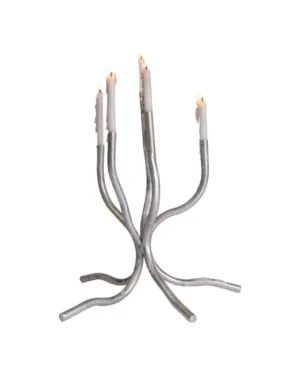
-
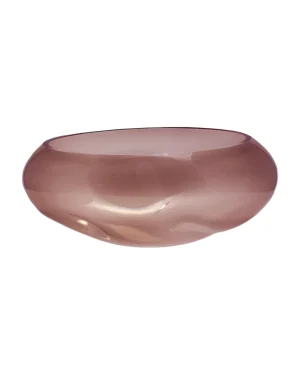
Supernova 1 Bowl – Silver Smoke Red
By ELOA - Unique Lights
€635 - €1.160 This product has multiple variants. The options may be chosen on the product page -
 In stock
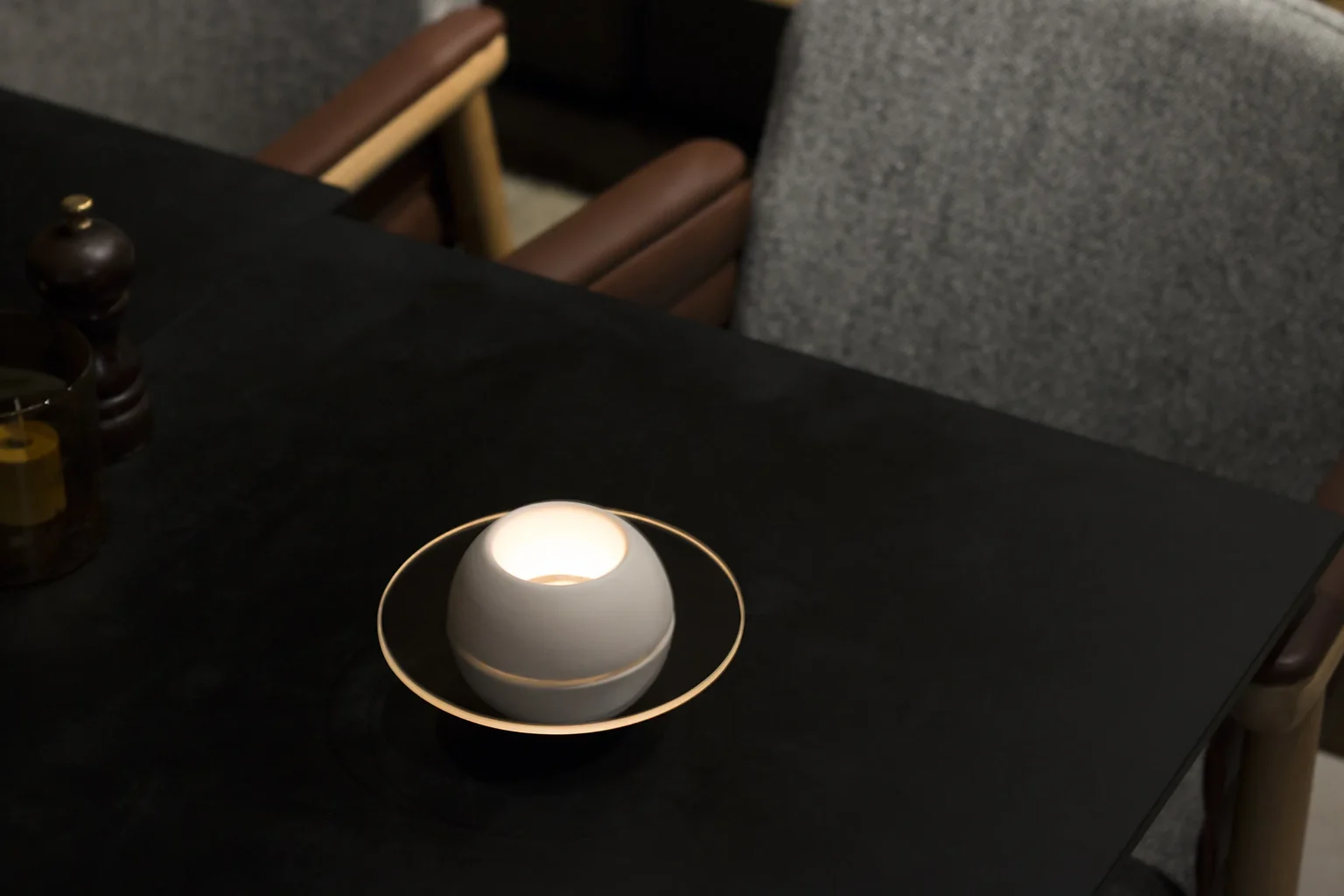
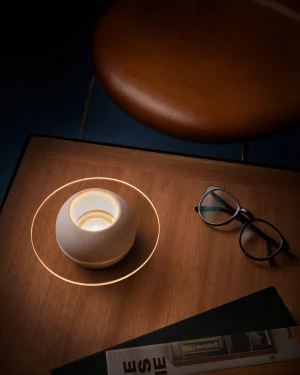
Sfär – Glass & Porcelain Tealight Candle Holder
By Jochen Lavéno Mangelsdorff Studio & Objects
€160 This product has multiple variants. The options may be chosen on the product page -
 In stock
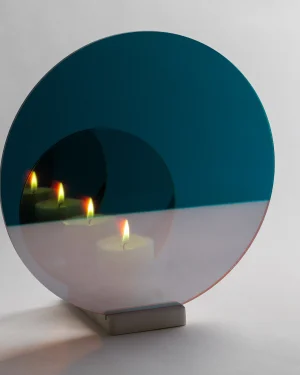
Onnda Flame Concentric Deep Sea – Dichroic Glass Marble
By Catrinel Sabaciag
€210 -
 In stock
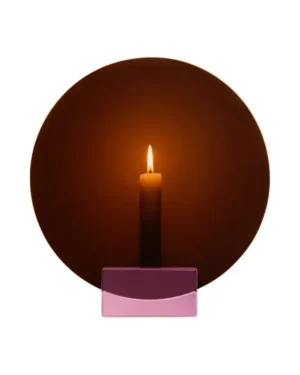
Spegla Wall Edition – Mirror & Candle Holder In Crystal Glass And Half-transparent Mirror
By Jochen Lavéno Mangelsdorff Studio & Objects
€345 - €395 This product has multiple variants. The options may be chosen on the product page -
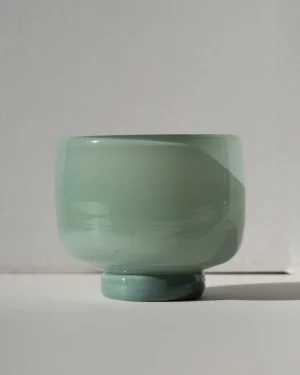
Chawan – Mass-tinted Hand-blown Glass Matcha Bowl
By OOG Objects
€200 -
 In stock
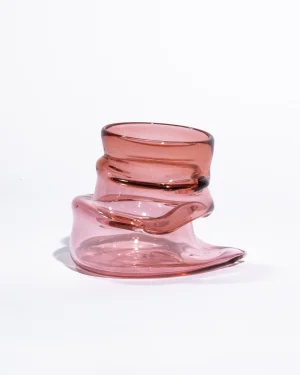
Deflated Cup
By Sticky Glass
€93 This product has multiple variants. The options may be chosen on the product page -
 In stock
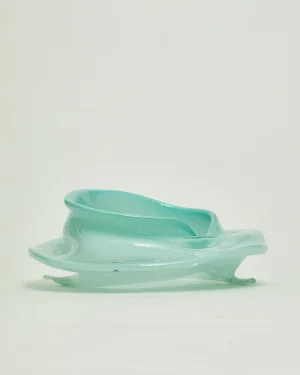
Deflated Glass Bowl
By Sticky Glass
€327 This product has multiple variants. The options may be chosen on the product page -

Egg Shaped Hand-blown Glass Vase
By Szkło Studio
€1.400 -
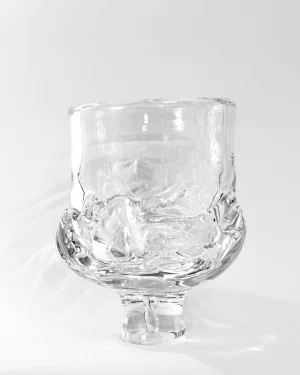
Large Hand-blown Fruit Bowl
By Szkło Studio
€1.800 -
 In stock
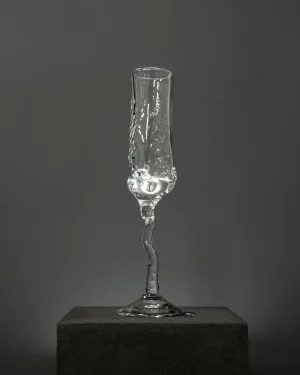
Organic Flute Champagne Glass
By Szkło Studio
€220 -
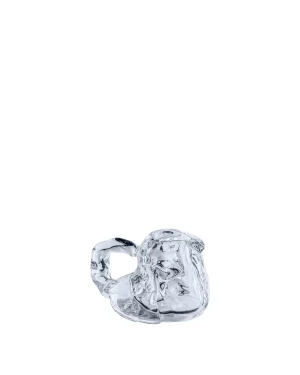
Small Hand-blown Glass Creamer
By Szkło Studio
€250 -
 In stock
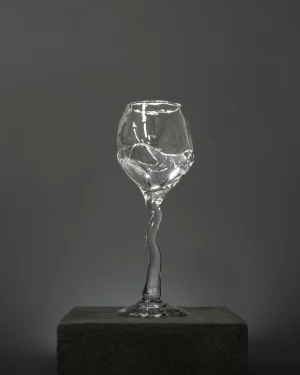
Hand-blown Wine Glass
By Szkło Studio
€220 -
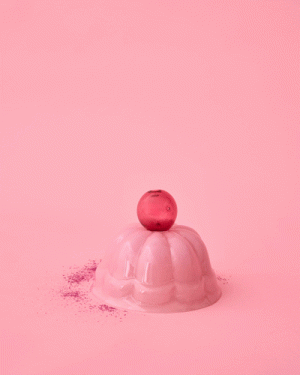
Jello – Small Glass Cloche
By STUDIO BERG
€168 This product has multiple variants. The options may be chosen on the product page -
 In stock
Cup Of Love Ring – Transparent
By PIA GLASSWORKS
€152 This product has multiple variants. The options may be chosen on the product page -
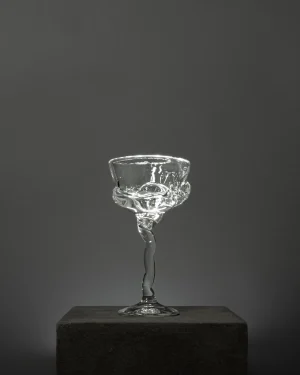 In stock
Hand-blown Champagne Coupe
By Szkło Studio
€220 -
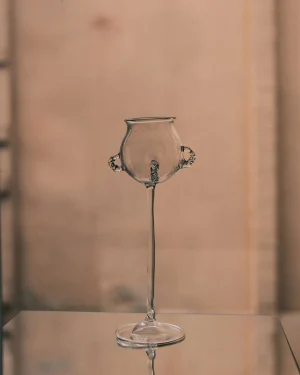 In stock
Reliquia Nº1 – Glassware
By Natalie Dubrovska
€85 -
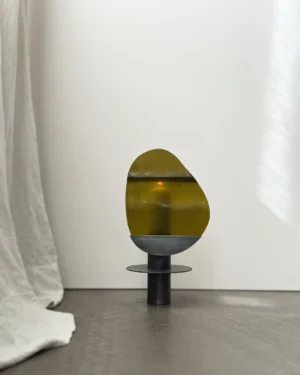 In stock
Veilleur – Pc1
By Louise Hurth
€1.390 -

Glass Spoon
By NOSTUDIO
€15 - €28 This product has multiple variants. The options may be chosen on the product page -
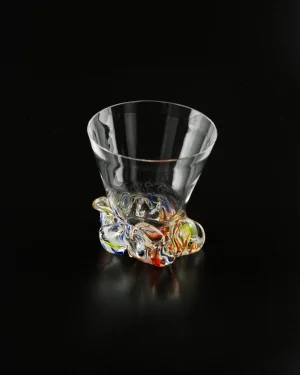 In stock
Persona Glass Multicolour
By MILA ZILA
€120 -
 In stock
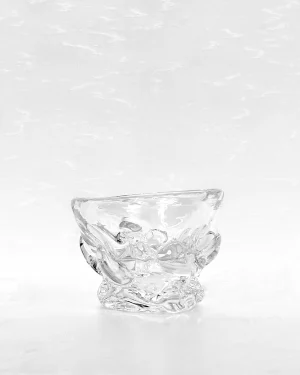
Chawan – Limited Edition Mouth-blown Glass Vessel
By Szkło Studio
€290 -
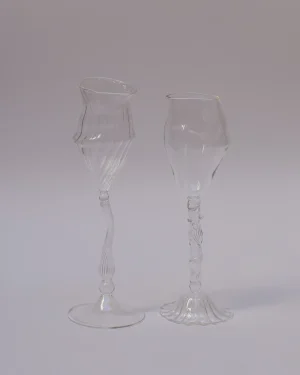
Nymphs Wine Glasses – Set Of 2
By PIA GLASSWORKS
€230 -
 In stock
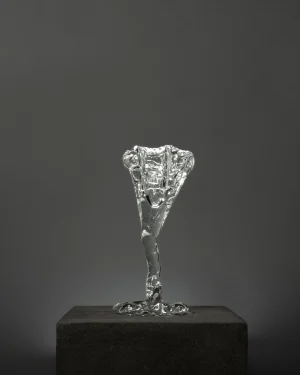
Spiky Cocktail Glass
By Szkło Studio
€200 -
 In stock
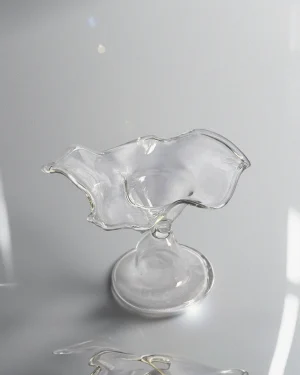
Delirium – Glass Pitcher
By CARRARA
€70 -
 In stock
Myth Ashtray – Handcrafted Blown Glass
By PIA GLASSWORKS
€200 -

Jello – Xl Glass Cloche
By STUDIO BERG
€316 This product has multiple variants. The options may be chosen on the product page -
 In stock
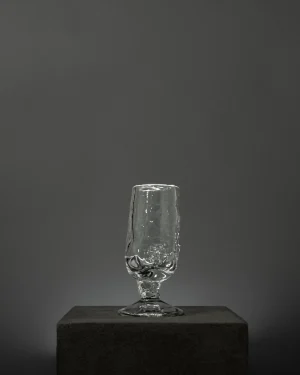
Deflated Mouth blown Glass Goblet
By Sticky Glass
€330 This product has multiple variants. The options may be chosen on the product page -
 In stock
Organic Goblet
By Szkło Studio
€200 -
 In stock
Onnda Flame Concentric M Blaze – Dichroic Glass Marble
By Catrinel Sabaciag
€210 -
 In stock
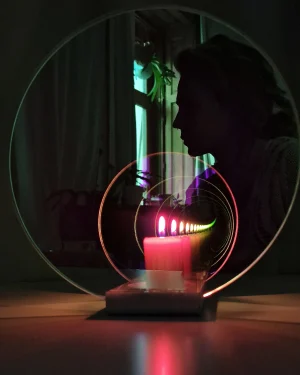
Reliquia Nº2 – Borosilicate Goblet
By Natalie Dubrovska
€85 -
 In stock
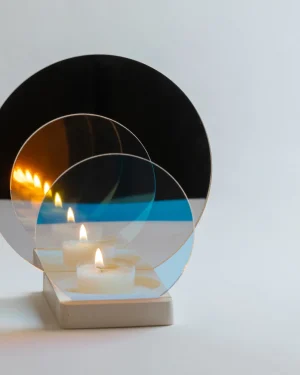
Onnda Flame Concentric Fuchsia Pink – Dichroic Glass Marble
By Catrinel Sabaciag
€210 -
 In stock
Onnda Flame Concentric S Blaze – Dichroic Glass Marble
By Catrinel Sabaciag
€169 -
 In stock
Jello – Large Glass Cloche
By STUDIO BERG
€282 This product has multiple variants. The options may be chosen on the product page -
 In stock
La Bailarina Glass Wine
By PIA GLASSWORKS
€200 -

Mind Glass
By MILA ZILA
€30 This product has multiple variants. The options may be chosen on the product page -
 In stock
Bubble Cup
By Sticky Glass
€77 - €94 This product has multiple variants. The options may be chosen on the product page -
 In stock
Persona Glass Stemed
By MILA ZILA
€160 -

Hand-blown Chalice
By Szkło Studio
€220 -
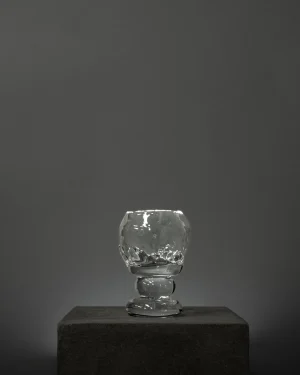
Organic Shaped Footed Table Glass
By Szkło Studio
€200 -
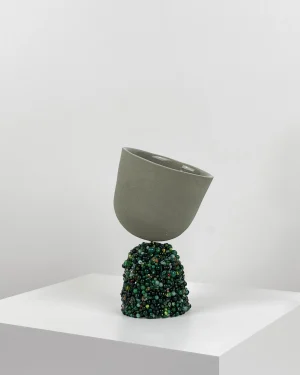 In stock
Verde 10 – stoneware Matcha Bowl
By Federica Paglia
€460 -
 In stock
Cup Of Love Ring – Lilac
By PIA GLASSWORKS
€152 This product has multiple variants. The options may be chosen on the product page -
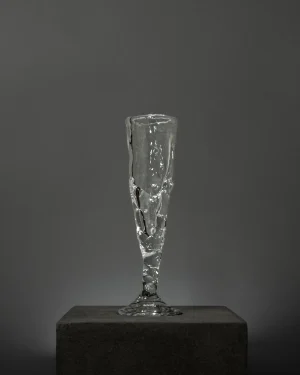 In stock
Hand-blown Goblet
By Szkło Studio
€200 -
 In stock
Persona Glass Tumbler
By MILA ZILA
€120 -
 In stock
Fancy Platters
By Sticky Glass
€1.768 This product has multiple variants. The options may be chosen on the product page -

Round Hand-blown Bowl
By Szkło Studio
€1.800 -

Supernova 1 Bowl – Silver Smoke
By ELOA - Unique Lights
€635 - €1.160 This product has multiple variants. The options may be chosen on the product page -
 In stock
Platty – Mouth-blown Glass Serving Tray
By Deya
€490 -
 In stock
Wavy Lady – Glass-blown Dish
By Deya
€390 -
 In stock
Glass Of Water – Traditional Blown Glass
By PIA GLASSWORKS
€230 -
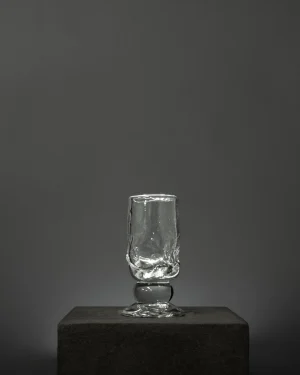 In stock
Organic Footed Table Glass
By Szkło Studio
€200 -

Jello – Medium Glass Cloche
By STUDIO BERG
€250 This product has multiple variants. The options may be chosen on the product page -
 In stock
Round Free-shaped Glass
By Szkło Studio
€200 -
 In stock
Organic Glass Platter
By Szkło Studio
€1.800 -
 In stock
Organic Fruit Bowl
By Szkło Studio
€1.800 -

Organic Table Glass
By Szkło Studio
€180
Glass tableware brings light and transparency to the table, made by studios working in blown glass, cast glass and borosilicate, each piece shaped by heat and hand before it ever holds a drink or a dish. What defines the category is the way the material behaves: it is poured, blown or cast, then cooled, cut or polished into its final form. No two studios treat it quite the same way, but all of them answer to the same physical rules glass sets for itself.
What defines glass tableware
Glass is silica brought to a molten state and shaped before it sets. Glassblowing lets a maker gather and turn the material on a pipe, building thickness and form as it cools. Glass casting pours molten glass into a mold, useful for heavier, more sculptural pieces, while lampworking melts glass rods over a flame for finer, smaller details. Glass cold working, the grinding and polishing done after the piece has cooled, gives rims, bases and facets their final edge.
Borosilicate glass resists heat better than standard soda-lime glass, which is why it turns up in pieces meant for warm liquids. Color comes from metal oxides mixed into the batch before blowing: amber, green, black, pink and dark blue all begin as additions to the raw material, while crystal and transparent glass leave it clear. Mirrorglass, silvered on one face, behaves differently again, reflecting rather than passing light through.
The range of finishes and editions
Glass tableware on ADORNO spans several approaches at once. Some pieces sit closer to sculpture, carved or cast in small runs or as unique pieces, their surfaces never quite repeating. Others follow open editions, made to a steadier, more repeatable standard for everyday use.
- Clear and tinted glass, from pale amber to deep dark blue
- Blown, cast and lampworked forms, each carrying the marks of its making
- Mirrorglass surfaces that add reflection rather than transparency
- Finishes left raw from the kiln or cold-worked to a sharper edge
Stylistically, the material moves easily between eras. Art Deco glass favors faceted cuts and strong color; Contemporary and Minimalist pieces tend toward clean lines and clear or lightly tinted glass; Futuristic and Radical work pushes form further, using the material's fluidity to build shapes a solid material could not hold.
How to choose a piece
Scale matters more with glass than with heavier materials, since a large clear vessel reads differently on a table than a small tinted one. Consider how the piece will sit alongside plates and flatware: a dark or mirrored surface anchors a setting, while clear glass lets other materials carry the visual weight. Height counts too, particularly for glassware meant to be lifted and poured rather than left standing.
Finish affects both look and feel. Cold-worked rims and bases tend to have a crisper edge, while pieces left as blown have a softer, rounder profile. If the piece will see daily use, open editions in borosilicate or standard glass are the more practical route; for a one-off or limited piece meant to be seen rather than used daily, cast or lampworked glass gives more room for individual variation.
Where it suits and how to care for it
Glass tableware works in dining rooms and kitchens alike, and extends naturally into glass decor and glass vases for shelves, sideboards and windowsills where light passes through. Transparent and lightly tinted pieces suit rooms that already have strong material presence elsewhere, since they add without competing. Darker or mirrored glass holds its own in a simpler room.
Hand washing is the safer habit for cast, cut or hand-finished glass, since repeated machine cycles dull polished edges over time. Avoid sudden temperature changes, especially with standard soda-lime glass, which can crack under thermal shock in ways borosilicate resists. Stored upright and apart from other pieces, glass tableware keeps its surface and edge for years of regular use.
For related materials and finishes, see ceramic tableware and metal tableware, or view every glass piece on ADORNO across lighting, decor and accessories. The full range of tableware sits within accessories more broadly.
How do I choose the right glass tableware?
Consider how the piece will be used, blown glass for everyday pouring and serving, cast or cold-worked glass for sculptural centerpieces, and let color and transparency guide how it sits against your existing table settings.
How do you care for glass tableware?
Hand wash with a soft cloth and mild soap, avoid sudden temperature changes which can cause cracking, and store pieces where they will not knock against other glass or hard surfaces.
Is glass tableware safe for everyday use?
Most blown and cast glass pieces handle daily use well, though thinner or hand-finished glass benefits from gentler handling than machine-made glassware.
What size glass tableware works best for my table?
Glass pieces read lighter than ceramic or stone of the same size, so they can sit comfortably on smaller tables without crowding; for exact dimensions, chat with the maker on the piece's page.
Which rooms suit glass tableware?
Glass carries light well, so it suits dining rooms, kitchens and bar areas where natural or ambient light passes through it, adding depth without adding visual weight.
How does shipping, returns and authenticity work when buying from ADORNO?
Shipping is insured and worldwide, returns are accepted within 14 days except on made-to-order pieces, and every order includes a certificate of authenticity along with a lowest-price guarantee.