


-
 In stock
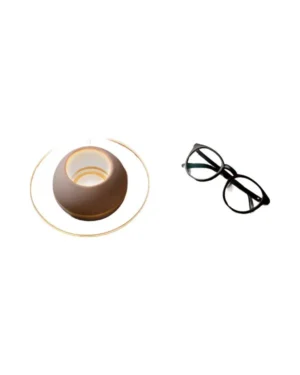
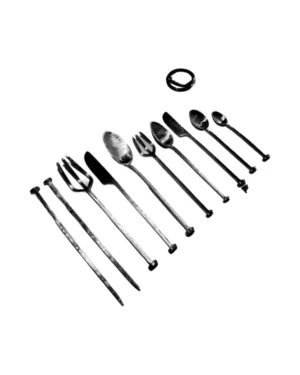
“a Shallow And Salty Ocean” Carafe & Shot Cup Set
By Craig Barrow
€378 This product has multiple variants. The options may be chosen on the product page -
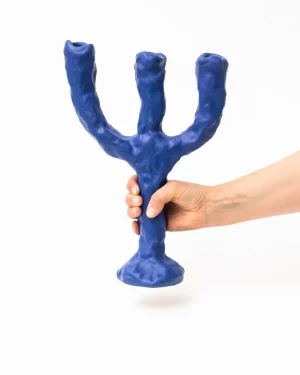
Minute – Candle Holder
By Studio Flétta
€320 This product has multiple variants. The options may be chosen on the product page -
 In stock
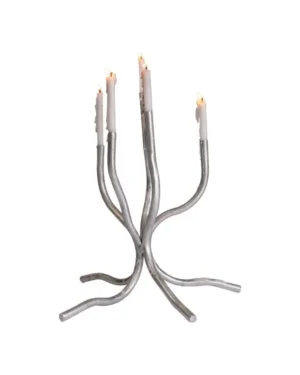
Sfär – Glass & Porcelain Tealight Candle Holder
By Jochen Lavéno Mangelsdorff Studio & Objects
€160 This product has multiple variants. The options may be chosen on the product page -
 In stock
“a Shallow And Salty Ocean” Porcelain Carafe
By Craig Barrow
€235 This product has multiple variants. The options may be chosen on the product page -
 In stock
A Shallow And Salty Ocean – Shot Cups
By Craig Barrow
€71 This product has multiple variants. The options may be chosen on the product page -
 In stock
“oro Cacao” Cups
By Tributo
€201 -
 In stock
1.5l Jarra Clay Vessel
By Twelve Degrees
€190 This product has multiple variants. The options may be chosen on the product page -
 In stock
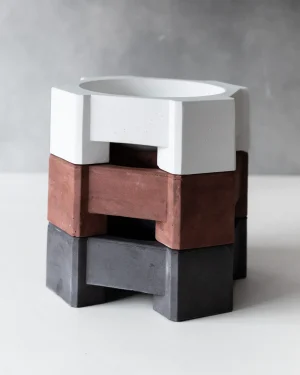
Brutalist Catchall
By Studio S II
€119 - €265 This product has multiple variants. The options may be chosen on the product page -

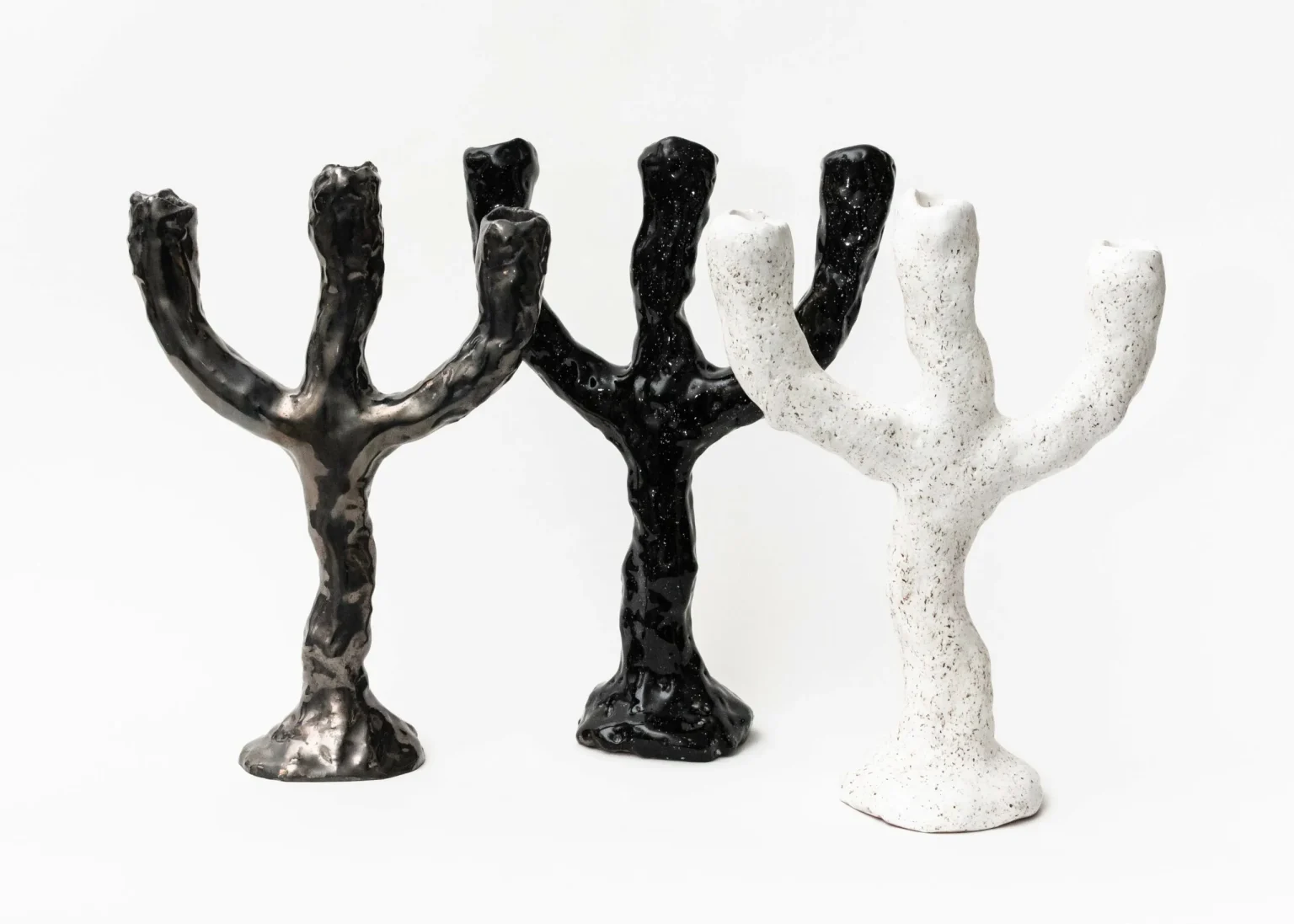
Arbo – Stoneware Candleholder
By Lucia Mondadori
€284 -
 In stock
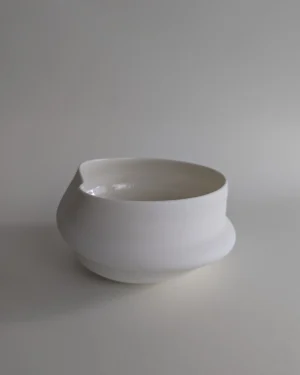
Fleuve Chawan – Porcelain Matcha Bowl
By SCHOEMIG PORZELLAN
€115 -
 In stock
“los” Ceramic Containers
By Popdots Studio
€167 This product has multiple variants. The options may be chosen on the product page -
 In stock
“dias En Vela” Candleholders
By Popdots Studio
€550 -
 In stock
Ignorance Is Bliss Big Cup
By Agne Kucerenkaite
€46 -

Silent Teapot
By Erin Turkoglu
€130 -
 In stock
Coque En Paté – Porcelain Egg Cup
By Volokhova Porcelain
€64 -
 In stock
6 Stk Knstrkt – Stoneware Organizer
By STUDIO BERG
€155 -
 In stock
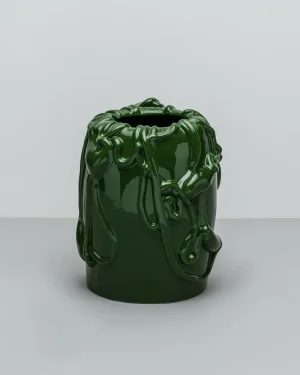
Jam – Earthenware Vase
By raawii
€220 This product has multiple variants. The options may be chosen on the product page -
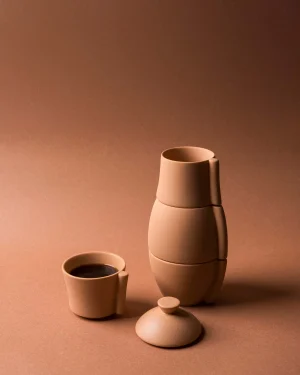 In stock
Gatherware – Stackable Clay Coffee Cups
By Boo Design Studio
€95 -
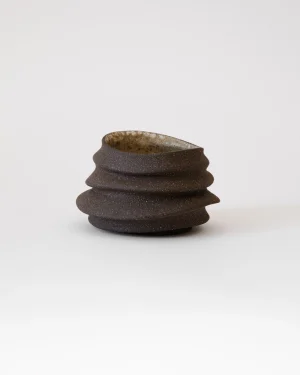
Melo Chawan – Sculptural Ceramic Matcha Bowl
By Catalin Filip
€250 -
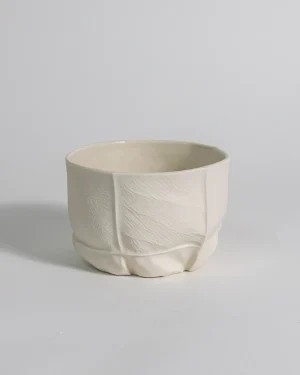 In stock
Kawa Matchawan – Limited Edition Leather-cast Porcelain Tea Bowl
By Luft Tanaka Studio
€300 -
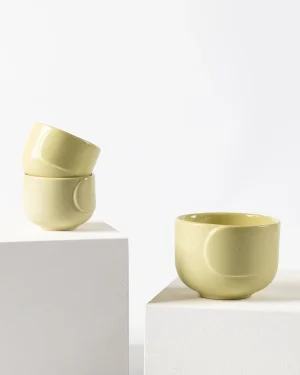
Phantom Cup_lemon Yellow
By narratology
€48 - €64 This product has multiple variants. The options may be chosen on the product page -
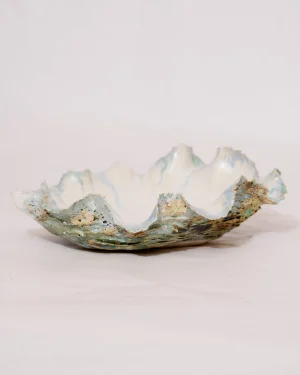
Oyster Shell – Medium
By Sugoi Studio
€217 -
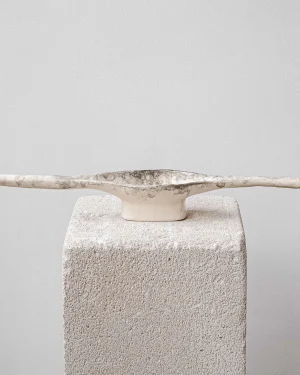
Dyka Ceramic Drinking Bowl Bowl
By ZEMNA
€230 -
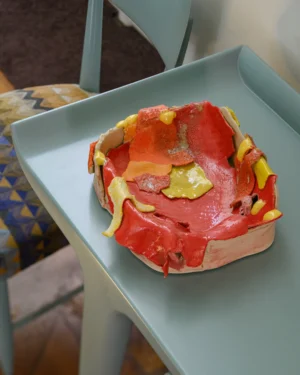 In stock
Estudi 03 – Tray
By Pierre Klein
€330 -
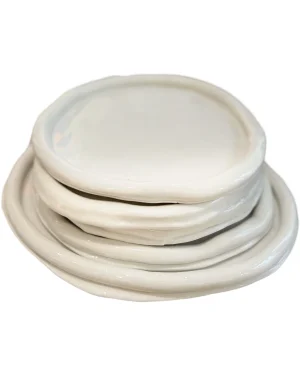 In stock
White Porcelain Dinner Plate
By Hania Jneid Design Studio
€75 -
 In stock
Abyss Candleholder No. 1 In Stoneware
By Ceren Gürkan
€1.000 -
 In stock
“ignorance Is Bliss” Small Cup
By Agne Kucerenkaite
€29 -
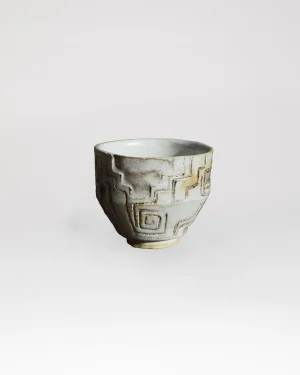 In stock
Samiria Raku Chawan – Ceremonial KENÉ pattern Matcha Bowl
By Vale Ro
€220 -

Strawberry Ashtray
By Sugoi Studio
€380 -

Fum – Ceramic Candle Holder
By Catalin Filip
€190 -

Scallop Ashtray
By Sugoi Studio
€245 -

O-Jar Porcelain Vessel
By Erin Turkoglu
€210 -
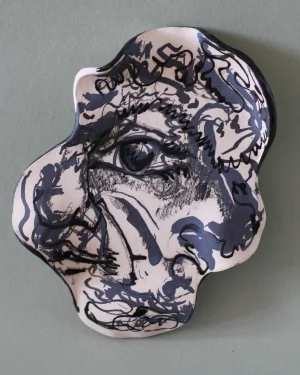 In stock
Marbled Dream #2 – Handcrafted Ceramic Illustrated Plate
By Vale Ro
€220 -
 In stock
5 Stk Knstrkt – Stoneware Organizer
By STUDIO BERG
€121 -
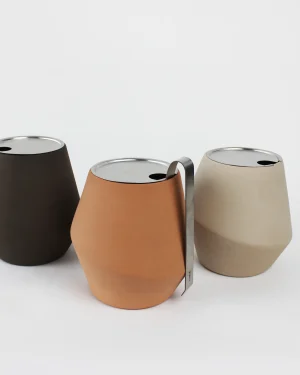 In stock
Ice Bucket – Clay Cooler
By Twelve Degrees
€220 This product has multiple variants. The options may be chosen on the product page -

The Drago Bowl
By COSEINCORSO
€520 -
 In stock
2 Stk Knstrkt – Stoneware Organizer
By STUDIO BERG
€40 -

Yo-yo Orange Ceramic Shot Glass
By eguiarte & eguiarte
€25 -
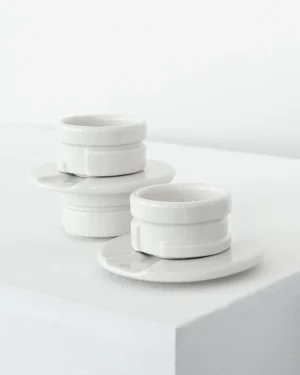 In stock
Key Espresso Cup
By narratology
€89 -
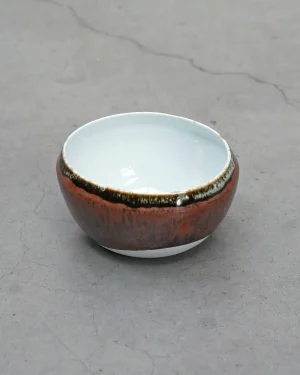 In stock
Ignorance Is Bliss – Metal Waste Matcha Bowl
By Agne Kucerenkaite
€150 -
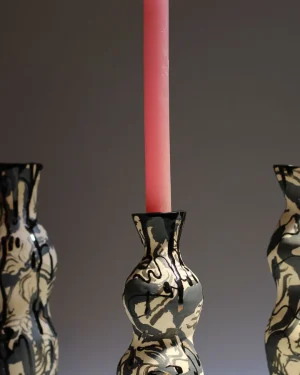 In stock
Marbling Dream – Stoneware Collectible Candleholder
By Vale Ro
€380 -
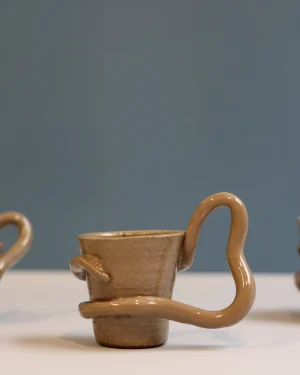 In stock
Menyé – Stoneware Candleholder
By Vale Ro
€55 -
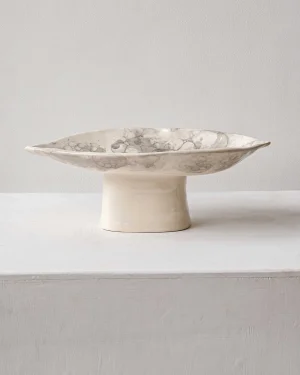
Dyka Ceramic Centerpiece Bowl
By ZEMNA
€500 -

“Expressive Experimenter”
By AaltoAalto Studio
€600 -
 In stock
“Kingfisher” Carafe
By UAU Studio
€150 -
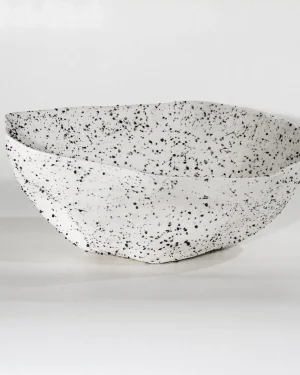 In stock
Telluride – Stracciatella Big Bowl
By Tellurico Design Studio
€2.800 -
 In stock
Jewelled Bowl X Lindsey Fontijn
By Szkło Studio
€2.826 -
 In stock
14 Stk Knstrkt – Stoneware Organizer
By STUDIO BERG
€382 -
 In stock
L2 Stk Knstrkt – Stoneware Organizer
By STUDIO BERG
€50 -
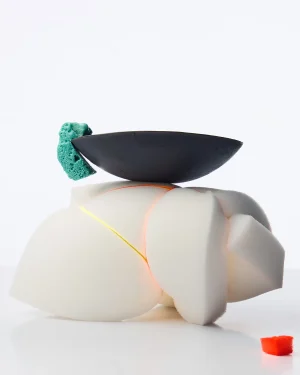 In stock
From Fragility To Stability – Sculptural Black Clay Bowl
By C E R A M I C 4 7
€120 -
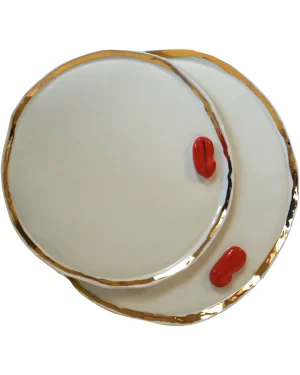
Lips Plates – White Porcelain
By Hania Jneid Design Studio
€95 - €110 This product has multiple variants. The options may be chosen on the product page -
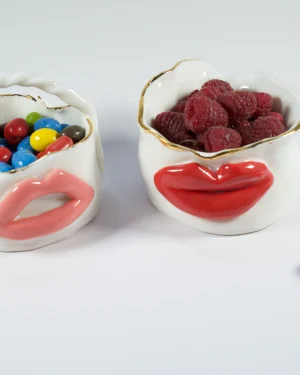
Lips Candy Holder – Porcelain
By Hania Jneid Design Studio
€500 This product has multiple variants. The options may be chosen on the product page -
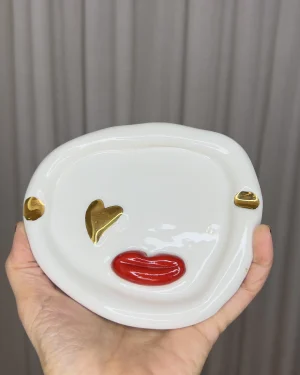 In stock
Post Modern Inspired Porcelain Lips Ashtray
By Hania Jneid Design Studio
€400 -
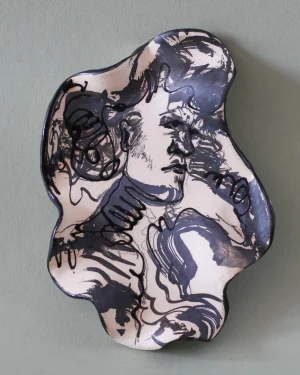 In stock
Marbled Dream #1 – Handcrafted Ceramic Plate
By Vale Ro
€220
Ceramic tableware covers plates, bowls, serving pieces and cups formed from fired clay, each shaped by a studio working in stoneware, porcelain, earthenware or terracotta. The material is shaped wet, through wheel throwing, hand-building, slip casting or press moulding, then fired and often glazed, so no two surfaces behave quite the same way under light. What unites the pieces on ADORNO is this: clay transformed by heat into something hard, food-safe and permanent, made by hand or by mould rather than stamped from a single sheet of industrial material.
What defines ceramic tableware
Clay bodies vary by what they're fired to and how dense they become. Stoneware fires dense and chip-resistant, good for daily plates and bowls. Porcelain fires pale, thin and almost translucent at the rim, suited to pieces meant to look delicate but hold their shape. Earthenware and terracotta stay porous and warmer in tone, often left partly unglazed so the clay itself shows through. Glaze is what turns a raw clay body into something that holds liquid without staining, and it is also where color and texture happen, from a flat cobalt blue to a sand-toned matte to an off-white that pools and thins at the edges of a bowl.
Finishes, techniques and editions
Within ceramic and clay, finishes range from high-gloss glazing to raw, unglazed stoneware left to show the hand that shaped it. Surface decoration might come from hand painting, slip trailing, or carving before the glaze firing, so two pieces from the same technique can still read differently depending on how the maker worked the surface. Styles run from contemporary and minimalist, where a single glaze and a clean line do the work, through boho chic, maximalist and eclectic pieces with more pattern and color, to rustic and wabi-sabi work that leaves cracks, pooling glaze or an uneven rim as part of the finished object.
- Open editions, made to a repeatable form through casting or moulding
- Limited editions, produced in a fixed, smaller run
- Unique pieces, each one the only one of its kind
How to choose a piece
Start with scale against the pieces it will sit alongside: a dinner plate should sit comfortably inside a standard place setting, and a serving bowl should leave room on the table once food is in it. Height matters for stacking and storage, so check how a set of bowls or plates will nest in a cupboard before committing to a shape. Glossy glazes show cutlery marks and reflect light, which suits a brighter dining room, while matte or unglazed stoneware reads quieter and softer under low light. If you're building toward a full table setting rather than a single bowl or plate, it's worth looking at the wider range of tableware to see how glass, metal and ceramic pieces might sit together.
Where it works
Ceramic tableware belongs on a dining table or kitchen counter, but the same pieces also hold their own on open shelving or a sideboard when not in use, since glaze and form carry visual weight even empty. A single bowl or jug can anchor a kitchen counter the way a vase anchors a console. For kitchens built around daily use rather than display, it's worth looking at kitchen tableware suited to everyday handling and stacking. Anyone drawn to a quieter palette might also look at minimalist tableware, where a single glaze and a plain form do most of the work.
Caring for ceramic pieces
Glazed stoneware and porcelain generally tolerate dishwashers, though hand washing keeps a glaze looking even for longer and protects any hand-painted or carved detail. Unglazed earthenware and terracotta are more porous, so they absorb liquid and stain more easily and are best wiped rather than soaked. Avoid sudden temperature swings, since a piece moved straight from a hot oven to a cold counter can crack along a glaze line. Stored dry and stacked carefully, ceramic tableware holds its surface and color for years, and small chips at a footring are normal wear rather than a fault. For the full range of fired clay and stoneware beyond the table, the complete ceramic material listing is worth a look.
How do I choose ceramic tableware?
Match the glaze and tone to how you already set a table, then check whether the piece is built for daily use or display. Stoneware and porcelain handle regular serving well, while hand-painted or unique pieces suit occasional use.
How do I care for ceramic tableware?
Hand wash glazed stoneware and porcelain to protect the glaze, and avoid sudden temperature changes that can crack the clay body. Unglazed terracotta and earthenware absorb moisture, so dry pieces fully before storing.
Is ceramic tableware safe for daily use and the dishwasher?
Most glazed stoneware and porcelain tolerate dishwashers, though hand washing keeps glazes and any painted detail intact longer. For a specific piece, check with the maker through Chat with the maker on its page.
What sizes do ceramic plates, bowls and serving pieces come in?
Sizes follow standard dining proportions, from small side plates to larger serving bowls and platters, with exact dimensions varying by maker. Chat with the maker on the piece's page for precise measurements.
Which rooms suit ceramic tableware?
Ceramic tableware belongs on dining and kitchen tables, but glazed bowls and plates also hold their own on open shelving or a sideboard as everyday objects worth looking at.
How does shipping, returns and authenticity work when buying ceramic tableware on ADORNO?
Shipping is insured and worldwide, with a 14-day return policy excluding made-to-order pieces. Every piece arrives with a certificate of authenticity, and ADORNO offers a lowest-price guarantee.