

-
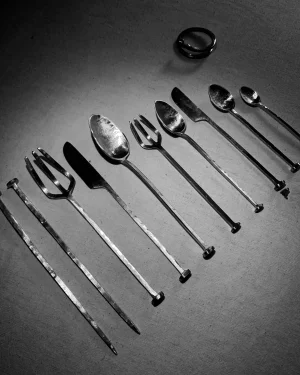 In stock
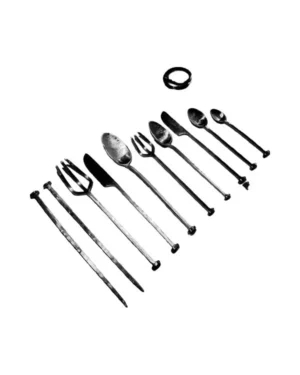
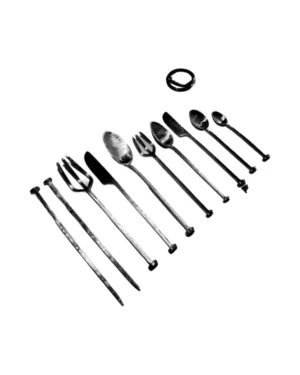
“nail” Full Cutlery Set
By Sebastião Lobo
€200 -

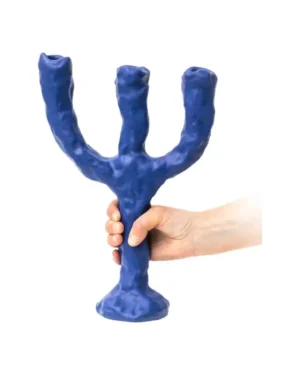
Small Aluminum Candelabra
By Six Dots Design
€250 -
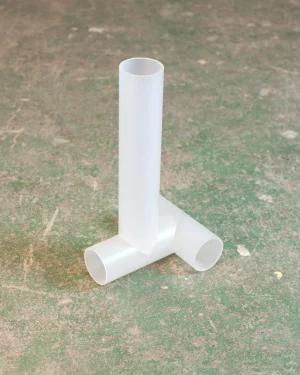
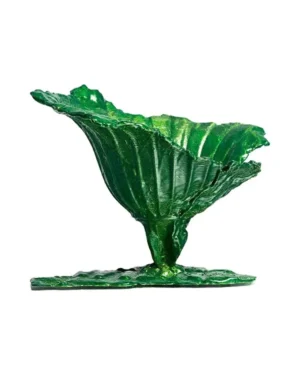
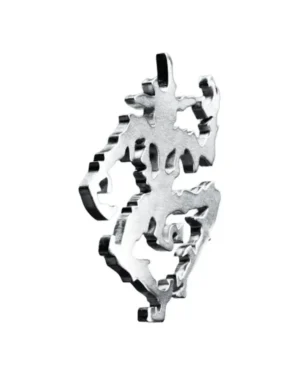
Pmma Notch – Acrylic Vessel
By Nolan Talbot-Kelly
€100 -
 In stock
Candleholder 01.03 ´route´
By SK - Sofia Karnukaeva
€750 -
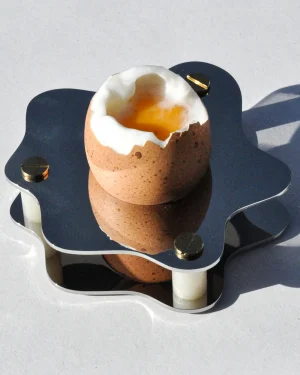 In stock
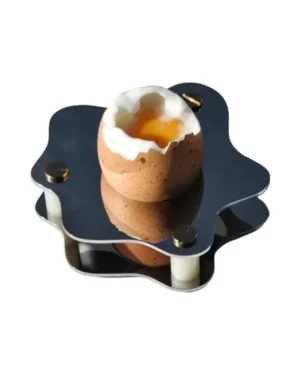
Egg40 – Mirror Stainless Steel Egg Cup
By MLK Furniture
€290 -

Chrome Candle Holder
By Panorammma Atelier
€1.300 -
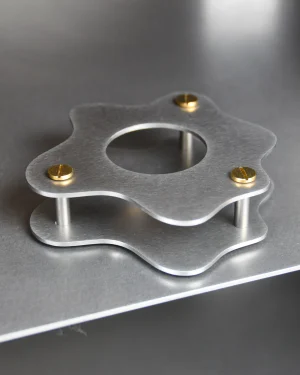 In stock
Egg40 – Matte Stainless Steel Egg Cup
By MLK Furniture
€190 -
 In stock
J D | Solid Ashwood Floor Candleholder
By N I S H
€890 - €1.410 This product has multiple variants. The options may be chosen on the product page -

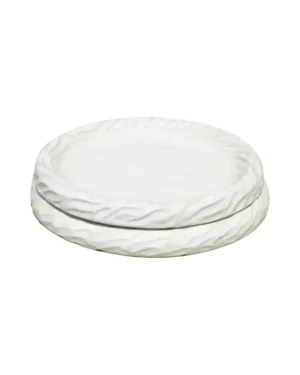
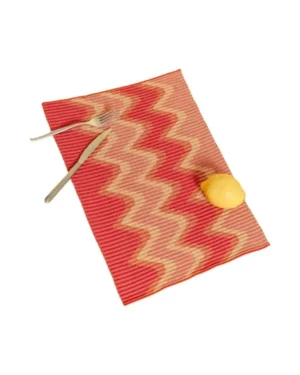
Wabi Sabi Plates
By Fi
€1.750 -

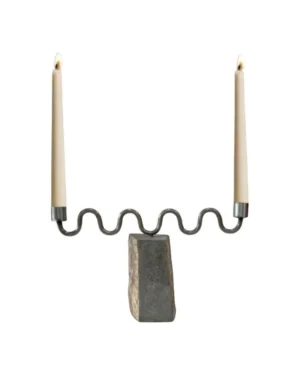
Quebramar – Candleholder
By Giácomo Tomazzi Studio
€175 - €195 This product has multiple variants. The options may be chosen on the product page -
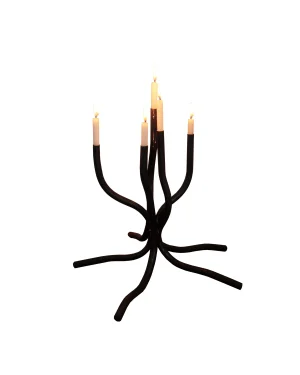 In stock
Small Steel Candelabra Steel
By Six Dots Design
€210 -

“Expressive Experimenter”
By AaltoAalto Studio
€600 -
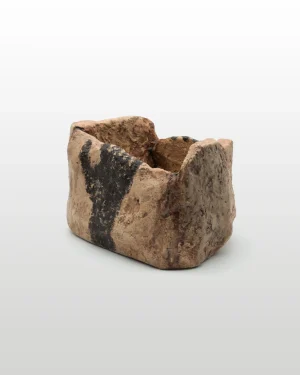 In stock
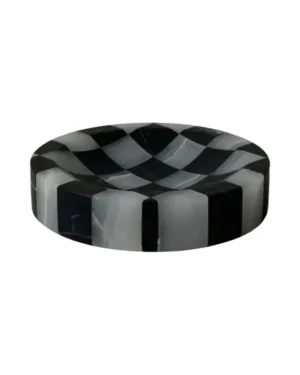
La Cauna – Cafaròt 03 Bowl
By Pierre Klein
€550 -
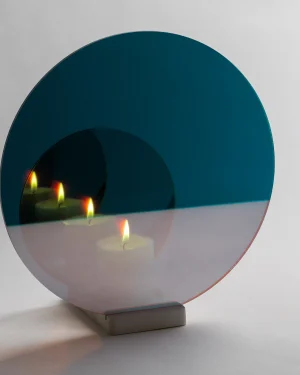 In stock
Onnda Flame Concentric Deep Sea – Dichroic Glass Marble
By Catrinel Sabaciag
€210 -

Candleholder 02.01 ´route´
By SK - Sofia Karnukaeva
€900 -
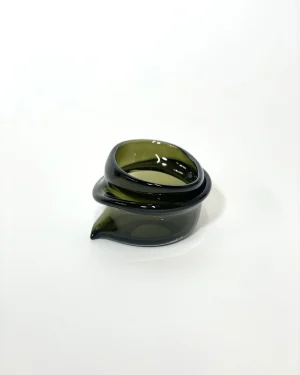 In stock
Small Deflated Blown Glass Bowl
By Sticky Glass
€93 This product has multiple variants. The options may be chosen on the product page -
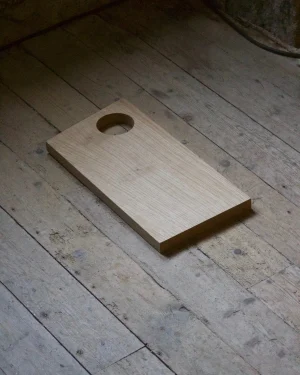 In stock
Sensitive Wood – Oak Cutting Board
By Vital Lainé
€200 -
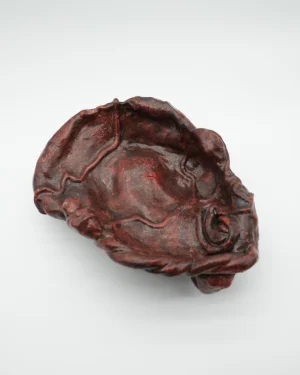 In stock
Carn – Abominacion 03 Stoneware Bowl
By Pierre Klein
€415 -
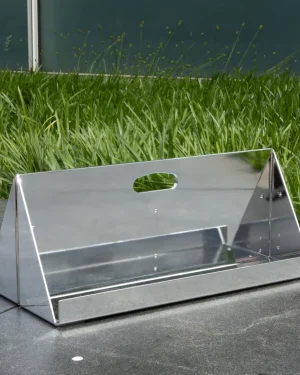 In stock
Tote Tray – Chrome Plated Aluminum
By andykim.global
€1.500 -
 In stock
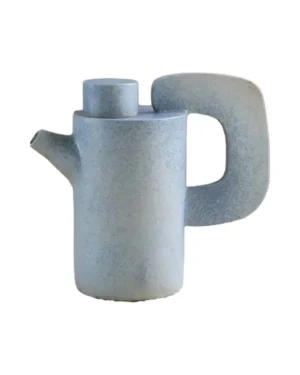
Blue-Cheeked Bee Eater Carafe
By UAU Studio
€180 -
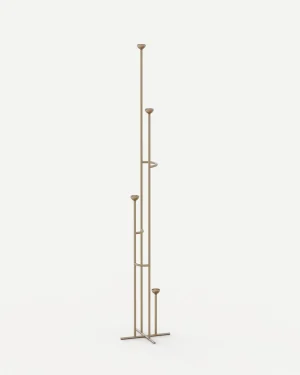 In stock
Camino Candle Holder
By Sebastián Ángeles
€2.957 -
 In stock
Fancy Platters
By Sticky Glass
€1.768 This product has multiple variants. The options may be chosen on the product page -
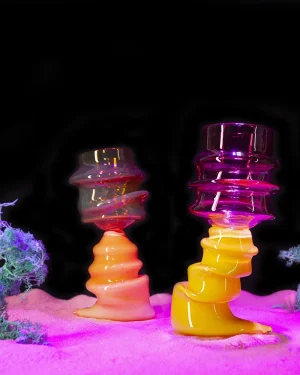 In stock
Deflated Mouth blown Glass Goblet
By Sticky Glass
€330 This product has multiple variants. The options may be chosen on the product page -

Fado – Candleholder
By Joana Teixeira
€720 This product has multiple variants. The options may be chosen on the product page -
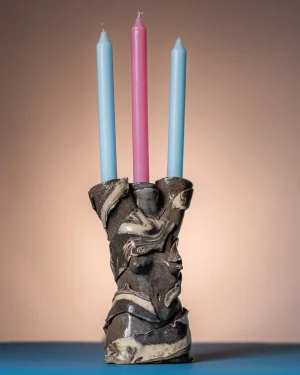 In stock
Marañon – Stoneware Sculptural Candleholder
By Vale Ro
€750 -
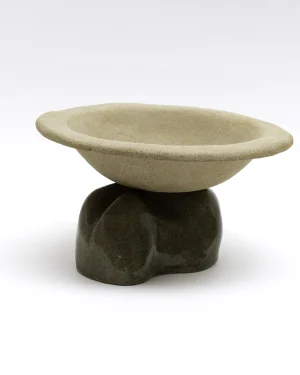 Sold
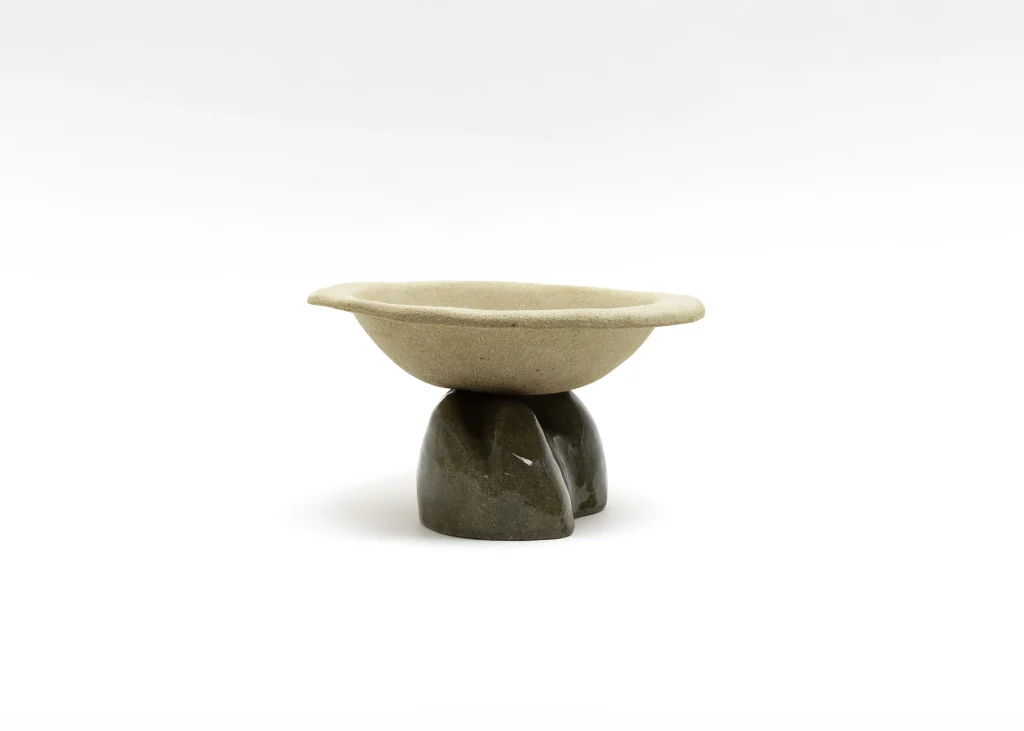
SoldCasco – Stoneware Bowl
By Pierre Klein
€240 -
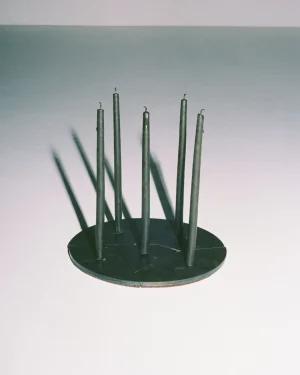 Sold
SoldThe Candelabra Sculptural Element
By COSEINCORSO
€240
Radical tableware treats the plate, bowl or pitcher as an argument rather than a neutral surface, favoring forms and colors that break with convention. Studios working in this register draw on the Radical design movements of the late twentieth century, pairing chrome, stainless steel and cast aluminum with stoneware, glass and stone, and moving between metalwork, metal casting, hand-building, stone carving, electroplating and glazing, sometimes within a single setting. The result still pours, holds and serves, but it does so with a color or silhouette that asks to be looked at.
What makes tableware radical
Color carries much of the argument: cobalt blue, dark blue, sand, gray, brown, beige and brown together, or multicolor glazes applied in bands or blocks rather than blended. Shapes tend toward the geometric or the exaggerated, a pitcher with a square spout, a bowl set on an asymmetric foot, a plate with a rim thick enough to read as sculpture. Polished chrome and electroplated metal catch and bend light, turning a simple place setting into something closer to a small object for the table.
Materials and techniques in the range
Metal pieces in this style are usually worked by hand through metalwork or metal casting, giving stainless steel and aluminum a weight and surface that stamped goods do not have. Metal tableware sits alongside stoneware built up through hand-building and finished with glazing, a slower process that leaves each glaze pull or color edge slightly its own; see the range of ceramic tableware for that side of the material story. Glass and stone appear less often but carry the same logic, glass blown or cast into deliberately unconventional forms, stone carved rather than molded. Editions vary by studio: some pieces are produced as open editions, others as limited editions or unique pieces, so it is worth checking how a given piece is numbered before it leaves the table and becomes a display object.
How to choose a radical piece
Scale matters more here than in a quieter table setting, since a bold color or an unusual silhouette reads at a distance. Measure against the pieces already on the table or shelf: a tall cast pitcher needs clearance above it, a wide-rimmed plate needs a place setting with room to spare.
- Match finish to what is already in the room: polished chrome and electroplated surfaces sit well with existing metal fixtures, while matte stoneware pairs more easily with wood.
- Choose one strong color or form per setting rather than several competing pieces, so the geometry or glaze has room to register.
- Think about where the piece will live when not in use, since a sculptural bowl or pitcher is often left out on a sideboard rather than stored.
Where radical tableware fits
Dining rooms and kitchens are the obvious homes, where a set of glazed stoneware plates or a cast metal pitcher can anchor a table setting on its own. Browse kitchen tableware for pieces sized for daily use rather than display. Open shelving, sideboards and glass-front cabinets suit the larger or more sculptural pieces, which hold their own even when not set for a meal.
Caring for metal, glass and stone pieces
Chrome and stainless steel wipe clean with a soft cloth; abrasive pads dull the plating and should be avoided. Glass should be hand washed where it has been cast or shaped unevenly, since thin or irregular walls do not always survive a dishwasher cycle. Stoneware glazes generally tolerate the dishwasher, but hand-built pieces with unglazed bases are better washed by hand to protect the raw clay edge. Stone benefits from an occasional seal and a quick wipe after contact with acidic foods, which can dull or stain an unprotected surface over time.
For the wider range of forms and finishes in this style, see every Radical piece on ADORNO, or step back to all tableware for a broader view of plates, bowls and serving pieces across materials and styles.
What makes tableware radical in style?
Radical tableware breaks from standard forms and proportions, favoring bold shapes, unexpected materials or exaggerated scale. It treats the table as a place for sculpture, not just service.
What materials are radical tableware pieces usually made from?
Chrome, aluminum, stainless steel, stoneware, glass and stone appear most often, sometimes combined. Metal pieces often come from casting or electroplating, while stoneware is hand-built or glazed.
How do I care for metal, stone or glass tableware?
Wash metal and glass by hand to avoid scratching or clouding, and dry promptly to prevent spotting. Seal porous stone occasionally and keep stoneware away from sudden temperature changes.
What size are radical tableware pieces?
Sizes vary widely since radical forms do not follow a fixed standard, ranging from small sculptural vessels to oversized serving pieces. Check the maker's page or chat with the maker for exact dimensions.
Which rooms or settings suit radical tableware?
These pieces anchor dining rooms and kitchens but also work as display objects on sideboards or shelving, where their form can be seen as much as used.
How does shipping, returns and authenticity work on ADORNO?
Shipping is insured and worldwide. Returns are accepted within 14 days, excluding made-to-order pieces, and every piece arrives with a certificate of authenticity.