
-
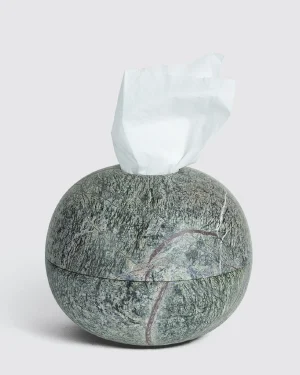
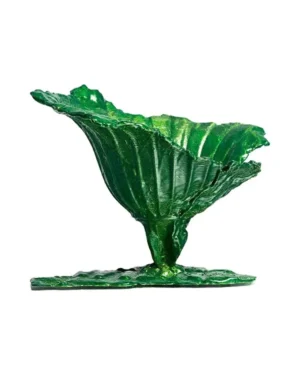
Ovoid Keeper – Tissue Paper Holder
By WANNAS
€330 - €430 This product has multiple variants. The options may be chosen on the product page -

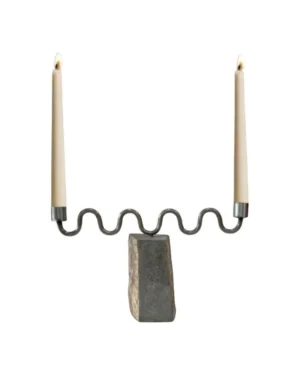
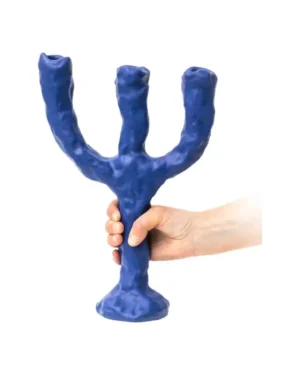
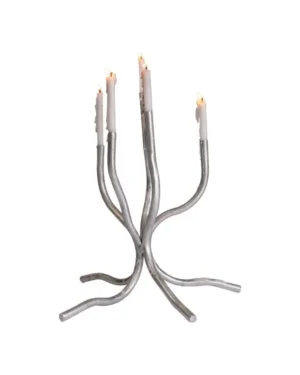
Small Aluminum Candelabra
By Six Dots Design
€250 -
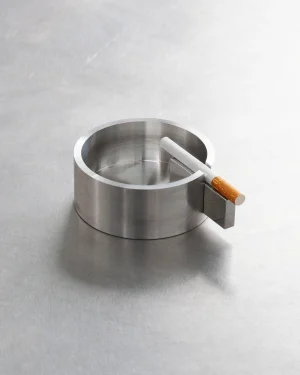
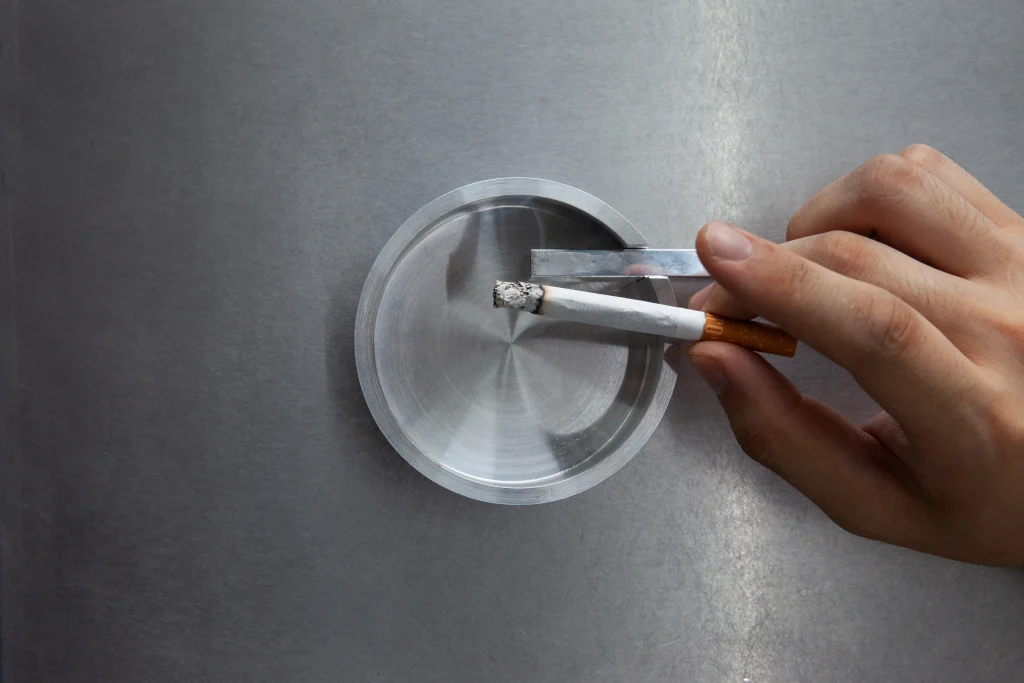
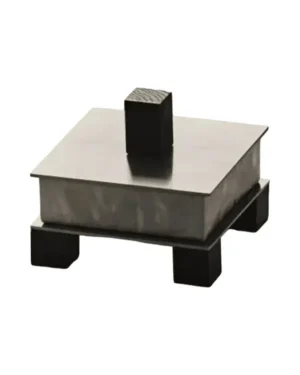
Ash Tray – Solid Aluminum
By PRACTICE
€150 -
 In stock
Betonschüssel – Concrete Bowl
By clasik.studio
€45 This product has multiple variants. The options may be chosen on the product page -

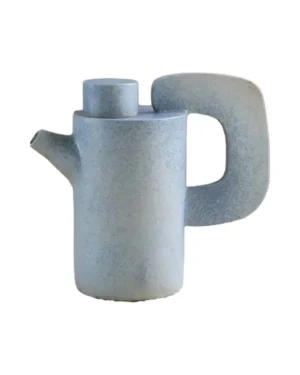
Silent Teapot
By Erin Turkoglu
€130 -
 In stock
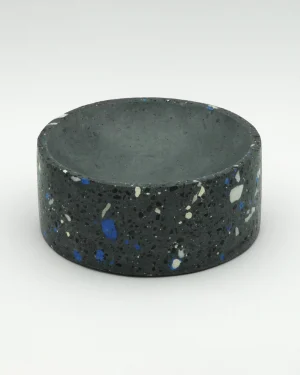
Escudela 01 – Medium Terrazzo Bowl
By Pierre Klein
€150 This product has multiple variants. The options may be chosen on the product page -
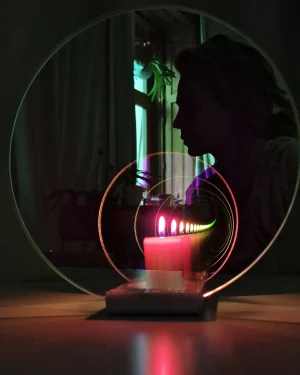 In stock
Onnda Flame Concentric Fuchsia Pink – Dichroic Glass Marble
By Catrinel Sabaciag
€210 -
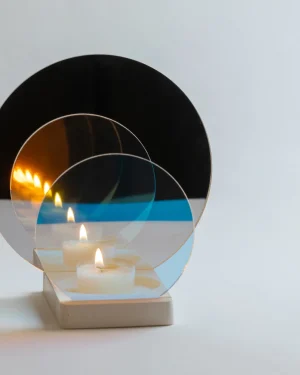 In stock
Onnda Flame Concentric S Blaze – Dichroic Glass Marble
By Catrinel Sabaciag
€169 -
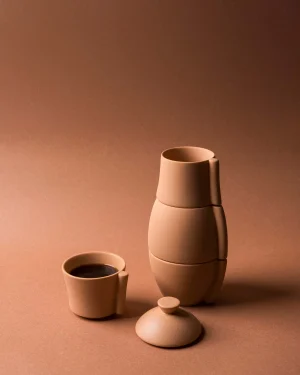 In stock
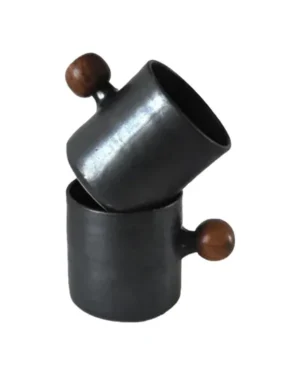
Gatherware – Stackable Clay Coffee Cups
By Boo Design Studio
€95 -
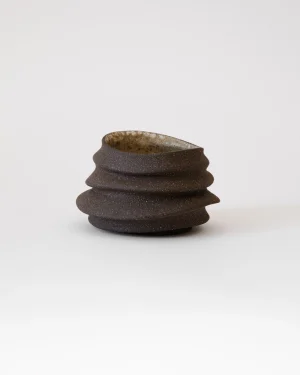
Melo Chawan – Sculptural Ceramic Matcha Bowl
By Catalin Filip
€250 -
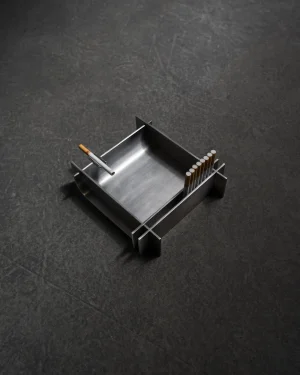 In stock
Wrp-004 Stainless Steel Ashtray
By NAVE
€250 -
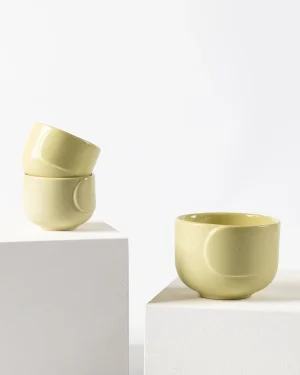
Phantom Cup_lemon Yellow
By narratology
€48 - €64 This product has multiple variants. The options may be chosen on the product page -
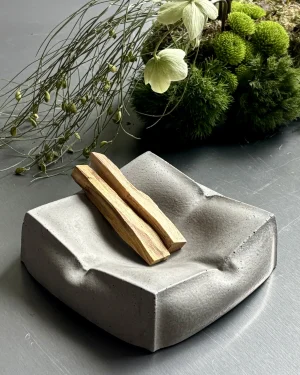
Pillow Tray Raw – Concrete Design Tray
By julius.works
€90 -
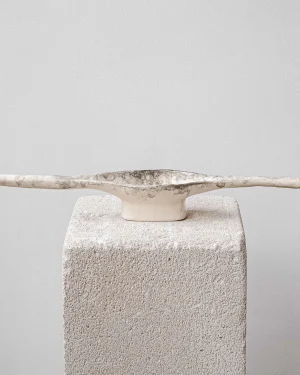
Dyka Ceramic Drinking Bowl Bowl
By ZEMNA
€230 -

Axis – Vase
By Anoe Melliou
€31 - €36 This product has multiple variants. The options may be chosen on the product page -

Trinket Tray
By Six Dots Design
€42 -
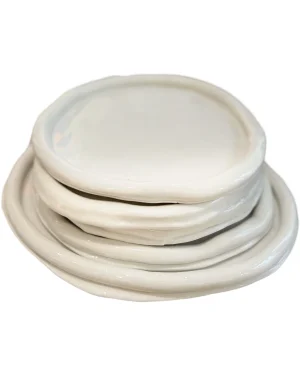 In stock
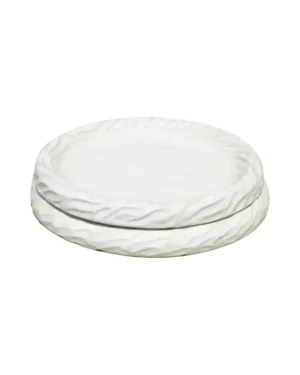
White Porcelain Dinner Plate
By Hania Jneid Design Studio
€75 -
 In stock
Abyss Candleholder No. 1 In Stoneware
By Ceren Gürkan
€1.000 -
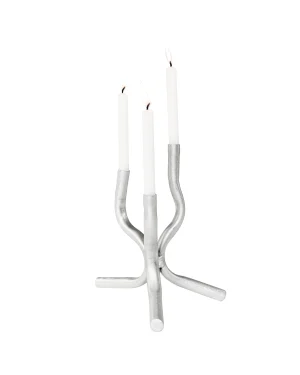
Mini Aluminium Candelabra
By Six Dots Design
€138 -
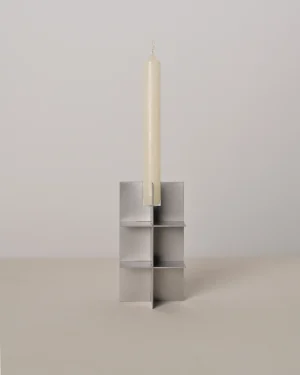
Frame Candle Holder Stainless Steel
By NOSTUDIO
€79 - €109 This product has multiple variants. The options may be chosen on the product page -
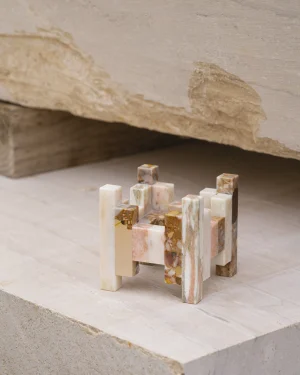 In stock
Strata – Flower Vase – Staggered Pink
By Iyo Hasegawa
€930 -
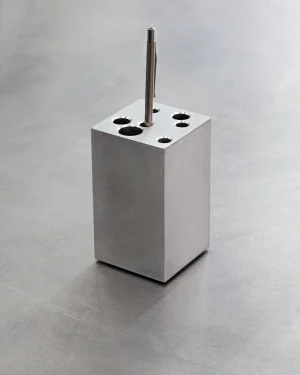
Pen Holder – Solid Aluminum Block
By PRACTICE
€142 -
 In stock
Arc Annex No.3 – Vase
By Anoe Melliou
€2.300 -
 In stock
Candle Holder M Yuma Collection
By HYZ
€538 - €715 This product has multiple variants. The options may be chosen on the product page -

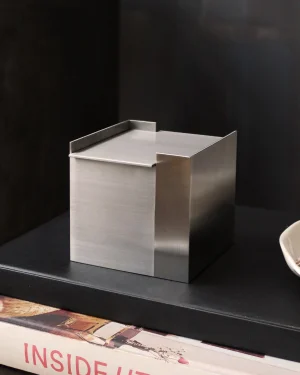
Ondine Lacquered Box Collection
By MERCOEUR EDITION
€990 -
 In stock
Cup
By Studio Yann Gandon
€120 -
 In stock
Arc Annex No.3 Vase
By Anoe Melliou
€3.600 -
 In stock
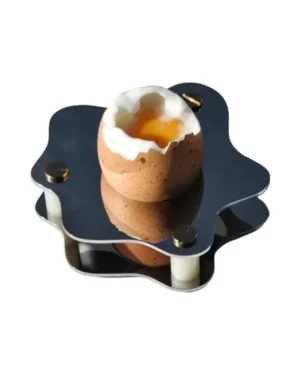
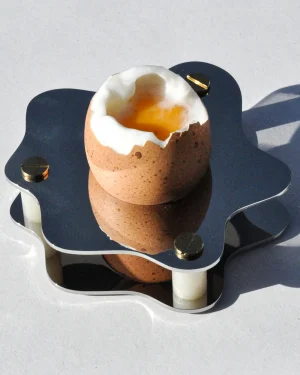
Egg40 – Mirror Stainless Steel Egg Cup
By MLK Furniture
€290 -
 In stock
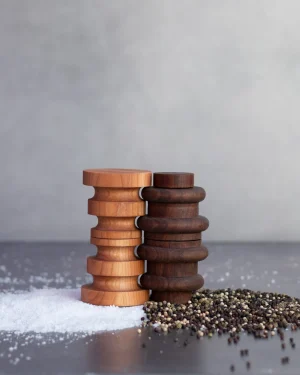
Coupled Salt and Pepper Mills
By Studio S II
€360 - €889 This product has multiple variants. The options may be chosen on the product page -
 In stock
Carlo Candle Holder
By HYZ
€565 -
 In stock
Arc Annex No.2 – Vase
By Anoe Melliou
€1.150 -
 Sold
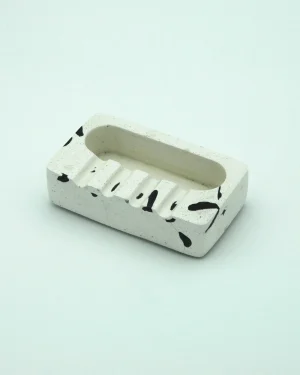
SoldBrasa 01 – Terrazzo Ashtray
By Pierre Klein
€75 - €100 This product has multiple variants. The options may be chosen on the product page -
 In stock
Low Storage Shoe Rack With Wheels
By andykim.global
€3.000 -
 In stock
Otto Tray In Layered Birch Wood
By SOLMISTUDIO
€1.250 -
 In stock
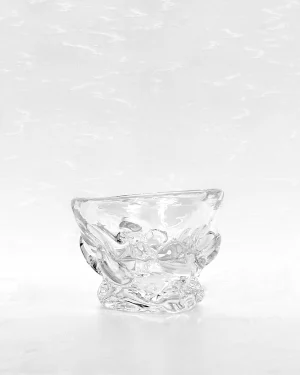
Chawan – Limited Edition Mouth-blown Glass Vessel
By Szkło Studio
€290 -
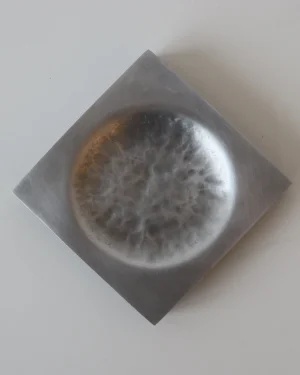
Cratere – Bowl
By Emilia Tombolesi
€230 This product has multiple variants. The options may be chosen on the product page -
 In stock
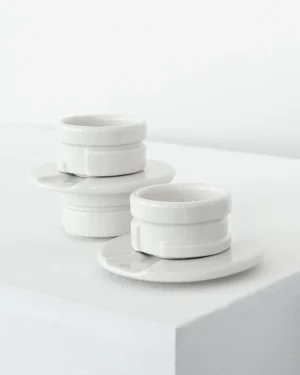
Key Espresso Cup
By narratology
€89 -
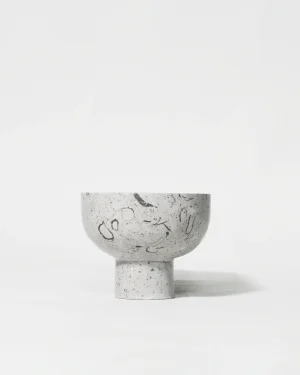
Korito
By Atelier Nienē
€850 -
 In stock
Egg40 – Matte Stainless Steel Egg Cup
By MLK Furniture
€190 -

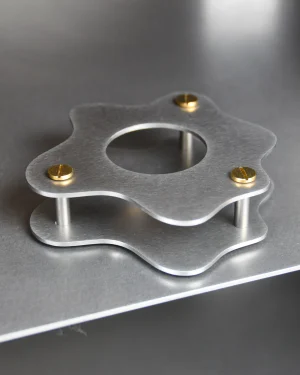
Paper Tray
By Six Dots Design
€65 -

Organic Table Glass
By Szkło Studio
€180 -

Hand-blown Chalice
By Szkło Studio
€220 -
 In stock
J D | Solid Ashwood Floor Candleholder
By N I S H
€890 - €1.410 This product has multiple variants. The options may be chosen on the product page -
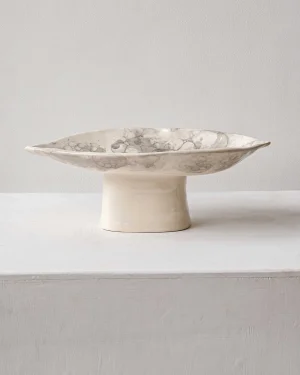
Dyka Ceramic Centerpiece Bowl
By ZEMNA
€500 -
 In stock
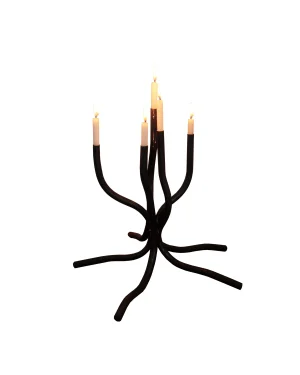
Small Steel Candelabra Steel
By Six Dots Design
€210 -

Uovo Bowl, In Onyx And Stone
By Panorammma Atelier
€1.150 This product has multiple variants. The options may be chosen on the product page -
 In stock
Tray S Yuma Collection
By HYZ
€450 -
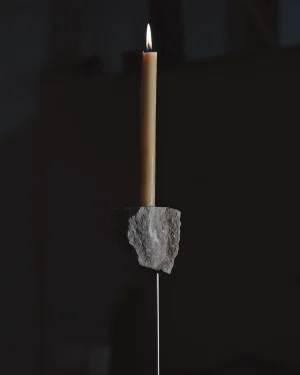
Luz Series
By Estudio Material
€1.800 -
 In stock
Endstütze Candleholder – Aluminium
By Julius Esser
€150 -
 In stock
Otto Centerpiece In White Carrara Marble Or Nero Marquina
By SOLMISTUDIO
€2.600 This product has multiple variants. The options may be chosen on the product page -
 In stock
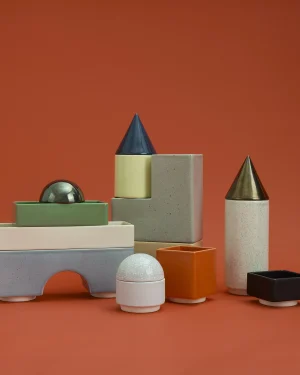
14 Stk Knstrkt – Stoneware Organizer
By STUDIO BERG
€382 -
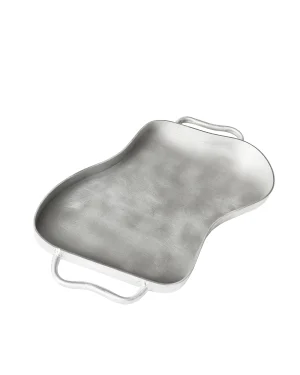
Aluminum Serving Tray
By Six Dots Design
€425 -
 In stock
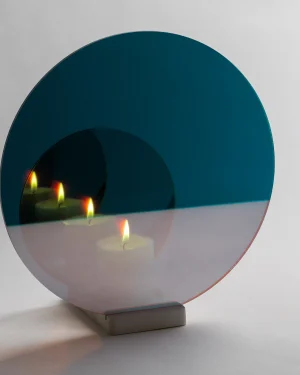
Onnda Flame Concentric Deep Sea – Dichroic Glass Marble
By Catrinel Sabaciag
€210 -
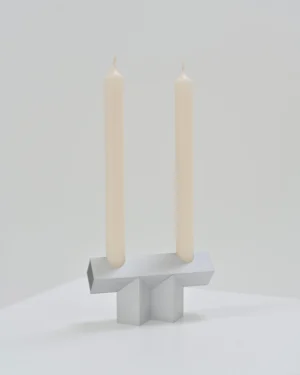
Sculpture Aluminum Candleholder
By NOSTUDIO
€145
Minimalist tableware strips a table setting down to its working parts: a plate, a bowl, a pitcher, each shaped by studios who trust proportion and surface over ornament. Stainless steel, marble, stone, stoneware and terrazzo appear again and again, chosen because they hold a line cleanly and wear well under daily use. The making shows through rather than hiding behind pattern or glaze work, so a seam from metal casting or the grain of a carved stone stays visible.
What defines this style in tableware
A minimalist piece favors a single material and a limited set of forms: a cylinder, a flat disc, a shallow dish. Edges are square or gently rounded rather than scalloped, and color is usually kept to one tone per piece, often black, white, silver or gray. Where a maker introduces color at all, it tends to be a solid cobalt blue or green rather than a printed motif.
Surface finish carries most of the character. A brushed aluminum rim catches light differently than a polished one, and a honed stone top reads quieter than a glossy marble slab. Because there is nowhere for the eye to rest except material and outline, small inconsistencies in casting or carving become part of the piece rather than a flaw to disguise.
The range of materials and techniques on ADORNO
Across tableware in this style, the most common groups are:
- Metal pieces in stainless steel, aluminum or cast metal, shaped by metalwork, metal casting or sand casting
- Stone and marble pieces, shaped by stone carving and left honed or polished
- Stoneware and terrazzo pieces, built by hand or cast and set, then glazed where clay is involved
Editions vary by maker: some pieces come from open runs that can be reordered, others are limited editions produced in a fixed number, and a smaller group are unique pieces where no two are quite alike. The listing for a given piece will say which applies; the material and technique rarely change that balance on their own.
How to choose a piece
Start with scale relative to what sits around it. A wide stone bowl needs clear counter space on either side, while a narrow steel pitcher can stand close to other objects without crowding them. Height matters too: a tall vessel in cast metal reads as a small sculpture next to lower plates and bowls, so pairing heights deliberately avoids a cluttered line.
Finish should match how the piece will be touched. Polished marble or glossy stoneware shows fingerprints and water spots faster than a honed or matte surface, which matters more on a serving piece handled daily than on one kept mostly for display. For a dining surface to sit alongside these pieces, the range of minimalist tables follows the same logic of plain geometry and a single dominant material.
Where it fits
These pieces suit dining rooms and kitchens where the table itself is kept simple, letting a stone bowl or a steel pitcher carry the visual weight. They also work on open shelving or a sideboard in a living space, standing in as small objects rather than active tableware. For wider groupings beyond plates and bowls, minimalist accessories covers trays, vases and other objects built from the same materials.
Care by material
Stainless steel and aluminum pieces, including those found among metal tableware, wipe clean with a damp cloth and resist staining, though abrasive pads will dull a brushed finish over time. Marble and natural stone are porous and can stain from wine, oil or citrus, so wiping spills quickly and avoiding harsh detergents keeps the surface even. Stoneware and terrazzo tolerate daily washing well, but unglazed stoneware should stay away from prolonged soaking, which can draw water into the body of the piece. For a full view of the style across other rooms, every minimalist piece on ADORNO extends the same material logic beyond the table.
How do I choose minimalist tableware?
Look at form before finish. A single material, stainless steel, marble or stoneware, and one clean silhouette will sit well against most table settings without competing for attention.
What materials are minimalist tableware pieces made from?
Most common are stainless steel, marble, stone and stoneware, sometimes aluminum or terrazzo. Each is left largely unadorned, so grain, grain and surface texture carry the design.
How do I care for marble, stone or steel tableware?
Wipe stainless steel dry to avoid water spotting. Seal marble and natural stone periodically and keep them from acidic spills, which can etch the surface over time.
What size plates and bowls work for everyday use?
Dinner plates typically run 10 to 11 inches, salad or side plates 7 to 8 inches, and bowls 5 to 6 inches across, standard sizes that stack and store easily.
Which rooms or settings suit minimalist tableware?
Dining rooms, open kitchens and pared-back interiors, where a plain wall or wood table lets the material and shape of each piece read clearly.
What is ADORNO's shipping and return policy?
Shipping is insured and sent worldwide. Returns are accepted within 14 days, except made-to-order pieces, and each piece arrives with a certificate of authenticity.