

-
 In stock
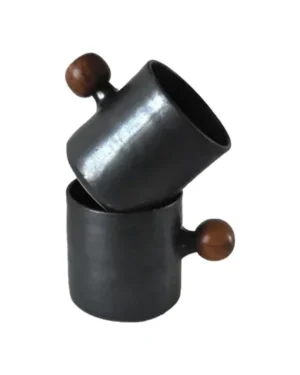
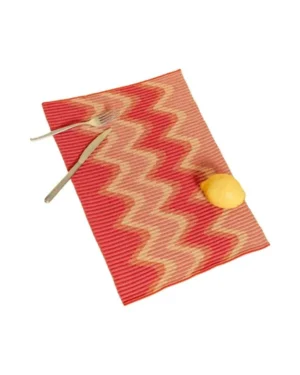
“a Shallow And Salty Ocean” Carafe & Shot Cup Set
By Craig Barrow
€378 This product has multiple variants. The options may be chosen on the product page -
 In stock
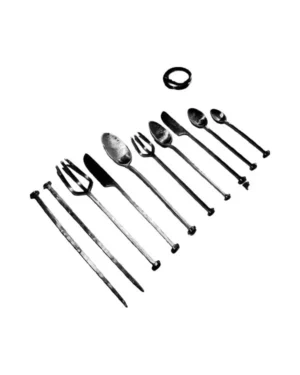
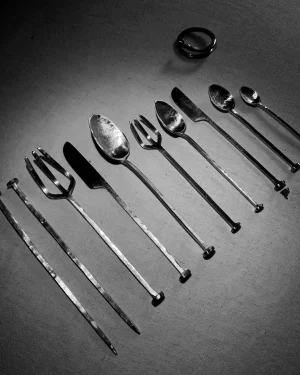
“nail” Full Cutlery Set
By Sebastião Lobo
€200 -
 In stock
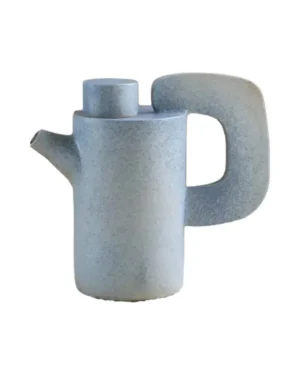
1.5l Jarra Clay Vessel
By Twelve Degrees
€190 This product has multiple variants. The options may be chosen on the product page -

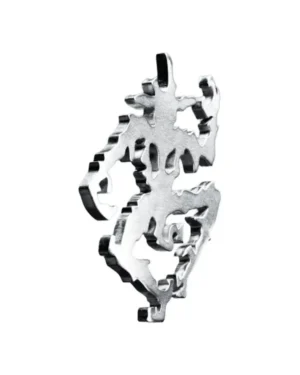
Sermon – Satin Bronze
By Studio Aristotelis Barakos
€280 -
 In stock
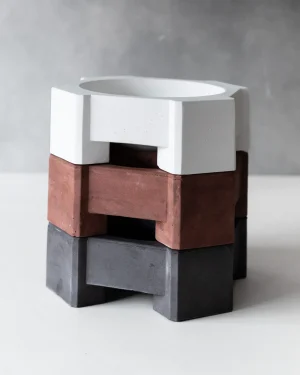
Brutalist Catchall
By Studio S II
€119 - €265 This product has multiple variants. The options may be chosen on the product page -
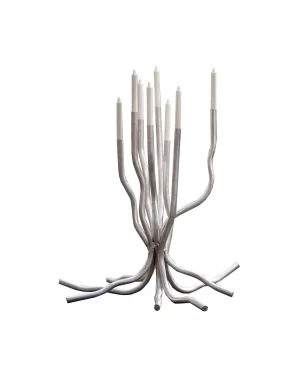
Contemporary Vanity Aluminum Candelabra
By Six Dots Design
€565 -

Sermon – Verdigris Brass Limited Edition Of 50
By Studio Aristotelis Barakos
€480 -
 In stock
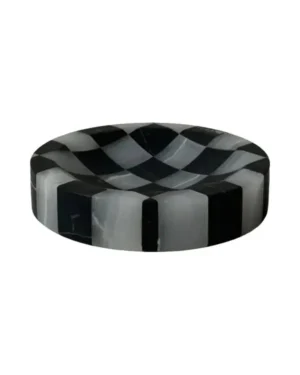
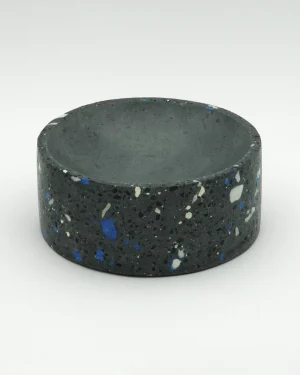
Escudela 01 – Medium Terrazzo Bowl
By Pierre Klein
€150 This product has multiple variants. The options may be chosen on the product page -
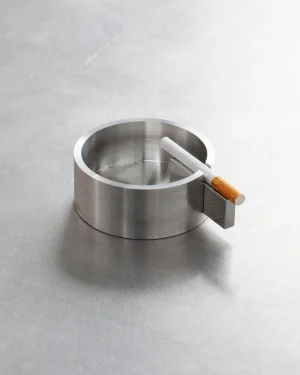
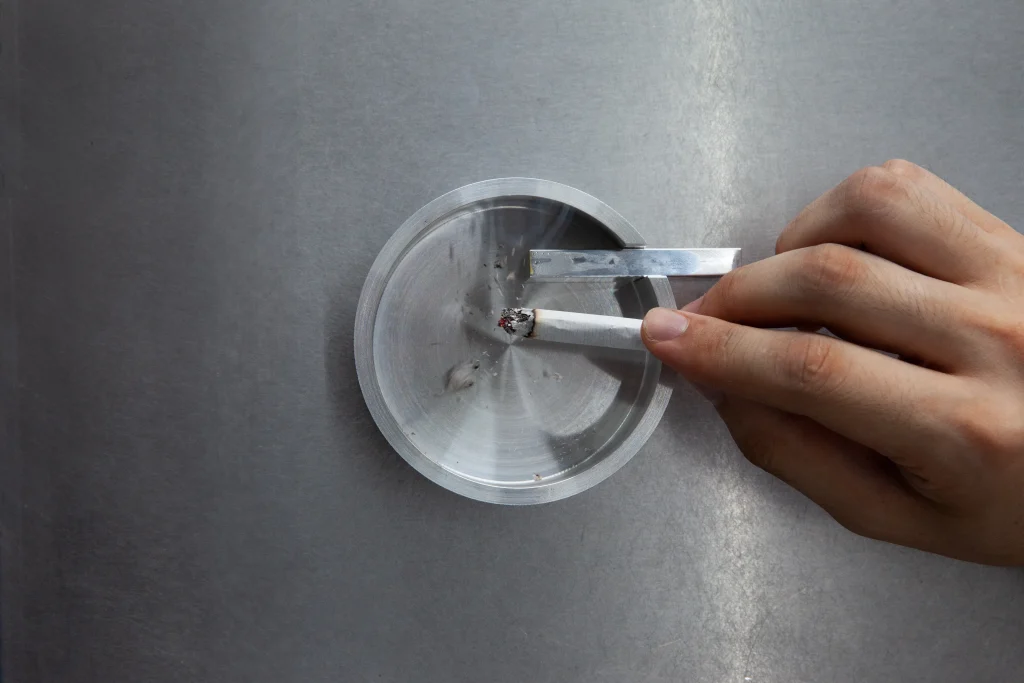
Ash Tray – Solid Aluminum
By PRACTICE
€150 -
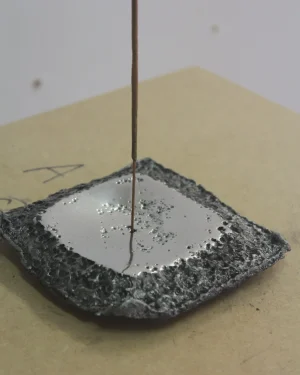
Melancholy – Incense Burner – Aluminium
By Saturday Yard Work
€133 -
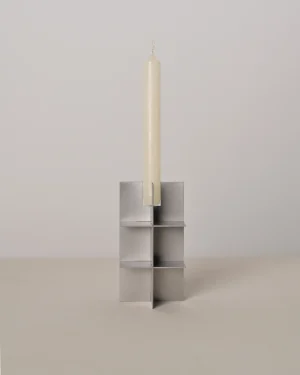
Frame Candle Holder Stainless Steel
By NOSTUDIO
€79 - €109 This product has multiple variants. The options may be chosen on the product page -
 In stock
“San Lucas” XS Containers (Set of Three)
By piedrafuego
€72 -
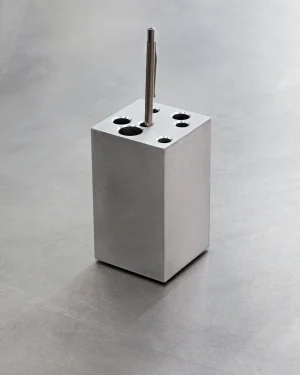
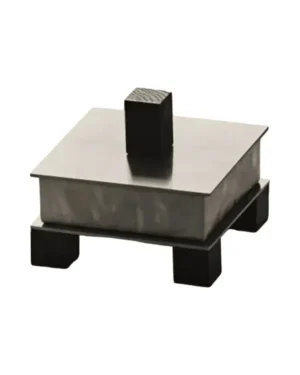
Pen Holder – Solid Aluminum Block
By PRACTICE
€142 -

Desca 01 – Plaster Vessel
By Pierre Klein
€520 This product has multiple variants. The options may be chosen on the product page -
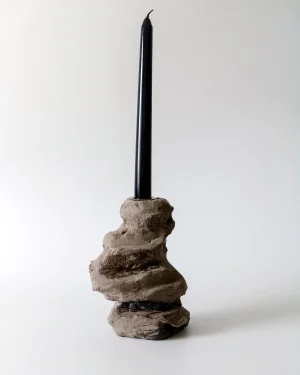 In stock
Abyss Candle Holder
By Ceren Gürkan
€120 -
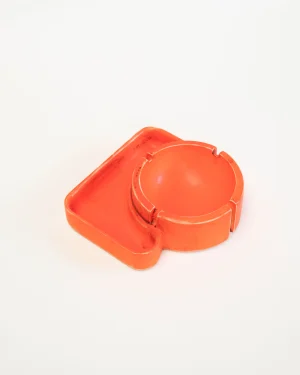
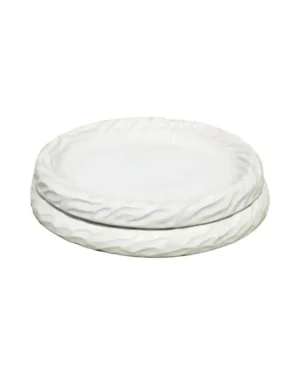
Brasa 04 – Plaster Tray
By Pierre Klein
€120 This product has multiple variants. The options may be chosen on the product page -
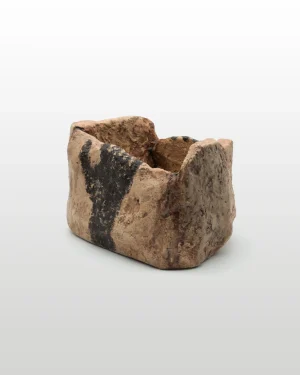 In stock
La Cauna – Cafaròt 03 Bowl
By Pierre Klein
€550 -
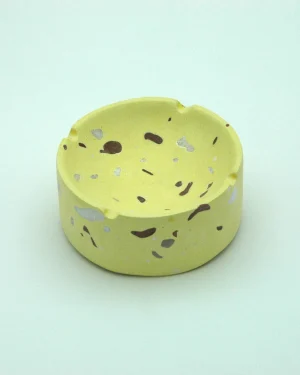 In stock
Brasa 02 – Terrazzo Ashtray
By Pierre Klein
€100 This product has multiple variants. The options may be chosen on the product page -
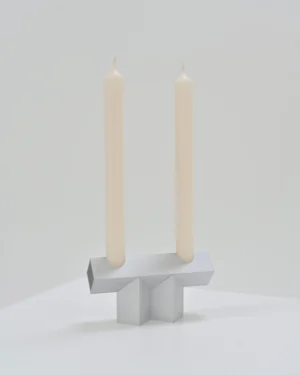
Sculpture Aluminum Candleholder
By NOSTUDIO
€145 -
 In stock
Pòrtaplat 01 – Trivet
By Pierre Klein
€120 This product has multiple variants. The options may be chosen on the product page -

Terrazo Candle Holder Nu
By Assimply Studio
€410 -
 In stock
Cafaròt 01 – Pin Tray
By Pierre Klein
€100 - €120 This product has multiple variants. The options may be chosen on the product page -
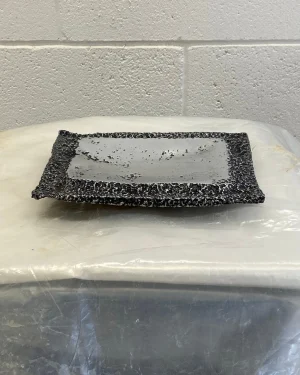
Melancholy Jewellery Dish – Aluminium
By Saturday Yard Work
€390 -
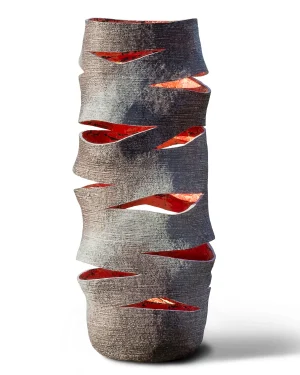
Solid Black Stone High Candle Lantern – Ember Series In Cast Stone By Donatas Zukauskas
By Donatas Žukauskas
€710 - €730 This product has multiple variants. The options may be chosen on the product page -
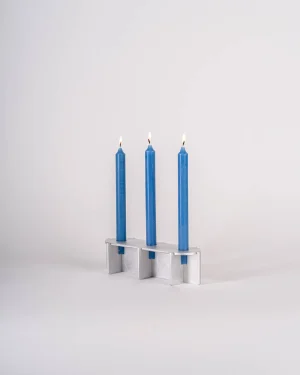 In stock
Titanos Iii – Polished Aluminum Three Candle Holder
By Hasik Design Studio
€225 -

Les Petites Ailes – Ceramic Candleholder
By Lucia Mondadori
€134 -
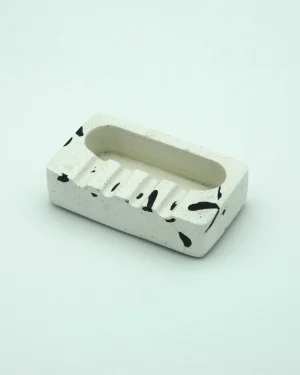 Sold
Brasa 01 – Terrazzo Ashtray
By Pierre Klein
€75 - €100 This product has multiple variants. The options may be chosen on the product page -

Taes Candle Holder
By Mokko
€1.910 - €2.400 This product has multiple variants. The options may be chosen on the product page -
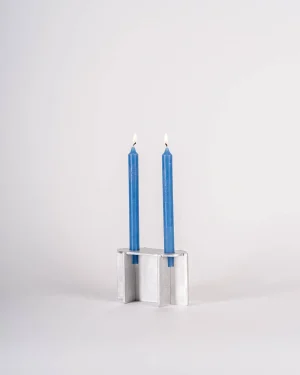 In stock
Titanos Ii – Polished Aluminum Two Candle Holder
By Hasik Design Studio
€200 -
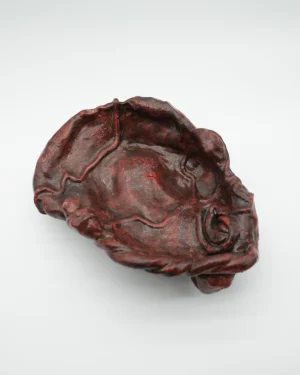 In stock
Carn – Abominacion 03 Stoneware Bowl
By Pierre Klein
€415 -
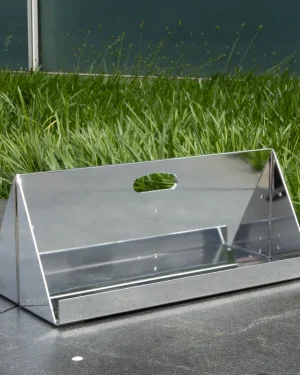 In stock
Tote Tray – Chrome Plated Aluminum
By andykim.global
€1.500 -

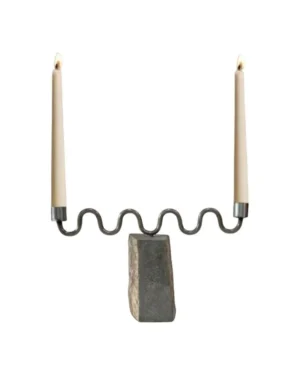
Solid Black Stone Wave Candle Lantern – Ember Series In Cast Stone
By Donatas Žukauskas
€650 - €730 This product has multiple variants. The options may be chosen on the product page -

Stainless Steel Candle Holder
By Dot Objects
€46 - €95 This product has multiple variants. The options may be chosen on the product page -

Pink Dream – Repurposed Wood Candle Holder
By Gábor Góbi
€990 -
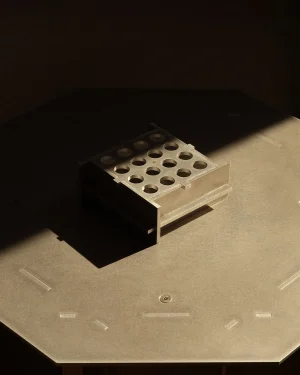
Regolith – Aluminum Ashtray & Incense Burner
By BUREAU OF ENTROPY
Price Upon Request -
 Sold
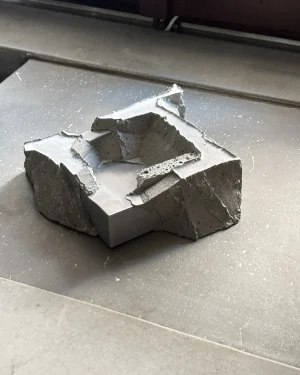
Stainless Steel & Concrete Tray
By case studios
€119 -
 Sold
Rajada – Stoneware Pot
By Pierre Klein
€200 -
 Sold
Brasa 03 – Terrazzo Ashtray
By Pierre Klein
€155 -
 Sold
Escudela 01 – Large Terrazzo Bowl
By Pierre Klein
€250 -
 Sold
Escudela 01 – Small Terrazzo Bowl
By Pierre Klein
€100
Brutalist tableware takes its cues from raw architecture: cast concrete, hammered aluminum, welded steel and brass left with visible seams and tool marks. Studios working in these materials favor mass over ornament, letting a bowl or pitcher carry weight the way a poured slab does. Surfaces stay unpolished or only partly ground back, so the making process remains legible in the finished piece.
What defines brutalist tableware
The style reads through weight, texture and a narrow, deliberate palette. Black, silver, white, beige and terracotta recur because they let the material's own surface, not added color, do the work. Pieces often look poured, hammered or fused rather than thrown, and edges are left square or faceted instead of softened.
Concrete casting and metal casting produce the heaviest forms: plates and bowls with the density of architectural fragments. Welding and metalwork give pitchers, trays and cutlery stands their joined, assembled look, with brass and stainless steel adding sharper, colder surfaces against the matte gray of concrete or terrazzo. Patination lets aluminum and steel darken or streak, so no two surfaces age identically.
The range on ADORNO
Within brutalist design across categories, tableware sits alongside brutalist accessories and brutalist decor built from the same vocabulary of concrete, metal and recycled material. Finishes span raw cast concrete, brushed or patinated metal, and terrazzo mixes that fold stone fragments into a cement base. Editions vary: some studios work in open runs, others in limited editions or unique pieces, each cast or welded by hand in small batches.
Paper pulp and other recycled materials appear in lighter, more sculptural objects, proof that the style is less about a single material than about a way of handling it: honest, unfinished, resistant to easy prettiness. Anyone drawn to the same logic in seating or case pieces can follow it into brutalist furniture or the tables built to match this tableware at the dining surface.
Choosing a piece: scale, finish, placement
Brutalist tableware tends to run heavier and thicker-walled than porcelain or glass equivalents, so check that a bowl or platter suits the scale of the table it will sit on. A dense concrete centerpiece anchors a large dining table but can overwhelm a small kitchen counter.
Finish matters as much as form. A matte, sand-cast surface reads differently under daylight than a polished brass rim, so consider where the piece will catch light: near a window, under pendant lighting, or against a dark sideboard. Pair rougher concrete or terrazzo pieces with plainer glass or ceramic, since the texture already supplies the visual weight.
- Choose cast concrete or terrazzo for low, grounded centerpieces that stay put on a table.
- Choose welded brass or steel for taller pitchers, candle stands or cutlery holders that need vertical presence.
- Choose patinated aluminum where you want a surface that will keep changing with handling and light.
Where it works
The weight and density of these pieces suit dining rooms and kitchens built around stone, concrete or unfinished wood, where a brutalist bowl or set of plates continues the room's existing materiality. They also hold their own in otherwise pared-back interiors, adding texture without introducing new color. For a softer starting point, minimalist tableware offers comparable restraint with smoother surfaces.
Care
Unsealed concrete and terrazzo can absorb oil and wine, so wipe spills promptly and avoid prolonged contact with acidic foods. Cast metal pieces, especially brass, will darken and spot with handling; this patination is part of the material's behavior rather than a flaw, though regular dry cloth polishing slows it if a brighter surface is preferred. Hand wash rather than machine wash to protect cast textures and any applied patina, and dry fully to prevent water spotting on raw metal. For broader browsing, the full tableware category and wider accessories range sit alongside this material and style focus.
What makes tableware brutalist?
Brutalist tableware favors raw, heavy materials like concrete, cast aluminum, or patinated metal, left visibly textured rather than polished smooth. Form follows mass and weight, not ornament, so pieces read as solid, sculptural objects on the table.
How do I care for concrete or metal tableware?
Concrete pieces should be sealed and wiped dry to resist staining, while cast or welded metal can be cleaned with a soft cloth and kept dry to avoid spotting or corrosion. Avoid harsh abrasives on patinated surfaces.
Will brutalist pieces fit standard table settings?
Most brutalist tableware is sized to work alongside standard plates, bowls, and glassware, though exact dimensions vary by piece. Chat with the maker on the piece's page to confirm measurements before ordering.
Which rooms suit brutalist tableware?
The weight and texture of brutalist pieces anchor dining rooms and kitchens, and their sculptural presence also holds up well on open shelving or a sideboard where they can be seen as objects.
Does ADORNO ship brutalist tableware internationally, and can I return it?
Shipping is insured and worldwide. Pieces can be returned within 14 days, except made-to-order items, which are excluded from that policy.
How do I know a piece is authentic, and will I get the best price?
Every piece ships with a certificate of authenticity, and ADORNO offers a lowest-price guarantee so you are not overpaying for the same piece elsewhere.