
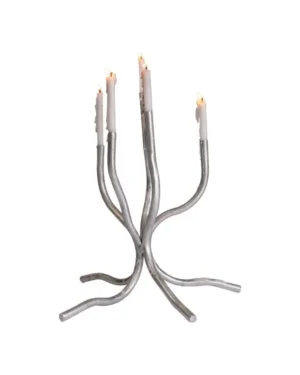
-
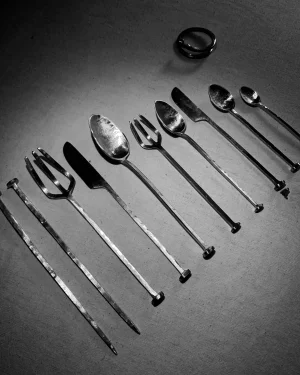 In stock
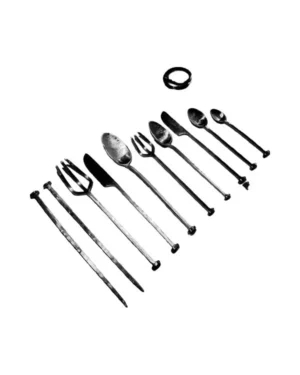
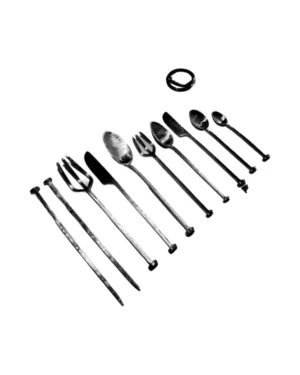
“nail” Full Cutlery Set
By Sebastião Lobo
€200 -
 In stock
Spegla Wall Edition – Mirror & Candle Holder In Crystal Glass And Half-transparent Mirror
By Jochen Lavéno Mangelsdorff Studio & Objects
€345 - €395 This product has multiple variants. The options may be chosen on the product page -
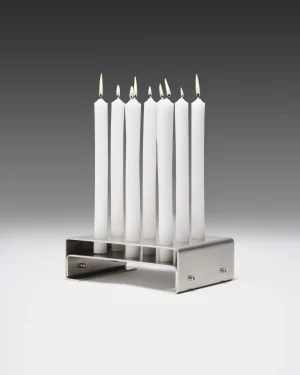 In stock
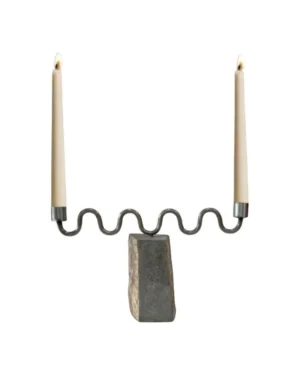
Burning Wing Candleholder
By Obscure Objects
€122 -
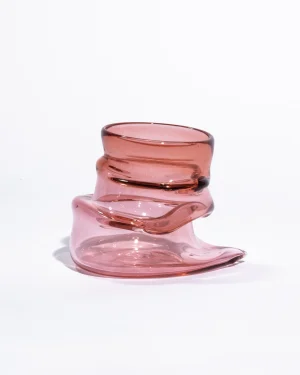 In stock
Deflated Cup
By Sticky Glass
€93 This product has multiple variants. The options may be chosen on the product page -
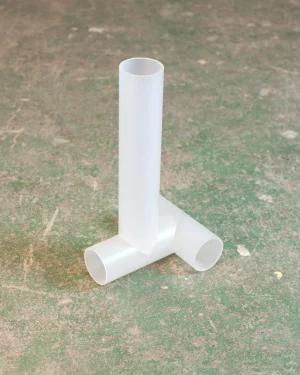
Pmma Notch – Acrylic Vessel
By Nolan Talbot-Kelly
€100 -
 In stock
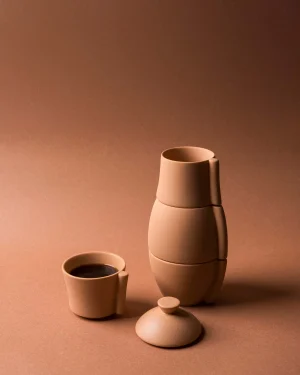
Gatherware – Stackable Clay Coffee Cups
By Boo Design Studio
€95 -
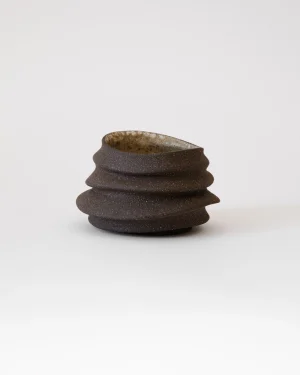
Melo Chawan – Sculptural Ceramic Matcha Bowl
By Catalin Filip
€250 -
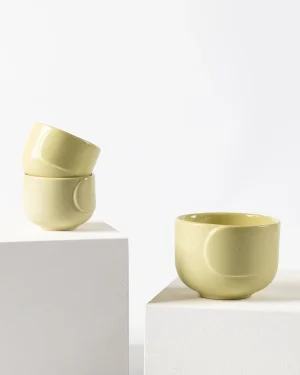
Phantom Cup_lemon Yellow
By narratology
€48 - €64 This product has multiple variants. The options may be chosen on the product page -
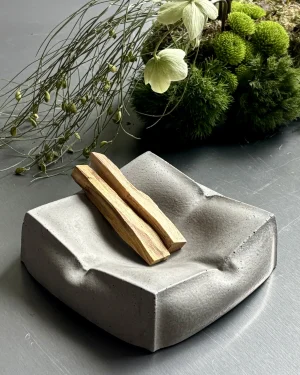
Pillow Tray Raw – Concrete Design Tray
By julius.works
€90 -
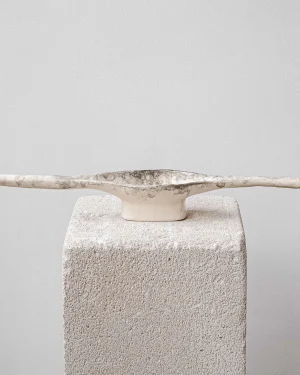
Dyka Ceramic Drinking Bowl Bowl
By ZEMNA
€230 -
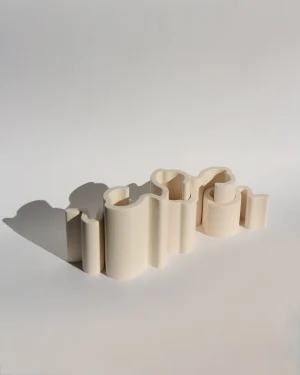 In stock
Ana-gram Kit 4 – Modular Candleholder
By Errance.
€114 -

Axis – Vase
By Anoe Melliou
€31 - €36 This product has multiple variants. The options may be chosen on the product page -

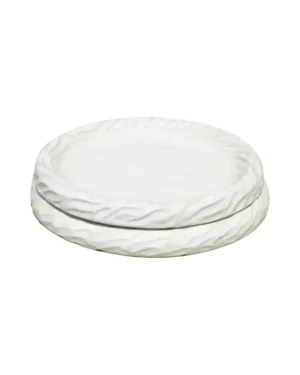
Trinket Tray
By Six Dots Design
€42 -
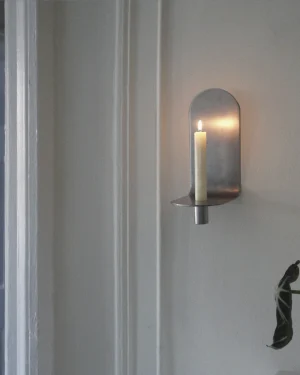
Wch001-11 Stainless Steel Candleholder
By NAVE
€160 -
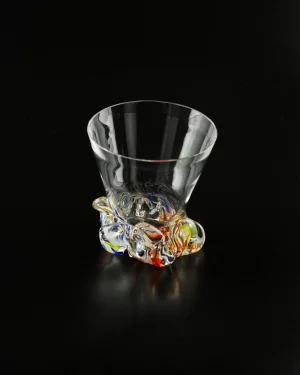 In stock
Persona Glass Multicolour
By MILA ZILA
€60 -
 In stock
Abyss Candleholder No. 1 In Stoneware
By Ceren Gürkan
€1.000 -
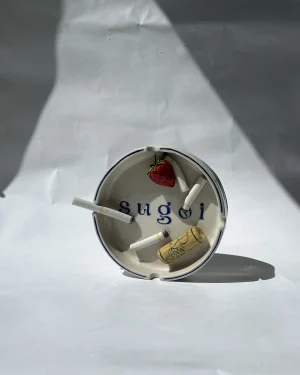
Strawberry Ashtray
By Sugoi Studio
€380 -
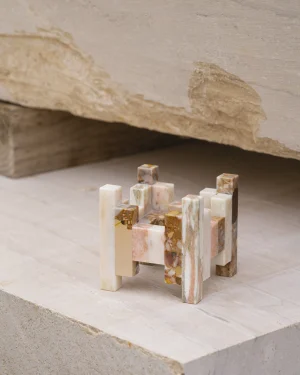 In stock
Strata – Flower Vase – Staggered Pink
By Iyo Hasegawa
€930 -
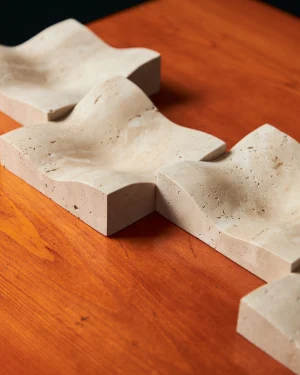 In stock
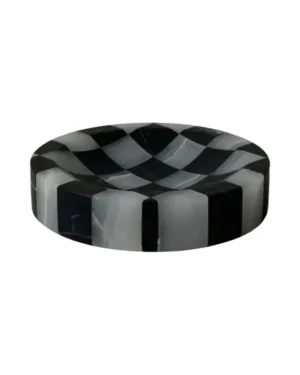
Ashen – Marble Ashtray / Catch All Tray
By Boo Design Studio
€162 -
 In stock
Arc Annex No.3 – Vase
By Anoe Melliou
€2.300 -
 In stock
Blooming – On Love Candleholder
By M’ama edizioni
€45 -
 In stock
Candleholder 01.03 ´route´
By SK - Sofia Karnukaeva
€750 -
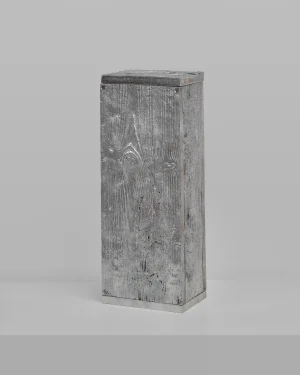 In stock
Aluminum Veneer Vase
By Bureau.parso
€540 -
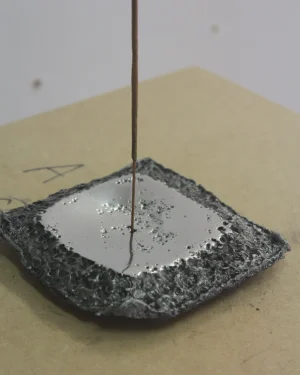
Melancholy – Incense Burner – Aluminium
By Saturday Yard Work
€133 -
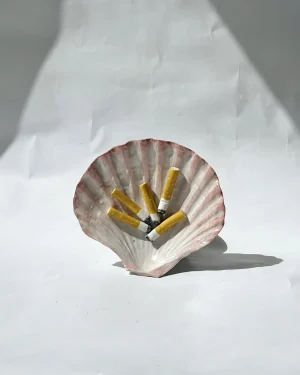
Scallop Ashtray
By Sugoi Studio
€245 -
 In stock
Arc Annex No.3 Vase
By Anoe Melliou
€3.600 -
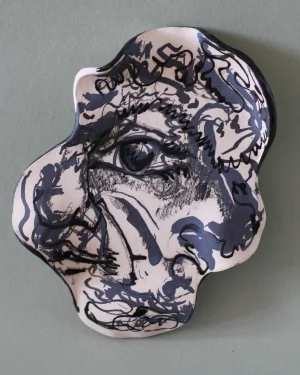 In stock
Marbled Dream #2 – Handcrafted Ceramic Illustrated Plate
By Vale Ro
€220 -
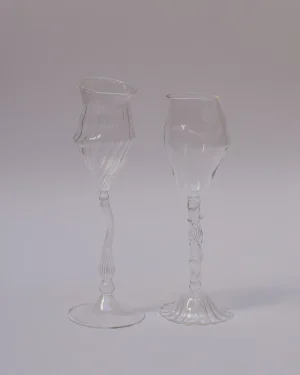
Nymphs Wine Glasses – Set Of 2
By PIA GLASSWORKS
€230 -
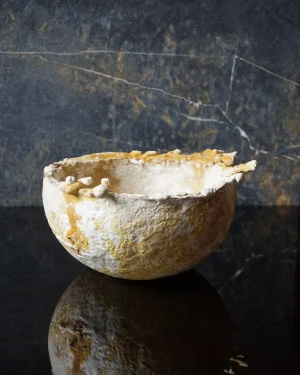 In stock
Mycelium Bowl No.1
By SOLATERRE
€353 -
 In stock
Big Candle Holder ” Fairy Tale Horse On Pillows “
By Pupcha
€580 -
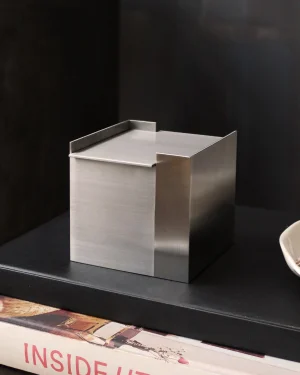 In stock
Carlo Candle Holder
By HYZ
€565 -
 In stock
Arc Annex No.2 – Vase
By Anoe Melliou
€1.150 -

Organic Shaped Footed Table Glass
By Szkło Studio
€200 -
 In stock
Low Storage Shoe Rack With Wheels
By andykim.global
€3.000 -
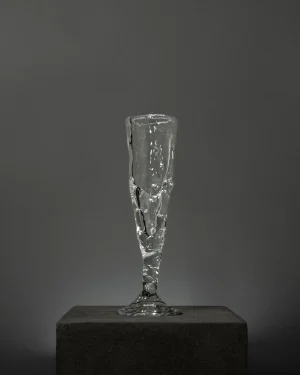 In stock
Hand-blown Goblet
By Szkło Studio
€200 -
 In stock
Otto Tray In Layered Birch Wood
By SOLMISTUDIO
€1.250 -
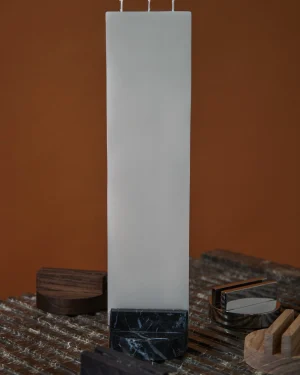 In stock
D E V | Sculptural Candle
By N I S H
€25 -
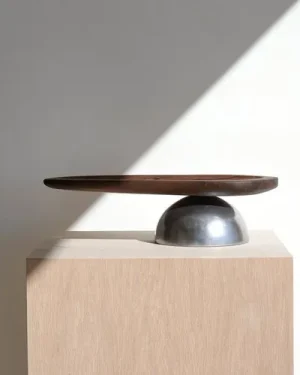
Scopulus – Bowl / Plate
By CHANDLER MCLELLAN
€347 -
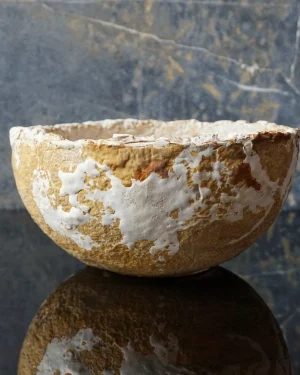 In stock
Mycelium Bowl No.3
By SOLATERRE
€353 -
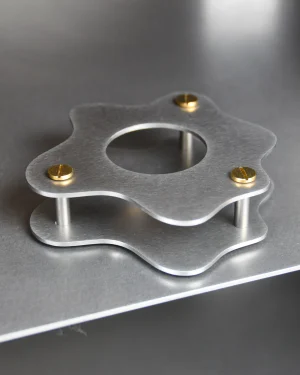 In stock
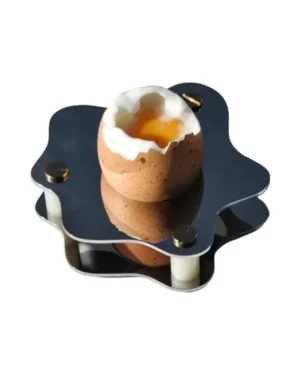
Egg40 – Matte Stainless Steel Egg Cup
By MLK Furniture
€190 -
 In stock
La Bailarina Glass Wine
By PIA GLASSWORKS
€200 -

Paper Tray
By Six Dots Design
€65 -

Organic Table Glass
By Szkło Studio
€180 -

Hand-blown Chalice
By Szkło Studio
€220 -
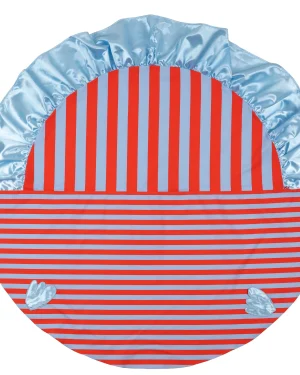 In stock
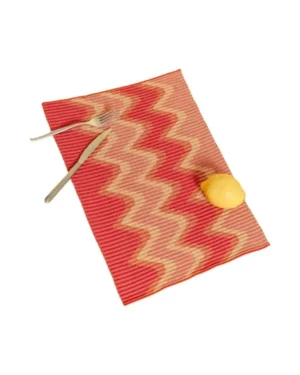
Frills – Cotton Tablecloth
By M’ama edizioni
€150 -
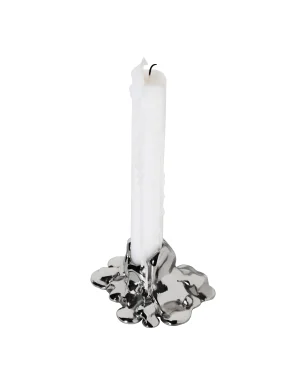 In stock
Drippy Lava – Stainless Steel Candleholder
By LAÔMA ATELIER
€81 -
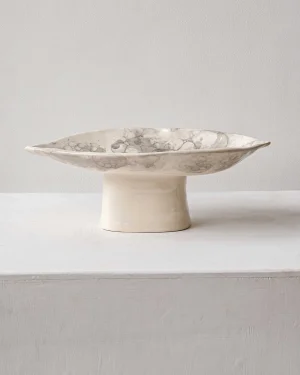
Dyka Ceramic Centerpiece Bowl
By ZEMNA
€500 -
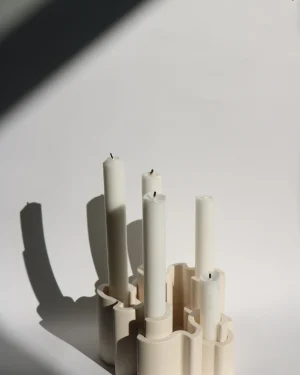 In stock
Ana-gram Kit 5 – Modular Candleholder
By Errance.
€145 -
 In stock
Tray S Yuma Collection
By HYZ
€450 -
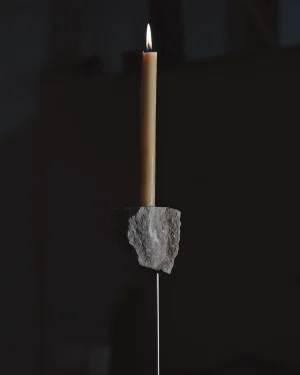
Luz Series
By Estudio Material
€1.800 -
 In stock
Endstütze Candleholder – Aluminium
By Julius Esser
€150 -
 In stock
Otto Centerpiece In White Carrara Marble Or Nero Marquina
By SOLMISTUDIO
€2.600 This product has multiple variants. The options may be chosen on the product page -
 In stock
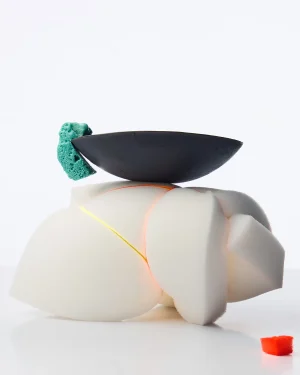
From Fragility To Stability – Sculptural Black Clay Bowl
By C E R A M I C 4 7
€120 -
 In stock
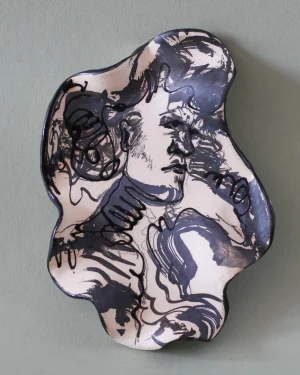
Marbled Dream #1 – Handcrafted Ceramic Plate
By Vale Ro
€220
Contemporary tableware on ADORNO brings together plates, bowls, carafes, trays and serving pieces made by independent studios that treat the table as a surface for sculpture, not just service. Metal is hammered, cast or welded, glass is blown or cold worked, clay is hand-built or thrown and glazed, and each piece carries the mark of that process rather than hiding it. The result sits closer to a small object of design than to a matching set bought by the box.
What defines contemporary tableware
Contemporary, here, is less a look than a set of decisions: asymmetry over symmetry, raw or matte finishes over high gloss, and a willingness to let a material show its own texture. A stoneware bowl might keep the ridges of the hand that built it, a steel tray might carry visible weld lines, a glass carafe might trap a single air bubble from the blowing process. These are read as evidence of making, not flaws, and they are part of why no two pieces in a run behave quite the same way under light.
Materials, finishes and techniques found here
The range runs wide but returns to a few families. Metal pieces, often stainless steel or aluminum, arrive brushed, blackened or left raw to darken slightly over years of handling. Glass appears clear, amber, green or opaque white, shaped by glassblowing or finished through glass casting and cold working, which lets a maker grind, polish or facet a surface after the initial form is set. Clay and stoneware are hand-built or glazed in black, white or earth tones, each glaze firing slightly differently depending on kiln placement. Marble and other stones are carved rather than molded, which is why weight and slight veining differences are part of the material, not an inconsistency.
- Open editions, for pieces a studio can remake to order
- Limited editions, produced in a fixed, smaller run
- Unique pieces, where no second example exists
Checking which of these applies to a given piece tells you how replaceable it is, which matters if it will anchor a daily routine rather than sit for occasions only.
How to choose a piece for your table
Scale matters before style. A centerpiece bowl or carafe should sit below eye level when guests are seated, so measure your table height and leave room for glassware and serving dishes around it. Finish is the second decision: a matte stoneware glaze reads quieter next to patterned linens, while polished steel or cast glass catches light and works better on a bare wood or stone surface. If you already own contemporary furniture or lighting with a strong material identity, choose tableware that shares one of its tones rather than competing with it.
Where these pieces belong
Most of this tableware is built for the dining table and kitchen counter, but sculptural bowls, trays and carafes also hold their own on a console, a sideboard or a bar cart as standing objects rather than daily-use ware. A single glass or ceramic piece can do the work a small sculpture would elsewhere in a room, which is why many people buy one statement item before filling in a full set. For a wider look at how these objects sit alongside seating, lighting and storage, the full range of tableware and the broader set of pieces under contemporary design are useful starting points.
Caring for metal, glass and ceramic pieces
Stainless steel and aluminum resist staining but show fingerprints, so a soft cloth and mild soap keep a brushed finish even. Glass, especially cast or cold-worked pieces, should avoid sudden temperature change, which can crack a thick base. Stoneware and other clay bodies are porous where unglazed, so wipe rather than soak those surfaces, and hand wash anything with metallic or unglazed detail to protect the finish over time. For those drawn specifically to metal or ceramic work, the dedicated metal tableware and ceramic tableware ranges, along with glass tableware, group pieces by material rather than by style alone.
How do I choose contemporary tableware?
Start with how a piece will be used, daily serving or occasional display, then let material follow: glass and glazed stoneware for everyday use, marble or hand-finished metal for statement settings.
What materials are used in contemporary tableware?
Common choices include glass, stoneware, clay, marble, and metals such as stainless steel and aluminum, each shaped through techniques like glassblowing, hand-building, glazing, or metalwork.
How do I care for contemporary tableware?
Glass and stainless steel generally tolerate washing well, while marble can stain from acid or oil and unglazed stoneware may absorb liquids, so hand washing and prompt drying keep surfaces intact.
What size is contemporary tableware?
Sizes follow standard place settings and serving proportions, scaled to fit everyday table heights and storage, though exact dimensions vary by piece and material.
Where does contemporary tableware work best?
Dining rooms and kitchens are the natural setting, though sculptural pieces in glass or stone also hold their own on sideboards, bar carts, or open shelving.
What are ADORNO's shipping, returns, and authenticity policies?
Shipping is insured and worldwide, returns are accepted within 14 days except on made-to-order pieces, and every order includes a certificate of authenticity alongside a lowest-price guarantee.