




-

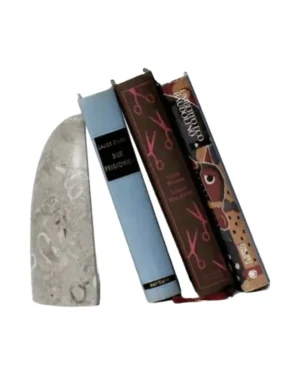
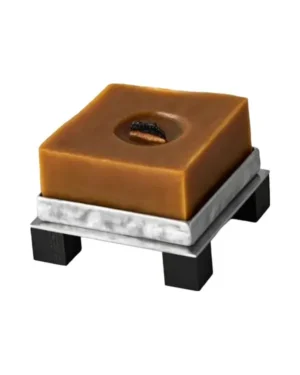
Lava Stone Bookends Set
By piedrafuego
€63 -
 In stock
Pantli: Ceramic Planters
By piedrafuego
€60 - €97 This product has multiple variants. The options may be chosen on the product page -

Lago Marble Vase
By Studio Ayres
€830 This product has multiple variants. The options may be chosen on the product page -
 In stock
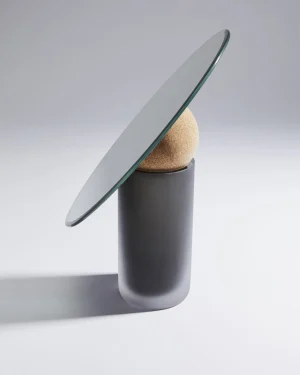
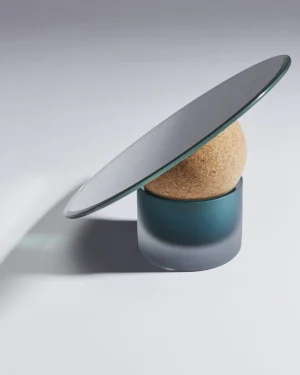
Mirror – Astra 30
By Clemence Birot
€409 -

Tzom – Solid Stone Planter
By piedrafuego
€311 This product has multiple variants. The options may be chosen on the product page -
 In stock
Mirror – Astra 24
By Clemence Birot
€345 -
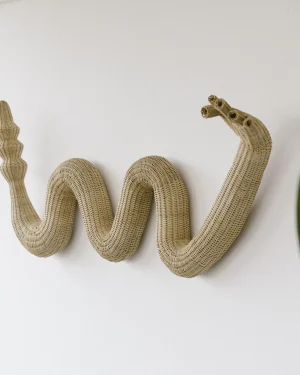
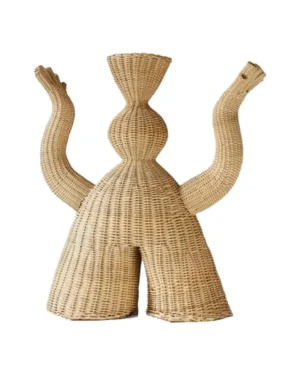
Artefacto Serpiente Ii – Woven Wicker Fiber Wall Sculpture
By LØRDAG & SØNDAG
€750 -

“Rock and Roll” stone skateboard
By Lucas Muñoz Muñoz
€2.000 -

“citrino” Vase From The Crystals Collection Large Size
By Carol Gay
€2.614 -

“black Tourmaline + Quartz” Vase From The Crystals Collection Large Size
By Carol Gay
€2.376 -
 In stock
“levedad” Usb
By Tributo
€78 - €99 This product has multiple variants. The options may be chosen on the product page -

Slant Book Stand – Marble, Brass and Oak Wood
By VAUST Studio
€6.600 -

BAUHAUS Glassblowing Vase
By Carol Gay
€900 This product has multiple variants. The options may be chosen on the product page -
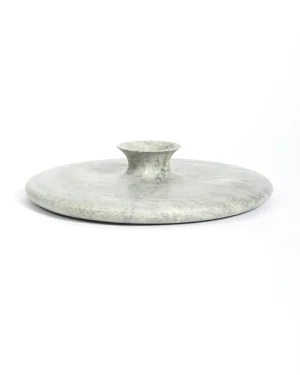
“AMORFO” Stone Vase Series
By ALVA design
€356 - €452 This product has multiple variants. The options may be chosen on the product page -
 In stock
Iron And Steel Life Cabin Vase C
By TUNK I Busra Tunc
€180 -
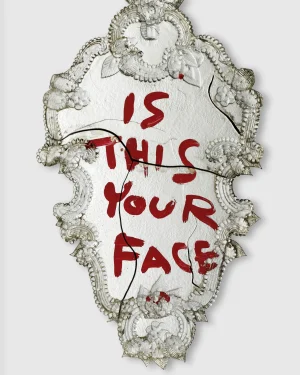
“YOUR FACE” Mirror
By Leo De Carlo
€5.000 -
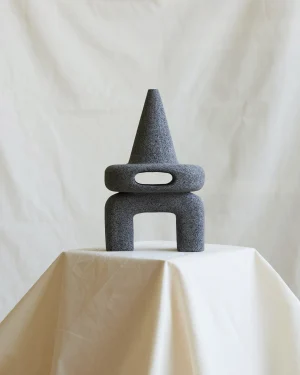 In stock
Artefacto Volcán Ls 06
By LØRDAG & SØNDAG
€490 -
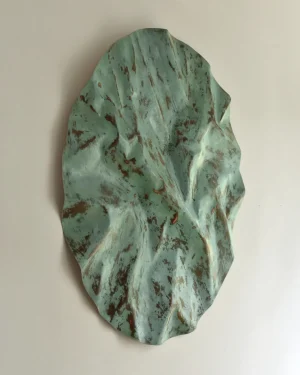
Mar De Cobre – Copper Wall Sculpture
By Aura Carpio®
€2.800 -
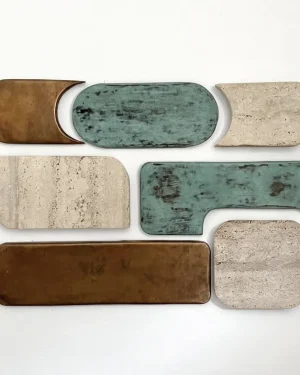
Vides Wall Decoration in Copper And Marble
By Aura Carpio®
€3.325 -
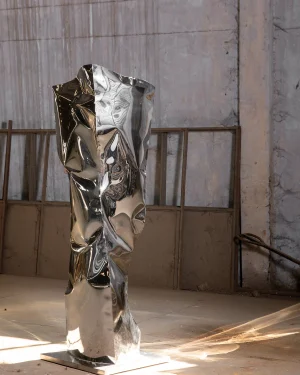
Monolith – Stainless Steel Floor Sculpture
By Nitush and Aroosh
€7.150 -

Ailes Noir – Sculptural Vessel
By Lucia Mondadori
€688 -
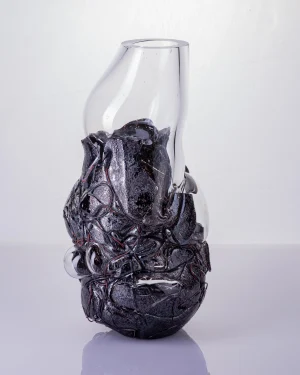 In stock
Lava – Transparent Blown Glass / Copper Wire Vase
By Anna Jožová
€1.600 -
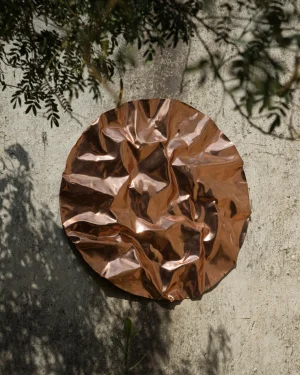
Mar De Cobre – Wall Decoration
By Aura Carpio®
€2.200 -
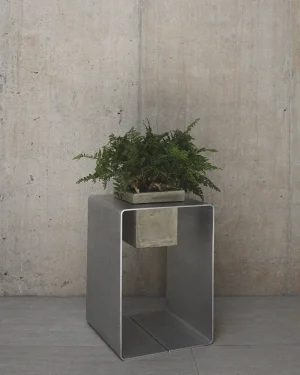
ST001-02 Side Table in Stainless Steel and Concrete
By NAVE
€990 -

Mirror Perfumer – Handmade Bronze Wall Mirror
By Vogel Studio
€9.075 -
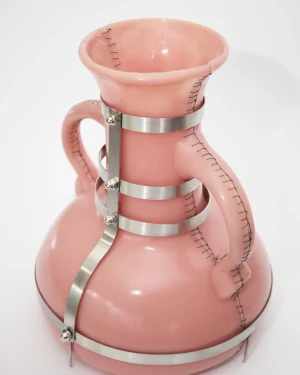
Soft Vase Sculptural Vessel
By Panorammma Atelier
€5.800 -
 In stock
Umbra Wall Mirror
By Hasik Design Studio
€1.500 -
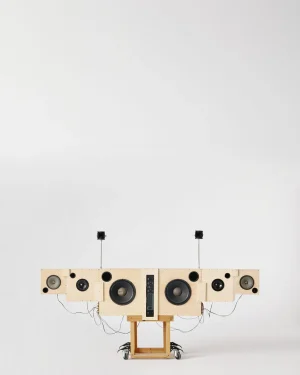
S.S Series, Sound System 01
By Lucas Muñoz Muñoz
€24.000 -
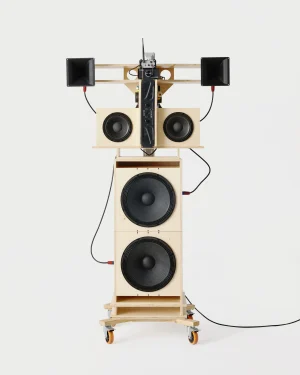
S.S Series, Sound System 03
By Lucas Muñoz Muñoz
€24.000 -

“Meteorite” soundsystem
By Lucas Muñoz Muñoz
€45.000 -
 In stock
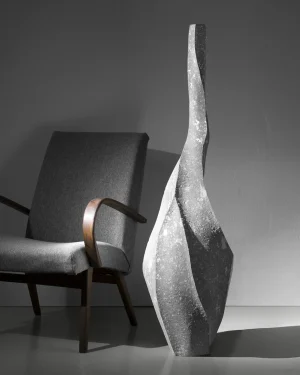
Solid Gray Stone Tall Floor Vase – Skew Series In Cast Stone By Donatas Zukauskas
By Donatas Žukauskas
€2.450 -
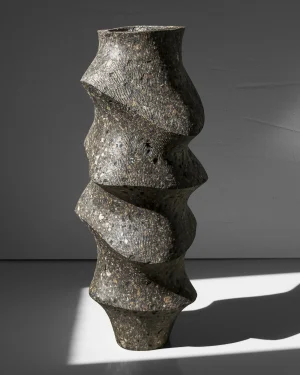
Large Floor Vase, Brutalist Concrete-look Sculpture
By Donatas Žukauskas
€1.450 -
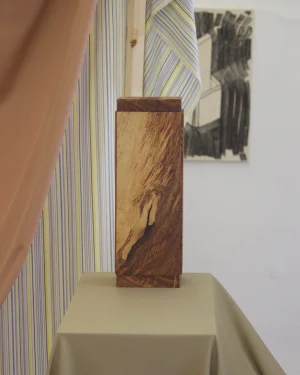 In stock
Sensitive Wood – Wooden Minimalist Oak Vase
By Vital Lainé
€600 -
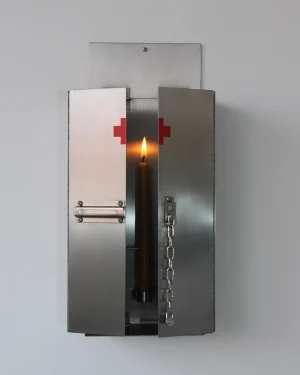
Wax Clock Sculptural Wall Candle Holder
By Panorammma Atelier
€3.600 -
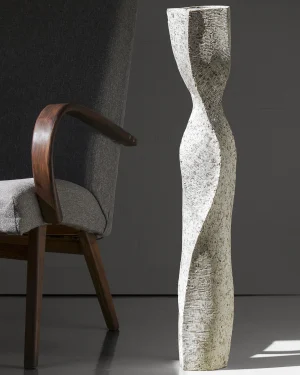
Column Tall Twisted Sculptural Vase, Brutalist Textured Floor Vase
By Donatas Žukauskas
€860 -
 Sold
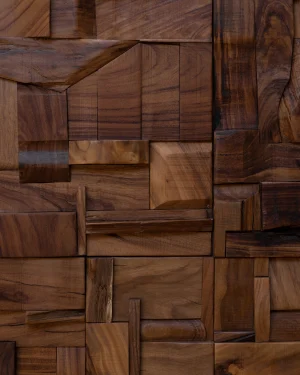
SoldNatural Parota Wood Collage Panel – Randomly Composed
By Peter Glassford
€61 - €244 This product has multiple variants. The options may be chosen on the product page -
 In stock
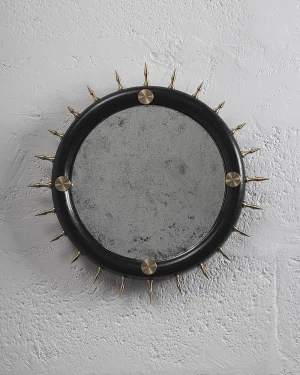
Sitiera_02 – Solid Wood Wall Mirror Bronze Or Stainless Steel Spikes
By ANDEAN
€1.257 This product has multiple variants. The options may be chosen on the product page -
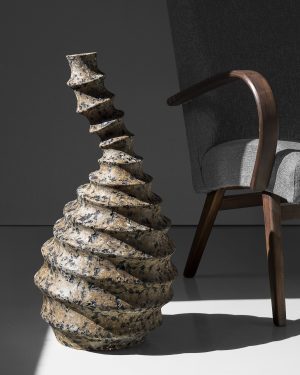
Solid Beige Stone Floor Vase – Erosion Series In Cast Stone By Donatas Zukauskas
By Donatas Žukauskas
€1.450 -
 In stock
La Cauna – Vas 02
By Pierre Klein
€560 -
 In stock
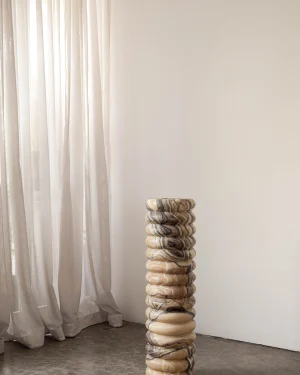
Antigua Stone Totem
By Studio Ayres
€2.348 -
 Sold
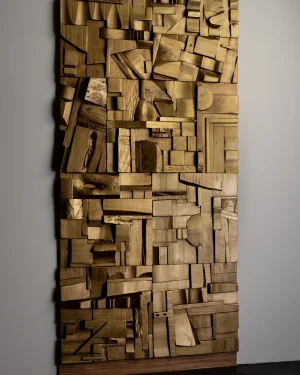
SoldAntique Gold Wood Collage Panel – Randomly Composed
By Peter Glassford
€76 - €304 This product has multiple variants. The options may be chosen on the product page -

Coro® – Wall Decoration
By Aura Carpio®
€5.100 -
 In stock
“TOY” Sculpture Berlin Untitled No.1
By VAUST Studio
€9.800 -

Bobulate Vase V1
By Rollo Studio
€380 -
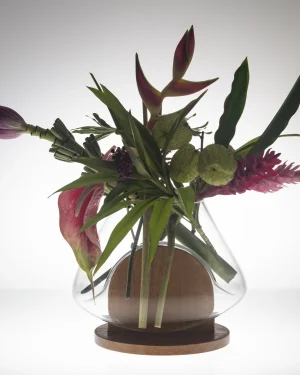
Bauhaus Vase
By Carol Gay
€900 - €1.100 This product has multiple variants. The options may be chosen on the product page -

Set Of 2 Brutalist White Wash Reclaimed Wood Collage Tiles
By Peter Glassford
€693 -
 In stock
Mono – Terrazzo Vase
By Assimply Studio
€200 -
 In stock
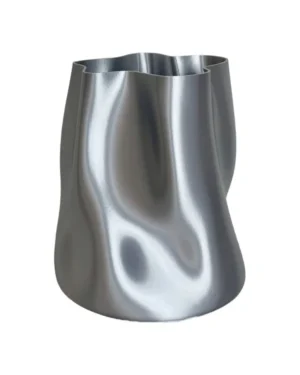
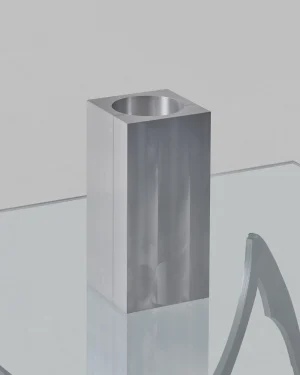
Alu – Aluminum Vase
By 304.cage
€2.200 -
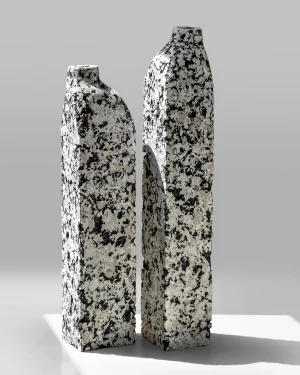
Solid White Stone Set Vase – Block Series In Cast Stone By Donatas Zukauskas
By Donatas Žukauskas
€1.350 -
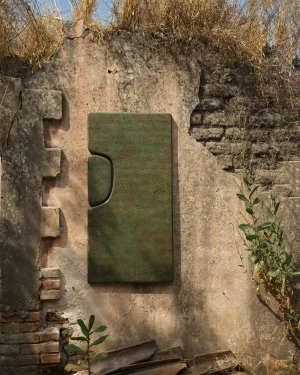
Pedregal® – Wall Decoration
By Aura Carpio®
€4.500 -
Set Of 8 Brutalist Natural Parota Reclaimed Wood Collage Tiles
By Peter Glassford
€656 -
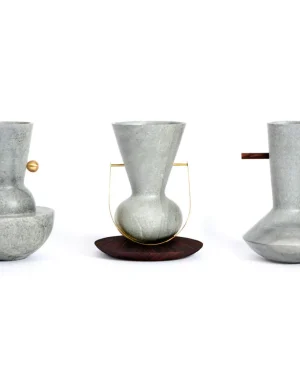 Sold
Sold“ITA” Stone Vase Series
By ALVA design
€589 - €887 This product has multiple variants. The options may be chosen on the product page -
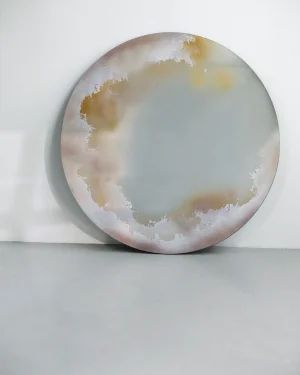 In stock
Mirage Golden Wall Art Piece
By Anne Nowak
€1.340 -
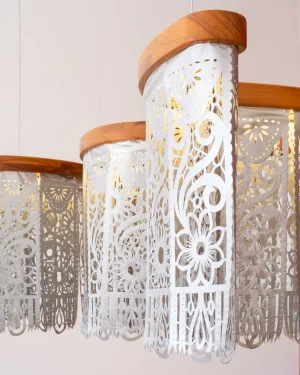
Camino Del Alma – Illuminated Sculpture In Wood And Shredded Paper
By YANKATU
€5.900
Brutalist decor brings raw, unfinished-looking material into small objects: stone carved into blunt blocks, metal left with its weld lines visible, ceramic fired to a matte, mineral surface. Studios working in this style favor mass and weight over ornament, letting the material carry the piece rather than a polished finish or applied pattern. Within decor, the result sits closer to architecture than to tabletop craft, scaled down to hold a shelf, a console or a low table.
What defines brutalist decor
The style takes its name and its logic from mid-century concrete architecture, where structure was left exposed rather than clad. In decor, that same honesty shows up as surfaces that keep the mark of their making: the pitted face of carved stone, the pooled texture of cast lava stone, a copper surface left to darken rather than lacquered bright. Color stays close to the material itself, so pieces tend toward black, gray, beige and the warm variations copper takes as it oxidizes.
Materials and techniques found here
Stone and lava stone dominate, worked through stone carving that leaves tool marks or a deliberately uneven face. Metalwork in copper or blackened steel produces objects with visible seams and joins, sometimes left reflective, sometimes matte. Ceramic pieces built through hand-building rather than thrown on a wheel carry the same rough, built-up quality, often finished with a heavy glazing that pools unevenly in the recesses. Editions range from open runs to unique pieces and small limited editions, so the balance between repeatable form and one-off surface varies from maker to maker.
- Carved stone and lava stone objects, left matte or lightly sealed
- Metalwork in copper or steel, reflective or oxidized
- Hand-built ceramic with thick, uneven glazing
How to choose a brutalist piece
Scale matters more here than in most decor styles, since the visual weight of the material is the point. A small carved stone object on an empty shelf reads as sculpture; the same piece lost among smaller things loses its presence. Check height and footprint against the surface it will sit on, and give it enough bare space around it to register as a single mass rather than clutter.
Finish is the second decision. Reflective metal and pale stone pick up light and work well near a window or lamp; matte ceramic and dark, oxidized copper read better in a dimmer corner where their texture, not their shine, does the work. If you already own other pieces from the broader brutalist furniture range, keep new additions in the same material family so the surfaces talk to each other rather than compete.
Where it sits in a room
These pieces suit rooms built around a few solid gestures rather than many small ones: an entryway with a single console, a living room with a low table and little else on it, a study shelf that holds one object instead of five. The weight of stone or metal anchors a room in a way lighter materials cannot, so one piece often does more work than a cluster. Bedrooms and bathrooms take brutalist decor well in small doses, a single carved stone tray or a copper vessel rather than a full set.
Caring for stone, metal and ceramic
Unsealed stone and lava stone stain from oil and acidic liquids, so keep them away from direct food or drink contact and wipe spills promptly. Copper and other unlacquered metals will continue to oxidize with handling and air exposure; this is normal aging, not damage, and can be slowed with an occasional light wax if you prefer to keep the surface even. Hand-built ceramic with a heavy glaze is generally dishwasher-unsafe; wash it by hand and dry it before storing. For the full range of material and finish within this style, the brutalist style page gathers pieces across ceramic, metal and stone, while ceramic decor and metal decor narrow the view to a single material if that is what your room calls for.
How do I choose a brutalist decor piece?
Look at mass and surface first: stone, concrete and cast metal read as brutalist through weight and raw texture, not ornament. Pick a piece whose scale and finish hold their own against the materials already in the room.
What materials are brutalist decor pieces usually made from?
Stone, lava stone, concrete and metals like cast iron or copper are common, chosen for their density and unfinished or hand-worked surfaces. Marble and ceramic also appear, often left matte rather than polished.
How do I care for stone or metal brutalist pieces?
Dust stone and concrete with a dry or barely damp cloth, and keep them away from acidic liquids that can etch the surface. Metals like copper or iron develop a patina over time; wipe with a dry cloth to slow it, or leave it to darken naturally.
What size are brutalist decor objects and where do they sit?
Sizes range from small tabletop forms to larger floor-standing pieces, so weight and footprint vary with the material. For exact dimensions, chat with the maker on the piece's page.
Which rooms suit brutalist decor?
The heavy, textured forms anchor living rooms and entryways well, and hold their own on console tables or shelving. Bathrooms and kitchens with stone or concrete surfaces also take to the material naturally.
How does shipping, returns and authenticity work when I buy through ADORNO?
Shipping is insured and worldwide. Returns are accepted within 14 days, excluding made-to-order pieces, and every piece arrives with a certificate of authenticity. ADORNO also offers a lowest-price guarantee.