

-

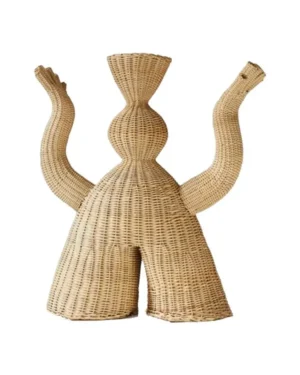
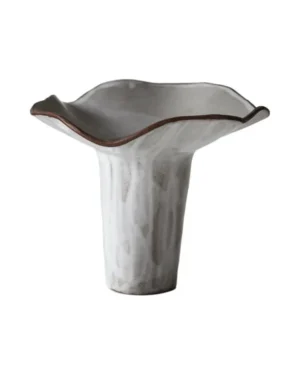
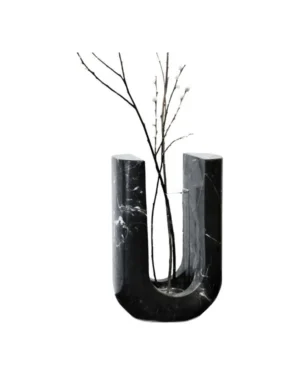
Large “lmc” Mobile
By Jordi Canudas Faura
€257 -
 In stock
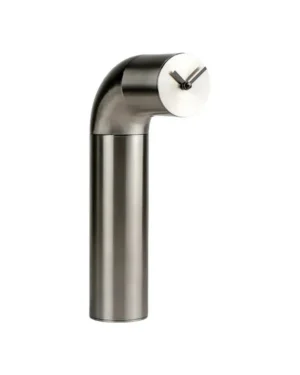
Stadia Clock – Stainless Steel Table Clock
By studio re.d
€400 -
 In stock
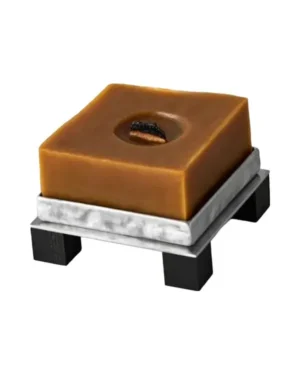
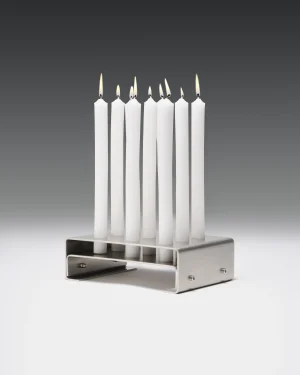
Burning Wing Candleholder
By Obscure Objects
€122 -
 In stock
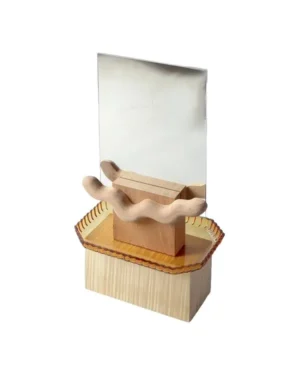
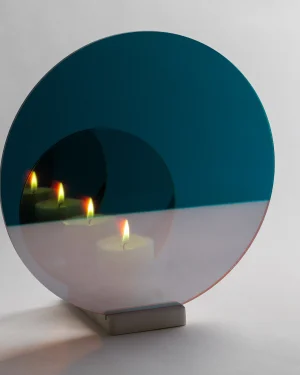
Spegla – Mirror & Candle Holder In Crystal Glass And Halftranspared Mirror
By Jochen Lavéno Mangelsdorff Studio & Objects
€260 - €290 This product has multiple variants. The options may be chosen on the product page -
 In stock
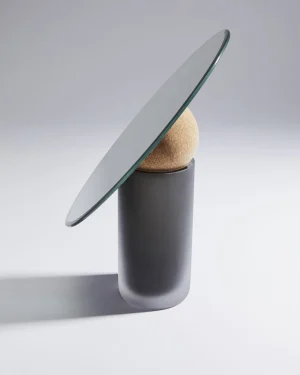
Mirror – Astra 30
By Clemence Birot
€409 -
 In stock
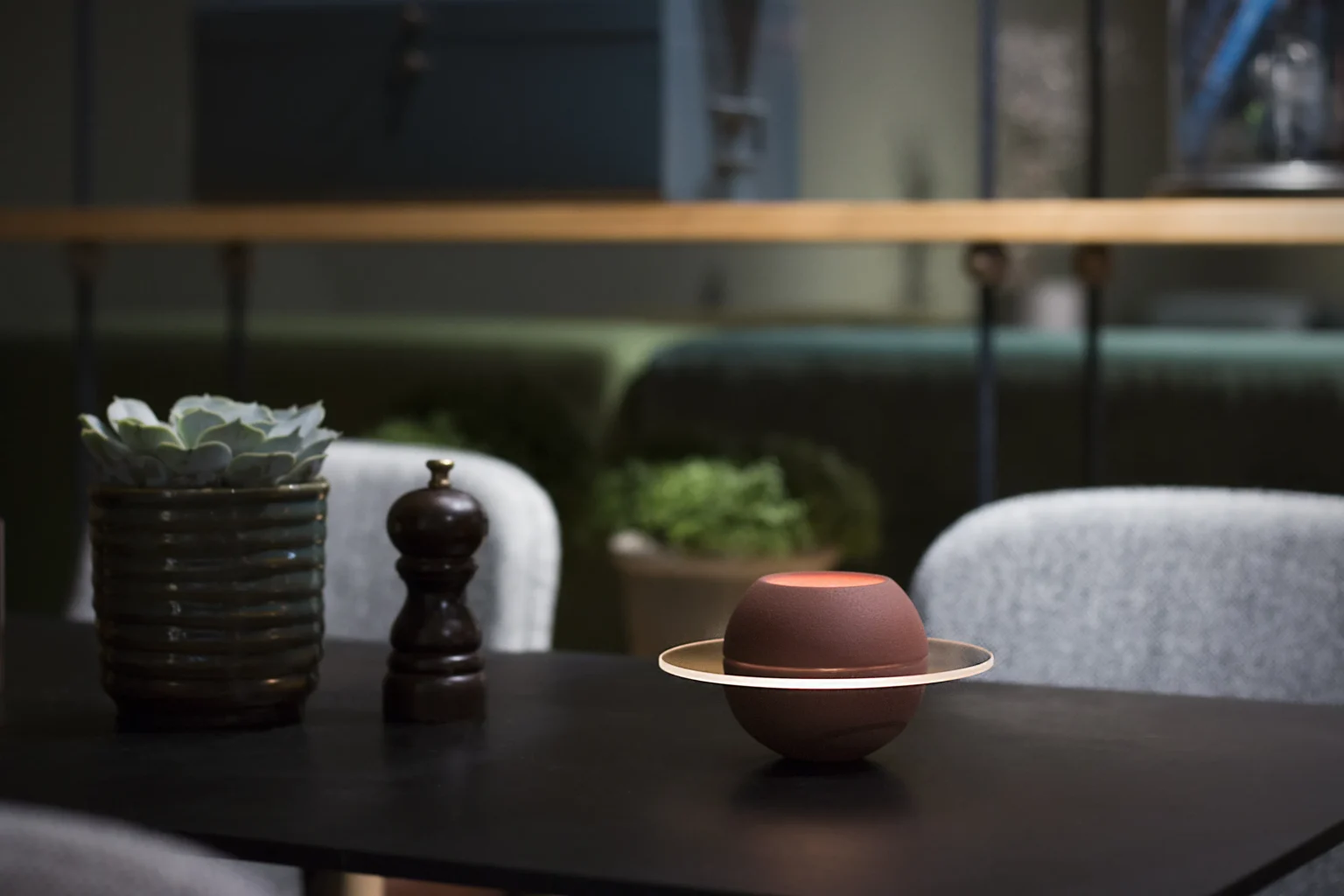
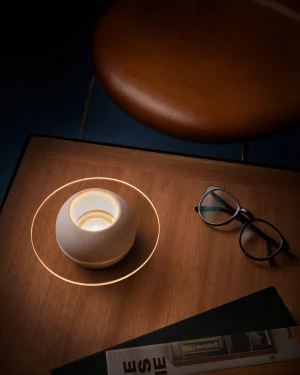
Sfär – Glass & Porcelain Tealight Candle Holder
By Jochen Lavéno Mangelsdorff Studio & Objects
€160 This product has multiple variants. The options may be chosen on the product page -
 In stock
Onnda Flame Concentric Deep Sea – Dichroic Glass Marble
By Catrinel Sabaciag
€210 -

Float Mirror Black #b_31 in Liquid Silver and Glass
By Studio Speculo
€465 -
 In stock
Elo Mirror 60×90 Cm – Hand Glazed Ceramic
By Pani Jurek STUDIO
€1.070 This product has multiple variants. The options may be chosen on the product page -
 In stock
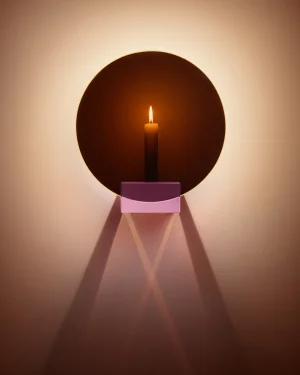
Spegla Wall Edition – Mirror & Candle Holder In Crystal Glass And Half-transparent Mirror
By Jochen Lavéno Mangelsdorff Studio & Objects
€345 - €395 This product has multiple variants. The options may be chosen on the product page -
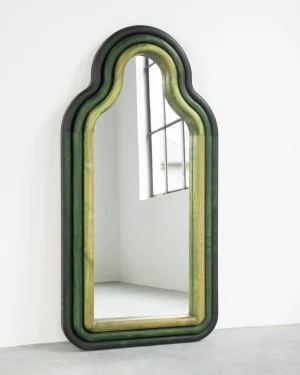
Trn Mirror / Triple / Solid Wood
By Pani Jurek STUDIO
€2.255 This product has multiple variants. The options may be chosen on the product page -
 In stock
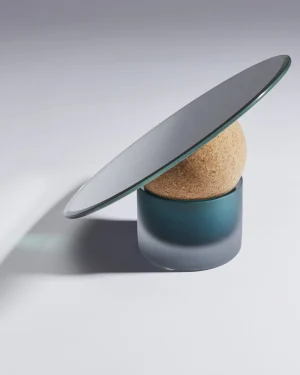
Mirror – Astra 24
By Clemence Birot
€345 -
 In stock
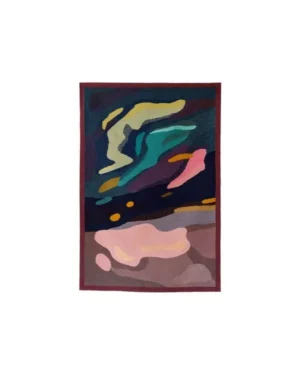
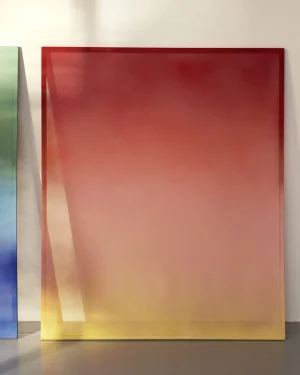
Hazy Horizon Red
By Anne Nowak
€1.010 -
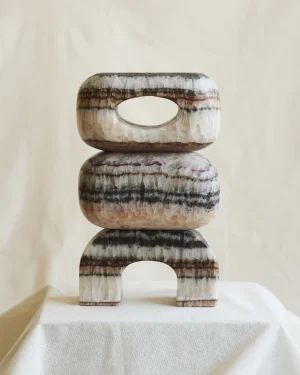
Artefacto Mármol Ls 01
By LØRDAG & SØNDAG
€900 This product has multiple variants. The options may be chosen on the product page -
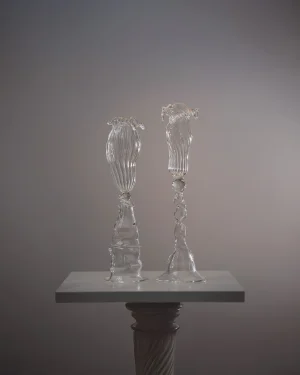
Cariño – Glass Sculptures
By PIA GLASSWORKS
€400 -
 In stock
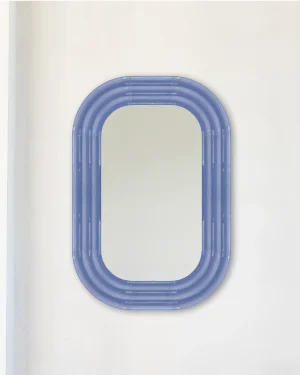
Elo Mirror 120×80 Cm – Hand Glazed Ceramic
By Pani Jurek STUDIO
€1.730 This product has multiple variants. The options may be chosen on the product page -
 In stock
Twiggy Vase
By Volokhova Porcelain
€140 -

“Rock and Roll” stone skateboard
By Lucas Muñoz Muñoz
€2.000 -

“citrino” Vase From The Crystals Collection Large Size
By Carol Gay
€2.614 -

Trn Mirror / M
By Pani Jurek STUDIO
€1.065 This product has multiple variants. The options may be chosen on the product page -
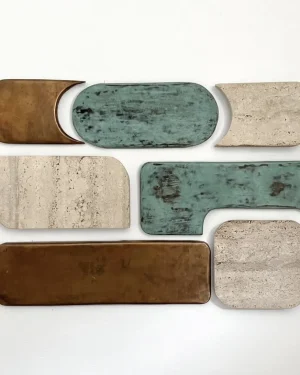
Vides Wall Decoration in Copper And Marble
By Aura Carpio®
€3.325 -
 In stock
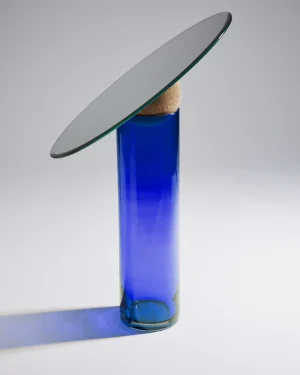
Mirror – Astra 34 Cobalt
By Clemence Birot
€540 -
 In stock
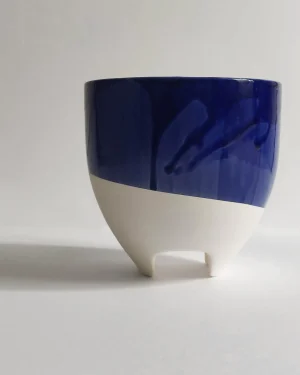
Geta – Porcelain Pot
By Clemence Birot
€110 -
 In stock
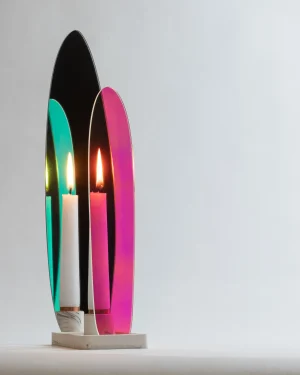
Dichroic Iridescent Candleholder Stick Onnda Flame: Filiform-Pink & Green
By Catrinel Sabaciag
€215 This product has multiple variants. The options may be chosen on the product page -
 In stock
Underneath Me – 3d Printed Red Vase
By M’ama edizioni
€330 -
 In stock
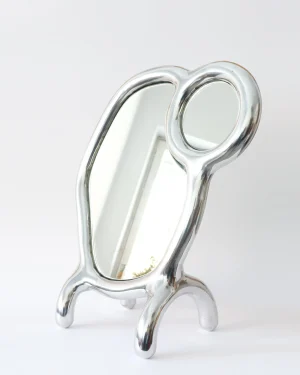
Mi-rr 13
By Studio Speculo
€1.100 -
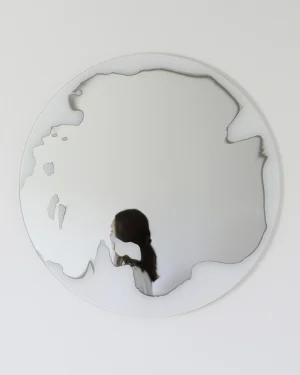
Float Mirror White – Liquid Silver / Glass
By Studio Speculo
€370 -
 In stock
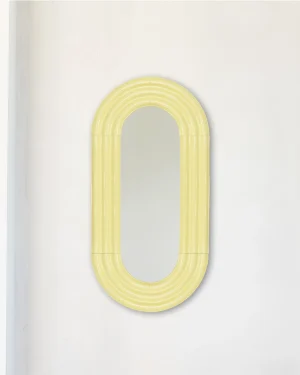
Elo Mirror 120×60 Cm – Hand Glazed Ceramic
By Pani Jurek STUDIO
€1.360 This product has multiple variants. The options may be chosen on the product page -
 In stock
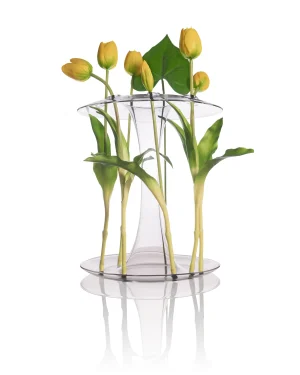
Aqua Vase
By KANZ
€156 -
 In stock
Elo Mirror 60×60 Cm – Hand Glazed Ceramic
By Pani Jurek STUDIO
€815 This product has multiple variants. The options may be chosen on the product page -
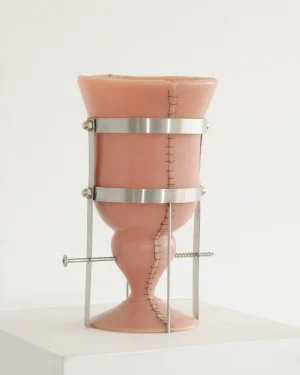
Soft Goblet Sculptural Vessel
By Panorammma Atelier
€4.800 -
 In stock
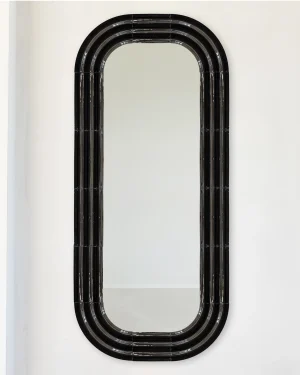
Elo Mirror 180×80 Cm – Hand Glazed Ceramic
By Pani Jurek STUDIO
€2.540 This product has multiple variants. The options may be chosen on the product page -
 In stock
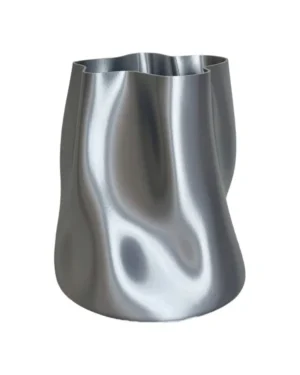
Zefir – Glass / Aluminum Vase
By Hasik Design Studio
€650 This product has multiple variants. The options may be chosen on the product page -
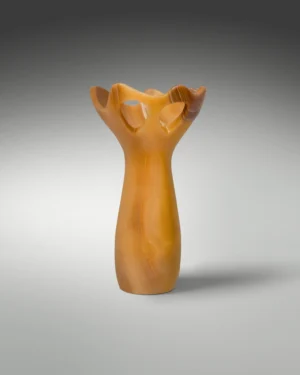
Lava Vase By Ayres Studio
By Studio Ayres
€665 This product has multiple variants. The options may be chosen on the product page -
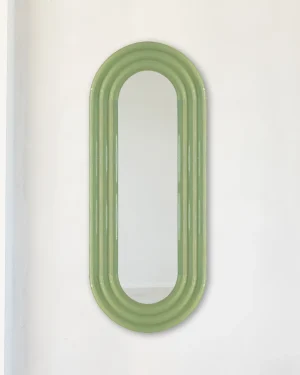 In stock
Elo Mirror 150×60 Cm – Hand Glazed Ceramic
By Pani Jurek STUDIO
€1.730 This product has multiple variants. The options may be chosen on the product page -
 In stock
Succession mirror
By FARG & BLANCHE
€1.520 -
 In stock
Abbas – Aluminum Wall Mirror
By Joana Teixeira
€1.250 -
 In stock
Alu – Aluminum Vase
By 304.cage
€2.200 -
 In stock
Sail Planters
By noknok
€1.546 - €2.233 This product has multiple variants. The options may be chosen on the product page -
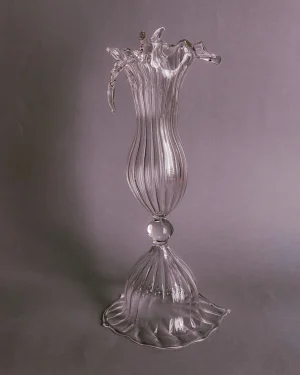
Reflection Glass Sculpture
By PIA GLASSWORKS
€289 -
 In stock
Onnda Flame Concentric M Blaze – Dichroic Glass Marble
By Catrinel Sabaciag
€210 -
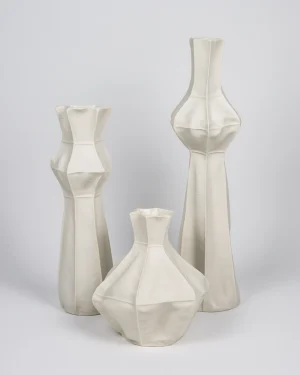
Set No. 1 Of 3 Kawa Vases – Organic Leather-cast Ceramics
By Luft Tanaka Studio
€2.550 -
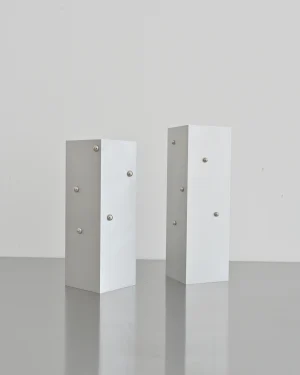
Mono Vase
By NOSTUDIO
€155 - €245 This product has multiple variants. The options may be chosen on the product page -
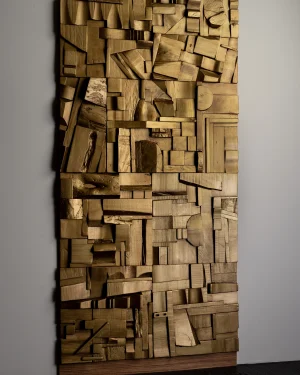 Sold
Antique Gold Wood Collage Panel – Randomly Composed
By Peter Glassford
€76 - €304 This product has multiple variants. The options may be chosen on the product page -
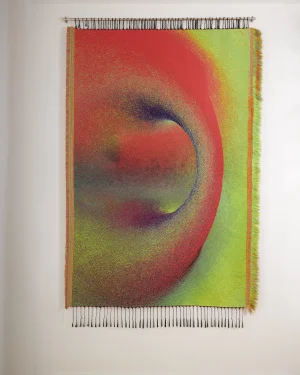
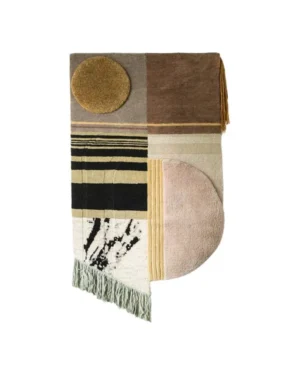
Heat 1 — Tinted Tango | Jacquard Woven Tapestry
By Lucas Gutierrez Studio
€5.850 -

Float Mirror, Transparent #t_41 – Silver On Glass
By Studio Speculo
€370 -
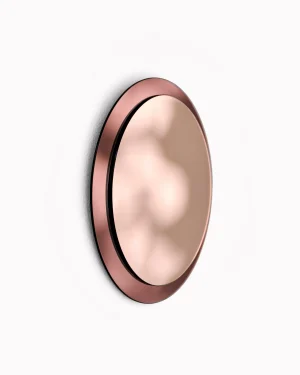
Nova – Rose Gold Round Mirror
By Yugen Lab
€300 -
 In stock
Titanium – Ceramic Wall Decor
By Meagan Cignoli Studio
€190 -
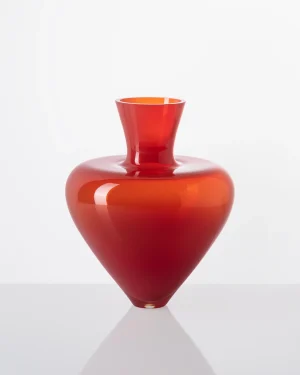 In stock
Bloom – Heart Shaped Vases
By Frantisek Jungvirt
€680 - €1.460 This product has multiple variants. The options may be chosen on the product page -
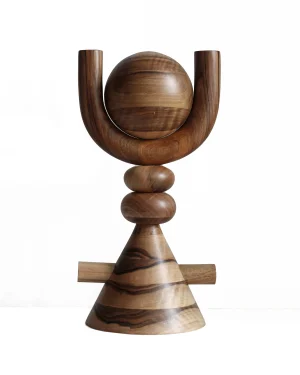
Fire Totem In Walnut
By ZEMNA
€530 -
 In stock
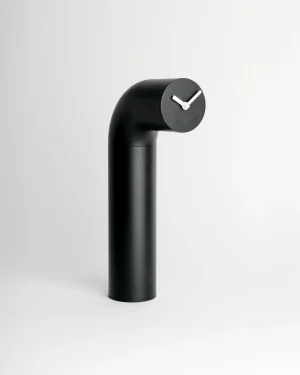
Stadia Clock Black – Stainless Steel Table Clock
By studio re.d
€500 -
 In stock
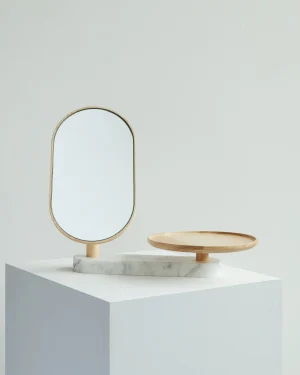
U-ap – Adjustable Marble Vanity Mirror
By Hasik Design Studio
€375 -
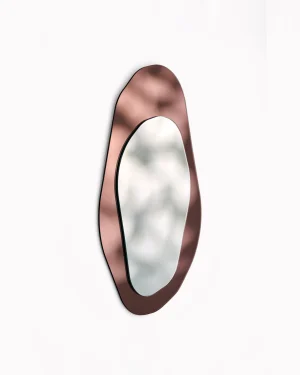
Siena – Rose Gold Asymmetric Mirror
By Yugen Lab
€350 -
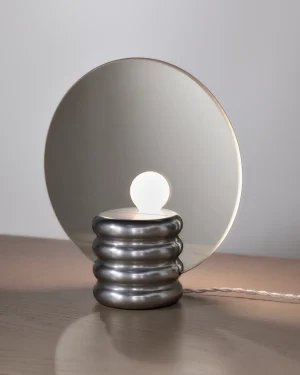 In stock
Spegla Mirror Lamp – Mirror / Lamp In Aluminium And Mirror Glass
By Jochen Lavéno Mangelsdorff Studio & Objects
€556 This product has multiple variants. The options may be chosen on the product page
Art deco decor draws on the geometric confidence of the 1920s and 1930s, a style built on symmetry, stepped forms and polished surfaces. Studios working in mirrorglass, marble, aluminum, porcelain and blown glass return to these shapes with cold working, metalwork, glazing and stone carving. The result sits somewhere between ornament and object, small enough for a shelf but weighted enough to anchor a console or a mantel.
What defines art deco decor
The style favors clean geometry over naturalistic form: fan shapes, ziggurat steps, sunburst motifs, strict circles and chevrons. Surfaces are often polished rather than matte, so mirrorglass, silver and glazed porcelain recur more than raw or textured materials. Color tends toward black, amber, cobalt blue and crystal clear glass, sometimes with metal trim in aluminum or brass tones.
Many pieces borrow their vocabulary from art deco design across other categories, where the same stepped forms and symmetry appear in furniture and lighting. In decor, that vocabulary shrinks to an object scale: bowls, boxes, bookends, small sculptures and mirrors.
Materials and techniques in this range
The range changes as pieces sell, but it tends to draw on a consistent set of materials and ways of working:
- Glass and mirrorglass, shaped through glassblowing, glass cold working or glass casting
- Marble and other stone, finished by hand through stone carving
- Aluminum and silver, formed and finished through metalwork
- Porcelain, built and glazed through hand-building and glazing
Some pieces are open editions, made to a repeatable design; others are unique pieces, where stone carving or glass casting means no two surfaces read exactly alike. Where a piece is a one-off, that status is carried in its own listing rather than assumed across the style.
How to choose a piece
Scale matters more than it first appears: a mirrorglass tray or small box reads as a tabletop accent, while a carved marble object or a tall mirror can carry a wall or console on its own. Check proposed height and footprint against the surface or wall you have in mind, since art deco forms are often symmetrical and look best with room to breathe on both sides.
Finish is the other variable. Polished metal and glazed porcelain throw light and show fingerprints; honed marble and brushed aluminum hide both and wear more quietly. Choose polished finishes for pieces that will catch window light, and honed or brushed ones for surfaces handled often.
Where it suits a room
Art deco decor sits naturally in entryways, dining rooms and living rooms, anywhere a console, sideboard or mantel asks for a fixed, symmetrical object rather than a changing arrangement. A mirrorglass bowl or bookend pair works equally well flanking a stack of books or centered alone. For a fuller room scheme, pairing these pieces with art deco mirrors or art deco lighting extends the same geometry across the walls and overhead fixtures.
Caring for marble, glass and metal
Marble is porous and stains from oil, wine and citrus, so wipe spills promptly and avoid placing acidic liquids directly on an unsealed surface. Glass and mirrorglass need only a soft, lint-free cloth and a glass cleaner without ammonia, which can cloud mirrored backing over time. Aluminum and silver tarnish slightly with air exposure; a dry cloth for routine dusting and an occasional metal polish, used sparingly, keeps the surface even.
For the wider range of material, color and style options across this category, see all decor, or look at metal decor for pieces where aluminum and silver take the lead rather than glass or stone.
How do I choose an art deco decor piece?
Look for symmetry, faceted forms and polished surfaces in materials like glass, marble or metal. Pick a piece that reads as sculpture first, so it holds its own on a shelf or console.
What materials are art deco decor pieces made from?
Mirrorglass, blown glass, marble, aluminum and silver appear most often, worked through glassblowing, glass cold working, metalwork or stone carving. Each material carries the geometric, high-polish look associated with the style.
How do I care for glass, marble or metal decor?
Dust glass and mirrorglass with a soft cloth, avoid acidic cleaners on marble since they etch the surface, and wipe aluminum or silver with a dry cloth to keep the shine even.
What size decor piece suits a console, shelf or mantel?
Art deco pieces tend to be compact and sculptural, built to anchor a surface rather than fill a room. Chat with the maker on the piece's page to confirm exact dimensions.
Which rooms suit art deco decor?
Entryways, living rooms and dining spaces take well to the style's polished surfaces and symmetry, especially near a mirror, console or sideboard where the piece can catch light.
How does buying art deco decor through ADORNO work?
Shipping is insured and worldwide, returns are accepted within 14 days except on made-to-order pieces, and every piece arrives with a certificate of authenticity under ADORNO's lowest-price guarantee.