-
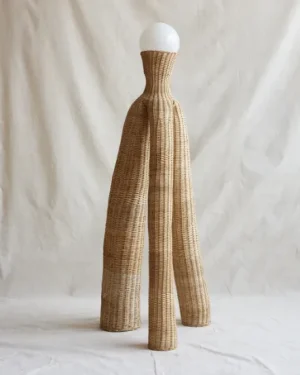
Artefacto Ls 16 Floor Lamp In Woven Wicker Fiber
By LØRDAG & SØNDAG
€1.090 -
 In stock
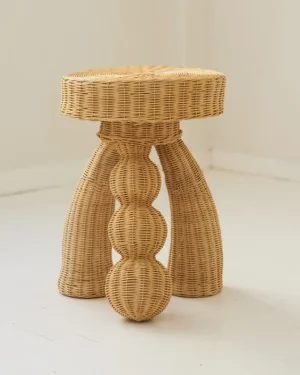
Pupa Side Table in Woven Rattan and Metal
By LØRDAG & SØNDAG
€845 -
 In stock
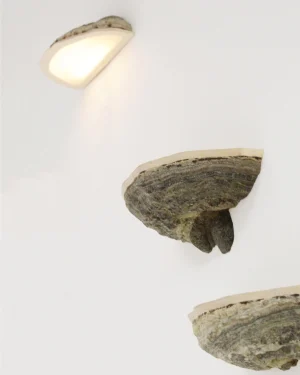
Ticka – Fungi Wall Shelf
By Olle Sahlqvist
€250 - €450 This product has multiple variants. The options may be chosen on the product page -
 In stock
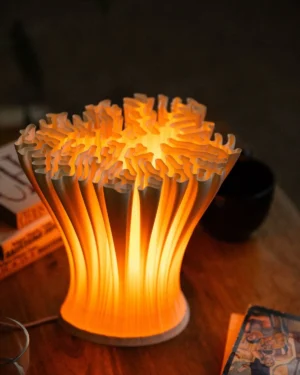
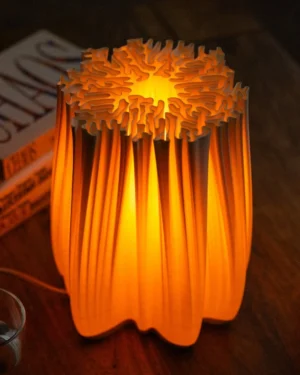
S 5 Table Lamp In Ivory White Bio Polymer
By diploria studio
€295 -
 In stock
S X 1 Table Lamp In Ivory White Bio Polymer
By diploria studio
€275 -

Deas Floor Lamp In Aluminum And Rattan
By Calen Knauf Studio
€1.360 -
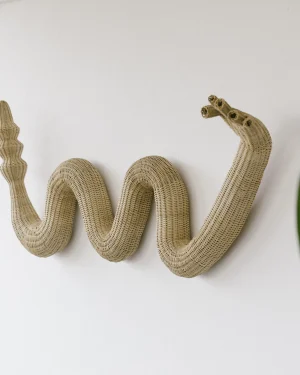
Artefacto Serpiente Ii – Woven Wicker Fiber Wall Sculpture
By LØRDAG & SØNDAG
€750 -

Isolation Coffee Table in Cork and Burnt Pine
By Vital Lainé
€1.800 -
 In stock
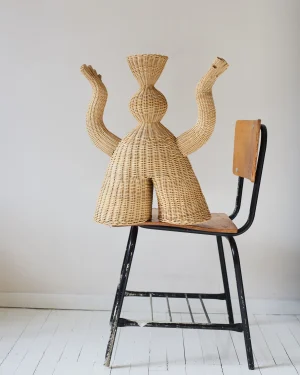
Artefacto Chan Maák Sculpture – Pol & Cab
By LØRDAG & SØNDAG
€655 This product has multiple variants. The options may be chosen on the product page -
 In stock
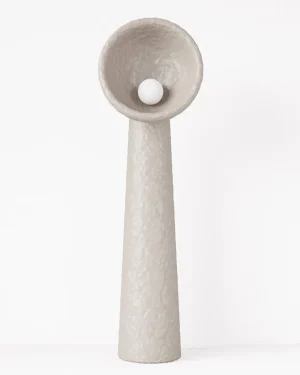
S 1 Table Lamp In Bio Polymer
By diploria studio
€245 -
 In stock
Soniah Floor Lamp in ZTISTA
By FAINA
€7.000 This product has multiple variants. The options may be chosen on the product page -
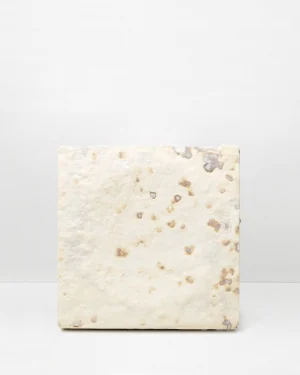
Mycelium Small Wall Panel
By Myceen
€50 -
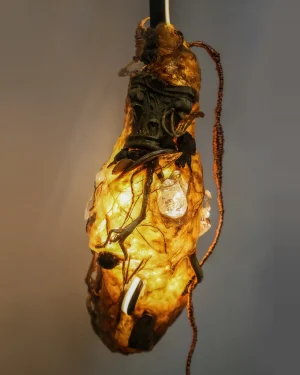
Weaver Nest Pendant Lamp in Bio Plastic
By Sabrina Merayo Nuñez
€3.500 -
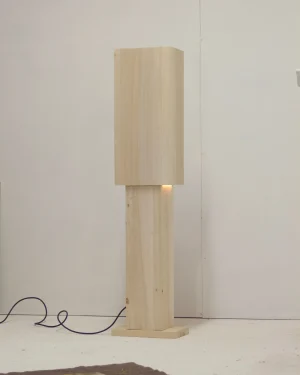 In stock
Sensitive Wood Claire Floor Lamp In Poplar Wood
By Vital Lainé
€1.000 -
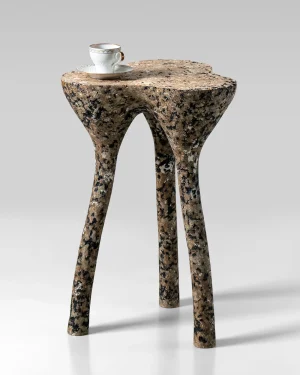 In stock
Beige Tripod Low Side Table In Paper Pulp And Cement
By Donatas Žukauskas
€1.150 -
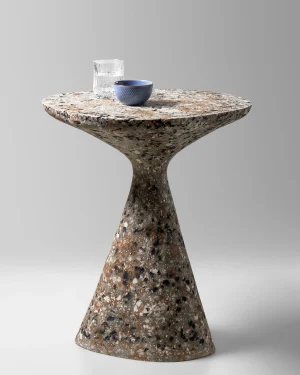
Beige Mottled Side Table In Paper Pulp And Cement
By Donatas Žukauskas
€1.100 -
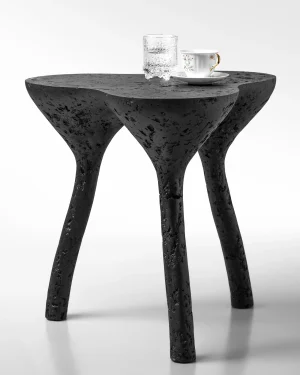
Black Tripod Coffee Table in Paper Pulp and Cement
By Donatas Žukauskas
€1.450 -
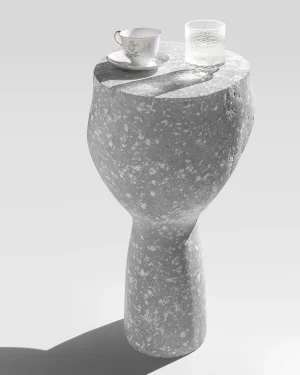
White Plinth Side Table in Paper Pulp and Cement
By Donatas Žukauskas
€1.050 -

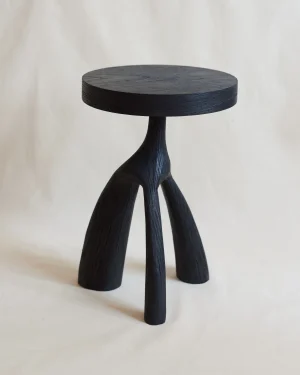
Fetish – Wax Vase
By Pierre Klein
€80 - €145 This product has multiple variants. The options may be chosen on the product page -
 In stock
Tecolli Side Table In Burnt Oak Wood
By LØRDAG & SØNDAG
€940 -
 In stock
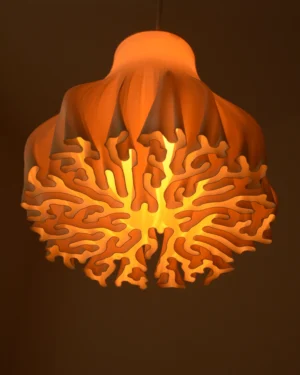
H 1 Pendant Lamp In Bio Polymer
By diploria studio
€295 - €495 This product has multiple variants. The options may be chosen on the product page -
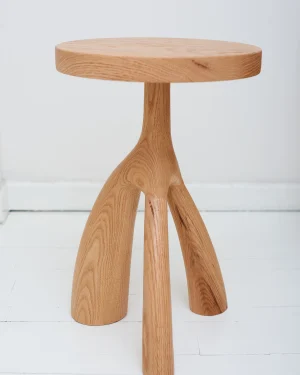
Tecolli Side Table in Natural Oak Wood
By LØRDAG & SØNDAG
€940 -
 In stock
Axile Table Lamp in Bio Plastic
By Errance.
€335 -
 In stock
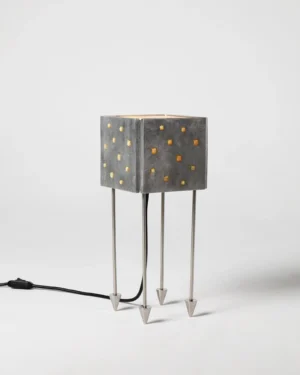
Prisma Massiva Table Lamp in Cast Aluminum, Resin & Steel
By DONÓ Design
€1.898 -
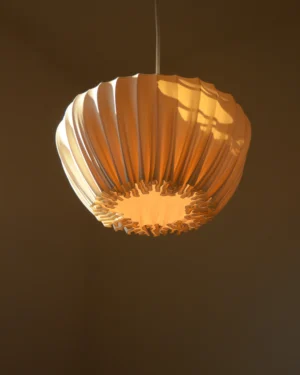
M 2 H Pendant Lamp In Bio Polymer
By diploria studio
€295 -
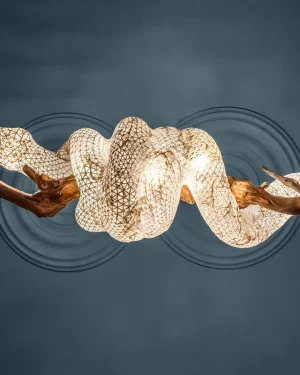
The Staff of Asclepius Chandelier in PLA and Wool
By Danik Uderbekov
€2.500 -

Bold Shkam Chair – Yellow
By SHAPE & SHADE
€333 -

Black Wool Table Lamp in Biocomposite
By PletoStudio
€700 -
 In stock
Tl-1 Earth Table Lamp In Cellulose Acetate
By Juba Concepts
€740 -
 In stock
Núcleo Massiva — Ebony Wood And Resin Chair
By DONÓ Design
€2.271 -
 In stock
Wavy Vase – Silk White
By julius.works
€70 -
 In stock
Lumière Feuillue Alba Table Lamp In Bio-plastic
By Vlad Oganov Objects
€499 -
 In stock
The Shifting Side Table in Acrylic Glass
By em ef studio
€11.000 -
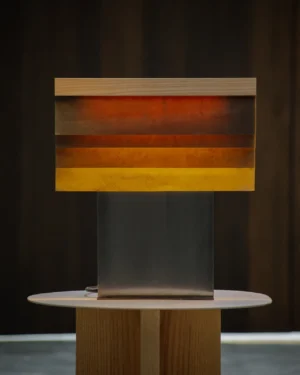
Cenit Table Lamp in Ash Wood and Celium
By Natural Urbano - Sebastián Beltrán
€510 -
 In stock
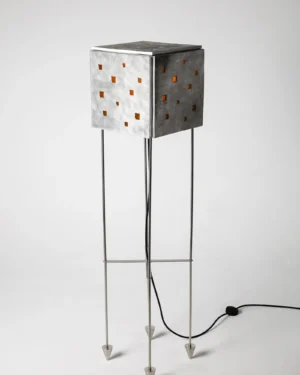
Prisma Massiva Floor Lamp in Cast Aluminum, Resin And Steel
By DONÓ Design
€3.780 -
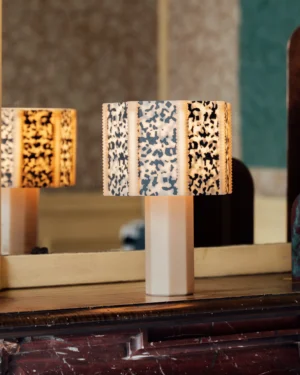
Brigitte Table Lamp In Bio Plastic
By Julie Mallet Studio
€329 - €375 This product has multiple variants. The options may be chosen on the product page -
 In stock
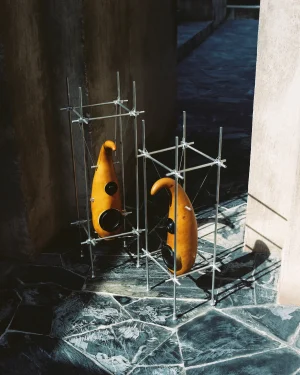
Wua-g I Speakers
By POL AGUSTI
€7.400 -

R1 Bookshelf Speakers
By MYCOAUDIO
€1.800 -
 In stock
Heimatlos Chair
By em ef studio
€1.600 -
 In stock
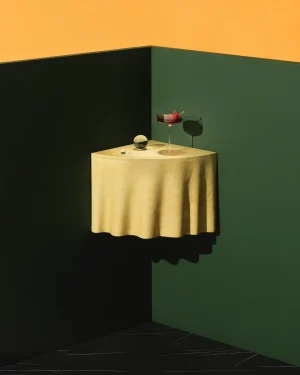
DUK x Reishi Edition Wall-Mounted Corner Table
By Studio TOOJ
€2.900 -
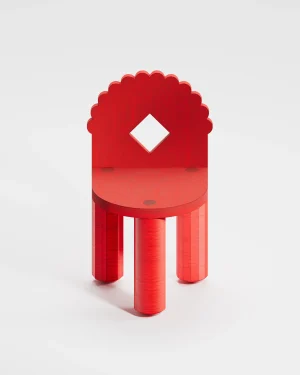
Bold Shkam Chair – Red
By SHAPE & SHADE
€333 -
 In stock
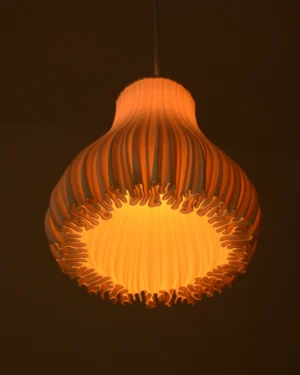
H 2 Pendant Lamp In Bio Polymer
By diploria studio
€295 - €495 This product has multiple variants. The options may be chosen on the product page -
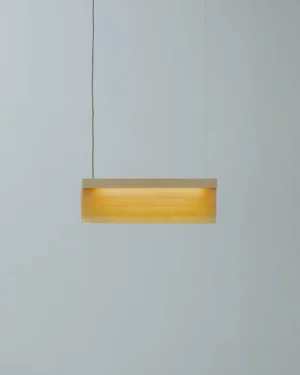
Cenit S Pendant Lamp in Ash Wood and Celium
By Natural Urbano - Sebastián Beltrán
€740 -

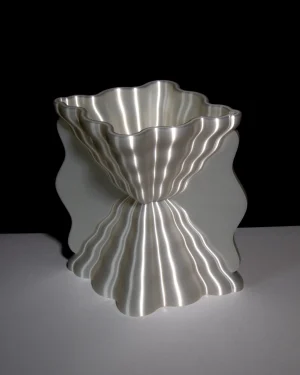
Coralight Table Lamp in Bio Plastic
By Cornu Design
€129 -
 In stock
Galéa Table Lamp in Bio Plastic
By Errance.
€250 -
 In stock
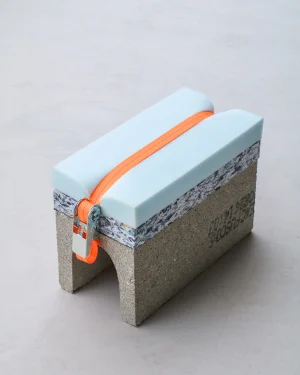
Le Rebond / Low Stool // Reimagined Textile
By FabBRICK
€672 -

Vira Triptych Ceiling Lamp In Bio Plastic
By Julie Mallet Studio
€567 -

Suspended Organs – Speaker
By Studio S II
€14.500 -
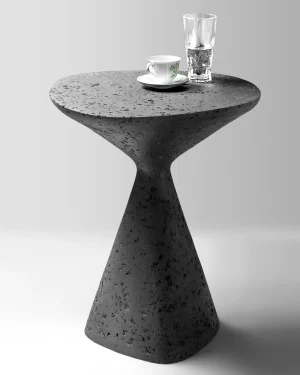
Black Mottled Side Table In Paper Pulp And Cement
By Donatas Žukauskas
€1.100 -
 In stock
Octopus Table Lamp in Bio Plastic
By Cornu Design
€100 -

Exélixi Floor Lamp in Bio Plastic
By Julie Mallet Studio
€1.958 -
 In stock
Wua-g Il Speakers
By POL AGUSTI
€7.000 -

12i2 Units Sound System
By MYCOAUDIO
€4.400 -
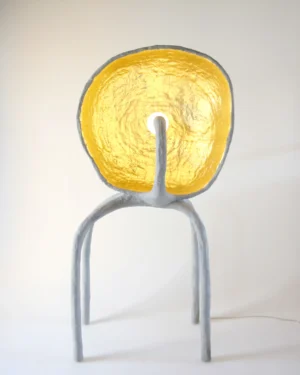 In stock
Ic-17 Floor Lamp in Resin, Gold-leaf and Natural Fibers
By Studio Josha
€10.500
Biomaterials represent a groundbreaking shift in sustainable design, combining artistic creativity with eco-friendly materials. Emerging from a desire to reduce environmental impact, these materials boast unique textures and colors, offering a blend of functionality and aesthetic appeal. Their versatile nature has reshaped the landscape of design and art, marking a significant step towards a sustainable future.
The Origins of Biomaterial Design
- First introduced in the early 21st century as a response to increasing environmental concerns.
- Inspired by natural processes and the global push towards sustainability.
- Originated primarily in Europe and North America, influenced by the growing eco-conscious art movements in these regions.
- Emergence fueled by the need for materials that are both sustainable and adaptable to various artistic forms.
Components of Biomaterial
- Organic fibers: Provide strength and texture, often sourced from recycled or sustainable sources.
- Natural dyes: Used to add vibrant colors, extracted from plants and minerals.
- Biopolymers: Serve as the binding agents, derived from natural sources like starch or cellulose.
- Recycled elements: Incorporating recycled materials to enhance sustainability and reduce waste.
Techniques in Biomaterial Design
- 3D Printing: Allows for precision and complexity in design, utilizing biodegradable materials.
- Hand Crafting: Emphasizes the artisan's touch, bringing a unique character to each piece.
- Molding and Casting: Used for creating intricate shapes and textures, often with biodegradable resins.
- Textile Design: Incorporating biomaterials into fabric creation for functional and decorative pieces.
Current Uses of Biomaterial
- Lighting: Creating eco-friendly and aesthetically pleasing lighting fixtures.
- Furniture: Offering a sustainable alternative for modern and stylish furniture designs.
- Decor: Biodegradable and unique decorative items that add a touch of nature to any space.
- Benefits: Eco-friendly, unique textures and colors, promoting sustainability in art and design.
The Essence of Biomaterial
Biomaterial in art and design is not just a material choice; it's a philosophy. It represents a commitment to sustainability and a challenge to the conventional boundaries of art. Through the use of organic fibers, natural dyes, and biopolymers, biomaterial brings an eco-friendly approach to creative expression.