

















-

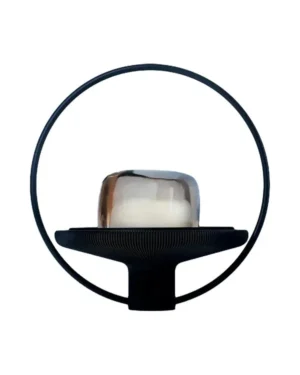
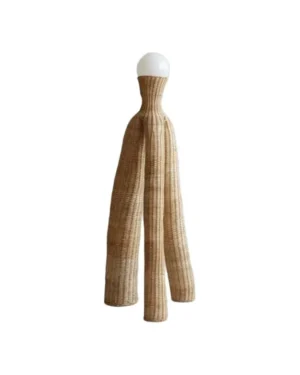
Kalia Table Lamp in Glass and Resin
By Justyna Poplawska
€536 -

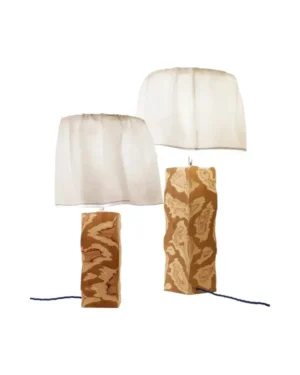
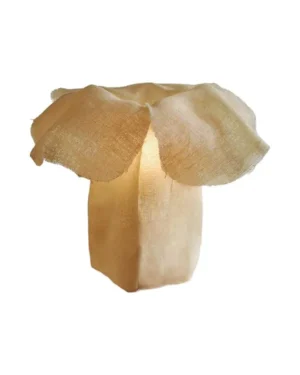
Black Wool Table Lamp in Biocomposite
By PletoStudio
€700 -
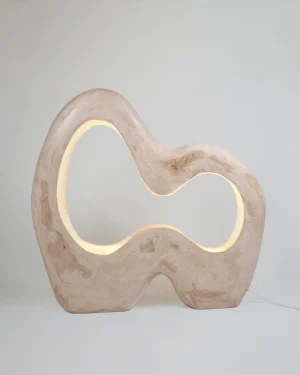
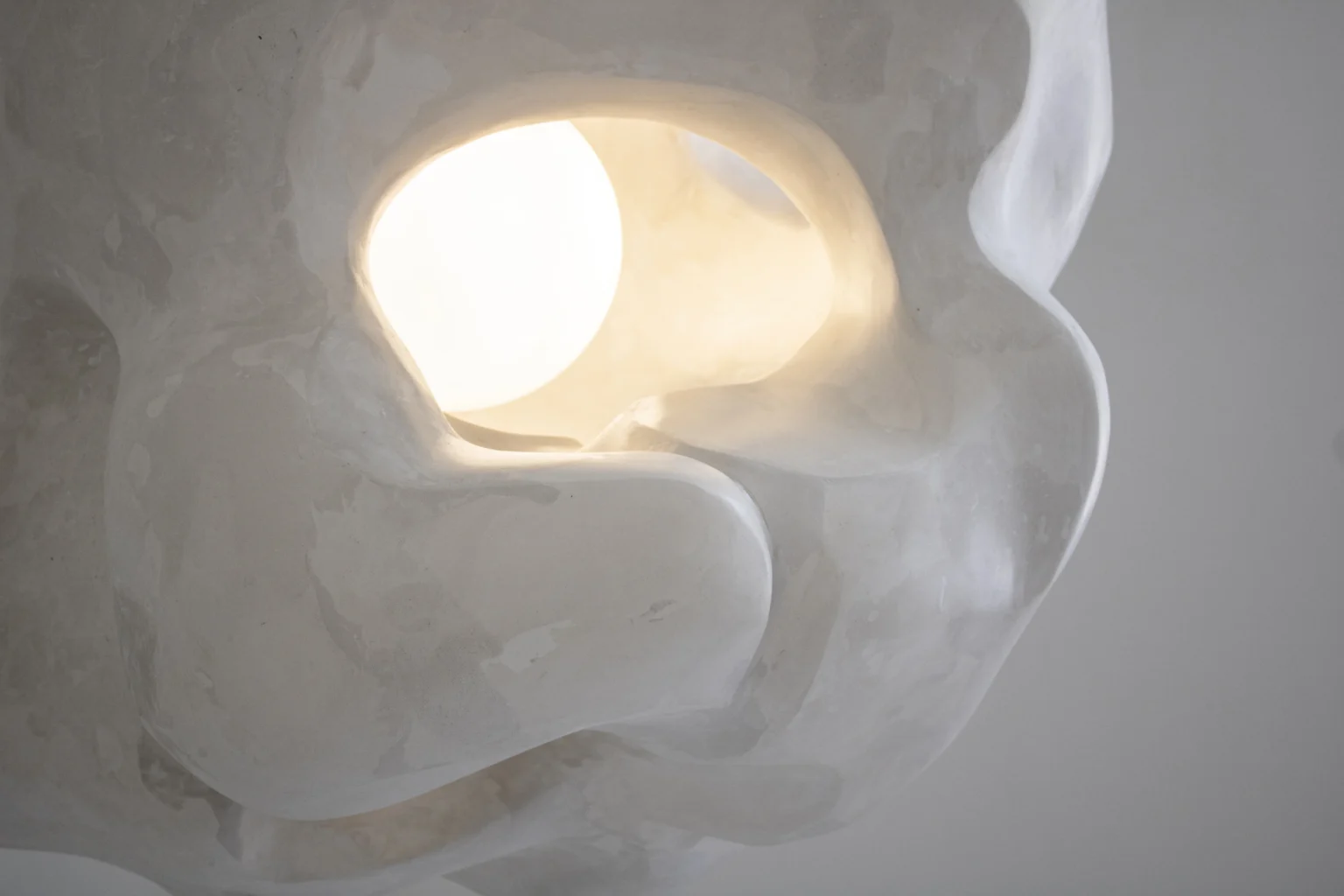
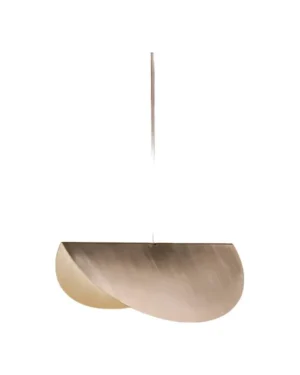
Infinite Floor Lamp in Pigmented Gypsum
By Studio AOAO
€6.000 -
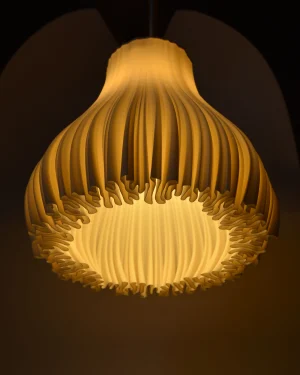 In stock
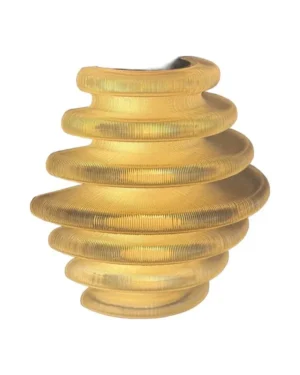
H 2 Pendant Lamp in Bio Polymer
By diploria studio
€255 - €335 This product has multiple variants. The options may be chosen on the product page -
 In stock
H 1 Pendant Lamp in Bio Polymer
By diploria studio
€255 - €425 This product has multiple variants. The options may be chosen on the product page -
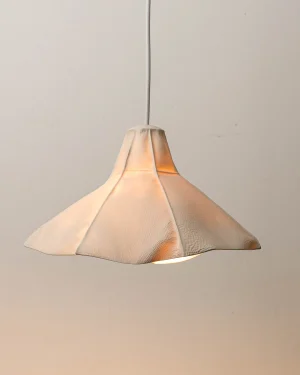
Kawa Series 04 – Ceramic Pendant Lamp
By Luft Tanaka Studio
€1.375 -
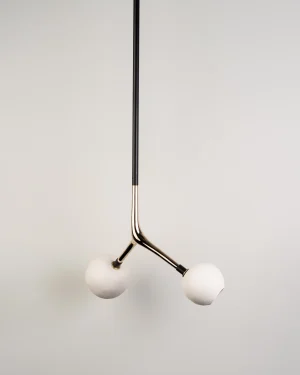
Dupla Pendant Lamp in Bronze, Brass and Glass
By Isabel Moncada
€3.217 - €3.744 This product has multiple variants. The options may be chosen on the product page -
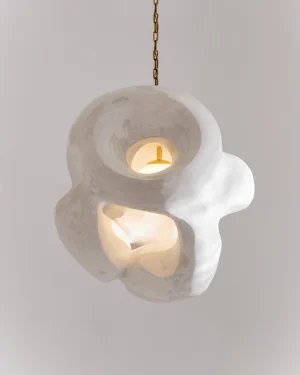
Ikigai Ceiling Lamp in Alabaster Gypsum
By Studio AOAO
€22.000 -
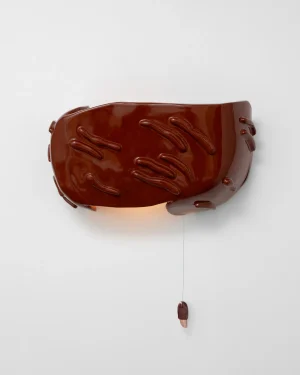
Killing the Mood Wall Sconce in Ceramic
By Studio AOAO
€2.200 -
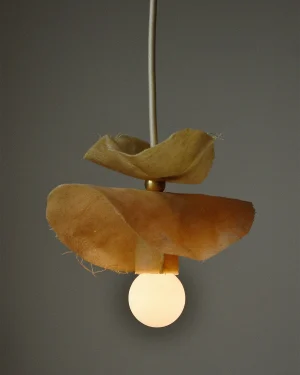
Judie Pendant Lamp in Cotton
By Atelier Alz
€200 -
 In stock
H 3 Pendant Lamp in Bio Polymer
By diploria studio
€335 -
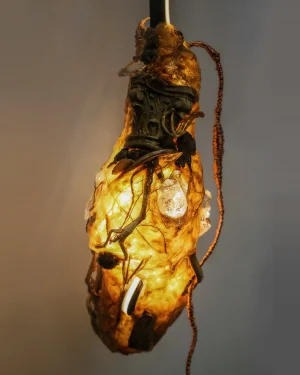
Weaver Nest Pendant Lamp in Bio Plastic
By Sabrina Merayo Nuñez
€3.500 -

Wool Smola Table Lamp in Biocomposite
By PletoStudio
€800 -
 In stock
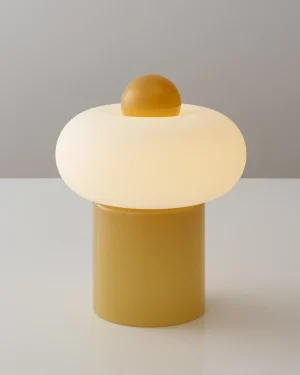
Capsula 05 Table Lamp in Blown Glass
By Noiro Studio
€880 -
 In stock
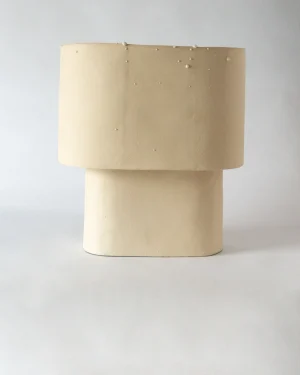
Lampe Beige Large Table Lamp in Glazed Stoneware
By Huillet Lucas
€1.900 -

Llar Table Lamp in Alabaster
By Luis Gimeno Design
€1.600 -
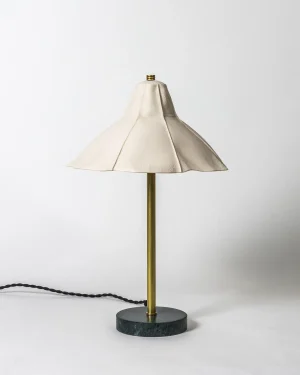
Kawa Table Lamp in Porcelain, Brass and Marble
By Luft Tanaka Studio
€1.874 -

Longing Floor Lamp in Pigmented Gypsum
By Studio AOAO
€8.000 -
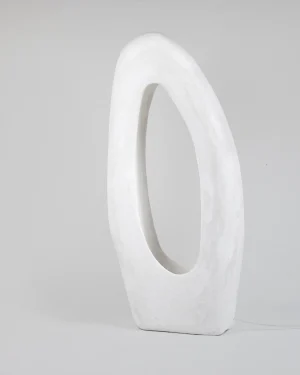
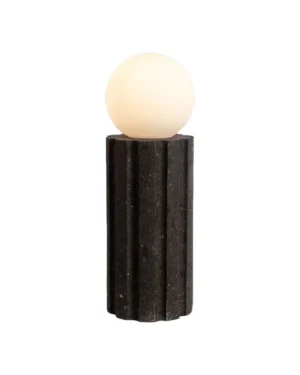
Lacuna Floor Lamp in Natural Stone
By Studio AOAO
€4.500 - €8.500 This product has multiple variants. The options may be chosen on the product page -
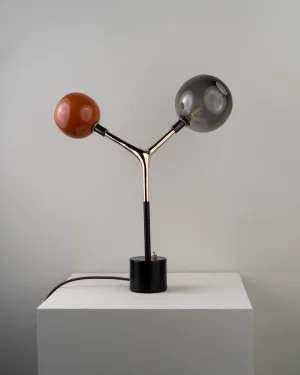
Mácula Table Lamp in Bronze and Glass
By Isabel Moncada
€3.217 -
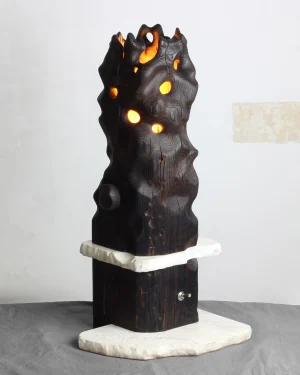
Volcano Table Lamp
By Gábor Góbi
€3.290 -

Soniah Pendant Lamp in Clay
By FAINA
€2.990 -
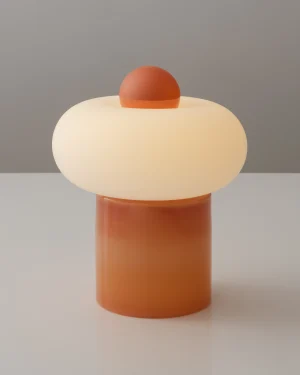 In stock
Capsula 04 Table Lamp in Blown Glass
By Noiro Studio
€880
Organic lighting takes its outline from nature rather than geometry: a shade that swells like a gourd, a base poured to look like river stone, a shape blown freehand so no two pieces settle into quite the same curve. The studios working in this register favor materials that can be pushed, poured, blown or carved into asymmetric, rounded forms — bioplastic, blown glass, plaster, clay, hemp fiber, natural stone and mineral powder among them. What unites the pieces is not a single material but a resistance to the straight line and the right angle.
What gives organic lighting its shape
Most of these forms come from processes that do not tolerate sharp corners. Glass, blown while still molten, settles into bulges and dips that no mould could repeat exactly. Plaster and mineral powder are cast or hand-built, then sanded until the surface reads soft rather than worked. Clay is thrown or coiled, carrying the faint asymmetry of a hand that corrected itself mid-form, and bioplastic, set through biofabrication, takes on the slightly uneven skin of anything grown rather than extruded.
Color stays close to the material's own: white, ivory, beige, amber, matte dark gray, the occasional burgundy where a glaze or pigment is pushed further. Finishes are rarely glossy for long — a matte or stone-like surface is part of how the light reads as something grown rather than engineered.
The materials, techniques and editions found here
Within organic lighting, the making methods vary as much as the forms. Stone carving and mould making sit alongside glassblowing, metalwork for structural arms and joints, and newer processes like 3D printing and digital fabrication, which let a studio repeat an irregular curve without hand-finishing every one. Felting turns hemp and other natural fiber into shades soft enough to diffuse light rather than throw it. Stylistically the pieces move between contemporary, boho chic, wabi-sabi and a more futuristic register, depending on whether the maker is chasing roughness or polish.
Editions range from open runs, where a studio can remake the same mould indefinitely, to limited editions and unique pieces where a hand-carved base or a one-off blown shade cannot be exactly repeated. None of this changes how the light behaves in a room, but it does change how it ages: a unique piece carries small variations a catalogue number never will.
How to choose a piece
Scale matters more with organic shapes than with straight ones, because an irregular silhouette reads larger or smaller depending on what sits near it. A bulbous table lamp wants a surface with room to spare on either side; a carved stone base needs enough clearance that its weight is not fighting a crowded shelf.
- Height: organic floor and table pieces tend to sit low and wide rather than tall, so check they will not block a sightline across a seating area.
- Finish: matte plaster and stone absorb light differently than blown glass, which lets it pass through — decide whether you want a glow or a silhouette.
- Placement: a single organic lamp reads as sculpture when it stands alone; grouped with straighter metal lighting, it softens a room that otherwise leans hard.
Where organic lighting belongs
These pieces suit rooms that already have some quiet — a living room corner, a bedside table, a reading chair — because their forms ask to be looked at rather than glanced past. They pair easily with the wood, linen and stone that boho chic, coastal and wabi-sabi interiors tend to favor, and just as easily sit inside a sparer, more minimalist room as the one organic note in it.
Stone and plaster pieces can be heavy for their size; lift rather than drag them into position. Clay and bioplastic shades should stay away from direct steam or standing water, and most of this lighting is dusted rather than washed — a soft brush for carved stone, a dry cloth for plaster and glass.
For a broader look at how these forms sit among other fixtures, the full range of lighting on ADORNO spans everything from sculptural floor lamps to task lighting, while every organic-shaped piece across categories follows the same logic of curve over corner. Those drawn to the glazed and thrown versions of this material language might also look at ceramic lighting or the smaller-scale organic lamps made for a single tabletop, and anyone furnishing a whole seating area around one of these fixtures can pair it with living room lighting built along the same lines.
How do I choose organic lighting for my home?
Look at the form first: pieces that echo shells, stones or plant growth read as organic even in bronze or glass. Match the material's weight and tone to the furniture already in the room.
What materials are organic light fixtures usually made from?
Blown glass, plaster, clay, natural stone and bioplastic are common, often shaped by hand or cast from molds that keep each surface irregular. Many pieces pair a soft, matte body with a warm, diffused glow.
How do I clean and care for organic lighting?
Dust glass and stone with a dry or barely damp cloth, and keep plaster and clay pieces away from direct moisture, which can mark or soften the surface. Avoid harsh cleaners on any hand-finished material.
What size or height should an organic light fixture be?
Pendant lighting typically hangs so its base sits well above head height, while table and floor lamps should match the scale of nearby furniture. Chat with the maker on the piece's page to confirm exact dimensions.
Which rooms suit organic lighting best?
Living rooms and bedrooms benefit from the soft, uneven glow these fixtures give, while a single sculptural piece can anchor an entryway or reading corner. Layer them with other light sources rather than using one overhead fixture alone.
What should I know about buying organic lighting through ADORNO?
Shipping is insured and worldwide, with a 14-day return policy, though made-to-order pieces are excluded. Every piece comes with a certificate of authenticity, backed by ADORNO's lowest-price guarantee.