












-
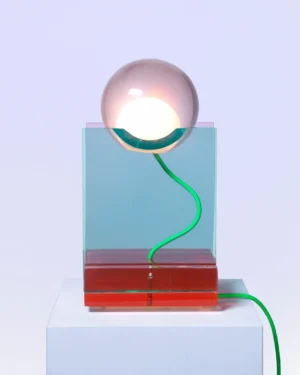
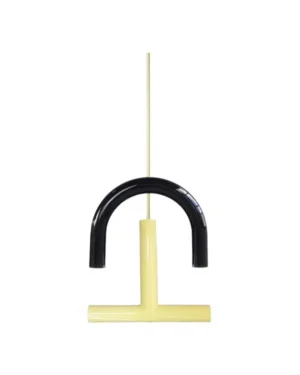
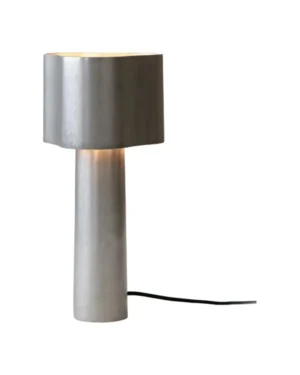
Rotonda Table Lamp in Resin
By Adrian Cruz
€2.420 -

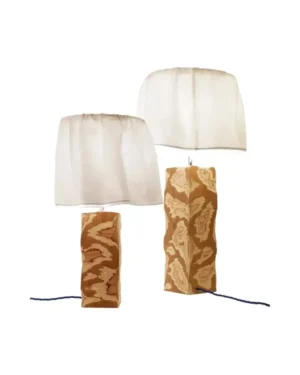
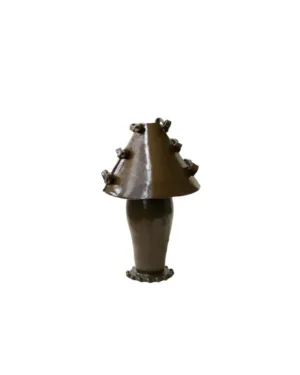
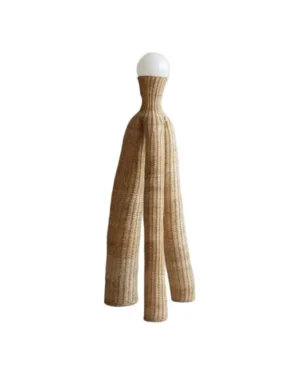
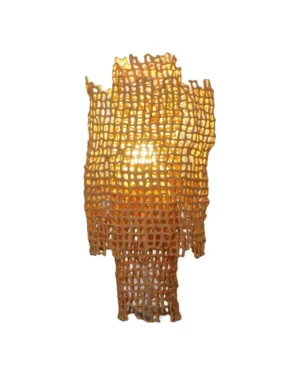
Knotto_01 Table Lamp In Glazed Stoneware And Synthetic Fibers
By Catalin Filip
€800 -
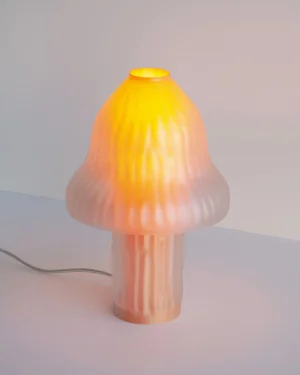
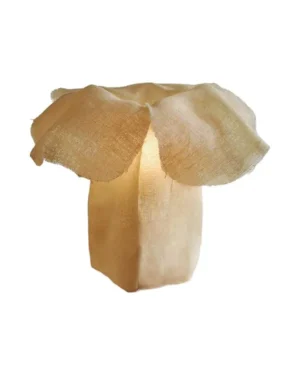
Lampamodelé Table Lamp In 3d Printed Pla
By BehaghelFoiny Studio
€99€90 -

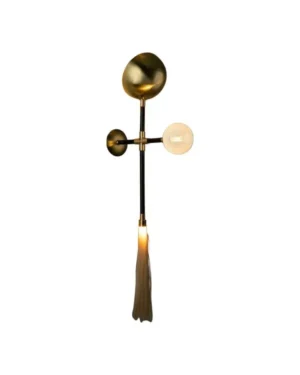
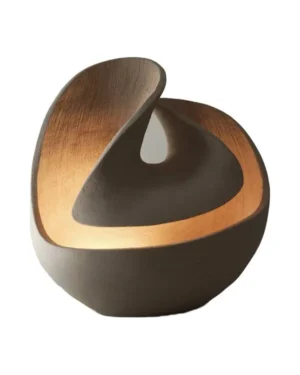
Loma Wall Sconce In Stoneware
By Catalin Filip
€450 -
 In stock
Shadow 24 Table Lamp in Orange Acrylic and Aluminum
By Andreas Berlin
€1.218 -
 In stock
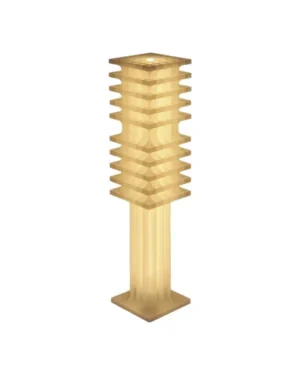
Practice Table Lamp – Square in Orange Plywood
By Studio Fabius Clovis
€632 -
 In stock
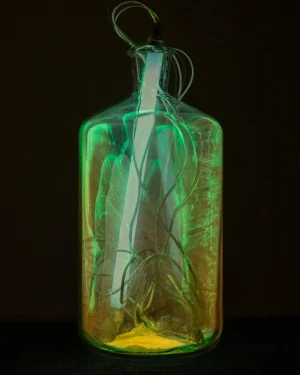
Äther Lucifer
By TUNK I Busra Tunc
€500 -
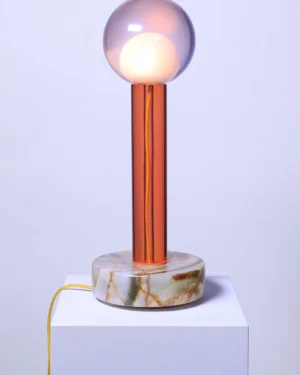
Tallo Table Lamp in Resin and Onyx
By Adrian Cruz
€2.380 -
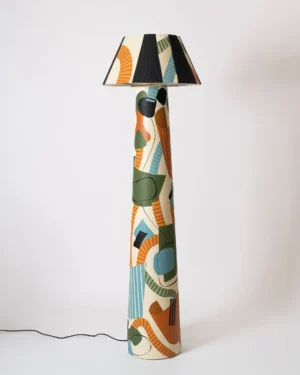
Hand Painted Rio Floor Lamp In Clay Paste And Mild Steel
By Harshita Jhamtani Designs
€3.940 -

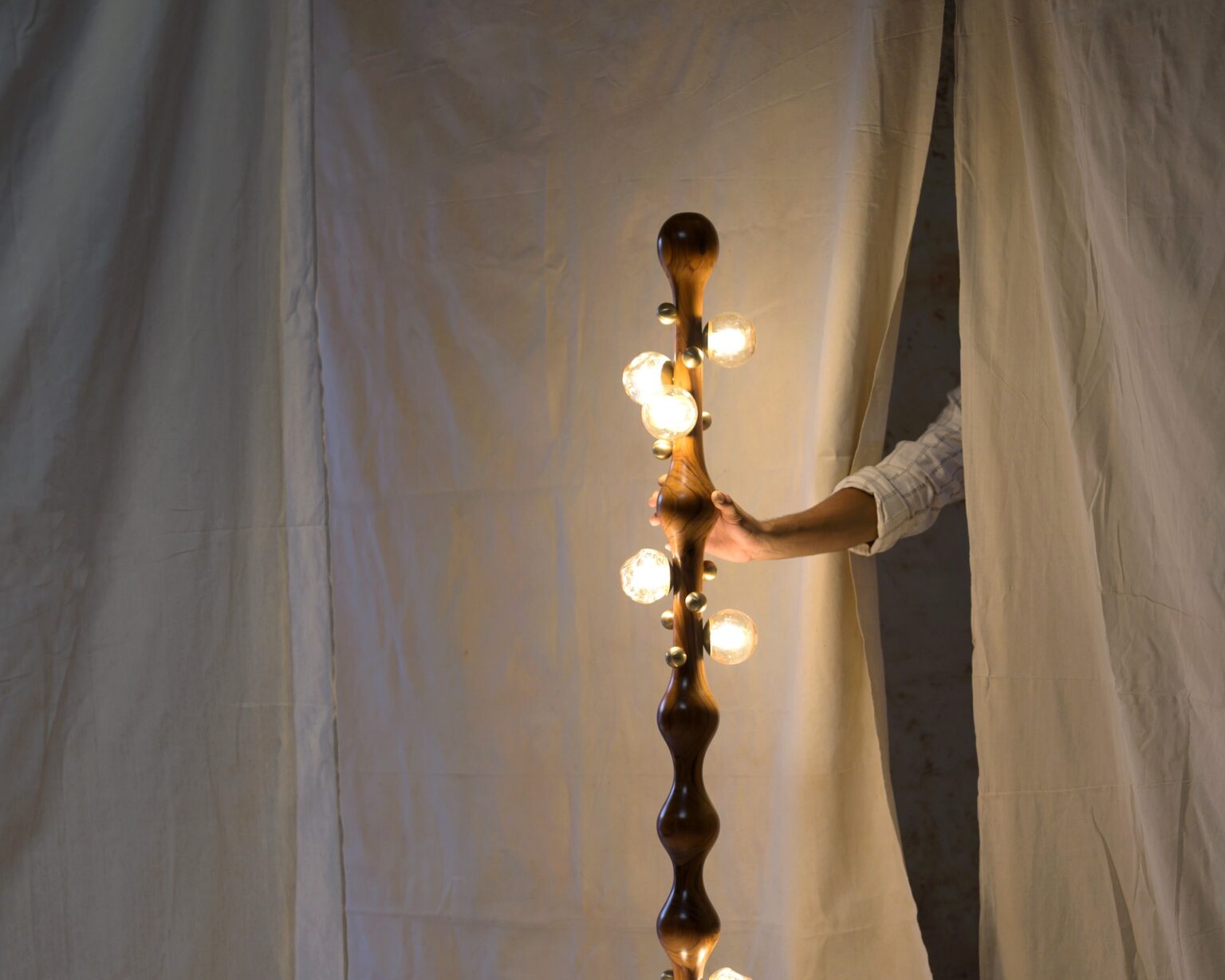
The Omphalos Lamp
By Zoran Strijbosch
€600 -
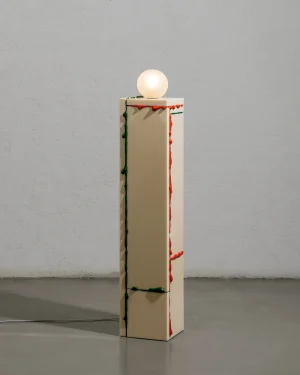 In stock
B.S.P Series Floor Lamp in Recycled Plastic
By Atelier SOHN
Price Upon Request
Orange lighting draws its color from pigmented resin, glazed ceramic and stoneware, or painted metal, each surface catching light differently depending on how it was made. Studios working across resin casting, hand-building, glazing and digital fabrication all turn to this hue for the same reason: it reads warm under daylight and glows further once lit from within. The pieces found here range from softly translucent shades to matte, opaque bodies, and from open editions to unique pieces and limited runs.
What gives orange lighting its warmth
Color in lighting behaves differently than color on a wall. Resin, especially acrylic resin, can be cast translucent or tinted to a deep amber-orange, so the shade itself becomes a light source rather than a cover over one. Ceramic and stoneware hold color on the surface, through glazing or hand painting, so the orange stays fixed and opaque even when the bulb is off.
Metal pieces, usually mild steel, carry orange as a painted finish, giving a harder edge that suits metal lighting built for repeated handling, such as table lamps and task lights. Plaster composite and PLA, often shaped through plastering or 3D printing, sit somewhere between the two: matte, slightly chalky in appearance, and able to hold fine detail that glazing cannot always achieve.
The range of materials and techniques
No two orange pieces behave quite the same way once lit, because the making method changes how light passes through or bounces off the material. A short list of what turns up most often:
- Resin casting and acrylic resin, for shades that glow and diffuse light evenly
- Ceramic and stoneware, hand-built or glazed, for fixed, opaque color with a tactile surface
- Mild steel, painted or finished by hand, for structural lamps and fittings
- PLA and synthetic fibers, often 3D printed or digitally fabricated, for geometric or sculptural forms
- Plaster composite, plastered by hand, for soft-edged, sculptural bases
How to choose a piece
Scale matters more with orange lighting than with neutral tones, since a saturated color draws the eye and can dominate a small room if the fixture is too large. A pendant or floor lamp in a strong orange reads best with some clear wall or floor space around it, while a smaller table lamp can sit close to other objects without competing.
Finish affects how the color reads in daylight versus lamplight. Glazed ceramic tends to shift subtly between a cool sheen and a warmer glow once switched on, while matte stoneware or plaster stays consistent whatever the light source. Placement near a window will show off a translucent resin shade in a different way than it looks after dark, so it is worth picturing both conditions before deciding where a piece will stand.
Where it suits a room
Orange works well as a point of warmth in rooms that are otherwise neutral: stone, wood or plaster surroundings let the color stand out rather than blend in. It suits living room lighting and bedroom lighting alike, though a bedroom piece is often chosen in a softer, more muted shade to avoid overstimulating a space meant for rest.
Stylistically, orange appears across eclectic, contemporary and neo-industrial interiors, and reads differently in each. Paired with raw steel or concrete it leans industrial; set against pale oak or linen it feels closer to Scandinavian or biophilic design.
Caring for ceramic, resin and metal finishes
Ceramic and stoneware should be dusted rather than washed with abrasive cloths, since repeated scrubbing can dull a glaze over time. Resin and acrylic resin shades are sensitive to prolonged direct sun, which can fade pigment and make the material brittle, so placing them out of constant strong light will keep the color even.
Painted metal holds up well to daily use but should be wiped rather than scoured, since solvents and abrasive pads can strip a painted finish. For a broader sense of what else carries this color, the full range of orange pieces on ADORNO spans furniture, tableware and decor beyond lighting alone, and sits alongside the wider lighting offering for anyone comparing materials and forms side by side.
How do I choose the right orange light for a room?
Look at the material first: translucent resin glows from within, while ceramic and painted metal hold a fixed, opaque orange. Pick translucent shades for ambient glow, opaque ones for a steady accent of color.
How do you care for orange ceramic or resin lighting?
Dust ceramic and stoneware with a dry cloth and avoid sudden temperature changes, which can crack glaze. Resin shades need only a soft wipe, kept away from strong solvents and prolonged direct sun.
What size orange lamp suits a living room or bedroom?
Table and task lamps in painted metal suit desks and bedside surfaces, while larger resin or ceramic shades work as floor or pendant lighting. Exact dimensions can be confirmed with the maker on the piece's page.
Which rooms work best with orange lighting?
Living rooms and bedrooms take well to its warmth, especially once lit at dusk, while kitchens and hallways benefit from the harder edge of painted metal fixtures.
Does orange lighting come in limited editions?
Yes, pieces range from open editions to unique pieces and limited runs, depending on the studio and technique. The maker can confirm edition size on the piece's page.
What are ADORNO's shipping and return policies?
Shipping is insured and worldwide, with a 14-day return policy, though made-to-order pieces are excluded. Every piece ships with a certificate of authenticity and a lowest-price guarantee.