



















-
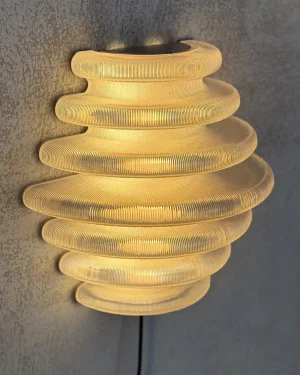
Hive Wall Lamp In Recycled Plastic And Stainless Steel
By Stijn van Aardenne
€805 -
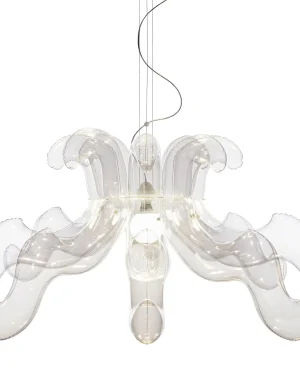
Lullaby No.2 Chandelier in PVC and Acrylic
By PUFF-BUFF
€640 -
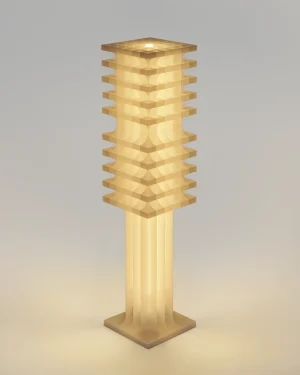
Citadel Floor Lamp in 3D Printed PLA
By Ultramar Studio
€1.260 -
 In stock
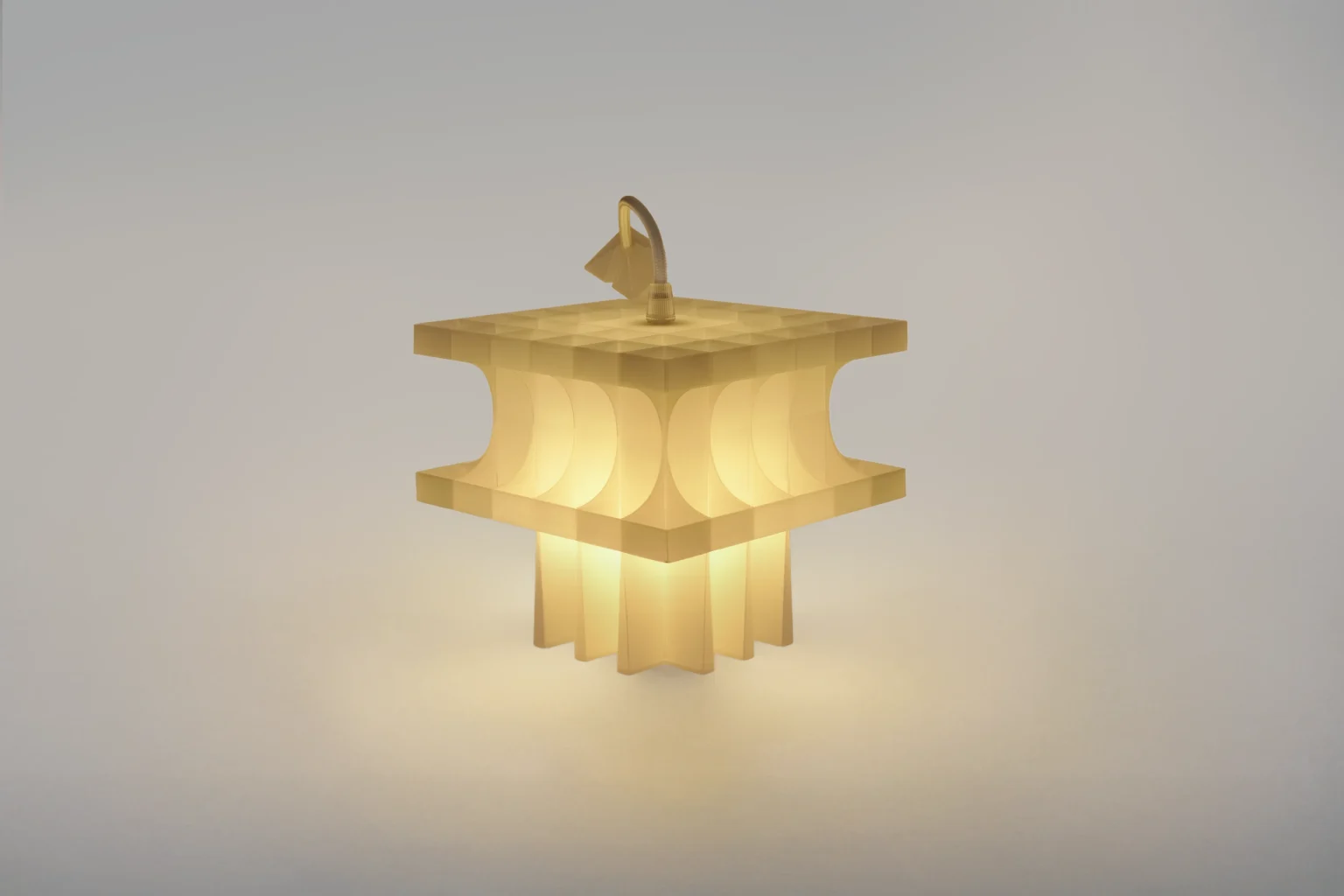
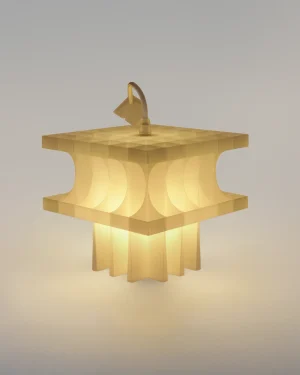
Citadel Small Table Lamp In 3d Printed Pla
By Ultramar Studio
€850 -

Rotonda Table Lamp in Resin
By Adrian Cruz
€2.380 -

Rotonda Table Lamp in Resin
By Adrian Cruz
€2.420 -
 In stock
Sluren Table Lamp in Blown Glass
By Sara Sjöbäck
€1.450 - €1.850 This product has multiple variants. The options may be chosen on the product page -
 In stock
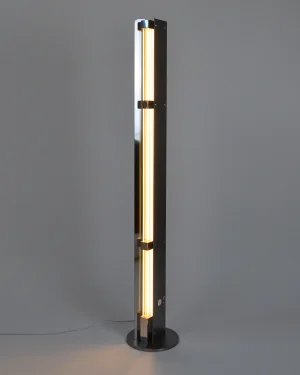
Ne1200/145 Floor Lamp in Acrylic and Stainless Steel
By MLK Furniture
€1.490 -
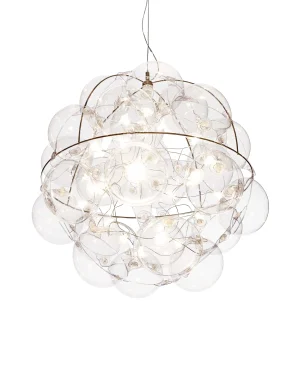 In stock
Starlette Chandelier in PVC and Stainless Steel
By PUFF-BUFF
€830 -

Citadel Table Lamp in 3D printed PLA
By Ultramar Studio
€990 -
 In stock
Blampa90 M Floor Lamp
By BLUBA Studio
€570 This product has multiple variants. The options may be chosen on the product page -
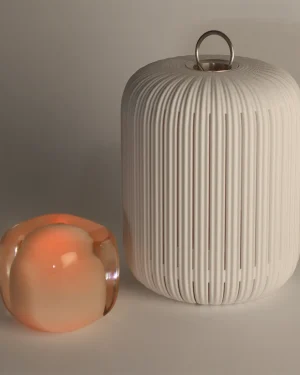 In stock
Lullaby and Promenade High Table Lamp in Resin
By BDCI
€2.200 This product has multiple variants. The options may be chosen on the product page -

Citadel Large Lantern Light Sculpture
By Ultramar Studio
€1.125 -
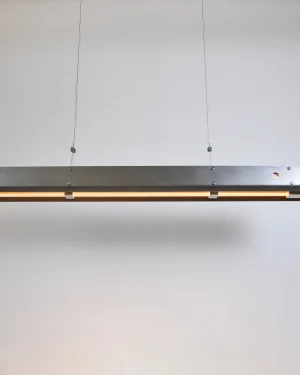
Ne1250/145 Pendant Lamp in Steel and Acrylic
By MLK Furniture
€1.390 -
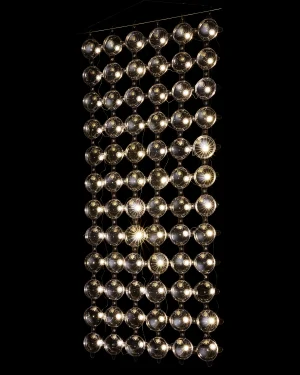
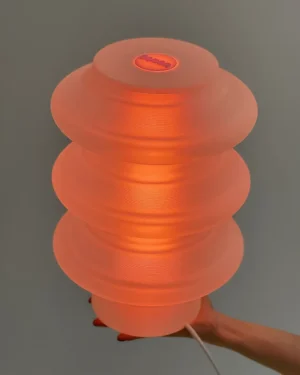
Bubbles Lighting Divider, Pendant Lamp In Air-filled Pvc
By PUFF-BUFF
€1.190 -
 In stock
Blampa30 Table Lamp in Bio Plastic
By BLUBA Studio
€203 This product has multiple variants. The options may be chosen on the product page -

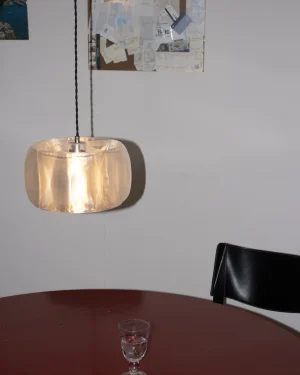
Dyptich Wall Sconce in Brass and Recycled Plastic
By SIGNATURE OBJECTS
€1.800 -
 In stock
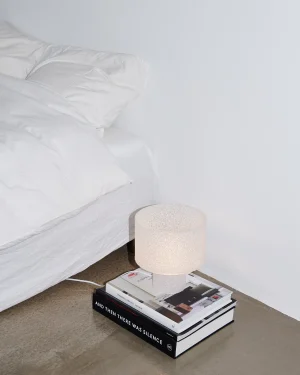
Pascal Pendant Lamp in Plastic
By 91-92
€306 - €459 This product has multiple variants. The options may be chosen on the product page -
 In stock
December Table Lamp
By 91-92
€235 - €419 This product has multiple variants. The options may be chosen on the product page -

Bella Pupa Floor Lamp in PVC and Stainless Steel
By PUFF-BUFF
€2.130 -

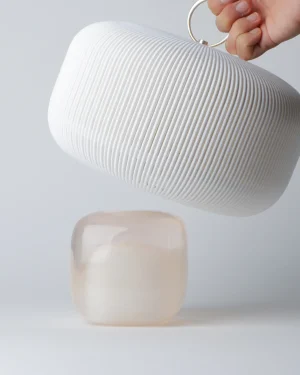
Tona Table Lamp in Onyx and Resin
By Adrian Cruz
€2.420 -
 In stock
Lullaby And Promenade Low Table Lamp in Resin
By BDCI
€2.200 This product has multiple variants. The options may be chosen on the product page -

Queen’s Chandelier in PVC and Stainless Steel
By PUFF-BUFF
€2.360 -
 In stock
Lullaby and Hygge Pendant Lamp in Resin and Steel
By BDCI
€1.400 This product has multiple variants. The options may be chosen on the product page -
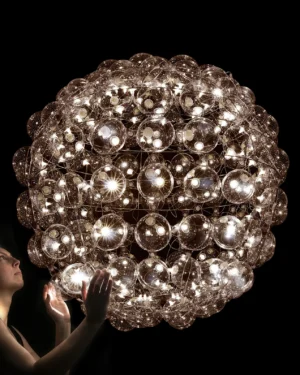
Superstar Chandelier in PVC and Stainless Steel
By PUFF-BUFF
€2.360 -
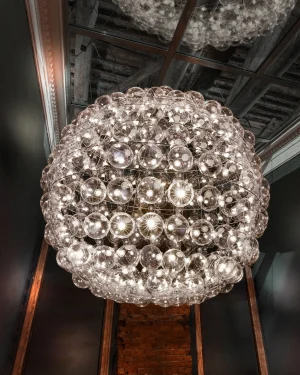
Megastar Chandelier in PVC and Stainless Steel
By PUFF-BUFF
€4.360 -
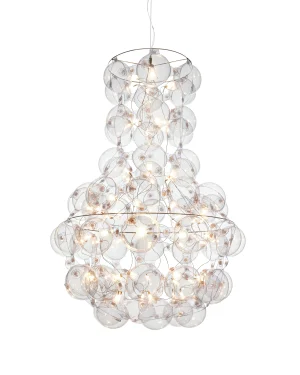
Prince’s Chandelier in PVC and Stainless Steel
By PUFF-BUFF
€1.160 -

Wind Pendant Lamp in Aluminum, Copper & Recycled Plastic
By SIGNATURE OBJECTS
€1.200 -

Bulbe Table Lamp in Resin and Onyx
By Adrian Cruz
€1.580 -
 In stock
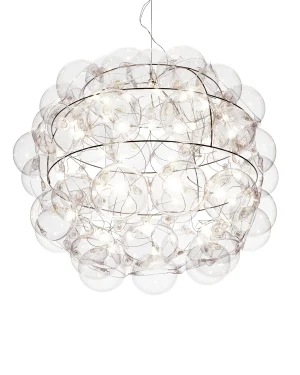
Star Chandelier in PVC and Stainless Steel
By PUFF-BUFF
€1.040 -
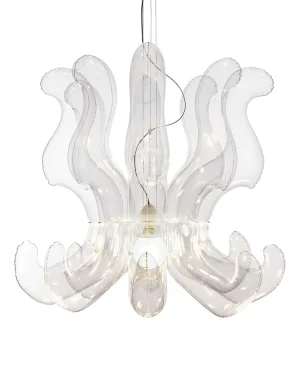
Lullaby No.1 Chandelier in PVC and Acrylic
By PUFF-BUFF
€640 -
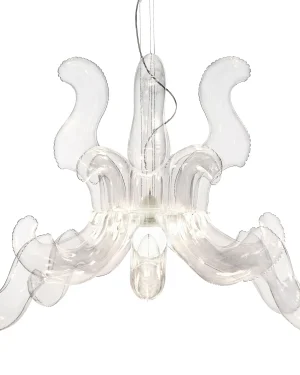
Lullaby No.3 Chandelier in PVC and Acrylic
By PUFF-BUFF
€640 -
 In stock
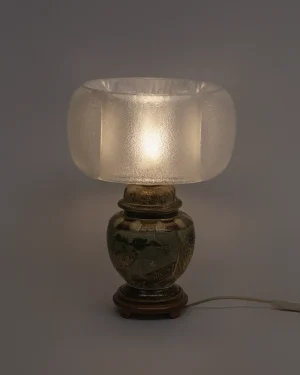
Pascal Table Lamp in Plastics
By 91-92
€193 This product has multiple variants. The options may be chosen on the product page -
 In stock
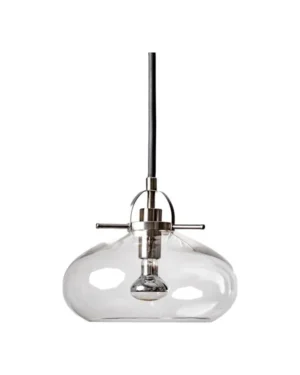
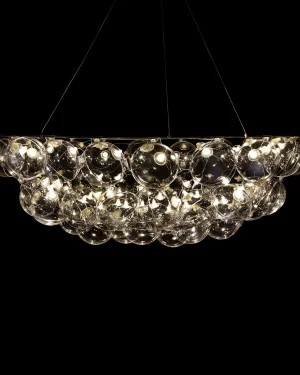
Gota Pendant Lamp in Glass and Brass
By Tributo
€382 -
 In stock
Half-superstar Ceiling/ Pendant Lamp In Pvc And Steel
By PUFF-BUFF
€1.190 -
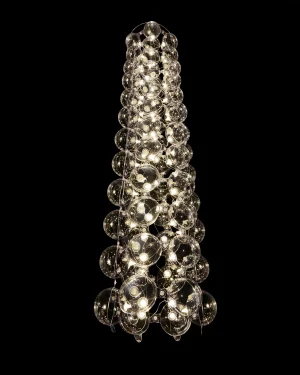
High Tower Pendant Lamp In Air-filled Pvc And Steel
By PUFF-BUFF
€1.480 -

Tallo Table Lamp in Resin and Onyx
By Adrian Cruz
€2.380 -
 In stock
Lullaby And Hygge Standing Table Lamp in Resin
By BDCI
€1.550 This product has multiple variants. The options may be chosen on the product page -
 In stock
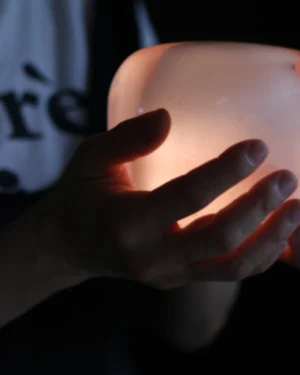
Lullaby And The Ring Cradle Table Lamp in Resin
By BDCI
€570 This product has multiple variants. The options may be chosen on the product page -
 Sold
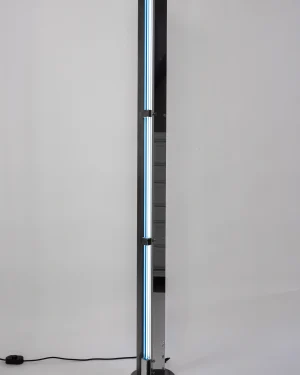
SoldNe1700/145 Floor Lamp in Stainless Steel and Blue Acrylic
By MLK Furniture
€1.690 -
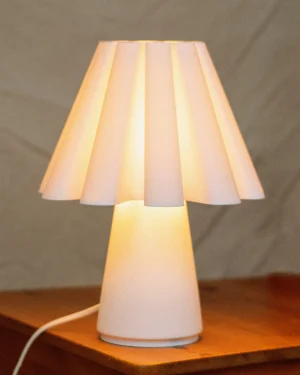
Ruff Table Lamp In Recycled Pla
By Mina Wright
€238 This product has multiple variants. The options may be chosen on the product page -
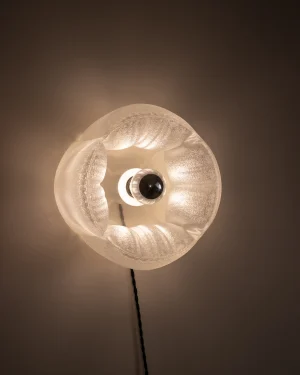
Pascal Wall Lamp
By 91-92
€306 This product has multiple variants. The options may be chosen on the product page -
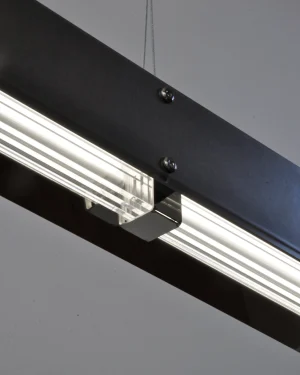 Sold
SoldNe1200/145 Pendant Lamp in Stainless Steel
By MLK Furniture
€1.390
Transparent lamps are judged twice: by the shape they hold in daylight and by the way that shape dissolves once the bulb is lit. The clarity comes from acrylic, cast resin, PVC, PLA and other plastics worked by hand or by machine, sometimes paired with stainless steel or aluminum fittings that stay visible through the body. Studios reach for these materials because they let light pass through the structure itself rather than stopping at a shade.
What makes a lamp transparent
A transparent lamp has no shade in the usual sense; the housing is the light source's only filter. Acrylic and resin scatter light along their edges and pool it at joints and seams, so a lamp can look almost invisible by day and show its full geometry by night. PVC and recycled plastics tend to carry a faint tint or cloudiness, which softens the glow rather than diffusing it into haze.
Materials and techniques behind the range
Clarity is reached by more than one route. Some studios cast resin by hand, pouring it into molds so that air bubbles and slight color shifts stay part of the surface. Others turn to digital fabrication: 3D printing and vacuum forming shape PLA, bioplastic or acrylic sheet into forms that would be difficult to cut by hand, often finished with simple metalwork for a base or armature.
- Hand-poured resin casting, which keeps a slightly uneven, glass-like body
- 3D printing and digital fabrication in PLA or bioplastic, suited to faceted or lattice forms
- Vacuum-formed acrylic and PVC, used for curved or shell-like shades
- Hand assembly, joining a transparent body to a steel or aluminum base
Editions vary by studio and method. Hand-cast and hand-assembled pieces are often made in limited runs or as unique pieces, since each pour or joint differs slightly, while digitally fabricated forms can run as open editions without losing the material's clarity.
How to choose a transparent lamp
Scale matters more with a transparent body than with an opaque one, because there is no surface to break up the silhouette against a room. A small transparent lamp can read as a bright point rather than an object, while a larger one holds its own shape even unlit. Check the base and fittings too: metal hardware left exposed through clear acrylic or resin will show fingerprints and dust as readily as the lamp body does.
Placement follows the same logic as any lamp, but light travels further through a clear or lightly tinted body, so position it where that spread is wanted rather than where it needs to be hidden. A transparent lamp works well as a secondary source, layered with other lighting rather than replacing it, since its glow tends to be gentler and more diffuse than an opaque shade's.
Rooms where transparent lamps work
Transparent bodies suit rooms where you want light without adding visual weight: a small desk, a narrow console, a bedside table where an opaque shade would feel heavy. In a living room, a transparent lamp can sit among other objects without competing with them for attention, which is one reason they turn up often among living room lamps. Near a window, daylight passing through the body doubles the effect, catching facets or bubbles that stay invisible after dark.
Caring for transparent lamps
Acrylic and resin scratch more easily than glass, so clean them with a soft cloth and avoid abrasive sprays that can cloud the surface over time. Direct, sustained sunlight can yellow some plastics gradually, so rotating a lamp's position occasionally helps it keep its clarity. Dust shows quickly on a transparent surface, more than on textured or colored material, so a light wipe is worth doing more often than you would with other lamps.
For a broader view of the material across lighting, see every transparent lighting piece, or move toward opaque options among metal lamps. The full range of transparent work across categories sits under every transparent piece on ADORNO, and all lamps, regardless of material, are gathered under lamps.
How do I choose a transparent lamp?
Look at what the material does with light: acrylic diffuses it softly, cast resin holds bubbles or color, glass throws sharp reflections. Pick based on whether you want the lamp to glow evenly or scatter light with pattern.
How do you clean and care for a transparent lamp?
Dust acrylic and resin with a soft, dry cloth, since paper towels and solvents can scratch or cloud the surface. Glass can take a damp cloth and mild soap, dried fully before use.
What size or height of transparent lamp do I need?
Table lamps generally sit 18 to 28 inches tall, floor lamps 50 to 65 inches, scaled to the surface or seating nearby. The maker can confirm exact dimensions with Chat with the maker on the piece's page.
Which rooms suit transparent lamps best?
Their see-through bodies keep sightlines open, so they work well on small side tables, in living rooms with layered lighting, or anywhere a solid base would feel heavy.
Does ADORNO ship transparent lamps internationally, and what about returns?
Shipping is insured and worldwide. Pieces can be returned within 14 days, except made-to-order lamps, which are excluded from that policy.
Are transparent lamps from ADORNO authentic and can I order a custom version?
Every lamp comes with a certificate of authenticity. For custom sizing, color or material, chat with the maker directly on the piece's page to confirm what is possible.