



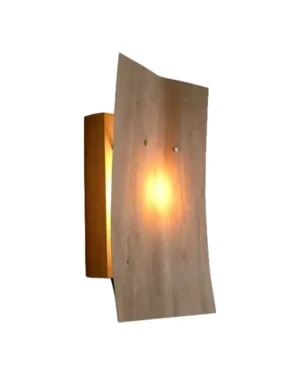
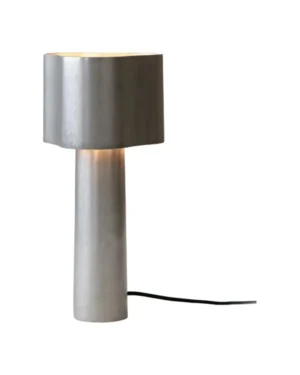
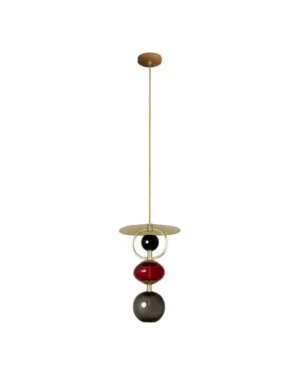
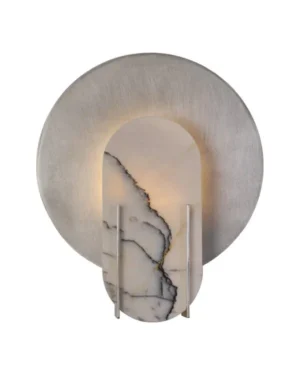


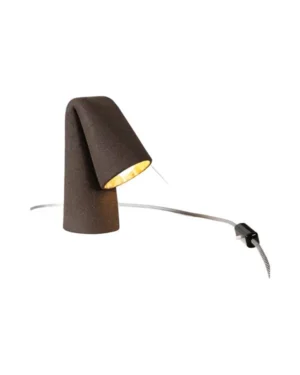
-
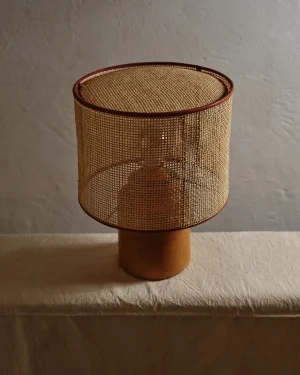
Sonora Rattan Small Table Lamp In Clay And Textiles
By NASSI LAMPS
€689 -
 In stock
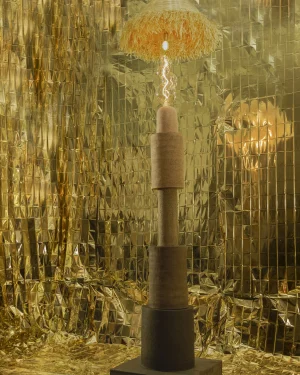
Thulani Floor Lamp in Terracotta and Rattan
By UAU Studio
€3.400 -

The Mesia Table Lamp In Ceramics And Glass
By Luis Gimeno Design
€1.600 -

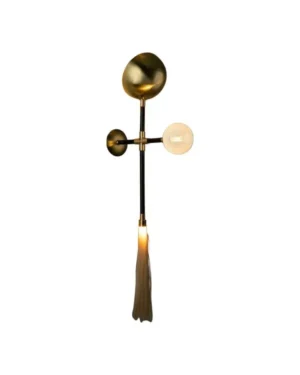
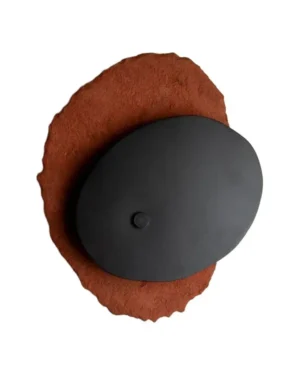
Layered Landscape – Ceramic Wall Lights
By Katia Langeard
€450 -
 In stock
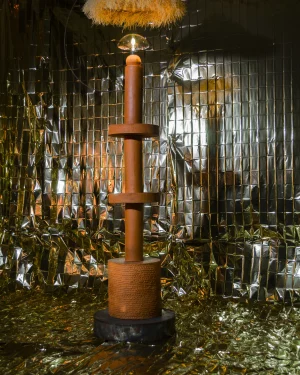
Badru Floor Lamp in Ceramic and Rattan
By UAU Studio
€3.400 -
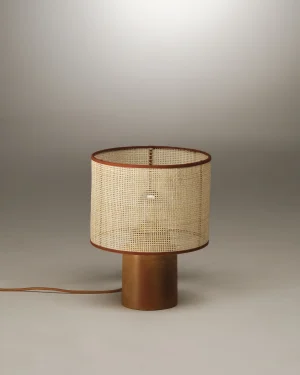
Sonora Small Table Lamp In Terracotta And Rattan
By NASSI LAMPS
€576 -
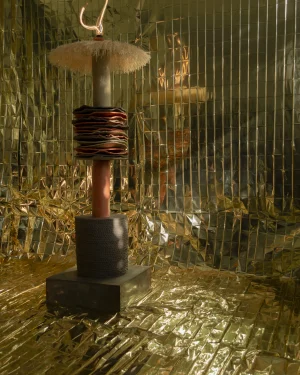 In stock
Nightjar Floor Lamp in Ceramic and Rattan
By UAU Studio
€3.400 -

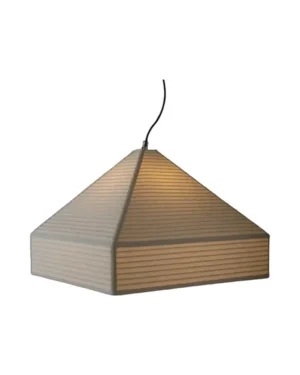
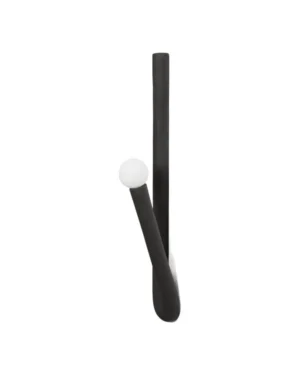
Lazo Floor Lamp
By Peca Mobiliario
Price Upon Request -
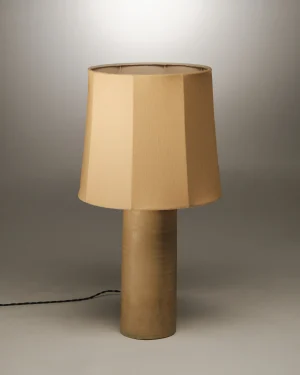
Sonora Large Table Lamp In Terracotta And Linen
By NASSI LAMPS
€1.156 -
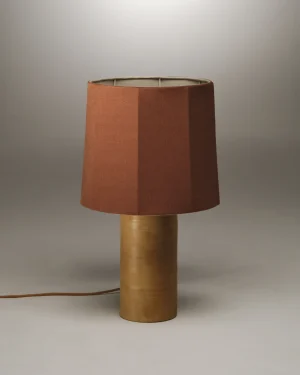
Sonora Medium Table Lamp In Terracotta And Linen
By NASSI LAMPS
€611 -
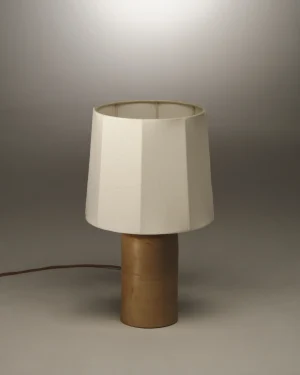
Sonora Small Table Lamp In Terracotta And Linen
By NASSI LAMPS
€844
Terracotta lamps are shaped from an iron-rich clay fired at a relatively low temperature, which keeps the body soft and matte rather than glassy. Studios working in this material wheel-throw a base and shade from wet clay or build them by hand in coils and flattened slabs, so the surface keeps a thumbprint, a ridge or a slight asymmetry that denser stoneware and porcelain smooth away. The warm orange-brown color that gives the material its name shifts with light, reading dusty and pale at midday and deep rust under a bulb at night.
What gives terracotta its color and texture
The clay's color comes from iron oxide, and the exact shade depends on the clay bed it was dug from and how long it sat in the kiln. Left unglazed, the surface stays porous and slightly chalky to the touch, closer to sun-dried brick than to tableware. Many studios glaze only the interior of a shade or a narrow band near the base, so the raw clay body stays visible and the lamp keeps the look of the material it was made from, not a coating applied over it.
How terracotta lamps are built
Wheel throwing gives a lamp base its roundness and the faint spiral marks of the potter's hands, while hand-building and coiling let a shade take on a shape a wheel cannot turn, with flatter planes or an irregular opening for the light to pass through. Both methods leave the clay slightly uneven in wall thickness, which is part of why no two pieces sit or glow quite the same way. Alongside strict terracotta, you will find lamps worked in related clay bodies, stoneware and glazed ceramic, as well as pieces that pair a clay base with a shade in blown glass, woven textile or rattan, each material behaving differently once a bulb is lit behind or beside it.
Finding the right scale and placement
A terracotta lamp reads heavier than its glass or metal equivalents, so weigh it against the surface it will sit on: a low, wide base anchors a console or sideboard, while a taller, narrower one suits a side table beside a chair without crowding it. Think about where the light falls once it is lit rather than only how the piece looks switched off, since an open terracotta shade throws a softer, more diffused glow than a solid metal one. These pieces suit a range of rooms and styles, from rustic and boho-chic interiors to pared-back contemporary ones, and work equally well as living room lamps set beside seating or as bedroom lamps on a nightstand, where their low light suits reading or winding down.
Living with terracotta: care and finish
Unglazed terracotta is porous, so it marks if liquid sits on it and can absorb oil from bare hands over time, which only deepens its patina rather than ruining it. Wipe a lamp with a dry or barely damp cloth, keep it away from direct spills, and let it dry fully before using it again if it ever does get wet. Because firing and glazing vary piece to piece, expect some variation in tone and surface from one lamp to the next, even within the same studio's work.
Terracotta appears across lighting in several forms, open editions produced in small batches and unique pieces that exist as singles, so it is worth looking at the maker's notes on each lamp to see which you are choosing. For the fuller range of terracotta lamps and related pieces, see every terracotta piece on ADORNO, browse terracotta lighting more broadly, or step back to see all lamps working in clay, glass, wood and metal.
How do I choose the right terracotta lamp?
Look at how much of the clay body stays unglazed, since that affects both color depth and the glow when lit. For sizing or exact tone, chat with the maker on the piece's page.
How do you care for a terracotta lamp?
Dust with a dry or barely damp cloth, since the unglazed surface is porous and can absorb liquid or oil. Keep it away from standing water and direct, sustained damp.
Is terracotta fragile, and does it chip easily?
Terracotta is fired at a lower temperature than stoneware, so it is softer and more prone to chipping on edges and corners. Handle the base and shade gently when moving or cleaning.
What size terracotta lamp suits a side table versus a floor?
Wheel-thrown bases tend toward compact, rounded forms suited to side tables, while hand-built or coiled shades can scale larger for floor or statement placement. The maker can confirm exact dimensions on each piece's page.
Which rooms work best for terracotta lamps?
The warm, matte surface suits living rooms and bedrooms, where lamplight sits close and shows the clay's texture. It also holds its own in entryways or reading corners where daylight and bulb light both reach it.
What is ADORNO's shipping and return policy for terracotta lamps?
Shipping is insured and worldwide, with a 14-day return policy, though made-to-order pieces are excluded. Each lamp arrives with a certificate of authenticity, backed by a lowest-price guarantee.