








-
 In stock
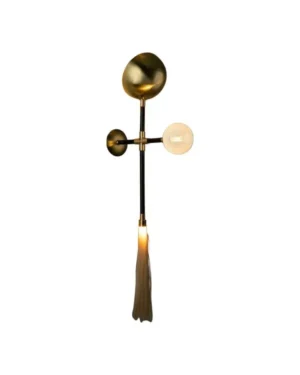
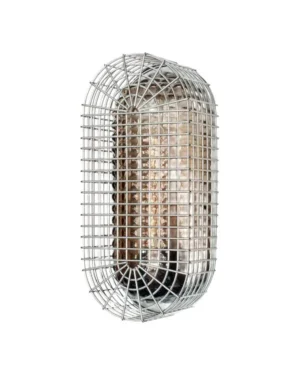
Object 09 Sconce in Nylon and Sand
By Hot Wire Extensions
€1.145 - €1.163 -
 In stock
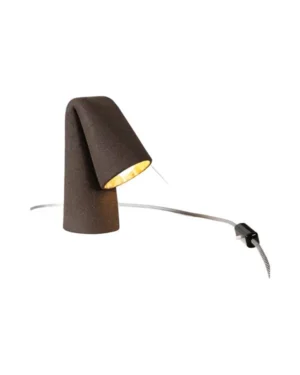
Object 05 Table Lamp in Nylon and Sand
By Hot Wire Extensions
€935 -
 In stock
Object 09 Sconce in Nylon and Sand
By Hot Wire Extensions
€935 - €1.145 -
 In stock
Object 12 Sconce in Nylon and Sand
By Hot Wire Extensions
€1.145 - €1.355 -
 In stock
Object 04 Sconce in Nylon and Sand
By Hot Wire Extensions
€1.208 -
 In stock
Object 07 Sconce in Nylon and Sand
By Hot Wire Extensions
€1.145 -
 In stock
Object 08 Sconce in Nylon and Sand
By Hot Wire Extensions
€1.670 -

Kalia Table Lamp in Glass and Resin
By Justyna Poplawska
€536 -
 In stock
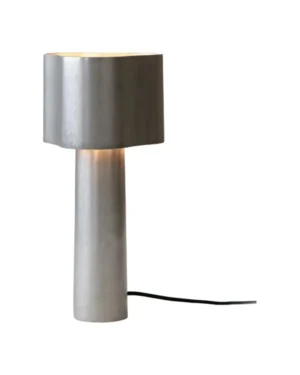
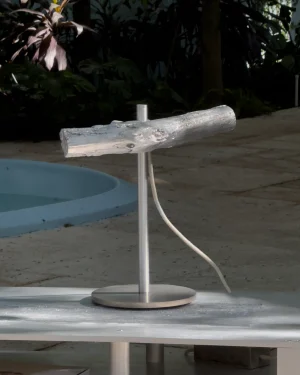
Aluminum Veneer Table Lamp in Cast Aluminum
By Bureau.parso
€1.400 -

Verve Mint Table Lamp In Bio-based Resin
By Justyna Poplawska
€1.900 -
 In stock
“Object 01” Lamp from the “Play” Collection
By Hot Wire Extensions
€1.890 -
 In stock
“Object 03” Lamp from the “Play” Collection
By Hot Wire Extensions
€1.670 -
 In stock
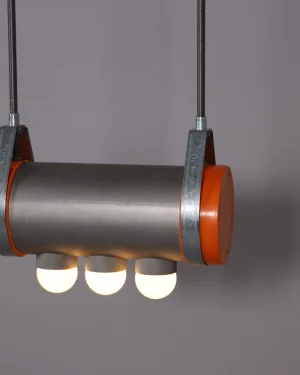
Three Bulb Upcycled Pendant Lamp In Raw Steel
By Nolan Talbot-Kelly
€2.100 -

Dyptich Wall Sconce in Brass and Recycled Plastic
By SIGNATURE OBJECTS
€1.800 -
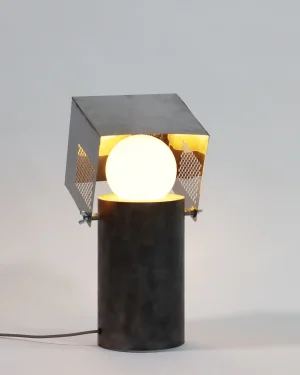 In stock
Hood Light Table Lamp In Stainless Steel
By Nolan Talbot-Kelly
€900 -
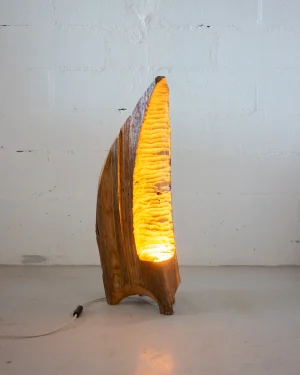 In stock
A Plant From My Garden Floor Lamp in Antique Oak
By Atelier Musset
€2.200 -
 In stock
“Object 10” Wall Lamp from the “Native” Collection
By Hot Wire Extensions
€1.145 -
 In stock
“Random Light”
By Hot Wire Extensions
€1.250 -
 In stock
“Object 03” Lamp from the “Basic Knot Variations” Collection
By Hot Wire Extensions
€935 -
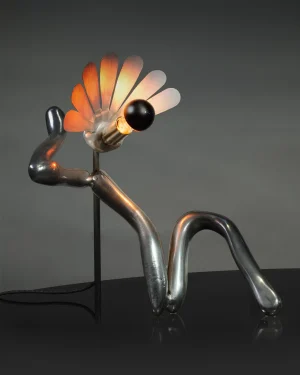 In stock
The Voguing Lamp 1 Table Lamp in Aluminum
By BY JAMPS
€3.000 -
 In stock
“Object 05” Wall Lamp from the “Hotel” Collection
By Hot Wire Extensions
€1.208 -
 In stock
“Object 06” Wall Lamp from the “Hotel” Collection
By Hot Wire Extensions
€1.208 -
 In stock
“Object 01” Lamp from the “Basic Knot Variations” Collection
By Hot Wire Extensions
€935 -
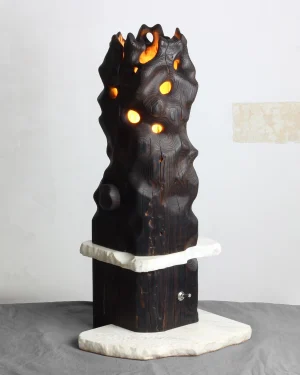 In stock
Volcano Table Lamp
By Gábor Góbi
€3.690 -

Cypress #1 Floor Lamp in Cypress Wood
By Studio Kloak
€4.600 -
 In stock
B. S. P Series Table Lamp in Recycled Plastic
By Atelier SOHN
Price Upon Request -
 In stock
“Object 08” Wall Lamp from the “Native” Collection
By Hot Wire Extensions
€1.995 -
 In stock
“Object 04” Lamp from the “Basic Knot Variations” Collection
By Hot Wire Extensions
€1.040 -
 In stock
“Object 02” Lamp from the “Play” Collection
By Hot Wire Extensions
€1.670
Recycled material lamps take waste streams, ground plastic, reclaimed aluminum, sand and resin offcuts, and resettle them as light sources. Studios working this way favor casting, molding and digital fabrication over traditional joinery, since those methods can take in shredded or granulated input and still hold a clean edge. The result sits closer to sustainable design than to any single period style, though many pieces lean futuristic or neo-industrial in how they handle form.
What recycled material brings to a lamp
Reclaimed plastic, pressed sand composites and recast aluminum behave differently from virgin stock. Granules from recycled plastic leave faint streaks or speckling once molded, so no two shades diffuse light in quite the same way. Recast metal can carry small surface pits from its previous life, and sand or resin castings often come back slightly matte, since the aggregate breaks up reflected light rather than bouncing it cleanly.
Color in this group tends toward sand, cream, off-white, charcoal and dusty pink, tones that read as natural rather than dyed, because many of these materials take pigment unevenly. Light gray and aqua show up where a maker has chosen to lean into the material's industrial origin instead of masking it. Expect texture to carry more of the design than gloss does.
How these lamps are made
Three ways of making dominate. 3D printing and digital fabrication build up recycled plastic or composite in layers, which lets a studio produce an open edition without retooling between runs. Mould making and resin casting take a more hands-on route, pouring reclaimed material into a form and finishing each piece individually, which is why casting tends to sit behind limited editions and unique pieces rather than open runs. Metalwork, meanwhile, recasts aluminum or scrap steel into bases and fittings, sometimes left with a visible seam as a record of the process.
- Open editions: consistent form, produced on repeat from the same recycled stock
- Limited editions: a fixed run, often resin cast or hand finished
- Unique pieces: one-off results of a casting or molding process that cannot be exactly repeated
Choosing a recycled material lamp for a room
Scale and height matter more than material here. A table lamp should sit at or just below eye level when seated, so it lights a surface without glaring into the room; a floor lamp needs enough weight at the base, often true of recast aluminum or cast resin, to stay stable against a cord's pull. For a living room, a sculptural cast piece can anchor a side table or console, where its texture reads in both daylight and lamplight. For a bedroom, a smaller, lower-wattage piece on a nightstand keeps the same material story at gentler scale, worth considering alongside other bedroom lamps.
Placing recycled material lighting around the home
These lamps pair naturally with other sustainable or industrial-leaning pieces, and with the wider range of recycled material lighting, including sconces for hallways or stairwells where wall-mounted light saves surface space; see the recycled material wall sconces for that format. For furnishing a room end to end in the same material language, recycled material furniture and recycled material tables extend the same casting and molding techniques into seating and surfaces.
Care for recycled plastics, cast resin and recast metal
Wipe recycled plastic and resin shades with a dry or barely damp cloth; solvents can dull or cloud a cast surface. Recast aluminum tolerates regular dusting and the occasional wipe but shouldn't sit somewhere consistently damp, since reworked metal can corrode faster than virgin stock at exposed seams. Keep any cast piece out of direct, prolonged sun, which can fade pigment unevenly across a surface that already varies piece to piece.
For the fuller range of forms and materials in the category, the main listing of lamps covers everything from hand-blown glass to wood, while every recycled piece across furniture, lighting and decor sits together under recycled material.
How do I choose a recycled material lamp?
Decide whether the shade should read as a solid, matte surface or let light pass through in streaks and speckles, since cast sand and resin stay opaque while molded plastic often glows unevenly when lit.
How do you clean and care for a recycled material lamp?
Wipe recast metal and resin composites with a dry or barely damp cloth, since moisture can dull a matte finish, and avoid solvents that may strip surface pigment on recycled plastic.
What sizes and heights do recycled material lamps come in?
Sizes span small table lamps to floor-standing pieces, so check each listing's dimensions directly, or chat with the maker on the piece's page to confirm scale for a specific spot.
Which rooms suit a recycled material lamp?
Their matte surfaces and industrial undertones sit well in living rooms and studies where the texture can be seen up close, and work equally as bedside lighting.
Does ADORNO ship recycled material lamps internationally, and what if I want to return?
Shipping is insured and worldwide. Returns are accepted within 14 days, except for made-to-order pieces, which are excluded.
How do I know a recycled material lamp is authentic?
Every lamp arrives with a certificate of authenticity, and ADORNO offers a lowest-price guarantee on each piece.