












-
 In stock
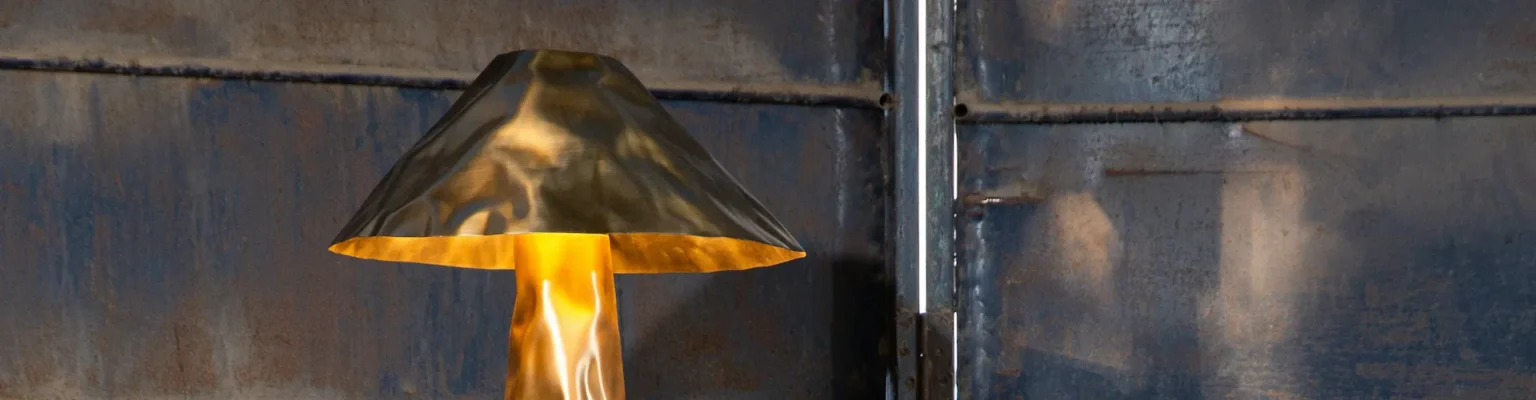
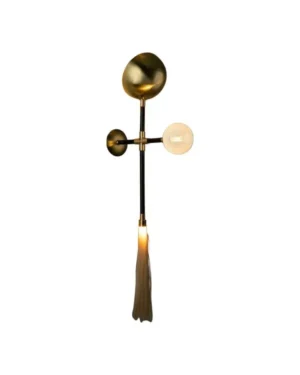
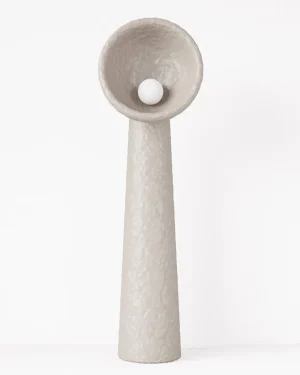
Soniah Floor Lamp in ZTISTA
By FAINA
€7.000 -
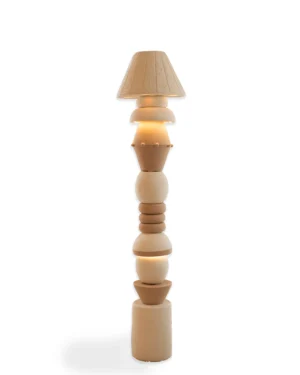
Totem Floor Lamp In Stoneware And Clay Paste
By Harshita Jhamtani Designs
€2.570 -
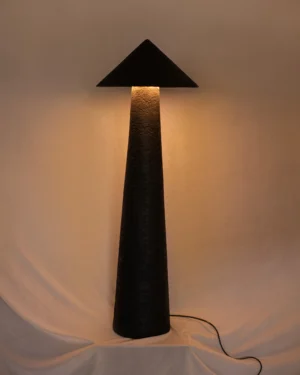
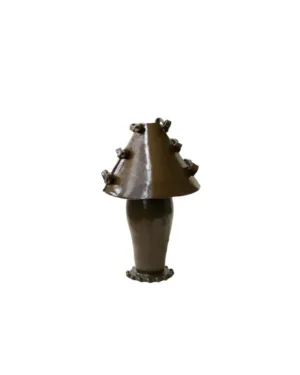
Kasa (m) Lamp In Clay Paste And Mild Steel
By Harshita Jhamtani Designs
€1.460 -
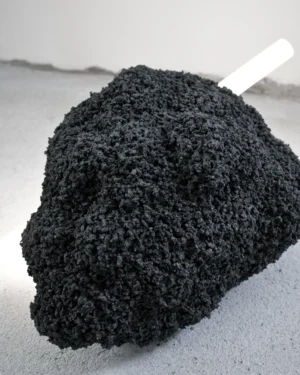
Solid Formations No. 6 Floor Lamp in Composite
By Stine Mikkelsen
€2.545 -

Soniah Medium Floor Lamp in ZTISTA
By FAINA
€6.300 -
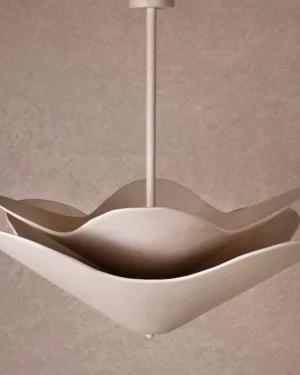
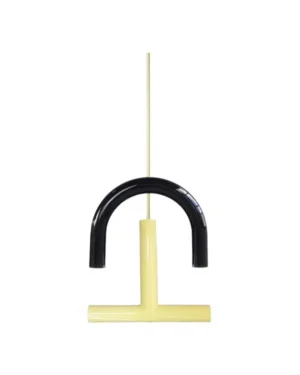
Iris Pendant In Clay Paste
By Harshita Jhamtani Designs
€1.180 -
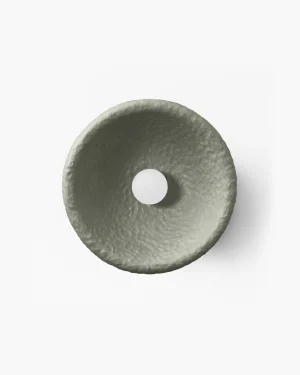 In stock
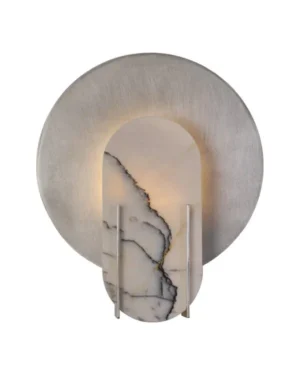
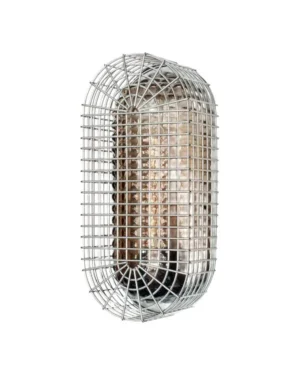
Soniah Wall Sconce in ZTISTA
By FAINA
€1.050 - €1.250 -
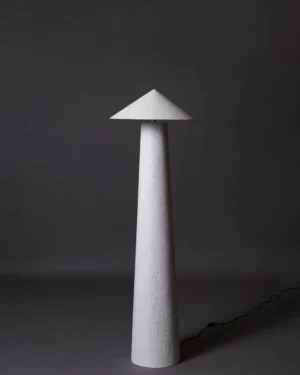
Kasa Floor Lamp In Clay Paste And Mild Steel
By Harshita Jhamtani Designs
€2.130 -
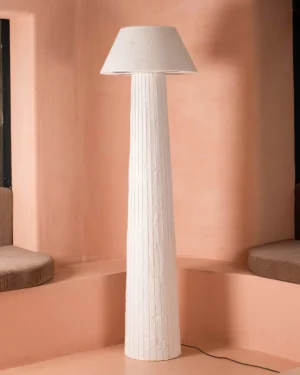
Rio Floor Lamp In Clay Paste And Mild Steel
By Harshita Jhamtani Designs
€2.270 -
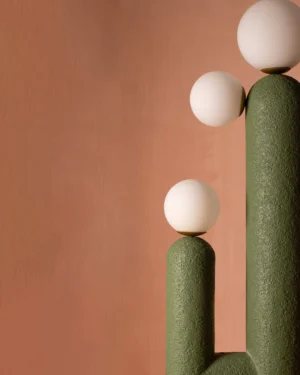
Cactus Floor Lamp In Clay Paste, Mild Steel And Glass
By Harshita Jhamtani Designs
€2.570 -
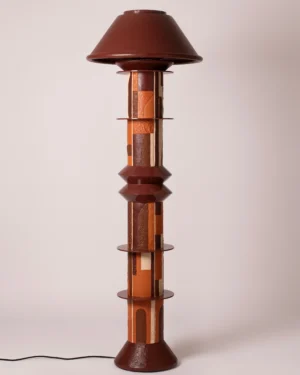
The Rouge Floor Lamp In Clay Paste And Metal
By Harshita Jhamtani Designs
€4.430 -

Soniah Small Floor Lamp in ZTISTA
By FAINA
€5.600 -
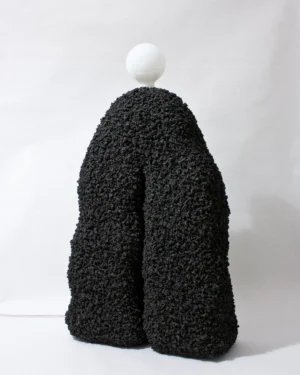 In stock
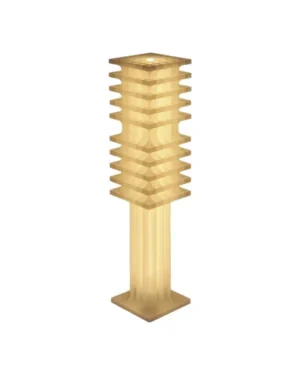
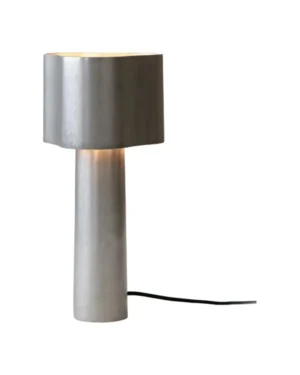
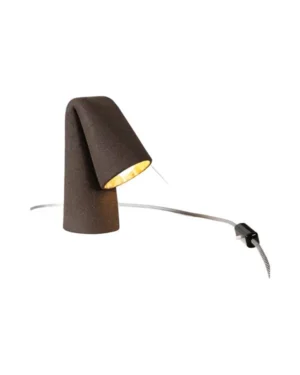
Luminous Shapes No 01 Table Lamp in Composite
By Stine Mikkelsen
€2.870 -
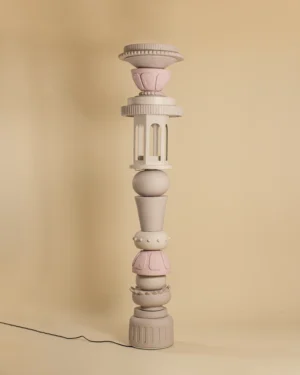
Pillar Of Ties Totem Floor Lamp In Stoneware, Clay Paste And Wood
By Harshita Jhamtani Designs
€3.780 -

Clay Cone Pendant In Textured Black Clay Paste And Mild Steel
By Harshita Jhamtani Designs
€1.820 -
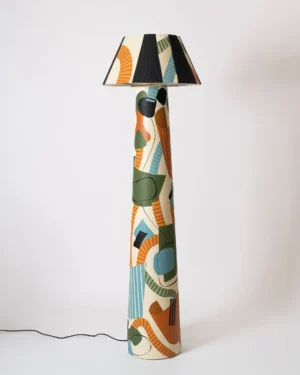
Hand Painted Rio Floor Lamp In Clay Paste And Mild Steel
By Harshita Jhamtani Designs
€3.940 -
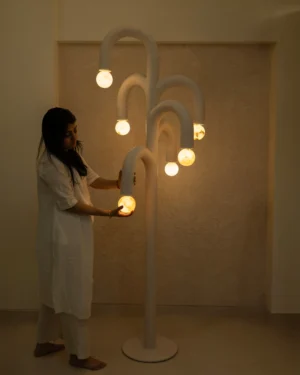
Big Cactus Floor Lamp In Clay Paste, Mild Steel And Alabaster
By Harshita Jhamtani Designs
€3.310 -
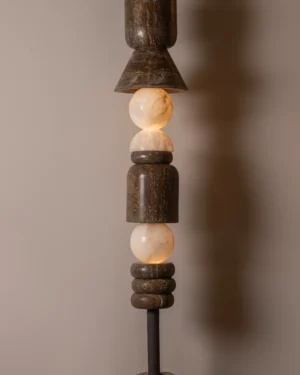
Titan Travertine Totem Floor Lamp In Travertine And Alabaster
By Harshita Jhamtani Designs
€3.070 -
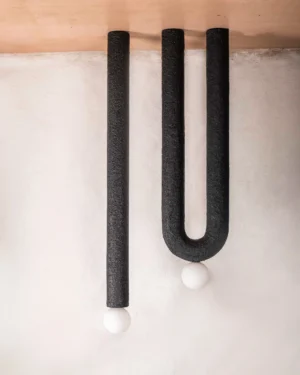
U And I Ceiling Light Set In Clay Paste And Glass
By Harshita Jhamtani Designs
€1.680 -
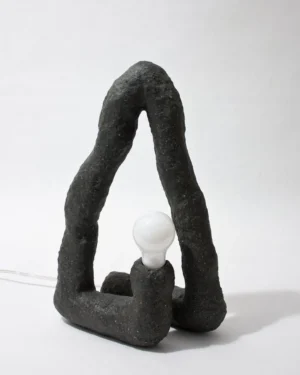 In stock
Luminous Shapes No. 02 Table Lamp
By Stine Mikkelsen
€2.790
Composite lamps bring together plaster, mineral powders and sometimes metal into a single cast or hand-built form. Independent studios mix these materials to get a surface that behaves like stone but weighs less, or a shape that no single material could hold on its own. The result sits somewhere between sculpture and light source, solid in daylight and softened once switched on.
What defines a composite lamp
A true composite is not one substance but several, bound together: plaster composite, alabaster dust, mild steel armatures, even stoneware elements combined inside the same base. This blending is what gives the material its range of texture, from chalky and matte to a cool, faintly veined surface close to natural stone. Because the mix is engineered rather than quarried, studios can control weight and strength while keeping the look of a heavier material.
Most pieces are cast in a mold, which is why forms tend toward rounded, architectural shapes, think soft columns, pooled bases, or blocky geometric stacks. Others are built by hand, sculpted or carved before the material sets, which leaves tool marks and a less uniform finish. Stone carving and mould making sit at opposite ends of the same family: one subtracts material, the other shapes it while it is still workable.
Finishes, colors and the editions on ADORNO
Color in composite work usually comes from the base material itself rather than an applied paint, so off-white, cream, gray and charcoal are common, alongside deeper terracotta tones where clay or stoneware is part of the mix. Black and stainless steel accents appear where metalwork is combined with plaster or stone. Styles run from Bauhaus-leaning geometry to the irregular, imperfect surfaces associated with wabi-sabi, with Scandinavian and Japandi reductions in between.
- Techniques: plastering, hand-building, wheel throwing, stone carving, mould making, metalwork, biofabrication
- Editions: open editions alongside unique, one-off pieces where a lamp is shaped rather than cast from a repeatable mold
For the full spread of composite work beyond lighting, including floor lamps and small tables in the same material, see every composite piece on ADORNO, or narrow to composite floor lamps and composite lighting more broadly.
How to choose a composite lamp
Composite lamps carry real weight, often more than their size suggests, so check a base will sit stable on the surface intended for it. Scale matters more than with glass or ceramic lamps because the material reads as solid mass: a tall cast column anchors a room in a way a slim metal lamp does not. Matte, chalky finishes soften overhead light and suit rooms with other raw surfaces, while smoother, denser casts reflect a little more and sit well against polished wood or stone.
Where they work
A sculptural composite base reads as an object even unlit, which makes it suited to a console, a mantel or a low side table where it can be seen from across the room. In a living room it often stands in for a small sculpture, lit or not. Bedside use calls for a smaller, lighter cast so it is easy to reach and reposition. For more context on lamp placement by room, see living room lamps, and for pared-back pairings, minimalist lamps.
Caring for composite surfaces
Plaster and stone-based composites are porous, so they mark if liquid sits on the surface and can chip at an edge if knocked. Dust with a dry or barely damp cloth, keep them away from direct splashes, and avoid household cleaners that can dull the finish. Treated carefully, a composite lamp ages the way plaster and stone do elsewhere in a home, picking up a soft patina rather than wearing out. For the wider range of lamp materials and other ways of making, the full lamps category covers ceramic, glass, wood and metal alongside composite work.
How do I choose a composite lamp?
Look at the base material first: plaster composite reads soft and chalky, alabaster blends reads closer to veined stone. Match the weight and tone to the room, then consider whether the form is molded and rounded or hand-sculpted with visible tool marks.
How do you clean and care for a composite lamp?
Dust with a dry or barely damp cloth, since plaster and stone composites can absorb moisture and stain. Keep them away from direct water contact and avoid abrasive cleaners that wear down the surface finish.
What size and height is a composite lamp?
Sizes vary by studio and form, from compact table lamps to floor-standing pieces. Check the specific dimensions listed on each piece's page, or chat with the maker to confirm scale for your space.
Which rooms suit a composite lamp?
Their weight and sculptural forms suit living rooms and entryways as standing pieces, while smaller table versions work on nightstands or consoles. The stone-like surface reads well against both warm wood and pared-back interiors.
Are composite lamps handmade or cast in molds?
Most are cast in a mold, giving rounded, architectural shapes. Others are hand-built or sculpted before the material sets, leaving tool marks and a less uniform finish.
What are ADORNO's shipping, returns and authenticity policies?
Shipping is insured and worldwide. Returns are accepted within 14 days, excluding made-to-order pieces, and every piece comes with a certificate of authenticity alongside a lowest-price guarantee.