




-
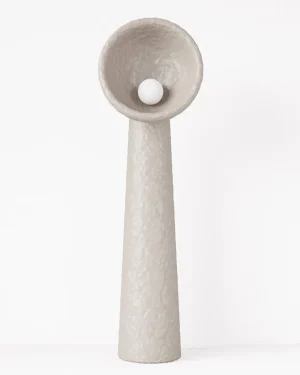 In stock
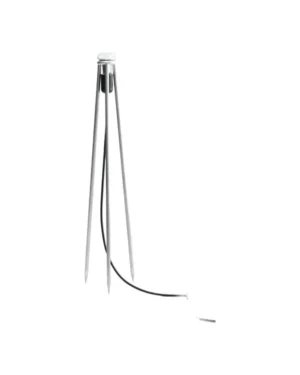
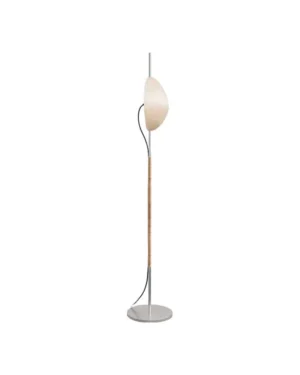
Soniah Floor Lamp in ZTISTA
By FAINA
€7.000 -
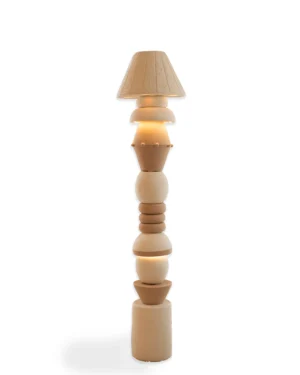
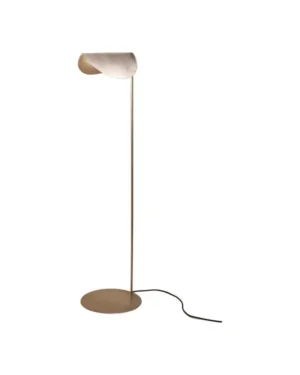
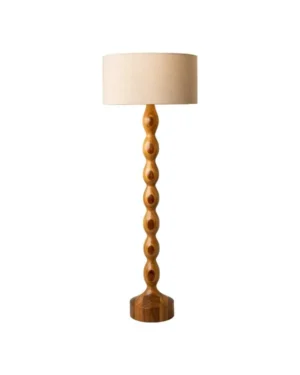
Totem Floor Lamp In Stoneware And Clay Paste
By Harshita Jhamtani Designs
€2.570 -
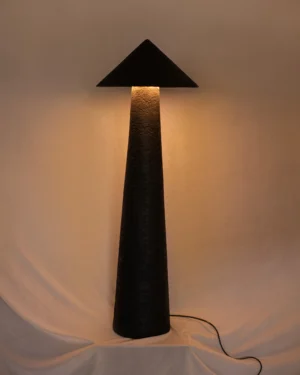
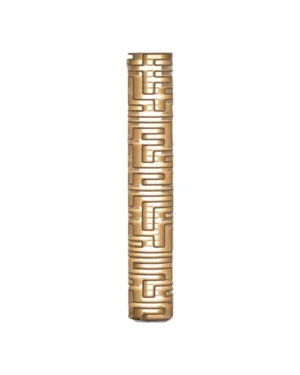
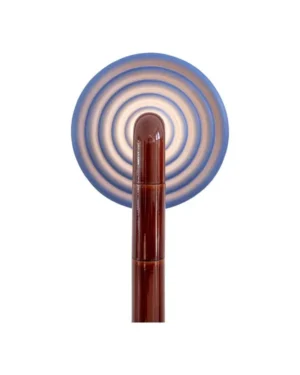
Kasa (m) Lamp In Clay Paste And Mild Steel
By Harshita Jhamtani Designs
€1.460 -

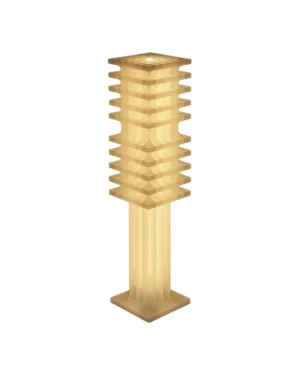
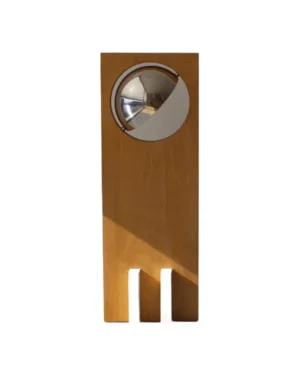
Solid Formations No. 6 Floor Lamp in Composite
By Stine Mikkelsen
€2.545 -

Soniah Medium Floor Lamp in ZTISTA
By FAINA
€6.300 -
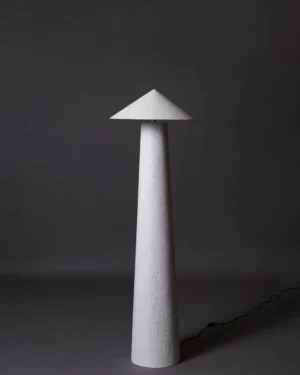
Kasa Floor Lamp In Clay Paste And Mild Steel
By Harshita Jhamtani Designs
€2.130 -
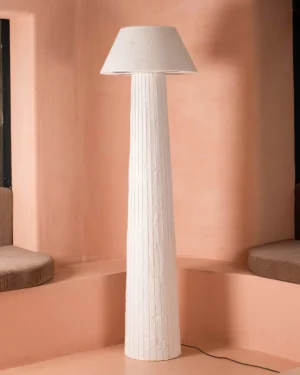
Rio Floor Lamp In Clay Paste And Mild Steel
By Harshita Jhamtani Designs
€2.270 -
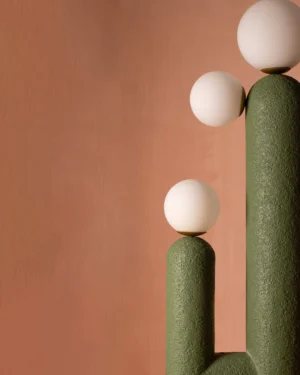
Cactus Floor Lamp In Clay Paste, Mild Steel And Glass
By Harshita Jhamtani Designs
€2.570 -
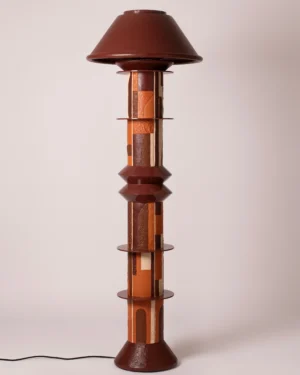
The Rouge Floor Lamp In Clay Paste And Metal
By Harshita Jhamtani Designs
€4.430 -

Soniah Small Floor Lamp in ZTISTA
By FAINA
€5.600 -
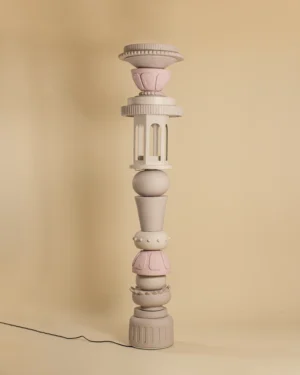
Pillar Of Ties Totem Floor Lamp In Stoneware, Clay Paste And Wood
By Harshita Jhamtani Designs
€3.780 -
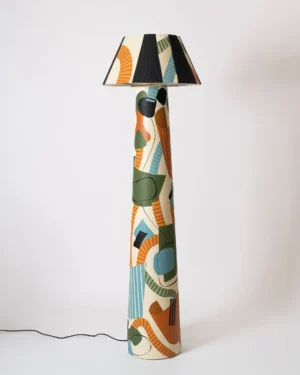
Hand Painted Rio Floor Lamp In Clay Paste And Mild Steel
By Harshita Jhamtani Designs
€3.940 -
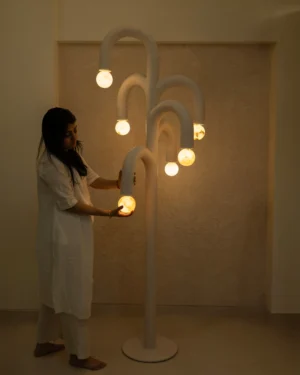
Big Cactus Floor Lamp In Clay Paste, Mild Steel And Alabaster
By Harshita Jhamtani Designs
€3.310 -
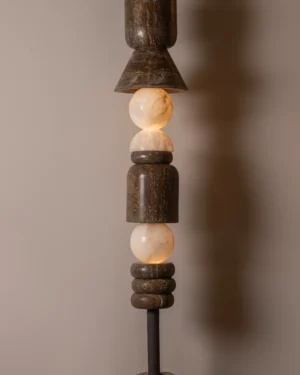
Titan Travertine Totem Floor Lamp In Travertine And Alabaster
By Harshita Jhamtani Designs
€3.070
Composite floor lamps combine plaster, stone, metal and mineral-bound fillers into a single hand-built body, giving a floor light the weight and surface of sculpture rather than sheet metal or turned wood. Studios working this way pour, hand-build, carve or mould each base and stem, so the material keeps the trace of the hand even inside a geometric form. The result sits in a room as an object first and a light source second.
What shapes a composite body
Plaster composite is the base most studios reach for: light enough to lift, dense enough to anchor a tall stem, and able to take a fine, almost stone-like finish once sanded and sealed. Alabaster and other stone fillers add translucency and natural banding, so no two bases read quite the same. Mild steel, stainless steel and other metals often appear as a stem, ring or counterweight set into the plaster, giving the lamp a structural spine the composite alone could not provide, while stoneware and acrylic turn up in bases and diffusers where a harder, more even surface is wanted.
The composite floor lamps found across the category range from matte, chalky plaster forms to smoother stone-like bodies with a visible mineral grain. Techniques span plastering, hand-building, stone carving, metalwork, wheel throwing, hand painting and mould making, and editions run from open editions to one-off pieces, so the surface and the story behind each base vary even within a single finish.
Color and finish across the range
Pigment mixed into plaster produces the off-white, white, gray, cream, charcoal, terracotta, yellow and purple bodies seen here, and because the color sits inside the material rather than on top of it, it does not chip or scratch away the way paint does. Off-white and gray stay closest to the raw material and show its texture most clearly; terracotta and yellow push toward warmer, more pigmented casts. Hand finishing means tone can shift slightly from one base to the next, which is part of working in a built rather than machined material.
Styles, from wabi-sabi to Bauhaus
The same material supports several visual languages. Rough, uneven plaster surfaces sit naturally inside wabi-sabi and boho chic rooms, while tightly cast, geometric bases read as Bauhaus or mid-century modern. Pared-back cylinders and cones in off-white or gray suit minimalist floor lamps and Japandi rooms, and coastal or contemporary interiors tend to favor lighter, sand-toned finishes over charcoal or deep purple.
How to choose a composite floor lamp
Composite floor lamps carry real weight, so footprint and height matter before finish. A wide, heavy base can stand near a sofa or reading chair without tipping, while a narrow stem needs a clearer patch of floor around it.
- Match the base width to the floor space you can give it without crowding a doorway or walkway.
- Pick a height that lands the shade at reading level beside seating, or taller for ambient, corner light.
- Choose a finish that answers the room: matte plaster for a quieter backdrop, a polished or stone-look finish where the lamp should stand out.
Because each base is built, not stamped, expect small variation in surface and tone from the photographs, especially in open editions and unique pieces.
Living with plaster, stone and metal
Plaster and stone composites are porous, so keep them away from direct splashes and out of bathrooms or very humid kitchens. Dust with a dry or barely damp cloth; avoid solvents or abrasive cleaners, which can dull a sealed surface or lift pigment. Lift rather than drag a base when moving it, since the junction between a metal stem and a plaster foot is a common stress point.
These lamps suit living rooms and bedrooms where they can stand undisturbed, beside a sofa, chair or bed, and work equally well as a single sculptural anchor or paired either side of a room. For other finishes within the same footprint, living room floor lamps cover a wider range of materials, the full floor lamp category spans wood, glass, ceramic and woven forms, every composite piece on ADORNO extends into tables and consoles, and composite lighting brings the same material into pendants and table lamps.
How do I choose a composite floor lamp?
Look at the base first: plaster gives a chalky, sculptural form, while alabaster or stone fillers add translucency and banding. Let the body's weight and finish guide the choice, since the light it casts is secondary to its presence.
How do you care for a composite floor lamp?
Dust the surface with a dry or barely damp cloth and keep plaster and stone composites away from direct moisture, which can mark or soften the finish. Avoid abrasive cleaners that would dull a sanded or sealed surface.
What height is a composite floor lamp?
Composite floor lamps sit at standard floor lamp height, tall enough to light a reading chair or corner without a shade meeting eye level when seated. The maker can confirm exact dimensions on request.
Which rooms suit a composite floor lamp?
Their weight and sculptural footprint work best where there is room to walk around them, a living room corner, a wide hallway or beside a bed. They read as objects first, so give them space rather than crowding them against furniture.
Are composite floor lamps fragile?
Plaster and stone composites are dense and stable once sealed, though the surface can chip if knocked hard against another object. A metal stem or counterweight set into the base adds structural strength.
What about shipping, returns and authenticity when I order?
Shipping is insured and worldwide. Returns are accepted within 14 days, except on made-to-order pieces, and every lamp arrives with a certificate of authenticity alongside ADORNO's lowest-price guarantee.