





-
10% off
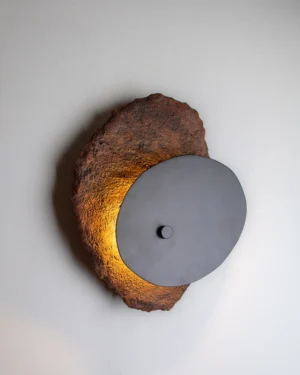
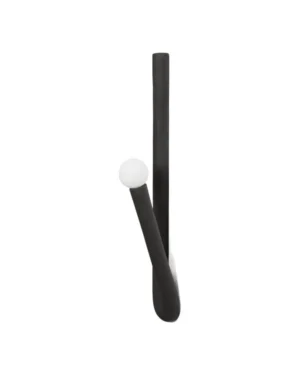
Asea No. 1 Cherry Dark Wall Sconce in Stoneware and Metal
By Ceren Gürkan
€1.000€900 -
 In stock
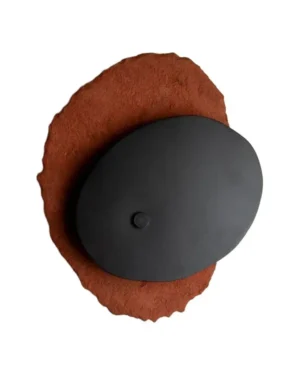
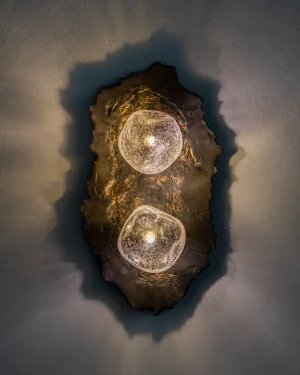
Asea No. 25 Wall Sconce In Blown Glass And Stoneware
By Ceren Gürkan
€1.100 -
 In stock
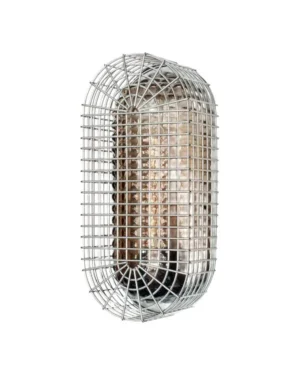
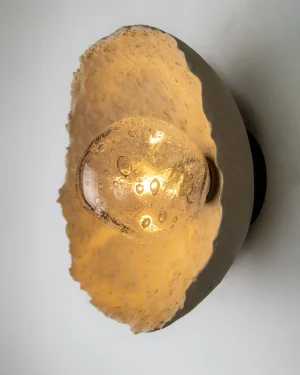
Asea No. 23 Wall Sconce In Stoneware And Blown Glass
By Ceren Gürkan
€800 -
 In stock
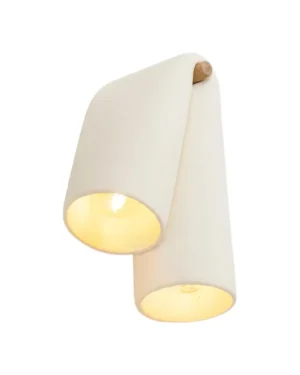
Coral Wall Lamp – Clay Sconce
By Dzovag Kotchian
€900 -
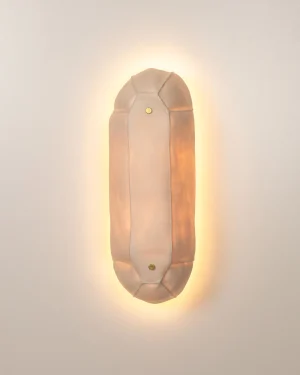
Kawa Series 01 Wall Sconce in Porcelain and Brass
By Luft Tanaka Studio
€1.600 -
 In stock
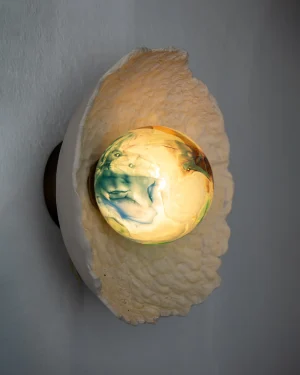
Asea No. 17 Wall Sconce In Stoneware And Blown Glass
By Ceren Gürkan
€900 -
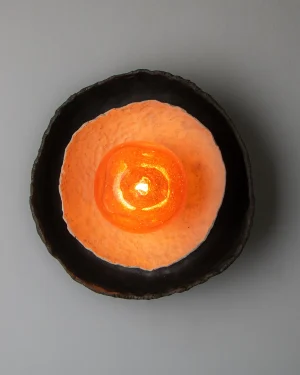
Asea No. 26 Red Wall Sconce in Blown Glass and Stoneware
By Ceren Gürkan
€1.100 -
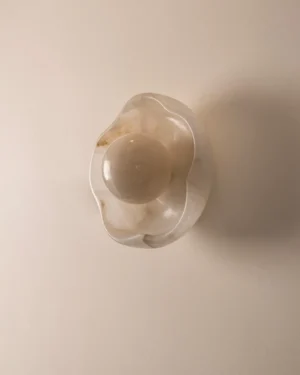
Flower Wall Sconce In Alabaster
By Harshita Jhamtani Designs
€700 -
 In stock
Asea No. 35 Wall Sconce In Stoneware And Blown Glass
By Ceren Gürkan
€1.000 -
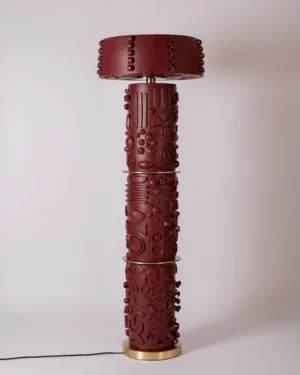
Sculpt Floor Lamp In Hand-built Stoneware
By Harshita Jhamtani Designs
€7.880 -
 In stock
Nova Wall Sconce in Blown Glass and Steel
By Ceren Gürkan
€700 -
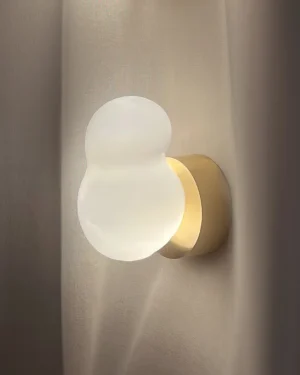
Vv Applique Wall Sconce in Brass and Blown Glass
By Clara Viladecans
€451 -
10% off
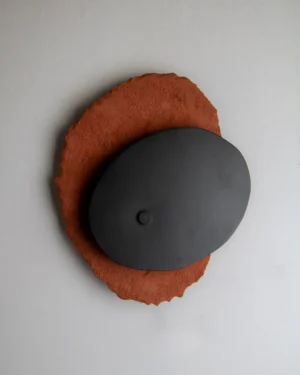
Asea No.1 Cherry Wall Sconce In Stoneware And Metal
By Ceren Gürkan
€1.000€900 -
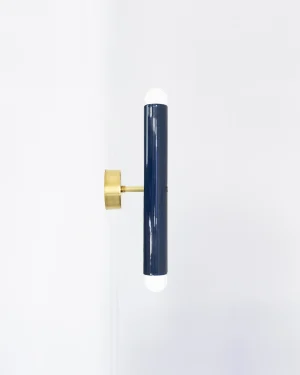 In stock
Trn Wall Sconce in Glazed Ceramic
By Pani Jurek STUDIO
€470 -

L’Été Ceramic Wall Light
By Katia Langeard
€380 -
 In stock
Asea No. 26 Pink Wall Sconce in Stoneware and Blown Glass
By Ceren Gürkan
€1.000 -
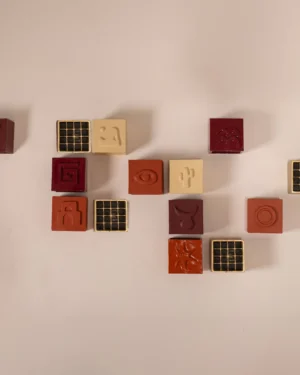
Oasis Wall Light In Hand-sculpted Stoneware
By Harshita Jhamtani Designs
€410 -
 In stock
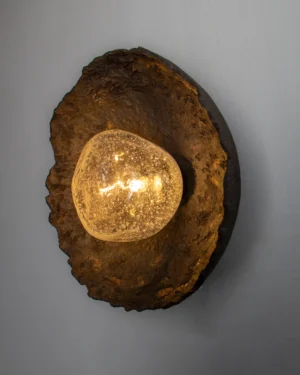
Pearl Wall Lamp – Clay Sconce
By Dzovag Kotchian
€1.200 -
 In stock
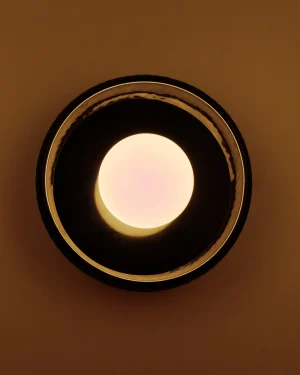
Asea No. 23 Dark Wall Sconce in Stoneware and Blown Glass
By Ceren Gürkan
€800 -
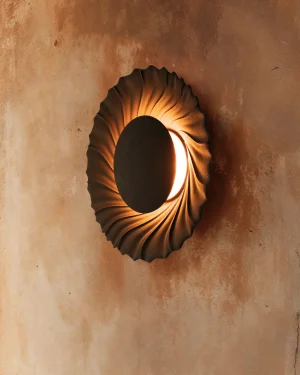
Macrame Wall Sconce in Ceramic
By Saadia Design
€332 -
 In stock
Sun Vxs 01 — Organic Sand Wall Light By Rollo Studio
By Rollo Studio
€880 -
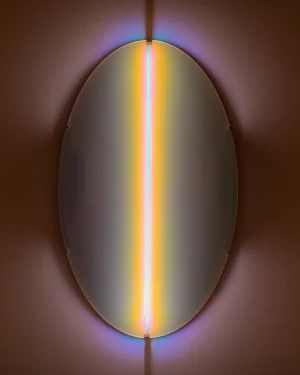
Aurora Gloss Wall Sconce in Acrylic and Aluminum
By Catrinel Sabaciag
€1.341 -
 In stock
Nova Blue Wall Sconce in Blown Glass and Steel
By Ceren Gürkan
€700 -
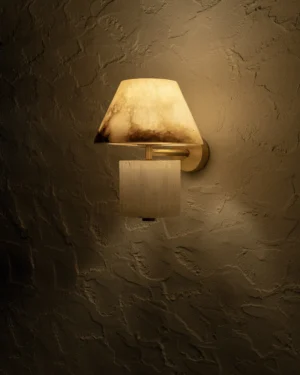
Rio Wall Lamp In Alabaster And Brass
By Harshita Jhamtani Designs
€1.150 -
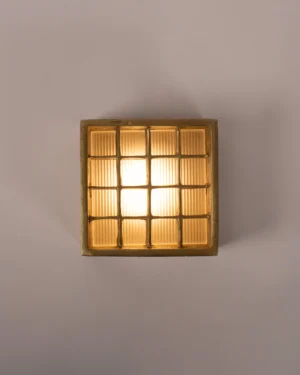
Oasis Mirage Wall Light In Cast Aluminum And Fluted Glass
By Harshita Jhamtani Designs
€620 -
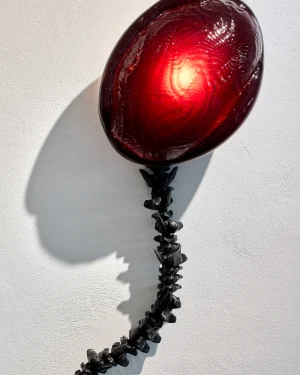 In stock
Dysplasio Wall Sconce in Blown Glass
By Anna Jožová
€2.000 - €3.300 -

Desire Sluhach Pendant Lamp in Muslin and Metal
By FAINA
€1.950 -
 In stock
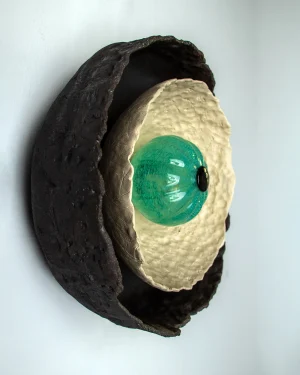
Asea No. 26 Eye Wall Sconce in Porcelain and Blown Glass
By Ceren Gürkan
€1.100 -
 In stock
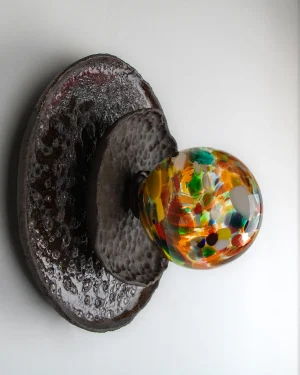
Asea No. 34 Wall Sconce in Stoneware and Blown Glass
By Ceren Gürkan
€1.000 -
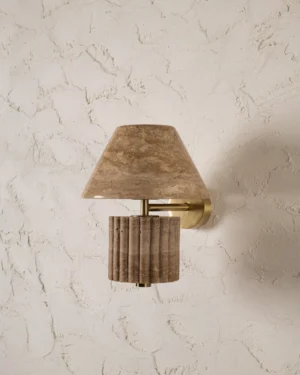
Rio Wall Lamp In Beige Travertine And Brass
By Harshita Jhamtani Designs
€1.150 -
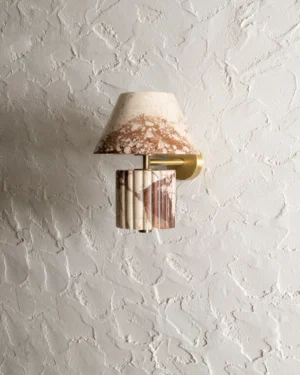
Rio Wall Lamp In Pizzato Marble And Brass
By Harshita Jhamtani Designs
€1.290 -
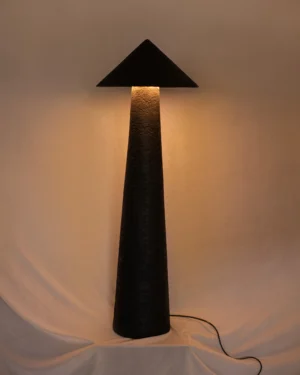
Kasa (m) Lamp In Clay Paste And Mild Steel
By Harshita Jhamtani Designs
€1.460 -
 In stock
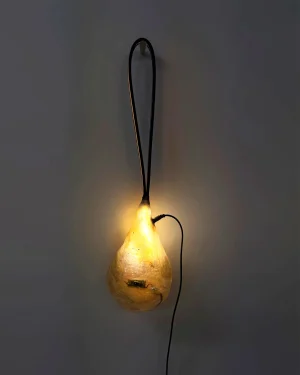
The Hive Wall Lamp in Bioplastic
By Sabrina Merayo Nuñez
€750 -
 In stock
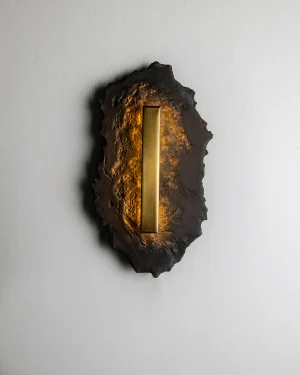
Asea No. 16 Wall Sconce in Stoneware and Brass
By Ceren Gürkan
€900 -
 In stock
Asea No. 27 Blue Wall Sconce in Stoneware and Blown Glass
By Ceren Gürkan
€1.000 -
 In stock
Asea No. 35 Moss Wall Sconce in Stoneware and Blown Glass
By Ceren Gürkan
€1.200 -
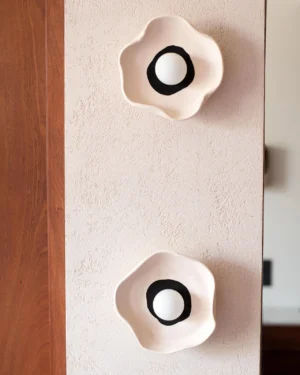
Flower Wall Sconce In Stoneware
By Harshita Jhamtani Designs
€360 -
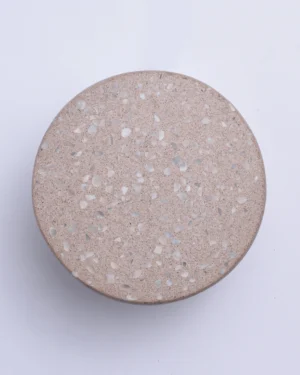
Wilo Nude Wall Sconce In Terrazzo, Aluminum And Silicone
By Harshita Jhamtani Designs
€220 -
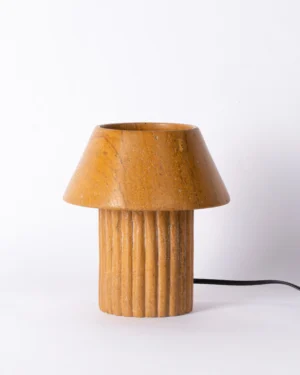
Rio (m) Table Lamp In Sandstone
By Harshita Jhamtani Designs
€690 -
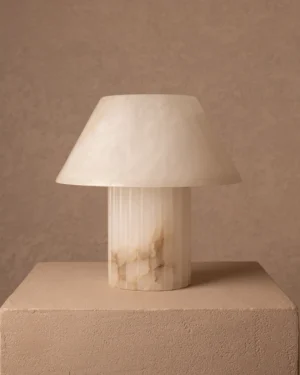
Rio (m) Table Lamp In Alabaster
By Harshita Jhamtani Designs
€800 -
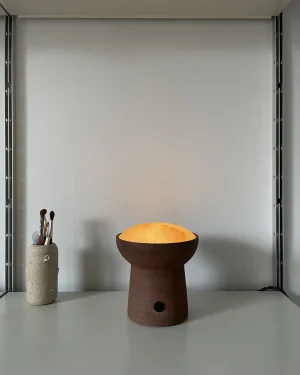 In stock
Stoneware Salt Lamp
By Isabella Artale
€600 -
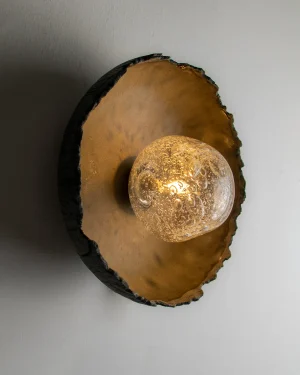
Asea No. 12 Moss Wall Sconce in Stoneware and Blown Glass
By Ceren Gürkan
€800 -
 In stock
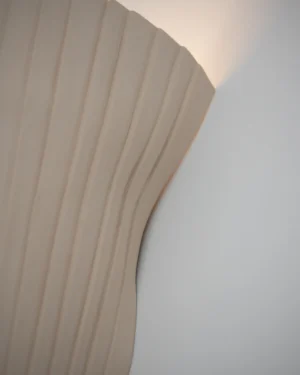
Tenderness Sconce | Large
By Studio Ēeme
€1.300 -
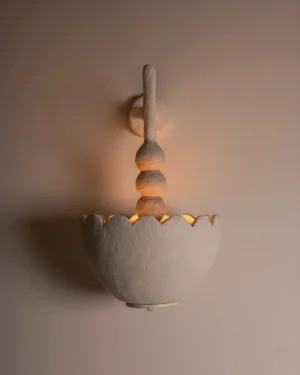
Scallop Wall Sconce In Stoneware And Clay
By Harshita Jhamtani Designs
€1.080 -
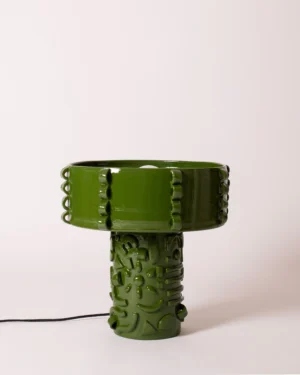
Sculpt Table Lamp In Glazed Stoneware
By Harshita Jhamtani Designs
€3.600 -
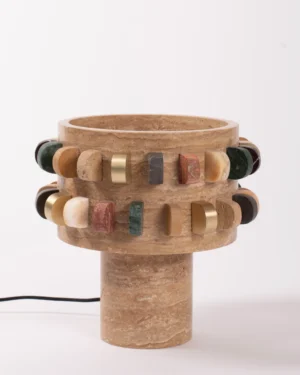
Outcasts Table Lamp In Marble And Travertine
By Harshita Jhamtani Designs
€2.140 -
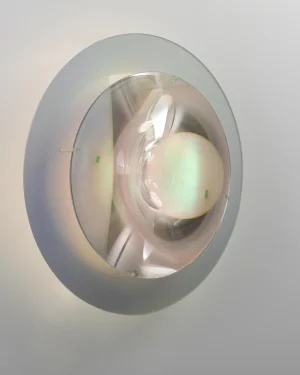
Noosphere Wall Sconce in Aluminum and Acrylic Glass
By Catrinel Sabaciag
€1.072 - €1.112 -
 In stock
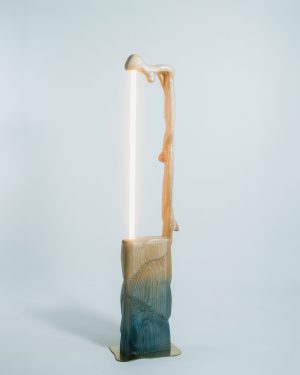
Blueprint Floor Lamp in Ash Wood
By Studio Kloak
€2.500 -
 In stock
Asea No. 14 Wall Sconce in Stoneware and Metal
By Ceren Gürkan
€900 -
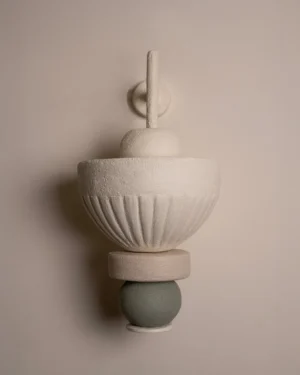
Pebble Wall Sconce In Stoneware And Clay
By Harshita Jhamtani Designs
€1.080 -
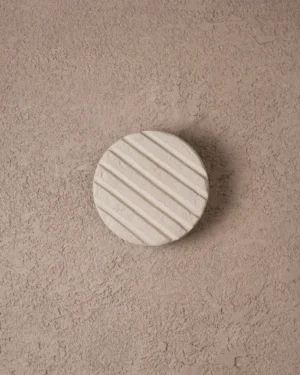
Wilo Fluted Egg White Wall Sconce In Clay And Aluminum
By Harshita Jhamtani Designs
€230 -
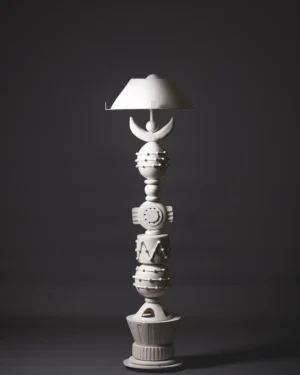
Asteroid Floor Lamp In Stoneware And Mild Steel
By Harshita Jhamtani Designs
€2.570 -
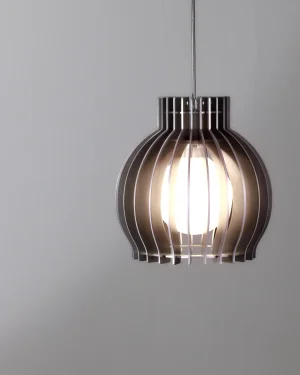
Flower Drop – Metal Pendant Lamp
By Jochen Lavéno Mangelsdorff Studio & Objects
€756 -
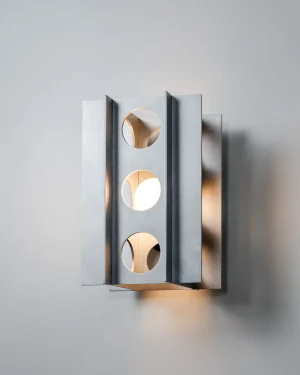
Tenfold 3T Satin Wall Sconce in Steel and Aluminum
By Luft Tanaka Studio
€865
Bathroom lamps are made to survive a room where water, steam and daylight all compete for attention, so the material carries as much weight as the form. Studios working in hand-thrown stoneware, blown glass, cast plaster and mild steel build each piece to hold both a glaze and a bulb, to read as sculpture by day and glow softly after dark. Small-batch and limited-edition runs dominate here, since these are pieces made by hand rather than molded in volume.
What defines a bathroom lamp
Stoneware takes a glaze that reacts to humidity over years, deepening in tone rather than wearing out. Blown glass holds trapped bubbles and shifts in thickness that scatter light rather than aim it, which suits a room where a soft wash matters more than a directed beam. Plaster composite reads chalky and matte, close in feel to the wall it sits against, while mild steel and brass bring a cooler note and take on a living patina if left unsealed near moisture.
The range on ADORNO
Expect stoneware and ceramic bases in white, cream, gray or rust, alongside plaster forms in olive or sky blue and glass shades in black or clear. Styles run from wabi-sabi stoneware with uneven rims to coastal glass with a sea-washed finish, Japandi forms with a single visible seam, and boho-chic shapes built from coiled or hand-built clay. Techniques include glassblowing, hand-building, metalwork, stone carving and glass casting, and most bathroom lamps arrive as open editions or limited editions rather than production runs, so finishes vary slightly piece to piece.
How to choose a bathroom lamp
Scale first: a bathroom is usually a small, enclosed room, so a base that reads as sculptural on a console can feel oversized next to a sink. Measure the counter or shelf depth before choosing a wide ceramic form, and keep the lit height below eye level if the piece sits close to a mirror. Finish matters as much as shape, since a matte stoneware glaze absorbs steam differently than a glossy glass shade, and anything placed near a shower should tolerate condensation rather than just humidity in the air.
- Choose stoneware or plaster for a quieter, matte presence near tile or stone.
- Choose blown glass where you want light to spread rather than point.
- Choose mild steel or brass for a smaller footprint on a narrow shelf.
Pair a bathroom lamp with other pieces made for the same room, since studios working in plaster, stoneware and steel often make stools, side tables and mirrors to the same logic; the full range of bathroom pieces on ADORNO extends well past lighting. For fixed wall light, options like bathroom wall lamps and bathroom wall sconces free up counter space where a freestanding base will not fit, and broader bathroom lighting covers ceiling and mirror fixtures alongside table lamps.
Care
Wipe stoneware and ceramic bathroom lamps with a dry or barely damp cloth; standing water left on an unglazed base can draw into the clay and stain it. Blown glass needs only a soft cloth, though mineral deposits from hard water should be cleaned before they etch the surface. Plaster composite resists steam better than it resists direct splashing, so keep it off the counter edge nearest the sink, and wipe mild steel or brass dry after cleaning to slow oxidation in a humid room.
For comparison, the wider lamp category spans every material and room, and metal lamps gives a closer look at steel, brass and aluminum forms alone.
How do I choose a bathroom lamp?
Match the material to how much moisture the room sees: glazed stoneware and sealed glass handle steam well, while unsealed metal suits a drier spot. Think about whether you want a soft wash of light or a sculptural form to look at by day.
What material is best for bathroom lamps?
Hand-thrown stoneware and blown glass are the most common choices, since a dense glaze or sealed glass resists humidity. Plaster composite stays matte and chalky but is better kept away from direct water contact.
How do I care for a stoneware or glass bathroom lamp?
Wipe with a dry or barely damp cloth and avoid harsh cleaners on the glaze or glass surface. Stoneware glazes often deepen in tone with years of humidity rather than wearing out.
What size lamp suits a bathroom?
Bathroom lamps are generally smaller in scale than living room or bedroom lighting, sized for a vanity, shelf or countertop rather than a floor. Check the individual piece's page for exact dimensions, or chat with the maker to confirm fit.
Can bathroom lamps be used in other rooms too?
Yes, the same stoneware, glass and plaster forms work equally well on a bedside table or shelf elsewhere in the house. Moisture resistance just makes them a safer fit for bathrooms specifically.
How does buying from ADORNO work, including shipping and returns?
Shipping is insured and sent worldwide, with a 14-day return policy that excludes made-to-order pieces. Every lamp arrives with a certificate of authenticity, and ADORNO offers a lowest-price guarantee.