






-
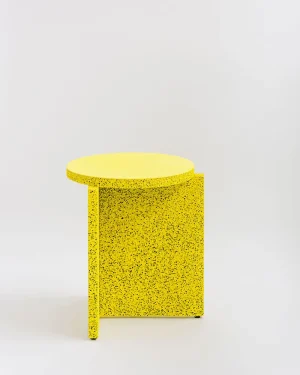
Sponge Side Table in Foamed Aluminum
By Calen Knauf Studio
€898 This product has multiple variants. The options may be chosen on the product page -
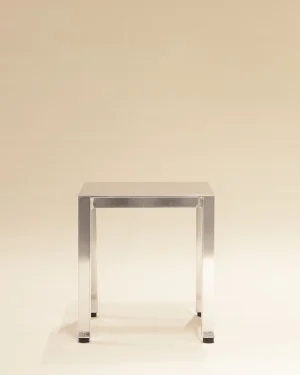
Canto Side Table in Aluminum
By Luiz Solano
€650 -
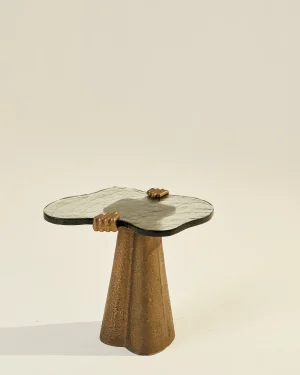
Paws Side Table in Cast Aluminum and Cast Glass
By LMNOH
€1.950 -
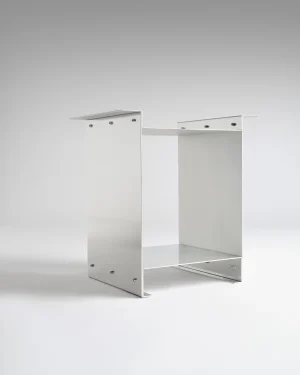
Wing Side Table in Polished Aluminum
By Obscure Objects
€340 -

Cork X 01 Side Table in Cork and Aluminum
By Robert Megel
€599 -

Broken Wing Stool
By Obscure Objects
€290 -

S001-10.2 Aluminum Stool
By NAVE
€500 -
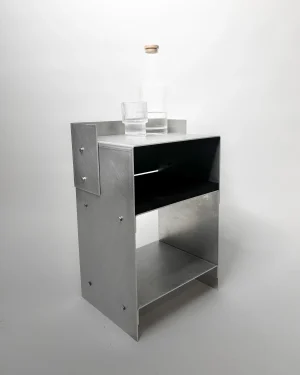 In stock
Matted Aluminium Side Table in Aluminum and Blackwood
By case studios
€530 -
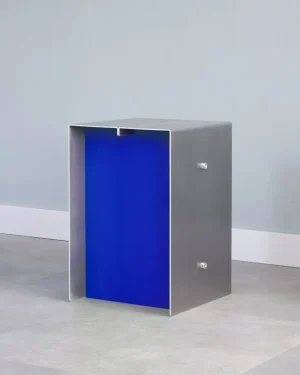
Core Aluminum Side Table / Stool
By Lisanne Meester
€399 This product has multiple variants. The options may be chosen on the product page -
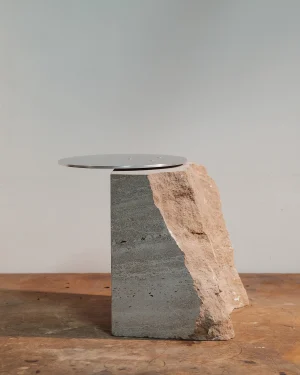
Fragments Side Table in Limestone and Aluminum
By Estudio Material
€3.300 -

012 Side Table in Aluminum
By OFAA
€1.350 -

Foldtable Side Table in Aluminum
By FlatFlat
€172 -
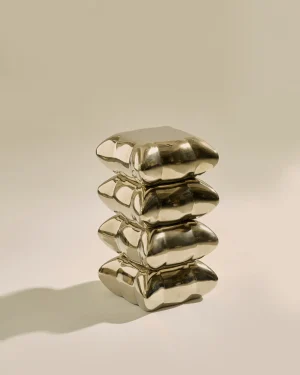
Pillow Side Table in Nickel-Plated Cast Aluminum
By LMNOH
€1.250 -

Dunes Side Table in Polished Aluminum and Carved Wood
By Malvin Gaborit
€8.829 -

Column No.1 – Low Stool
By Haritini Gritzali
€1.700 -
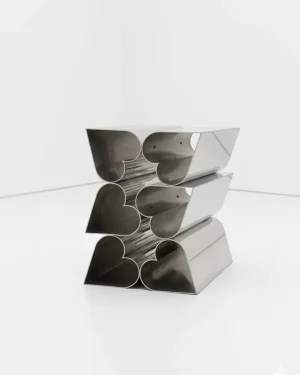
Side Piece Side Table in Extruded Aluminum
By Deon Rubi
€2.200 -
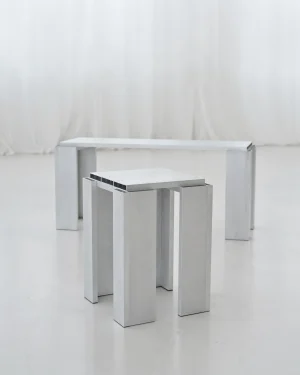
Al01 Aluminum Stool
By NOSTUDIO
€750 -
 In stock
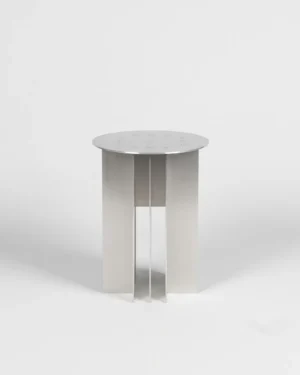
Plus01 Small Side Table in Aluminum
By 301 Design Studio
€900 -
 In stock
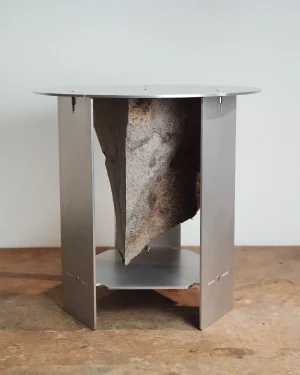
Fuera de Lugar Side Table in Natural Stone and Aluminum
By Estudio Material
€1.900 -
 In stock
Plus01 Medium Side Table in Aluminum
By 301 Design Studio
€850 -
 In stock
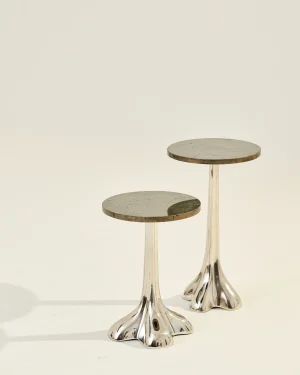
Theia Side Table in Golden Pyrite and Brass
By LMNOH
€2.100 -
 In stock
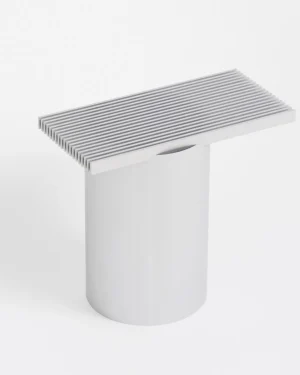
Vent Side Table in Anodized Aluminum
By Calen Knauf Studio
€1.291 -
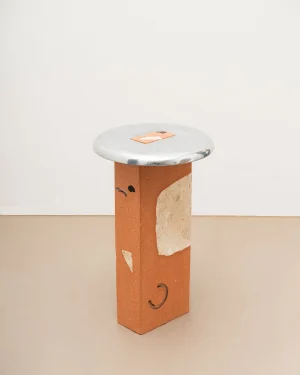
Nu Tall Side Table in Terrazzo and Cast Aluminum
By Assimply Studio
€1.650 -
 In stock
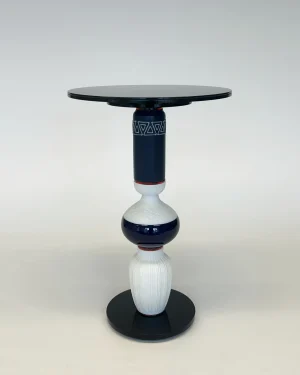
Angels Side Table in Glazed Clay and Glass
By Andreas Berlin
€3.500 -
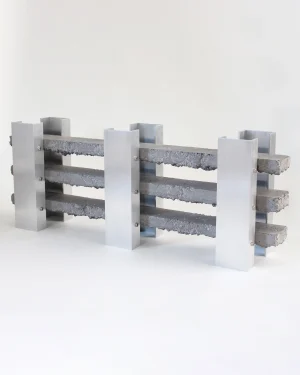
Junction Low Table & Shelves
By Lisanne Meester
€1.399 -
 In stock
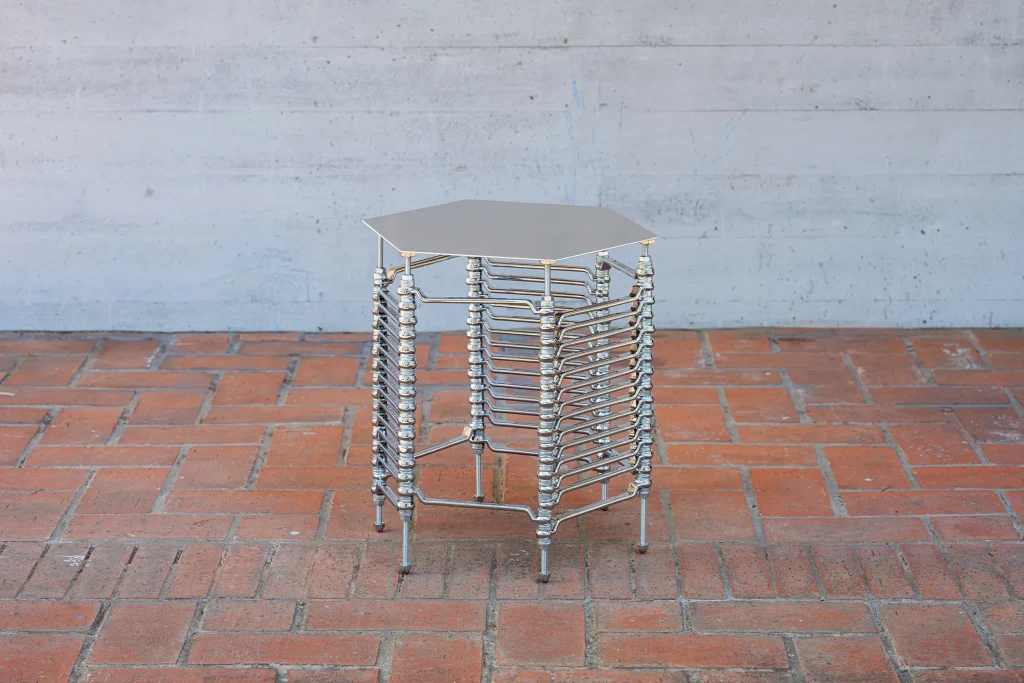
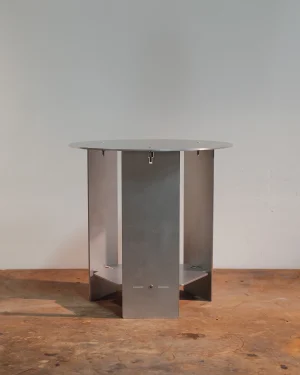
Hex Side Table in Aluminum
By Estudio Material
€900 -

Eocene Side Table in Cast Aluminum and Natural Stone
By Epoche Studio
€5.225 -
 In stock
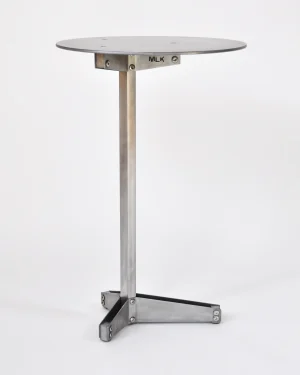
HEX400 Side Table in Aluminum
By MLK Furniture
€1.890 -
 In stock
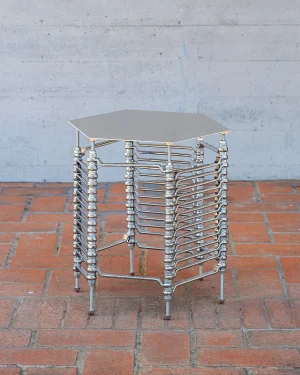
Wrench A Side Table in Aluminum and Iron
By Iyo Hasegawa
€1.600 -
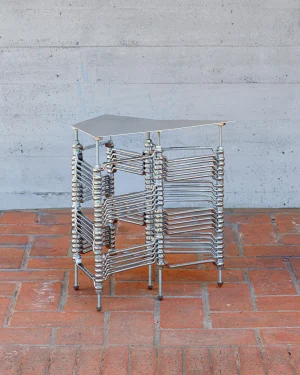 In stock
Wrench B Side Table in Aluminum and Iron
By Iyo Hasegawa
€1.700 -
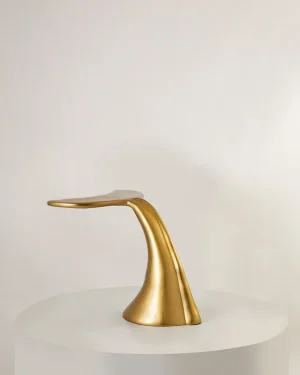 In stock
Balena Side Table in Cast Aluminum
By Nama Home
€2.270 This product has multiple variants. The options may be chosen on the product page -
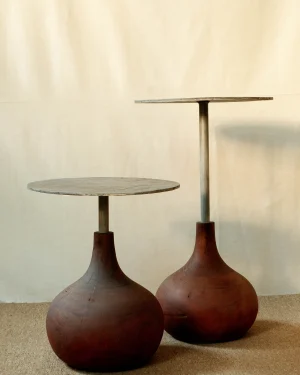
Matka Side Table in Wood and Cast Aluminum
By Spero Furniture
€970 - €1.943 This product has multiple variants. The options may be chosen on the product page -

String 01 Side Table in Aluminum
By Robert Megel
€499 -
 In stock
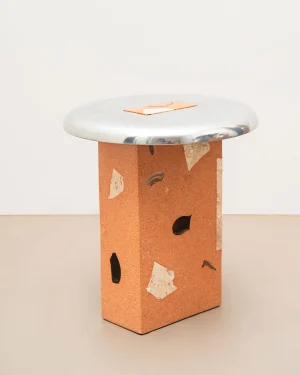
Oto – Low Stool & Side Table
By Neiw Studio
€1.400 -
Nu Low Side Table in Terrazzo and Cast Aluminum
By Assimply Studio
€1.320 -
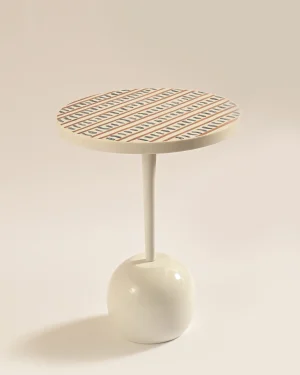
Sambhal Bone Inlay Side Table in Cast Aluminum and Resin
By LMNOH
€856 -
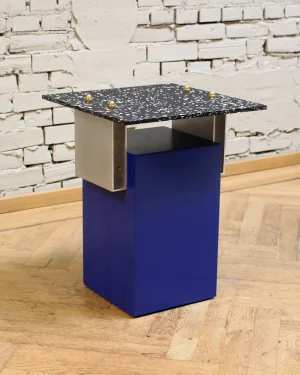 In stock
Build Side Table in Recycled Plastic and Aluminum
By Lisanne Meester
€1.399 -

Erosia Side Table in Aluminum and Cedar Wood
By ASUL-STUDIO
€1.900 -
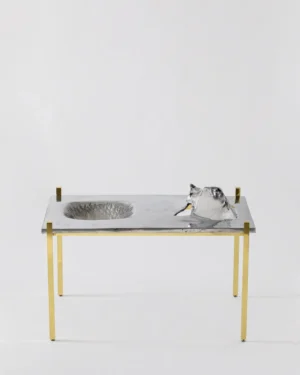 In stock
Binary Lunar Edition Side Table in Cast Aluminum and Brass
By Wanderart
€9.300 -
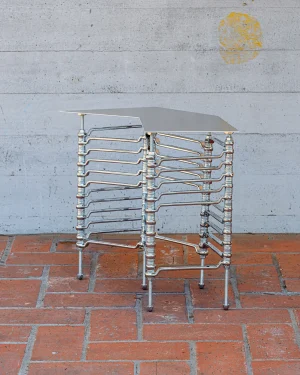 In stock
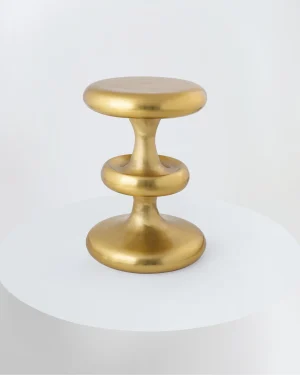
Wrench C Side Table in Aluminum and Iron
By Iyo Hasegawa
€1.500 -
 In stock
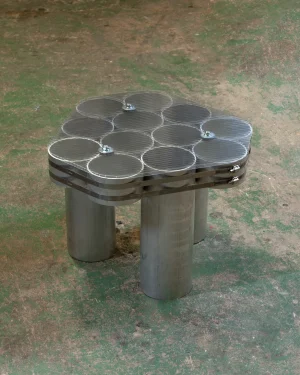
Atom Side Table in Aluminum and Steel
By Nama Home
€1.830 This product has multiple variants. The options may be chosen on the product page -
 In stock
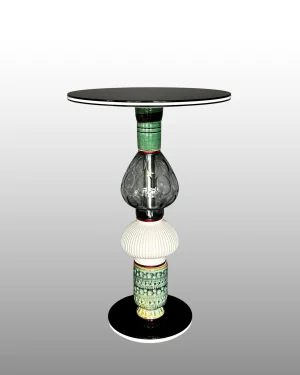
Bundle 2 Side Table in Upcycled Aluminum
By Nolan Talbot-Kelly
€1.400 -
 In stock
Aeroplane Side Table in Glazed Clay and Glass
By Andreas Berlin
€3.500 -
 In stock
Podium Piece #2 Side Table in Marble and Aluminum
By Cetti Studio ApS
€1.875 -

Erosia Ergate Side Table in Aluminum and Cedar Wood
By ASUL-STUDIO
€1.770 -

Onor Low Stool/ Side Table
By linnvstudio
€1.750 -
 In stock
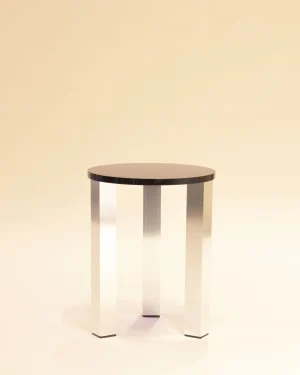
If the Seabed Were Silver Side Table in Recycled Aluminum
By 80e8
€5.560 -
 In stock
Acrilar Side Table in Acrylic and Aluminum
By Luiz Solano
€650 -
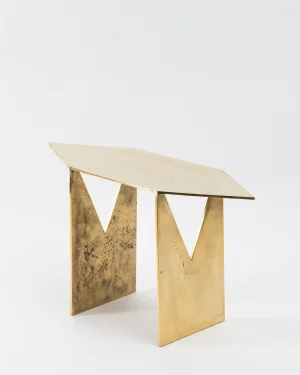
Arado No. 1 Side Table in Brass and Aluminum
By Estúdio Dentro
€1.740 - €3.640 This product has multiple variants. The options may be chosen on the product page -
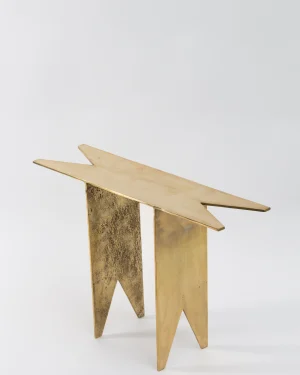
Arado No. 3 Side Table in Brass and Aluminum
By Estúdio Dentro
€1.970 - €3.860 This product has multiple variants. The options may be chosen on the product page -
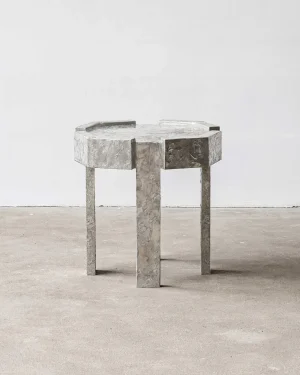
Splav Tin Small Side Table in Steel and Aluminum
By ZEMNA
€5.500 -
 In stock
Podium Piece #1 Side Table in Marble and Aluminum
By Cetti Studio ApS
€1.600 -

Rani Side Table in Cast Aluminum and Brass
By Nama Home
€2.600 -
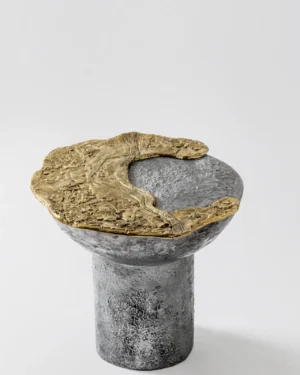
Mooncrater Lunar Edition Side Table in Aluminum and Bronze
By Wanderart
€10.000
Aluminum side tables bring a light, cool-toned material into a piece built for daily reach. Studios work the metal by casting, welding, and anodising, turning raw ingots or sheet into tops and bases that stay rigid without the bulk of steel or the warmth of wood. The result sits closer to sculpture than to ordinary furniture, resolved enough to stand alone beside a sofa or a bed.
What Defines Aluminum Side Tables
Aluminum is light for its strength, so a side table in this material can carry a lamp, a stack of books, or a drink without needing a heavy frame underneath. It does not rust the way steel can, and raw or polished surfaces develop a thin, stable oxide layer that protects the metal rather than weakening it. That same layer is what gives aluminum its cool, slightly matte cast even before any finish is applied.
Color on these pieces tends to come from the metal itself or from a thin anodised or painted layer, rather than from pigment mixed into the material. Silver, dark gray, and black are the most common, with polished aluminum reading brighter and more reflective than a brushed or cast surface. Cast aluminum carries a slightly grained, matte finish where polished aluminum shows a near-mirror face.
Finishes and Techniques Found on ADORNO
Within every aluminum piece on ADORNO, the range runs from hand-welded frames to pieces formed by metal casting, where molten aluminum is poured into a mold and cooled into its final shape. Anodising thickens that natural oxide layer electrochemically, which hardens the surface and can tint it without adding a separate coating that might chip. Some studios pair aluminum with glass, stainless steel, or leather, using the metal for the structure and a second material for the top or a contrasting detail.
Editions vary by studio and by run. Some aluminum side tables come from open editions remade as needed, others from limited editions tied to a single casting or welding session, and a smaller number are unique pieces finished entirely by hand.
How to Choose an Aluminum Side Table
Scale matters more than style once a table is in place. A top that sits near the arm height of a sofa, or just below mattress height beside a bed, keeps a lamp or a glass within easy reach without crowding the seat.
- Measure the gap beside your sofa or bed before settling on a footprint, since aluminum tables can look smaller in photographs than they read in a room.
- Choose a polished finish where you want the table to catch light and read as an accent, and a cast or matte finish where you want it to sit back as structure.
- Consider weight last: aluminum is light enough to move between a reading corner and an entryway without strain.
Where Aluminum Side Tables Work
Their cool surface and metal frame make them a natural counterpoint to upholstery, wool rugs, and wood flooring, so they read well in living rooms and bedrooms alike. In an entryway, a small aluminum table can hold keys and a lamp without taking on the visual weight a wood or stone piece would carry. For a broader look at metal construction generally, the metal side tables on ADORNO include steel and stainless steel alongside aluminum, while the modern side tables group leans on cleaner lines that suit aluminum's flat planes.
Caring for Aluminum
Aluminum asks for little beyond a dry or lightly damp cloth; avoid abrasive pads on polished surfaces, since they can scratch through to dull the shine. Anodised finishes resist fingerprints and minor scuffs better than bare polished metal, which shows marks more readily. Keep cast or welded joints dry to avoid pitting over time, and the table should hold its finish for years of daily use.
For the wider range of small tables beside this one, the full set of side tables spans wood, stone, and glass alongside metal, and aluminum appears again across aluminum furniture more broadly, from seating to storage pieces built on the same light, oxide-protected metal.
How do I choose an aluminum side table?
Match the finish to the room: polished aluminum reads sharp and reflective, brushed or anodized surfaces sit quieter beside upholstery. Keep the tabletop close to the arm height of the nearby sofa or bed.
How do I clean and care for an aluminum side table?
Wipe with a soft cloth and mild soap. Aluminum resists rust and corrosion, though polished finishes show fingerprints more readily than brushed or anodized surfaces, which need no special treatment beyond regular dusting.
What height should a side table be?
Most side tables stand between 20 and 26 inches, close to the arm of a sofa or the mattress height of a bed. Chat with the maker on the piece's page to confirm exact dimensions.
Which rooms suit aluminum side tables?
They work beside sofas in living rooms, as nightstands in bedrooms, and in entryways where a durable surface meets daily use. Aluminum's resistance to moisture also makes it practical near windows or in humid rooms.
Does ADORNO ship aluminum side tables worldwide, and can I return one?
Shipping is insured and worldwide. Pieces can be returned within 14 days of delivery, though made-to-order pieces are excluded from this policy.
Can I order a custom aluminum side table?
Some studios offer size or finish variations on request. Chat with the maker on the piece's page to confirm what customization is possible for that piece.