






-
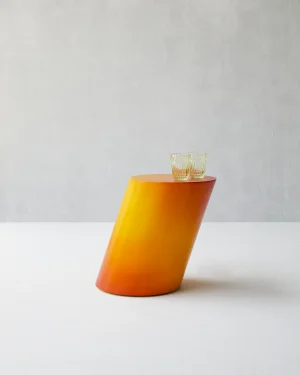
Sunrise End Table
By Objectry
€363 -

Mono Side Table in Travertine and Metal
By Yet Design Studio
€1.200 - €1.380 This product has multiple variants. The options may be chosen on the product page -
 In stock
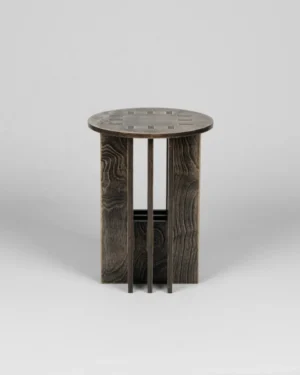
Plus01 Medium Side Table in Birch Wood
By 301 Design Studio
€800 This product has multiple variants. The options may be chosen on the product page -
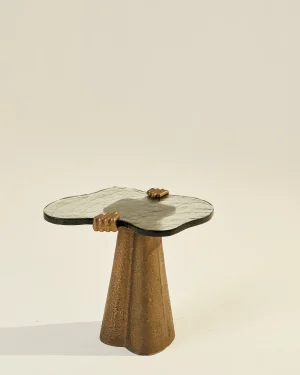
Paws Side Table in Cast Aluminum and Cast Glass
By LMNOH
€1.950 -
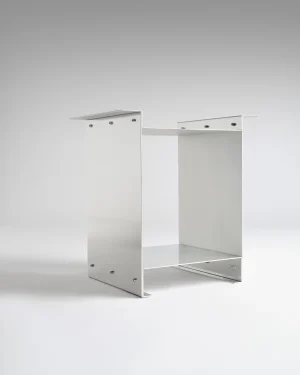
Wing Side Table in Polished Aluminum
By Obscure Objects
€340 -

Su Side Table in Steel and Ash Wood
By SALAK Studio
€590 -
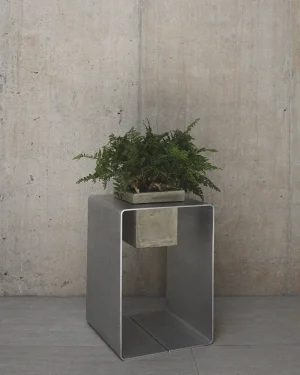
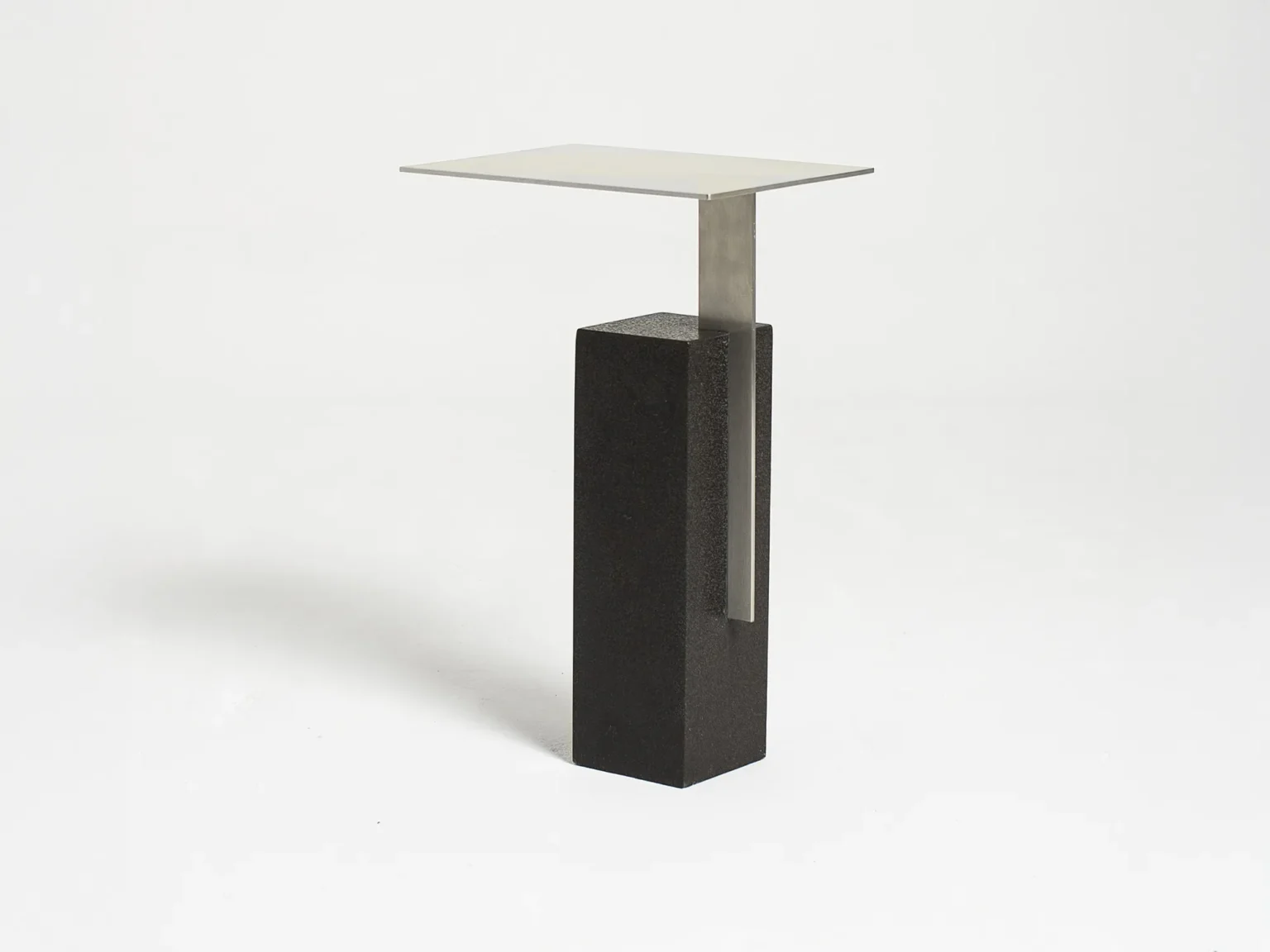
ST001-02 Side Table in Stainless Steel and Concrete
By NAVE
€990 -
 In stock
Knot Low Stool / Side Table In Solid Ash Wood
By Luis Gimeno Design
€800 -
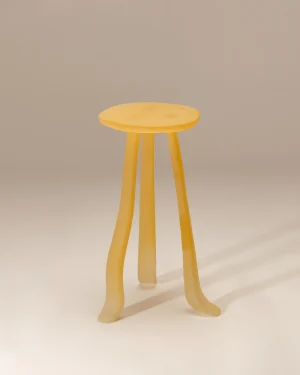
Lung 1.0 Honey Matte Side Table in Resin
By Szymon Keller
€2.200 - €2.400 This product has multiple variants. The options may be chosen on the product page -

Broken Wing Stool
By Obscure Objects
€290 -
 In stock
Knot – Stool / Side Table – Solid Ash Wood
By Luis Gimeno Design
€800 -
 In stock
Knot – Stool / Side Table – Solid Ash Wood
By Luis Gimeno Design
€890 -

Monolit Alpi Side Table in Oak Veneer and MDF
By Arbore x Cezar Moldovan
€2.188 -
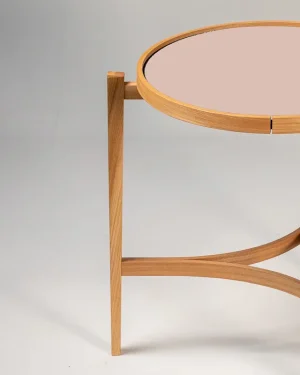
Geodetic Side Table in Oak Wood
By studiolehn
€660 -

S001-10.2 Aluminum Stool
By NAVE
€500 -
 In stock
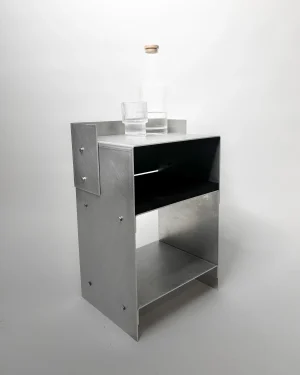
Matted Aluminium Side Table in Aluminum and Blackwood
By case studios
€530 -
 In stock
Flora Side Table in Carbon Steel
By studiomakuko.com
€600 -
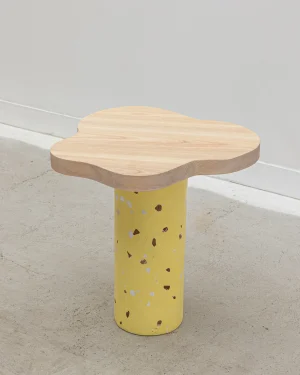 In stock
Esposcada 01 Side Table in Terrazzo and Ash Wood
By Pierre Klein
€1.600 -
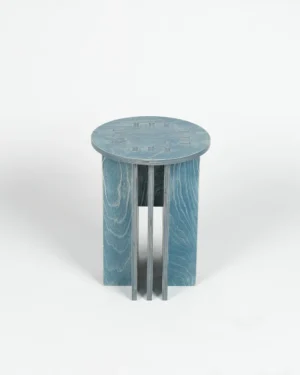 In stock
Plus01 Small Side Table in Birch Wood
By 301 Design Studio
€700 This product has multiple variants. The options may be chosen on the product page -

Arcus Side Table in Teak Wood
By Studio Indigene
€950 -
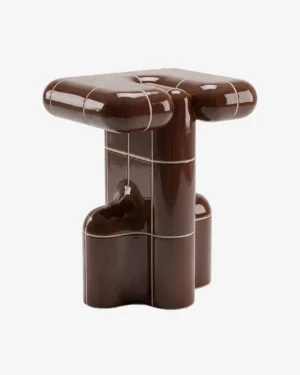
U-001 Cacao Side Table in 3D-Printed PLA
By Rollo Studio
€1.620 -

012 Side Table in Aluminum
By OFAA
€1.350 -
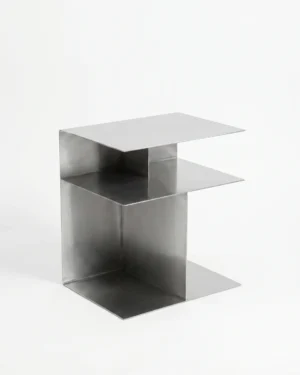
009 Side Table in Stainless Steel
By OFAA
€1.500 -

Foldtable Side Table in Aluminum
By FlatFlat
€172 -
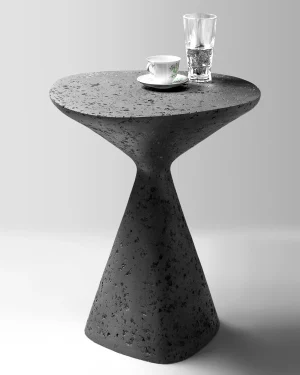
Black Mottled Side Table in Paper Pulp and Cement
By Donatas Žukauskas
€1.100 -
 In stock
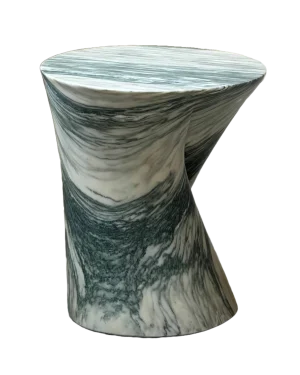
Departed Side Table in Cipollino Marble
By Studio TOOJ
€12.200 -

Dunes Side Table in Polished Aluminum and Carved Wood
By Malvin Gaborit
€8.829 -
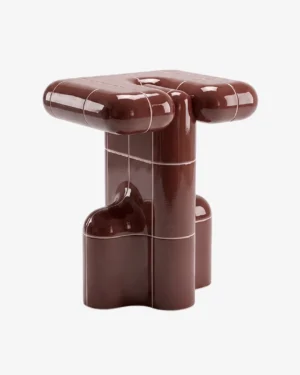
U-001 Garnet Side Table in 3D-Printed PLA
By Rollo Studio
€1.620 -
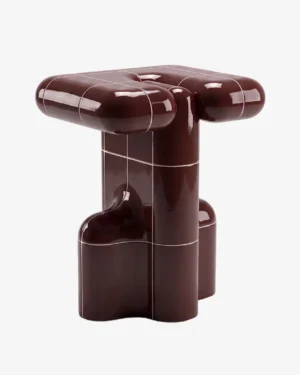
U-001 Oxide Side Table in 3D-Printed PLA
By Rollo Studio
€1.620 -
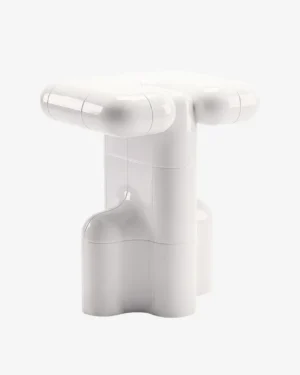
U-001 Chalk Side Table in 3D-Printed PLA
By Rollo Studio
€1.620 -
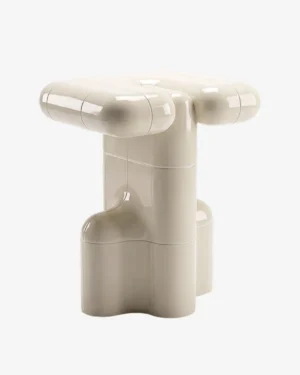 In stock
U-001 Cream Side Table in 3D-Printed PLA
By Rollo Studio
€1.620 -

Coraza Side Table in Volcanic Stone and Stainless Steel
By Studio Mohs
€2.250 -
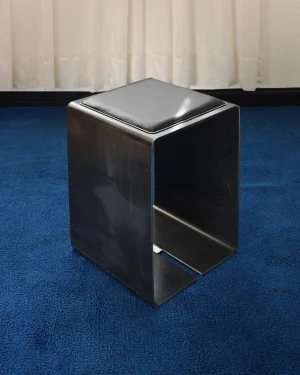
S001-10 Raw Steel Stool
By NAVE
€450 -
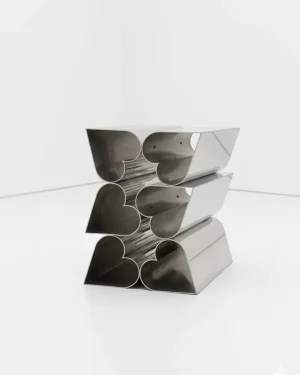
Side Piece Side Table in Extruded Aluminum
By Deon Rubi
€2.200 -
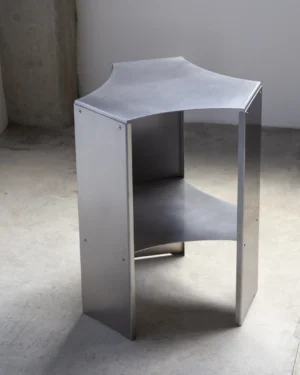
Vortice 50 Side Table in Stainless Steel
By T44 design studio
€730 -

Origo Low Stool
By ASUL-STUDIO
€1.250 -
 In stock
Bruna Low Stool
By Heaps & Woods
€1.344 -
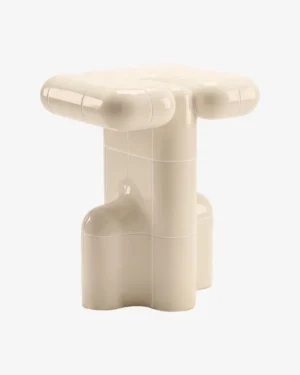
U-001 Ivory Side Table in 3D-Printed PLA
By Rollo Studio
€1.620 -
 In stock
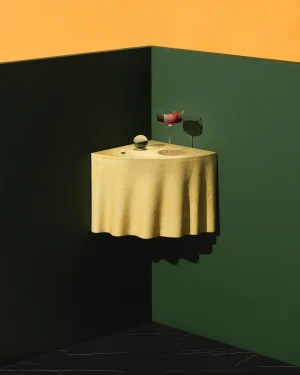
DUK x Reishi Edition Wall-Mounted Corner Table
By Studio TOOJ
€2.900 -
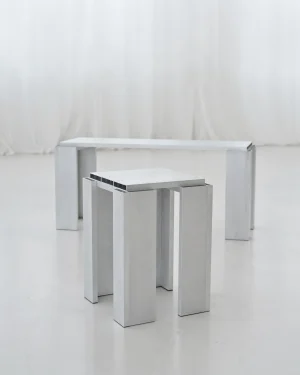
Al01 Aluminum Stool
By NOSTUDIO
€750 -

Ettore Sottsass Side Table in Wood Veneer
By Petra Madalena
€1.600 -
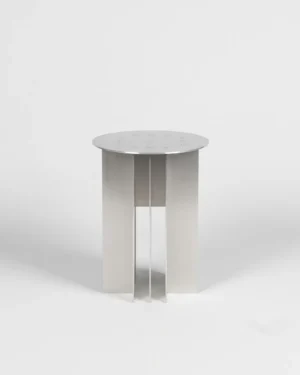 In stock
Plus01 Small Side Table in Aluminum
By 301 Design Studio
€900 -
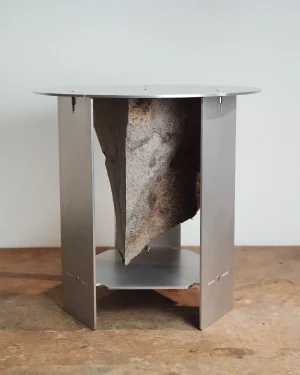 In stock
Fuera de Lugar Side Table in Natural Stone and Aluminum
By Estudio Material
€1.900 -

Junco Stool
By Daniel Couttolenc
€1.500 This product has multiple variants. The options may be chosen on the product page -
 In stock
Plus01 Medium Side Table in Aluminum
By 301 Design Studio
€850 -

Ludovica – Stone Stool / Side Table
By Studio Ayres
€1.960 This product has multiple variants. The options may be chosen on the product page -
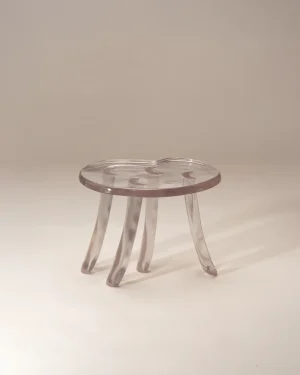
Lung 2.0 Side Table in Resin
By Szymon Keller
€3.180 -

Lung 2.0 Blue Side Table in Resin
By Szymon Keller
€3.180 This product has multiple variants. The options may be chosen on the product page -
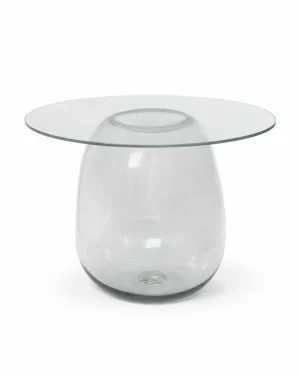
Bubble Side Table in Blown Glass
By Panorammma Atelier
€1.800 -

In Between Side Table in Stainless Steel and Lace
By please touch studio
€1.560 -
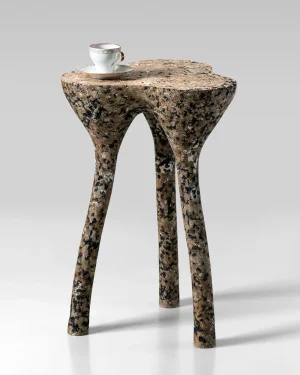
Beige Tripod Low Side Table in Paper Pulp and Cement
By Donatas Žukauskas
€1.100 -
 In stock
Marbelicious – Guatemala Marble Bench
By Millim Studio
€2.500 -
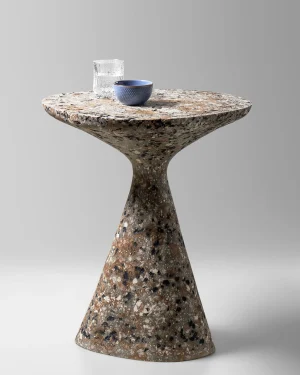
Beige Mottled Side Table in Paper Pulp and Cement
By Donatas Žukauskas
€1.100 -
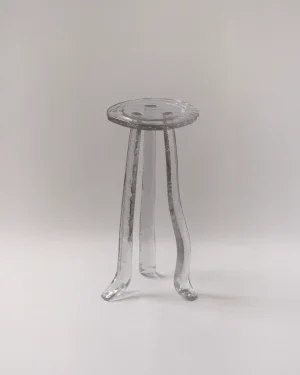
Lung 1.0 Side Table in Resin
By Szymon Keller
€2.000 - €2.400 This product has multiple variants. The options may be chosen on the product page
Contemporary side tables bring together current material thinking and restrained form: studios working in stone, metal, resin and wood translate the same compact brief into pieces that read as sculpture as much as support. What separates them from other styles is less ornament and more attention to proportion, joint and surface. Each piece is made to hold a lamp, a glass or a stack of books without competing for attention in the room.
What defines the contemporary approach
Contemporary side tables favor clean geometry over applied decoration. A top might be a single slab of travertine, a bent sheet of stainless steel, or a cast resin form, but the line stays simple and the silhouette stays legible from across a room. Color plays a structural role here too: black steel, transparent resin, or an off-white stone finish can do as much work as the shape itself in setting the tone of a space.
Materials, finishes and editions found here
The range on ADORNO moves through a handful of recurring materials and techniques, though what is available shifts as pieces sell. Expect to find:
- Oak and other woods, worked through cabinetmaking or veneering, left natural or finished in black, gray or off-white.
- Stainless steel and aluminum, welded or cast, often left raw or finished in gold or dark gray.
- Travertine and marble, stone-carved into solid forms that read as quiet sculpture.
- Resin, cast in transparent, sky blue or green tones, giving a side table a lighter, more luminous presence.
- Glass, cast or pressed, paired with metal or stone bases.
Some of these pieces come from open editions, made to a consistent standard whenever ordered; others are limited editions or unique pieces, where the casting, carving or joinery varies slightly from one piece to the next. Where a listing notes a limited run, that scarcity is part of what you are buying along with the material.
How to choose a contemporary side table
Start with height: a side table set beside a sofa generally sits close to the arm height of the seating, while one placed next to a bed should sit near mattress height so a hand can reach a lamp or a glass without looking. Scale matters as much as height. A top that is too small will disappear next to a generous sofa, while an oversized one can crowd a narrow bedroom.
Finish should answer the materials already in the room rather than fight them. A polished stainless steel top will pick up reflections and read as cool and hard-edged, while a travertine or oak surface absorbs light and feels closer to furniture than object. Placement follows from use: a table asked to hold a lamp and a stack of books needs a flat, stable top and enough footprint to avoid tipping, while a purely decorative piece beside an entryway can be narrower and taller.
Where these pieces work
Contemporary side tables are suited to living room settings, where they frame a sofa or armchair and support a reading lamp, as well as to bedrooms, where they carry a bedside routine. A stone or metal piece can also anchor an entryway, holding keys and a small tray without demanding floor space. Paired with contemporary lamps or a piece of contemporary decor, a single table can resolve an otherwise unfinished corner.
Caring for the material
Stone tops such as travertine and marble are porous and will stain if liquid is left standing, so wipe spills promptly and avoid placing wet glasses directly on the surface. Wood responds to humidity and dry air alike, expanding and contracting slightly through the seasons; an occasional wipe with a dry or barely damp cloth keeps the surface stable. Metal and resin are more forgiving day to day, though polished steel will show fingerprints and cast resin can scratch under abrasive cleaning, so a soft cloth is enough for both.
For a broader view of the style across furniture and lighting, see every contemporary piece on ADORNO, or look through all side tables and all tables to compare scale and material across the wider range.
How do I choose a contemporary side table?
Start with proportion: the top should sit near arm height for a sofa or bed. Then match material to use, stone or metal for durability, wood for warmth, glass where visual weight should stay low.
What materials are contemporary side tables made from?
Common choices include oak and other woods, stainless steel and aluminum, cast resin, travertine, marble, and glass, each shaped through cabinetmaking, metalwork, stone carving, or casting.
How do I care for a stone or wood side table?
Wipe wood with a dry or lightly damp cloth and keep it from direct heat. Seal travertine and marble against staining, and clean metal and resin surfaces with mild soap and water.
What size and height should a side table be?
Most side tables sit between 20 and 26 inches tall, roughly level with a sofa arm or mattress top, so drinks, books, and lighting stay within easy reach.
Which rooms suit a contemporary side table?
Living rooms, bedrooms, and entryways all work, wherever a surface for lighting or daily objects is needed. A single table beside a chair or bed can resolve an otherwise unfinished corner.
How does shipping, returns and authenticity work at ADORNO?
Shipping is insured and worldwide. Returns are accepted within 14 days, except on made-to-order pieces, and every order includes a certificate of authenticity along with a lowest-price guarantee.