





-
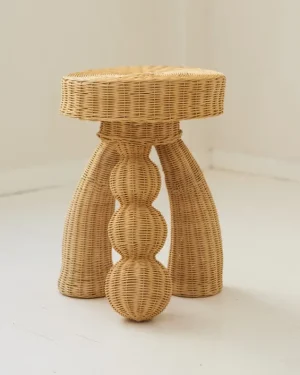 In stock
Pupa Side Table in Woven Rattan and Metal
By LØRDAG & SØNDAG
€845 -
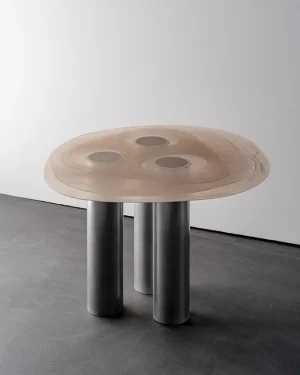
Flywater Side Table in Epoxy Resin
By Calen Knauf Studio
€2.838 -
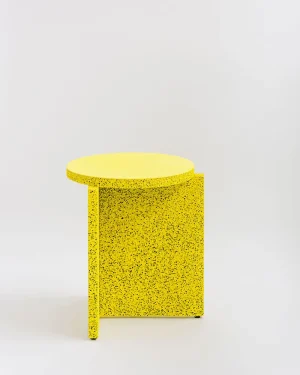
Sponge Side Table in Foamed Aluminum
By Calen Knauf Studio
€898 This product has multiple variants. The options may be chosen on the product page -
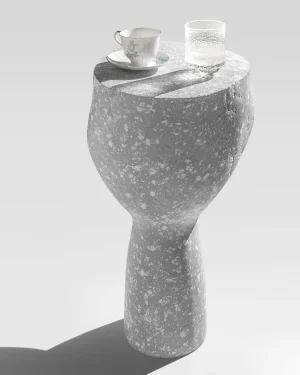
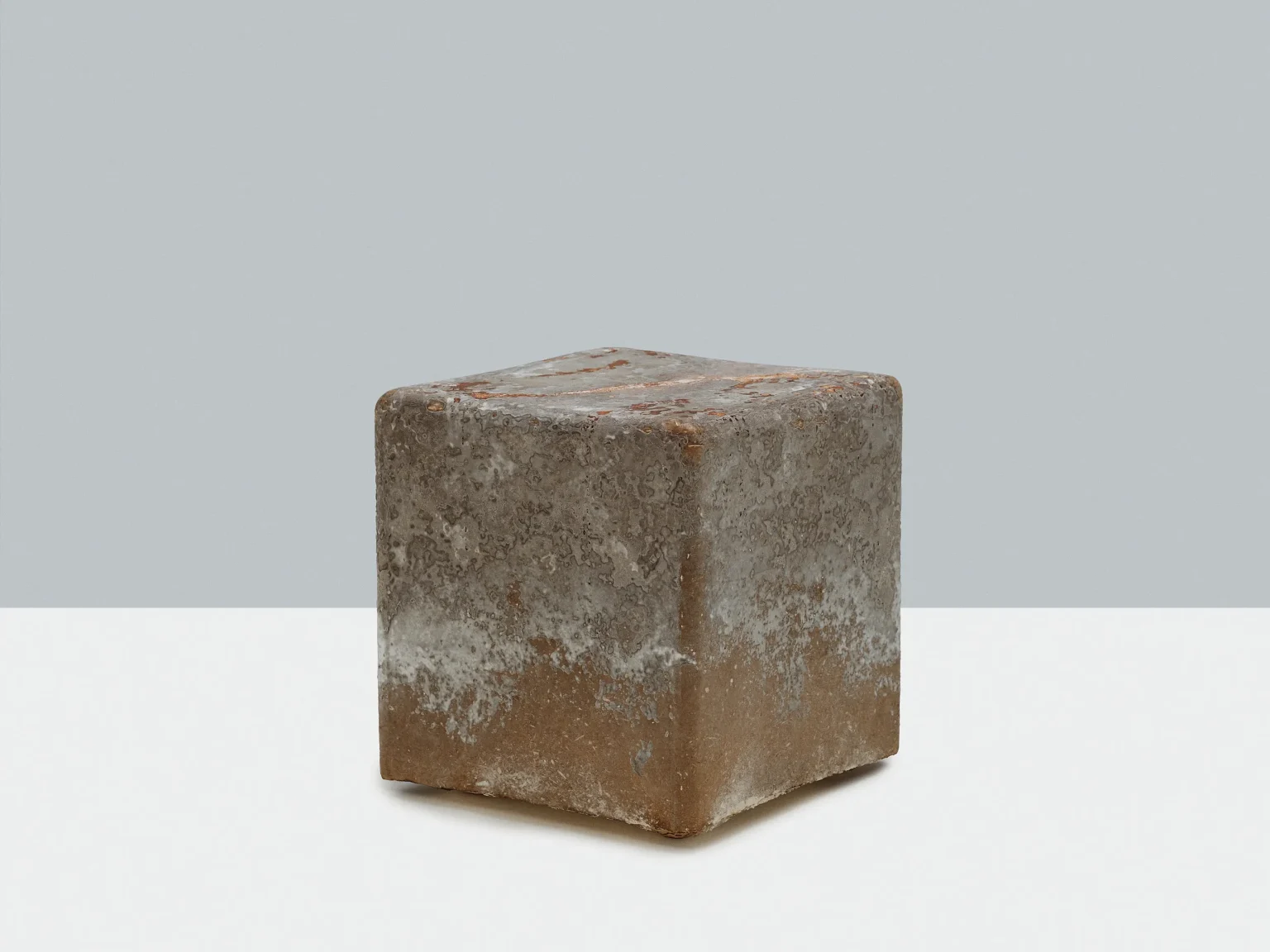
White Plinth Side Table in Paper Pulp and Cement
By Donatas Žukauskas
€1.050 -
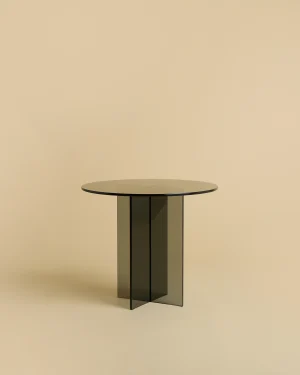
Amami Side Table in Smoked Glass
By Lebanto
€935 -

Imaginary Object – Steel Stool
By Joana Teixeira
€1.600 -
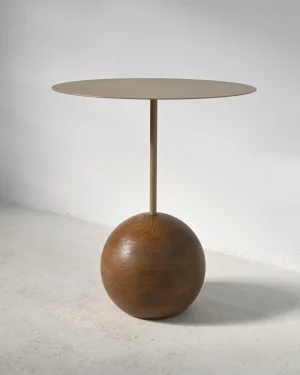
An Su Side Table in Steel and Ash Wood
By SALAK Studio
€690 -
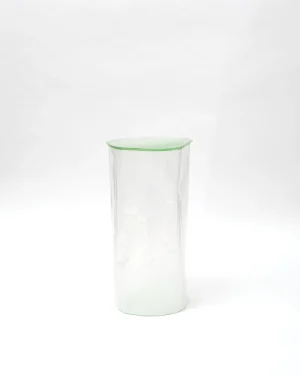
Trace Side Table in Epoxy Resin and Vellum
By Calen Knauf Studio
€340 - €380 This product has multiple variants. The options may be chosen on the product page -

Windows of Bo Bardi Side Table in Tulip Wood
By Linde Freya Tangelder
€1.300 - €1.600 This product has multiple variants. The options may be chosen on the product page -

The Altar Side Table in Steel
By COSEINCORSO
€910 -
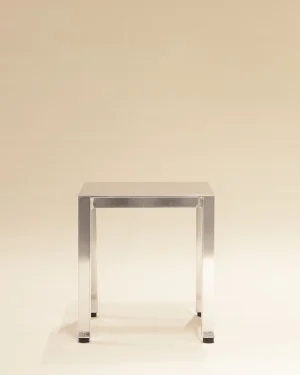
Canto Side Table in Aluminum
By Luiz Solano
€650 -

Mono Side Table in Travertine and Metal
By Yet Design Studio
€1.200 - €1.380 This product has multiple variants. The options may be chosen on the product page -
 In stock
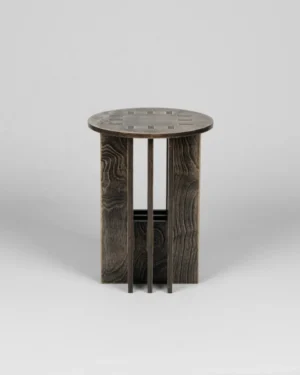
Plus01 Medium Side Table in Birch Wood
By 301 Design Studio
€800 This product has multiple variants. The options may be chosen on the product page -
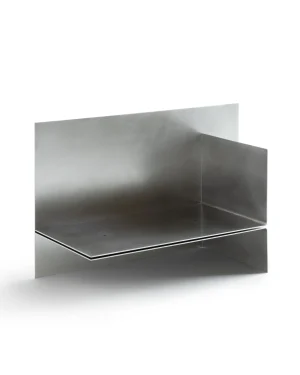
Polysemy Silver Side Table in Stainless Steel
By So Koizumi
€1.200 -

Cork X 01 Side Table in Cork and Aluminum
By Robert Megel
€599 -

Su Side Table in Steel and Ash Wood
By SALAK Studio
€590 -

Cherry Side Table in Steel and Wood
By SALAK Studio
€590 -
 In stock
Knot Low Stool / Side Table In Solid Ash Wood
By Luis Gimeno Design
€800 -

Broken Wing Stool
By Obscure Objects
€290 -
 In stock
Knot – Stool / Side Table – Solid Ash Wood
By Luis Gimeno Design
€800 -
 In stock
Knot – Stool / Side Table – Solid Ash Wood
By Luis Gimeno Design
€890 -

Monolit Alpi Side Table in Oak Veneer and MDF
By Arbore x Cezar Moldovan
€2.188 -
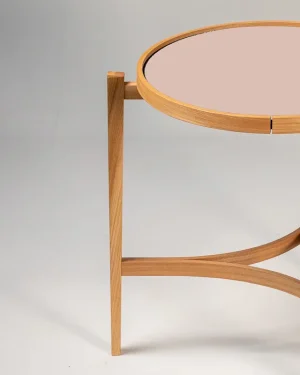
Geodetic Side Table in Oak Wood
By studiolehn
€660 -

S001-10.2 Aluminum Stool
By NAVE
€500 -
 In stock
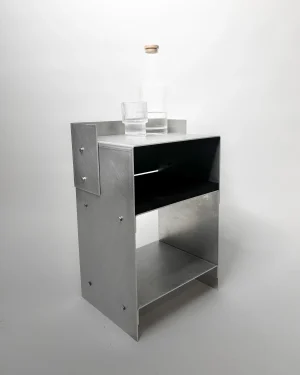
Matted Aluminium Side Table in Aluminum and Blackwood
By case studios
€530 -
 In stock
Flora Side Table in Carbon Steel
By studiomakuko.com
€600 -
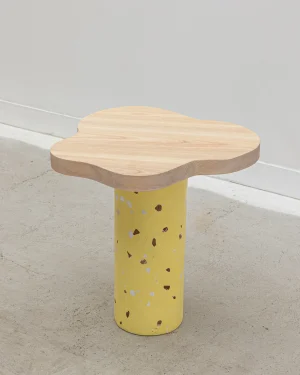 In stock
Esposcada 01 Side Table in Terrazzo and Ash Wood
By Pierre Klein
€1.600 -
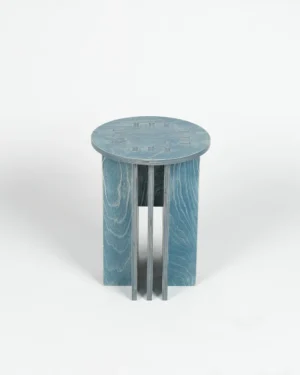 In stock
Plus01 Small Side Table in Birch Wood
By 301 Design Studio
€700 This product has multiple variants. The options may be chosen on the product page -
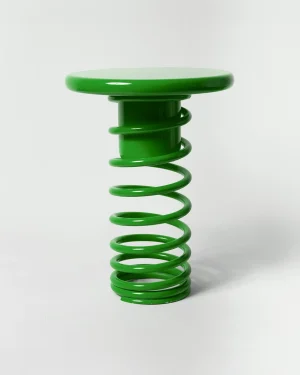
Twist Stool
By Yet Design Studio
€1.200 This product has multiple variants. The options may be chosen on the product page -

Finepianta 04 Side Table in Stainless Steel and Walnut
By FINEPIANTA
€2.877 -

Arcus Side Table in Teak Wood
By Studio Indigene
€950 -
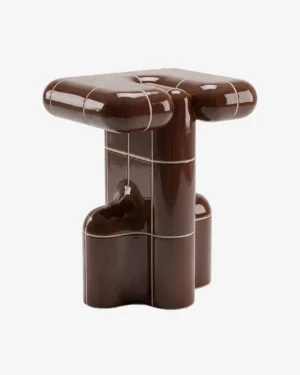
U-001 Cacao Side Table in 3D-Printed PLA
By Rollo Studio
€1.620 -
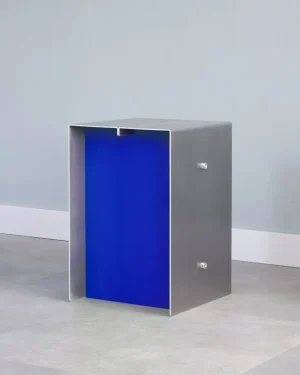
Core Aluminum Side Table / Stool
By Lisanne Meester
€399 This product has multiple variants. The options may be chosen on the product page -

Mora Side Table in Tzalam, Maple, Oak and Walnut
By Daniel Couttolenc
€2.300 - €4.700 This product has multiple variants. The options may be chosen on the product page -

012 Side Table in Aluminum
By OFAA
€1.350 -
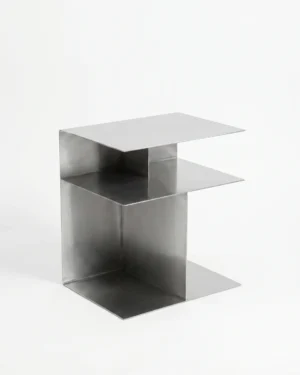
009 Side Table in Stainless Steel
By OFAA
€1.500 -

Foldtable Side Table in Aluminum
By FlatFlat
€172 -
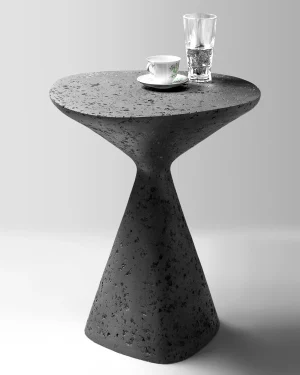
Black Mottled Side Table in Paper Pulp and Cement
By Donatas Žukauskas
€1.100 -

Matera Side Table in Verde Lepanto Marble
By MERCOEUR EDITION
€1.813 -

Dunes Side Table in Polished Aluminum and Carved Wood
By Malvin Gaborit
€8.829 -
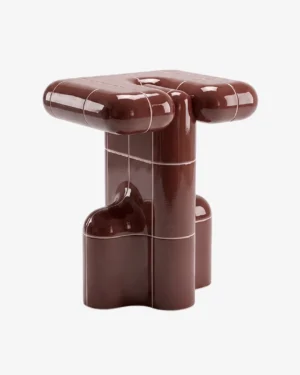
U-001 Garnet Side Table in 3D-Printed PLA
By Rollo Studio
€1.620 -
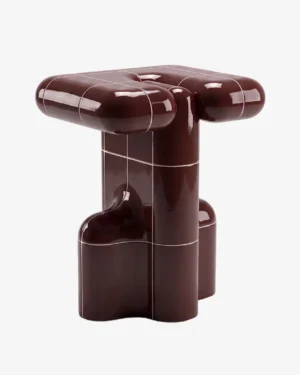
U-001 Oxide Side Table in 3D-Printed PLA
By Rollo Studio
€1.620 -

Column No.1 – Low Stool
By Haritini Gritzali
€1.700 -
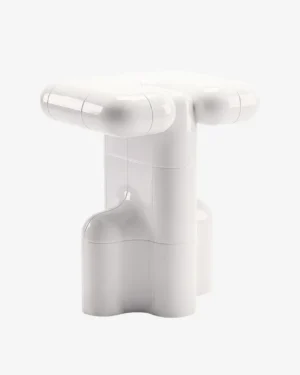
U-001 Chalk Side Table in 3D-Printed PLA
By Rollo Studio
€1.620 -
 In stock
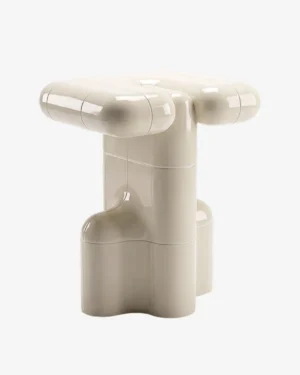
U-001 Cream Side Table in 3D-Printed PLA
By Rollo Studio
€1.620 -

Coraza Side Table in Volcanic Stone and Stainless Steel
By Studio Mohs
€2.250 -
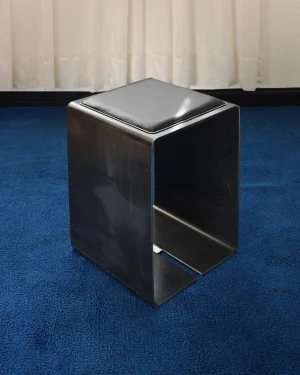
S001-10 Raw Steel Stool
By NAVE
€450 -
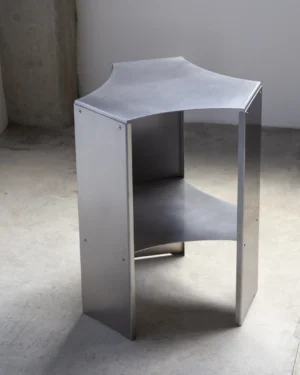
Vortice 50 Side Table in Stainless Steel
By T44 design studio
€730 -

Origo Low Stool
By ASUL-STUDIO
€1.250 -
 In stock
Bruna Low Stool
By Heaps & Woods
€1.344 -
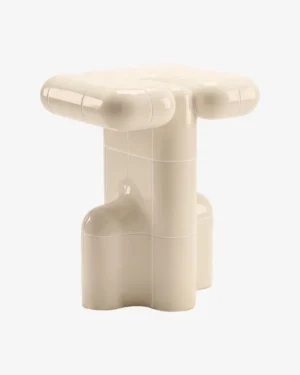
U-001 Ivory Side Table in 3D-Printed PLA
By Rollo Studio
€1.620 -
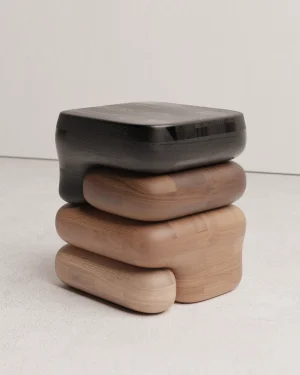
Gradient 01 Side Table in Beech, Ash, Chestnut and Oak Wood
By Luis Gimeno Design
€7.000 -
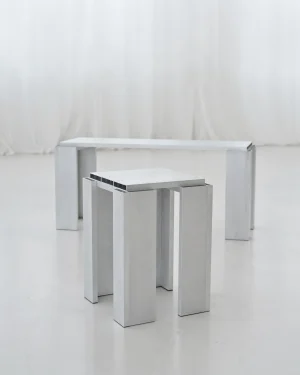
Al01 Aluminum Stool
By NOSTUDIO
€750 -

Doros Side Table in Carbon Steel and Stainless Steel
By Toro Manifesto
€2.450
Minimalist side tables strip the form down to what holds weight and what catches light: a single material, a clean line, a joint or weld left visible rather than hidden under ornament. Studios working this way favor aluminum, stainless steel, oak, resin and cast metal, shaped by metalwork, woodturning, stone carving or resin casting rather than applied decoration. The result is a table that reads as one gesture, not an assembly of parts.
What defines a minimalist side table
A minimalist table earns its presence through proportion rather than detail. Edges run straight or curve in a single arc, surfaces stay flat or gently waisted, and legs or bases carry their own structural logic instead of ornament. Color tends toward restraint too: gray, black, beige, ivory, off-white and dark gray recur because they let material and form speak without competing for attention. Occasionally a studio works in red or a beige-and-brown combination, used as the one accent in an otherwise quiet room.
Materials, finishes and the ways they are made
Metal dominates here. Aluminum and stainless steel get welded, bent or cast into tables that stay cool to the touch and hold their line for decades; a powder coat or brushed finish protects the surface and keeps fingerprints and scratches from showing. Oak appears less often but ages well, taking on a deeper tone with light and handling, and is worked through wood and cabinetmaking or woodturning into pieces that soften a room full of metal and glass. Epoxy and resin, set through resin casting, bring color and translucency that metal and wood cannot, often poured over a core material to fix pattern inside a hard, clear shell. MDF, finished flat or lacquered, offers a lighter route to the same geometry.
Some of these pieces come from open editions, made to a standing design whenever ordered; others are unique pieces or limited editions, where casting, carving or biofabrication produces variation from one table to the next. None of that changes the discipline of the form, only how many hands shape each one.
How to choose a minimalist side table
Choosing minimalist side tables starts with height: a table set beside a sofa should sit close to the arm height, while a bedside table usually sits level with or just below the mattress. Scale matters as much as finish once height is settled; a table too small gets lost beside a large sofa, while one too large crowds a narrow bedroom.
- Match the base width to the surface it will carry, lamps and stacked books need a stable footprint
- Choose a finish that can take daily contact, matte metal and sealed wood resist marks better than raw surfaces
- Let the table contrast gently with its neighbors, a steel base beside an oak floor, or a pale resin top beside dark upholstery
Where these tables work
Minimalist side tables suit rooms that already carry some visual weight and need a quiet counterpoint: a living room side table set beside a sofa, a pair flanking a bed, or a single piece in an entryway for keys and mail, as covered among entryway side tables. Because the form stays restrained, these tables also work well in rooms built around pattern or color, where a louder table would compete rather than support.
Caring for metal, wood and resin surfaces
Aluminum and stainless steel need only a dry or slightly damp cloth; avoid abrasive pads, which dull a brushed finish. Oak benefits from an occasional wipe with a dry cloth and a yearly feed of oil if left unlacquered, keeping humidity moderate to limit warping. Resin and epoxy surfaces resist stains but scratch more easily than metal, so coasters and trivets are worth keeping on hand.
For the full range of forms and materials beyond this style, see all side tables, or look across every minimalist piece on ADORNO, including metal side tables and wooden side tables for material-led alternatives.
What should I look for when choosing a minimalist side table?
Match the table's height to the seat or mattress beside it, and choose a form with clean lines and little ornament. One material, kept consistent with nearby pieces, keeps the look resolved.
What materials are minimalist side tables usually made from?
Aluminum, stainless steel, oak, MDF, and cast resin are common, chosen for flat surfaces and unbroken lines rather than ornament. Each material carries its own weight, finish, and way of aging.
How do I care for a metal or wood side table?
Wipe metal and resin tables with a dry or lightly damp cloth, away from direct heat. Oak and other woods benefit from occasional oiling and should stay clear of standing water and strong sun.
What is the standard height for a side table?
Most side tables stand between 20 and 28 inches, close to the height of a sofa arm or just below a mattress top, so a drink or book stays within easy reach.
Which rooms suit a minimalist side table?
They work beside a sofa, a reading chair, or a bed, anywhere a lamp, a book, or a glass needs a flat, steady surface without crowding the space.
What should I know about buying a side table from ADORNO?
Shipping is insured and worldwide, returns are accepted within 14 days except on made-to-order pieces, and each table ships with a certificate of authenticity, backed by ADORNO's lowest-price guarantee.