-
 In stock
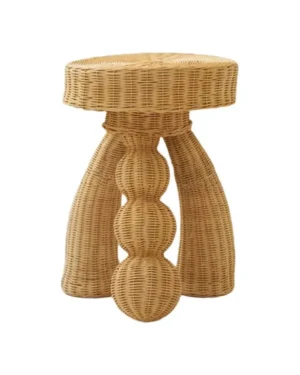
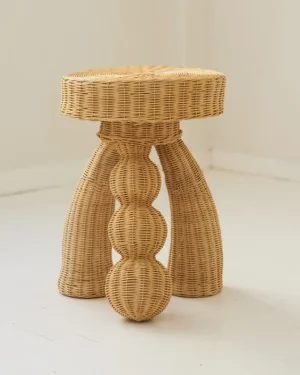
Pupa Side Table in Woven Rattan and Metal
By LØRDAG & SØNDAG
€845 -

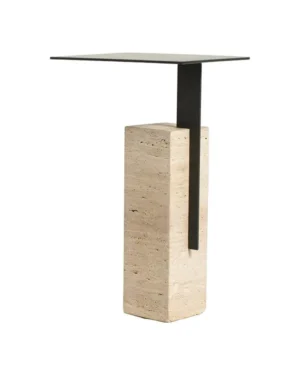
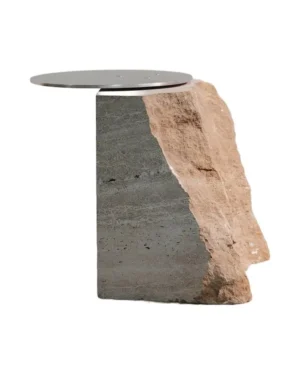
Mono Side Table in Travertine and Metal
By Yet Design Studio
€1.200 - €1.380 This product has multiple variants. The options may be chosen on the product page -
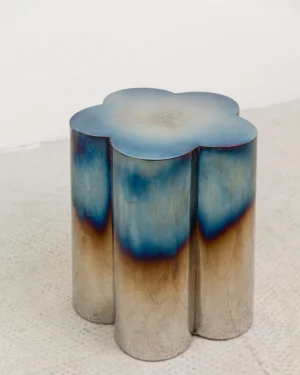
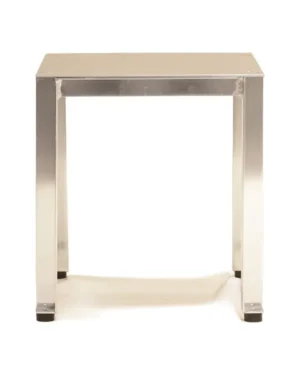
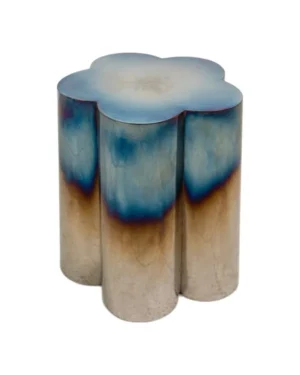
Barvinok Side Table in Heat-Treated Stainless Steel
By FURN OBJECT
€2.700 -
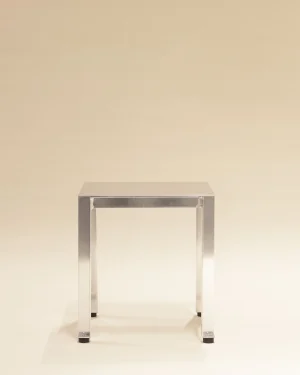
Canto Side Table in Aluminum
By Luiz Solano
€650 -
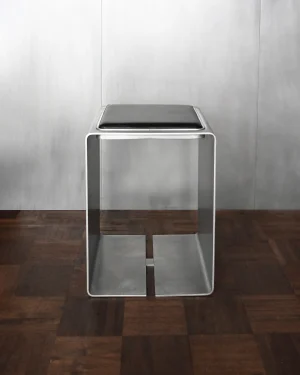
S001-10.2 Aluminum Stool
By NAVE
€500 -

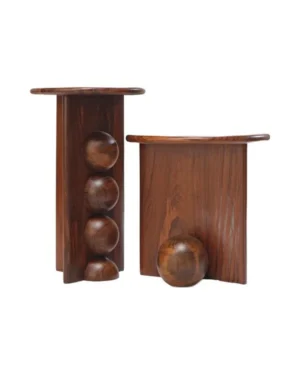
Windows of Bo Bardi Side Table in Tulip Wood
By Linde Freya Tangelder
€1.300 - €1.600 This product has multiple variants. The options may be chosen on the product page -

Aster Side Table In Parota Wood
By Daniel Couttolenc
€1.975 -
 In stock
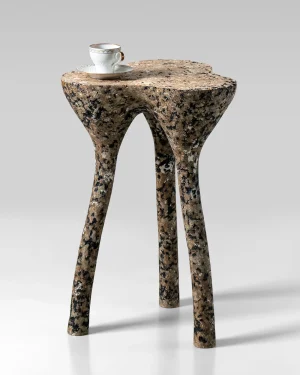
Beige Tripod Low Side Table In Paper Pulp And Cement
By Donatas Žukauskas
€1.150 -
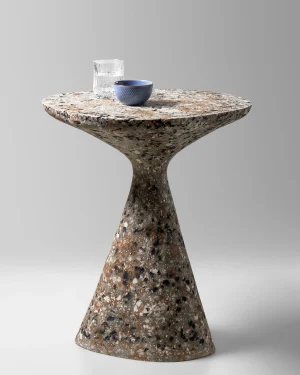
Beige Mottled Side Table In Paper Pulp And Cement
By Donatas Žukauskas
€1.100 -
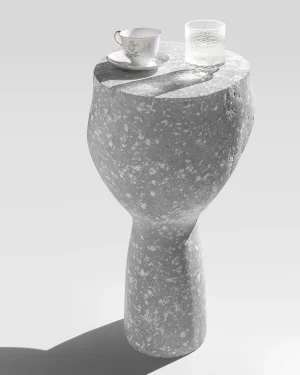
White Plinth Side Table in Paper Pulp and Cement
By Donatas Žukauskas
€1.050 -
 In stock
Volcán Side Table in Volcanic Stone
By LØRDAG & SØNDAG
€1.841 -
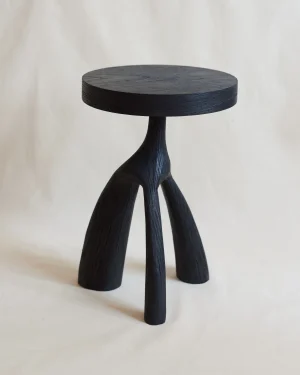 In stock
Tecolli Side Table In Burnt Oak Wood
By LØRDAG & SØNDAG
€940 -
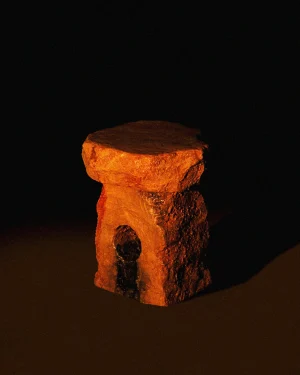 In stock
La Cauna – Escabèl 01 Stool
By Pierre Klein
€900 -
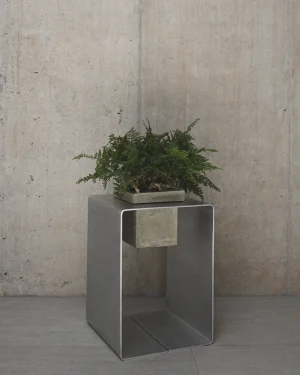
ST001-02 Side Table in Stainless Steel and Concrete
By NAVE
€990 -
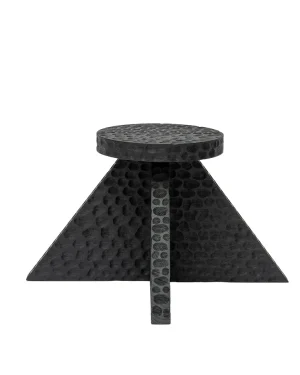
Object112 Side Table in Carved Oak Wood
By NG DESIGN
€588 -
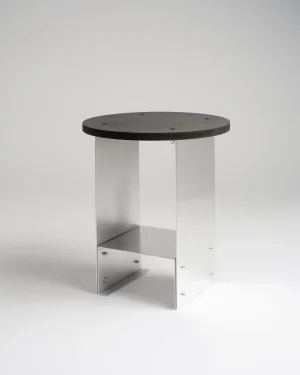
Broken Wing Stool
By Obscure Objects
€290 -
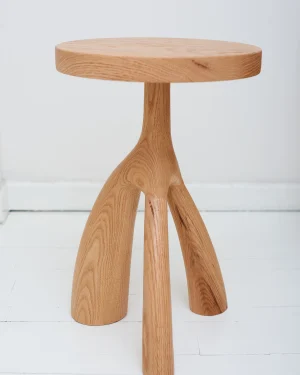
Tecolli Side Table in Natural Oak Wood
By LØRDAG & SØNDAG
€940 -
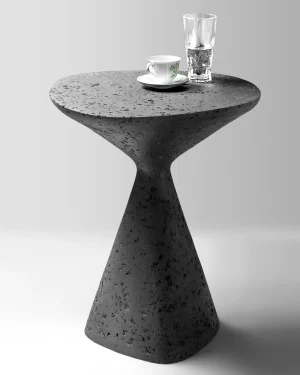
Black Mottled Side Table In Paper Pulp And Cement
By Donatas Žukauskas
€1.100 -
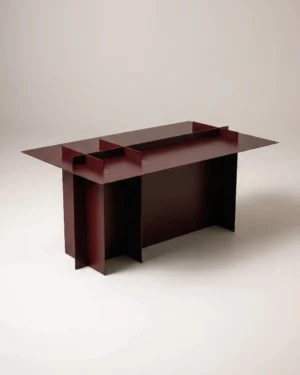 In stock
Low Grid Side Table in Powder-Coated Steel
By Dot Objects
€579 - €703 This product has multiple variants. The options may be chosen on the product page -
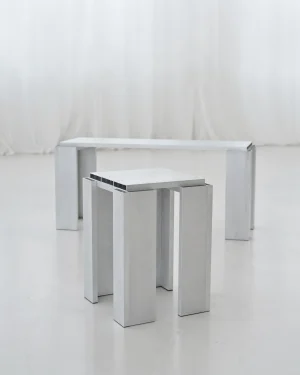
Al01 Aluminum Stool
By NOSTUDIO
€750 -
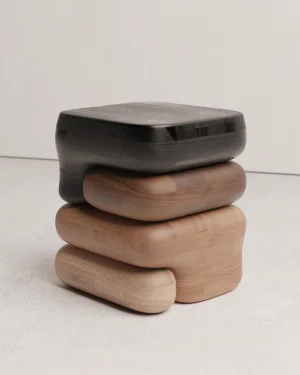
Gradient 01 Side Table in Beech, Ash, Chestnut and Oak Wood
By Luis Gimeno Design
€7.000 -
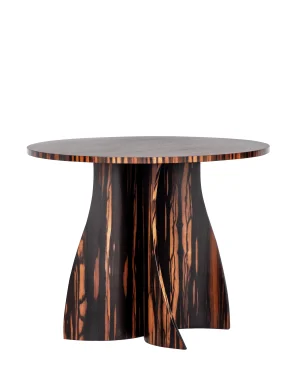 In stock
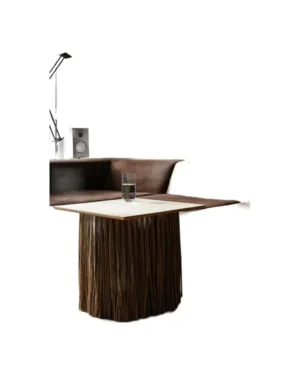
Andino Side Table in Macassar Ebony
By Costantini Design
€2.957 - €3.303 This product has multiple variants. The options may be chosen on the product page -
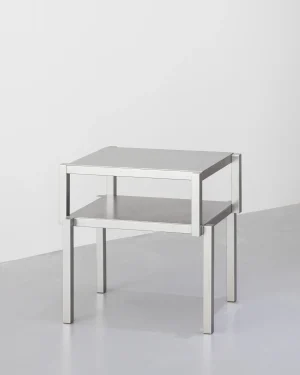
Stackable Stool 1 Side Table in Stainless Steel
By PRACTICE
€644 -

Cult Stool – Sculptural Side Table In Black Laquer
By Panorammma Atelier
€1.200 -
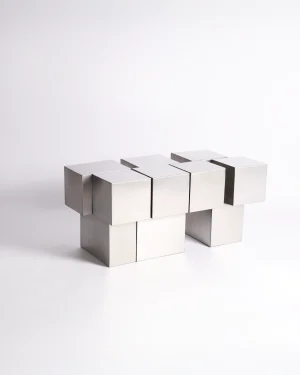
Nexus 67 – Stainless Steel Bench
By Drusch Design
€5.000 -

Windows of Bo Bardi – Butter
By Linde Freya Tangelder
€1.300 -
 In stock
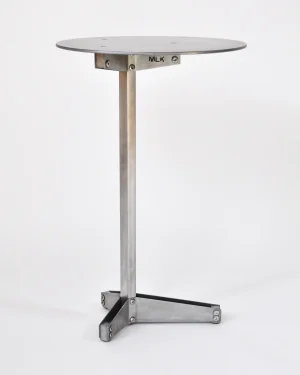
HEX400 Side Table in Aluminum
By MLK Furniture
€1.890 -
 In stock
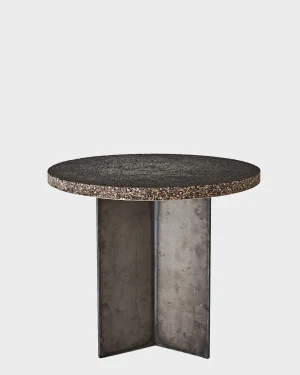
Temporal Tarmac Side Table in Asphalt and Iron
By Lucas Muñoz Muñoz
€20.000 -
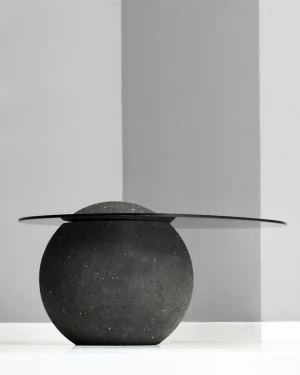
Cuitzeo Side Table in Cantera Stone and Smoked Glass
By Drusch Design
€2.500 -
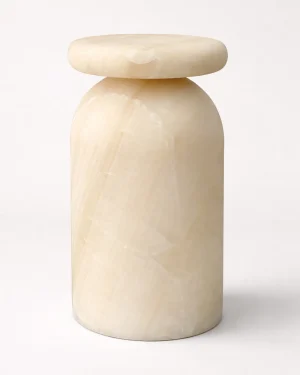
Cult Stool – Sculptural Side Table In White Onyx
By Panorammma Atelier
€2.500 -

Hark Side Table in Charred Pine Wood
By Sam Later
€3.607 -
 In stock
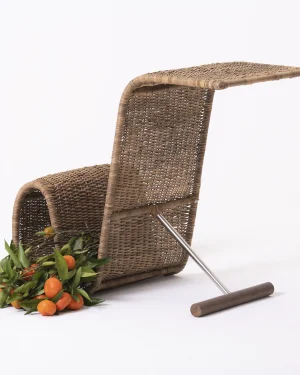
Alvorada Side Table in Rattan, Stainless Steel and Teak Wood
By Giácomo Tomazzi Studio
€1.150 -
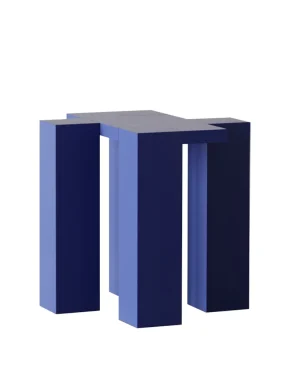
Leg Side Table in MDF
By hermhaus
€681 This product has multiple variants. The options may be chosen on the product page -
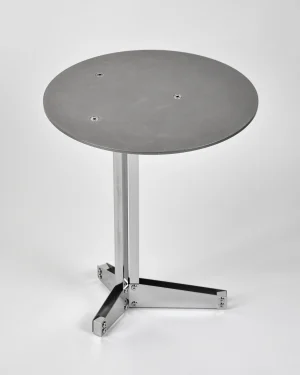
3SQ400 Side Table in Matte and Mirror Stainless Steel
By MLK Furniture
€2.190 -

Black Tripod High Side Table In Paper Pulp And Cement
By Donatas Žukauskas
€1.150 -
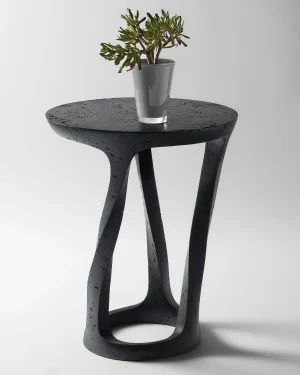
Black Bent Side Table in Paper Pulp and Cement
By Donatas Žukauskas
€2.450 -
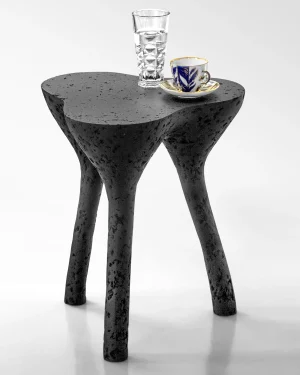
Black Tripod Low Side Table in Paper Pulp and Cement
By Donatas Žukauskas
€960 -

String 01 Side Table in Aluminum
By Robert Megel
€499 -

Taes Side Table in Oak and Walnut
By Mokko
€3.270 - €4.910 This product has multiple variants. The options may be chosen on the product page -
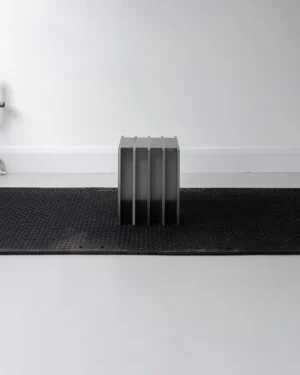
C Series 01 Side Table in Raw Steel
By Jaclyn Pappalardo
€3.784 -
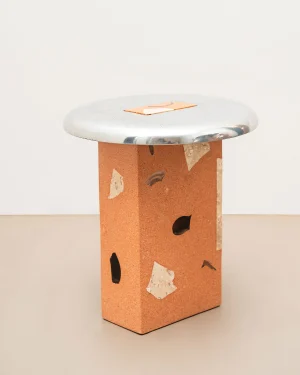
Nu Low Side Table in Terrazzo and Cast Aluminum
By Assimply Studio
€1.320 -
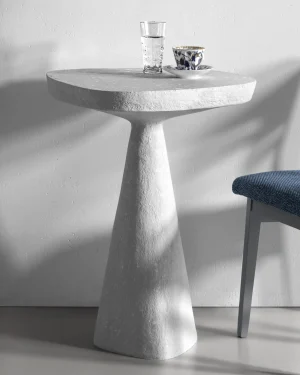
White Plinth High Side Table in Paper Pulp and Cement
By Donatas Žukauskas
€1.350 -
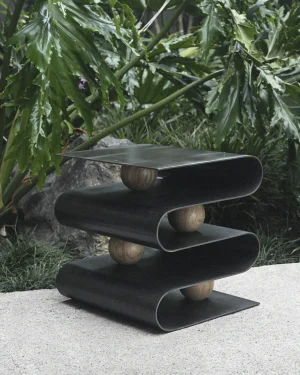 In stock
ST001-05 Side Table in Raw Steel and Bay Laurel Wood
By NAVE
€1.150 -
 In stock
HEX400 Side Table in Stainless Steel and White Acrylic
By MLK Furniture
€2.190 -
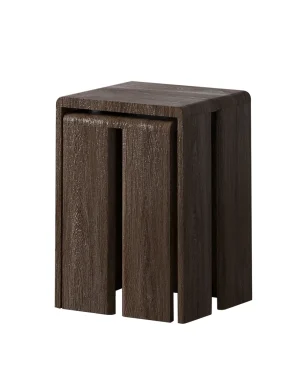
Plus Side Table in Solid Oak Wood
By hermhaus
€1.882 This product has multiple variants. The options may be chosen on the product page -

Black Still Column Side Table in Paper Pulp, Cement and Oak
By Donatas Žukauskas
€1.550 -

Revolve No. 05 Side Table in Scagliola and Natural Wax
By Flensted Mouritzen
€2.548 -
 In stock
Marbelicious – Guatemala Marble Bench
By Millim Studio
€2.500 -
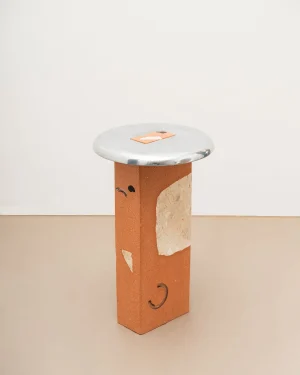
Nu Tall Side Table in Terrazzo and Cast Aluminum
By Assimply Studio
€1.650 -
 In stock
Francisco Side Table in Argentine Rosewood
By Costantini Design
€3.002 This product has multiple variants. The options may be chosen on the product page -
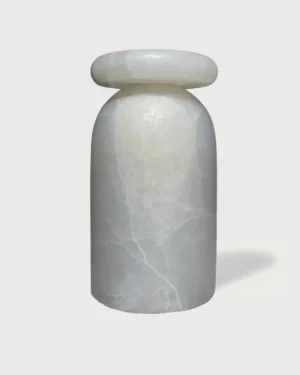
Cult Stool – Sculptural Side Table In Ice Onyx
By Panorammma Atelier
€2.500 -
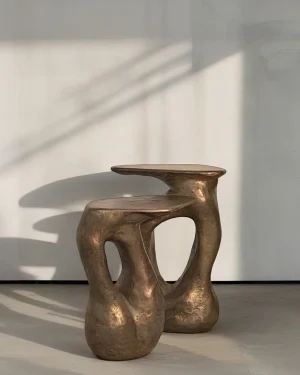
Aura Side Table in Steel and Rust Steel
By aeny studio
Price Upon Request -
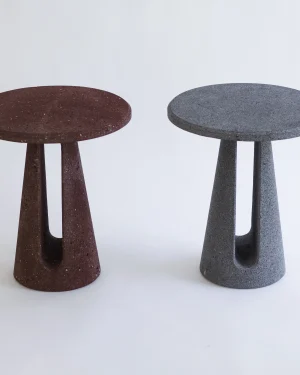
Striata Side Table in Volcanic Stone
By CMX | Furniture
€2.200 This product has multiple variants. The options may be chosen on the product page -
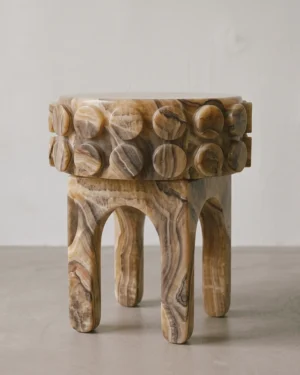
Ludovica – Stool / Side Table
By Studio Ayres
€2.840 - €3.083 This product has multiple variants. The options may be chosen on the product page
Brutalist side tables bring the weight and candor of raw material into a small, functional form. Studios working in concrete casting, stone carving and heavy metalwork favor this style, letting poured concrete, chiseled stone or welded steel keep their unfinished surfaces rather than smoothing them away. The result is a table that reads as mass first, furniture second.
What Makes a Side Table Brutalist
The brutalist style favors honesty of material over decoration. Concrete is left with its formwork marks, stone keeps its natural fracture lines, and steel or aluminum show weld seams and tool marks rather than a polished finish. Where other side tables lighten a room, these pieces anchor it, built from forms that look poured, cut or forged rather than assembled.
Color stays close to the source material: gray and dark gray concrete, black or raw steel, and the beige, brown and ivory tones found in travertine and other stone. Little is added beyond what the casting, carving or welding process leaves behind.
Materials and Ways of Making Found Here
Across brutalist furniture generally, and in side tables specifically, a handful of materials and techniques recur. Each gives the finished table a different weight, texture and way of aging.
- Concrete, poured and cast into blocky, geometric volumes that read as solid and permanent.
- Stone, including travertine, carved or cut so its pitting and veining stay visible.
- Stainless steel and aluminum, welded or sculpted into angular bases with a raw or blackened finish.
- Oak wood and other woods, worked through cabinetmaking or wood carving to sit alongside harder materials.
Some of these tables come from open editions made to a standing design, others from limited editions or as unique pieces where casting or carving means no two surfaces finish exactly alike. Where a piece is a one-off, the material itself, not polish, carries that distinction.
How to Choose a Brutalist Side Table
Scale matters more with brutalist pieces than with lighter side tables, since concrete and stone read as volume even at a small footprint. Measure the space beside a sofa arm or bed carefully, as a dense, geometric block can dominate a narrow gap in a way a slender wood or metal table would not.
Height should still follow the usual rule for side tables, sitting level with or just below the arm of the seating it serves. Beyond that, choose finish for contrast: a raw concrete or stone top against upholstered seating, or a blackened steel base beside pale oak flooring, so the table reads as a deliberate counterpoint rather than an afterthought.
Where These Tables Work
Brutalist side tables suit rooms built around contrast of texture: a living room with soft upholstery and a wool rug, a bedroom with linen bedding, or an entryway where a single solid form holds keys and a lamp. They pair well with sculptural lighting and ceramics, letting raw material sit against softer surfaces instead of matching them. For entry spaces specifically, see entryway side tables for scale guidance suited to narrower footprints.
Caring for Concrete, Stone and Metal Tables
Concrete and stone are porous and can stain, so wipe spills promptly and avoid prolonged contact with oil, wine or acidic liquids; a sealant reapplied periodically helps resist marking. Steel and aluminum bases need only a dry or lightly damp cloth, though raw steel left unsealed may develop surface oxidation over time, which some owners choose to let happen as part of the material's character.
For a broader range of finishes and woods within the same category, see all side tables, or narrow by material through metal side tables and wooden side tables. Those drawn to the same raw, unfinished language in a larger table can also look at brutalist tables across dining and occasional sizes.
What makes a side table brutalist?
Brutalist side tables favor raw, weighty materials such as concrete, stone, and heavy metals, left with visible texture rather than polish. Forms tend toward geometric blocks and solid masses over slender legs.
How do I choose a brutalist side table?
Match the material's weight and tone to the room: concrete and stone read as grounded and permanent, while cast or welded metal feels harder and more angular. Consider whether the base needs to support a lamp or books.
How do you care for concrete, stone, or metal side tables?
Concrete and stone should be sealed periodically and wiped with a damp cloth, as raw surfaces can stain from liquids or oils. Metals need dry dusting and, if unsealed, occasional wax to prevent fingerprints or oxidation.
What size and height should a side table be?
Most side tables sit between 20 and 26 inches tall, close to the arm height of a sofa or the mattress line of a bed. Brutalist pieces often run heavier and more solid at the base, so leave clearance for the extra mass.
Which rooms suit a brutalist side table?
Their weight and raw material reads well in living rooms beside sofas, in bedrooms as nightstands, or in entryways where a solid form anchors the space. They pair well against softer textiles like linen or wool rugs.
What are ADORNO's shipping, returns, and authenticity policies?
Shipping is insured and worldwide. Returns are accepted within 14 days, except on made-to-order pieces, and every piece arrives with a certificate of authenticity backed by a lowest-price guarantee.