






-
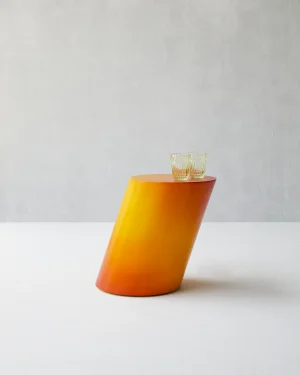
Sunrise End Table
By Objectry
€363 -

Nemo and Dory Side Table in Reclaimed Teak Wood
By Studio Indigene
€1.600 -
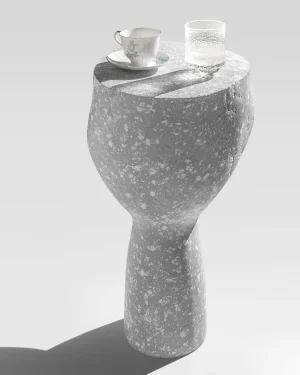
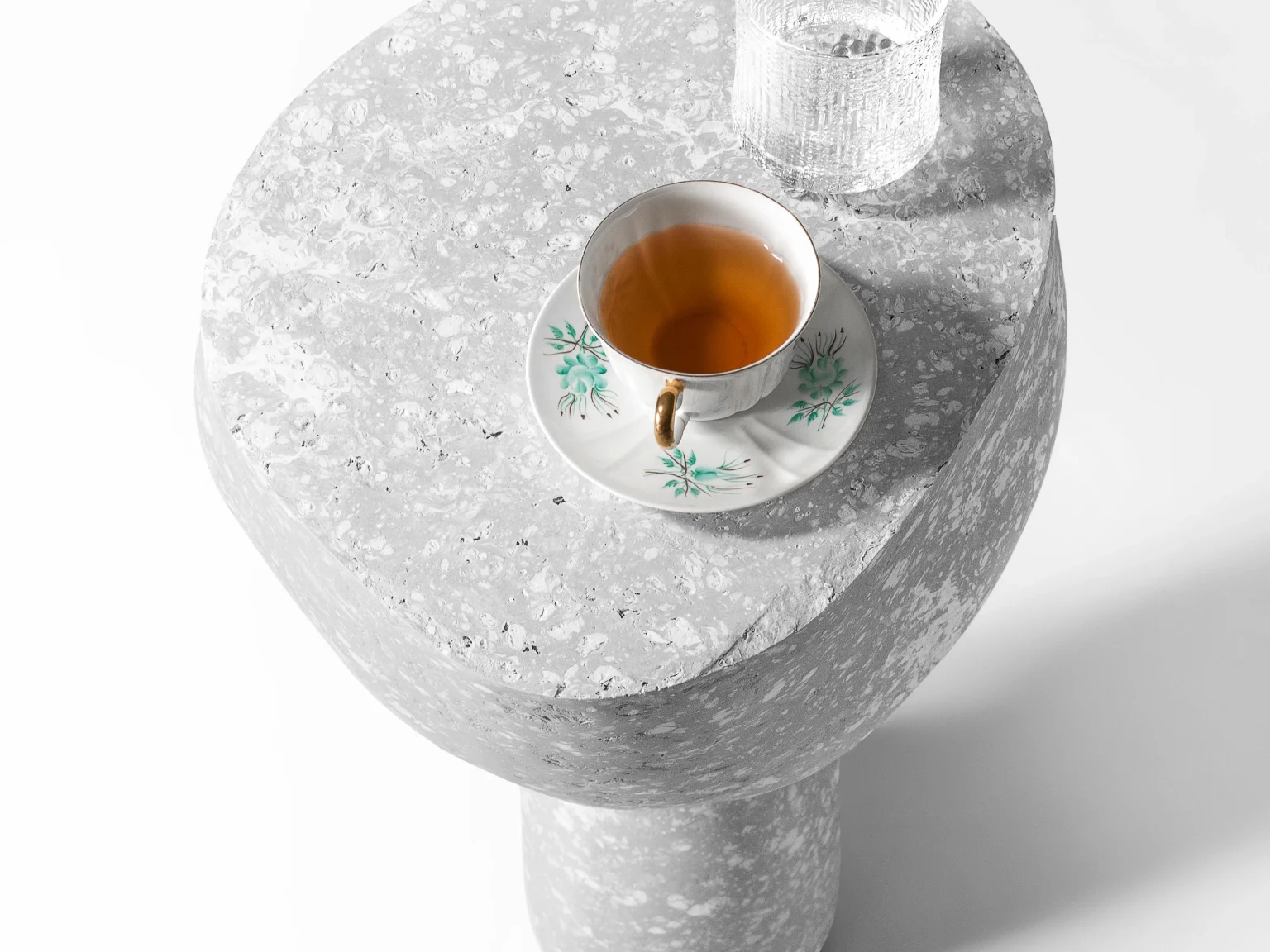
White Plinth Side Table in Paper Pulp and Cement
By Donatas Žukauskas
€1.050 -
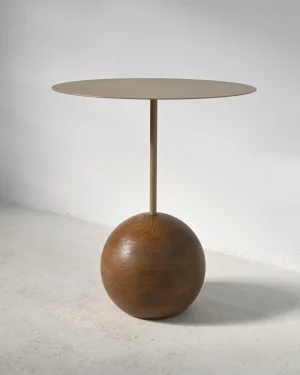
An Su Side Table in Steel and Ash Wood
By SALAK Studio
€690 -
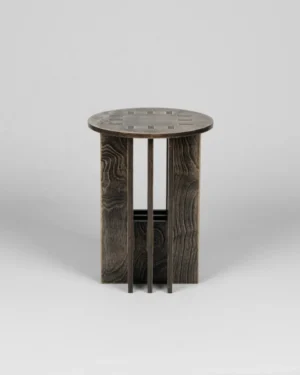 In stock
Plus01 Medium Side Table in Birch Wood
By 301 Design Studio
€800 This product has multiple variants. The options may be chosen on the product page -
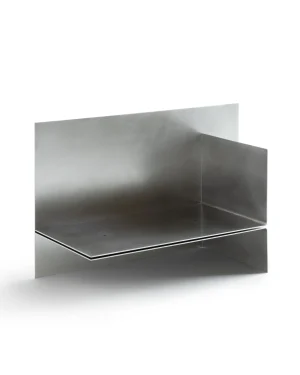
Polysemy Silver Side Table in Stainless Steel
By So Koizumi
€1.200 -
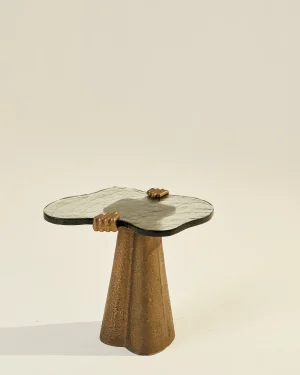
Paws Side Table in Cast Aluminum and Cast Glass
By LMNOH
€1.950 -
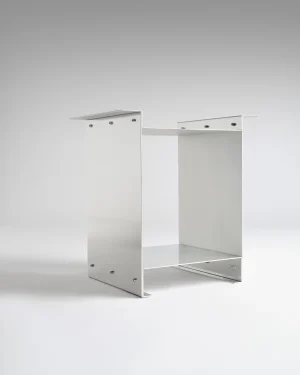
Wing Side Table in Polished Aluminum
By Obscure Objects
€340 -

Su Side Table in Steel and Ash Wood
By SALAK Studio
€590 -
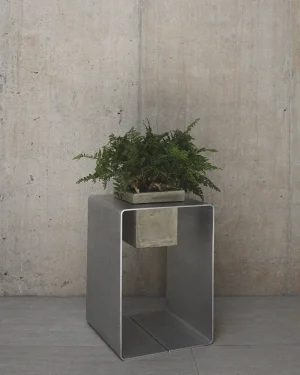
ST001-02 Side Table in Stainless Steel and Concrete
By NAVE
€990 -

Cherry Side Table in Steel and Wood
By SALAK Studio
€590 -
 In stock
Knot Low Stool / Side Table In Solid Ash Wood
By Luis Gimeno Design
€800 -
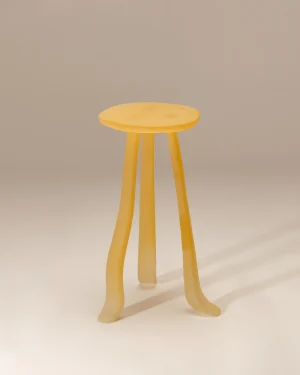
Lung 1.0 Honey Matte Side Table in Resin
By Szymon Keller
€2.200 - €2.400 This product has multiple variants. The options may be chosen on the product page -

Broken Wing Stool
By Obscure Objects
€290 -
 In stock
Knot – Stool / Side Table – Solid Ash Wood
By Luis Gimeno Design
€800 -
 In stock
Knot – Stool / Side Table – Solid Ash Wood
By Luis Gimeno Design
€890 -

The Mingo Side Table in White Oak
By CHANDLER MCLELLAN
€2.170 -
 In stock
Flora Side Table in Carbon Steel
By studiomakuko.com
€600 -
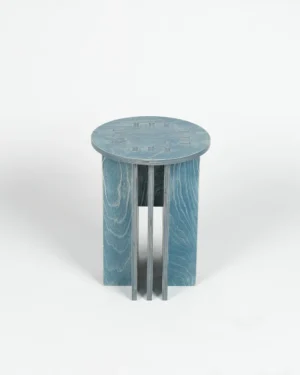 In stock
Plus01 Small Side Table in Birch Wood
By 301 Design Studio
€700 This product has multiple variants. The options may be chosen on the product page -

Arcus Side Table in Teak Wood
By Studio Indigene
€950 -
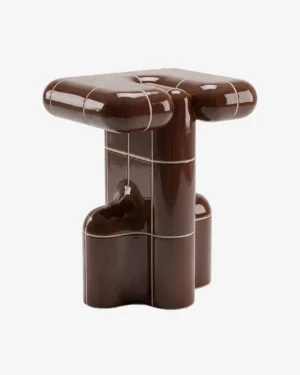
U-001 Cacao Side Table in 3D-Printed PLA
By Rollo Studio
€1.620 -

Mora Side Table in Tzalam, Maple, Oak and Walnut
By Daniel Couttolenc
€2.300 - €4.700 This product has multiple variants. The options may be chosen on the product page -

012 Side Table in Aluminum
By OFAA
€1.350 -
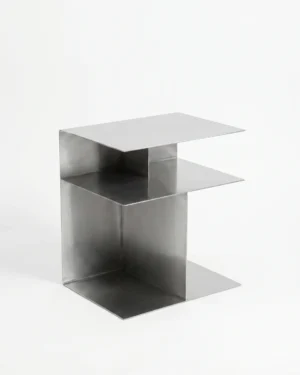
009 Side Table in Stainless Steel
By OFAA
€1.500 -

Foldtable Side Table in Aluminum
By FlatFlat
€172 -
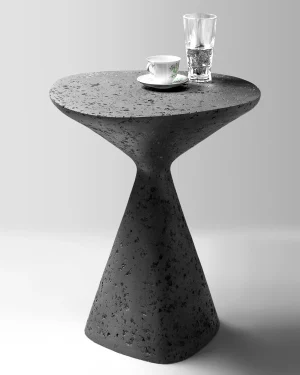
Black Mottled Side Table in Paper Pulp and Cement
By Donatas Žukauskas
€1.100 -

Matera Side Table in Verde Lepanto Marble
By MERCOEUR EDITION
€1.813 -
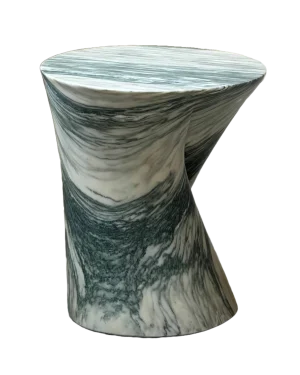 In stock
Departed Side Table in Cipollino Marble
By Studio TOOJ
€12.200 -
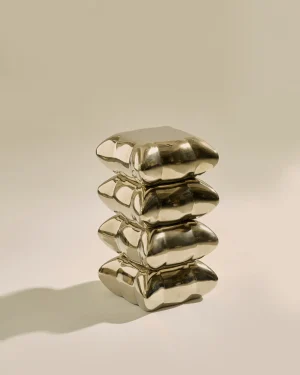
Pillow Side Table in Nickel-Plated Cast Aluminum
By LMNOH
€1.250 -

Dunes Side Table in Polished Aluminum and Carved Wood
By Malvin Gaborit
€8.829 -
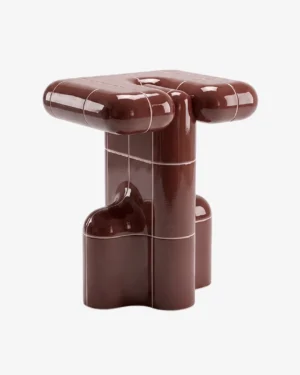
U-001 Garnet Side Table in 3D-Printed PLA
By Rollo Studio
€1.620 -
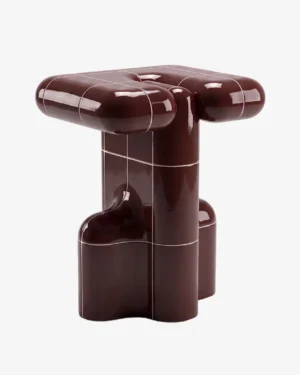
U-001 Oxide Side Table in 3D-Printed PLA
By Rollo Studio
€1.620 -
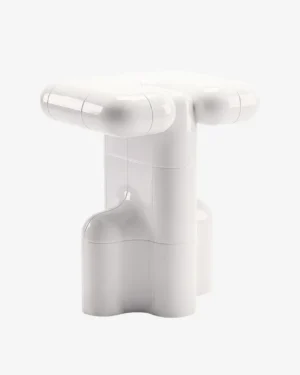
U-001 Chalk Side Table in 3D-Printed PLA
By Rollo Studio
€1.620 -
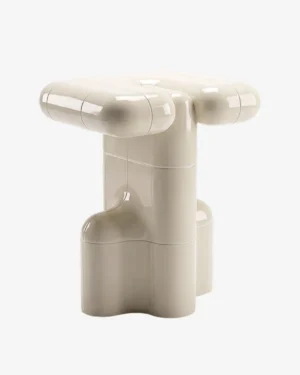 In stock
U-001 Cream Side Table in 3D-Printed PLA
By Rollo Studio
€1.620 -

Donut Side Table in Blown Glass and Tempered Glass
By Deya
€1.633 -

Coraza Side Table in Volcanic Stone and Stainless Steel
By Studio Mohs
€2.250 -
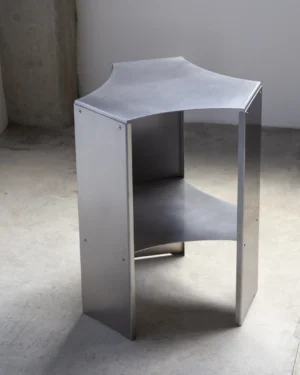
Vortice 50 Side Table in Stainless Steel
By T44 design studio
€730 -
 In stock
Bruna Low Stool
By Heaps & Woods
€1.344 -
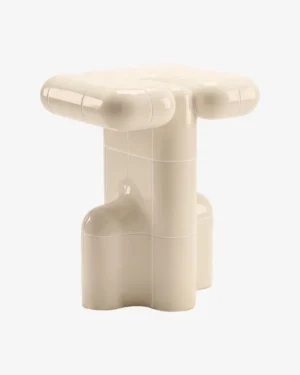
U-001 Ivory Side Table in 3D-Printed PLA
By Rollo Studio
€1.620 -
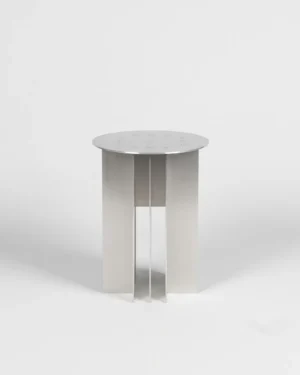 In stock
Plus01 Small Side Table in Aluminum
By 301 Design Studio
€900 -
 In stock
Plus01 Medium Side Table in Aluminum
By 301 Design Studio
€850 -
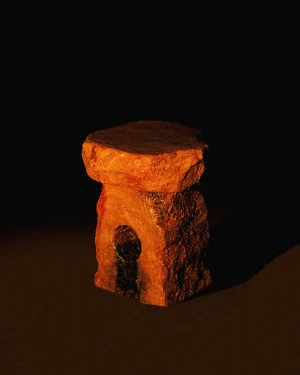 In stock
La Cauna – Escabèl 01 Stool
By Pierre Klein
€900 -
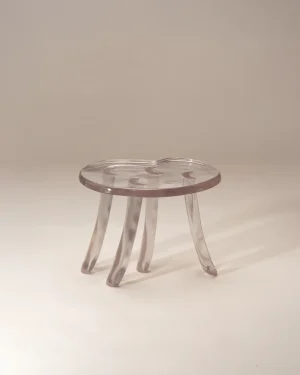
Lung 2.0 Side Table in Resin
By Szymon Keller
€3.180 -

Lung 2.0 Blue Side Table in Resin
By Szymon Keller
€3.180 This product has multiple variants. The options may be chosen on the product page -
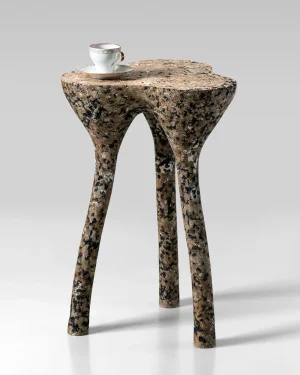
Beige Tripod Low Side Table in Paper Pulp and Cement
By Donatas Žukauskas
€1.100 -
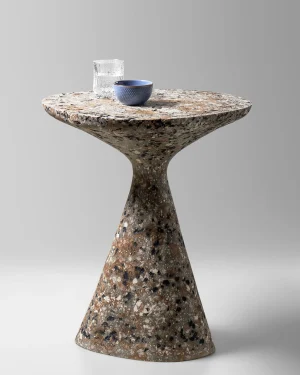
Beige Mottled Side Table in Paper Pulp and Cement
By Donatas Žukauskas
€1.100 -
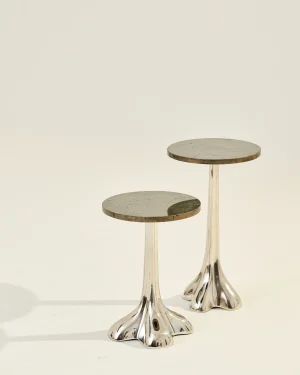 In stock
Theia Side Table in Golden Pyrite and Brass
By LMNOH
€2.100 -
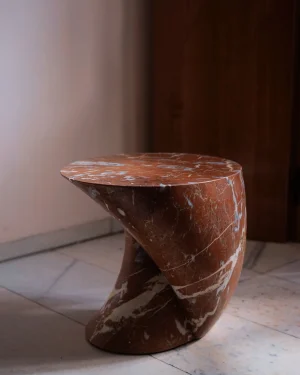 In stock
Departed Side Table in Rosso Francia Marble
By Studio TOOJ
€9.600 -
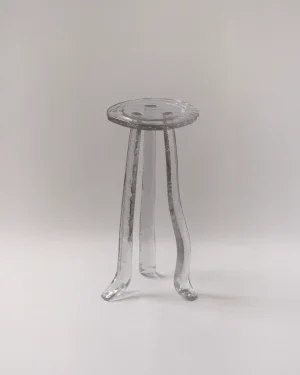
Lung 1.0 Side Table in Resin
By Szymon Keller
€2.000 - €2.400 This product has multiple variants. The options may be chosen on the product page -
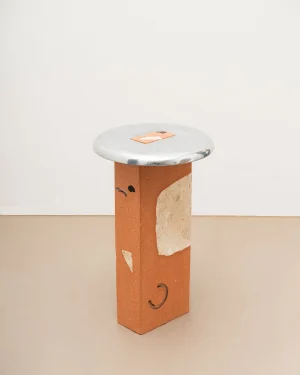
Nu Tall Side Table in Terrazzo and Cast Aluminum
By Assimply Studio
€1.650 -
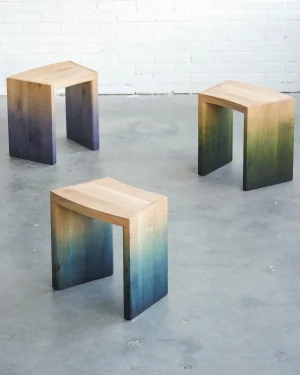 In stock
Dawn – Stool
By Studio Onno Adriaanse
€732 This product has multiple variants. The options may be chosen on the product page -

Umbral Side Table in Black Marble and Travertine
By Panorammma Atelier
€2.900 -
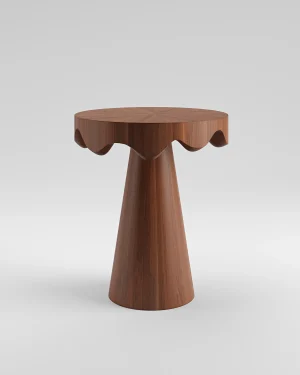
Dripotlé Side Table in Mahogany
By Studio TOOJ
€4.500 -
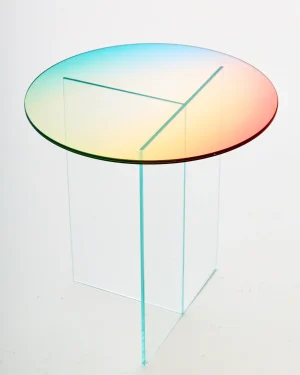 In stock
Cosmos Rainbow Gradient Side Table in Tempered Glass
By Studio Monsoleil
€1.100
Living room side tables are the small, fixed points around a sofa or an armchair, made in solid wood, cast metal, blown or cast glass, and poured resin by studios working across cabinetmaking, metalwork, and casting. They hold a lamp, a drink, a stack of books, and they do it at a height and scale set by the seating around them. What separates one from another is mostly the material and the hand that shaped it.
What these side tables are made of
Wood remains the most common choice, oak, walnut, and ash each bringing a different grain, weight, and color to a living room. Oak reads pale and straight-grained and takes an oil or wax finish well; walnut runs darker and denser, with a grain that can turn figured near the root; ash sits lighter still, often left raw or limed. Steel and cast aluminum appear as frames, bases, or full monocoque forms, usually welded or cast and then painted, waxed, or left to show the metal. Glass tops, cast or cut, sit on wood or metal bases and read as transparent or amber depending on the melt. Resin is poured and cured into solid or layered forms, sometimes clear, sometimes dyed to burgundy, sky blue, or a mix of colors in one piece.
Finishes, colors, and how pieces are made
Color in this group tends to follow material rather than trend: black and brown for waxed or painted wood and steel, beige and transparent for stone, glass, and raw resin, with burgundy, sky blue, and multicolor turning up mostly in cast resin and painted metal. Techniques split along the same lines, wood carving and woodturning for solid forms, cabinetmaking for joined and veneered ones, metal casting and metalwork for bases and sculptural supports, glass casting and resin casting for poured and layered tops, and stone carving where a maker works a side table from a single block. Styles run from mid-century modern and minimalist through contemporary, rustic, brutalist, and art deco, so the same oak or steel can land softly rounded or sharply geometric. Editions vary too: some tables are open editions made to a standing design, others limited editions tied to a small run, and a number are unique pieces, no two alike. The full range of forms and finishes sits among all side tables on ADORNO, with the wood-first and metal-first groups split out further among wooden side tables and metal side tables.
How to choose a living room side table
Start with height: a side table usually sits level with or just below the arm of the sofa or chair it serves, so a lamp or a drink stays within easy reach without crowding the seat. Scale matters as much as height, a narrow table beside a deep sofa can look stranded, while a wide one next to a slim armchair can block a walkway. Finish should answer the room's other surfaces, a waxed walnut top near a wool rug, a cool steel base against stone flooring, a clear resin or glass form where the floor itself is the point.
- Measure the arm height of the seating before choosing a table height.
- Leave enough clearance for the table to be reached without leaning forward.
- Pick a finish that repeats or contrasts deliberately with flooring and rug.
Placement follows function more than fashion. One table at the end of a sofa supports a single reading lamp and a cup; two flanking a sofa frame it and double the surface for a gathering; a low, wide table beside a daybed or a chaise can carry a tray and a stack of magazines. Pieces built for narrower minimalist or heavily patterned contemporary rooms are grouped among minimalist side tables and contemporary side tables, for anyone narrowing by look rather than material first.
Caring for wood, metal, glass, and resin
Oak, walnut, and ash darken slightly with light exposure and should be kept away from direct sun and standing water, with an occasional wipe of oil or wax to keep the grain from drying out. Steel and cast aluminum hold up to daily use but show fingerprints and water rings on painted or polished surfaces, so a dry cloth after cleaning keeps the finish even. Glass and clear resin scratch more easily than they chip, so coasters and trivets matter more here than on wood or metal. A side table bought for a sofa or armchair earns its keep further when paired with other living room pieces, from seating and lighting gathered under every living room piece on ADORNO, to the lamps and chairs that share its scale and finish.
How do I choose a side table for my living room?
Start with the height of your sofa arm, since the tabletop should sit close to it. Then pick a material that contrasts with your existing furniture, such as glass beside upholstered seating or oak beside steel.
What is the standard height for a living room side table?
Most sit between 18 and 24 inches, close to sofa arm height so drinks and lamps stay within easy reach. A table slightly below arm height usually looks more resolved than one above it.
What materials are living room side tables made from?
Oak, walnut, and ash are common for their grain and durability, while steel, cast aluminum, glass, and resin appear for contrast and visual weight. Each material ages or wears differently, so care depends on what you choose.
How do I care for a wood or glass side table?
Wipe wood with a dry or slightly damp cloth and keep it away from direct heat to prevent cracking. Glass needs only a soft cloth and mild cleaner, avoiding abrasive pads that can scratch the surface.
Can a side table work in other rooms besides the living room?
Yes, the same compact scale suits bedrooms as nightstands or entryways for keys and mail. Material and finish usually decide where a piece feels most at home.
What are ADORNO's shipping, returns, and authenticity policies?
Shipping is insured and worldwide. Returns are accepted within 14 days, except for made-to-order pieces. Every order includes a certificate of authenticity, backed by a lowest-price guarantee.