






-
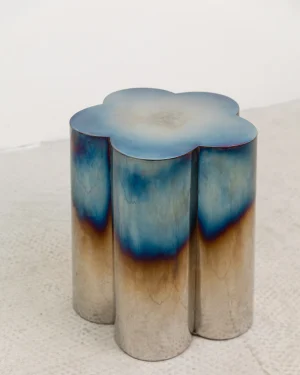
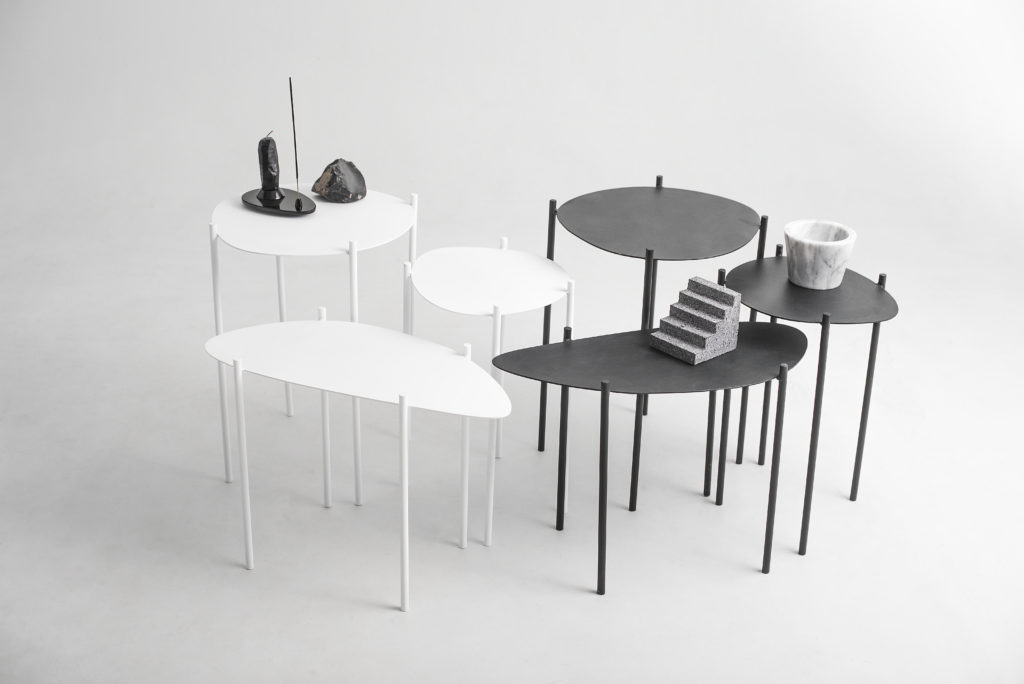
Barvinok Side Table in Heat-Treated Stainless Steel
By FURN OBJECT
€2.700 -

Imaginary Object – Steel Stool
By Joana Teixeira
€1.600 -
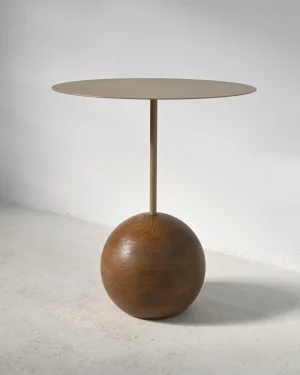
An Su Side Table in Steel and Ash Wood
By SALAK Studio
€690 -

The Altar Side Table in Steel
By COSEINCORSO
€910 -

Mono Side Table in Travertine and Metal
By Yet Design Studio
€1.200 - €1.380 This product has multiple variants. The options may be chosen on the product page -
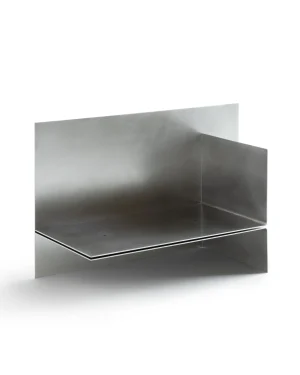
Polysemy Silver Side Table in Stainless Steel
By So Koizumi
€1.200 -

Su Side Table in Steel and Ash Wood
By SALAK Studio
€590 -
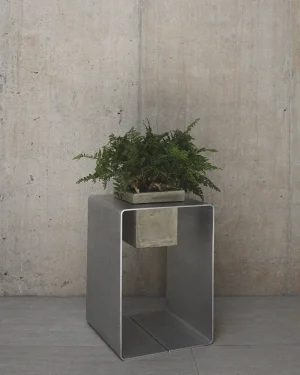
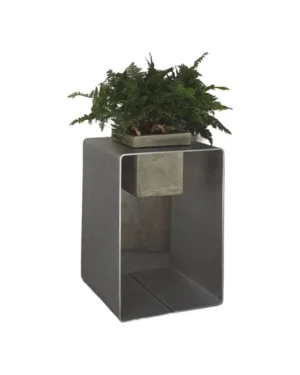
ST001-02 Side Table in Stainless Steel and Concrete
By NAVE
€990 -

Cherry Side Table in Steel and Wood
By SALAK Studio
€590 -
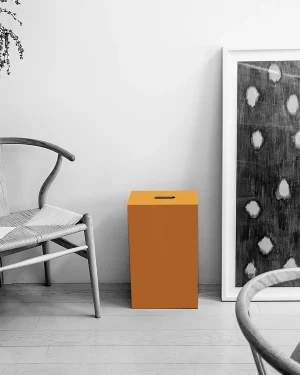
The Apple Box Side Table in Baltic Birch Plywood
By ilan
€450 This product has multiple variants. The options may be chosen on the product page -

S001-10.2 Aluminum Stool
By NAVE
€500 -
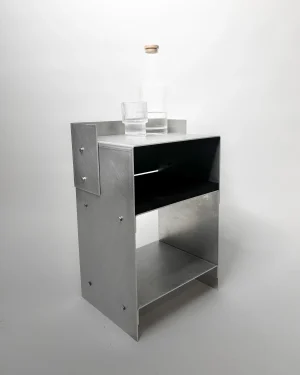 In stock
Matted Aluminium Side Table in Aluminum and Blackwood
By case studios
€530 -
 In stock
Flora Side Table in Carbon Steel
By studiomakuko.com
€600 -

Meadows Side Table in Mahogany and Stainless Steel
By BOTHI
€1.820 - €2.315 This product has multiple variants. The options may be chosen on the product page -

Finepianta 04 Side Table in Stainless Steel and Walnut
By FINEPIANTA
€2.877 -
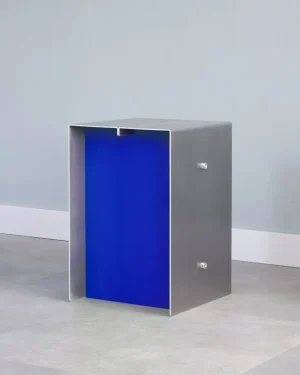
Core Aluminum Side Table / Stool
By Lisanne Meester
€399 This product has multiple variants. The options may be chosen on the product page -
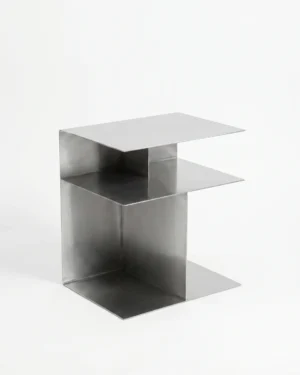
009 Side Table in Stainless Steel
By OFAA
€1.500 -

Nostalgia Side Table in Stainless Steel
By CARRARA
€950 -

Coraza Side Table in Volcanic Stone and Stainless Steel
By Studio Mohs
€2.250 -
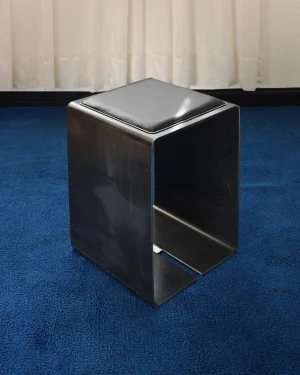
S001-10 Raw Steel Stool
By NAVE
€450 -
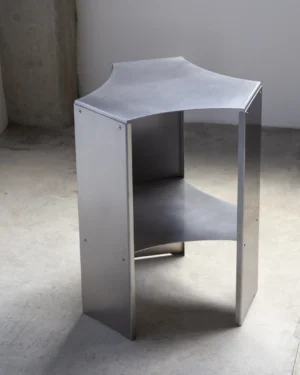
Vortice 50 Side Table in Stainless Steel
By T44 design studio
€730 -
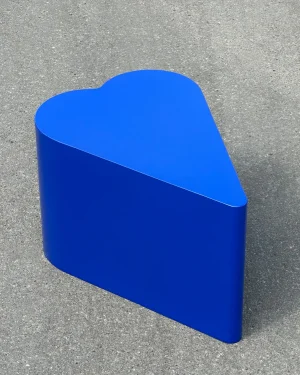 In stock
Heart ST Side Table in Painted Steel
By oitoproducts
€996 -

Doros Side Table in Carbon Steel and Stainless Steel
By Toro Manifesto
€2.450 -
 In stock
Hand-Forged Side Table in Patinated Steel
By SVITANOK
€6.480 -
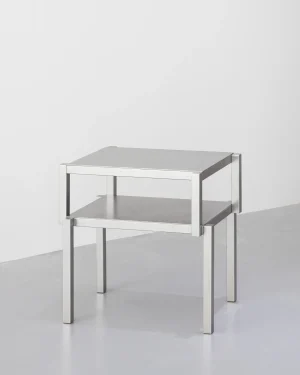
Stackable Stool 1 Side Table in Stainless Steel
By PRACTICE
€644 -

In Between Side Table in Stainless Steel and Lace
By please touch studio
€1.560 -
 In stock
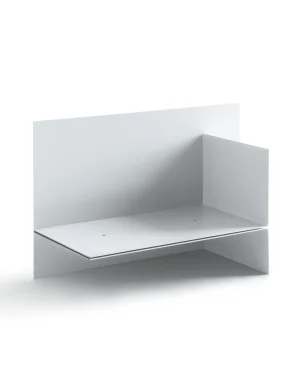
Dendria Side Table in Biopolymer and Walnut Root Veneer
By diploria studio
€4.050 -
 In stock
Polysemy Light Gray Side Table in Steel
By So Koizumi
€1.100 -
 In stock
Cowgirl Side Table in Oxidized Steel
By Toro Manifesto
€2.500 -
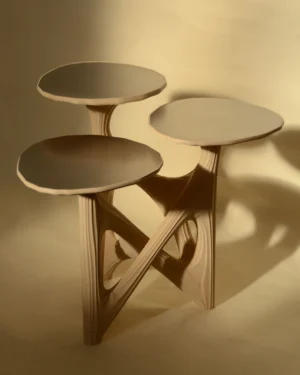
Dendria Side Table in Biopolymer and Stainless Steel
By diploria studio
€3.250 -
 In stock
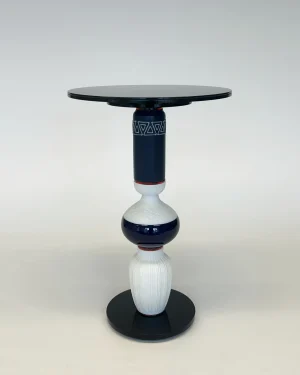
Angels Side Table in Glazed Clay and Glass
By Andreas Berlin
€3.500 -
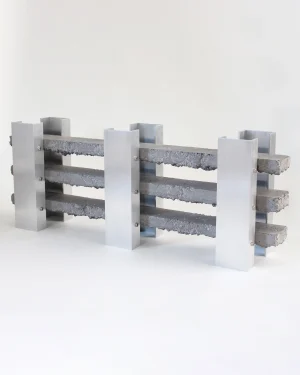
Junction Low Table & Shelves
By Lisanne Meester
€1.399 -
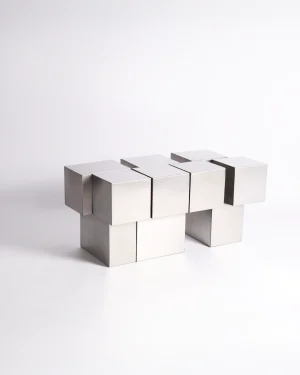
Nexus 67 – Stainless Steel Bench
By Drusch Design
€5.000 -
 In stock
Monolit Side Table in Brushed Stainless Steel
By Arbore x Cezar Moldovan
€2.470 -
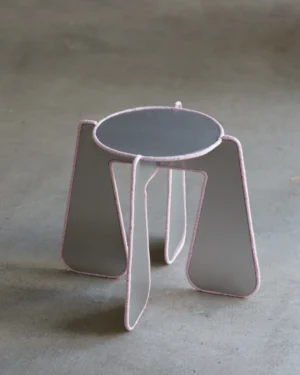
In Between Pink Side Table in Stainless Steel and Lace
By please touch studio
€1.560 -
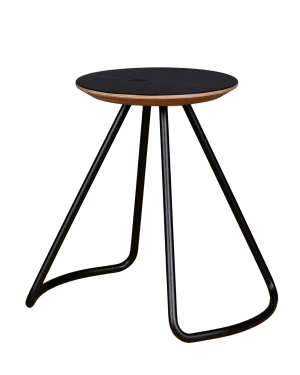
Sama Side Table in Birch Wood and Painted Steel
By Studio Kali
€525 This product has multiple variants. The options may be chosen on the product page -
 In stock
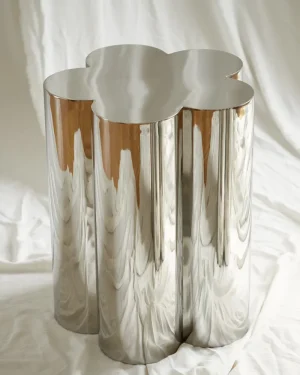
Barvinok Silver Side Table in Polished Stainless Steel
By FURN OBJECT
€2.400 -
 In stock
Asymptote Side Table in Stainless Steel
By Anoe Melliou
€3.300 -
 In stock
Forma Seconda Side Table in Steel and Onyx
By DFdesignLab
€1.370 -
 In stock
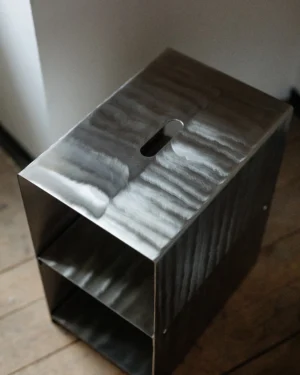
Light Series Side Table in Polished Stainless Steel
By form & eisen
€1.500 -
 In stock
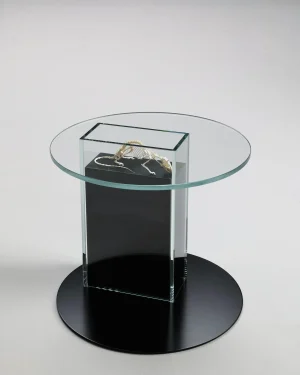
The Rat Side Table in Painted Steel and Ultraclear Glass
By Leo De Carlo
€4.000 -
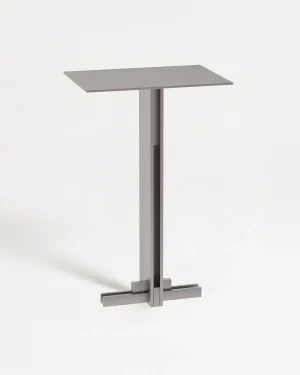
Apex Side Table in Painted Steel and Stainless Steel
By Yet Design Studio
€1.015 - €1.300 This product has multiple variants. The options may be chosen on the product page -
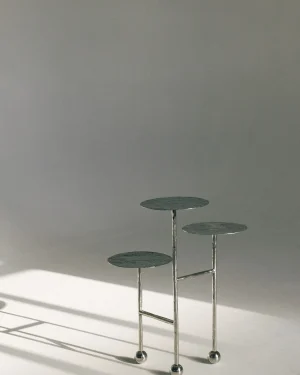
Liquid Side Table in Steel and Brass
By FURN OBJECT
€3.000 -
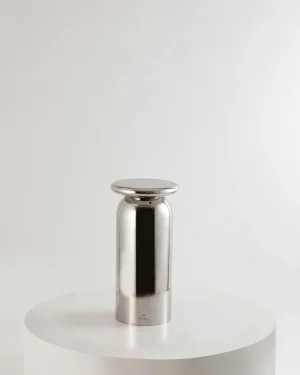 In stock
Scuba Side Table in Steel
By Nama Home
€1.840 This product has multiple variants. The options may be chosen on the product page -
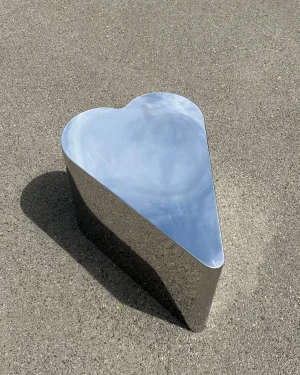
Heart SST Side Table in Stainless Steel
By oitoproducts
€2.400 -
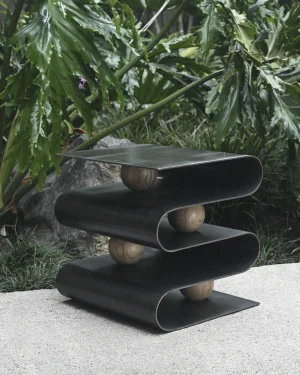 In stock
ST001-05 Side Table in Raw Steel and Bay Laurel Wood
By NAVE
€1.150 -

Muste Side Table in Steel
By SALAK Studio
€790 -
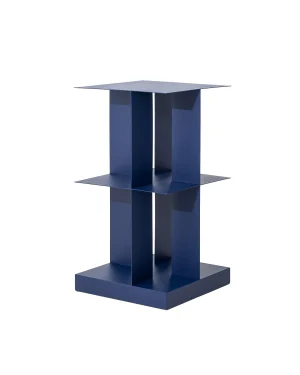
Lobster Side Table in Powder-Coated Steel
By SALAK Studio
€1.200 -

Dendria Side Table in Biopolymer and Stainless Steel
By diploria studio
€3.250 -
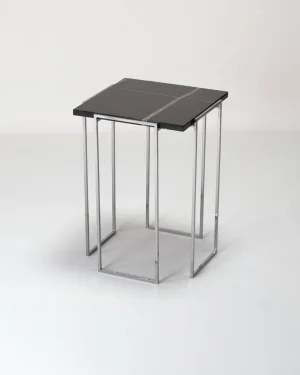 In stock
Kaus Side Table in Sahara Noir Marble and Steel
By DFdesignLab
€750 -
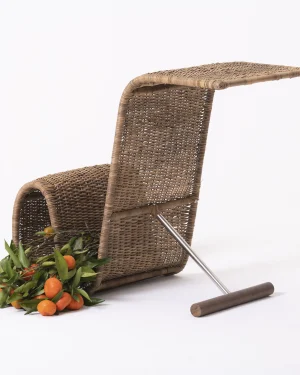 In stock
Alvorada Side Table in Rattan, Stainless Steel and Teak Wood
By Giácomo Tomazzi Studio
€1.150 -
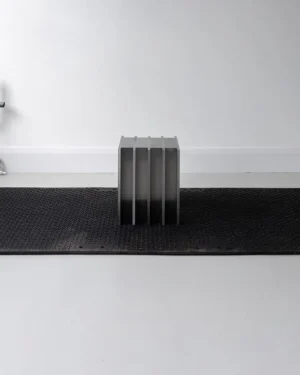
C Series 01 Side Table in Raw Steel
By Jaclyn Pappalardo
€3.784 -
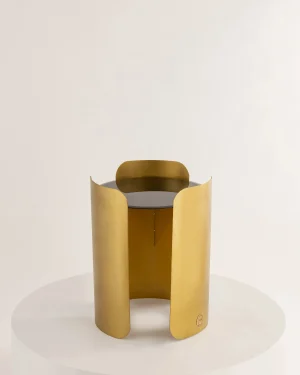 Sold
SoldHug Side Table in Iron and Glass
By Nama Home
€2.270 This product has multiple variants. The options may be chosen on the product page -
 In stock
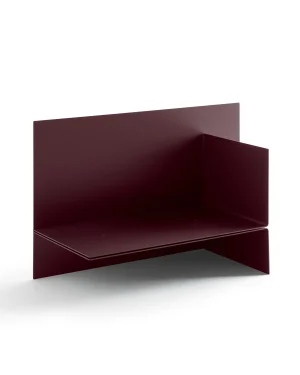
Polysemy Wine Red Side Table in Steel
By So Koizumi
€1.100
Steel side tables are built from a material that holds its line under pressure, cut, bent, and welded into forms that stay thin without going fragile. Studios working in sheet or tube steel favor it for the way a few millimeters of material can carry a tabletop, a lamp, or a stack of books without bulk. Finish and color come from the steel itself, powder coated, polished, or left to patinate, so the table reads as much by its surface as by its silhouette.
What Defines Steel in a Side Table
Steel is dense and rigid, so a side table built from it can use less material than wood or stone and still carry real weight. Flat sheet becomes a top or shelf, round or square tube becomes legs, and welded joints hold the structure without visible fasteners. The result is often slender in profile, closer to drawing than mass, which is why steel suits tables meant to sit lightly beside a sofa or bed rather than dominate a room.
Color on steel side tables usually comes from powder coating, a finish that resists chipping and scratching better than paint, in black, dark gray, silver, off-white, burgundy, baby blue, or blue. Some studios leave steel raw or brushed, letting the surface read as metal itself, cool and slightly reflective. Others pair steel with wood, travertine, aluminum, or leather for a top or inlay, so the table carries two materials and two temperatures at once.
The Range on ADORNO
Across steel side tables on ADORNO, the material shows up in stainless steel and painted steel, often mixed with wood, travertine, aluminum, or leather for the top. Finishes run from matte powder coating to polished chrome to patinated surfaces left to darken on purpose. Techniques include metalwork and welding as the base, with woodturning, stone carving, upholstery, or concrete casting layered in where a studio combines materials.
Style follows the same logic that shaped steel furniture through the twentieth century: Bauhaus and Mid-Century tables that reduce the frame to a line, Neo-Industrial and Brutalist pieces that let welds and bolts show, and Minimalist or Contemporary tables that hide the joinery entirely. Editions vary by studio, with open editions sitting alongside limited runs and unique pieces where a table has been patinated, cast, or finished by hand.
How to Choose a Steel Side Table
Start with height: a side table usually sits level with or slightly below the arm of a sofa or the mattress top of a bed, so it is easy to reach without bending. Measure the gap it will fill before choosing scale, since a steel frame can look smaller than a wood or stone one at the same footprint. Then weigh finish against the room: raw or brushed steel reflects light and reads as cool, while powder-coated color in black, dark gray, or a stronger blue or burgundy can anchor a corner the way a piece of furniture does rather than disappear into it.
- Match the table's finish to nearby metal, in door hardware, lighting, or shelving
- Choose a top material, steel, wood, travertine, or leather, based on what it will carry daily
- Leave clearance for a lamp or stack of books without crowding the seat or bed beside it
Where Steel Side Tables Belong
A steel side table works in a living room beside a sofa, in a bedroom as a bedside support, or in an entryway where it needs to survive bumps, bags, and keys without showing wear. The same thinness that makes steel useful in small spaces also makes it a clean contrast against upholstered seating or a wood floor. For a matching approach across a room, a metal side table can be paired with steel lighting or accessories elsewhere in the space.
Caring for Steel
Powder-coated steel resists scratching and fading better than paint, and needs only a damp cloth to stay clean. Raw or polished steel can mark with fingerprints or water spots, so wiping it dry after cleaning keeps the surface even. Patinated steel is left to change color on purpose, and this shift continues slowly over years rather than being a flaw to correct.
For other starting points, the full range of side tables spans more materials and styles, while steel across every category extends from tables into lighting and accessories. Those drawn to a lighter frame might look at minimalist side tables, and those furnishing a hallway can start with entryway side tables.
How do I choose a steel side table?
Start with the finish: powder-coated steel adds flat, matte color, while patinated or raw steel shows warmth and variation. Consider weight and base shape against the seating or bed it will stand beside.
How do you care for a steel side table?
Wipe with a dry or slightly damp cloth and avoid abrasive cleaners that can scratch the finish. Keep powder-coated surfaces away from prolonged moisture, and wax or oil raw steel occasionally to slow natural oxidation.
What height and size should a steel side table be?
Most side tables sit close to the arm of a sofa or the top of a mattress, usually between 18 and 26 inches tall. A tabletop that sits level with or just below the adjacent surface keeps reach easy.
Which rooms suit a steel side table?
Steel holds its shape and resists wear, so it works well beside sofas, beds, or entryway seating where daily use is constant. Its hard surface also pairs easily with wood, stone, or upholstered pieces nearby.
Can I get a steel side table customized?
Some studios offer variations in finish, size, or color. Chat with the maker on the piece's page to confirm what customization is possible.
What are ADORNO's shipping, returns, and authenticity policies?
Shipping is insured and worldwide. Returns are accepted within 14 days, excluding made-to-order pieces, and every piece arrives with a certificate of authenticity. ADORNO also offers a lowest-price guarantee.