






-
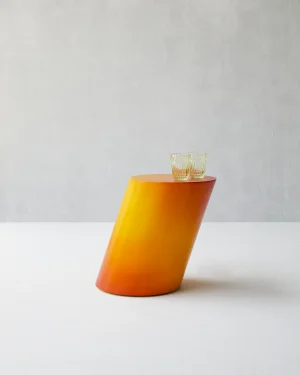
Sunrise End Table
By Objectry
€363 -
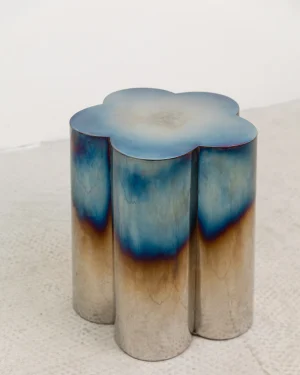
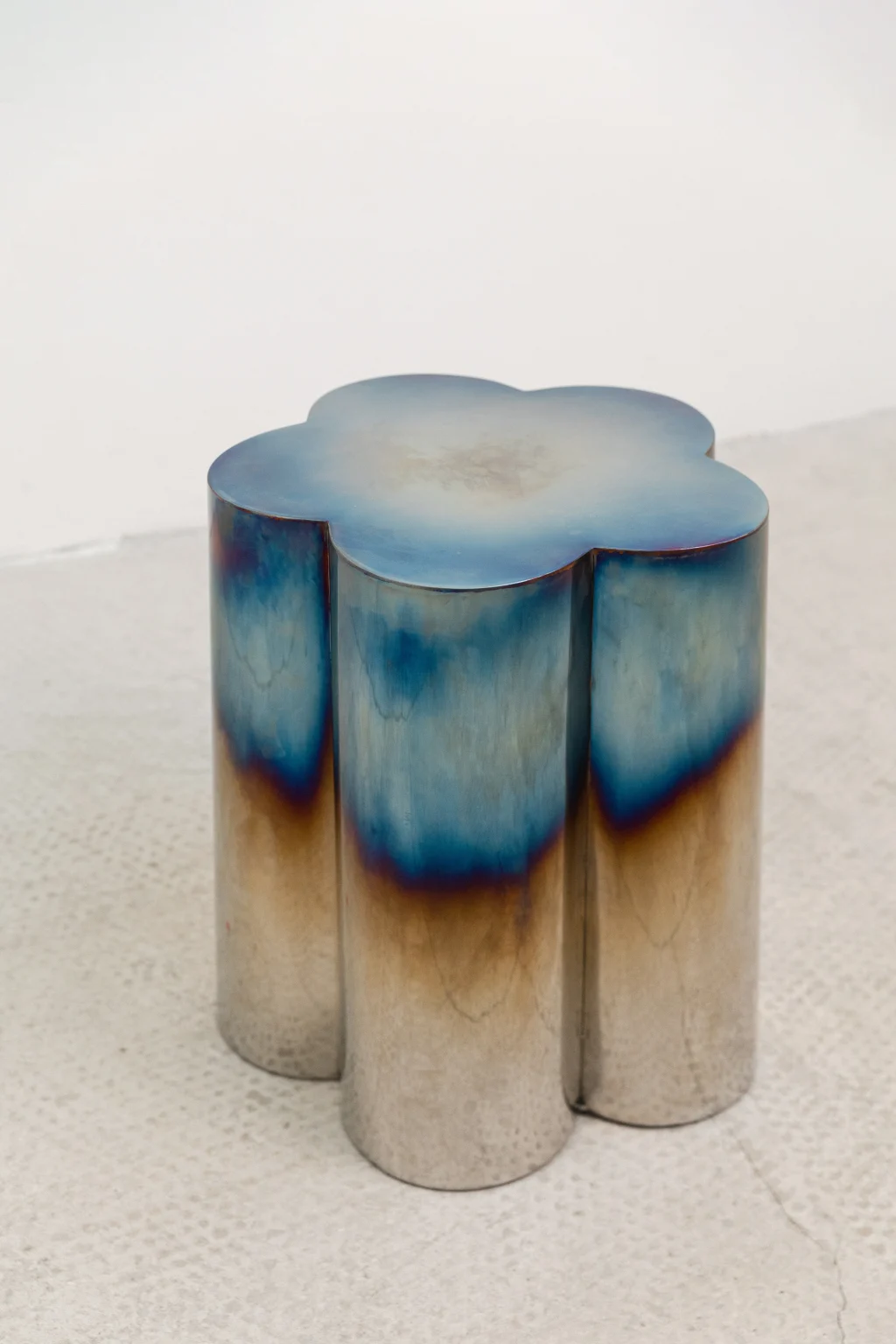
Barvinok Side Table in Heat-Treated Stainless Steel
By FURN OBJECT
€2.700 -
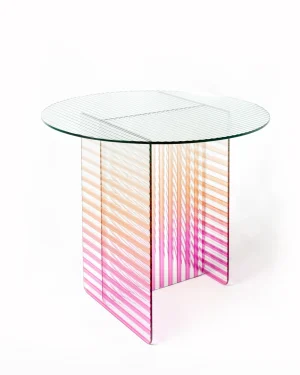
Kaila-I Side Table in Ribbed Glass
By Yugen Lab
€1.050 -

Kaila-II Side Table in Ribbed Glass
By Yugen Lab
€1.000 -
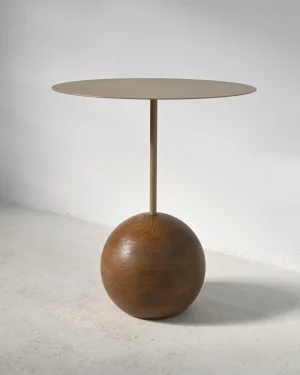
An Su Side Table in Steel and Ash Wood
By SALAK Studio
€690 -

Windows of Bo Bardi Side Table in Tulip Wood
By Linde Freya Tangelder
€1.300 - €1.600 This product has multiple variants. The options may be chosen on the product page -

Mono Side Table in Travertine and Metal
By Yet Design Studio
€1.200 - €1.380 This product has multiple variants. The options may be chosen on the product page -
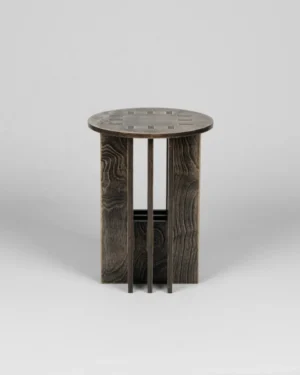 In stock
Plus01 Medium Side Table in Birch Wood
By 301 Design Studio
€800 This product has multiple variants. The options may be chosen on the product page -
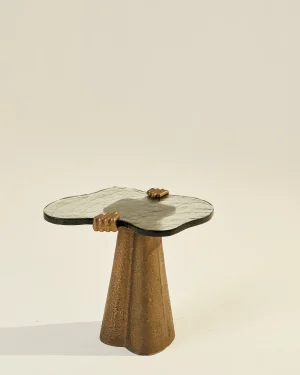
Paws Side Table in Cast Aluminum and Cast Glass
By LMNOH
€1.950 -

Su Side Table in Steel and Ash Wood
By SALAK Studio
€590 -
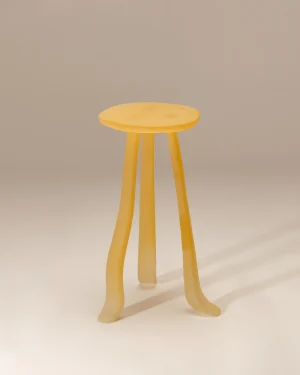
Lung 1.0 Honey Matte Side Table in Resin
By Szymon Keller
€2.200 - €2.400 This product has multiple variants. The options may be chosen on the product page -

Broken Wing Stool
By Obscure Objects
€290 -

Monolit Alpi Side Table in Oak Veneer and MDF
By Arbore x Cezar Moldovan
€2.188 -

The Mingo Side Table in White Oak
By CHANDLER MCLELLAN
€2.170 -
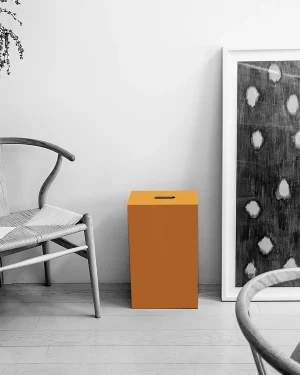
The Apple Box Side Table in Baltic Birch Plywood
By ilan
€450 This product has multiple variants. The options may be chosen on the product page -
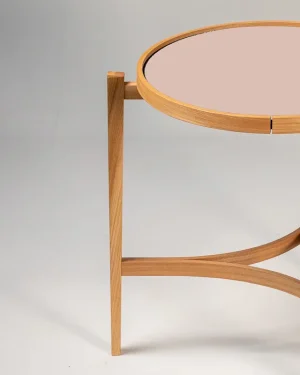
Geodetic Side Table in Oak Wood
By studiolehn
€660 -

S001-10.2 Aluminum Stool
By NAVE
€500 -
 In stock
Flora Side Table in Carbon Steel
By studiomakuko.com
€600 -
 In stock
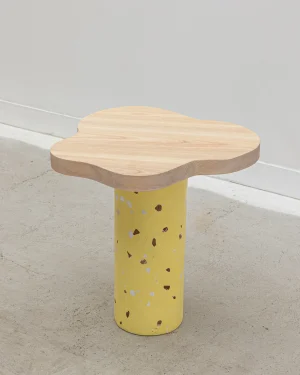
Esposcada 01 Side Table in Terrazzo and Ash Wood
By Pierre Klein
€1.600 -
 In stock
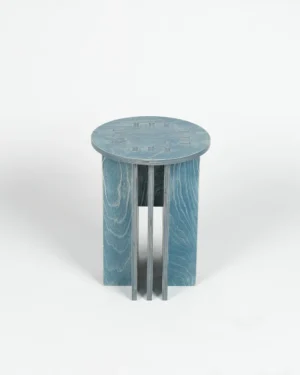
Plus01 Small Side Table in Birch Wood
By 301 Design Studio
€700 This product has multiple variants. The options may be chosen on the product page -
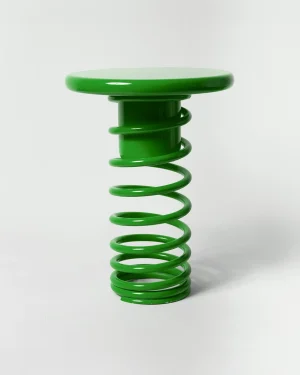
Twist Stool
By Yet Design Studio
€1.200 This product has multiple variants. The options may be chosen on the product page -

Arcus Side Table in Teak Wood
By Studio Indigene
€950 -
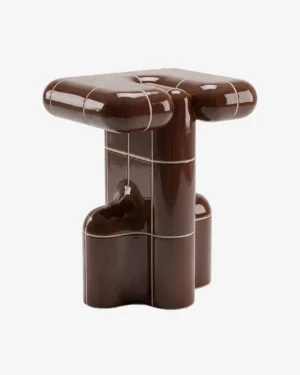
U-001 Cacao Side Table in 3D-Printed PLA
By Rollo Studio
€1.620 -
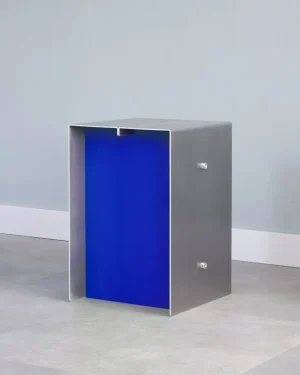
Core Aluminum Side Table / Stool
By Lisanne Meester
€399 This product has multiple variants. The options may be chosen on the product page -

012 Side Table in Aluminum
By OFAA
€1.350 -
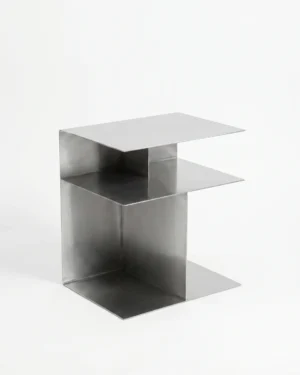
009 Side Table in Stainless Steel
By OFAA
€1.500 -

Foldtable Side Table in Aluminum
By FlatFlat
€172 -

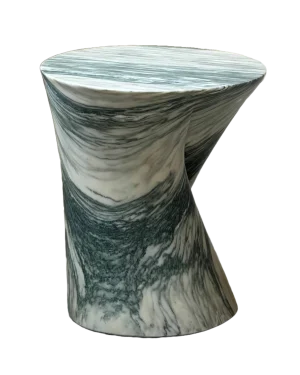
Matera Side Table in Verde Lepanto Marble
By MERCOEUR EDITION
€1.813 -
 In stock
Departed Side Table in Cipollino Marble
By Studio TOOJ
€12.200 -
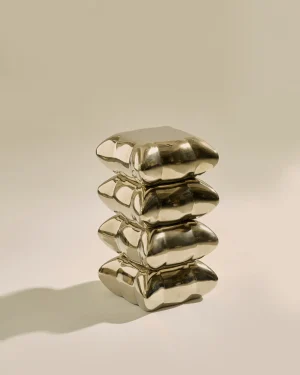
Pillow Side Table in Nickel-Plated Cast Aluminum
By LMNOH
€1.250 -

Dunes Side Table in Polished Aluminum and Carved Wood
By Malvin Gaborit
€8.829 -
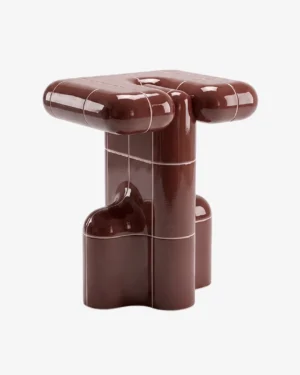
U-001 Garnet Side Table in 3D-Printed PLA
By Rollo Studio
€1.620 -
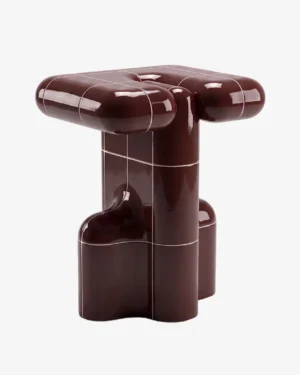
U-001 Oxide Side Table in 3D-Printed PLA
By Rollo Studio
€1.620 -
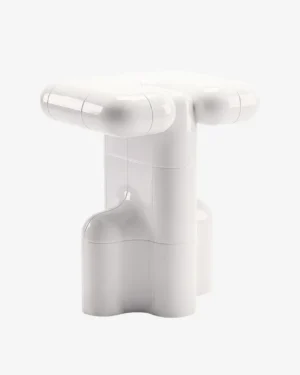
U-001 Chalk Side Table in 3D-Printed PLA
By Rollo Studio
€1.620 -
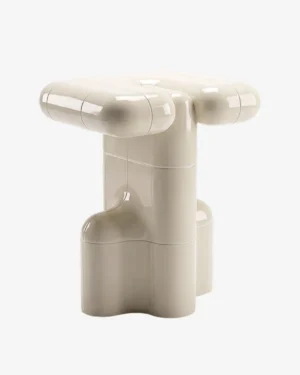 In stock
U-001 Cream Side Table in 3D-Printed PLA
By Rollo Studio
€1.620 -

Donut Side Table in Blown Glass and Tempered Glass
By Deya
€1.633 -

Coraza Side Table in Volcanic Stone and Stainless Steel
By Studio Mohs
€2.250 -
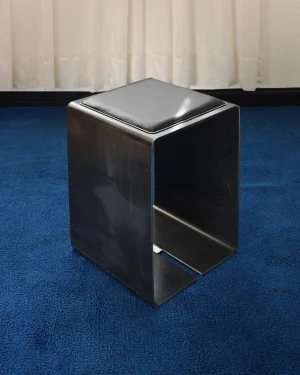
S001-10 Raw Steel Stool
By NAVE
€450 -
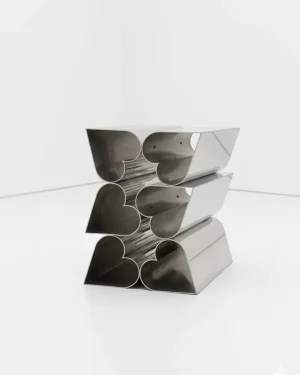
Side Piece Side Table in Extruded Aluminum
By Deon Rubi
€2.200 -
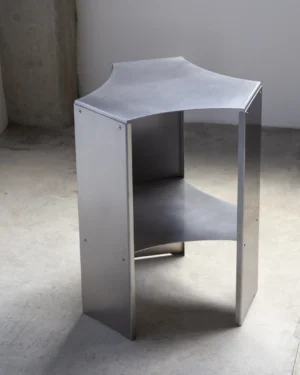
Vortice 50 Side Table in Stainless Steel
By T44 design studio
€730 -
 In stock
Valentina Low Stool
By Heaps & Woods
€1.344 -
 In stock
Bruna Low Stool
By Heaps & Woods
€1.344 -
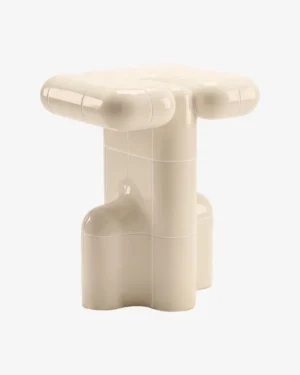
U-001 Ivory Side Table in 3D-Printed PLA
By Rollo Studio
€1.620 -
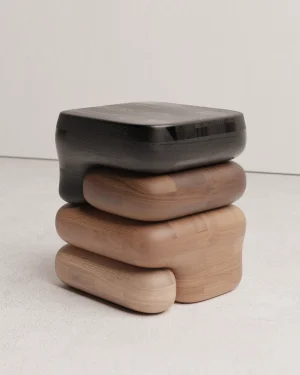
Gradient 01 Side Table in Beech, Ash, Chestnut and Oak Wood
By Luis Gimeno Design
€7.000 -
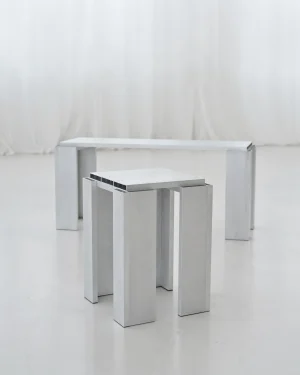
Al01 Aluminum Stool
By NOSTUDIO
€750 -
 In stock
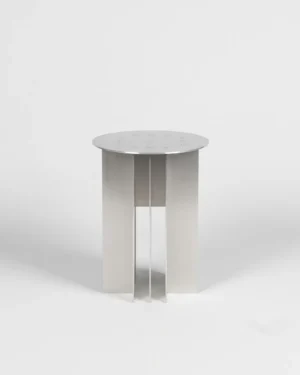
Plus01 Small Side Table in Aluminum
By 301 Design Studio
€900 -

Windows of Bo Bardi – Butter
By Linde Freya Tangelder
€1.300 -
 In stock
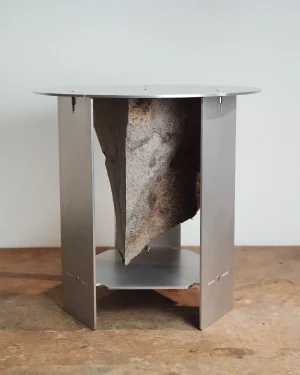
Fuera de Lugar Side Table in Natural Stone and Aluminum
By Estudio Material
€1.900 -

Junco Stool
By Daniel Couttolenc
€1.500 This product has multiple variants. The options may be chosen on the product page -
 In stock
Nala Stool
By Heaps & Woods
€1.343 -
 In stock
Plus01 Medium Side Table in Aluminum
By 301 Design Studio
€850 -
 In stock
Orange With Green Tape Wowtable Side Table in Epoxy Resin
By Calen Knauf Studio
€273 -
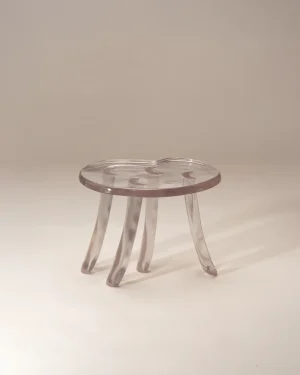
Lung 2.0 Side Table in Resin
By Szymon Keller
€3.180 -

Lung 2.0 Blue Side Table in Resin
By Szymon Keller
€3.180 This product has multiple variants. The options may be chosen on the product page
Modern side tables bring a studio's structural thinking down to a small, approachable scale. The pieces here favor clean lines and honest material, whether that is oak wood, cast glass, welded steel or poured resin, with construction that stays visible rather than hidden under ornament. Many come from independent studios working across wood and cabinetmaking, metalwork, glass casting and resin casting, so the same style reads differently depending on what the maker had on the bench.
What defines a modern side table
The style favors geometry over decoration: a disc on a tripod, a slab on a plinth, a frame of bent tube. Surfaces tend toward flat color or natural grain rather than pattern, and joints or welds are often left plain so the construction itself becomes the detail. This restraint is what lets a single table sit easily between older furniture and newer pieces without fighting either.
Materials, finishes and techniques in this range
Oak and other woods bring warmth and grain that deepens with age, usually shaped through wood and cabinetmaking or carved by hand. Stainless steel and aluminum hold a cooler, reflective surface and come from metalwork, often left raw or powder-coated in black, gray or off-white. Glass, cast or blown, reads as near-transparent and adds visual lightness, while resin casting produces solid, sculptural forms in colors rarely found in wood or metal, from sky blue to gold. MDF appears where a flat-painted, graphic finish matters more than natural material, often in ivory, dark gray or black.
Editions vary by piece: some studios work in open editions repeated to order, others release limited editions in fixed numbers, and a few produce unique pieces where no two are quite alike. None of this is fixed to one material, so the same oak or steel form might exist as any of the three.
How to choose one
Start with height: a side table usually sits close to the arm of a sofa or the top of a mattress, so measure the seat or bed before deciding on a base. Scale matters as much as height. A slim steel frame disappears visually and suits a tight corner, while a wide stone or resin top reads as a small piece of furniture in its own right and needs more floor room.
- Match finish to the room's other metals and woods rather than to a single accent piece.
- Choose a top wide enough to hold a lamp and a cup without crowding.
- Leave a few inches of clearance between the table edge and any walking path.
For a closer look at a single material, wooden side tables and metal side tables each behave differently under daily use and are worth comparing before you commit to one.
Where it works in a room
In a living room, a modern side table frames a sofa arm or fills the gap between two chairs, holding a lamp, a glass, or a small stack of books. Near a bed it carries a reading light and whatever needs to be within reach overnight. By a front door it can double as a place to set down keys. For that last use, entryway side tables are shaped specifically around quick, shallow surfaces rather than deep storage.
Caring for the material
Oak and other solid woods want a stable, indoor climate; wipe spills quickly and avoid direct heat, which can dry and crack the grain over time. Steel and aluminum resist most daily wear but can mark on painted or powder-coated finishes, so lift rather than drag them. Glass and resin surfaces should be cleaned with a soft cloth, since abrasive pads can dull a cast finish permanently.
To see the full range of shapes and sizes, the complete set of side tables spans every material and style on ADORNO, while every modern piece on ADORNO extends the same language into seating, lighting and other tables for a room built around one idea.
How do I choose a modern side table?
Start with proportion: the top should sit near sofa-arm or mattress height, and the base should read clean against the room's lines. Oak, steel, glass, and resin each bring a different weight, so pick one that contrasts or echoes nearby pieces.
What materials are modern side tables made from?
Common choices include oak and other woods, glass, stainless steel, aluminum, resin, and MDF. Each carries a distinct finish, from the grain of wood to the cool surface of metal or the clarity of cast glass.
How do I care for a modern side table?
Wood tables need occasional oiling and protection from direct sun and moisture. Glass and resin wipe clean with a soft cloth, while steel and aluminum resist stains but can show scratches, so avoid abrasive cleaners.
What size and height should a side table be?
Most side tables sit between 18 and 26 inches tall, close to sofa-arm or mattress height, so surfaces stay within easy reach. Exact dimensions vary by piece, so check the listing for specifics.
Which rooms suit a modern side table?
They work beside sofas, armchairs, and beds, and along entryway or hallway walls where a small surface is useful. Their scale makes them adaptable to tight corners as well as open living spaces.
What are ADORNO's shipping, returns, and authenticity policies?
Shipping is insured and worldwide. Returns are accepted within 14 days, excluding made-to-order pieces, and every piece arrives with a certificate of authenticity. ADORNO also offers a lowest-price guarantee.