
-
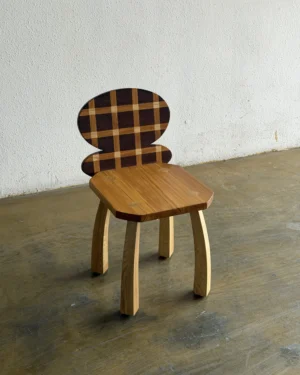
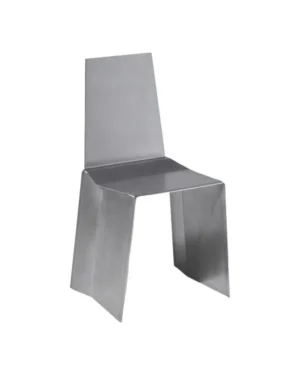
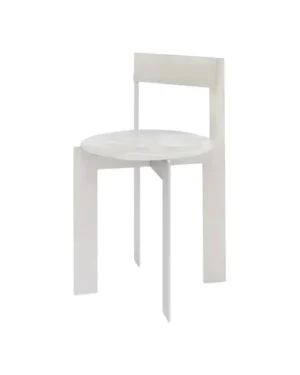
Bend Chair
By STUDIO KALLANG
€2.900 -
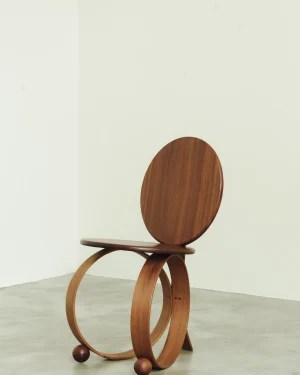
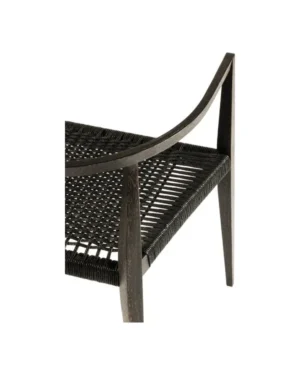
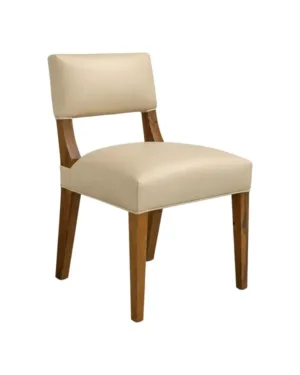
Yara – Bent Wood Chair
By PROSA
€3.200 -

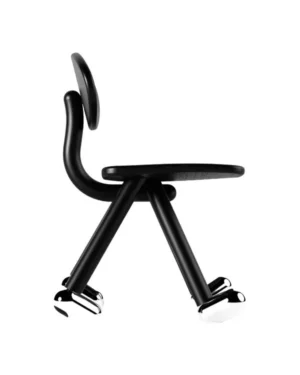
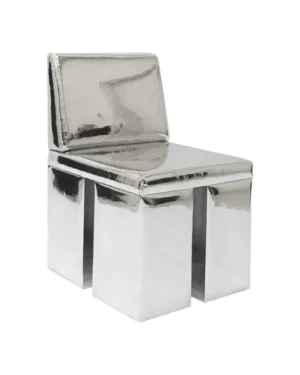
The Three Ball Leg Chair
By Joana Teixeira
€2.200 -
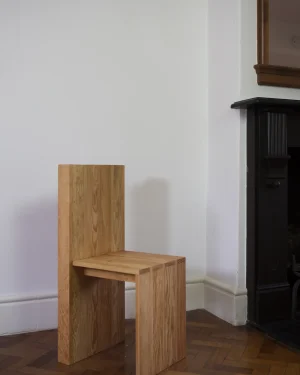
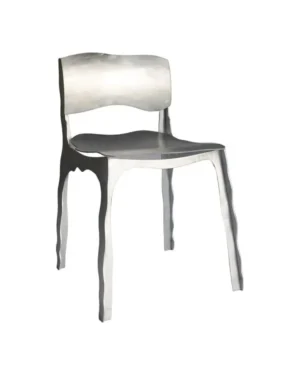
La Curva – Minimalist Wood Chair
By Jaclyn Pappalardo
€940 -
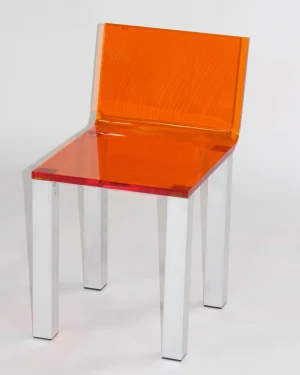 In stock
Acrilar – Acrylic Chair I
By Luiz Solano
€840 This product has multiple variants. The options may be chosen on the product page -
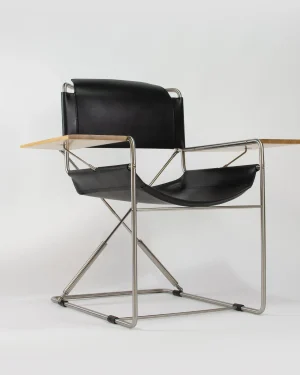 In stock
Pneumatic Chair 2
By Szostak Atelier
€5.990 This product has multiple variants. The options may be chosen on the product page -

Fly Chair
By Tiago Curioni
€1.920 -
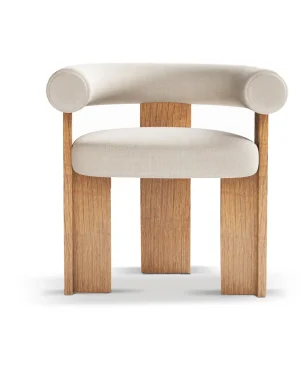
Cassette – Upholstered Armchair
By Alter Ego Studio
€2.215 -
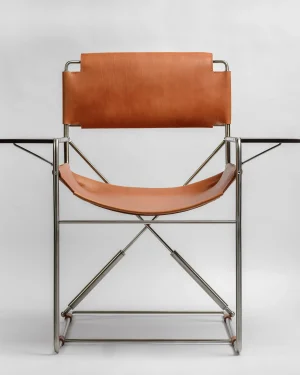 In stock
Pneumatic Chair – Unique Piece
By Szostak Atelier
€9.000 -
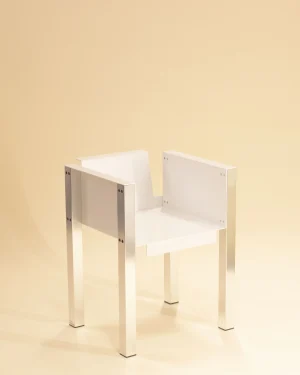
A2 – Aluminum Armchair
By Luiz Solano
€1.250 -
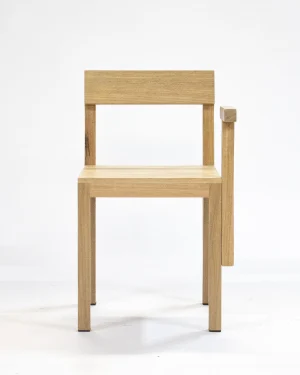 In stock
Sm1 – Tauari Wood Chair
By Luiz Solano
€1.100 -
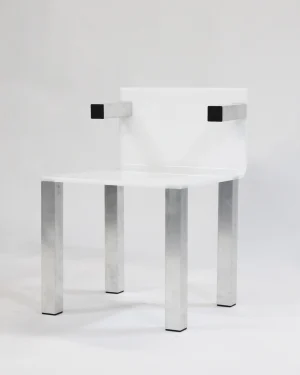
Acrilar – Acrylic Chair With Aluminum Armrest
By Luiz Solano
€1.250 -
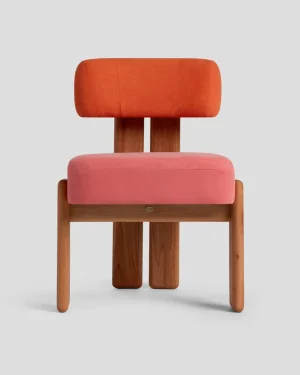
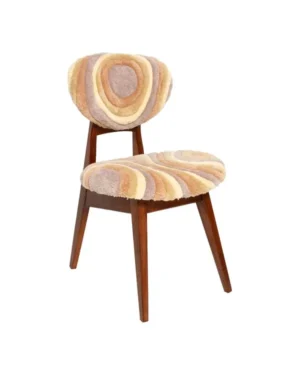
Anni Toronja De La Paz Dining Chair
By Comité de Proyectos
Price Upon Request -
Anni Toronja De La Paz Dining Chair
By Comité de Proyectos
Price Upon Request -
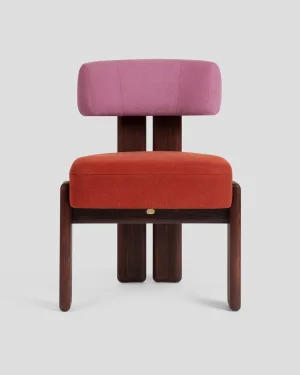
Anni Cocoa De La Paz Dining Chair
By Comité de Proyectos
Price Upon Request
Bauhaus dining chairs translate a design school's core belief, that form should follow structure, into seats seldom finished before they are tested by daily use. Studios working in this idiom favor tubular steel, chromed or lacquered, paired with cane, leather or molded plywood, and they favor joinery and metalwork that show their own order, no tendency to disguise a weld or a seam. The result sits closer to a diagram than an decoration: legs read as lines, seats as planes, and nothing is added that does not carry weight.
What defines the Bauhaus approach to a dining chair
The Bauhaus school, active in Germany through the 1920s and early 1930s, treated furniture as an exercise in engineering as much as comfort. Dining chairs from this lineage favor cantilevered steel frames, bent rather than carved, so a single continuous tube can flex slightly under weight instead of relying on four rigid legs. Where wood appears, it tends toward oak or beech, worked plain and left to show its grain rather than stained to hide it.
Leather and cane seats recur because both stretch across a frame without extra padding, keeping the silhouette as open as the structure beneath it. Acrylic and steel versions push the same logic further, reducing a chair to its working parts: seat, back, support, with no flourish between them.
Materials, finishes and ways of making found here
Within this style the range runs from chromed or matte stainless steel and aluminum frames to oak and mahogany seats, some upholstered in leather, others left bare. Colors stay close to the school's palette: white, beige and brown, dark brown, cognac, with the occasional red or orange accent on a leather or textile seat. Studios build these chairs through metalwork and welding for the frames, joinery and wood and cabinetmaking for solid seats, and upholstery, leatherwork or textilework where a cushion or sling is involved.
Some pieces come from open editions, made to a standing specification whenever a studio has capacity. Others are produced in limited editions or as unique pieces, where a maker works a frame or seat by hand and no two examples read quite the same.
Choosing a bauhaus dining chair for your table
Start with seat height relative to your table: most dining surfaces sit between 28 and 30 inches, which calls for a seat around 18 inches from the floor, with enough clearance for the chair's arms, if it has any, to slide under. Measure seat depth and width against the people who will actually use the chair daily, not just against the table's proportions.
- Check whether the frame is chromed, brushed or lacquered steel, since each finish marks and cleans differently.
- Decide whether a leather, cane or upholstered seat suits the room's level of daily wear.
- Look at how the chair reads from the side: a cantilevered steel frame sits lighter in a small room than four solid wooden legs.
Pieces drawn from the wider pool of wooden dining chairs tend to anchor a room more heavily, while steel-framed metal dining chairs keep sightlines open around a table.
Where these chairs sit well
A set of bauhaus dining chairs reads naturally around a dining table, but the same frames work equally well pulled up to a desk or placed singly in a hallway or study, since their geometry was never designed to depend on a matching set. Rooms with plain walls and natural light let the steel and leather carry the visual weight on their own, without competing patterns.
Anyone drawn to this restraint but wanting a softer edge might also look at minimalist dining chairs, which share the same reluctance toward ornament without the specific steel-and-cane vocabulary of the Bauhaus school.
Care for steel, leather and oak frames
Chromed or lacquered steel wants a dry cloth and nothing abrasive; moisture left standing will eventually dull the finish or invite rust at welds. Leather seats benefit from an occasional wipe and a leather conditioner once or twice a year, kept away from direct heat sources that dry and crack the surface.
Oak or mahogany seats should be dusted regularly and kept from standing water, which raises the grain and can leave marks that no amount of sanding fully removes. For the full range of seating built around this discipline, the Bauhaus seating pages and the broader dining chairs category both make a reasonable starting point.
How do I choose a bauhaus dining chair?
Look at the frame first: tubular steel or chrome signals the style's industrial roots, while wood or leather seats bring warmth. Match the frame finish to existing table legs or hardware for a settled look.
What materials are bauhaus dining chairs made from, and how do I care for them?
Most pair steel or aluminum frames with leather, canvas, or wood seats. Wipe metal with a dry cloth, condition leather occasionally, and keep wood away from direct heat to prevent drying or cracking.
What is the standard height of a bauhaus dining chair?
Seat heights typically sit between 17 and 19 inches, matching standard dining table heights of 28 to 30 inches, leaving enough knee clearance for comfortable seating.
Which rooms suit bauhaus dining chairs?
Their geometric steel frames and clean lines suit dining rooms, open-plan kitchens, and lofts with exposed materials, anchoring a table without competing with surrounding furniture or art.
What is ADORNO's shipping and return policy for bauhaus dining chairs?
Shipping is insured and worldwide. Returns are accepted within 14 days, except for made-to-order pieces, which are excluded from this policy.
How do I know a bauhaus dining chair is authentic?
Every piece comes with a certificate of authenticity. For specifics on materials or construction, use Chat with the maker on the piece's page.